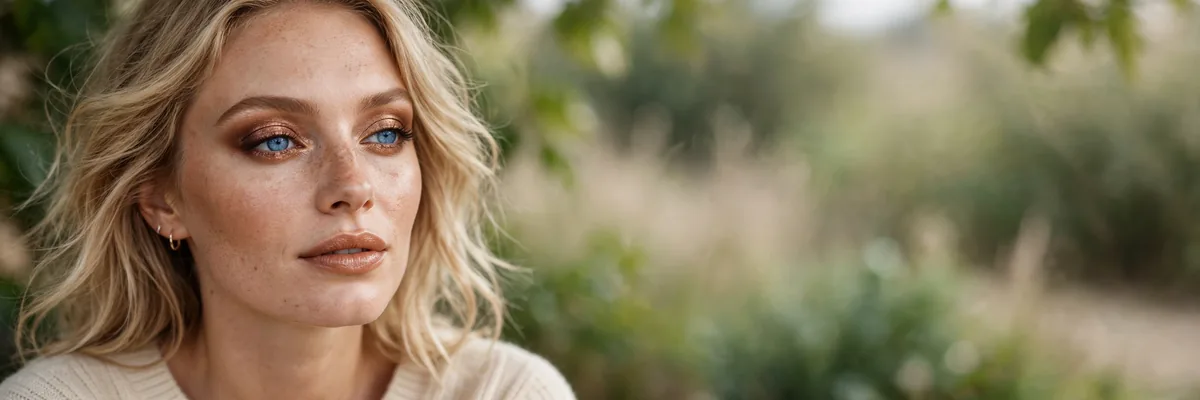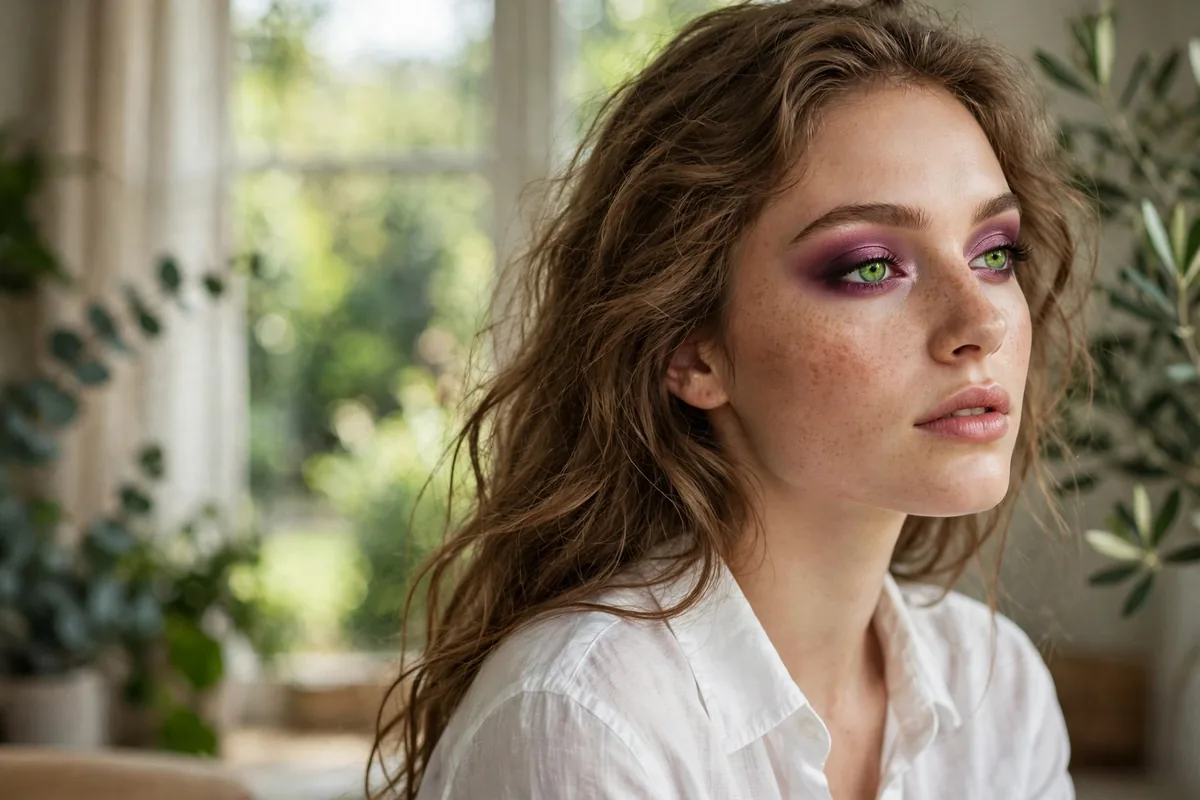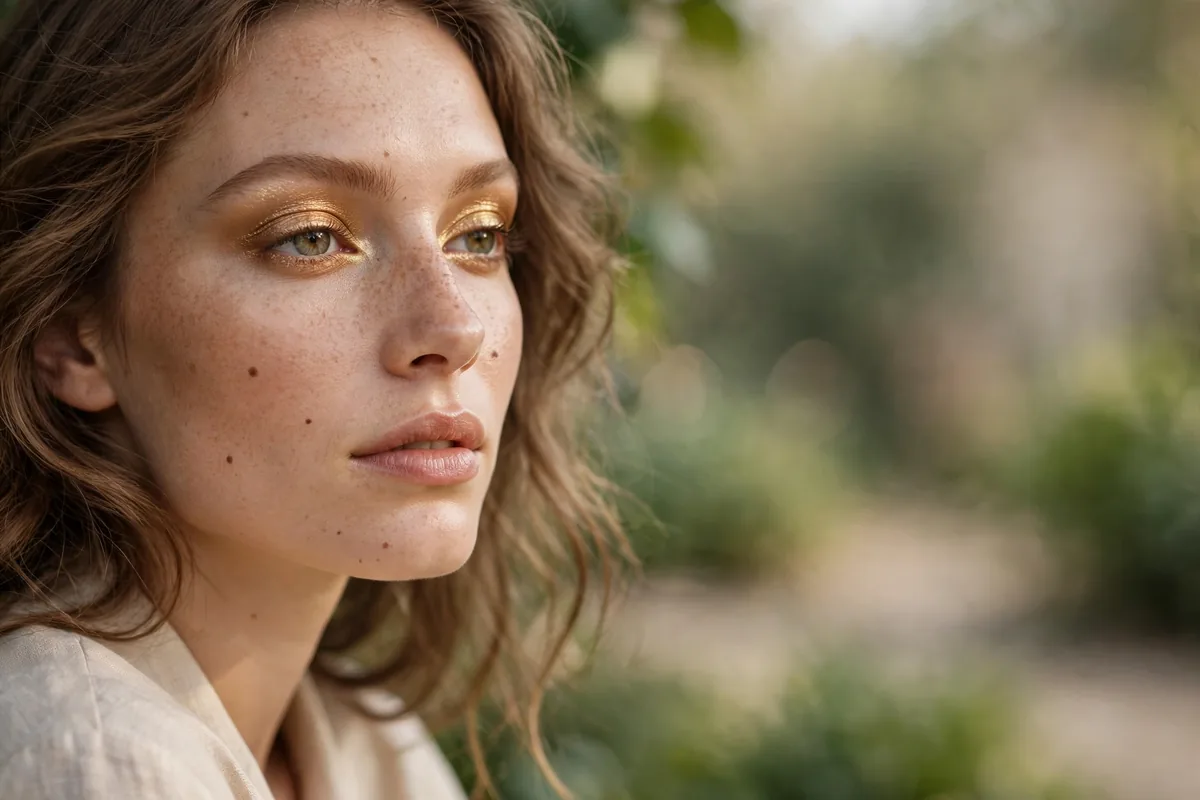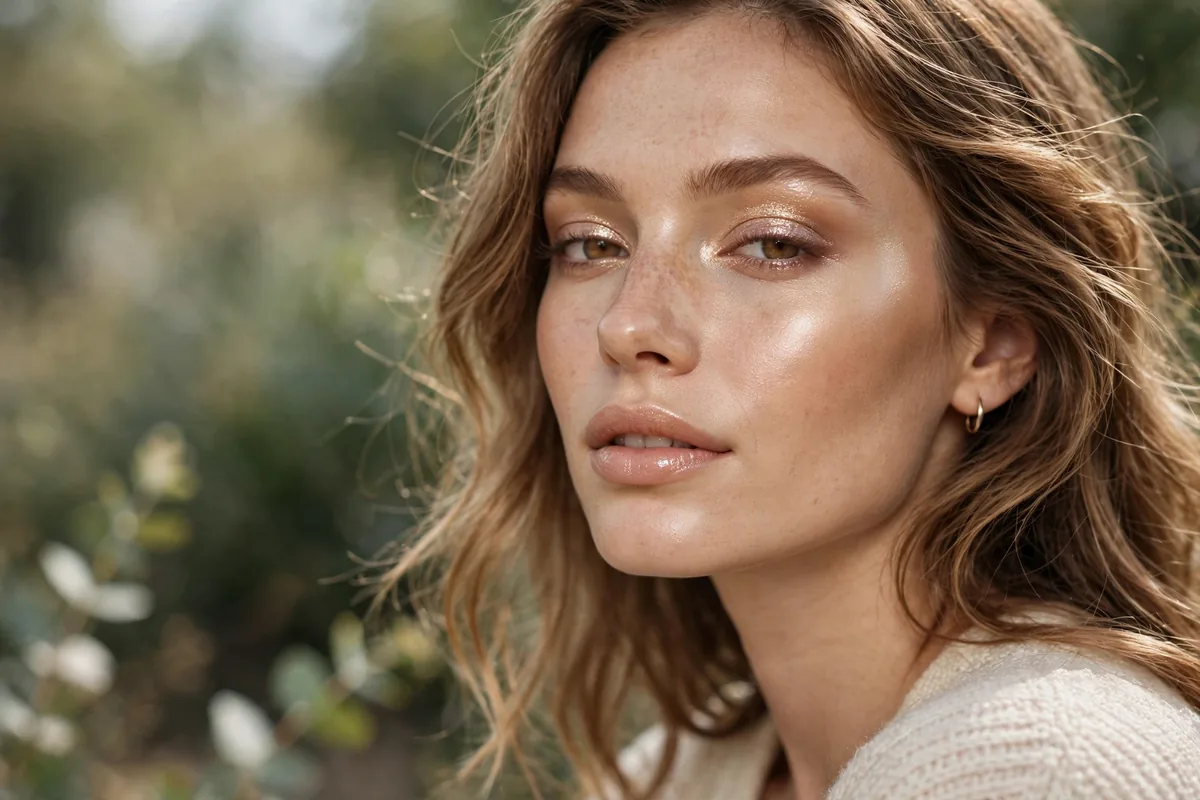
Champagne eyeshadow is the closest thing makeup has to a magic wand — one shade that brightens, defines, and glows.
What makes champagne universal is its perfect neutrality: not quite gold, not quite silver, with a luminosity that flatters every skin tone and every eye color. It’s the shade that works when nothing else does.
Champagne also multitasks — lid color, inner-corner brightener, brow-bone highlight, even a subtle cheek glow in a pinch. One pan, endless uses.
Here are 20 champagne looks, from bare-minimum to full glam. Let’s get into it.
Classic Champagne Wash
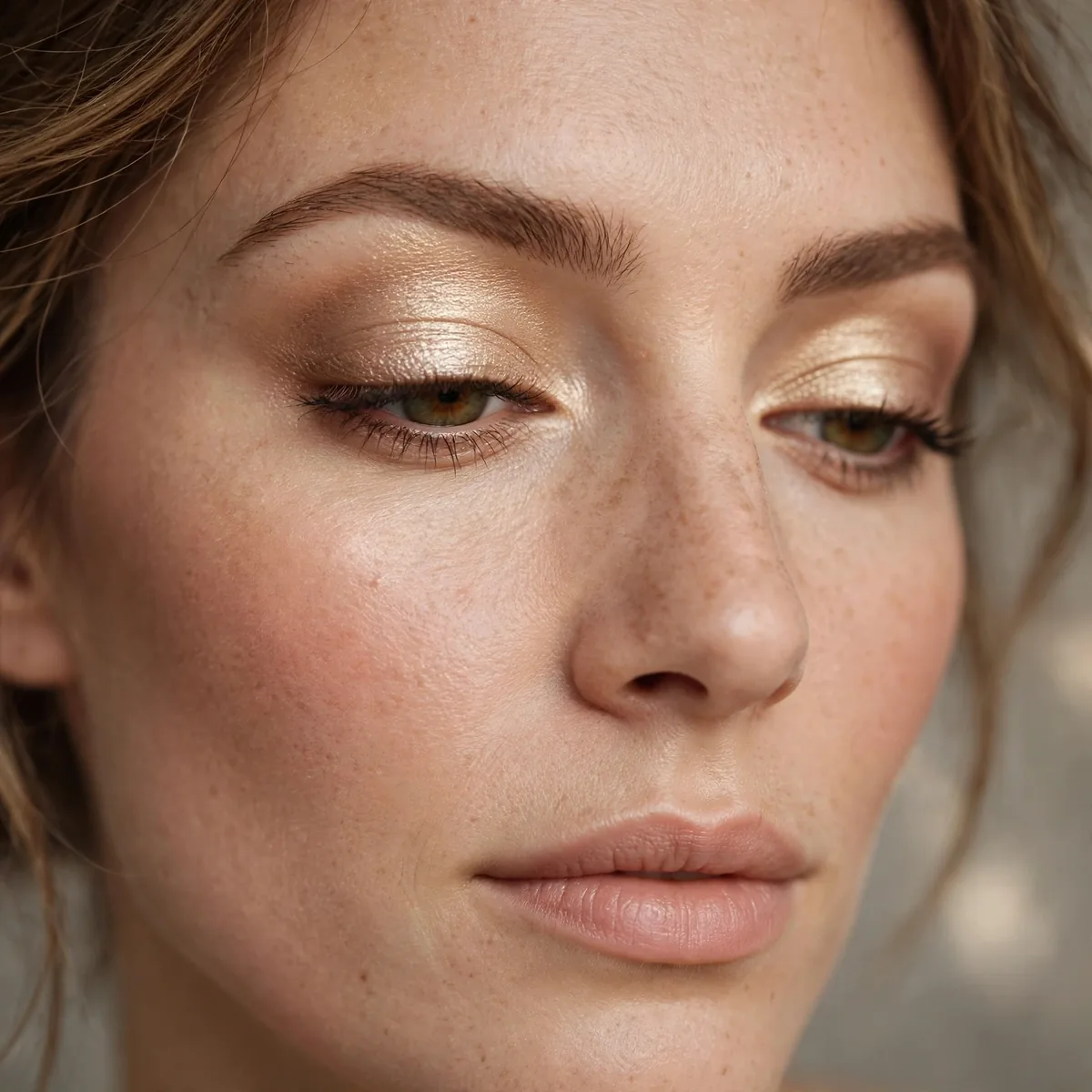
One sheer layer of champagne over the whole lid — the 60-second eye look that flatters everyone.
Best for: everyone, daily. This is the most universally flattering eyeshadow move in existence.
Balance the classic champagne wash with thoughtful pairings elsewhere on the face. When the eyes carry this much presence, keep lips in the soft-neutral family and blush diffused — the contrast lets the eye look breathe. A fluffy blending brush keeps the shadow edges refined so the overall effect stays elegant rather than heavy. Restraint on the lips is not boring here; it is what makes the eyes the undeniable focal point.
Harsh, unblended edges are what make a classic champagne wash look amateur rather than editorial. After placing your shades with a flat shader brush, spend real time diffusing the transitions — the perimeter should fade like smoke, not stop like a wall. lash primer on the lid helps colors meld rather than sit starkly on top. If you can see where one shade ends and skin begins, keep blending.
Champagne Shimmer Lid
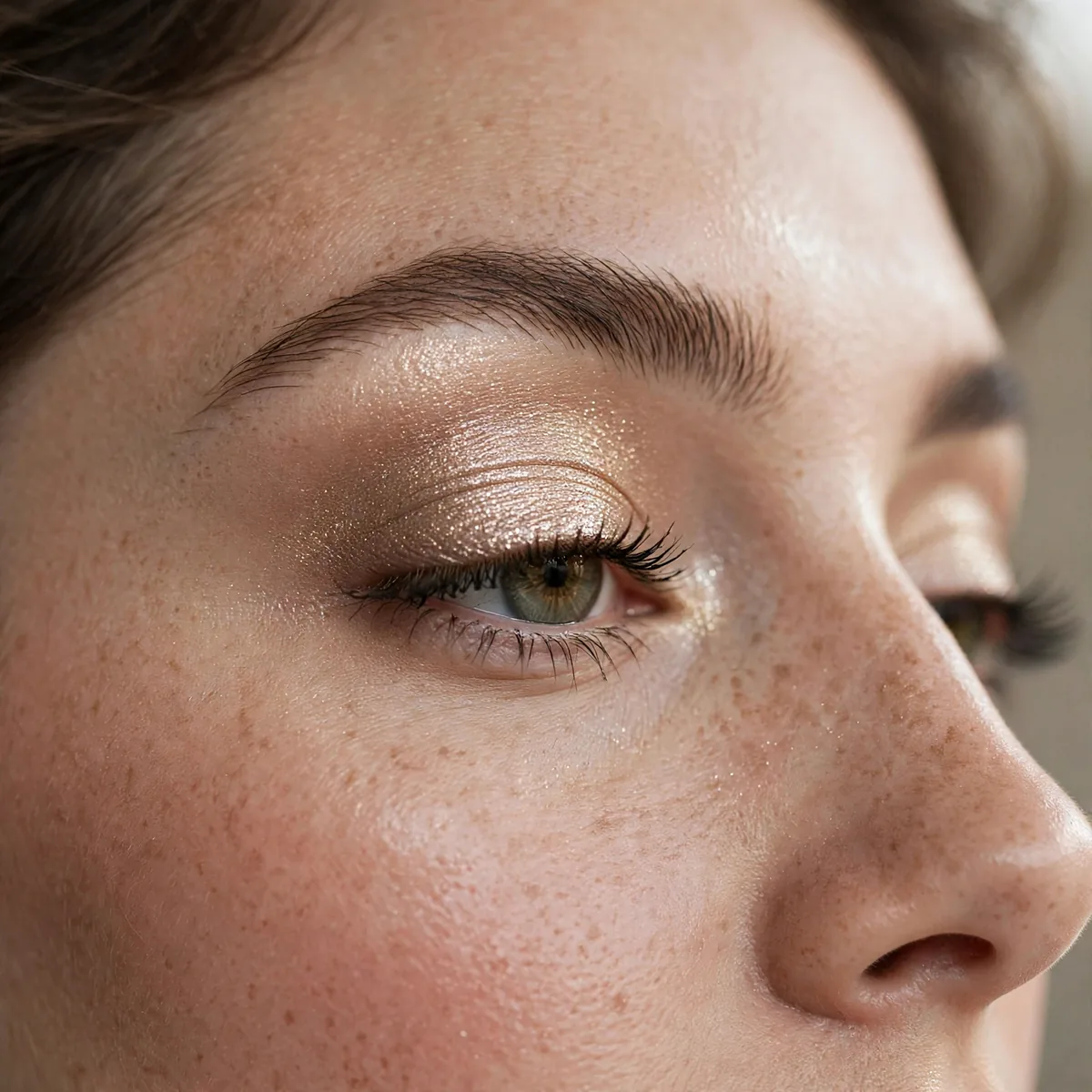
Buildable champagne shimmer pressed onto the lids — glow you can dial up or down.
Best for: day-to-night. Sheer for the office, layered for dinner.
Color swaps keep a champagne shimmer lid fresh across seasons. Trade the signature shade for its warmer or cooler cousin and the whole look shifts personality while the technique stays identical. Blend the newcomer with a pencil brush just as carefully, over the same reliable translucent powder base. This kind of variation is how signature looks evolve — same fluency, new vocabulary.
For a champagne shimmer lid that looks expensive, mind your pressure. A detail brush used with a featherlight hand deposits diffused color, while pressing hard creates the patchiness people blame on the formula. Tap off excess before touching the eye, build slowly, and blend between every layer. Good technique makes even drugstore shadows perform — and great technique makes good shadows look extraordinary.
Champagne Inner Corner
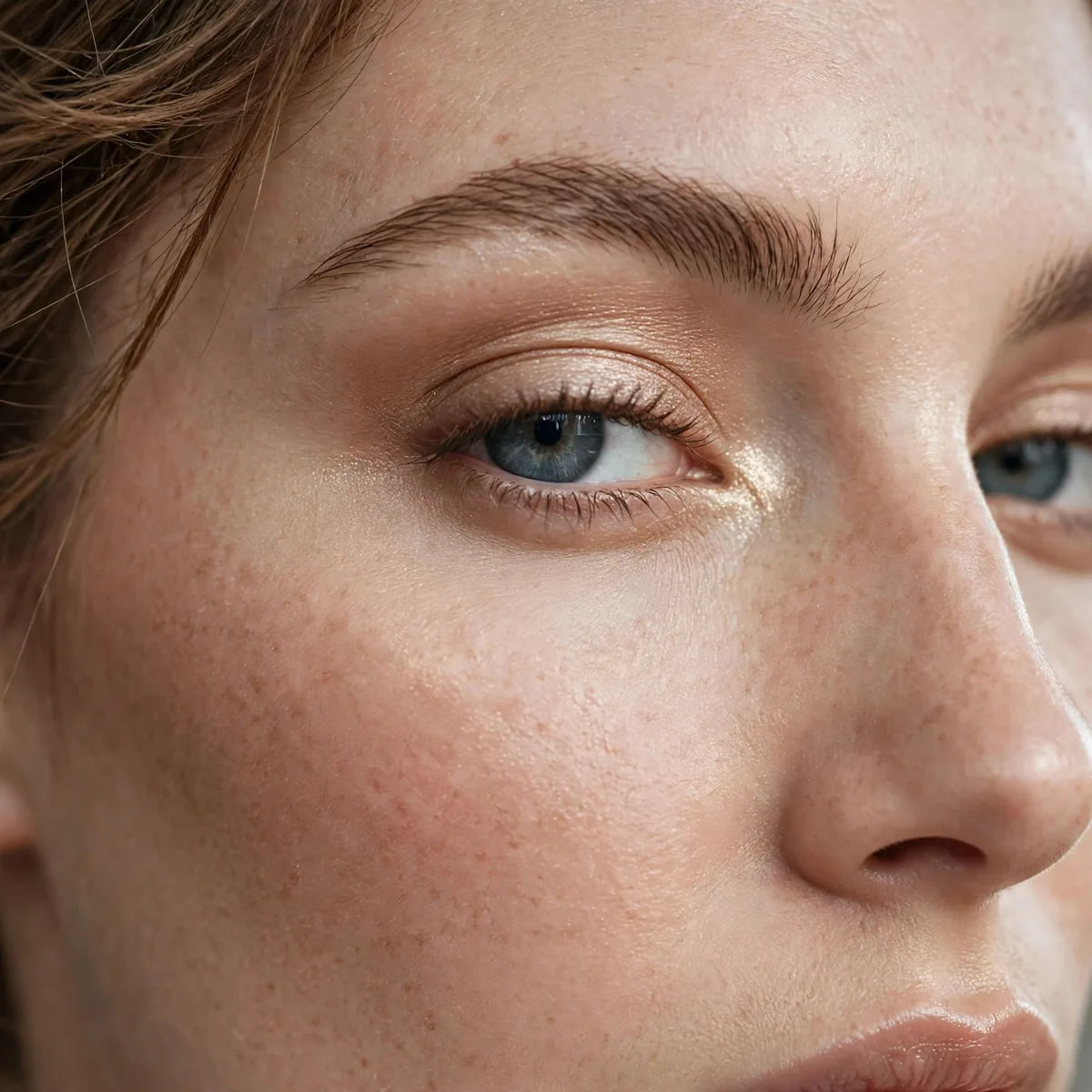
Champagne at the inner corner — the wide-awake trick that works on every eye color.
Best for: tired mornings. This single dab makes you look like you slept eight hours.
Formula choice shapes the entire champagne inner corner. Creamy, high-pigment shadows give the saturated, dimensional finish this look demands, while powder formulas offer easier blending for beginners. Whichever you choose, eyeshadow primer underneath extends wear and intensifies the payoff noticeably. Press shimmer shades on with a fingertip or a pencil brush for maximum reflect — brushes can sheer out the very sparkle you are after.
Skin tone influences which version of a champagne inner corner glows brightest. Against warm skin, these shades read rich and dimensional, particularly when layered over setting spray for true color payoff. If a shadow looks ashy or vanishes, it is usually a depth mismatch rather than the wrong color family — try one step deeper. Blend edges thoroughly with a damp beauty sponge so even vivid shades melt naturally into the complexion.
Champagne and Bronze
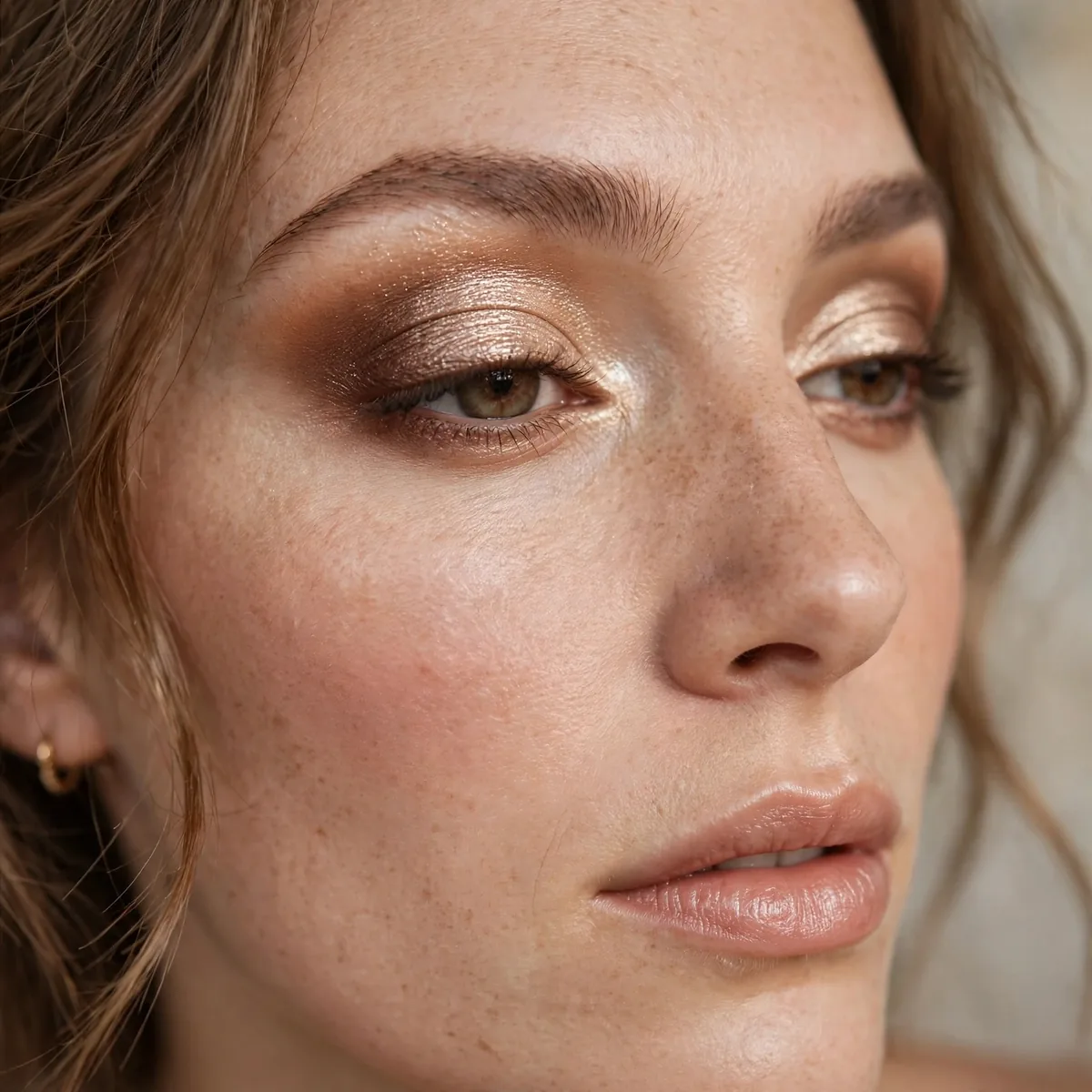
Champagne inside, bronze outside — the glow-plus-depth pairing that never fails.
Best for: everyone. This duo is the most repeatable flattering look in this whole list.
Creasing ruins a champagne and bronze faster than anything, and prevention beats correction. Prime with setting spray, then set it with a whisper of setting powder, then layer shadows with a fluffy blending brush using thin, pressed coats. Avoid applying eye cream directly on the lids beforehand — the extra slip undermines everything. If midday touch-ups are needed, blot first with tissue, then press a little more color over the top.
Day-to-night versatility is the champagne and bronze's hidden superpower. Wear it softly diffused for the office — setting spray underneath keeps it neat for hours — then intensify after hours by pressing more pigment into the outer V with an angled liner brush and adding liner. The transformation takes three minutes but reads as a completely different level of effort. One look, two moods, zero starting over.
Soft Champagne Daytime
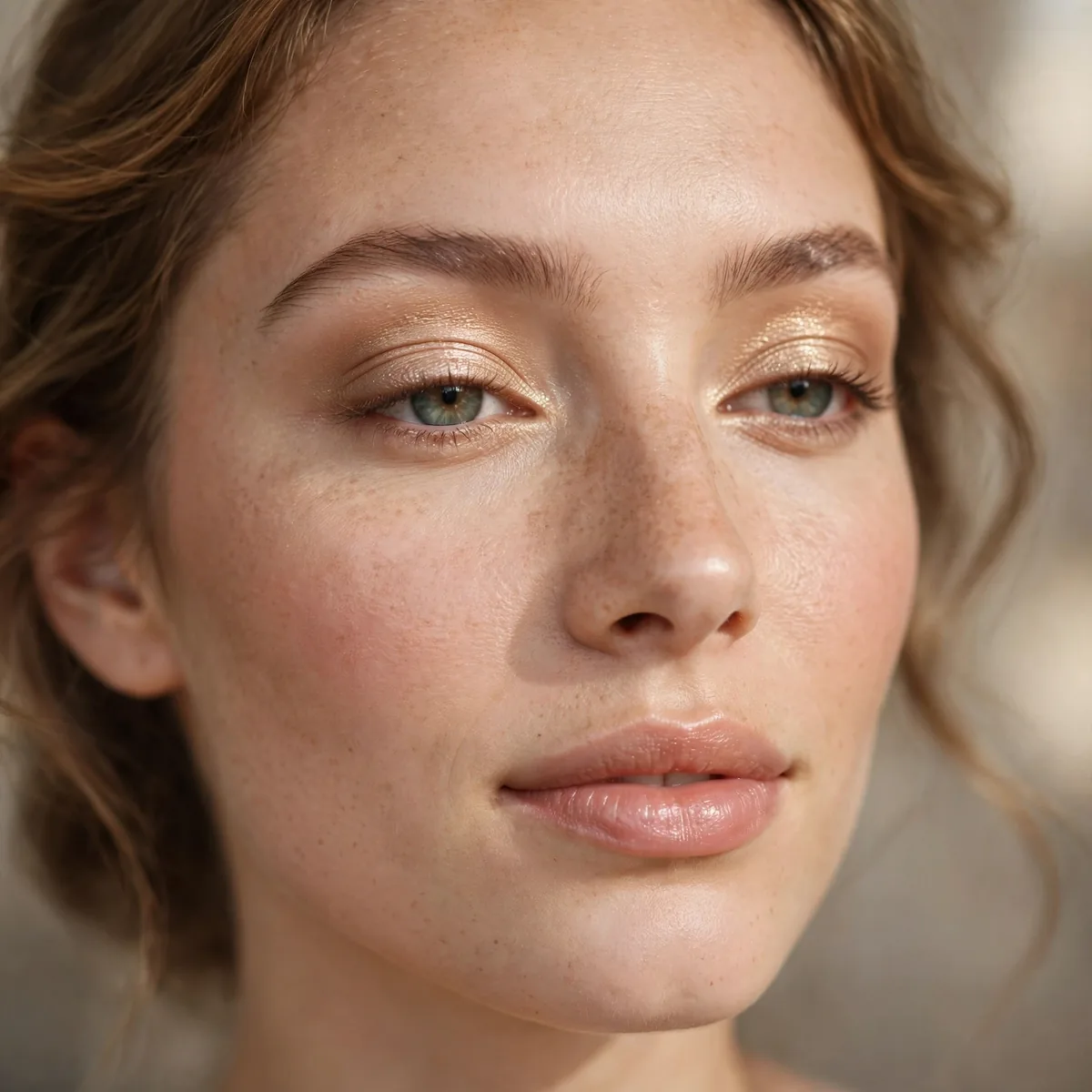
Muted champagne for day — luminosity without any evening intensity.
Best for: work and everyday. Soft champagne is glow that stays professional.
If you want to push the soft champagne daytime further, pair it with a confident lip — the key is matching undertones so the combination feels deliberate. Keep the skin finish satin rather than overly matte, prepped with translucent powder where needed, and blend the eye look out with a fluffy blending brush so nothing looks pasted on. Bold-plus-bold works when the application is refined; it fails when either element looks rushed.
Over-application is the quiet killer of a good soft champagne daytime. It is tempting to keep adding pigment, but each layer should be sheer and deliberate, built with a fluffy blending brush over setting spray. Step back from the mirror frequently — distance reveals intensity that close-up inspection hides. You can always deepen the look; removing excess without starting over is the hard part.
Champagne Smokey
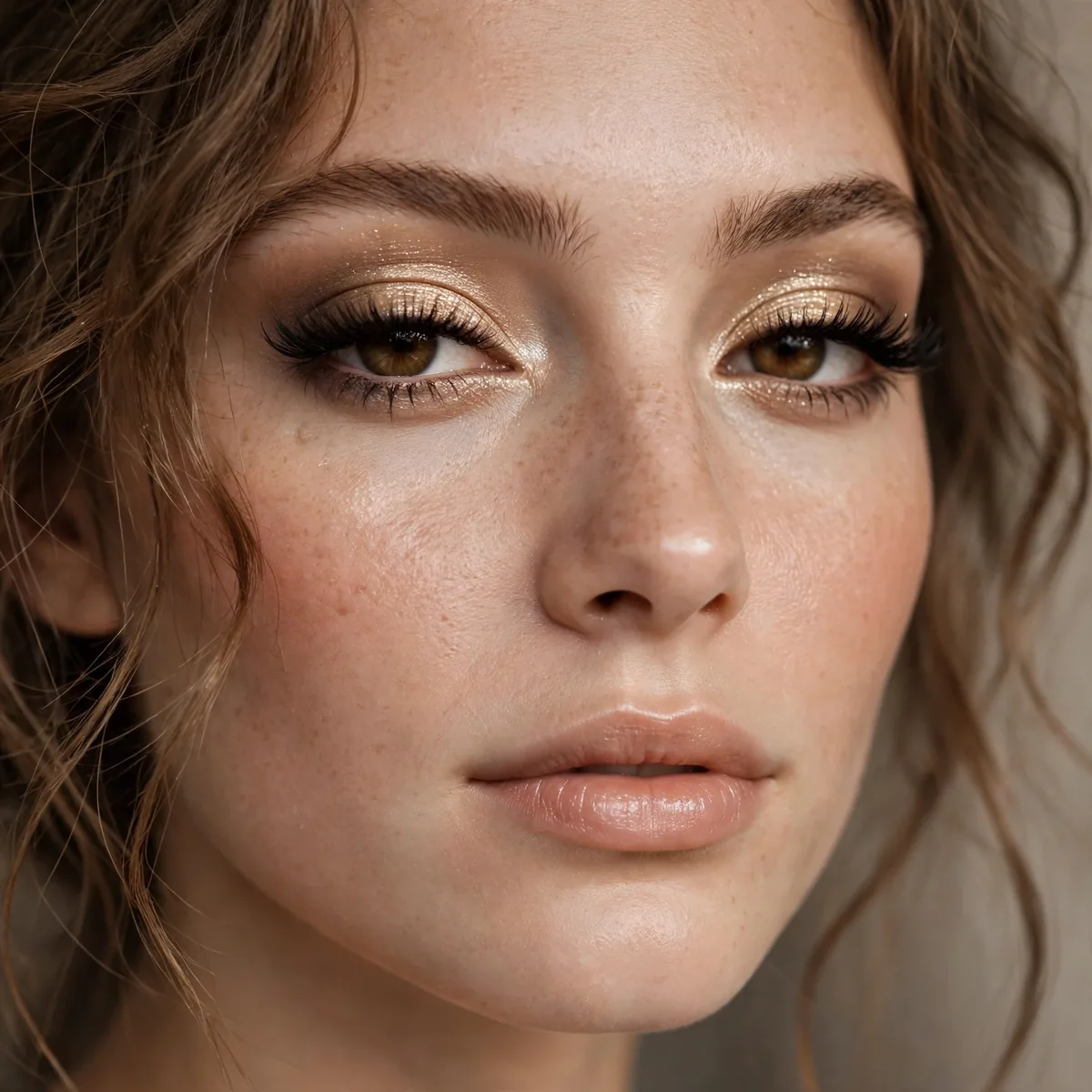
Champagne smoked out with warm brown — the softest smokey eye you’ll ever wear.
Best for: smokey-eye lovers who find black too harsh. Champagne smoke is sultry without severity.
Color swaps keep a champagne smokey fresh across seasons. Trade the signature shade for its warmer or cooler cousin and the whole look shifts personality while the technique stays identical. Blend the newcomer with a damp beauty sponge just as carefully, over the same reliable translucent powder base. This kind of variation is how signature looks evolve — same fluency, new vocabulary.
Start your champagne smokey with a tacky base so the pigment has something to grip — setting spray sheered over the lid works beautifully. Pat the main shade on with a flat shader brush rather than sweeping, which preserves intensity and minimizes fallout. Then blend only the edges, never the center, so the color story stays vivid where it counts. Patience with the blending stage is what separates amateur application from the seamless editorial finish.
Gilded Champagne
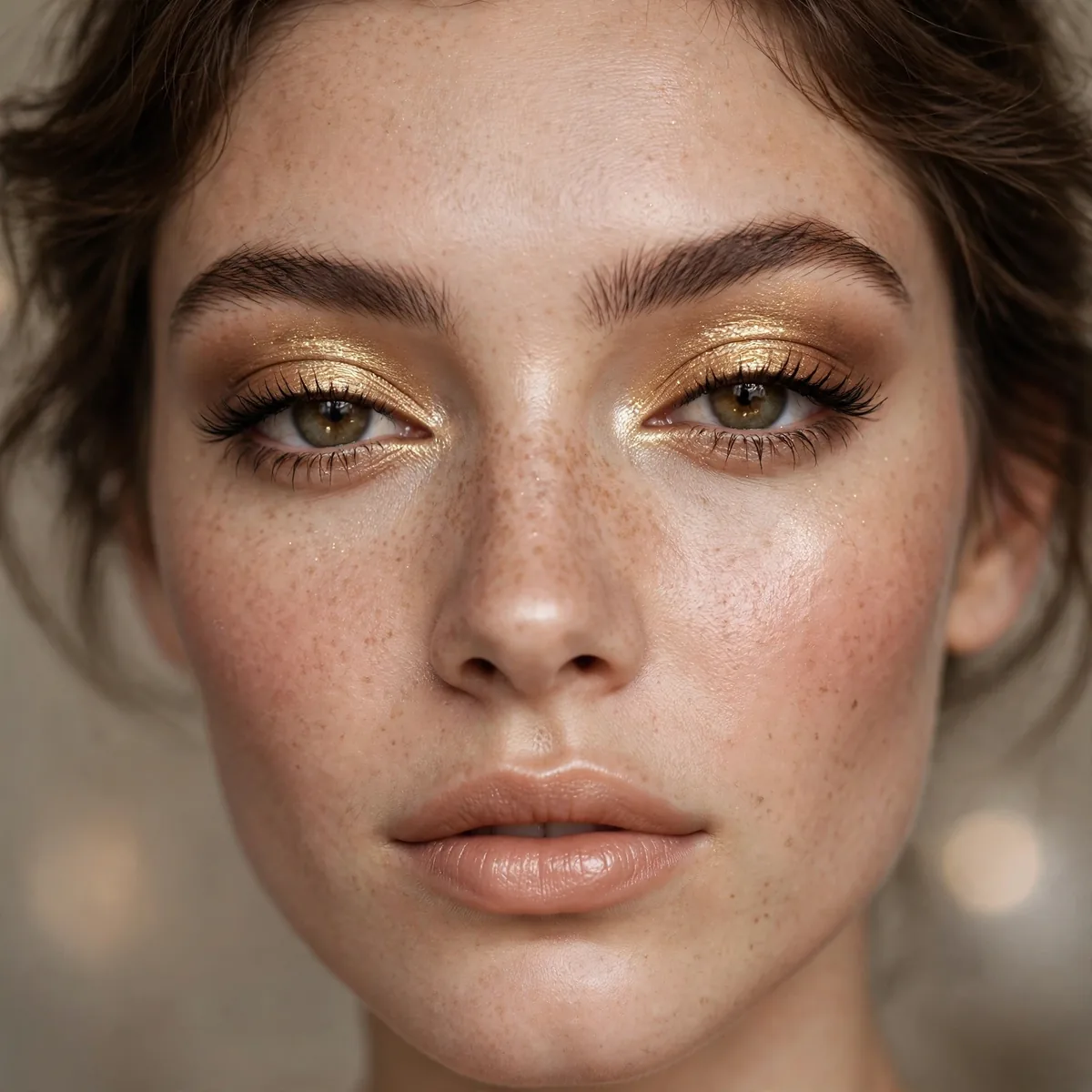
Champagne deepened toward gold — richer glow for evenings and warm skin. For the full golden story, see our gold eyeshadow looks for green eyes.
Best for: warm undertones and nights out. Gilded champagne is glow with extra richness.
If your gilded champagne fades by midday, the formula — not your skill — is likely at fault. Look for shadows described as long-wear or highly pigmented, and always pair them with cream shadow stick as a gripping base. A flat shader brush helps press color into the base rather than dusting it over the top, which dramatically improves longevity. The right combination should survive a full workday plus dinner without going patchy.
The gilded champagne adapts beautifully across complexions when you calibrate intensity. Sheerer application keeps it wearable for daytime on medium skin, while building up the pigment gives the drama deeper skin tones can carry so well. lash primer underneath ensures the color reads true rather than shifting on different undertones. A fluffy blending brush is your blending safety net in either direction.
Champagne Cut Crease
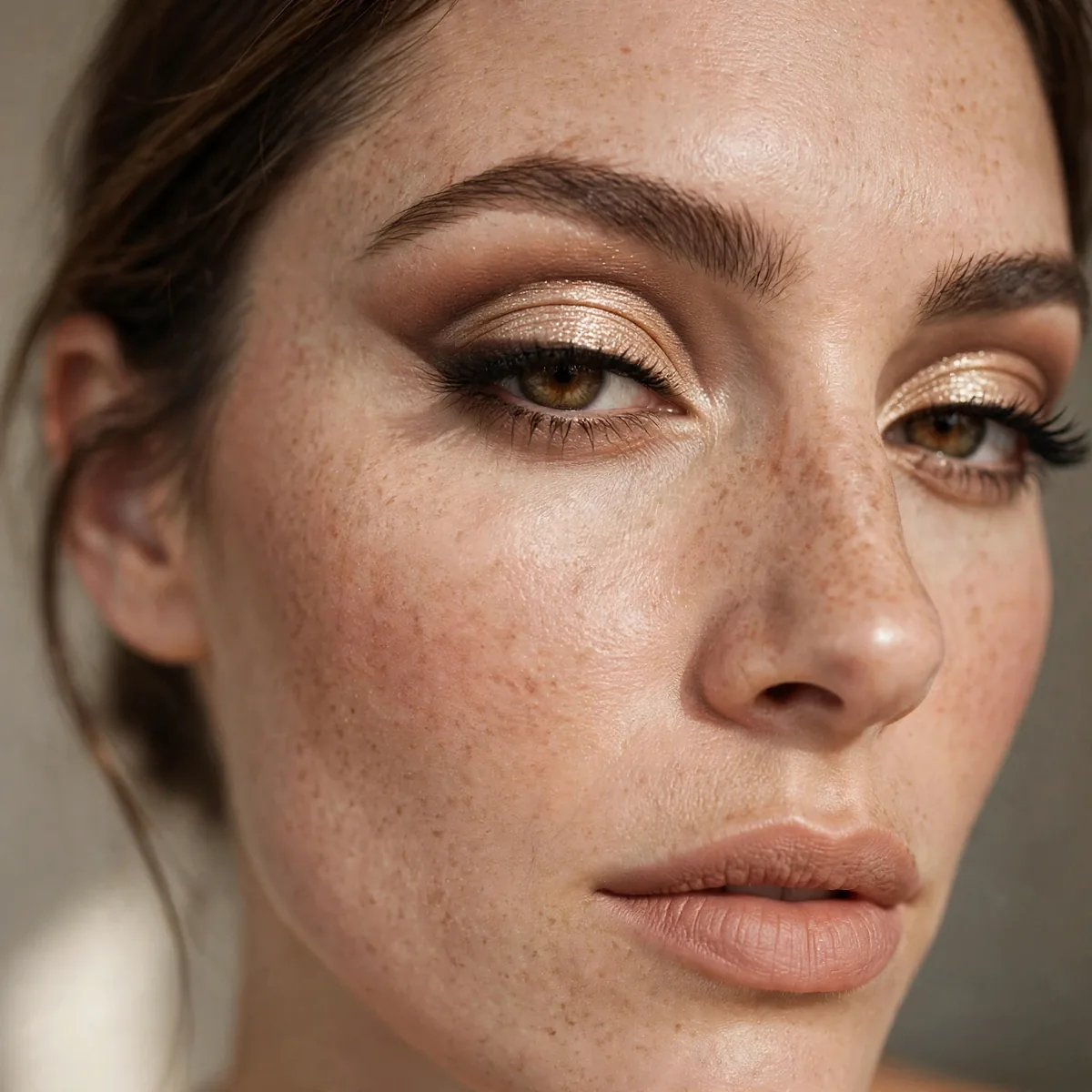
A luminous champagne cut crease — brightness plus razor-sharp definition.
Best for: events and photos. The cut crease makes eyes look dramatically bigger.
For a champagne cut crease that goes the distance, think in layers of light products rather than one heavy coat. cream shadow stick as the anchor, shadows pressed on with a flat shader brush, and a final locking mist to fuse everything together. Each layer should be sheer enough to dry down fully before the next goes on. This laminated approach keeps the look intact through long events without ever feeling thick or cakey.
Day-to-night versatility is the champagne cut crease's hidden superpower. Wear it softly diffused for the office — liquid liner underneath keeps it neat for hours — then intensify after hours by pressing more pigment into the outer V with a fluffy blending brush and adding liner. The transformation takes three minutes but reads as a completely different level of effort. One look, two moods, zero starting over.
Rosy Champagne
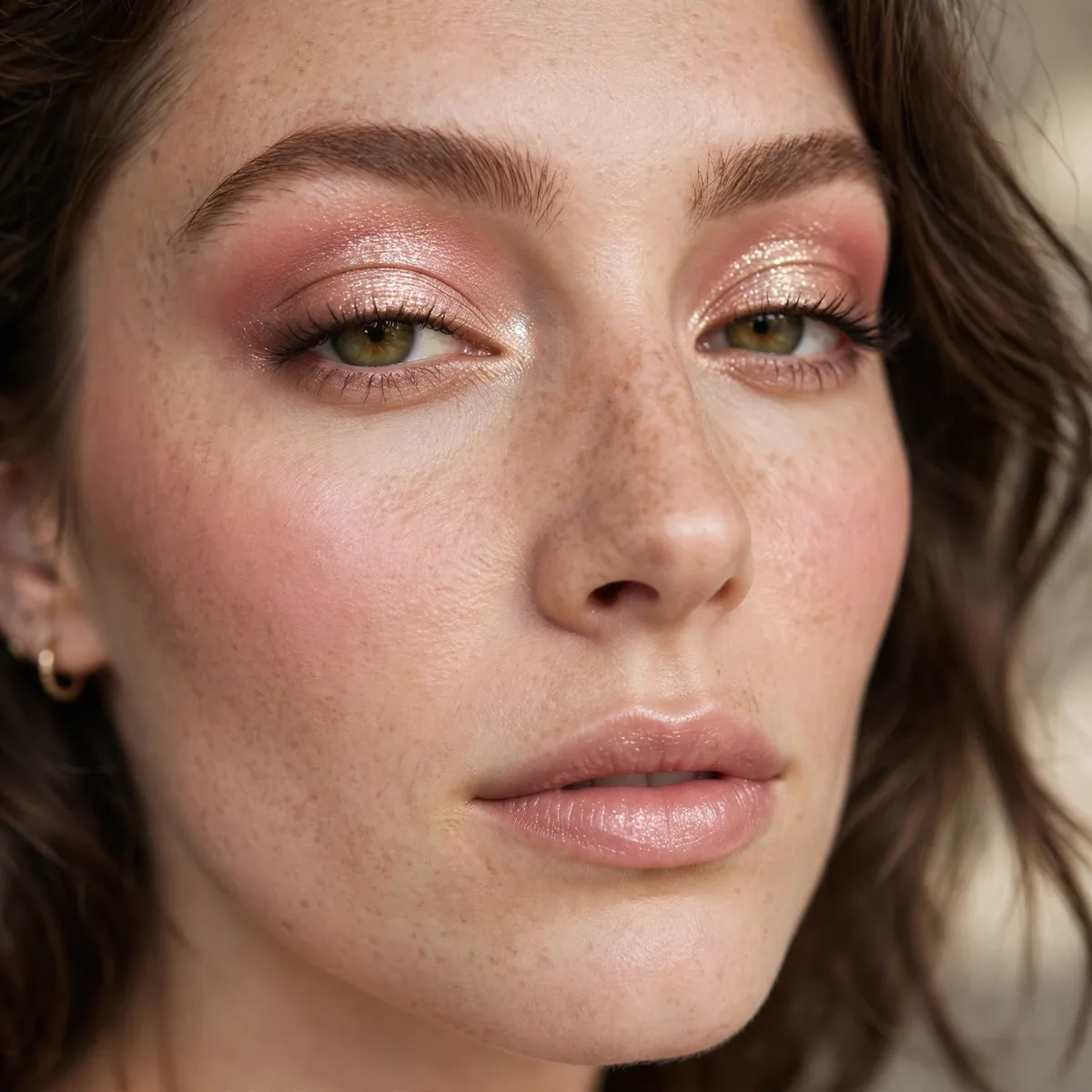
Champagne with a rosy cast — romantic glow that flatters cool and neutral skin.
Best for: dates and spring. Rosy champagne is champagne at its dreamiest.
If you want to push the rosy champagne further, pair it with a confident lip — the key is matching undertones so the combination feels deliberate. Keep the skin finish satin rather than overly matte, prepped with lash primer where needed, and blend the eye look out with a flat shader brush so nothing looks pasted on. Bold-plus-bold works when the application is refined; it fails when either element looks rushed.
Harsh, unblended edges are what make a rosy champagne look amateur rather than editorial. After placing your shades with a flat shader brush, spend real time diffusing the transitions — the perimeter should fade like smoke, not stop like a wall. setting spray on the lid helps colors meld rather than sit starkly on top. If you can see where one shade ends and skin begins, keep blending.
Champagne Liner
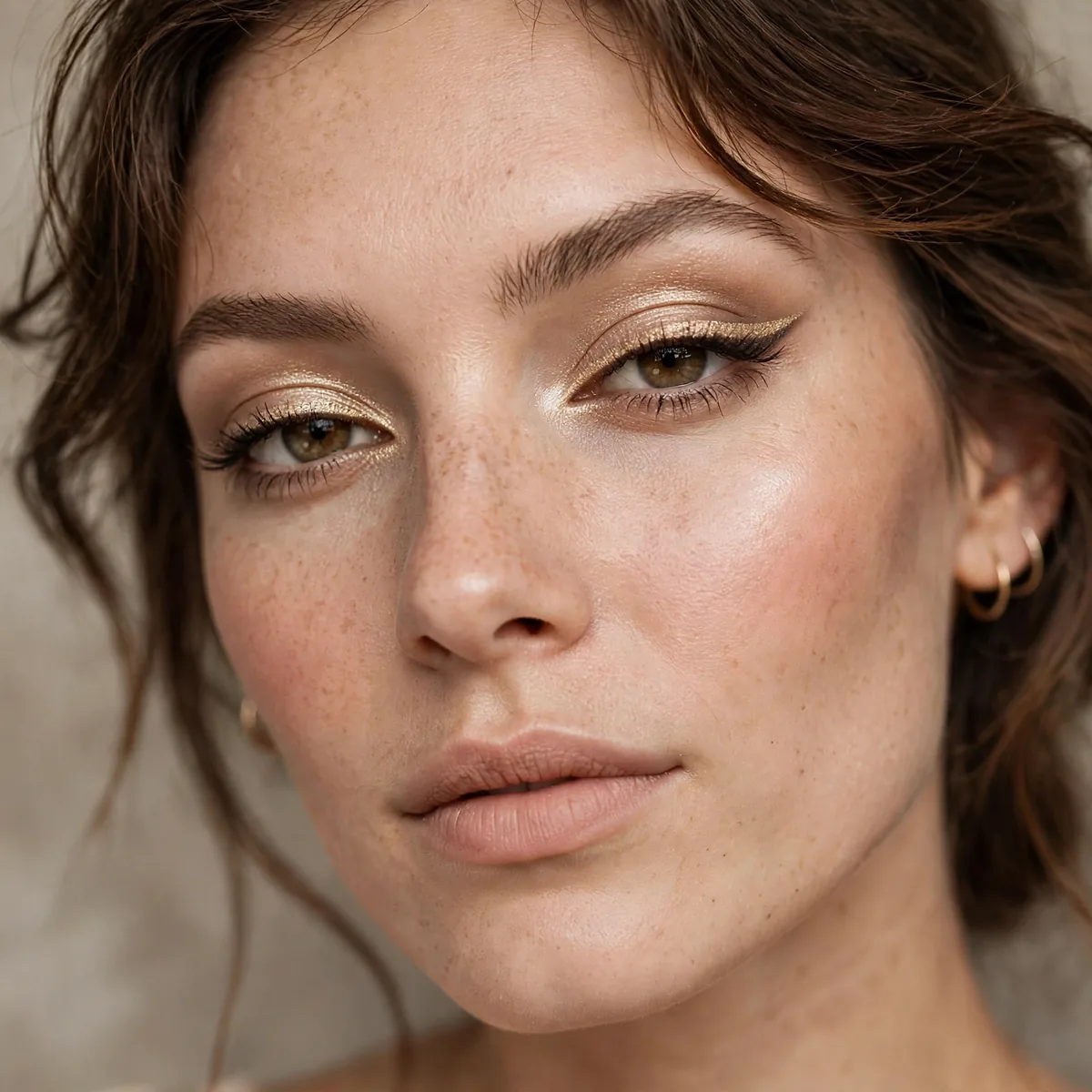
Shimmering champagne along the lower lash line — the subtle glow trick makeup artists swear by.
Best for: brightening the whole eye area. Lower-lash champagne opens up eyes instantly.
Intensity is a dial, not a switch, with a champagne liner. Sheer it out with a flat shader brush for a wash of color that reads effortless, or pack it on over eyeshadow primer for full editorial drama. The same shades serve both extremes — only the application pressure and layering change. Learning both versions doubles the looks in your repertoire without buying a single new palette.
The order of operations matters for a clean champagne liner. Map the shape first with the lightest transition shade and an angled liner brush, then deepen gradually toward the lash line or outer corner. Clean up the perimeter with a touch of concealer on a flat brush for that crisp, intentional edge. Working light to dark gives you control; going in heavy first usually means starting over.
Deep Champagne Evening
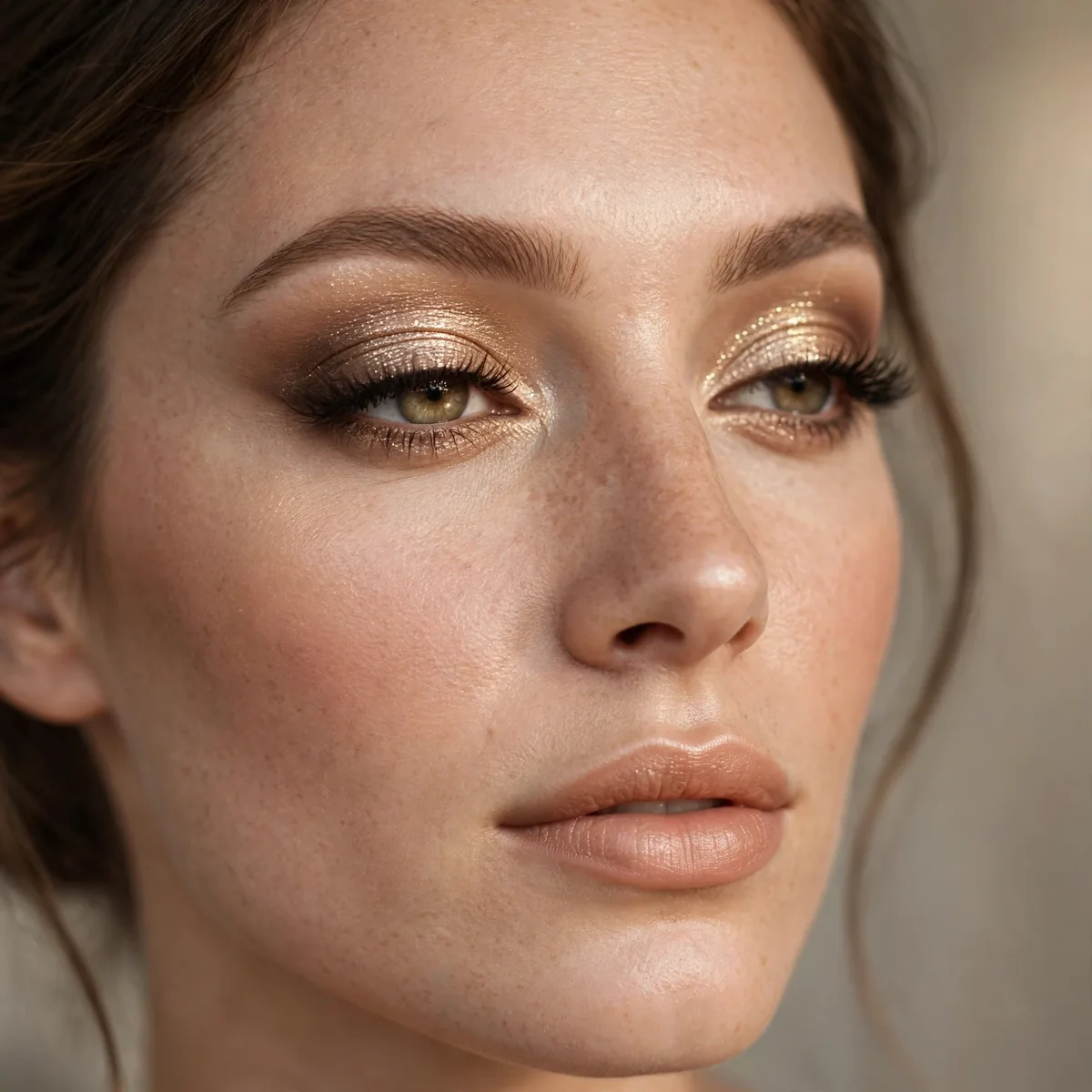
Champagne layered to full intensity for evening — luminous, rich, and party-ready.
Best for: nights out. Layer over a cream base for champagne that lasts till midnight.
Formula choice shapes the entire deep champagne evening. Creamy, high-pigment shadows give the saturated, dimensional finish this look demands, while powder formulas offer easier blending for beginners. Whichever you choose, eyeshadow primer underneath extends wear and intensifies the payoff noticeably. Press shimmer shades on with a fingertip or a flat shader brush for maximum reflect — brushes can sheer out the very sparkle you are after.
Skin tone influences which version of a deep champagne evening glows brightest. Against olive skin, these shades read rich and dimensional, particularly when layered over eyeshadow primer for true color payoff. If a shadow looks ashy or vanishes, it is usually a depth mismatch rather than the wrong color family — try one step deeper. Blend edges thoroughly with a detail brush so even vivid shades melt naturally into the complexion.
Champagne Halo
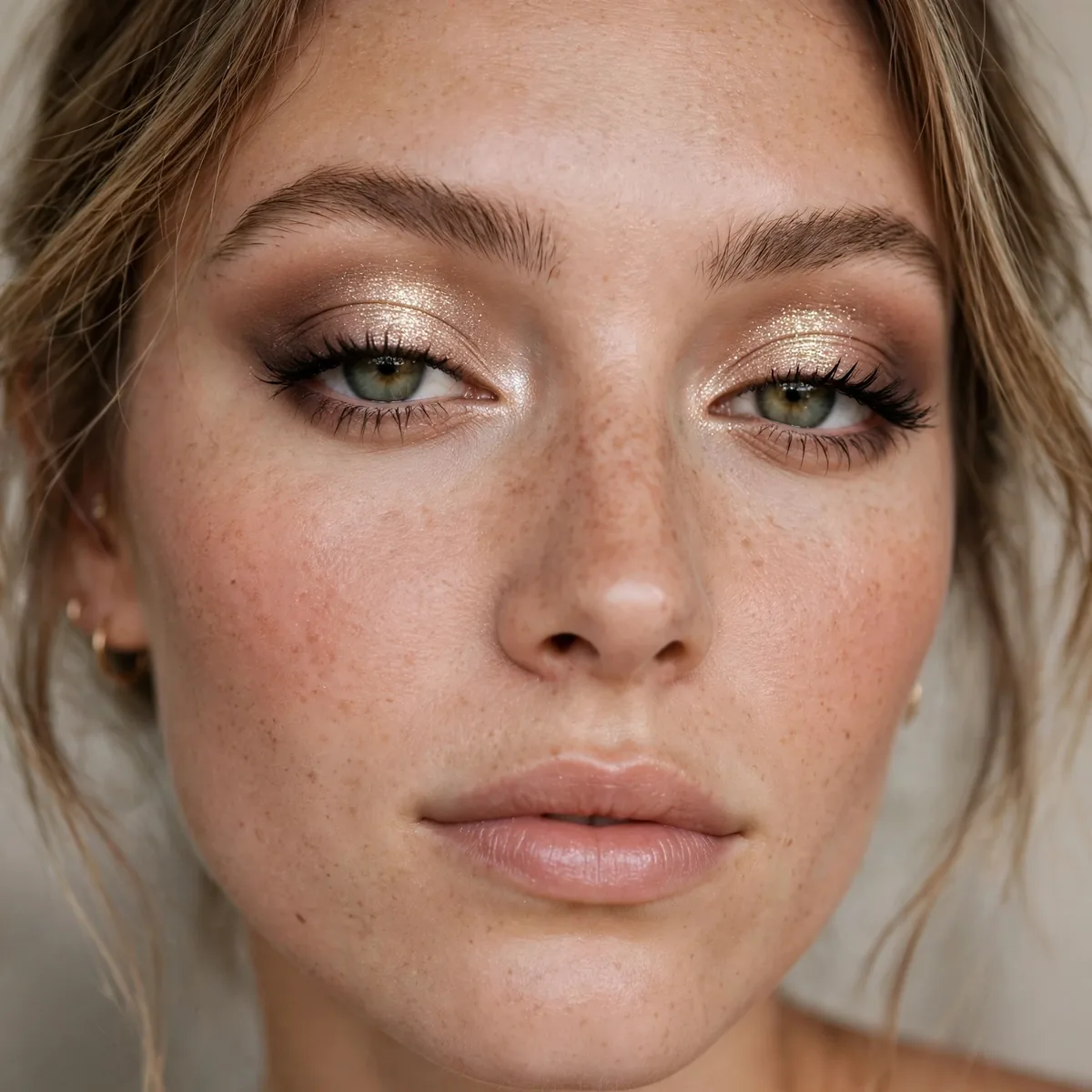
Champagne concentrated center-lid — a halo of light that makes eyes look bigger and brighter.
Best for: everyone. The halo technique plus champagne’s glow is an unbeatable combo.
For a champagne halo that goes the distance, think in layers of light products rather than one heavy coat. setting spray as the anchor, shadows pressed on with a pencil brush, and a final locking mist to fuse everything together. Each layer should be sheer enough to dry down fully before the next goes on. This laminated approach keeps the look intact through long events without ever feeling thick or cakey.
Consider the champagne halo your reliable plus-one for brunches. It photographs without flashback, holds through long events when built over setting spray, and reads polished without demanding constant mirror checks. Apply with a detail brush for precision that lasts, and keep the rest of the face balanced so the eyes stay the star. A look you can forget about is a look that lets you enjoy the event.
Champagne on Mature Eyes
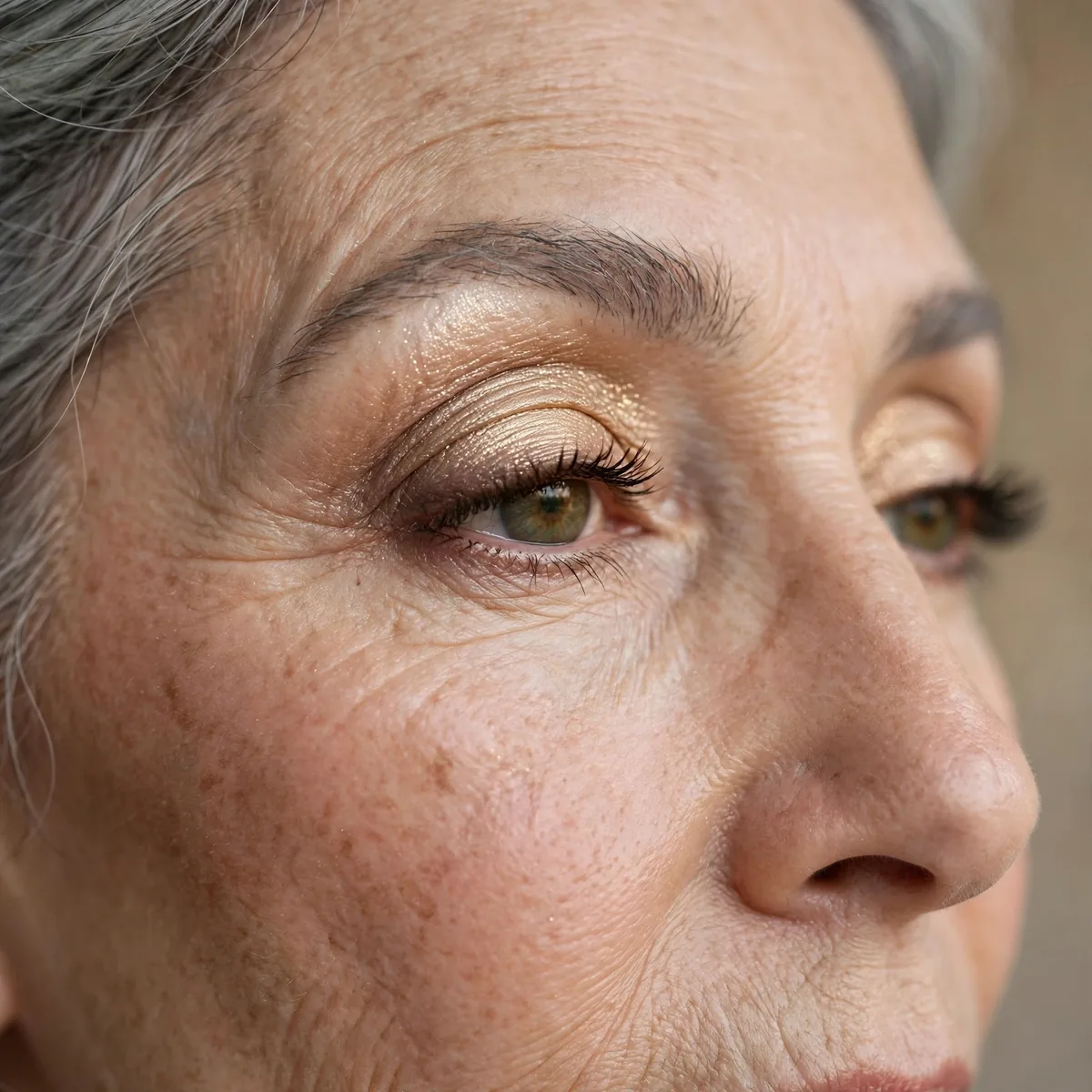
Soft champagne on mature lids — luminosity that brightens without settling into lines.
Best for: mature eyes. Choose satin over glitter; fine shimmer flatters, chunky glitter doesn’t.
If you want to push the champagne on mature eyes further, pair it with a confident lip — the key is matching undertones so the combination feels deliberate. Keep the skin finish satin rather than overly matte, prepped with liquid liner where needed, and blend the eye look out with a pencil brush so nothing looks pasted on. Bold-plus-bold works when the application is refined; it fails when either element looks rushed.
Fallout is the nemesis of a crisp champagne on mature eyes, but it is avoidable. Tap excess off your flat shader brush before it touches the lid, press rather than sweep highly pigmented shades, and do the eyes before foundation so any stray pigment wipes away cleanly. A layer of eyeshadow primer underneath also grips the shadow instead of letting it migrate downward. Prevention here saves the concealer you would otherwise need for cleanup.
Frosted Champagne
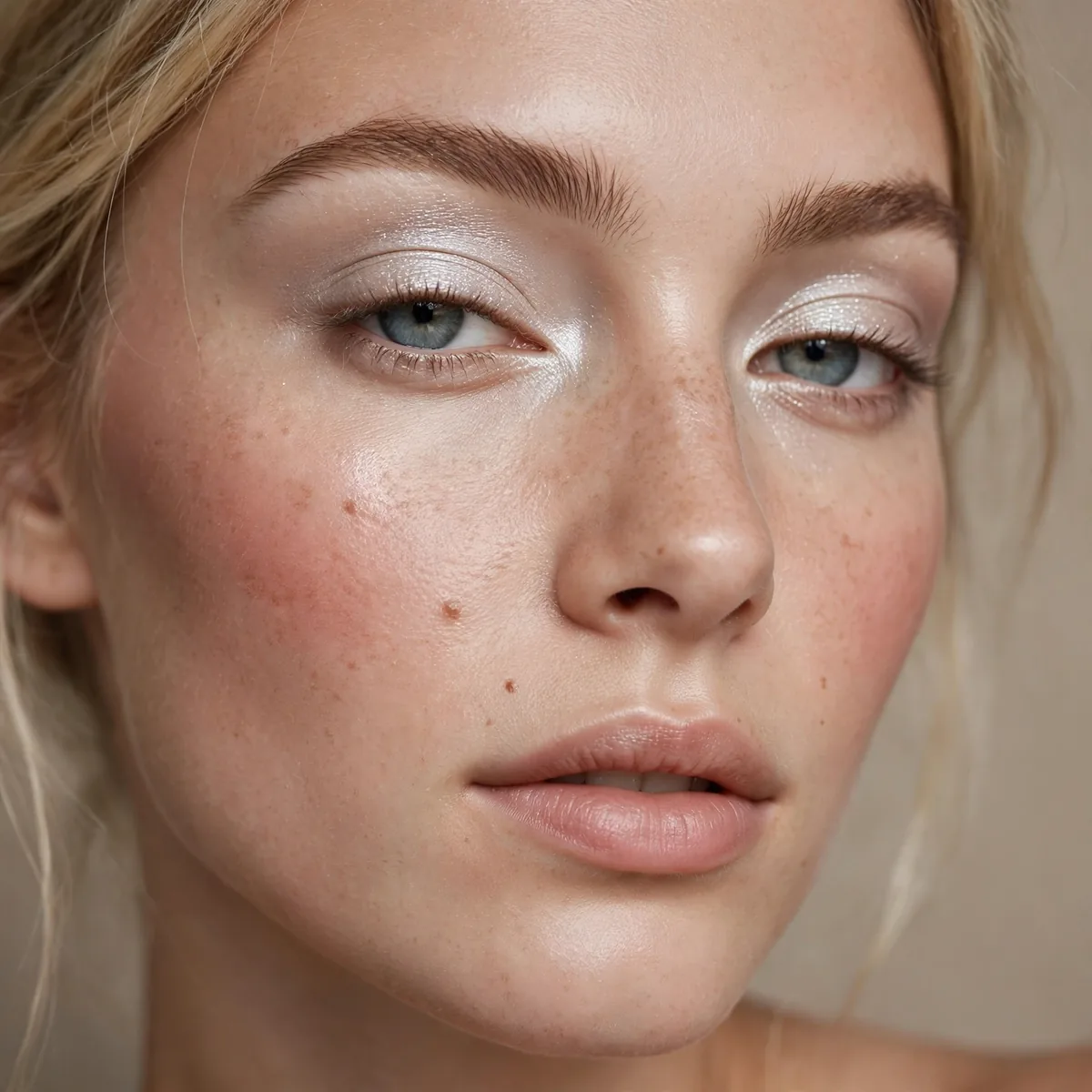
Champagne with a cool, frosty cast — the cool-skin version of the classic glow.
Best for: cool undertones. Frosted champagne harmonizes where warm champagne would fight.
Once the classic frosted champagne feels familiar, start bending it. Shift the deepest shade toward the inner corner for an unexpected focal point, or swap the finish from shimmer to matte for a completely different mood. A flat shader brush gives you the control to experiment precisely, and cream shadow stick underneath keeps experimental versions wearable. Some of the most striking variations come from breaking one small rule of the original.
For a frosted champagne that looks expensive, mind your pressure. A damp beauty sponge used with a featherlight hand deposits diffused color, while pressing hard creates the patchiness people blame on the formula. Tap off excess before touching the eye, build slowly, and blend between every layer. Good technique makes even drugstore shadows perform — and great technique makes good shadows look extraordinary.
Champagne Duo
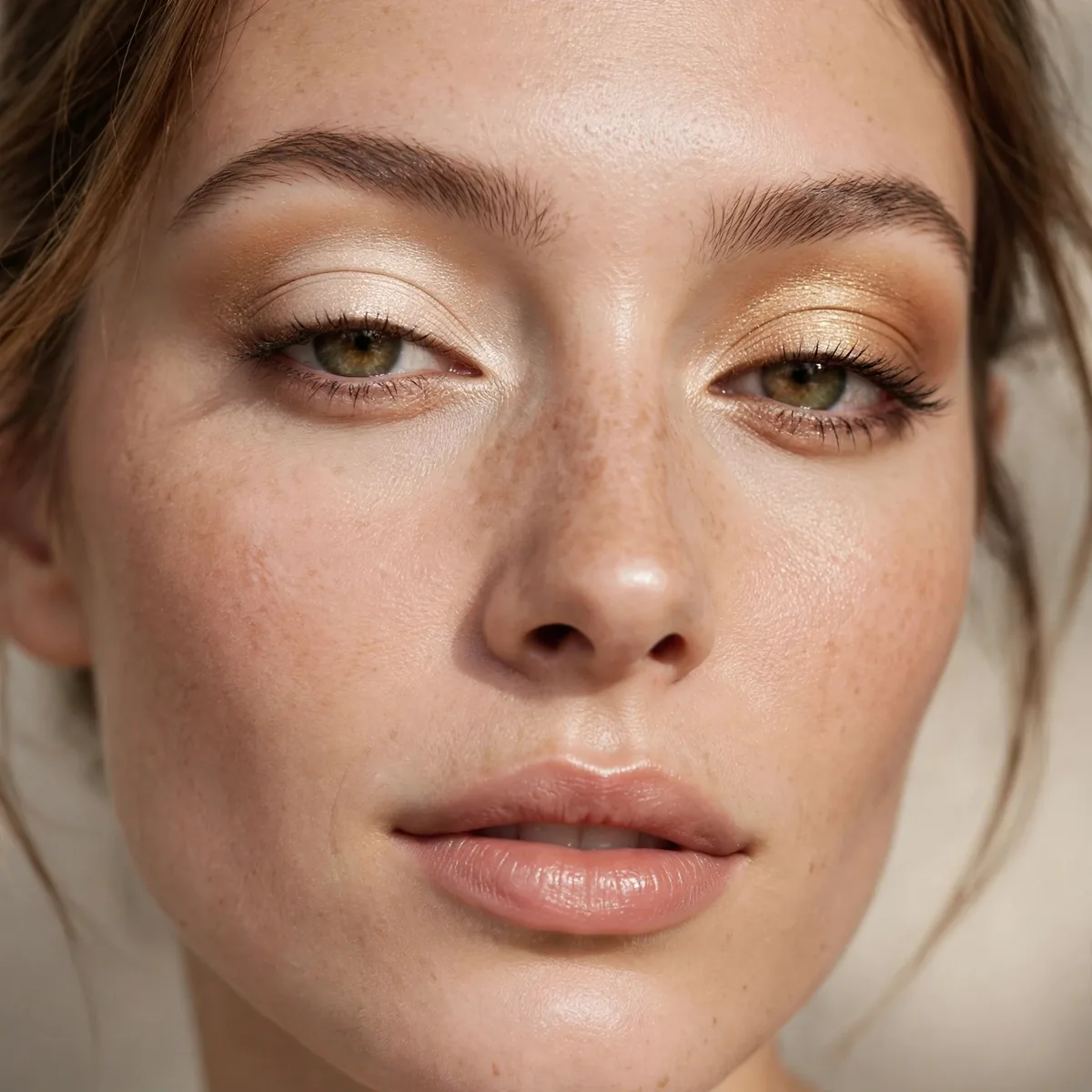
Light champagne inside, deeper champagne-bronze outside — dimension in a single color family.
Best for: beginners. Two champagnes, one brush, foolproof dimension.
Not all finishes serve a champagne duo equally. Matte shades sculpt and define, shimmers bring light and dimension, and the magic is in combining them strategically. Anchor the look with eyeshadow primer so every finish performs at its best, then place shimmer only where you want the eye drawn — usually the center of the lid or inner corner. A pencil brush keeps each finish in its lane without muddying the transitions.
For deep-set eyes specifically, the champagne duo needs a slightly higher blend — taking the transition shade toward the brow bone creates the illusion of more lid space. Use a damp beauty sponge with a light hand so the gradient stays airy, and keep shimmer away from any area you do not want to emphasize. These small spatial adjustments make the difference between a look that sits on the eye and one that truly enhances it.
Warm Champagne Glow
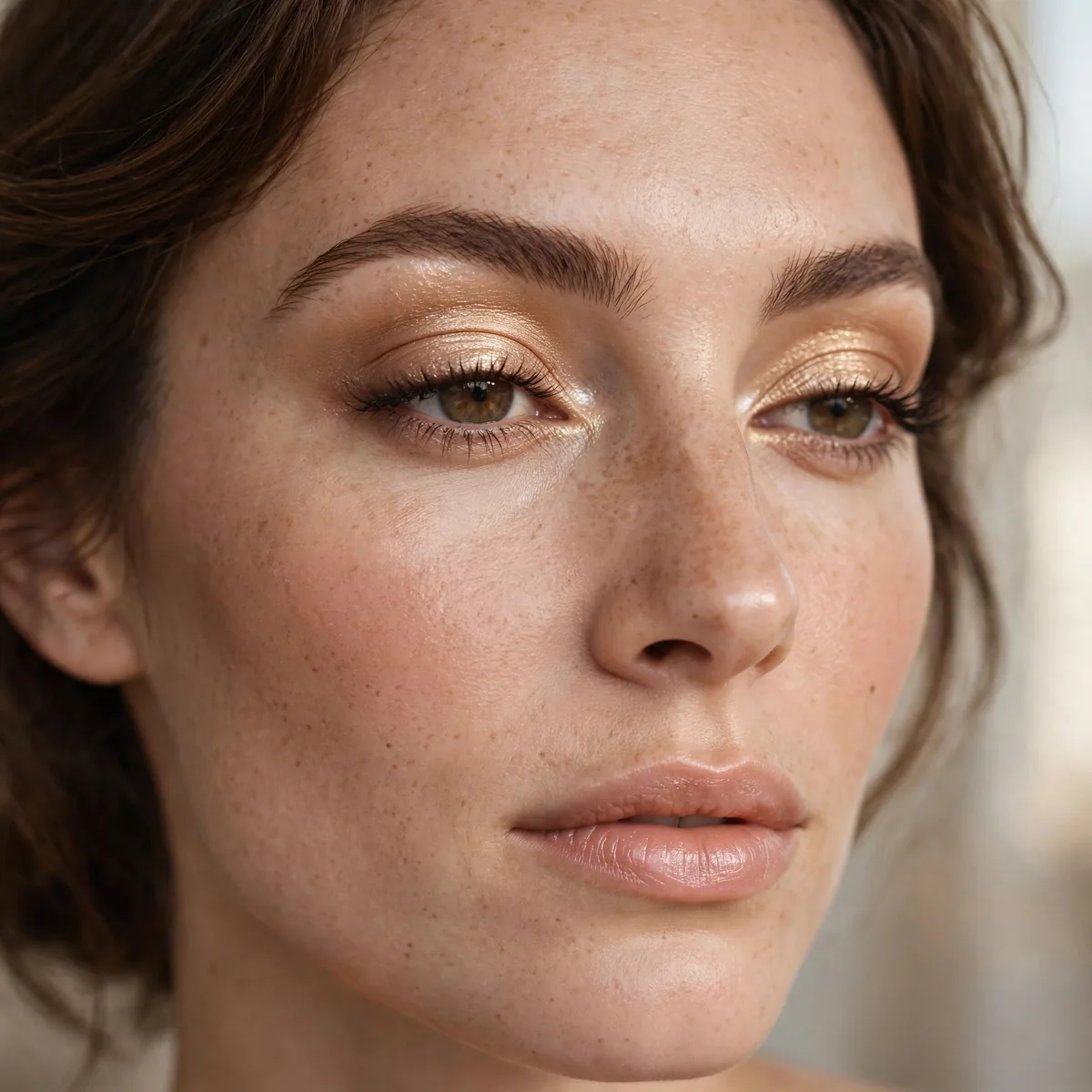
Champagne with golden warmth — the sun-kissed glow for warm skin tones.
Best for: warm undertones and summer. Warm champagne is basically bottled sunlight.
For a warm champagne glow that goes the distance, think in layers of light products rather than one heavy coat. eyeshadow primer as the anchor, shadows pressed on with a detail brush, and a final locking mist to fuse everything together. Each layer should be sheer enough to dry down fully before the next goes on. This laminated approach keeps the look intact through long events without ever feeling thick or cakey.
Day-to-night versatility is the warm champagne glow's hidden superpower. Wear it softly diffused for the office — setting spray underneath keeps it neat for hours — then intensify after hours by pressing more pigment into the outer V with an angled liner brush and adding liner. The transformation takes three minutes but reads as a completely different level of effort. One look, two moods, zero starting over.
Cool Champagne
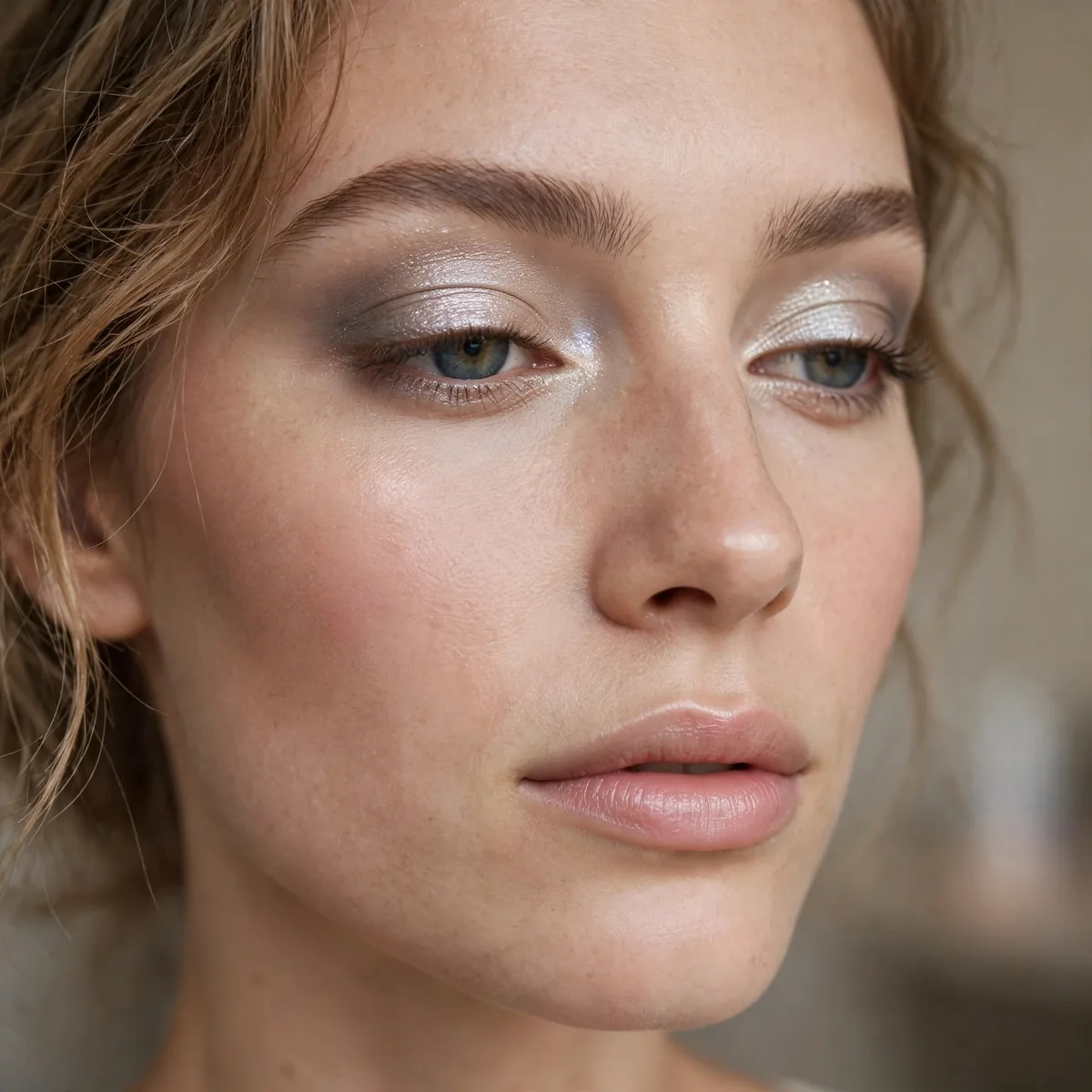
Champagne leaning silver — crisp, bright glow for cool undertones.
Best for: cool skin. Cool champagne brightens without any yellow cast.
Liner choices reshape a cool champagne dramatically. A tight, dark lash line adds definition that makes the shadow work look more expensive, while skipping liner keeps things soft and modern. Whatever you choose, eyeshadow primer underneath keeps the whole eye area coherent, and an angled liner brush blends the shadow into the lash line so there is no visible gap. Small decisions at the lash line echo through the entire look.
Fallout is the nemesis of a crisp cool champagne, but it is avoidable. Tap excess off your flat shader brush before it touches the lid, press rather than sweep highly pigmented shades, and do the eyes before foundation so any stray pigment wipes away cleanly. A layer of liquid liner underneath also grips the shadow instead of letting it migrate downward. Prevention here saves the concealer you would otherwise need for cleanup.
Champagne and Taupe
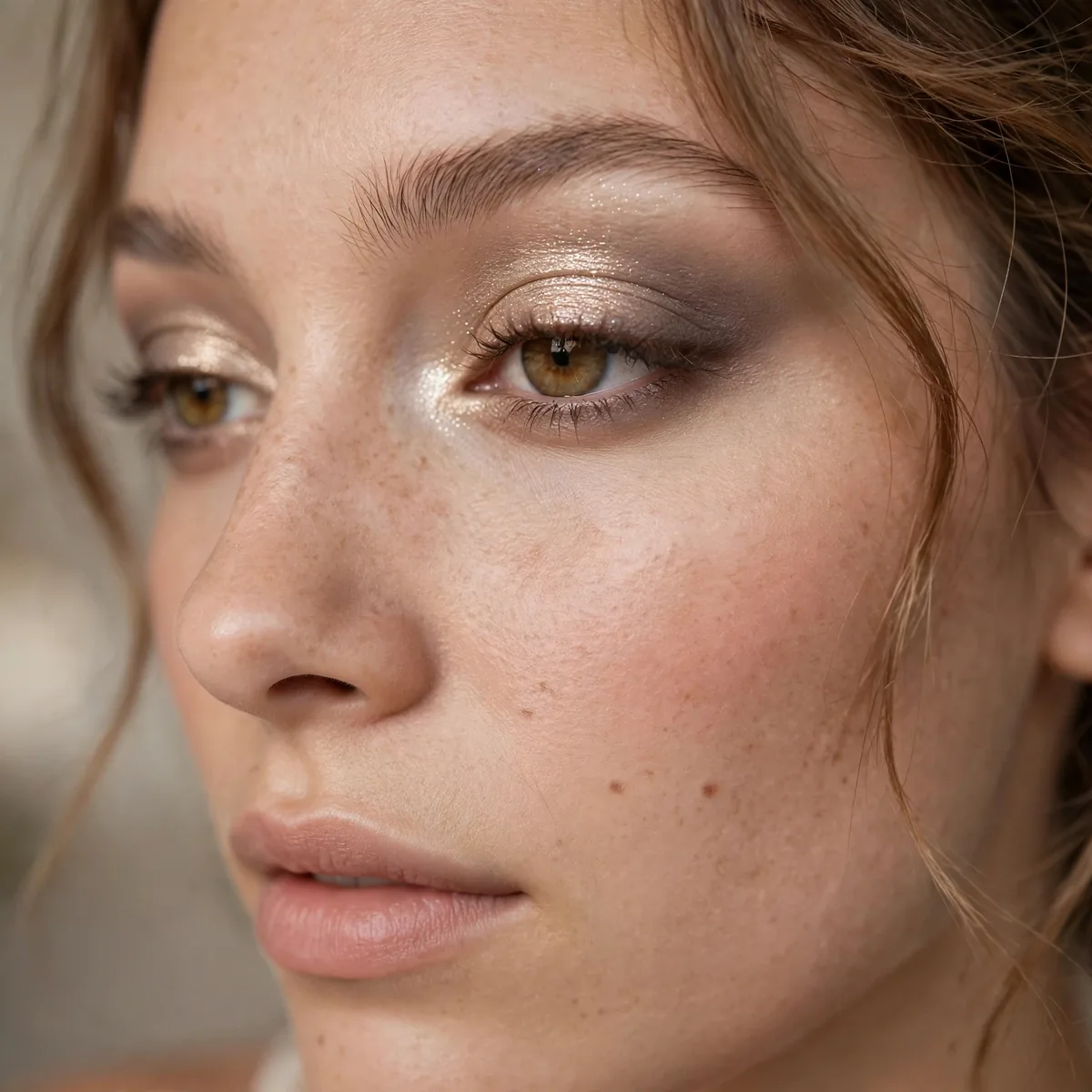
Champagne lid with taupe in the crease — the polished everyday pairing.
Best for: work and daily wear. This is the "put-together in five minutes" combination.
Intensity is a dial, not a switch, with a champagne and taupe. Sheer it out with a detail brush for a wash of color that reads effortless, or pack it on over liquid liner for full editorial drama. The same shades serve both extremes — only the application pressure and layering change. Learning both versions doubles the looks in your repertoire without buying a single new palette.
Brushwork is everything with a champagne and taupe. Lay down the deepest tone with a flat shader brush, keeping the pigment concentrated exactly where you want depth, then switch to something fluffier to diffuse the edges until no line remains. Build in sheer layers — three whisper-light passes beat one heavy application every time. The blend should look like a gradient in the air, not stripes on skin, so keep the hand moving in small windshield-wiper motions.
Everyday Champagne
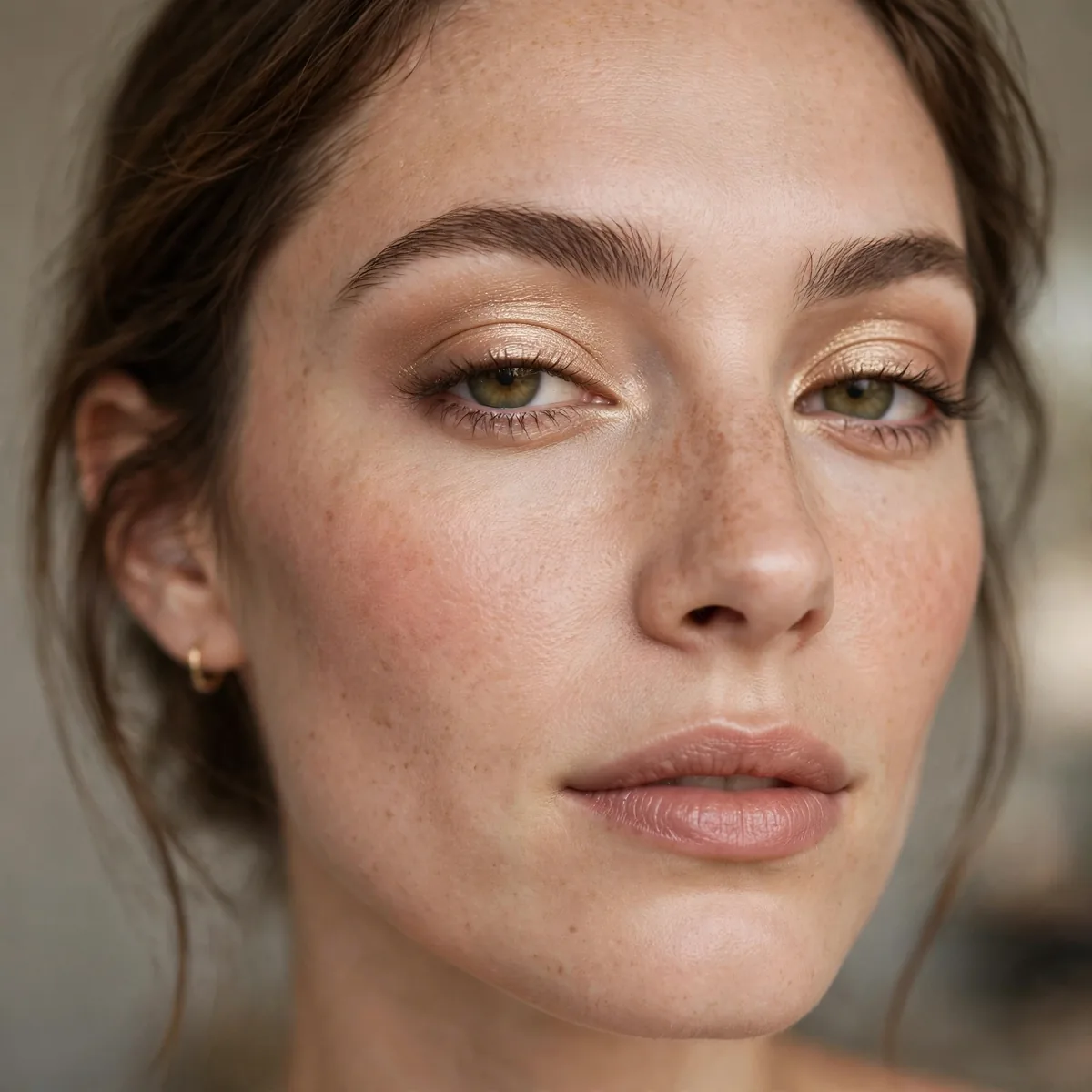
Your daily champagne routine: wash on the lid, dab in the corner, mascara, out the door.
Best for: real life. This is the look you’ll actually wear 300 days a year.
Formula choice shapes the entire everyday champagne. Creamy, high-pigment shadows give the saturated, dimensional finish this look demands, while powder formulas offer easier blending for beginners. Whichever you choose, translucent powder underneath extends wear and intensifies the payoff noticeably. Press shimmer shades on with a fingertip or a detail brush for maximum reflect — brushes can sheer out the very sparkle you are after.
Skin tone influences which version of an everyday champagne glows brightest. Against medium skin, these shades read rich and dimensional, particularly when layered over eyeshadow primer for true color payoff. If a shadow looks ashy or vanishes, it is usually a depth mismatch rather than the wrong color family — try one step deeper. Blend edges thoroughly with a flat shader brush so even vivid shades melt naturally into the complexion.
Party Champagne
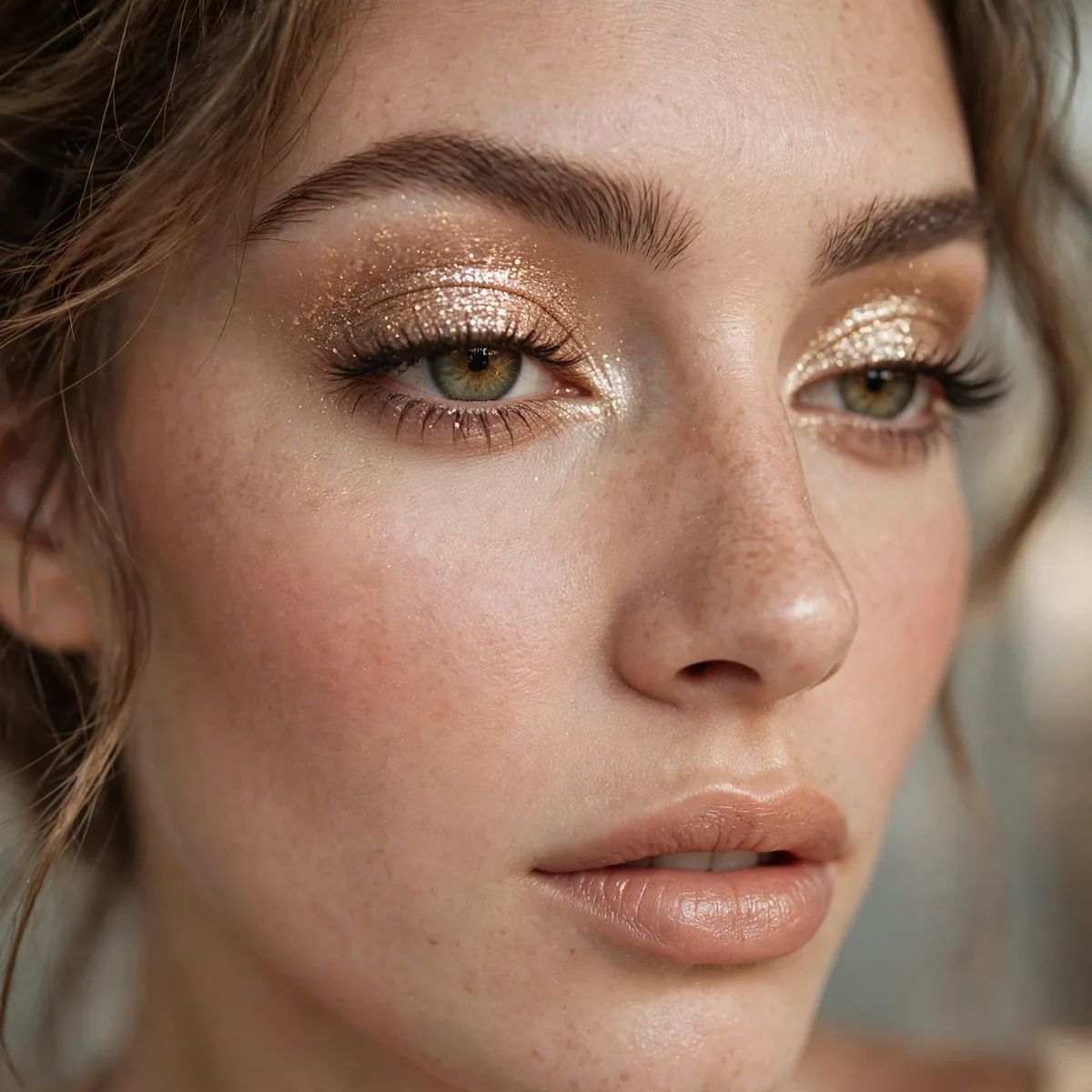
Champagne dialed to celebration mode — layered shimmer, maybe a little glitter, full glow.
Best for: the biggest nights. When in doubt, more champagne.
Creasing ruins a party champagne faster than anything, and prevention beats correction. Prime with translucent powder, then set it with a whisper of setting powder, then layer shadows with a damp beauty sponge using thin, pressed coats. Avoid applying eye cream directly on the lids beforehand — the extra slip undermines everything. If midday touch-ups are needed, blot first with tissue, then press a little more color over the top.
Day-to-night versatility is the party champagne's hidden superpower. Wear it softly diffused for the office — translucent powder underneath keeps it neat for hours — then intensify after hours by pressing more pigment into the outer V with a detail brush and adding liner. The transformation takes three minutes but reads as a completely different level of effort. One look, two moods, zero starting over.
Twenty ways to glow effortlessly. Pin your favorites — and keep the luminous looks coming with our gold eyeshadow looks for green eyes and bronze eyeshadow looks for blue eyes.