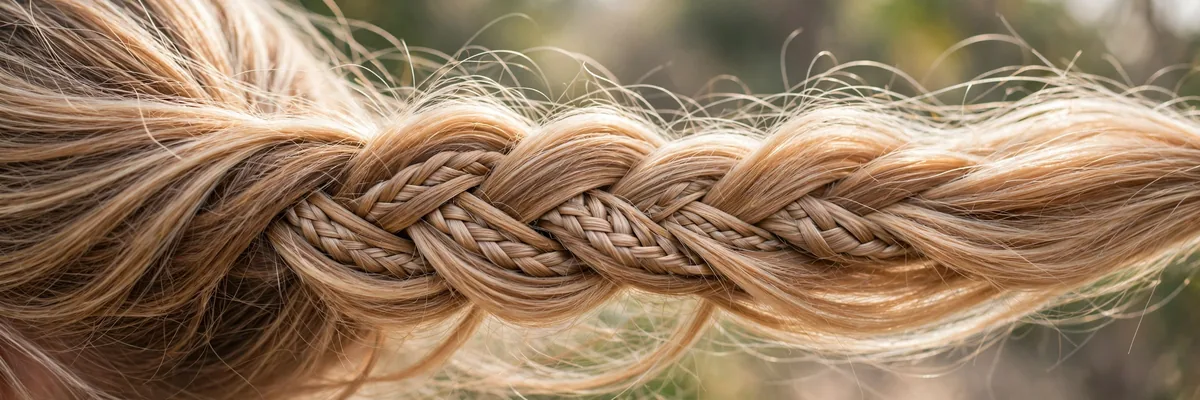
The fishtail braid looks like it requires advanced braiding skills, but here’s the secret: it only uses two strands.
The technique is simple — split hair into two sections, then repeatedly take a thin piece from the outside of one section and cross it to the inside of the other. That’s the whole braid.
Smaller pieces make a more intricate-looking fishtail; bigger pieces make it chunkier and faster. There’s no wrong way to do it.
These 15 styles start dead simple and build from there. Let’s get into it.
The Classic Two-Strand Fishtail
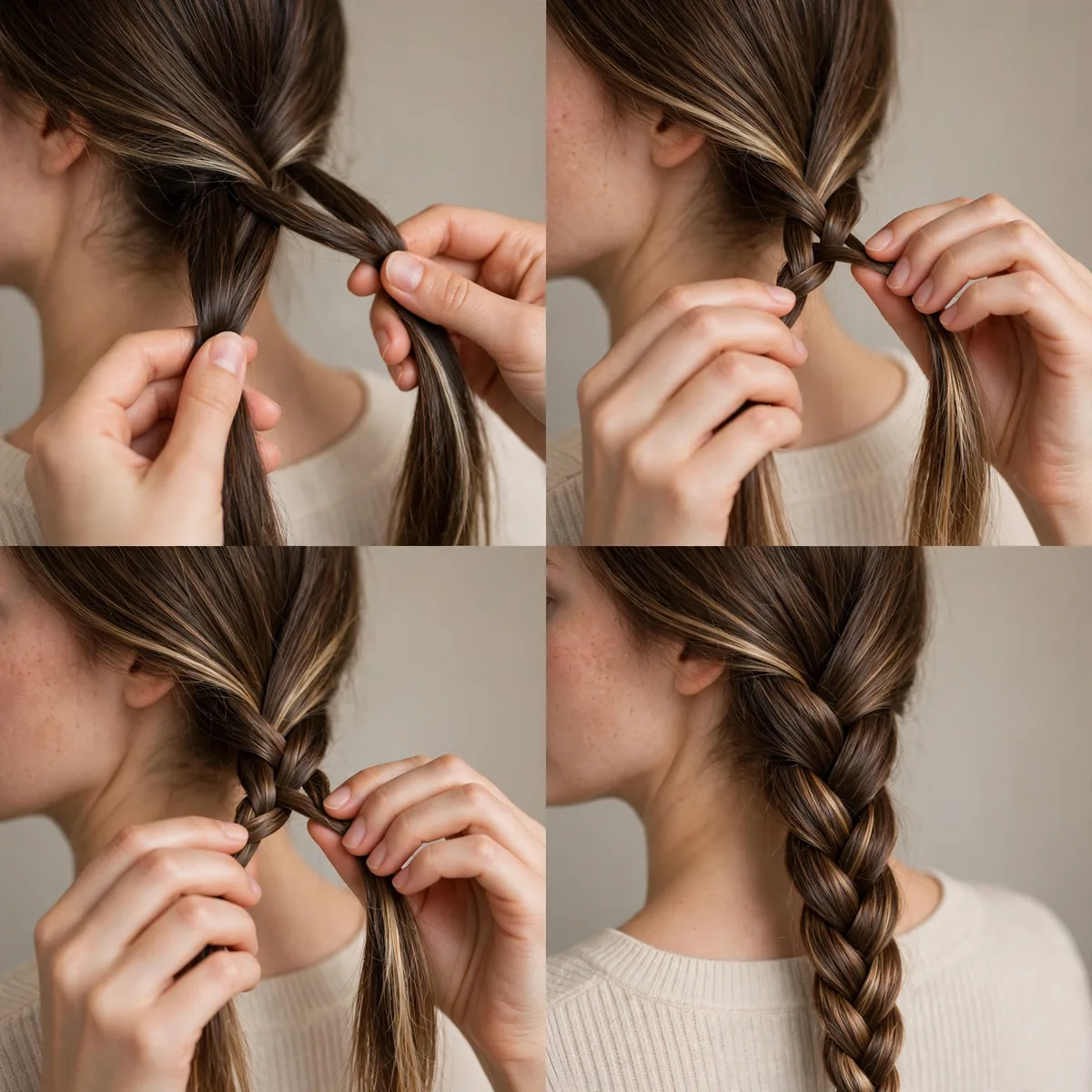
The foundation. Gather hair to one side, split into two sections, and cross thin outer pieces over to the opposite side until you run out of hair. Secure with an elastic.
Best for: learning the motion. Do your first one on slightly damp or day-old hair — the grip makes it ten times easier.
If your classic two-strand fishtail looks great from the front but messy from behind, you are not checking your blind spots. A hand mirror is as essential as a diffuser attachment for this style — the back is where sections go rogue. Build in a quick all-angles check before you leave, and keep argan oil in your bag for smoothing the nape area later. Styles are three-dimensional; styling them one-dimensionally is how the back gets neglected.
The front sections make or break a classic two-strand fishtail — they are the frame around your features. Soften the hairline with a few released pieces if the style runs severe, or sharpen it with a diffuser attachment for a more sculpted effect. A touch of texturizing spray keeps face-framing strands defined without looking stiff. Even tiny adjustments at the front change how the entire style reads, so give this area the most attention.
Side-Swept Fishtail
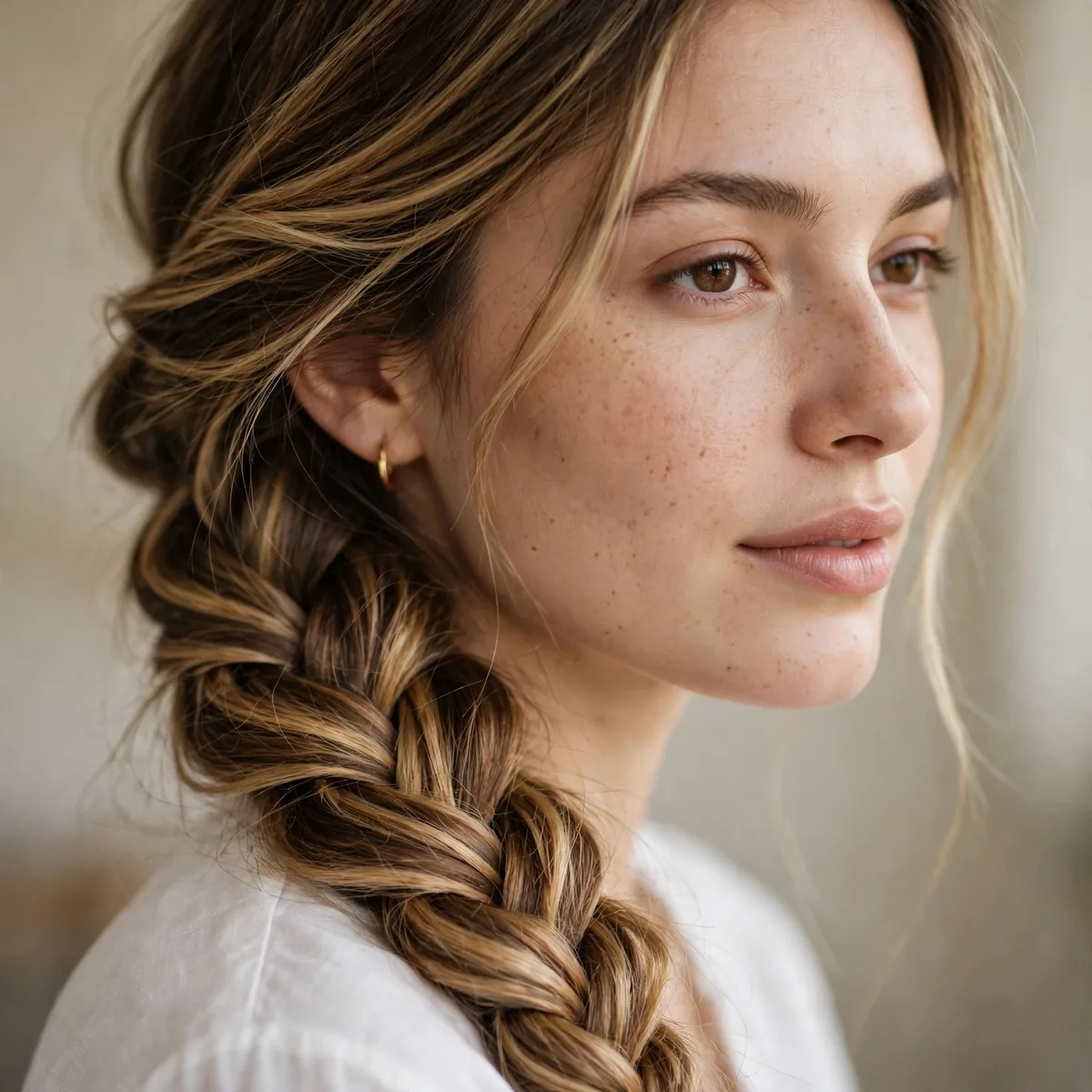
Sweep all hair over one shoulder before you start. The side placement keeps the braid visible from the front — no mirror gymnastics needed.
Best for: true beginners. You can see what your hands are doing, which makes learning dramatically faster.
Clean sectioning is what separates a polished side-swept fishtail from one that gives up by lunch. Clip the crown away with a spray bottle and build from the bottom layers upward, keeping partings crisp and tension even from roots to ends. A little smoothing serum smoothed through the lengths beforehand gives freshly washed or slippery hair the grip it needs. This unglamorous prep is exactly why salon work outlasts most DIY attempts.
A Side-swept fishtail rewards the well-stocked kit. Keep a flat iron on hand for precision work and a reliable texturizing spray for taming the mid-lengths and ends. For wavy hair specifically, layering a leave-in under your styler prevents the dryness that makes styles look frizzy by afternoon. The goal is hair that moves naturally while holding its shape — products should be felt, not seen.
Half-Up Fishtail
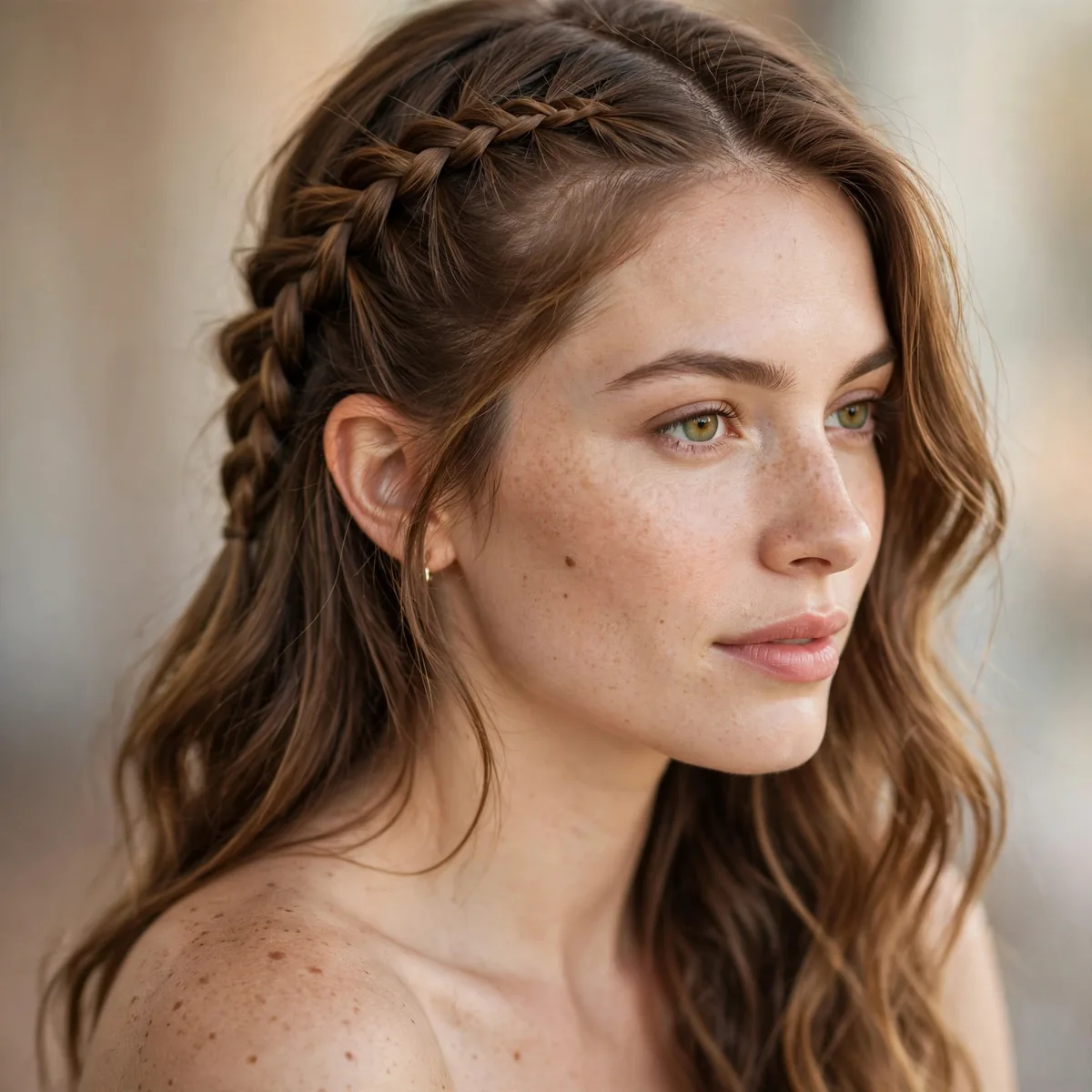
Fishtail just the top section of hair and secure it at the back, leaving the rest down. Less hair to manage means less frustration while learning.
Best for: short attention spans and anyone who wants the fishtail look in under five minutes.
Your density changes how a half-up fishtail behaves, so calibrate the approach. Thick hair needs more numerous, smaller sections to stay controlled, while fine hair does better with fewer sections plus argan oil at the roots for the illusion of fullness. Naturally curly hair often holds the style longest since the bend grips itself. Whatever your density, step back and check the balance — the silhouette should feel even, never heavy on one side.
Humidity is the sworn enemy of a crisp half-up fishtail, so plan accordingly. On damp days, lean on a smoothing serum with anti-frizz properties and avoid over-touching the hair, since hands transfer moisture and oils that encourage puffiness. If the style does expand, resist the urge to reheat everything — smoothing just the outer layer with a curling wand usually restores order. A style that survives a humid commute is a style worth repeating.
Messy Pancaked Fishtail
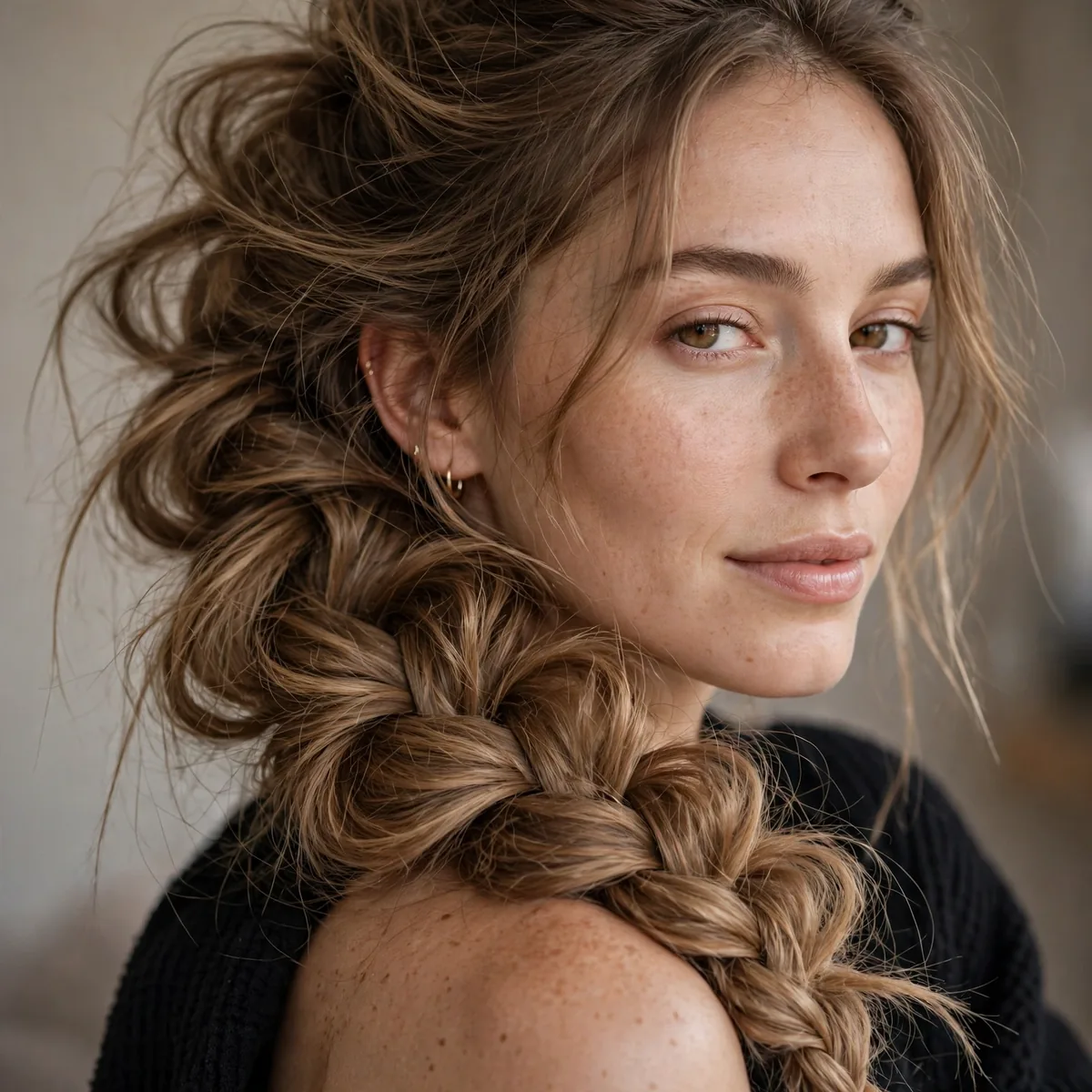
Braid it, then gently tug each stitch outward to flatten and widen the braid — called pancaking. Instantly doubles the visual thickness.
Best for: fine hair. A pancaked fishtail looks twice as full and hides every beginner wobble.
Seasonal tweaks keep a messy pancaked fishtail feeling current year-round. In warmer months, prioritize lightweight formulas like volumizing powder so the style does not feel heavy or collapse in heat, and consider pulling a few face-framing pieces free for airiness. Cooler weather invites richer textures and more structured finishes. The bones of the style stay the same; only the finish and the products change with the forecast.
Once you have mastered the classic messy pancaked fishtail, play with the variables. Switching the part from center to deep side completely changes the mood, while pulling a few shorter pieces free around the face softens the whole effect. Try working a styling cream through for a wetter, more editorial finish, or keep it matte and airy for daytime. Small adjustments like these keep a favorite style feeling fresh instead of repetitive.
Fishtail Ponytail
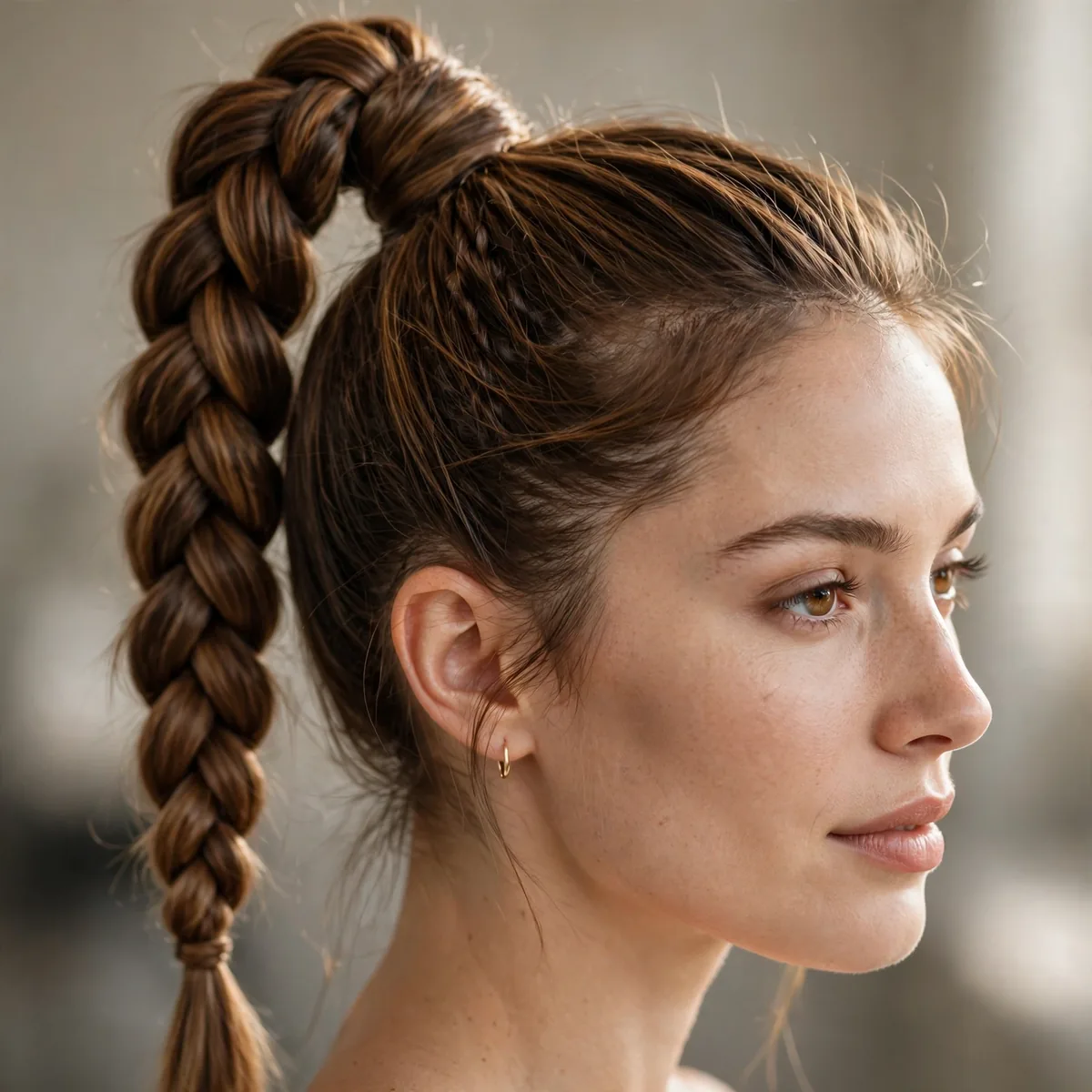
Secure a ponytail first, then fishtail the tail. The elastic holds everything stable so you can focus purely on the crossing technique.
Best for: the easiest possible first fishtail. The ponytail does half the work for you.
Frizz ambushing your fishtail ponytail usually means the hair needed more moisture before styling, not more hold afterward. Next time, layer a hydrating base under your texturizing spray and smooth the cuticle with a spray bottle while the hair is still slightly damp. If flyaways appear midday, do not pile on more product — smooth them with barely-damp palms instead. Adding product on top of frizz just creates buildup that attracts more frizz.
Personalize the fishtail ponytail at the hairline and watch it transform. Baby hairs laid with argan oil, a softly undone front, or a crisp center part each tell a different story on round face shapes. There is no single right answer — the best choice is the one that makes you feel like yourself. Experiment in front of the mirror with a spray bottle handy, and photograph each version; the camera reveals what the mirror hides.
Double Fishtail Braids
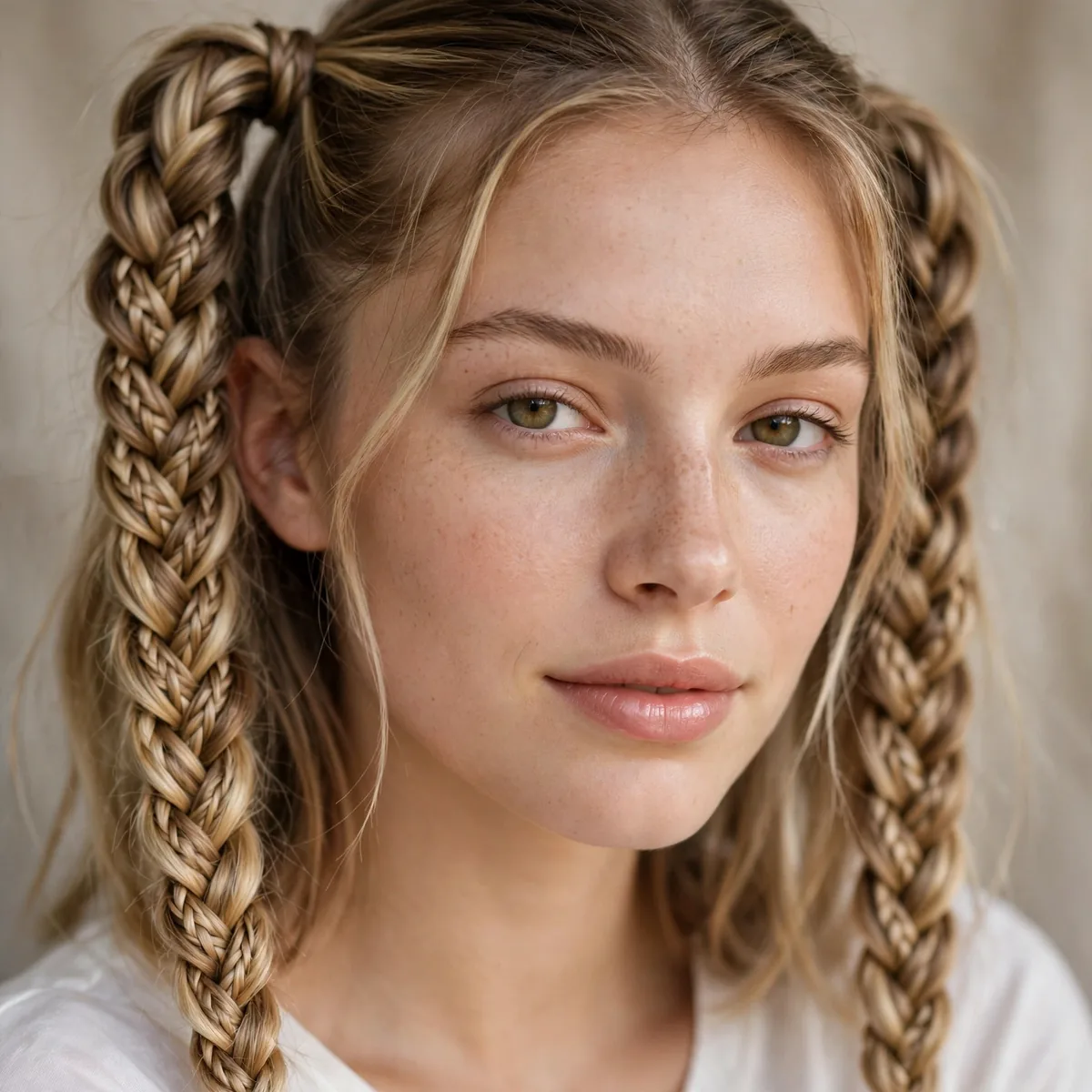
Part down the middle and fishtail each side. Sporty, symmetrical, and great practice — the second braid always looks better than the first.
Best for: practice sessions. By braid two you’ll have the rhythm down.
Clean sectioning is what separates a polished double fishtail braids from one that gives up by lunch. Clip the crown away with a duckbill clip and build from the bottom layers upward, keeping partings crisp and tension even from roots to ends. A little argan oil smoothed through the lengths beforehand gives freshly washed or slippery hair the grip it needs. This unglamorous prep is exactly why salon work outlasts most DIY attempts.
Invest in the tools and your double fishtail braids gets twice as good with half the effort. A flat iron gives you the control that fingers alone cannot, especially for crisp partings and smooth roots. Pair it with a sea-salt spray suited to your straight texture — fine hair needs featherweight formulas while thicker hair can handle richer creams. Using products matched to your density is the difference between a style that holds and one that collapses.
French Fishtail
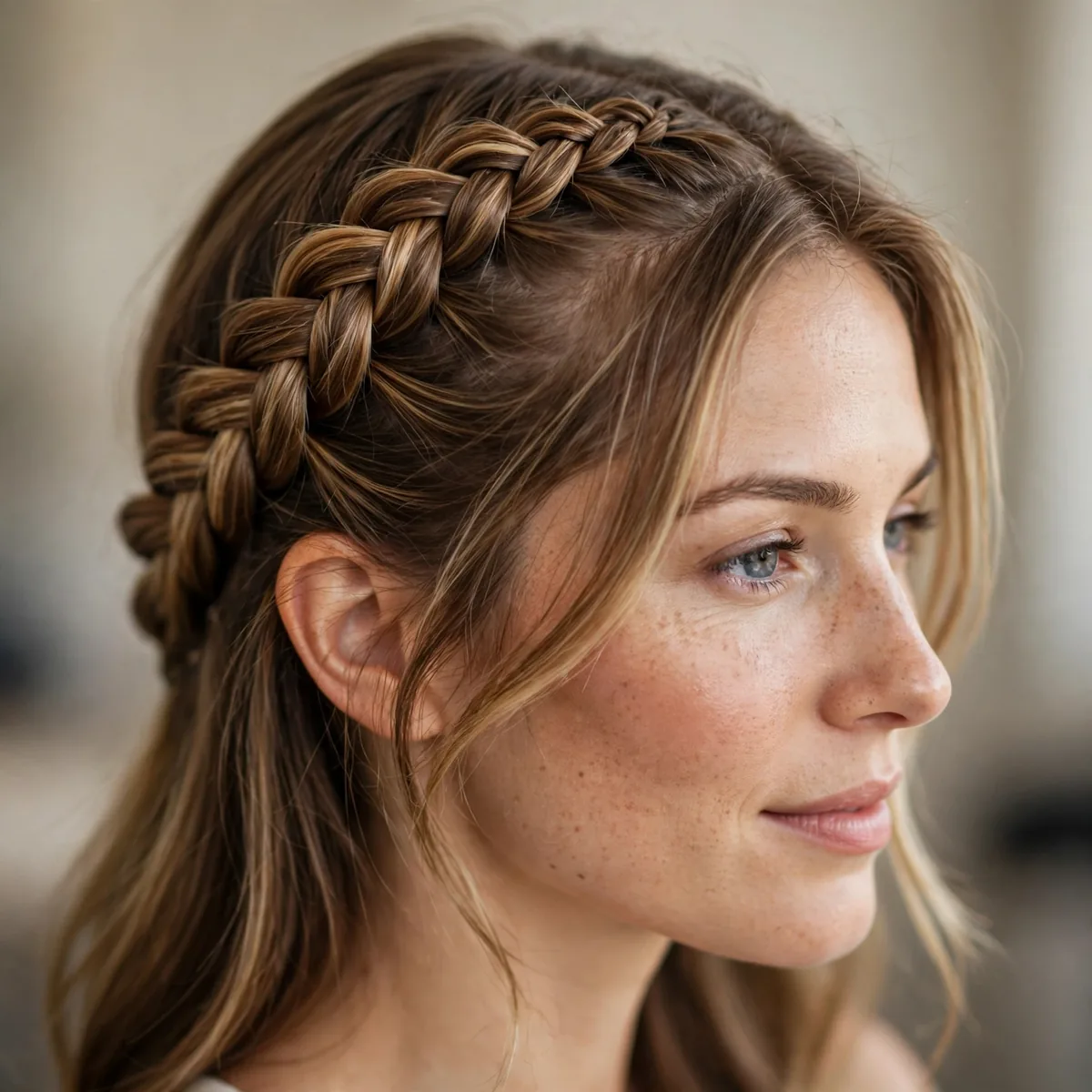
Like a French braid but with the two-strand fishtail technique, adding hair from the sides as you go down. Advanced-looking, totally learnable.
Best for: once you’ve nailed the basic. Add small sections at a time and keep tension even.
Your density changes how a french fishtail behaves, so calibrate the approach. Thick hair needs more numerous, smaller sections to stay controlled, while fine hair does better with fewer sections plus volumizing powder at the roots for the illusion of fullness. Naturally straight hair often holds the style longest since the bend grips itself. Whatever your density, step back and check the balance — the silhouette should feel even, never heavy on one side.
Extend the life of your french fishtail with smart day-two tactics. Sleep with the hair loosely secured rather than tight, which prevents dents and kinks from setting in. In the morning, spot-fix only the sections that actually need it using a boar-bristle brush, and revive flat roots with volumizing powder massaged in at the scalp. Knowing which parts of a style age fastest — usually the front — lets you refresh strategically instead of starting over.
Fishtail Braided Bun
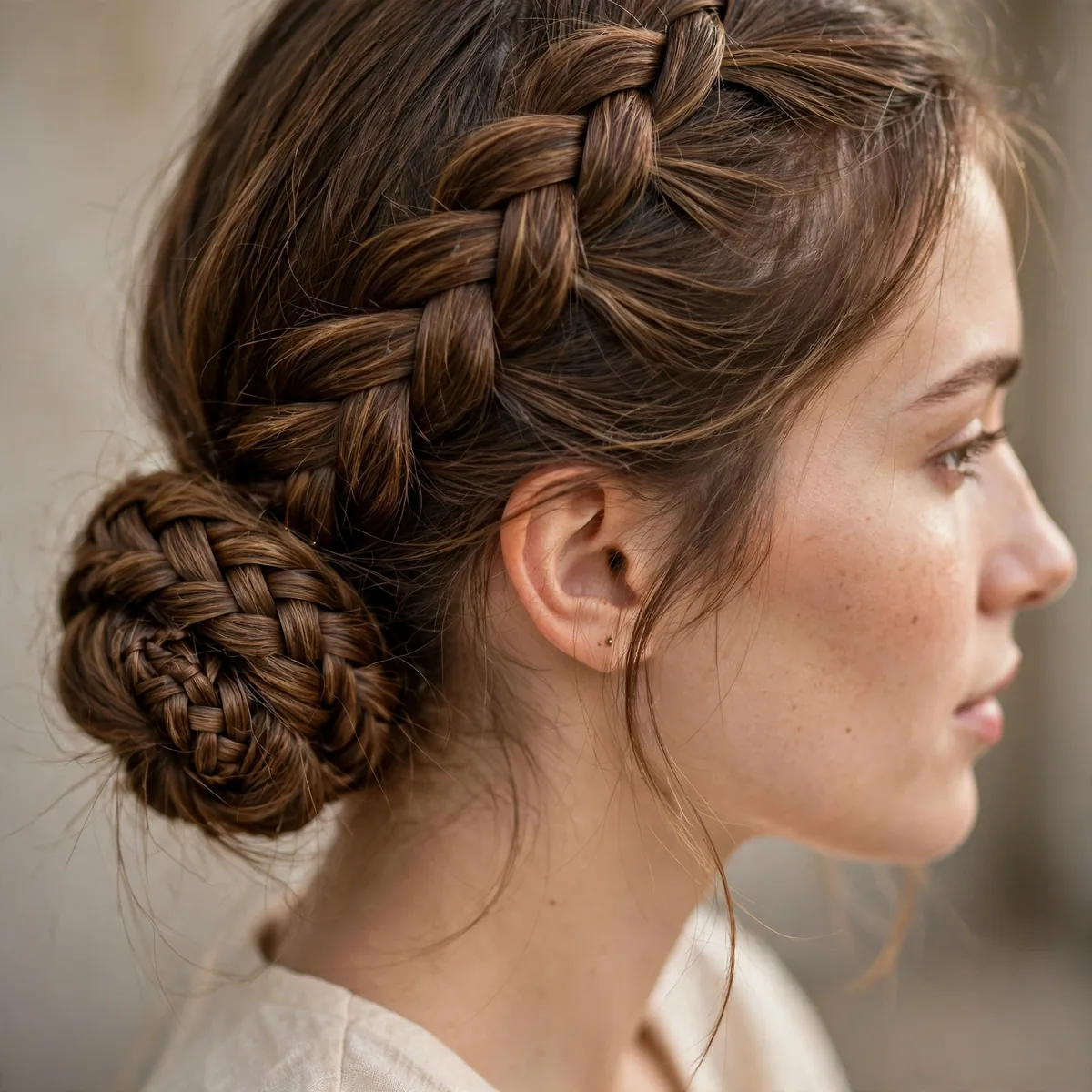
Fishtail your hair, then coil the braid into a bun and pin. The fishtail texture peeking through the bun looks incredibly intricate.
Best for: weddings and formal events. It reads as a $200 salon updo.
The fishtail braided bun earns its place as a go-to for festivals because it balances polish with personality. For daytime versions, keep the finish soft and touchable; for evening, sharpen the details — sleeker roots, more defined pieces, a glossier finish. A dry shampoo helps the style transition from desk to dinner without a full redo. It is the kind of versatile look that justifies the ten minutes it takes to perfect.
Layer the fishtail braided bun with complementary details for extra dimension. Face-framing layers, a softened hairline, or a contrasting texture at the ends all add interest without complicating the style. A boar-bristle brush refines these details, while sea-salt spray keeps them defined through the day. Think of the base style as the canvas and these small additions as the brushstrokes that make it personal.
Lace Fishtail Headband
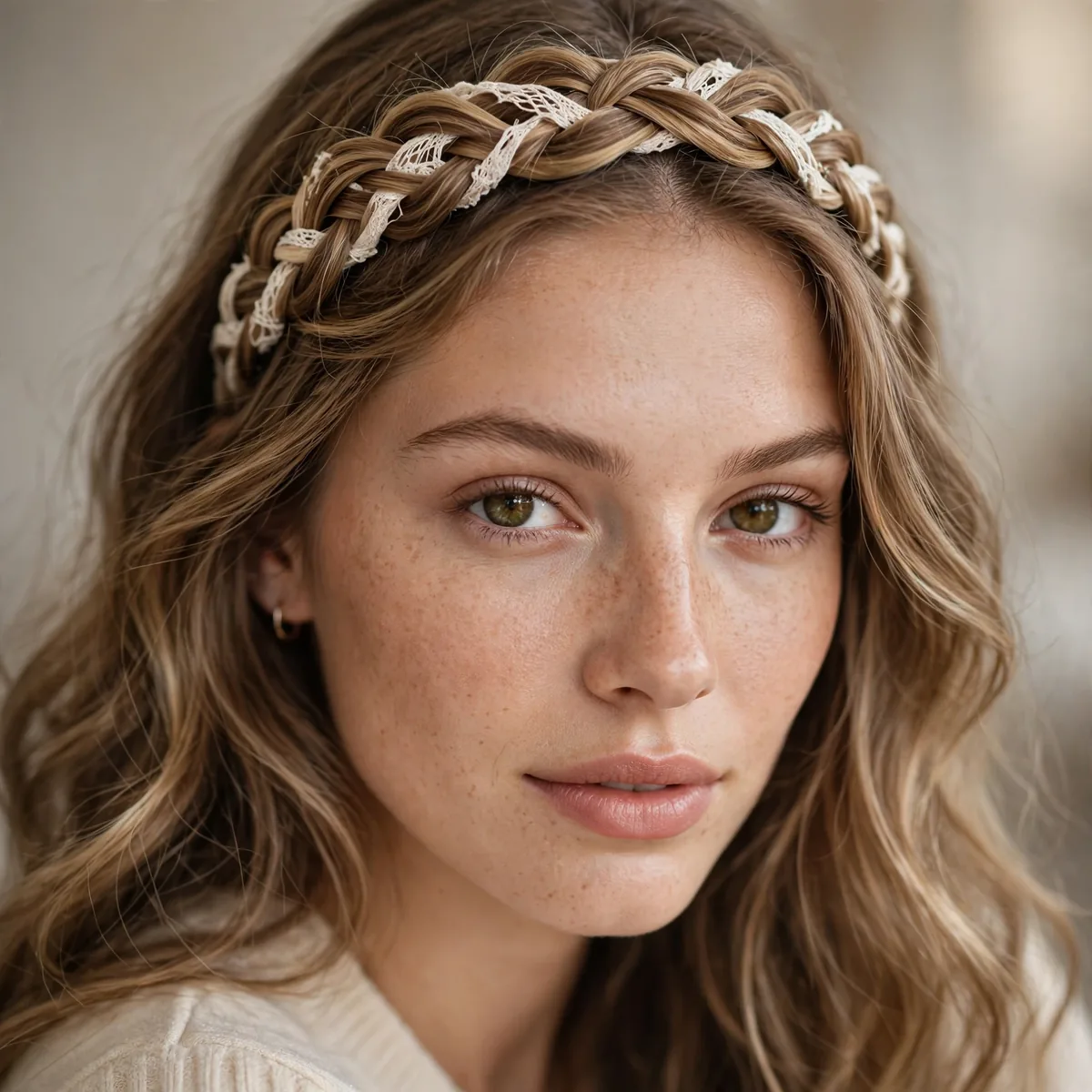
Fishtail a section along your hairline, adding hair from only the front side. A delicate headband effect with fishtail texture.
Best for: keeping bangs and layers off your face beautifully. Our braided hairstyles for long hair has more headband variations.
The most common lace fishtail headband mistake is working against the hair instead of with it — forcing sleekness on air-dried texture or volume on pin-straight lengths without prep. If the style fights you, stop and add sea-salt spray or switch tools; a round brush often solves what fingers cannot. Tension issues cause most failures: too tight looks severe and causes breakage, too loose unravels. Aim for secure but comfortable, and the style will cooperate.
Balance is the key to wearing a lace fishtail headband well. If the style has a lot of volume, keep the front relatively calm; if the silhouette is sleek, a little texture around the face prevents severity. oval faces particularly benefit from this push-and-pull approach. Finish the hairline with leave-in conditioner on a microfiber towel for a polished edge that still looks touchable. Proportion awareness turns a good style into a great one.
Fishtail Pigtails
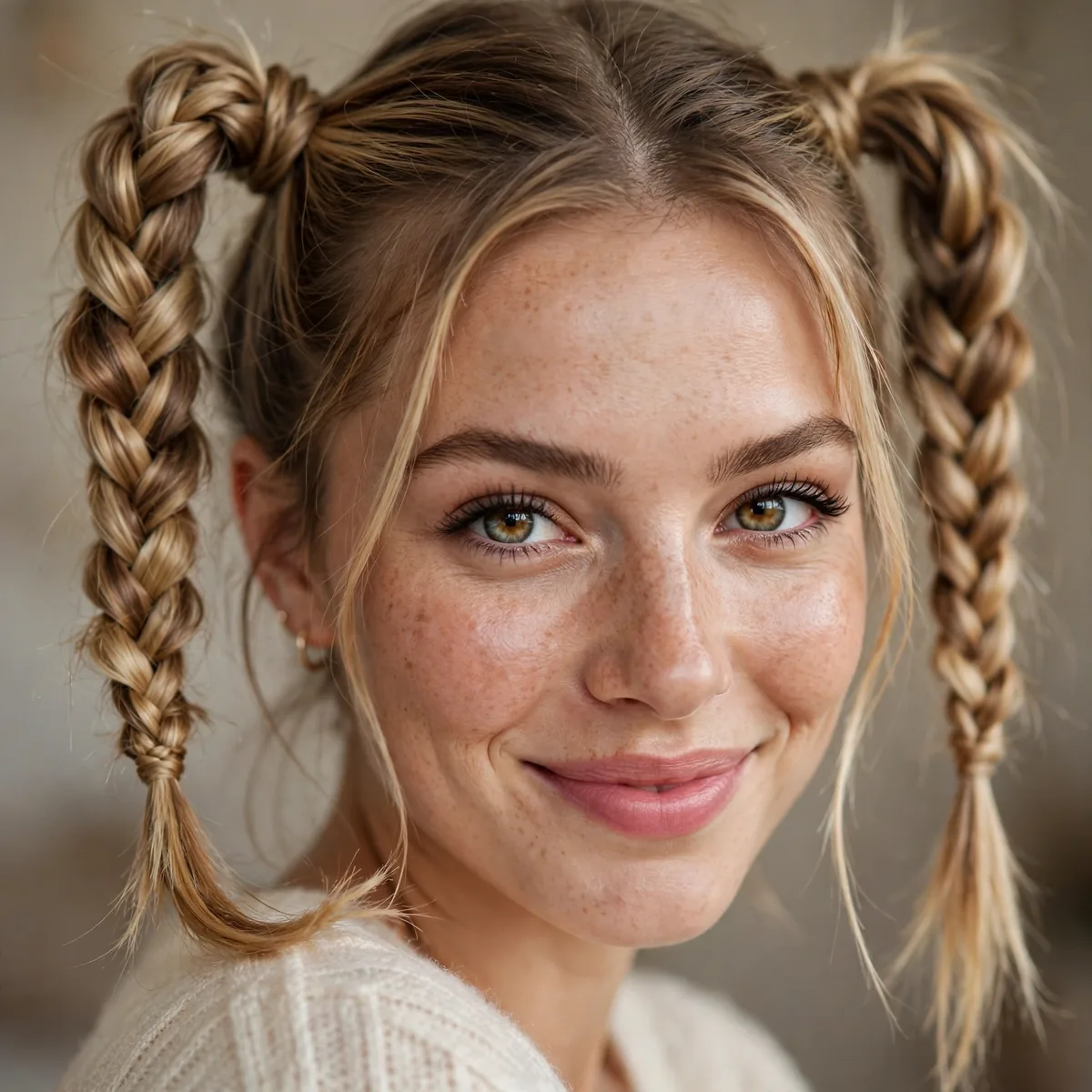
Two low fishtail pigtails — youthful, fun, and festival-ready. Tie the ends with ribbon for extra charm.
Best for: concerts and casual weekends. They’re supposed to look a little undone.
Start your fishtail pigtails on hair with a bit of texture to it — day-old hair or strands prepped with volumizing powder hold shape far better than squeaky-clean lengths. Divide everything with a teasing comb, working in small sections instead of handfuls, and finish each zone before moving to the next. Even tension is the goal; inconsistent pulling creates lumps and loose pieces. Slow down here and the rest of the style builds itself.
Invest in the tools and your fishtail pigtails gets twice as good with half the effort. A rattail comb gives you the control that fingers alone cannot, especially for crisp partings and smooth roots. Pair it with a volumizing powder suited to your fine texture — fine hair needs featherweight formulas while thicker hair can handle richer creams. Using products matched to your density is the difference between a style that holds and one that collapses.
Fishtail with Ribbon Woven In
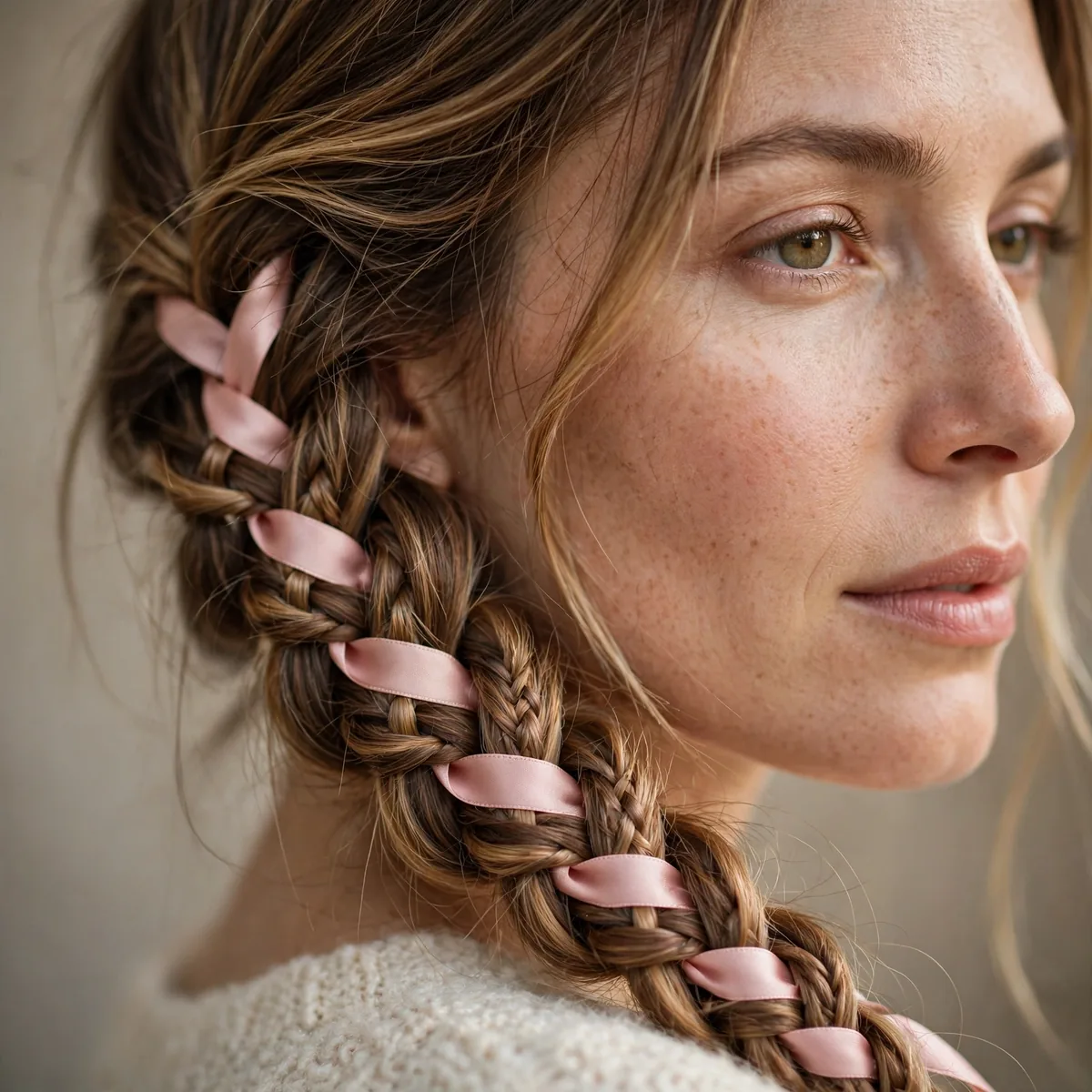
Tie a ribbon at the top and treat it as part of one section as you fishtail. The color weaving through the stitches is gorgeous.
Best for: holidays, parties, and anyone who loves a romantic detail. Velvet ribbon photographs beautifully.
The fishtail with ribbon woven in is particularly flattering on coily hair, where natural texture adds dimension that elevates the look. Other hair types can wear it too — edge control or a quick pass with heat tools can mimic the grit or smoothness the style needs. Very dense hair may require extra sectioning for control, while finer hair benefits from volumizing prep at the roots. Adapt the technique to your hair, not the other way around.
To make your fishtail with ribbon woven in last beyond day one, nighttime protection is everything. Pineapple the hair or wrap it in a silk scarf before bed, and sleep on a satin pillowcase to cut down on friction that roughs up the style. In the morning, revive the roots with a burst of texturizing spray and smooth the surface with your palms. Most versions of this style look even better on day two once the pieces have relaxed naturally.
Fishtail Top Knot
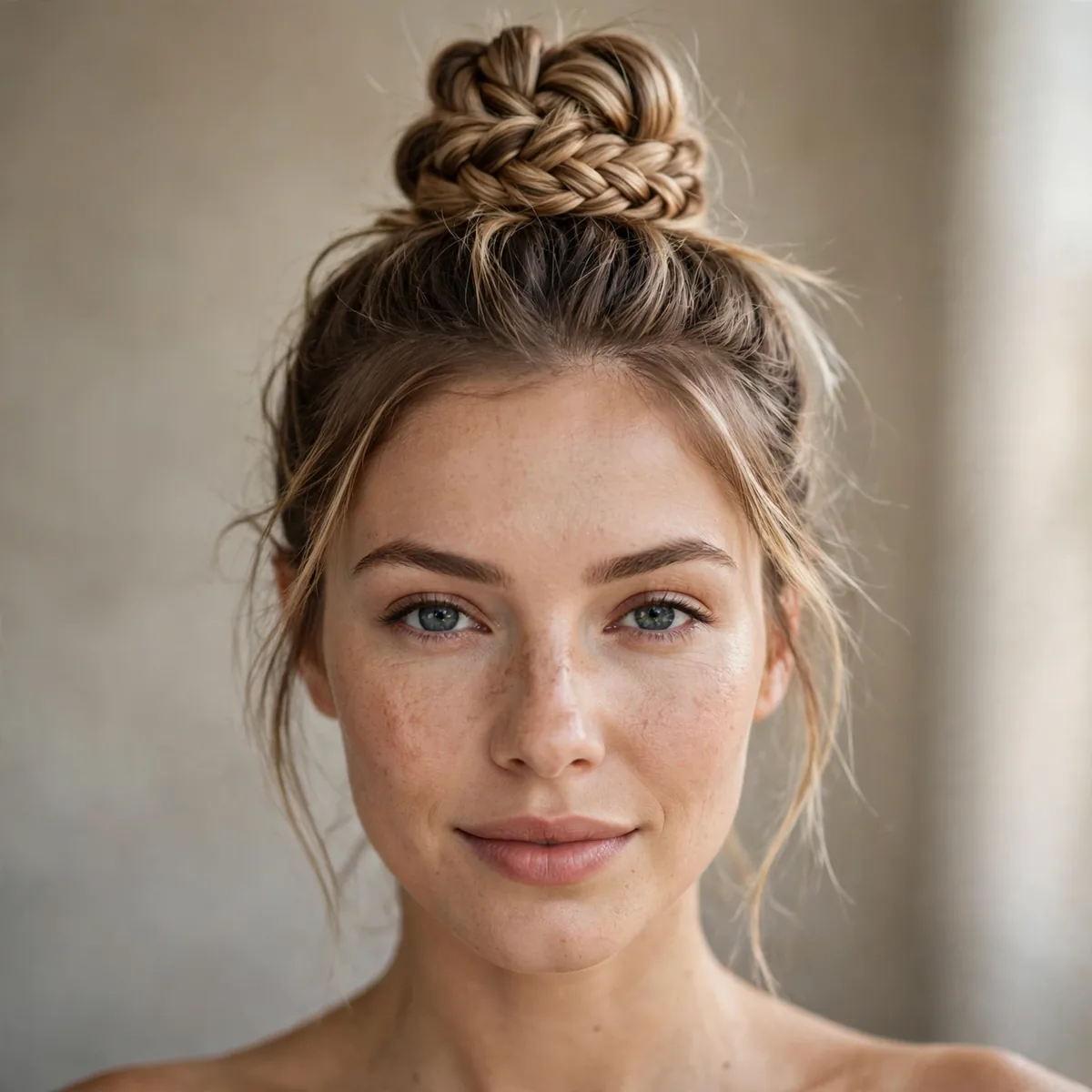
Flip your head upside down, fishtail from the nape upward, then gather everything into a top knot. The braid climbing into the bun is such a cool detail.
Best for: showing off the technique. The underside braid gets revealed every time you move.
Dress the fishtail top knot up or down with small finishing choices. For casual holiday parties, leave the texture a little undone and skip the strong-hold products; for formal moments, smooth everything with a boar-bristle brush and lock it with volumizing powder. Accessories — a silk scarf, minimal pins, a headband — shift the mood instantly without changing the base style. One good foundation, endless interpretations.
Layer the fishtail top knot with complementary details for extra dimension. Face-framing layers, a softened hairline, or a contrasting texture at the ends all add interest without complicating the style. A duckbill clip refines these details, while flexible-hold hairspray keeps them defined through the day. Think of the base style as the canvas and these small additions as the brushstrokes that make it personal.
Dutch Fishtail
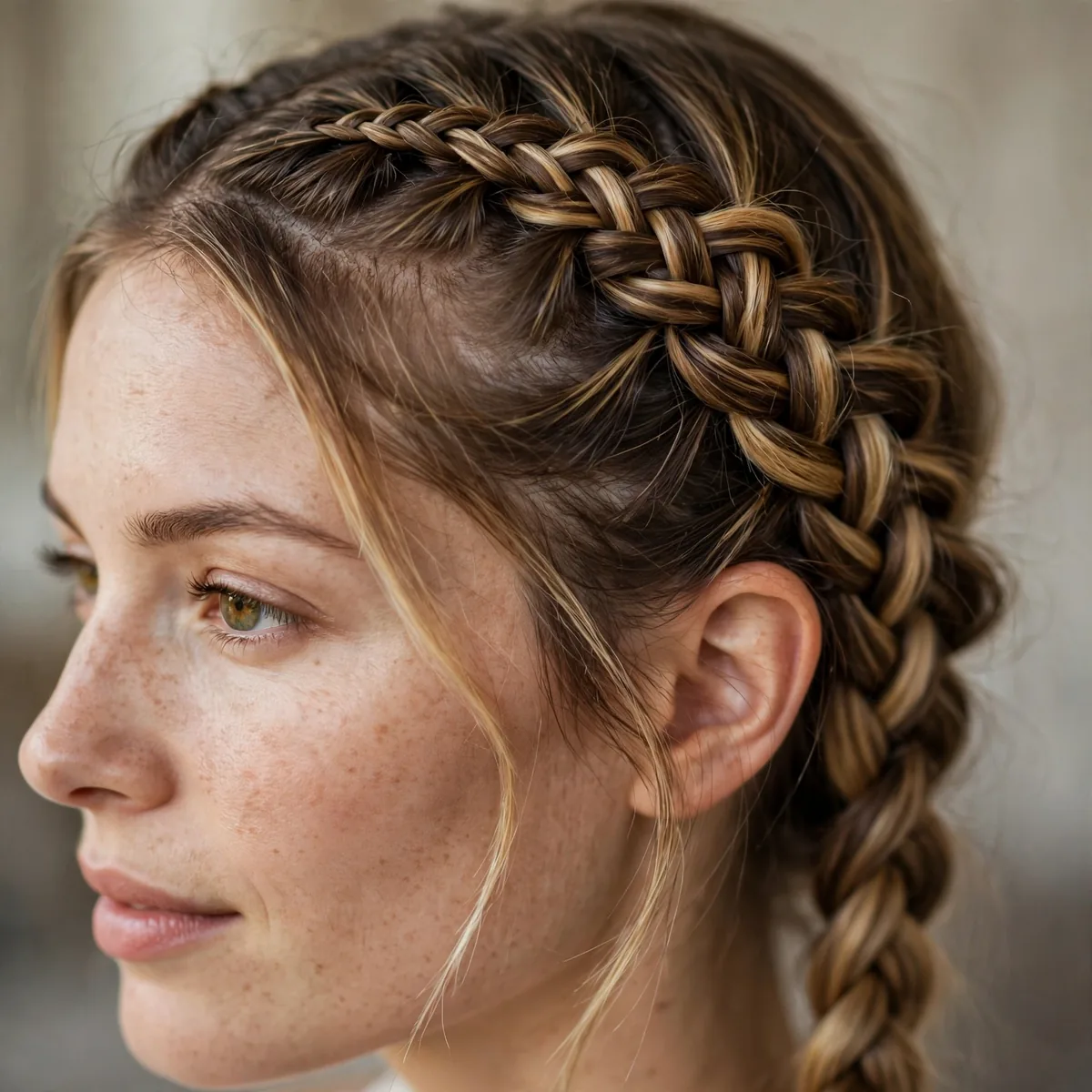
Cross the pieces under instead of over so the fishtail sits raised on top of the hair. Bolder, more 3D, more dramatic.
Best for: when you want the fishtail to be the star. It pops even more on highlighted hair.
Frizz ambushing your dutch fishtail usually means the hair needed more moisture before styling, not more hold afterward. Next time, layer a hydrating base under your argan oil and smooth the cuticle with a paddle brush while the hair is still slightly damp. If flyaways appear midday, do not pile on more product — smooth them with barely-damp palms instead. Adding product on top of frizz just creates buildup that attracts more frizz.
Personalize the dutch fishtail at the hairline and watch it transform. Baby hairs laid with leave-in conditioner, a softly undone front, or a crisp center part each tell a different story on long face shapes. There is no single right answer — the best choice is the one that makes you feel like yourself. Experiment in front of the mirror with a microfiber towel handy, and photograph each version; the camera reveals what the mirror hides.
Fishtail Accent Braid
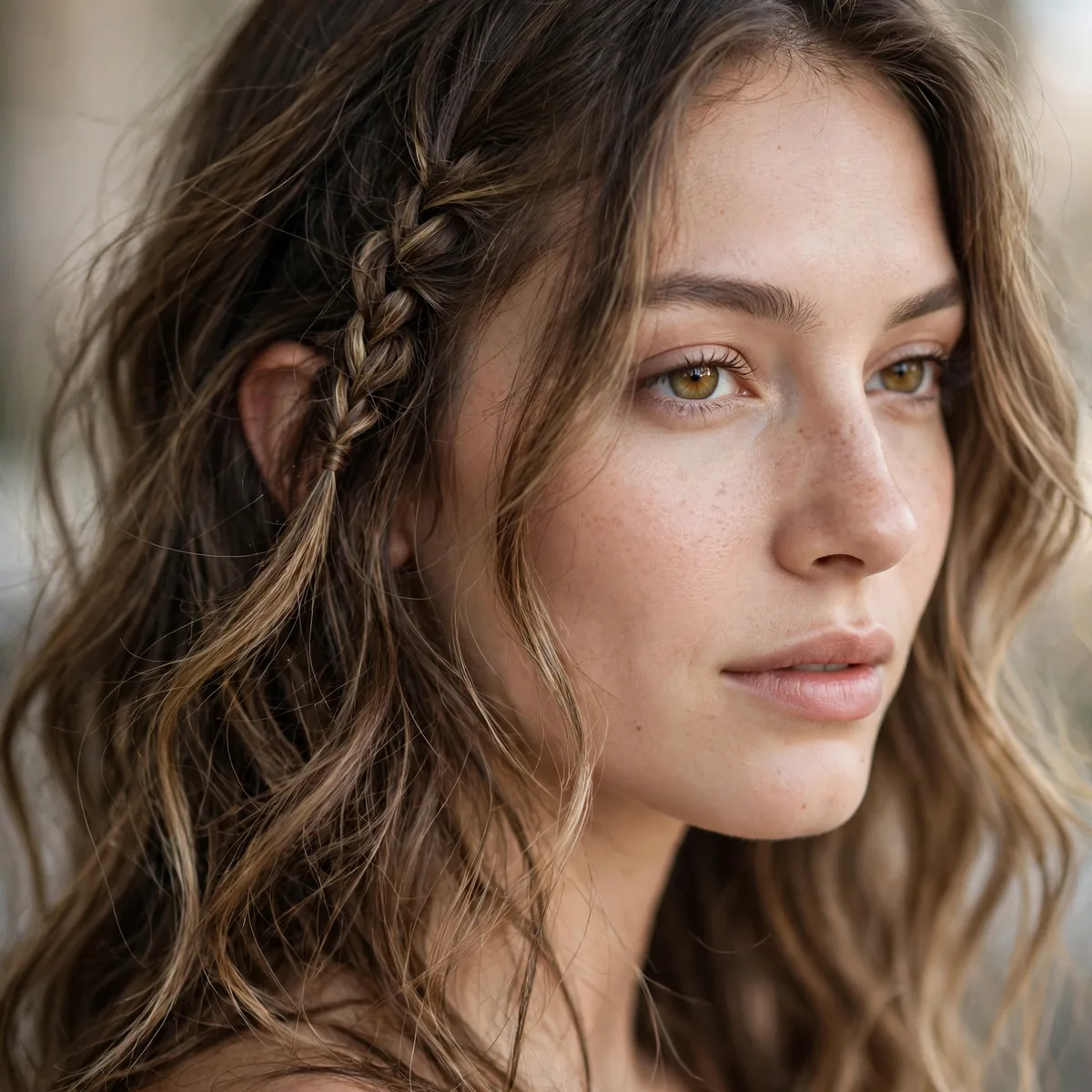
One tiny fishtail worked into otherwise loose hair — a whisper of detail that elevates everything without any real effort.
Best for: everyday wear. It takes two minutes and makes people ask where you got your hair done.
Start your fishtail accent braid on hair with a bit of texture to it — day-old hair or strands prepped with lightweight mousse hold shape far better than squeaky-clean lengths. Divide everything with a boar-bristle brush, working in small sections instead of handfuls, and finish each zone before moving to the next. Even tension is the goal; inconsistent pulling creates lumps and loose pieces. Slow down here and the rest of the style builds itself.
The right products make a fishtail accent braid dramatically easier to execute. A flexible-hold hairspray is the real workhorse — it adds grip, calms frizz, and helps the style hold for hours without visible residue. Work it through before you begin styling rather than layering it on at the end, so it supports the hair's structure from the inside. A light mist to finish keeps everything touchable instead of crunchy.
Overnight Fishtail Waves
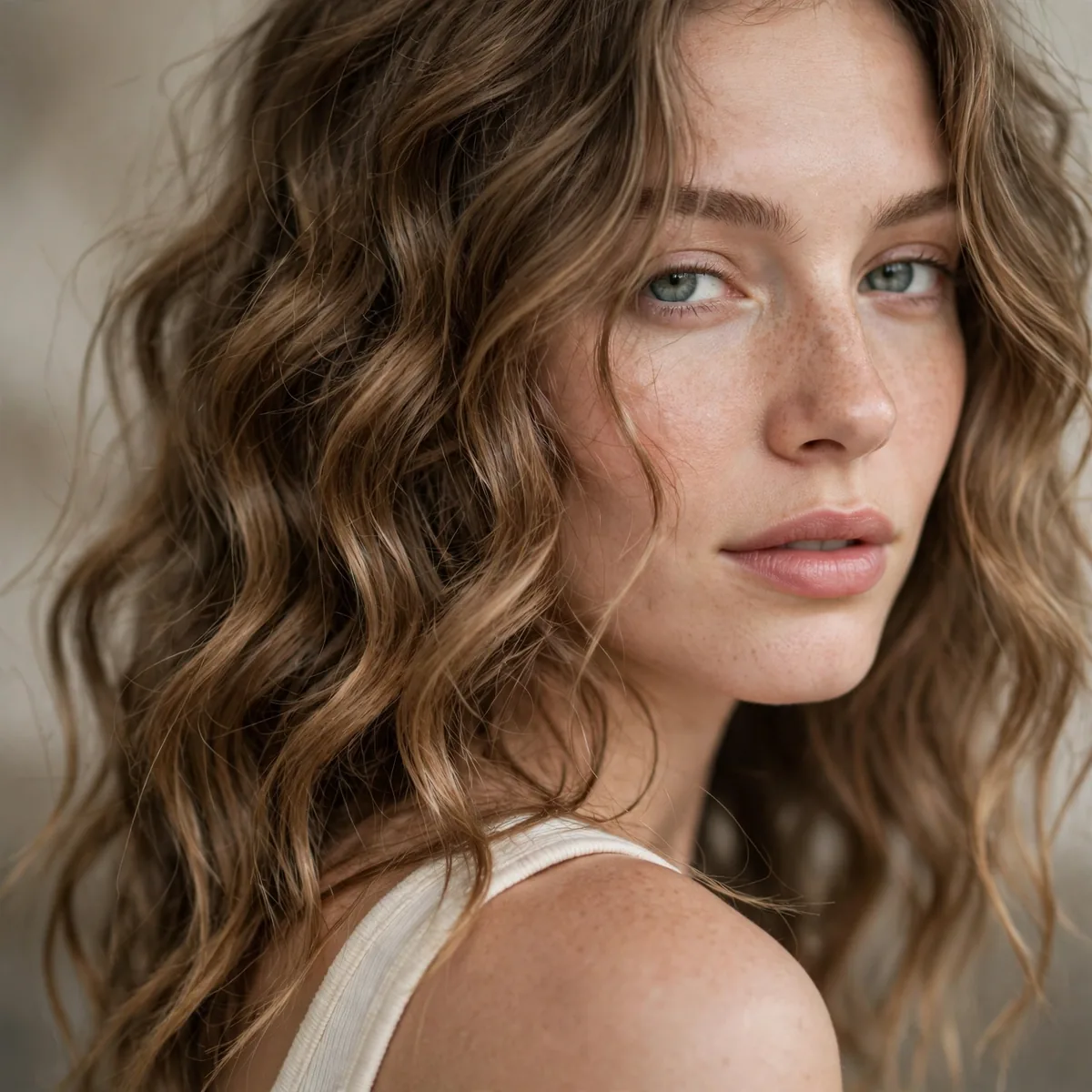
Sleep in a loose fishtail and wake up to soft, even waves — heatless styling while you dream. Undo, shake, and go.
Best for: heatless-wave lovers. Mist with a little water before braiding if your hair is dry.
Length and texture together determine how an overnight fishtail waves falls. Longer, medium-density lengths give the style beautiful movement, while shorter lengths create a perkier, more graphic version — both are valid. If your hair is very silky, heat protectant is non-negotiable for hold; if it is prone to frizz, smooth a serum over the surface as the final step. The same style can look soft or structured depending on these small prep choices.
To make your overnight fishtail waves last beyond day one, nighttime protection is everything. Pineapple the hair or wrap it in a silk scarf before bed, and sleep on a satin pillowcase to cut down on friction that roughs up the style. In the morning, revive the roots with a burst of styling cream and smooth the surface with your palms. Most versions of this style look even better on day two once the pieces have relaxed naturally.
Two strands, fifteen styles — you’ve got this. Practice on a side fishtail first, then level up. For more braid inspiration, browse our 18 braided hairstyles for long hair.