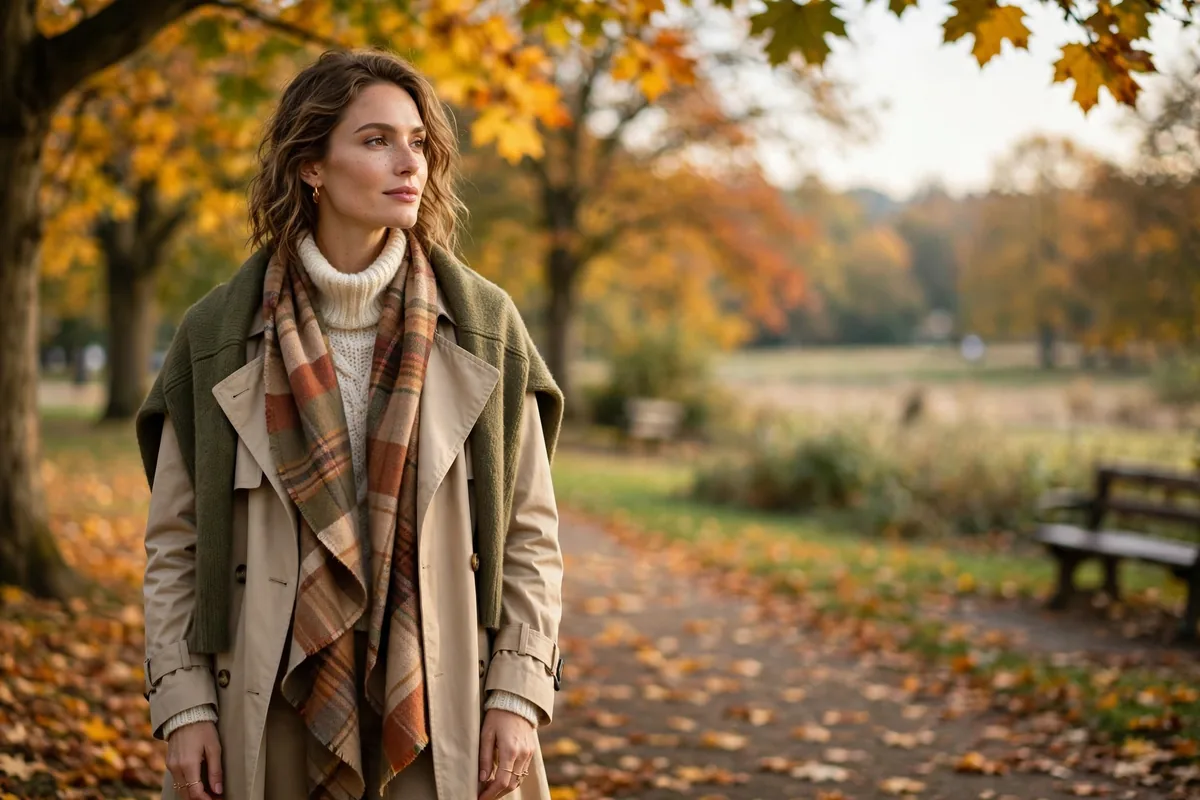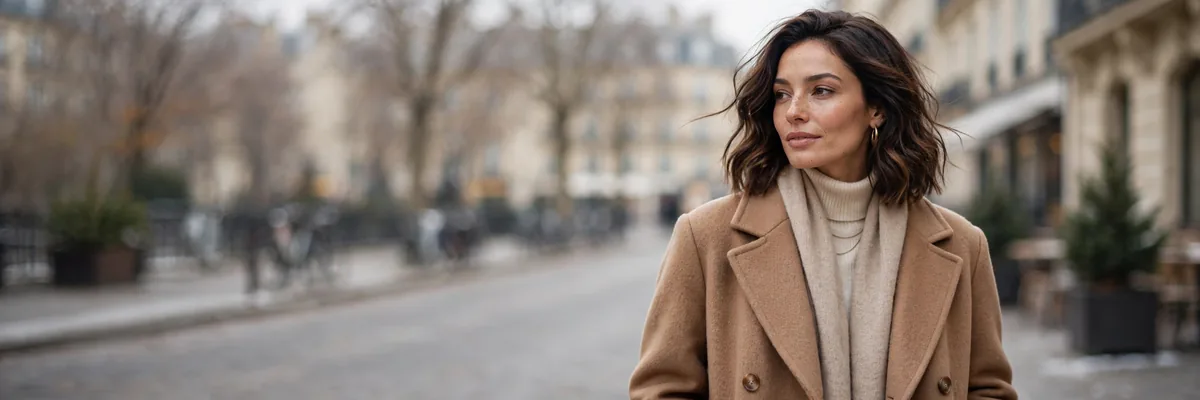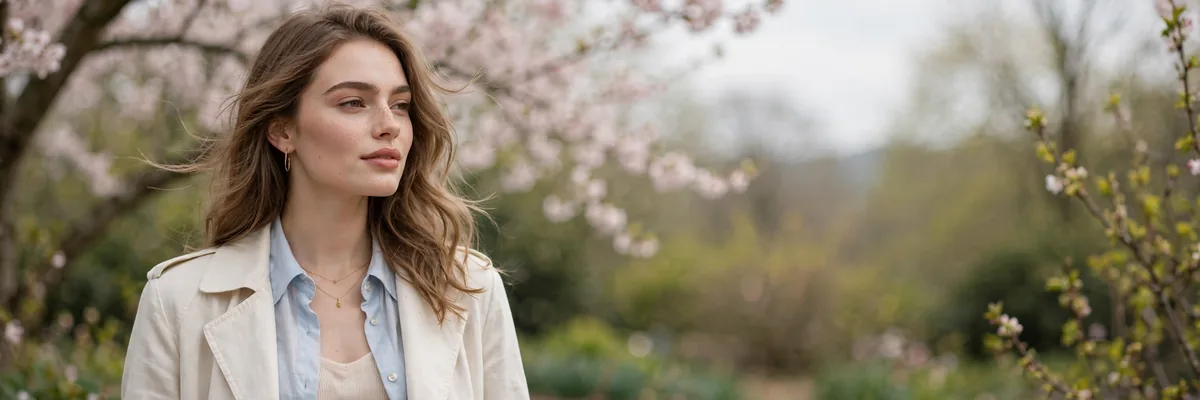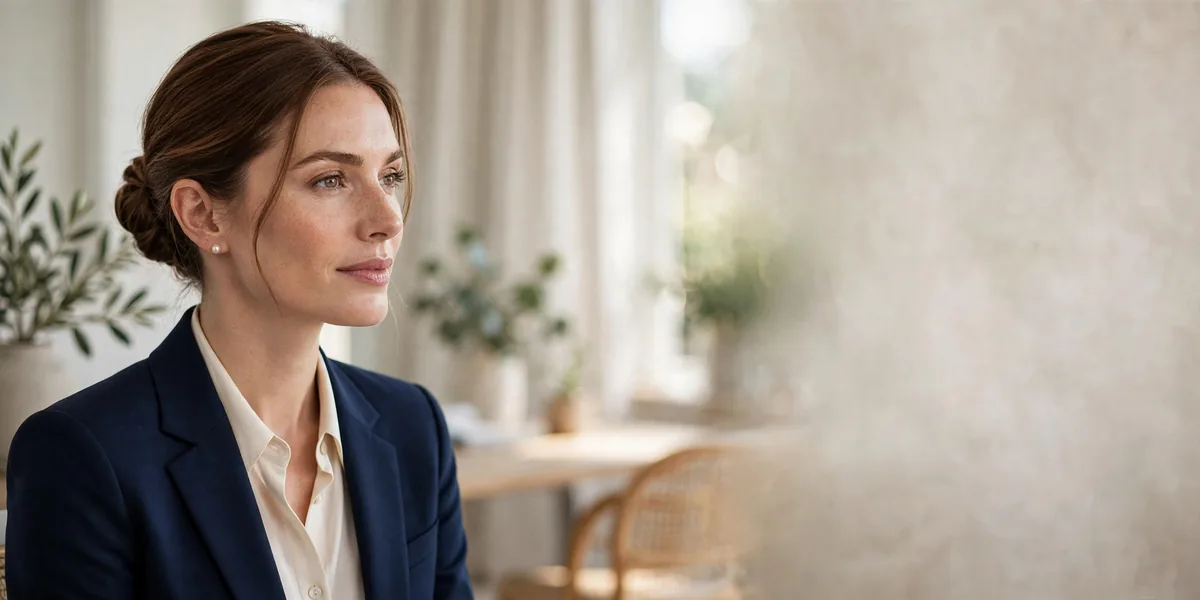
You never get a second first impression — dress like you already have the job.
Interview dressing balances professionalism with personality: polished enough to respect the process, human enough to be memorable.
When in doubt, overdress one notch. Nobody ever lost a job for looking too polished.
Here are 15 interview-winning ideas. Let’s get into it.
The Classic Suit
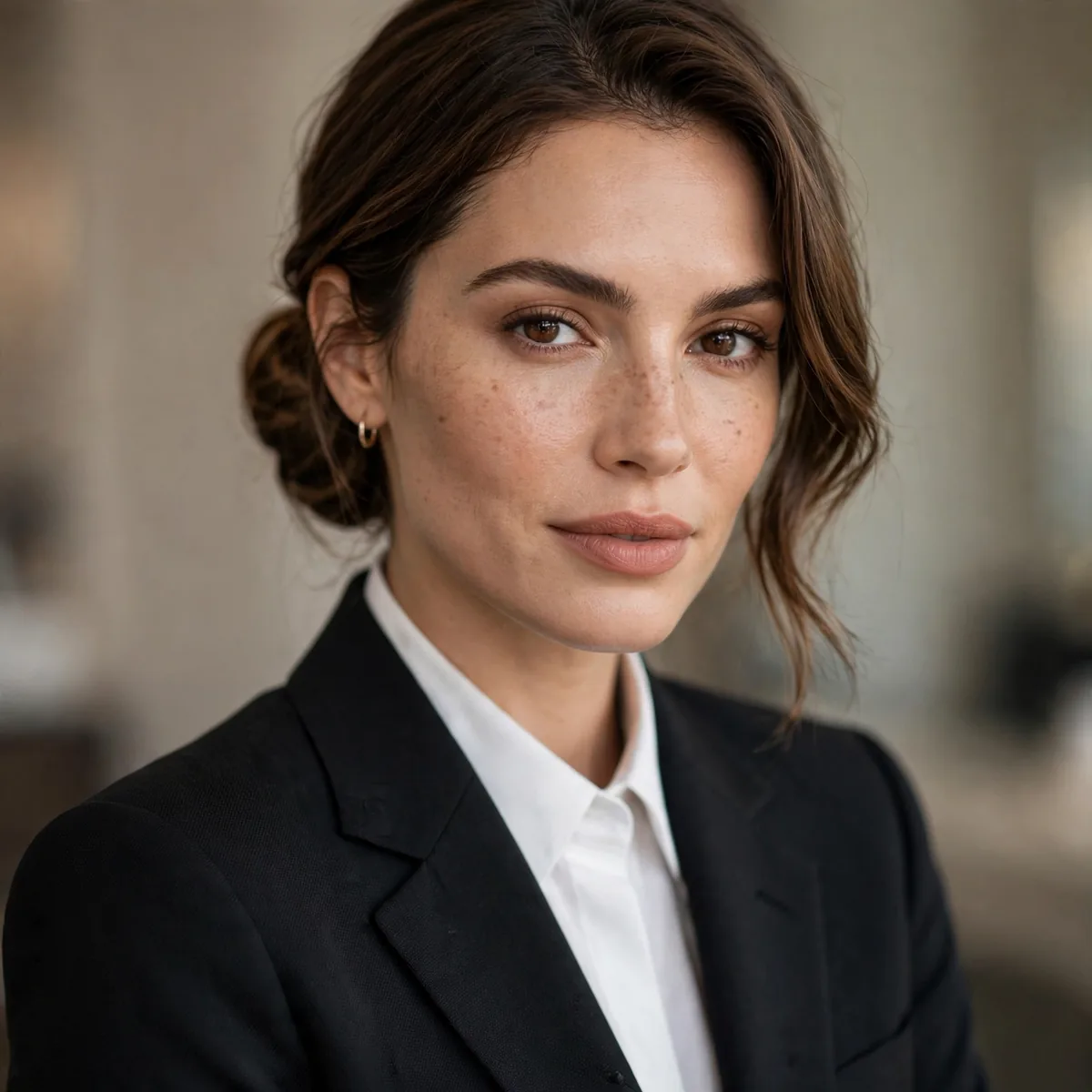
Navy or charcoal tailoring — the interview armor.
Best for: formal industries. A great suit is confidence you can wear.
Navy or charcoal in a wool blend with a hint of stretch is the interview armor that works across finance, law, and corporate roles. Fit is everything: shoulders should end exactly at your shoulder bone, sleeves show a quarter-inch of shirt cuff, and trousers break just once over the shoe. A half-canvassed jacket holds its shape far better than a fused one, so check the construction before you buy.
A great suit is worth genuine investment and professional tailoring — even an affordable suit looks expensive when the alterations are right. Choose trousers or a skirt based on what you will actually rewear, since separates extend the cost per wear. Keep the shirt simple in white or light blue, polish your shoes, and let the impeccable fit do the talking before you say a word.
Blazer + Blouse + Trousers
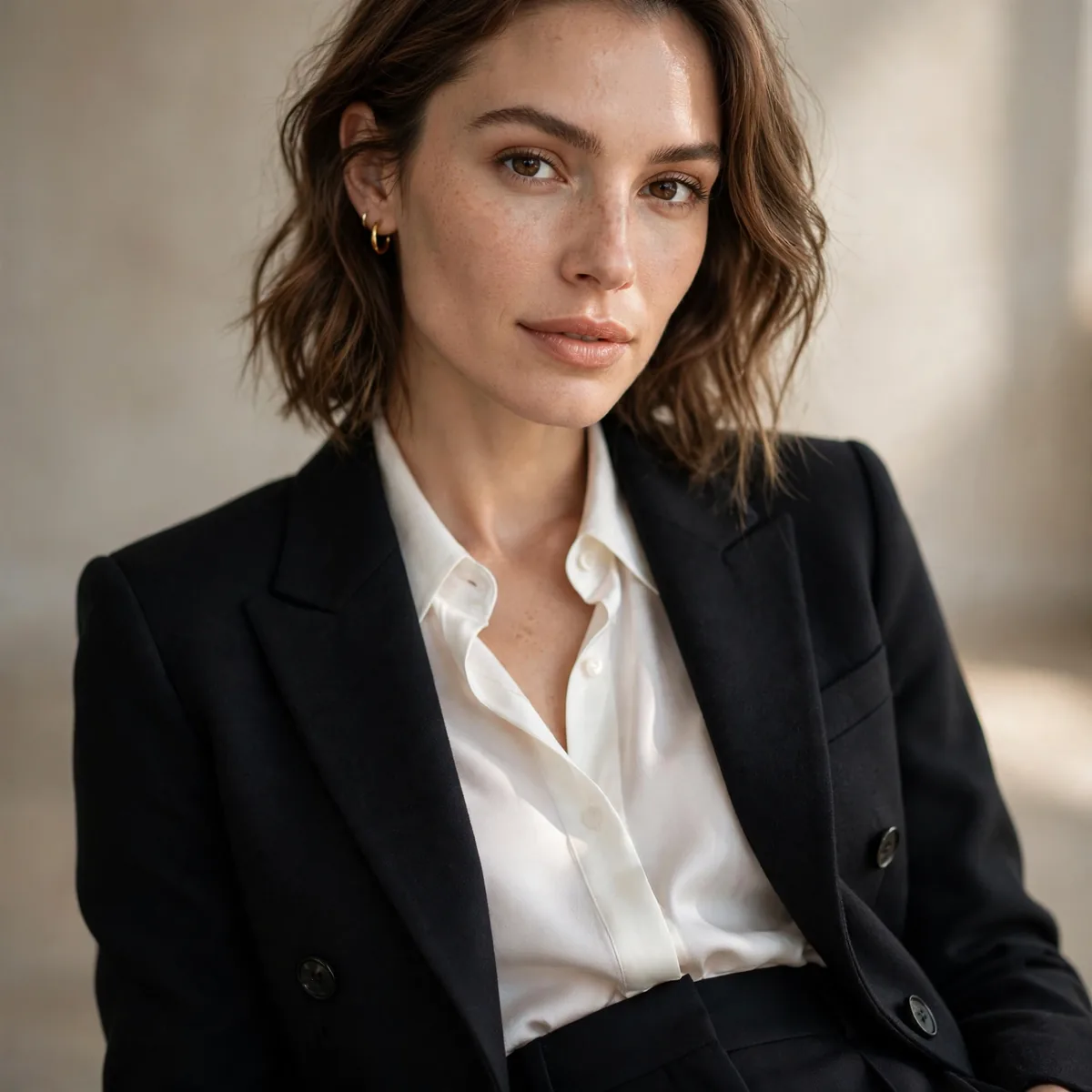
The separates suit — polished and flexible.
Best for: everyone. Separates rewear better than suits.
The separates suit offers flexibility a matched set cannot: a navy blazer, a silk or crepe blouse in ivory or soft blue, and tailored ankle trousers in charcoal or black. Tuck the blouse fully and add a slim belt to define the waist, keeping proportions crisp. Each piece rewears independently across your wardrobe, which makes this the smartest investment for anyone building an interview rotation on a budget.
This formula adapts from business formal to business casual simply by swapping the blouse for a fine-knit top or the trousers for dark jeans in creative fields. Petite women should choose a slightly cropped blazer that ends at the hip to preserve leg line, while a longerline blazer flatters taller frames. Keep the palette in composed neutrals, and the whole look reads quietly authoritative.
Sheath Dress + Blazer
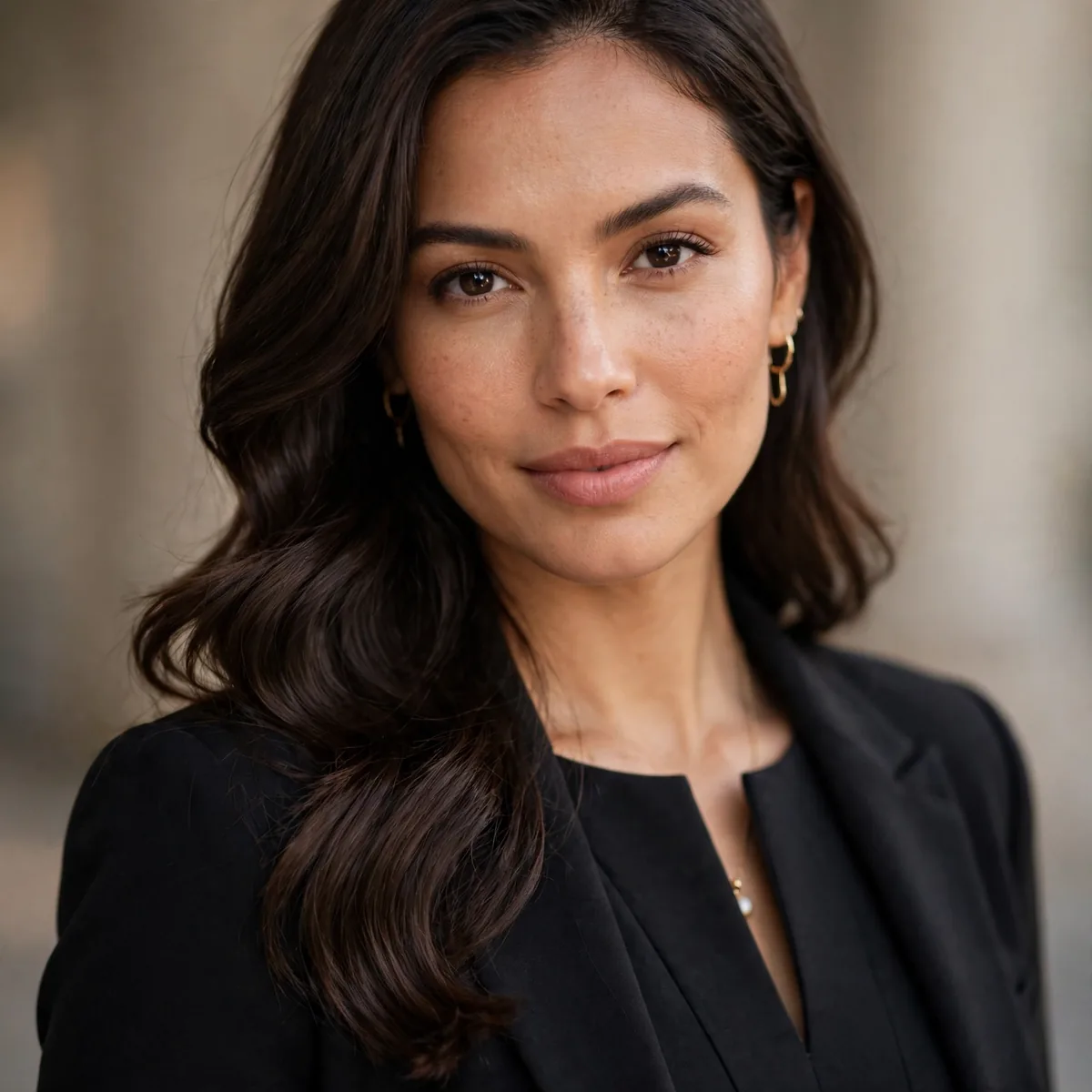
One-piece polish with a tailored topper.
Best for: everyone. The sheath is interview-perfect.
A knee-length sheath in ponte, crepe, or stretch wool skims the body with one-piece polish, no tucking required. Choose a modest neckline — boat, scoop, or subtle V — and a defined but not tight waist, with ruching at the midsection flattering fuller figures beautifully. Top it with a tailored blazer in a complementary neutral, and you have a boardroom-ready silhouette that works for nearly every industry.
Navy, charcoal, and burgundy are the power shades that read serious without severity. Petite women should ensure the hem hits right at the knee rather than below, which shortens the leg line. This is an excellent investment piece because the dress works solo for dinners and events, while the blazer pairs with trousers for a second interview look — two outfits from one thoughtful purchase.
Monochrome Neutrals
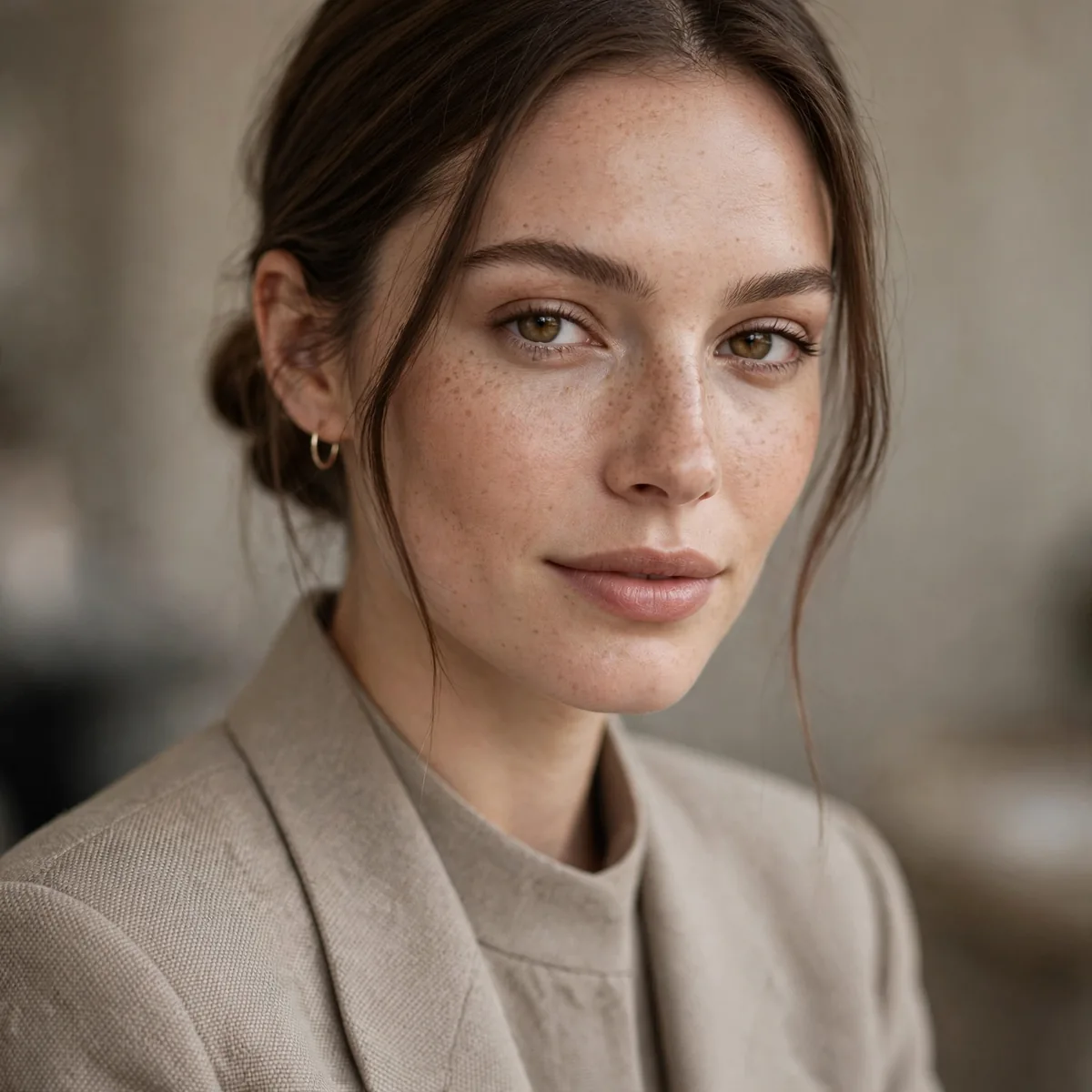
Head-to-toe camel or gray — quiet authority.
Best for: leadership roles. Monochrome reads confident.
Head-to-toe camel, warm gray, or ivory creates quiet authority through tonal dressing — the eye travels uninterrupted, which reads confident and composed. Mix textures to keep it rich: a wool blazer over a silk blouse with tailored crepe trousers, for example. Varying the shades slightly, rather than matching exactly, looks more expensive and more modern than a flat single tone.
This approach flatters petite frames especially, since the unbroken color column adds visual height. Reserve true white for the blouse rather than the trousers, which show every mark, and keep shoes in the same tonal family for a seamless finish. Monochrome neutrals signal leadership without shouting, making them ideal for management interviews and roles where presence matters as much as credentials.
The Wrap Dress
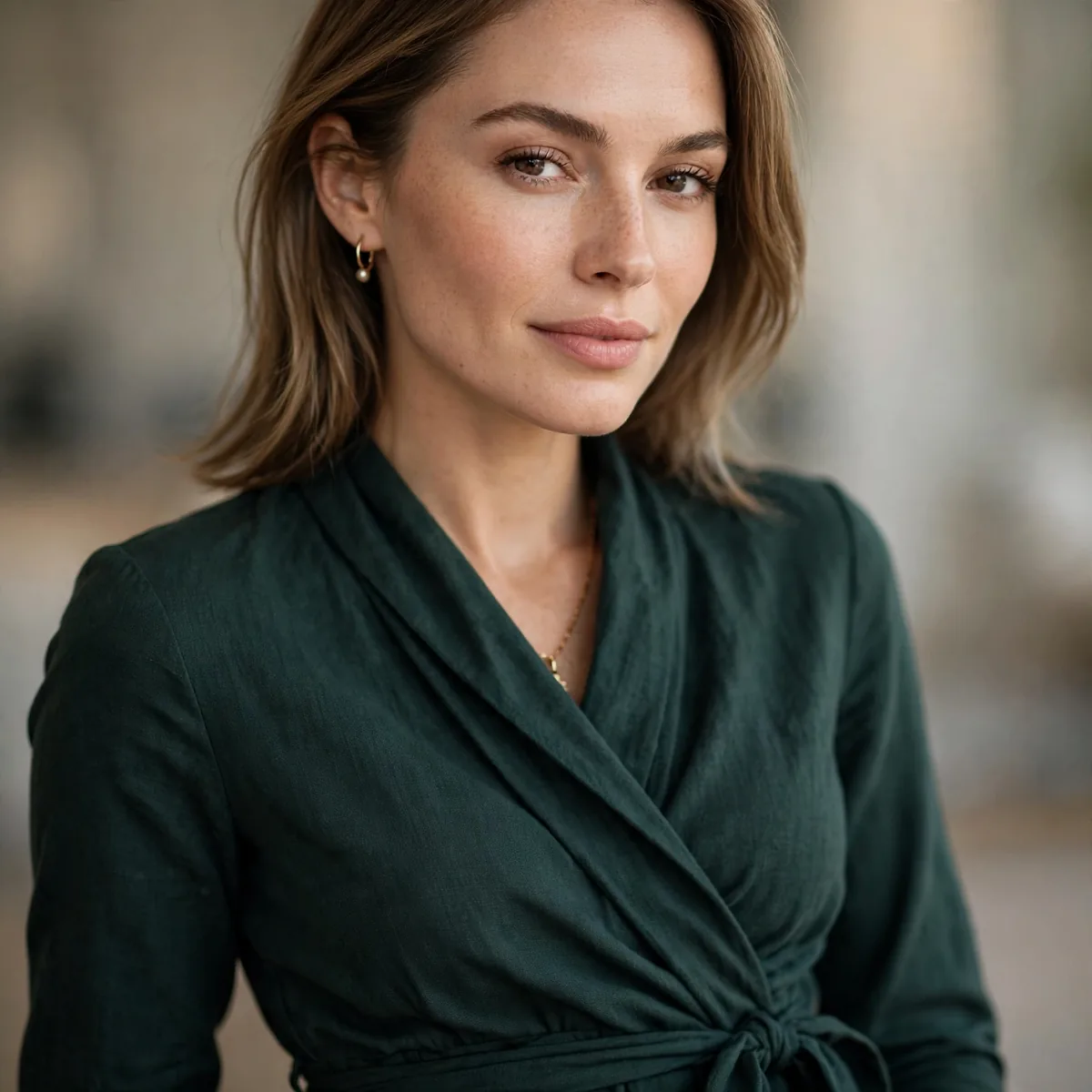
Flattering and professional — in a solid, dark color.
Best for: everyone. Keep prints minimal for interviews.
A solid wrap dress in navy, black, or deep burgundy — jersey or crepe, never clingy — is famously flattering because the adjustable tie cinches exactly at your narrowest point. Keep the V-neckline modest with a camisole beneath if needed, and choose a knee-length hem for professional polish. The diagonal lines of the wrap are kind to every figure, creating shape where you want it.
Skip prints for interviews — solids in dark colors read serious and let your words take center stage. Layer a blazer over the top for formal industries, or wear it solo with a delicate necklace for business-casual settings. The wrap dress is also a brilliant rewear piece, transitioning to dinners and events with different accessories, which makes it one of the hardest-working dresses you can own.
White Shirt + Black Trousers

The crisp classic — simple and sharp.
Best for: everyone. This combination never fails.
The crisp white poplin or oxford shirt with tailored black trousers is simplicity at its sharpest — but the details decide everything. Ensure the shirt buttons lie flat with no gaping, the collar stands crisp, and the trousers are hemmed to just kiss your shoe. A French tuck defines the waist, while a slim black belt and polished loafers or pumps complete this timeless, foolproof combination.
Steam or press the shirt the night before — wrinkles are the enemy of this look's precision — and check for deodorant marks and yellowing at the collar. Petite women gain polish from a cropped or ankle-length trouser that shows a sliver of shoe. This combination never fails because it is a blank canvas: your grooming, posture, and answers become the entire focus, exactly as they should be.
Knit + Tailored Skirt
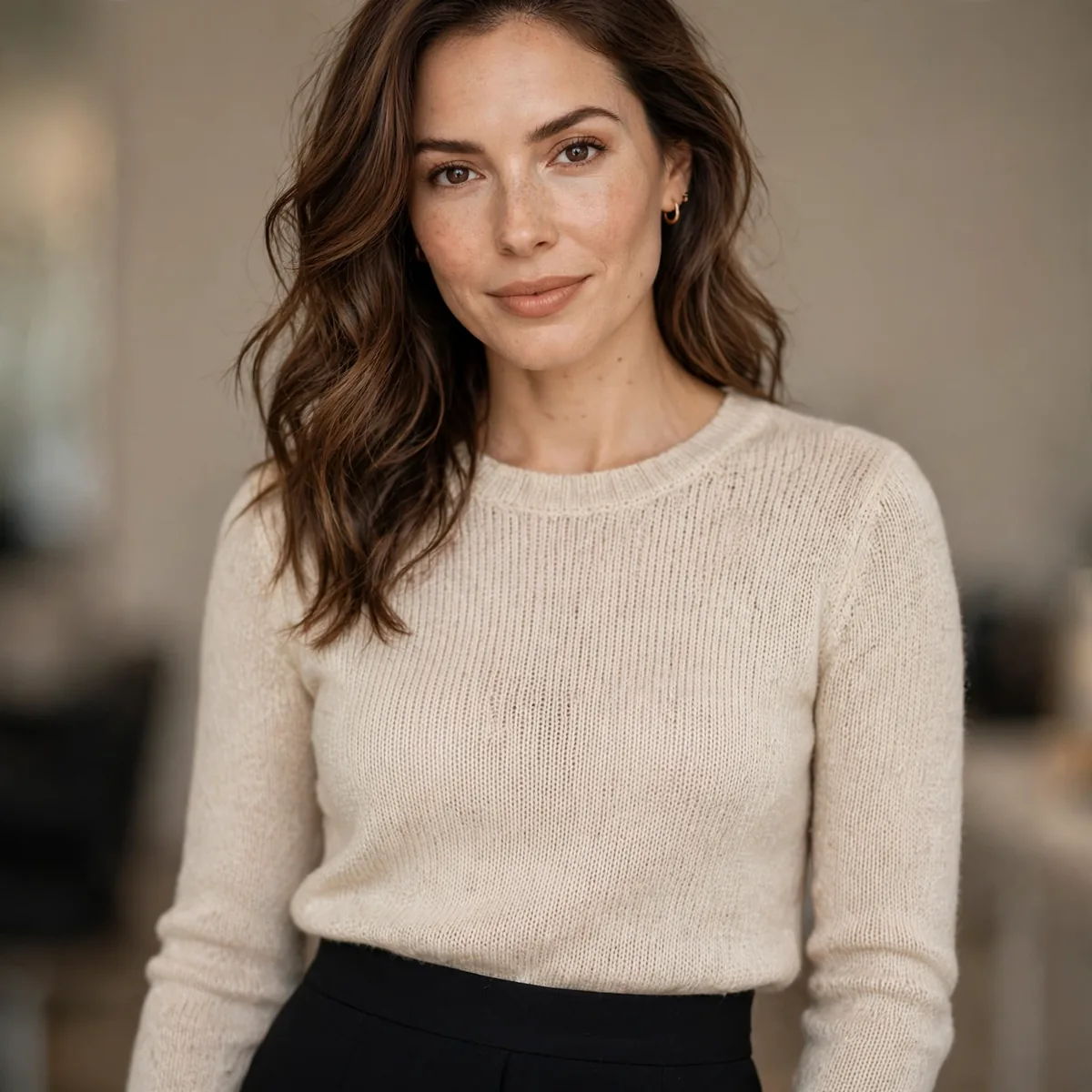
Soft top, sharp bottom — approachable polish.
Best for: business casual. The knit softens the formality.
A fine-gauge merino or cashmere-blend sweater tucked into a pencil or A-line skirt strikes the perfect approachable-professional balance. The soft knit relaxes the formality while the tailored skirt keeps things boardroom-appropriate. Choose the sweater in a rich solid — burgundy, forest, navy — and keep the skirt in a neutral, letting the color do the quiet talking while your credentials speak loudly.
This pairing suits business-casual interviews in education, nonprofits, and creative fields where a full suit would feel stiff. Petite women should choose a cropped or hip-length sweater to preserve proportion, and a knee-length hem keeps the look professional when seated. Finish with simple pumps or polished flats and minimal jewelry, and the softness of the knit makes you instantly more approachable.
Statement (Subtle) Blouse
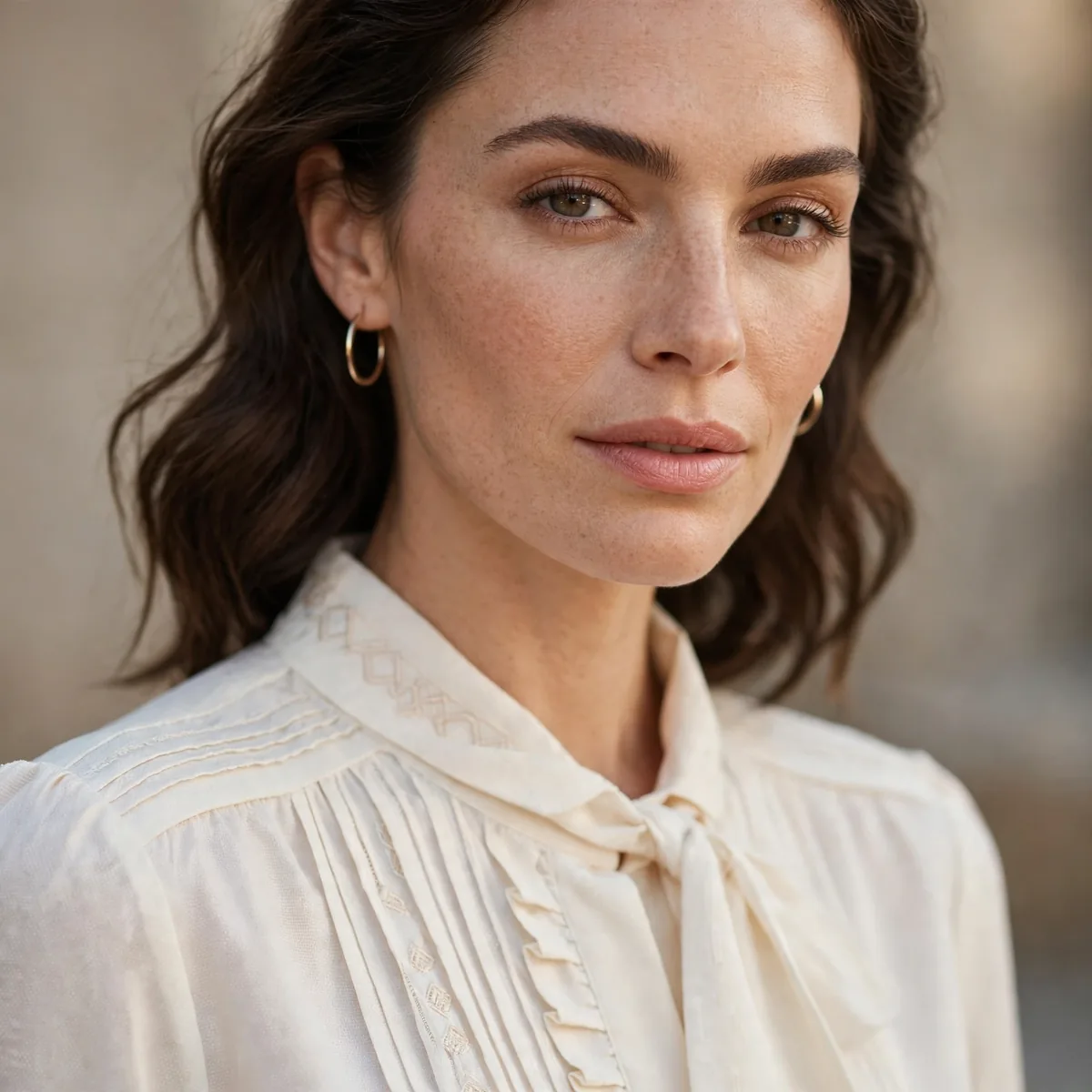
One interesting detail — a bow, a texture — personality, professionally.
Best for: creative industries. Show taste, not trendiness.
One interesting detail is all it takes: a pussy-bow neckline, a subtle texture like Swiss dot, or a muted jewel-tone print that reads as a solid from across the room. Worn under a blazer or on its own with tailored trousers, the blouse shows personality while staying firmly professional. Silk or a quality silk-like fabric elevates the whole look, catching light softly in a way that cheap polyester never can.
Creative industries — media, marketing, design — welcome this kind of thoughtful self-expression, while conservative fields prefer the detail kept truly minimal. Avoid anything sheer, low-cut, or trend-driven; the goal is taste, not fashion-week. Tuck it neatly, steam out every wrinkle, and let this single considered choice signal that you understand both the role and yourself.
The Right Shoes
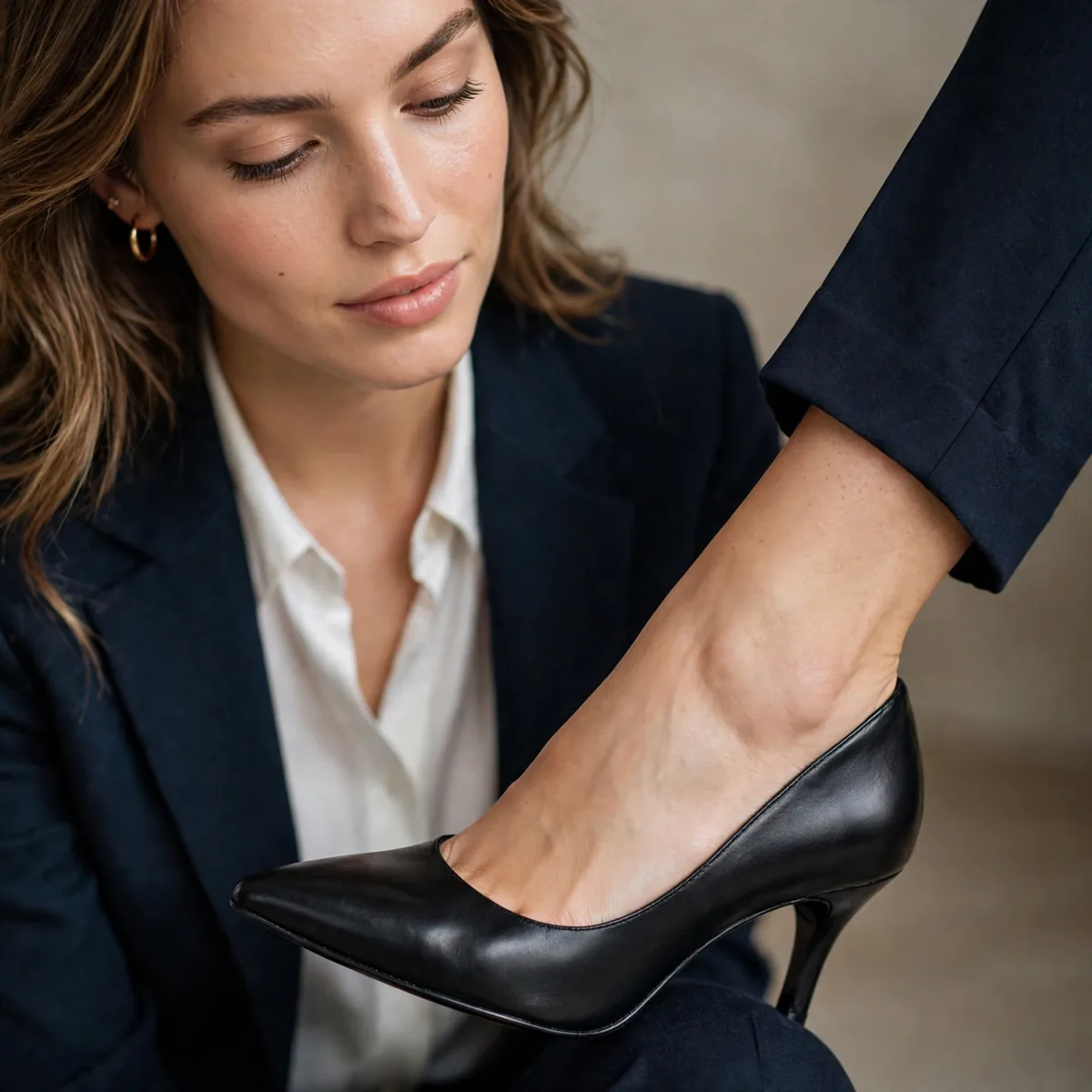
Closed-toe, polished, walkable — the interview shoe.
Best for: everyone. Scuffed shoes undo a great outfit.
Closed-toe, polished, and walkable is the interview shoe mantra — a classic pump with a two-to-three-inch heel, a sleek loafer, or an elegant pointed flat. Leather should be scuff-free and freshly polished, since interviewers genuinely notice shoes. Walk around the house in them for several days beforehand, because nothing undermines confidence like wincing through the walk from reception to the meeting room.
Nude-for-you or black are the safest shades, coordinating with everything without drawing attention. Flats are entirely acceptable and often smarter — a polished loafer reads just as professional as a heel, and comfort shows in your posture. Never wear brand-new shoes to an interview, and skip anything strappy, sky-high, or noisy; your footwear should support the impression, never distract from it.
Minimal Jewelry
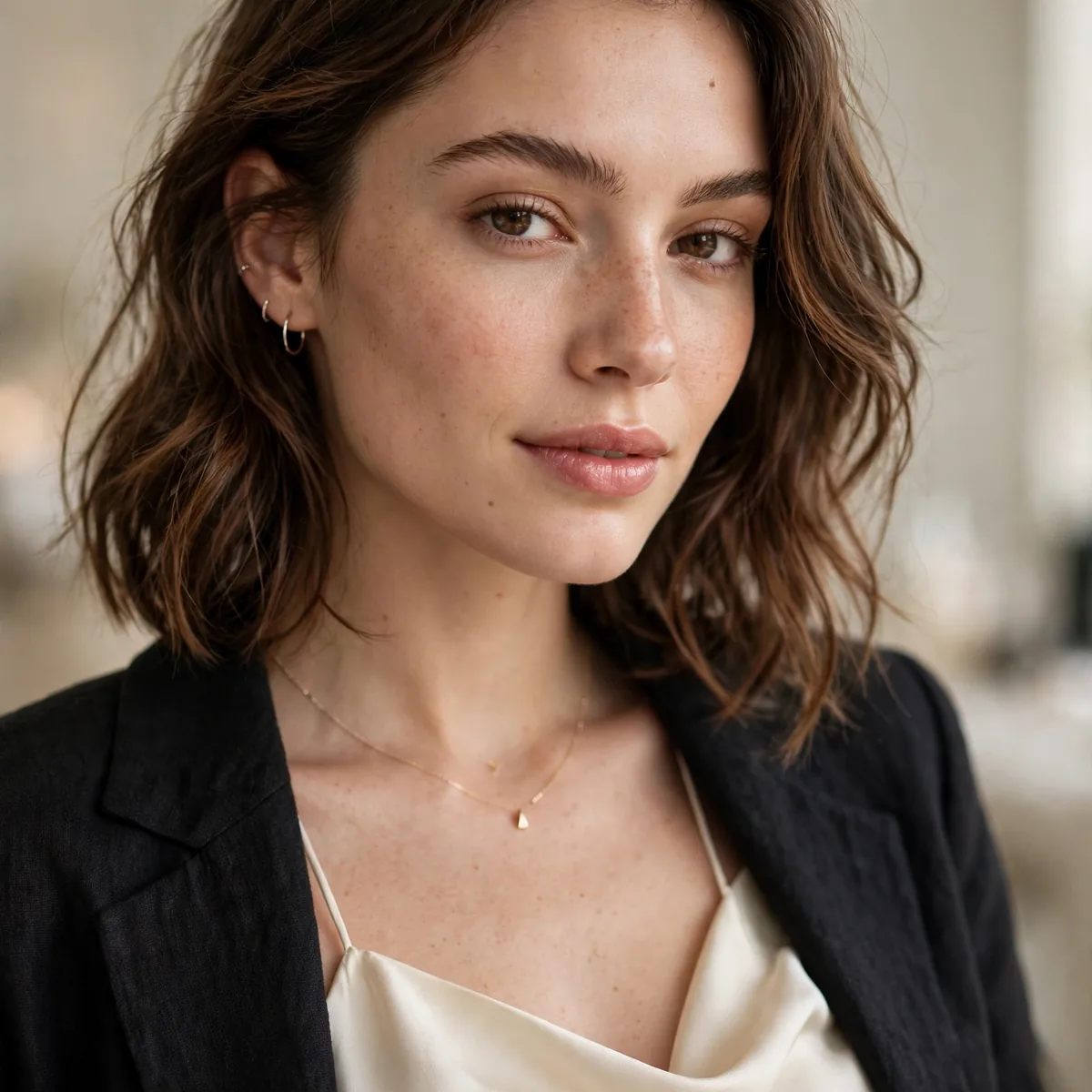
Studs, a watch, maybe a ring — less is more.
Best for: everyone. Jewelry should not jingle or distract.
Small studs, a classic watch, and perhaps one simple ring is the complete interview jewelry wardrobe — refined, quiet, and distraction-free. Pieces should never jingle, catch light aggressively, or demand attention during a handshake. Match your metals for a considered finish, and remove anything you fidget with; interviewers notice nervous habits far more than they notice the jewelry itself.
A simple watch does more than accessorize — it signals punctuality and keeps you oriented without checking your phone. Keep earrings close to the ear and necklaces delicate and short, avoiding anything that swings or clicks against a table. When in doubt, take one piece off before you leave the house; the restraint itself reads as confidence and polish.
The Interview Bag
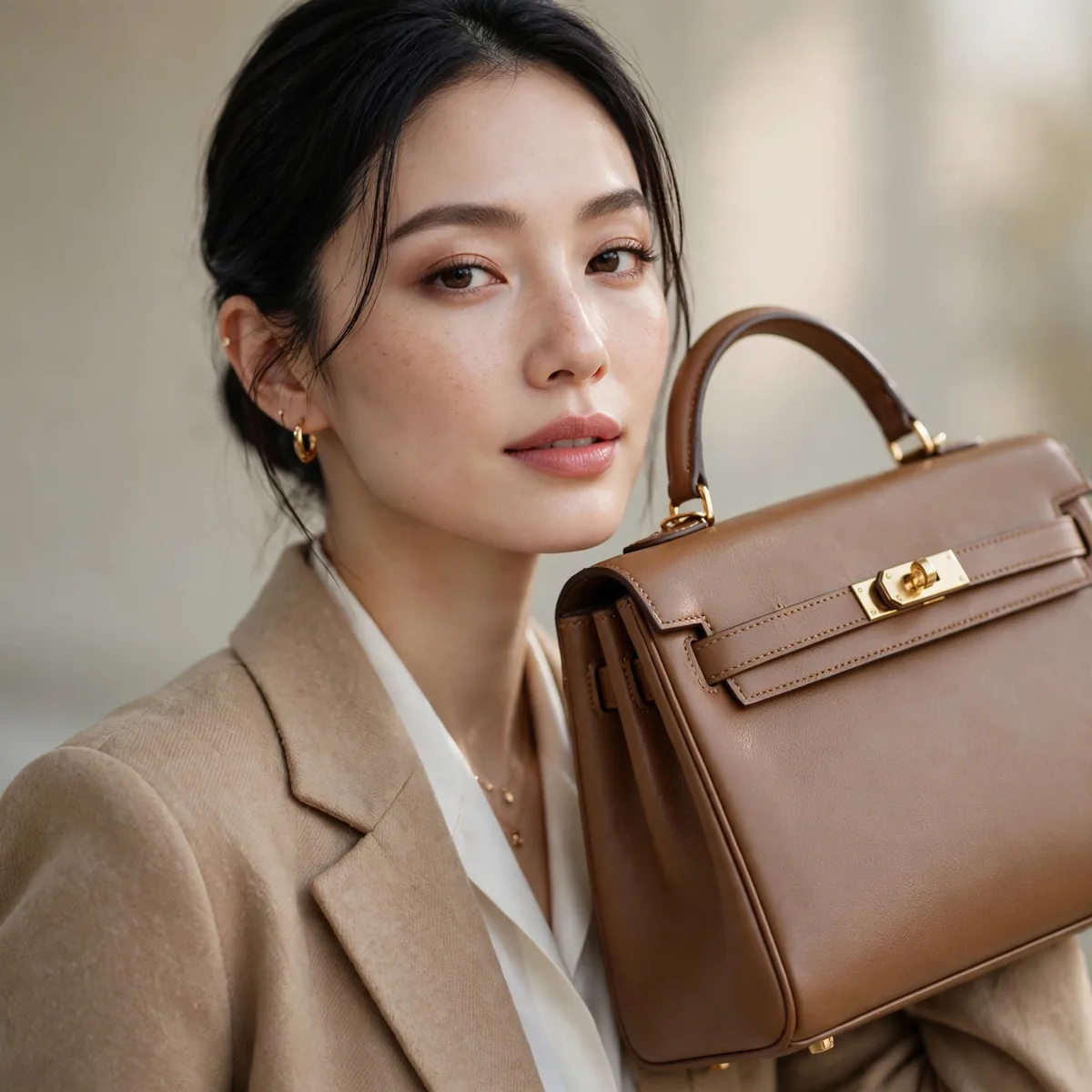
Structured and spacious — carries resume and confidence.
Best for: everyone. Your bag is part of the impression.
A structured tote or satchel in black, cognac, or navy carries your resume copies, portfolio, and confidence in one polished package. It should be spacious enough for documents without swallowing them, with a zip top that keeps everything secure and professional. Quality matters here — clean lines and good hardware read competent — but excellent faux-leather options exist at every price point.
Leave the backpack at home unless you are interviewing at a tech startup where it is the norm, and retire the oversized everyday tote that drags on the floor. Empty out the clutter the night before — old receipts and loose mints undermine the impression — and place your resume copies in a slim folder on top. Your bag sits beside you through the whole interview, so it is part of the evaluation.
Grooming Checklist
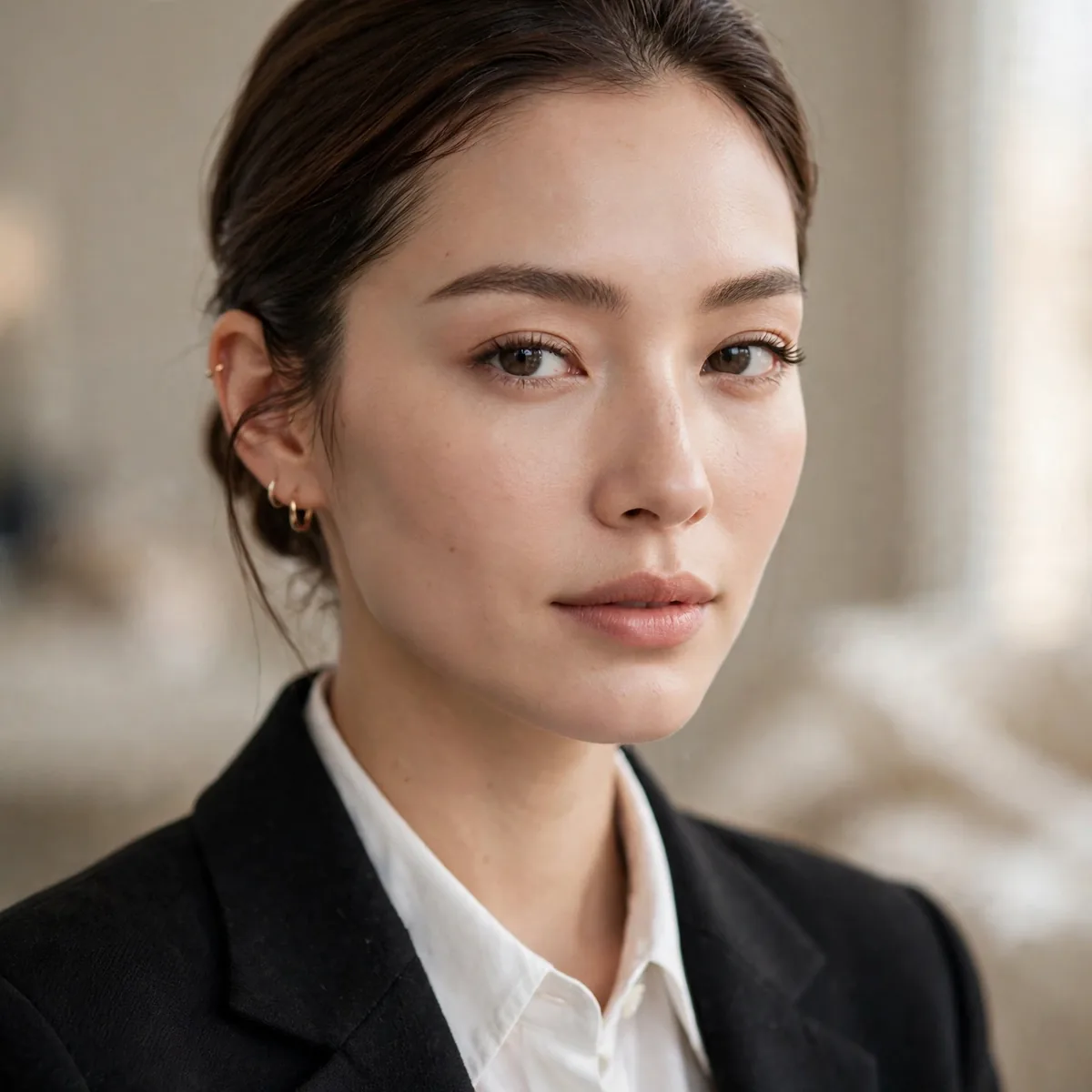
Neat hair, clean nails, subtle makeup — polish is preparation.
Best for: everyone. Grooming signals attention to detail.
Polish is preparation made visible: neat, clean hair in a style that stays off your face, tidy natural nails, and makeup that enhances rather than announces. Keep fragrance to a whisper — one light spritz or none at all — since heavy scent in a small interview room is memorable for the wrong reasons. A final lint-roll and a teeth check in the car mirror complete the routine.
Schedule a manicure or do a careful at-home version two days before, so chips have no chance to appear. If you color your hair, touch up roots the week prior rather than experimenting with anything new. The goal is to look like the most polished version of yourself, not someone else entirely — interviewers hire the person in front of them, and grooming should never distract from that person.
Research the Dress Code

Match the company’s level, plus one notch — fit in, slightly elevated.
Best for: everyone. LinkedIn photos reveal the real dress code.
Match the company's level and go one notch above: study employee photos on LinkedIn and the careers page to decode the real dress code, not the aspirational one. A law firm means a suit, a tech startup might mean dark jeans and a blazer, and overdressing slightly is almost always safer than underdressing. When the culture is genuinely casual, elevated basics still show you took the opportunity seriously.
If you have a contact inside the company, ask directly what people actually wear to interviews — insider intelligence beats guesswork every time. For video interviews, the same research applies from the waist up, with lighting and a tidy background doing the rest. Whatever you learn, build your outfit around it rather than fighting it; fitting the culture while looking polished is exactly the balance interviewers reward.
The Night-Before Prep
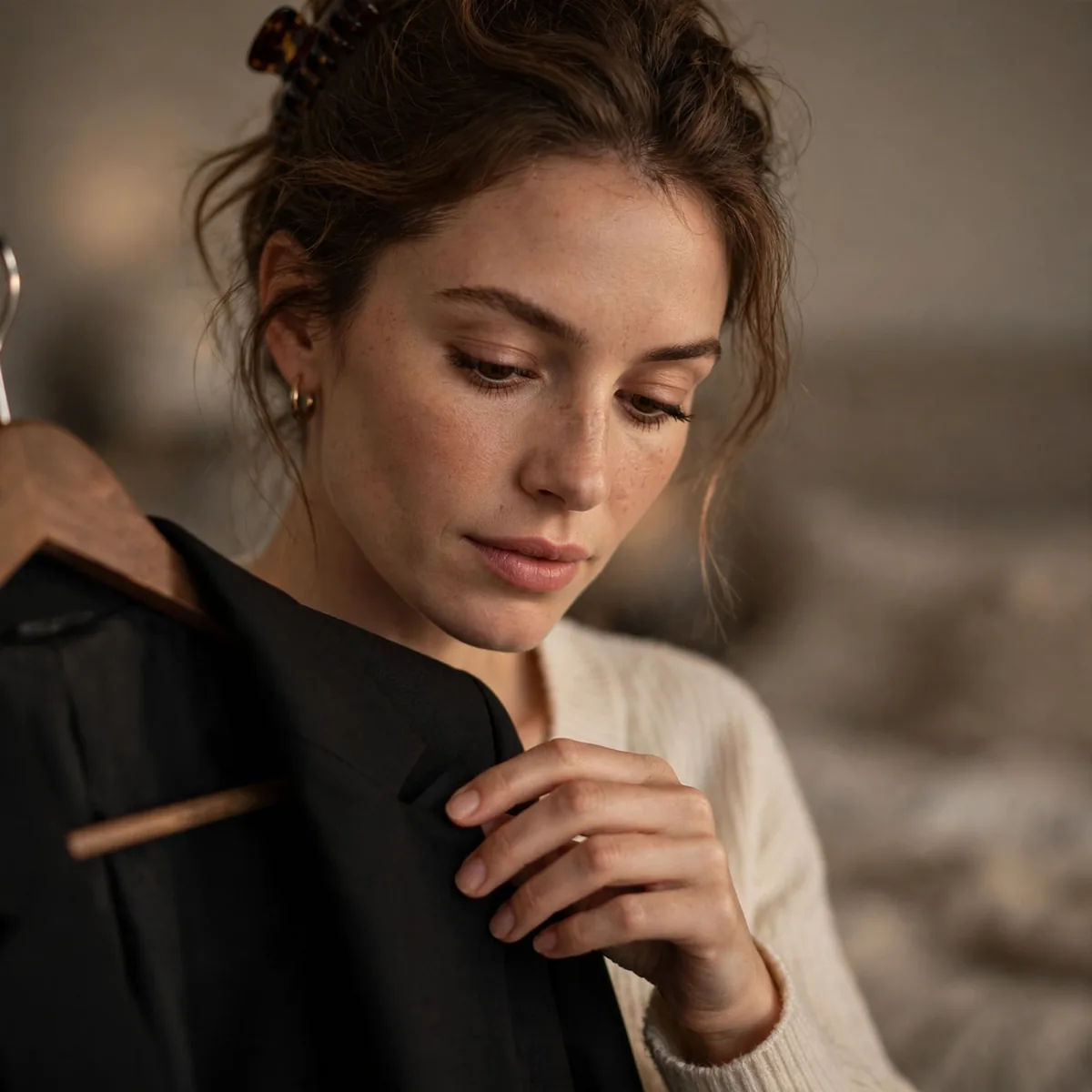
Lay everything out, steam it, check the weather — no morning surprises.
Best for: everyone. Preparation prevents panic.
Lay out the complete outfit — every layer, shoe, and accessory — and try it on fully to catch surprises while there is still time to fix them. Steam or press everything, check the weather forecast for last-minute swaps, and pack your bag with resume copies on top. Preparation the night before transforms a frantic morning into a calm, controlled start, which is exactly the energy you want to carry in.
Plan your route with extra time built in, set two alarms, and choose your breakfast so there are no decisions left for the morning. Lay out a backup outfit too — a spill or a sudden weather shift should be an inconvenience, not a crisis. Then get real sleep: a well-rested candidate thinks faster, smiles easier, and wears confidence that no outfit alone can provide.
Wear Confidence
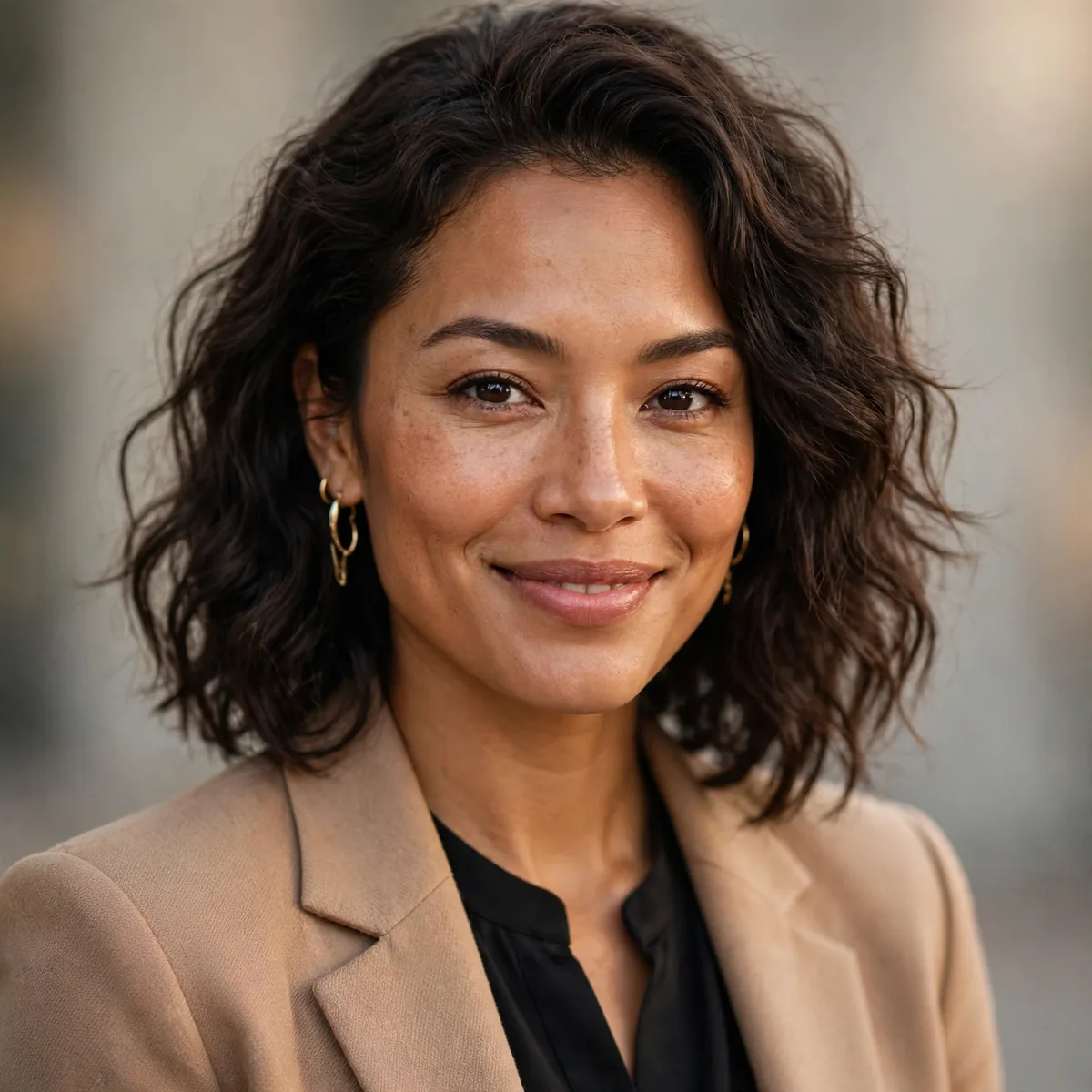
The outfit gets you in the room; you get the job. Walk tall.
Best for: everyone. Confidence is the best accessory.
The outfit gets you in the room, but you get the job: stand tall, make eye contact, and let a genuine smile do what no blazer can. Choose clothes that fit comfortably enough to forget about — tugging at a tight waistband or wobbling in unfamiliar heels steals focus from your answers. When you feel at ease in what you are wearing, that ease reads as self-assurance to everyone across the table.
Preparation is the true source of confidence: research the company, rehearse your stories, and arrive early enough to breathe. A power pose in the restroom beforehand genuinely settles nerves, and remembering that the interviewer wants the role filled — they are rooting for you — reframes the whole dynamic. Walk in believing you belong there, because the right preparation means you do.
Go get that job. Save these — and once you land it, build the wardrobe with our work outfit ideas and capsule essentials.