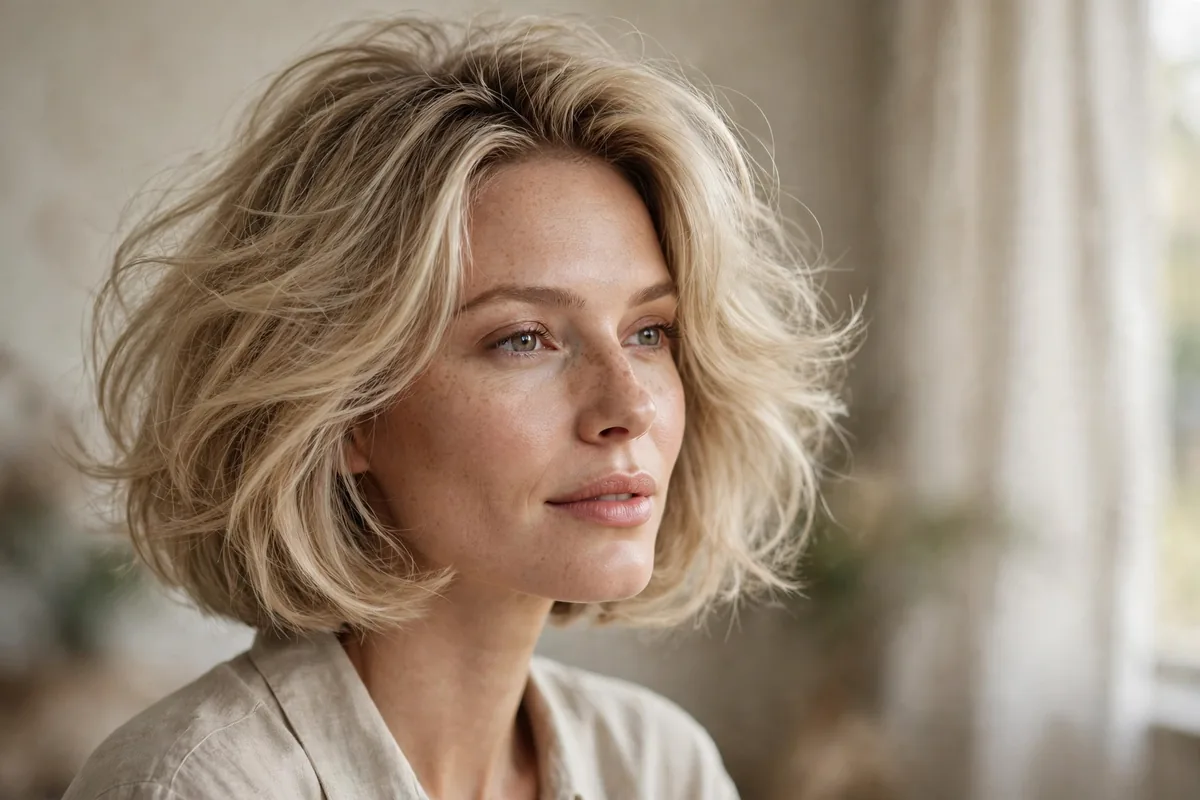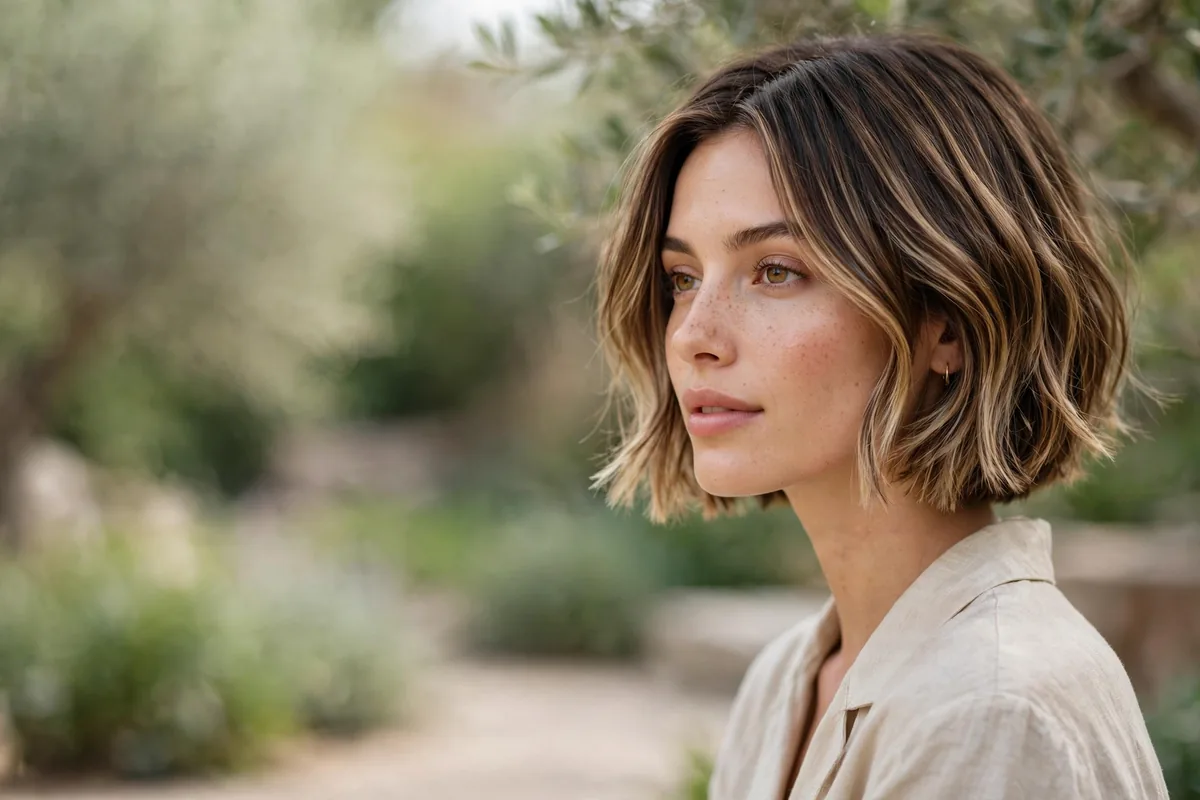
Pastel hair is pure play: soft washes of lavender, blush, mint, and baby blue that turn everyday hair into something magical.
Pastels need a light canvas — hair usually has to be pre-lightened to a pale blonde for these shades to show true. It’s a commitment, but the payoff is color that looks like it belongs in a fairytale.
Be honest with yourself about maintenance: pastels fade fast, sometimes in weeks. Color-depositing conditioners and cool washes stretch the dream, but pastels are a high-maintenance love affair.
Here are 15 pastel ideas worth the upkeep. Let’s get into it.
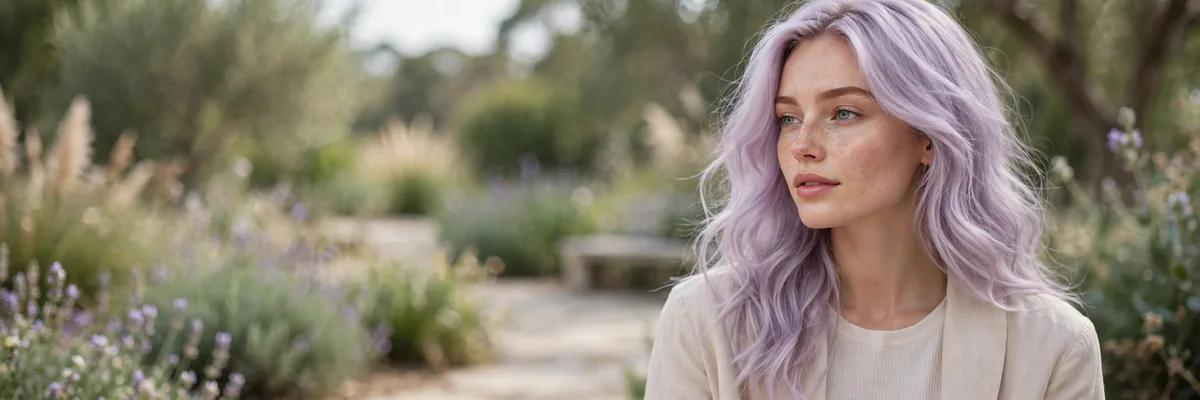
Pastel Lavender
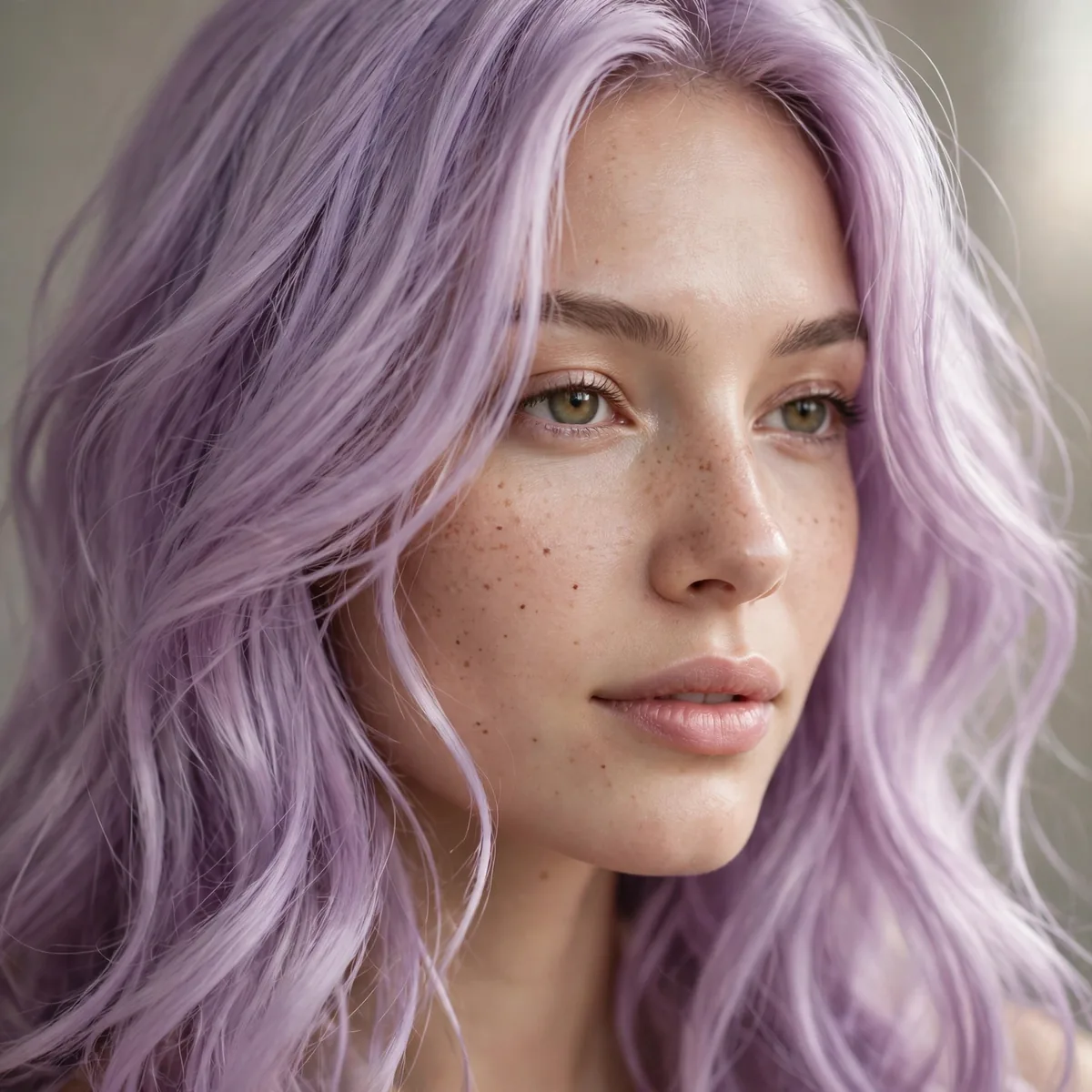
Soft lilac-lavender all over — the most wearable pastel, flattering on cool and neutral skin.
Best for: pastel first-timers. Lavender fades to a pretty silver-blonde instead of something strange.
Personalize the pastel lavender at the hairline and watch it transform. Baby hairs laid with leave-in conditioner, a softly undone front, or a crisp center part each tell a different story on round face shapes. There is no single right answer — the best choice is the one that makes you feel like yourself. Experiment in front of the mirror with a microfiber towel handy, and photograph each version; the camera reveals what the mirror hides.
Do not skip the setup when creating a pastel lavender — it determines everything. Detangle thoroughly with a curling wand, then section the hair according to where the style needs the most structure. A light layer of texturizing spray adds workable grip, especially on fine hair that tends to slip or puff. Taking five extra minutes at this stage saves twenty minutes of fixing and re-pinning later in the day.
Blush Pink
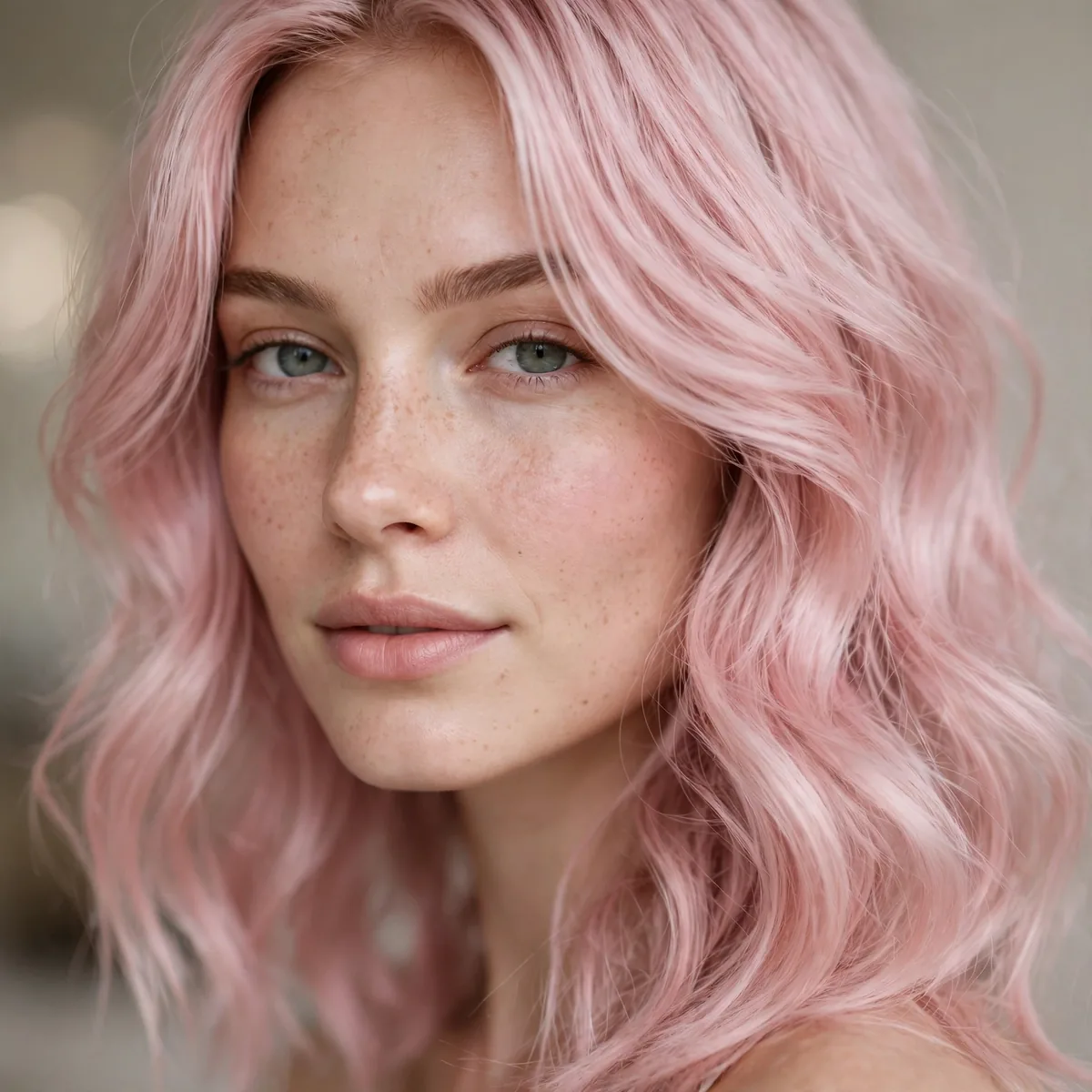
Delicate pink like the inside of a seashell — romantic, soft, and surprisingly flattering on warm skin.
Best for: warm undertones. Pink is the pastel that plays nicest with warmth.
If your blush pink never looks quite like the inspiration photo, the missing piece is usually product. Start with a flexible-hold hairspray on damp or dry hair to create a workable base, then reach for a flat iron to refine the details. Less is more with styling products; you can always add another pea-sized amount, but overloading leads to buildup that dulls shine. Build gradually and assess in natural light before deciding you need more.
For wavy hair, the blush pink is a natural fit — the style was practically designed around how this texture moves and holds. If your hair is straighter or curlier, prep is what bridges the gap: sea-salt spray adds the right kind of grip, and ten minutes with the appropriate heat tool rewrites the texture temporarily. Do not fight your natural pattern; instead, use prep to nudge it toward what the style needs.
Mint
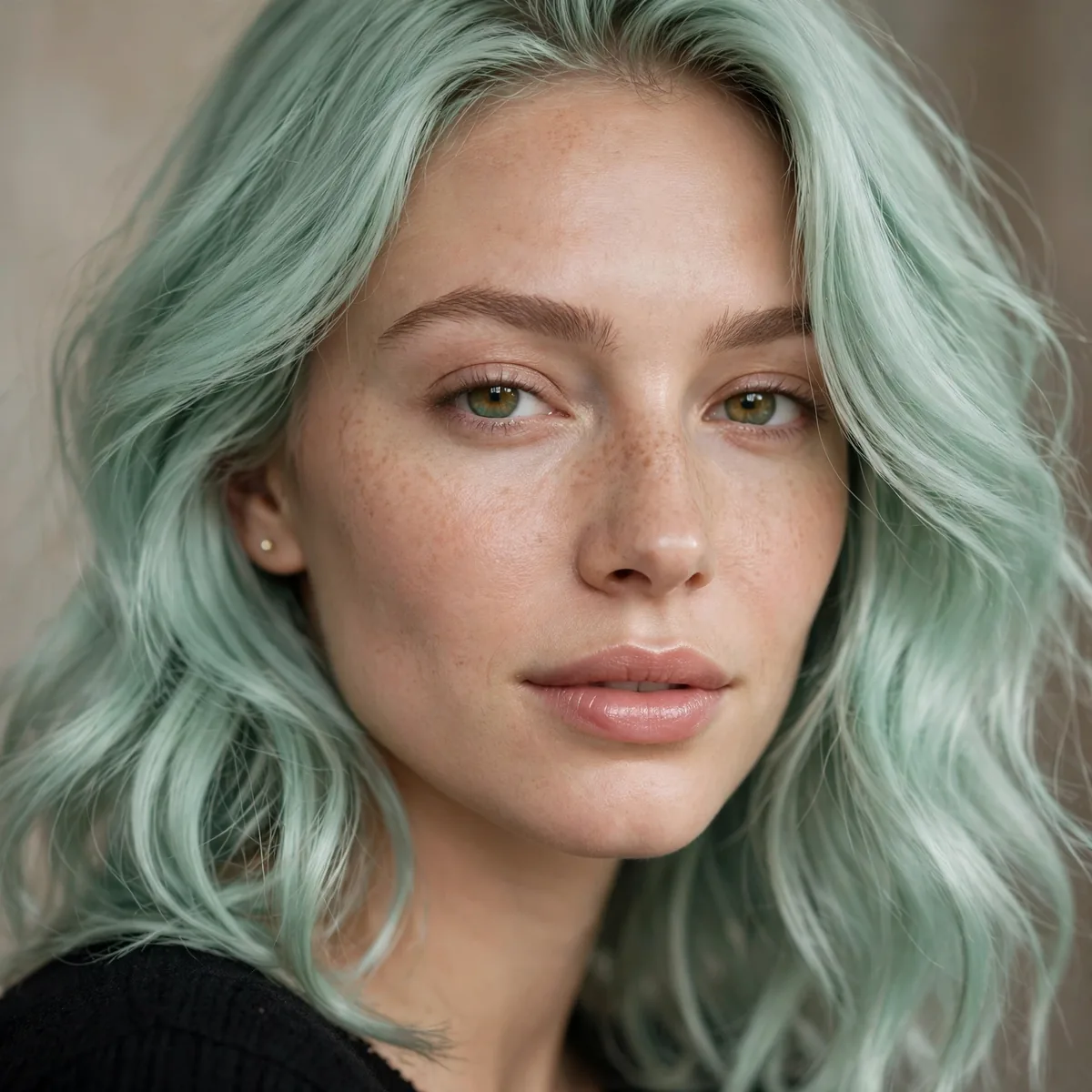
Cool, fresh mint — the most fashion-forward pastel on this list. Unexpected and completely captivating.
Best for: cool undertones and bold spirits. Mint against cool skin looks ethereal.
To make your mint last beyond day one, nighttime protection is everything. Pineapple the hair or wrap it in a silk scarf before bed, and sleep on a satin pillowcase to cut down on friction that roughs up the style. In the morning, revive the roots with a burst of sea-salt spray and smooth the surface with your palms. Most versions of this style look even better on day two once the pieces have relaxed naturally.
Consider the mint your secret weapon for festivals. It photographs beautifully from every angle, holds up through long events, and looks intentional without seeming overdone. Prep with flexible-hold hairspray for extra staying power when you cannot sneak away for touch-ups, and stash two bobby pins in your bag for insurance. A style you do not have to think about is a style that lets you enjoy the occasion.
Peach
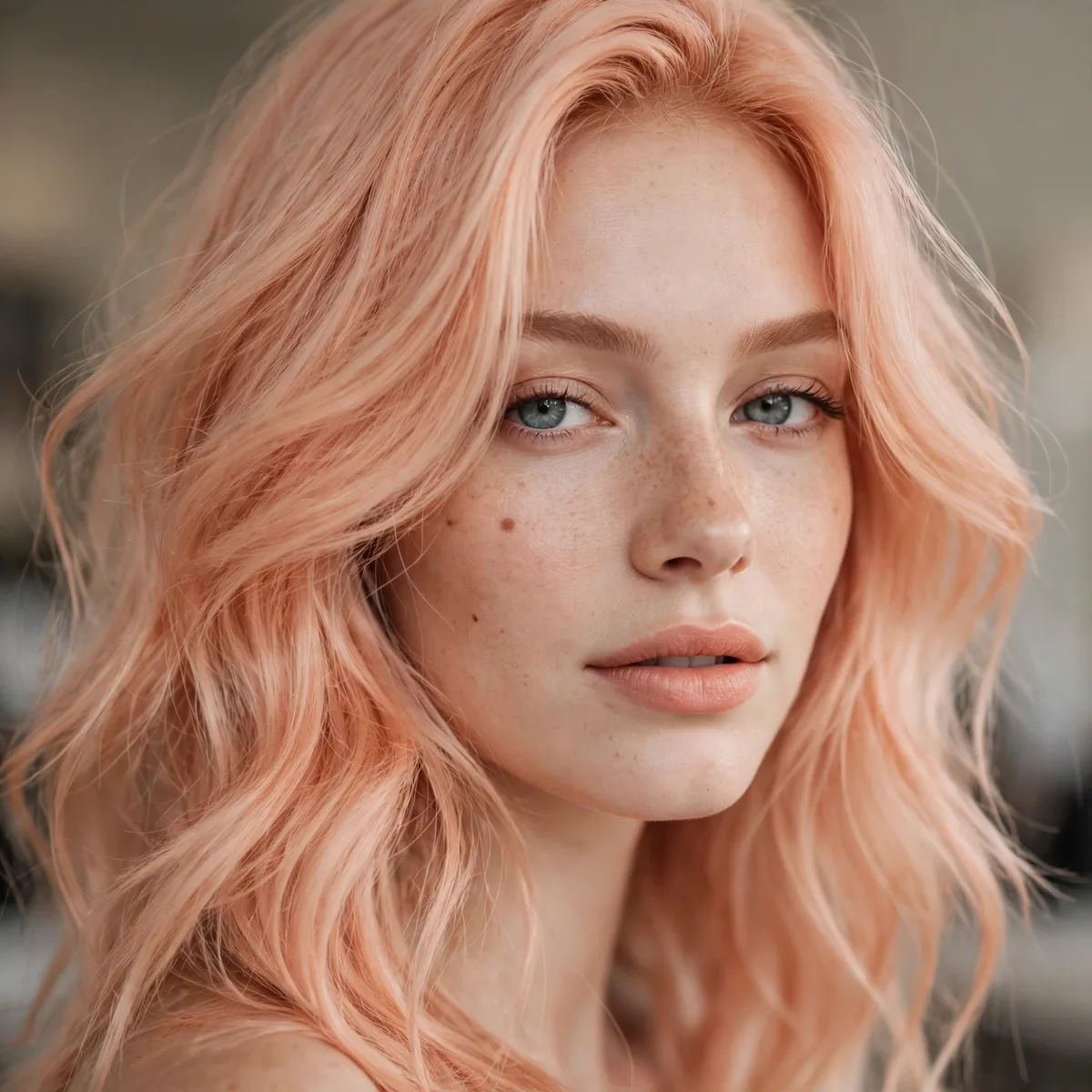
Soft peachy-pink with golden warmth — like sunset in hair form. Warm, glowy, and gorgeous.
Best for: warm and neutral skin. Peach is pastel’s friendliest shade.
If the standard peach feels too expected, push one element further. More volume at the crown, a sleeker finish through the lengths, an asymmetrical placement — exaggerating a single feature creates a signature version. Use texturizing spray to support whichever direction you take it, since bolder shapes need more structural help. The goal is not a different style; it is your unmistakable take on this one.
Frizz ambushing your peach usually means the hair needed more moisture before styling, not more hold afterward. Next time, layer a hydrating base under your dry shampoo and smooth the cuticle with a teasing comb while the hair is still slightly damp. If flyaways appear midday, do not pile on more product — smooth them with barely-damp palms instead. Adding product on top of frizz just creates buildup that attracts more frizz.
Baby Blue
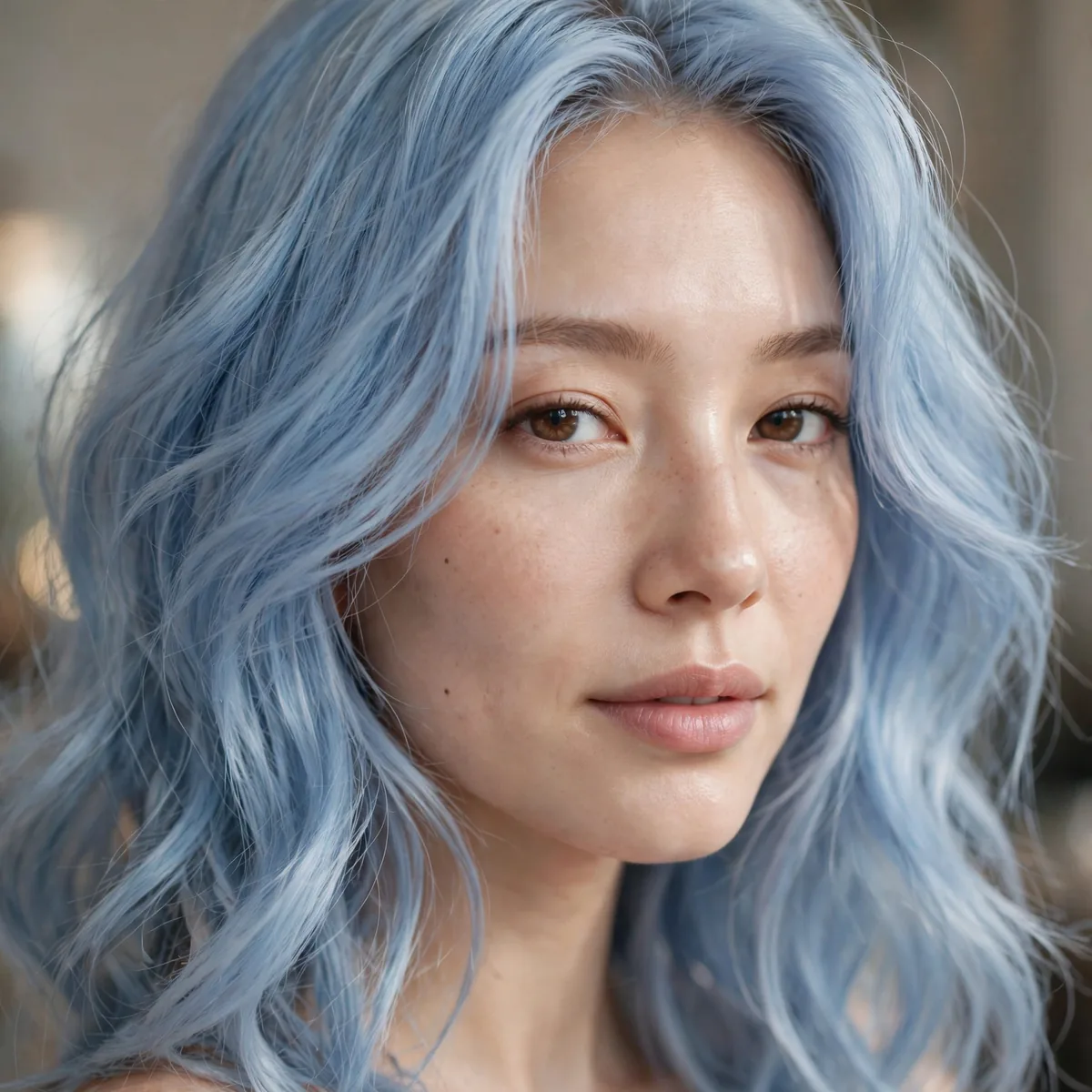
Powdery baby blue — dreamy, otherworldly, and unforgettable. The mermaid shade, refined.
Best for: cool undertones. Baby blue needs the palest base to look clean instead of murky.
Personalize the baby blue at the hairline and watch it transform. Baby hairs laid with smoothing serum, a softly undone front, or a crisp center part each tell a different story on heart-shaped face shapes. There is no single right answer — the best choice is the one that makes you feel like yourself. Experiment in front of the mirror with a wide-tooth comb handy, and photograph each version; the camera reveals what the mirror hides.
Start your baby blue on hair with a bit of texture to it — day-old hair or strands prepped with dry shampoo hold shape far better than squeaky-clean lengths. Divide everything with a curling wand, working in small sections instead of handfuls, and finish each zone before moving to the next. Even tension is the goal; inconsistent pulling creates lumps and loose pieces. Slow down here and the rest of the style builds itself.
Lilac Gray
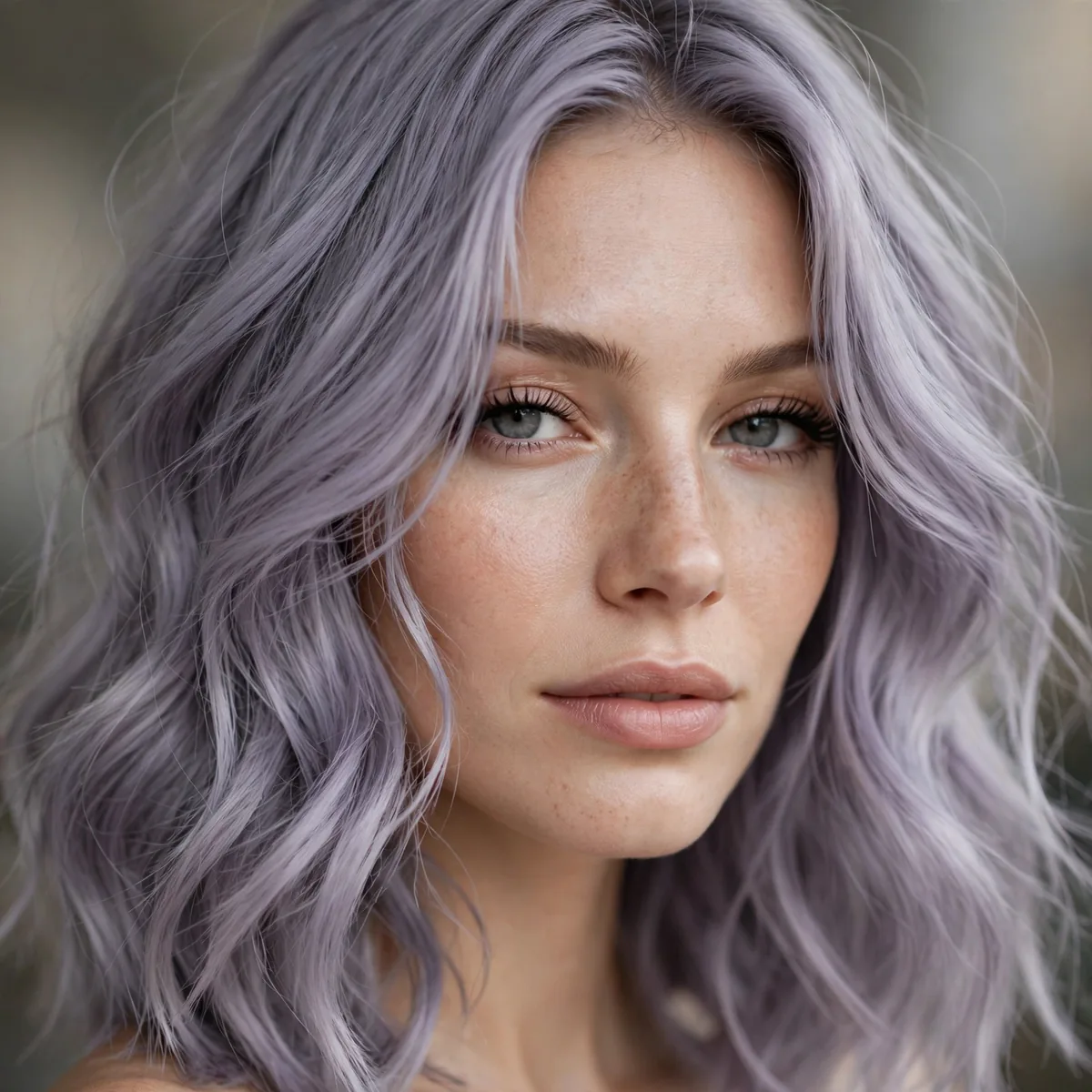
Lavender muted with smoky gray — pastel for minimalists. Subtle, sophisticated, quietly cool.
Best for: anyone who wants pastel without the rainbow. Lilac gray reads as an elevated neutral.
If your lilac gray never looks quite like the inspiration photo, the missing piece is usually product. Start with a sea-salt spray on damp or dry hair to create a workable base, then reach for a round brush to refine the details. Less is more with styling products; you can always add another pea-sized amount, but overloading leads to buildup that dulls shine. Build gradually and assess in natural light before deciding you need more.
For wavy hair, the lilac gray is a natural fit — the style was practically designed around how this texture moves and holds. If your hair is straighter or curlier, prep is what bridges the gap: smoothing serum adds the right kind of grip, and ten minutes with the appropriate heat tool rewrites the texture temporarily. Do not fight your natural pattern; instead, use prep to nudge it toward what the style needs.
Pastel Rainbow Melt
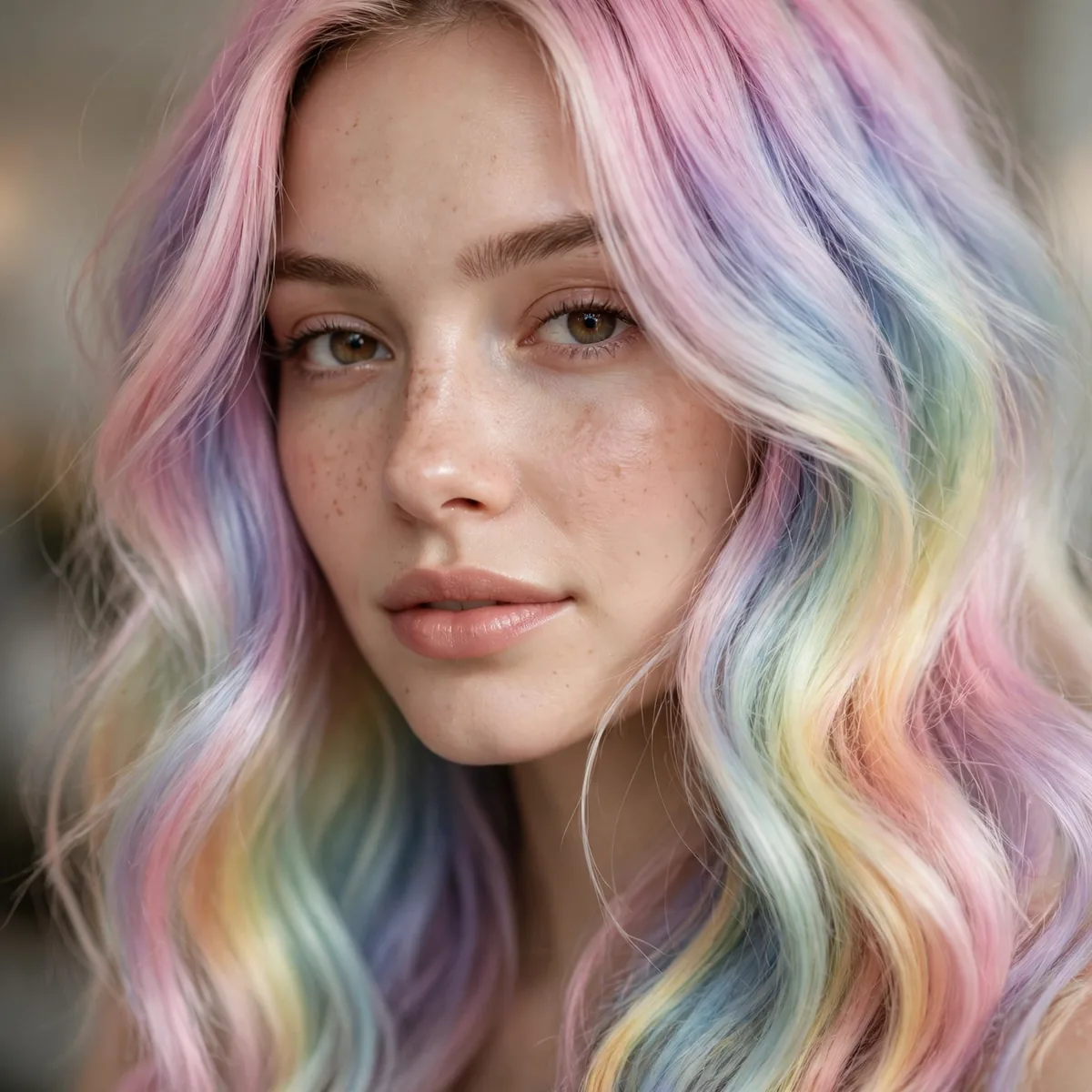
Lavender melting into pink melting into mint — a watercolor gradient across your whole head.
Best for: the truly committed. This needs a skilled colorist and a maintenance plan, but the result is art.
To make your pastel rainbow melt last beyond day one, nighttime protection is everything. Pineapple the hair or wrap it in a silk scarf before bed, and sleep on a satin pillowcase to cut down on friction that roughs up the style. In the morning, revive the roots with a burst of smoothing serum and smooth the surface with your palms. Most versions of this style look even better on day two once the pieces have relaxed naturally.
Dress the pastel rainbow melt up or down with small finishing choices. For casual weddings, leave the texture a little undone and skip the strong-hold products; for formal moments, smooth everything with a spray bottle and lock it with smoothing serum. Accessories — a silk scarf, minimal pins, a headband — shift the mood instantly without changing the base style. One good foundation, endless interpretations.
Pastel Peekaboo
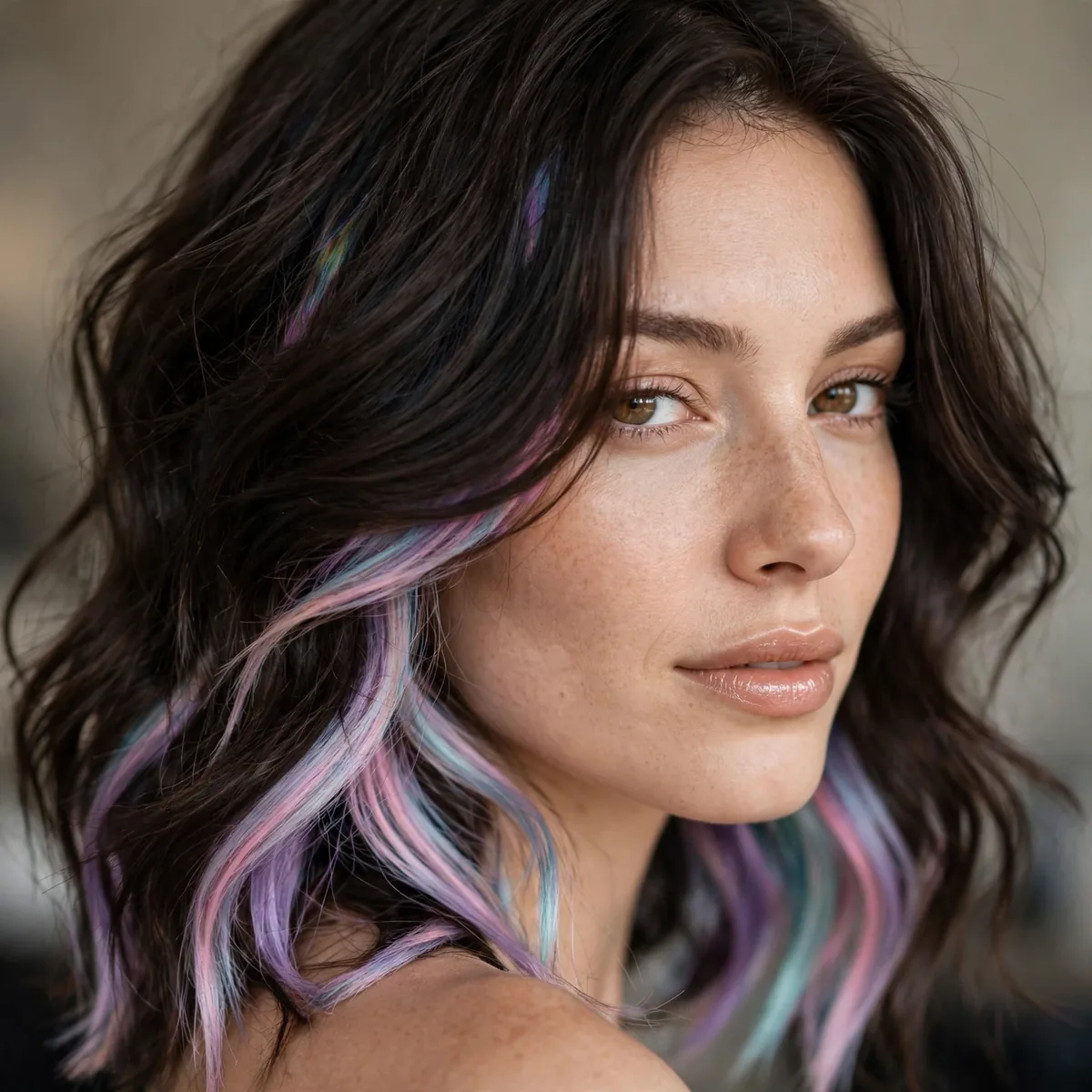
Pastel panels hidden under your natural color — a secret rainbow that appears when you move.
Best for: professionals and pastel-curious. For more hidden-color ideas, see our peekaboo highlight ideas.
If the standard pastel peekaboo feels too expected, push one element further. More volume at the crown, a sleeker finish through the lengths, an asymmetrical placement — exaggerating a single feature creates a signature version. Use texturizing spray to support whichever direction you take it, since bolder shapes need more structural help. The goal is not a different style; it is your unmistakable take on this one.
Frizz ambushing your pastel peekaboo usually means the hair needed more moisture before styling, not more hold afterward. Next time, layer a hydrating base under your argan oil and smooth the cuticle with a boar-bristle brush while the hair is still slightly damp. If flyaways appear midday, do not pile on more product — smooth them with barely-damp palms instead. Adding product on top of frizz just creates buildup that attracts more frizz.
Pastel Money Piece
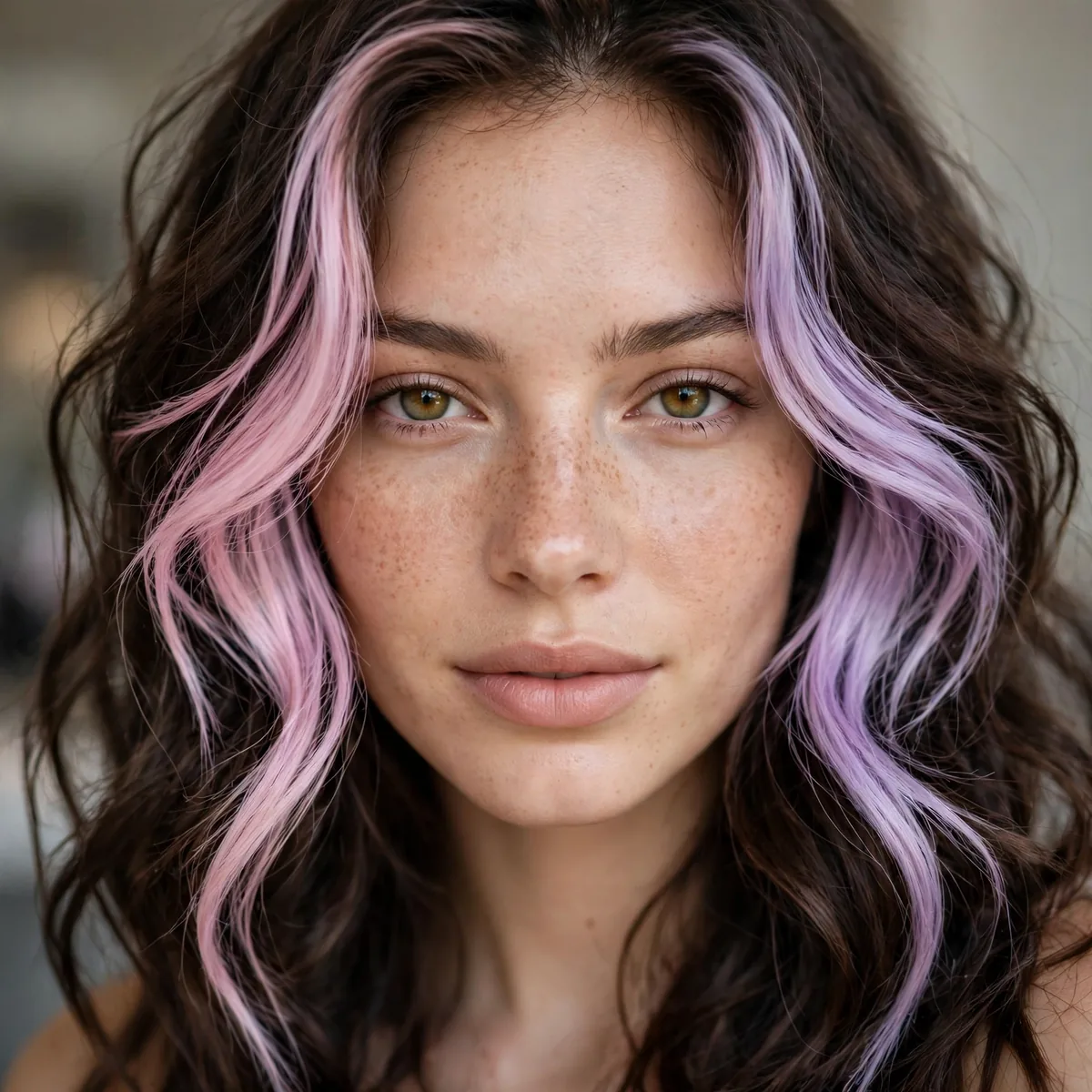
Two pastel panels framing the face — all the fun concentrated where everyone sees it.
Best for: testing pastels. If you love it, go bigger; if not, two panels grow out fast.
Personalize the pastel money piece at the hairline and watch it transform. Baby hairs laid with heat protectant, a softly undone front, or a crisp center part each tell a different story on round face shapes. There is no single right answer — the best choice is the one that makes you feel like yourself. Experiment in front of the mirror with a microfiber towel handy, and photograph each version; the camera reveals what the mirror hides.
The foundation of a lasting pastel money piece is laid before the styling even starts. Rough-dry or air-dry the hair first, then use a wide-tooth comb to map out clean sections so every part of the style has a defined place to live. Work a touch of texturizing spray through the mid-lengths to control flyaways without stiffness. Checking the back with a hand mirror as you go catches the uneven spots you would otherwise discover in photos.
Pastel Ombré
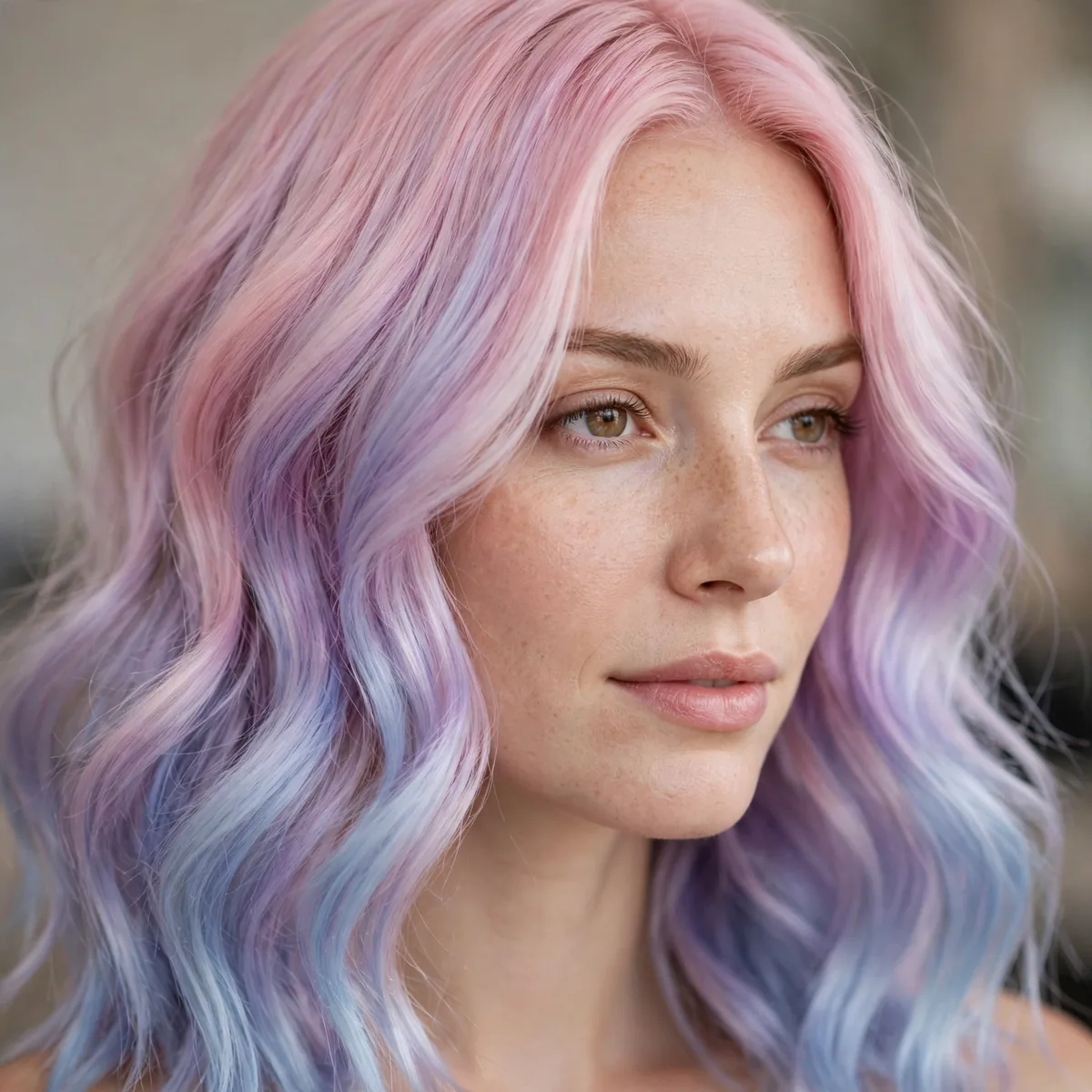
Natural roots fading into pastel ends — the grow-out-friendly way to wear fantasy color.
Best for: low-maintenance pastel lovers. The dark root means no harsh regrowth line.
If your pastel ombré never looks quite like the inspiration photo, the missing piece is usually product. Start with a leave-in conditioner on damp or dry hair to create a workable base, then reach for a wide-tooth comb to refine the details. Less is more with styling products; you can always add another pea-sized amount, but overloading leads to buildup that dulls shine. Build gradually and assess in natural light before deciding you need more.
Length and texture together determine how a pastel ombré falls. Longer, fine lengths give the style beautiful movement, while shorter lengths create a perkier, more graphic version — both are valid. If your hair is very silky, smoothing serum is non-negotiable for hold; if it is prone to frizz, smooth a serum over the surface as the final step. The same style can look soft or structured depending on these small prep choices.
Rose Quartz
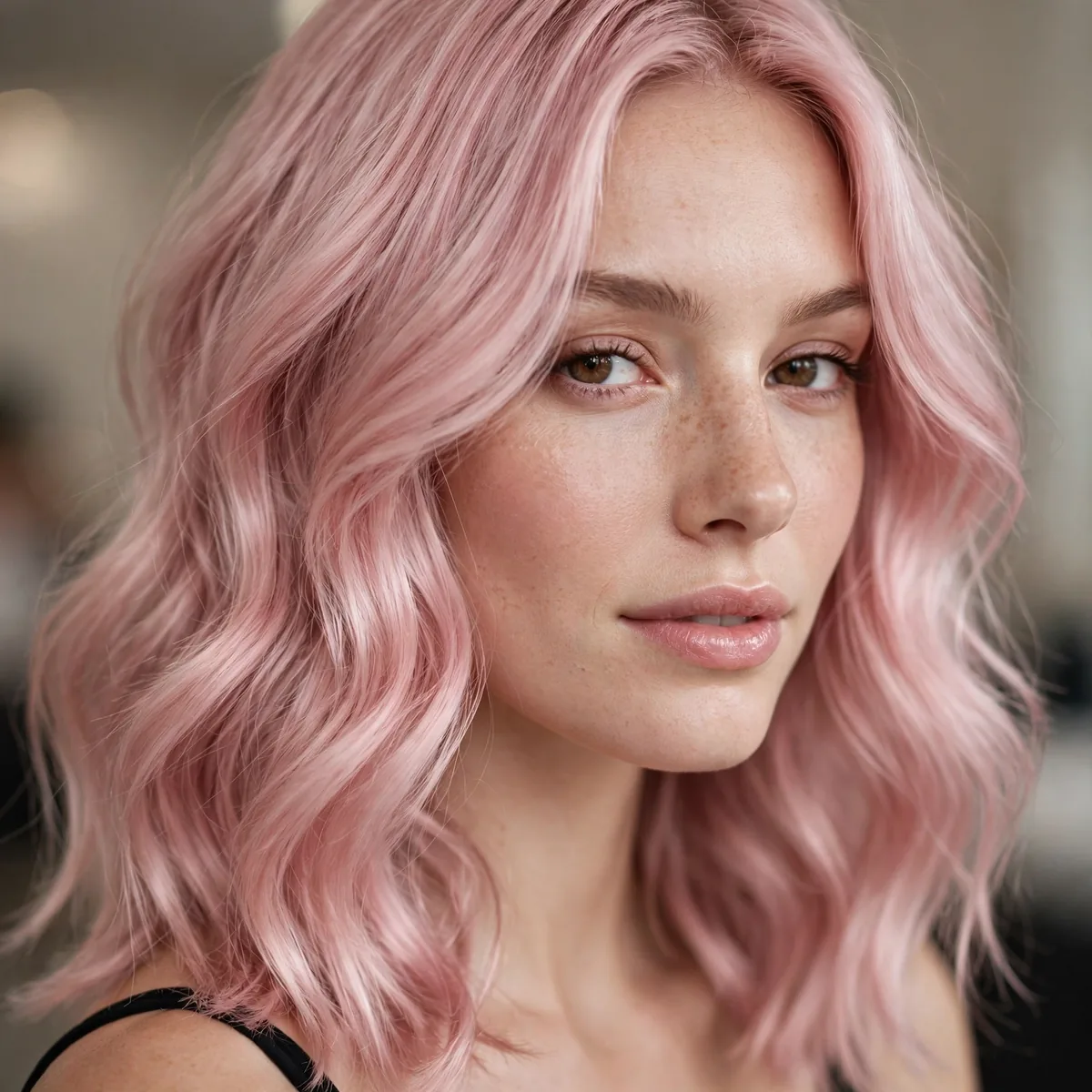
Pink with golden warmth — like our rose gold hair ideas, but softer and more pastel-dreamy.
Best for: warm skin that wants pink. The gold keeps it glowing instead of flat.
To make your rose quartz last beyond day one, nighttime protection is everything. Pineapple the hair or wrap it in a silk scarf before bed, and sleep on a satin pillowcase to cut down on friction that roughs up the style. In the morning, revive the roots with a burst of leave-in conditioner and smooth the surface with your palms. Most versions of this style look even better on day two once the pieces have relaxed naturally.
Consider the rose quartz your secret weapon for evening events. It photographs beautifully from every angle, holds up through long events, and looks intentional without seeming overdone. Prep with texturizing spray for extra staying power when you cannot sneak away for touch-ups, and stash two bobby pins in your bag for insurance. A style you do not have to think about is a style that lets you enjoy the occasion.
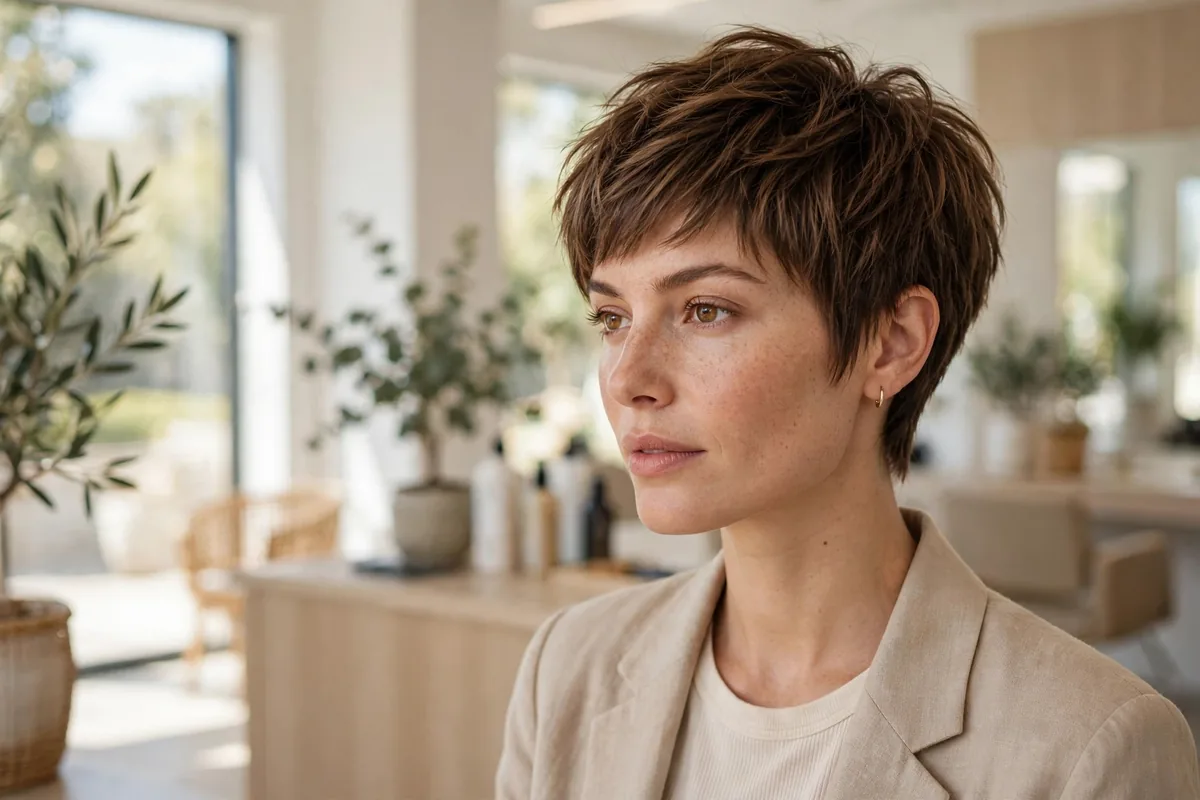
Pastel on a Pixie
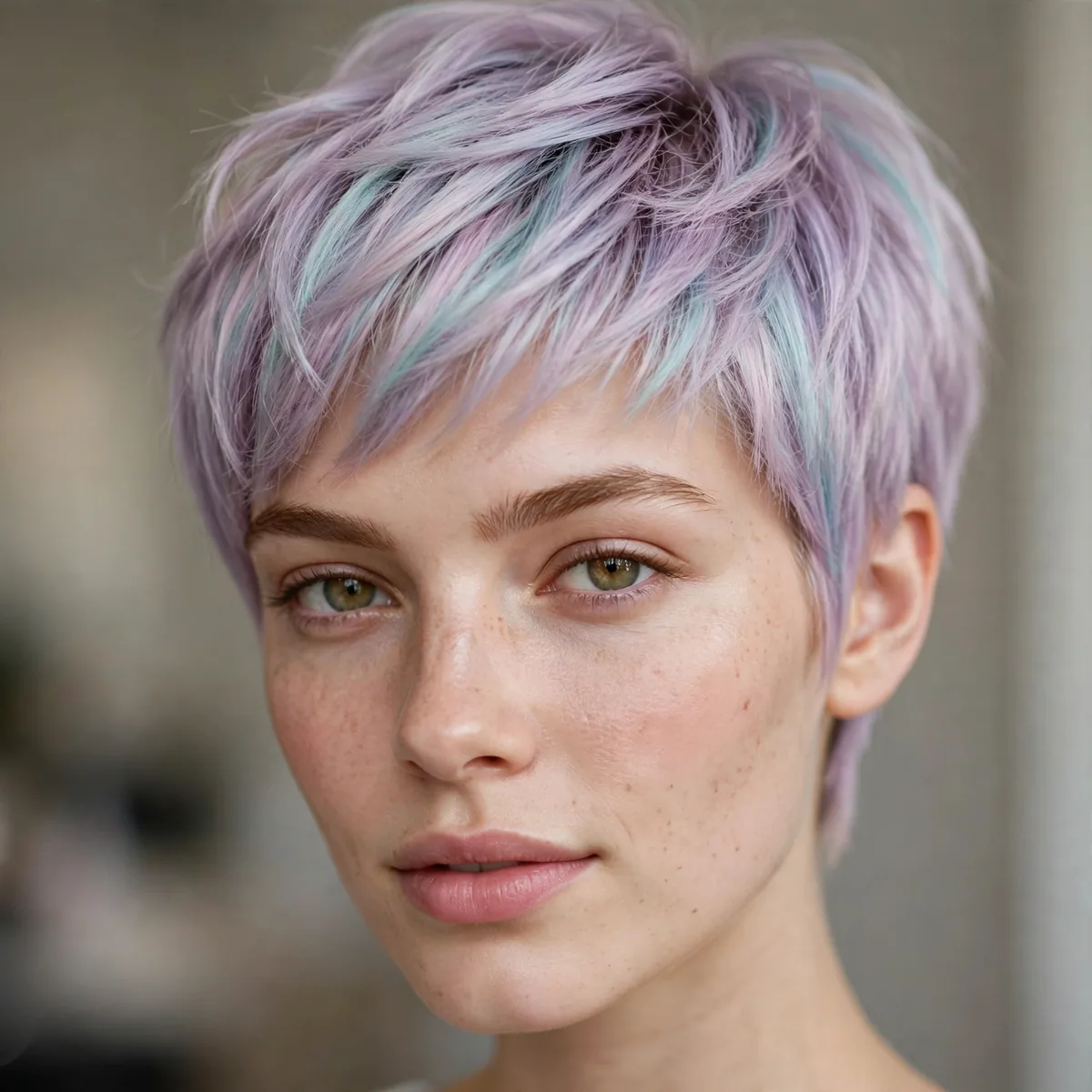
Pastel on short hair is maximum impact, minimum damage — less hair to bleach, faster to refresh.
Best for: pixie wearers. Short pastel hair is the easiest fantasy color to maintain.
The pastel on a pixie is a template, not a rule — customize it. Adding a subtle accessory, changing the height or placement, or combining it with a second technique (a twist here, a braid there) makes it yours. A curling wand helps you experiment with precision, and heat protectant keeps experimental versions wearable rather than messy. Some of the best variations happen by accident, so give yourself permission to improvise.
Frizz ambushing your pastel on a pixie usually means the hair needed more moisture before styling, not more hold afterward. Next time, layer a hydrating base under your leave-in conditioner and smooth the cuticle with a rattail comb while the hair is still slightly damp. If flyaways appear midday, do not pile on more product — smooth them with barely-damp palms instead. Adding product on top of frizz just creates buildup that attracts more frizz.
Pastel Balayage
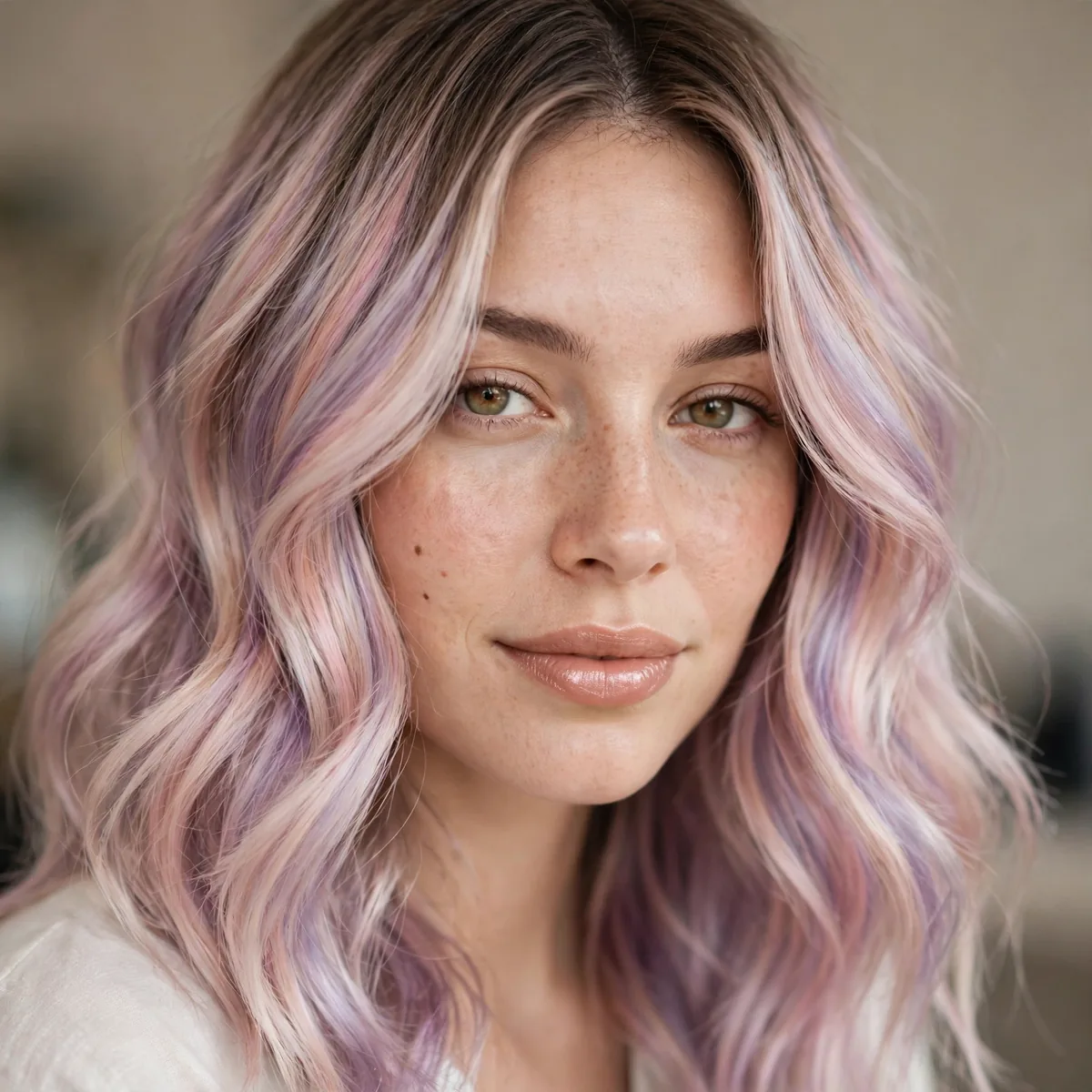
Pastel tones hand-painted through blonde — soft, blended, and more natural-looking than all-over pastel.
Best for: blondes. The balayage technique means your natural root does half the blending work.
Personalize the pastel balayage at the hairline and watch it transform. Baby hairs laid with sea-salt spray, a softly undone front, or a crisp center part each tell a different story on heart-shaped face shapes. There is no single right answer — the best choice is the one that makes you feel like yourself. Experiment in front of the mirror with a curling wand handy, and photograph each version; the camera reveals what the mirror hides.
Clean sectioning is what separates a polished pastel balayage from one that gives up by lunch. Clip the crown away with a teasing comb and build from the bottom layers upward, keeping partings crisp and tension even from roots to ends. A little flexible-hold hairspray smoothed through the lengths beforehand gives freshly washed or slippery hair the grip it needs. This unglamorous prep is exactly why salon work outlasts most DIY attempts.
Cotton Candy Blend
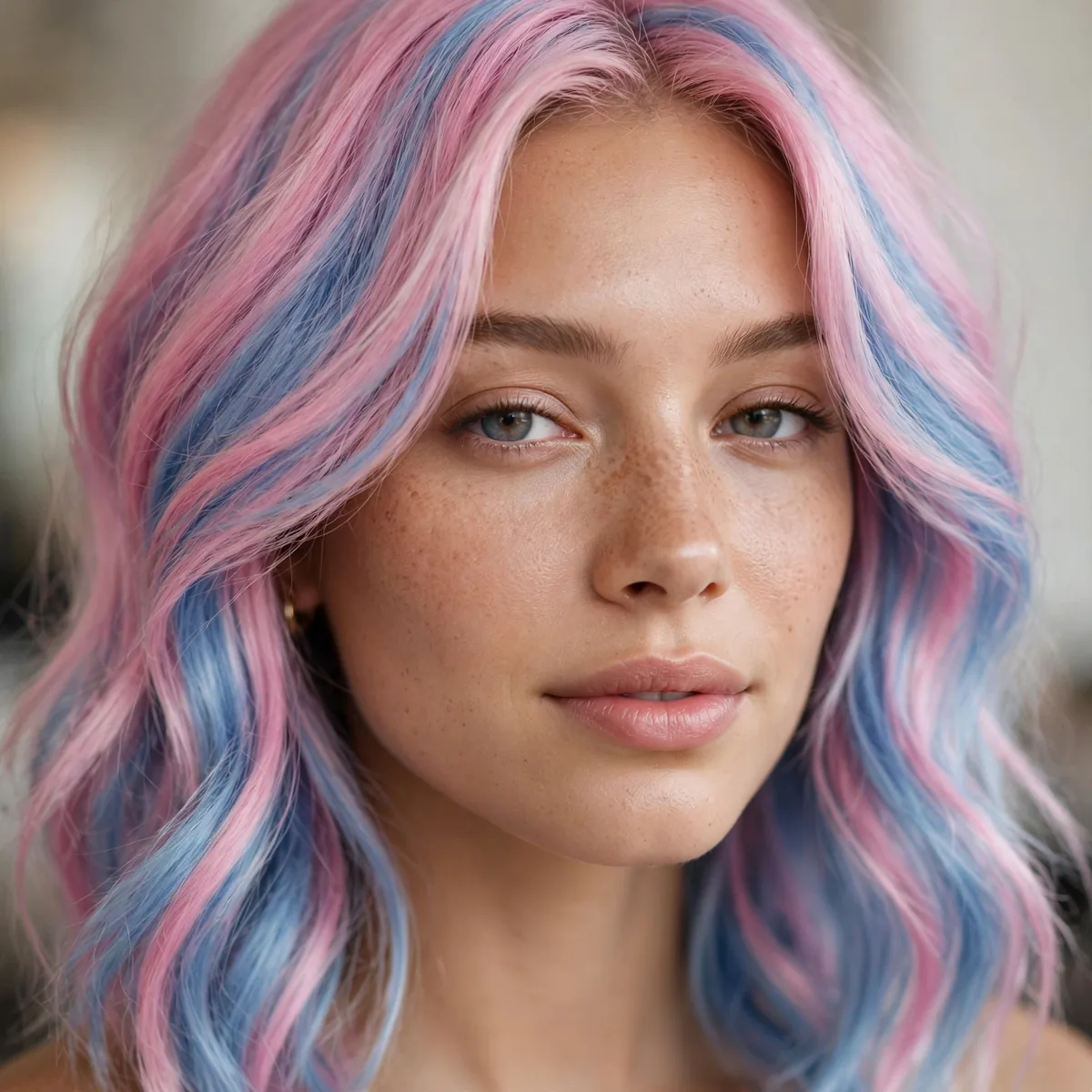
Pink and blue swirled like cotton candy — playful, sweet, and completely joyful.
Best for: festivals, summer, and anyone whose style is "more is more." This color makes people smile.
A Cotton candy blend rewards the well-stocked kit. Keep a diffuser attachment on hand for precision work and a reliable heat protectant for taming the mid-lengths and ends. For curly hair specifically, layering a leave-in under your styler prevents the dryness that makes styles look frizzy by afternoon. The goal is hair that moves naturally while holding its shape — products should be felt, not seen.
Length and texture together determine how a cotton candy blend falls. Longer, wavy lengths give the style beautiful movement, while shorter lengths create a perkier, more graphic version — both are valid. If your hair is very silky, dry shampoo is non-negotiable for hold; if it is prone to frizz, smooth a serum over the surface as the final step. The same style can look soft or structured depending on these small prep choices.
Pastel Gloss Refresh
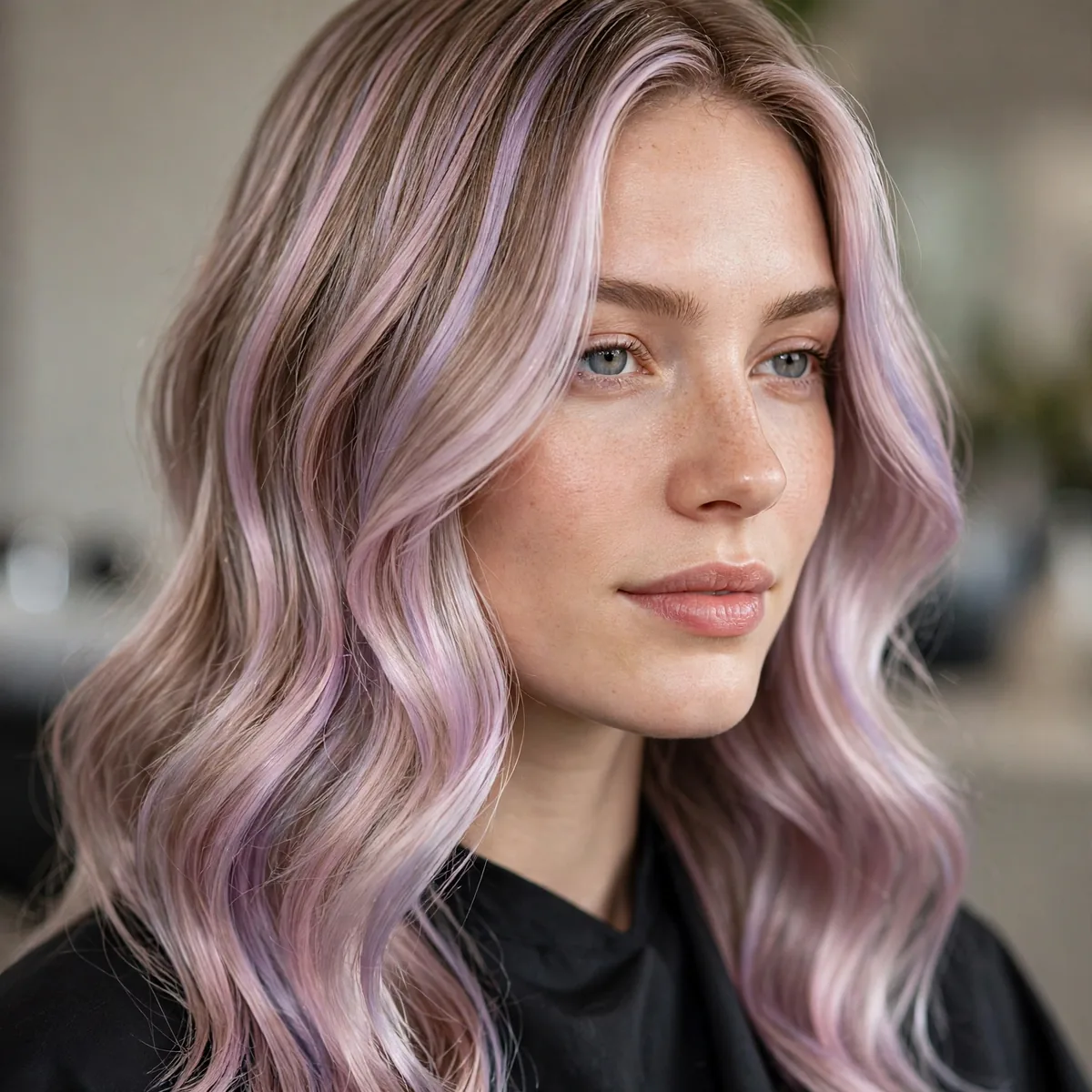
A pastel gloss over faded color — the 20-minute refresh that brings pastels back to life.
Best for: extending any pastel. Gloss top-ups between full colors keep the dream alive for months.
To make your pastel gloss refresh last beyond day one, nighttime protection is everything. Pineapple the hair or wrap it in a silk scarf before bed, and sleep on a satin pillowcase to cut down on friction that roughs up the style. In the morning, revive the roots with a burst of volumizing powder and smooth the surface with your palms. Most versions of this style look even better on day two once the pieces have relaxed naturally.
Seasonal tweaks keep a pastel gloss refresh feeling current year-round. In warmer months, prioritize lightweight formulas like flexible-hold hairspray so the style does not feel heavy or collapse in heat, and consider pulling a few face-framing pieces free for airiness. Cooler weather invites richer textures and more structured finishes. The bones of the style stay the same; only the finish and the products change with the forecast.
Dreamy, playful, and totally you. Pin your favorites before your salon visit — and explore more pretty pinks with our rose gold hair ideas and peekaboo highlight ideas.