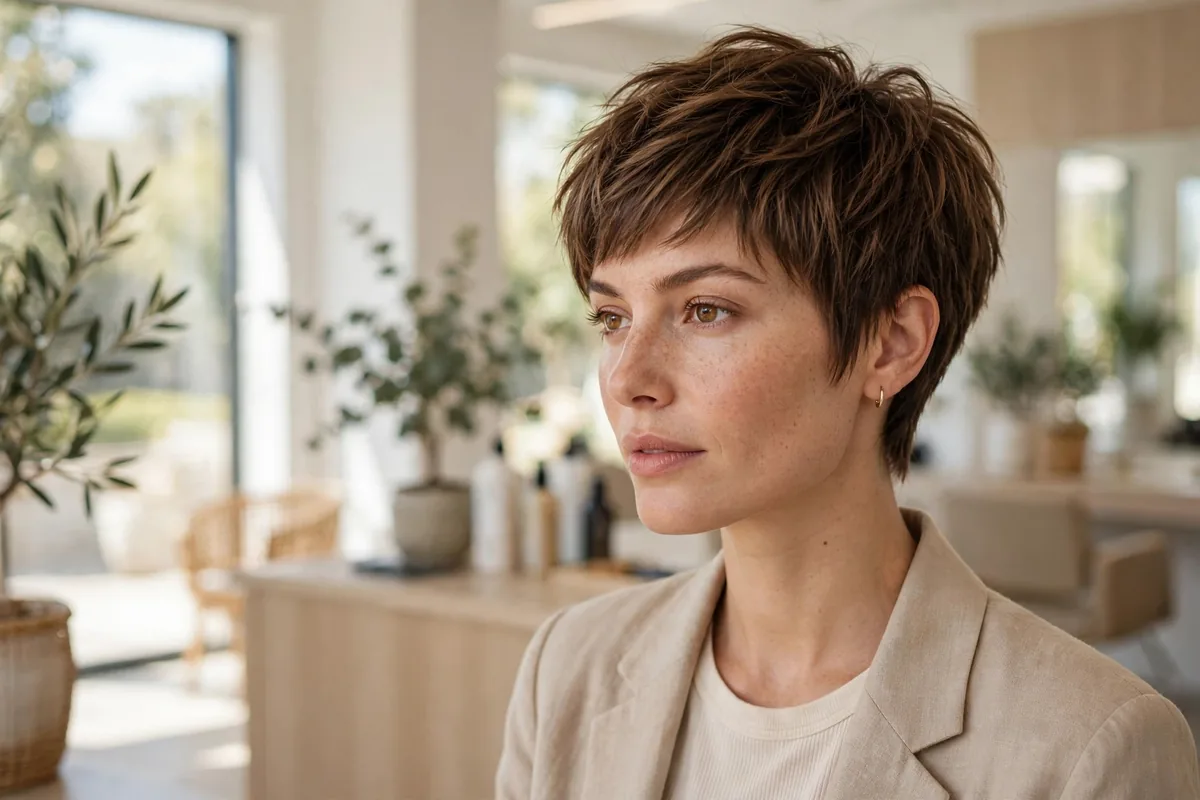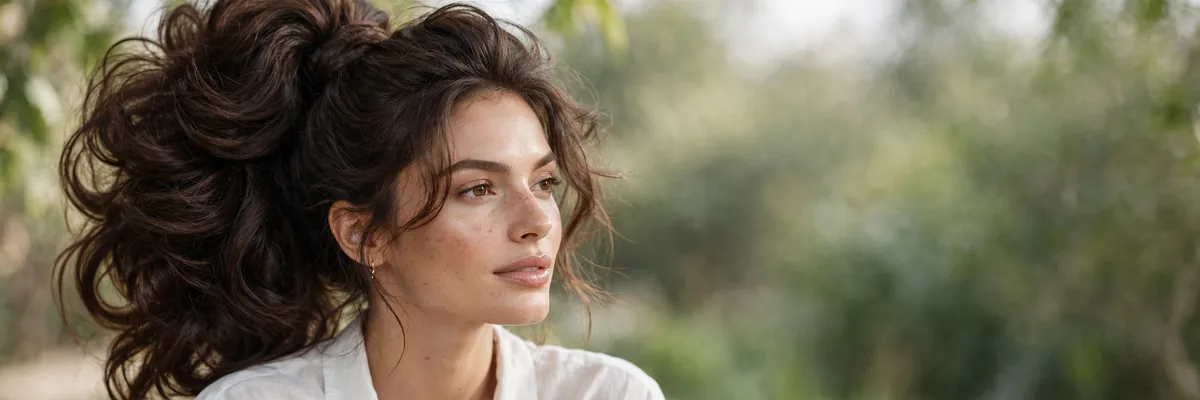
Thick hair and ponytails should be a perfect match — but anyone with dense hair knows the struggle: the sag, the headache, the elastic that gives up by noon.
The fix is technique, not less hair. Strategic elastic placement, sectioning, and weight distribution turn a heavy ponytail from a burden into a statement.
Thick hair also has a superpower here: natural volume that fine hair can only dream of. These styles are built to show it off.
Here are 18 ponytails that actually stay put on thick hair. Let’s get into it.
The High Sleek Pony
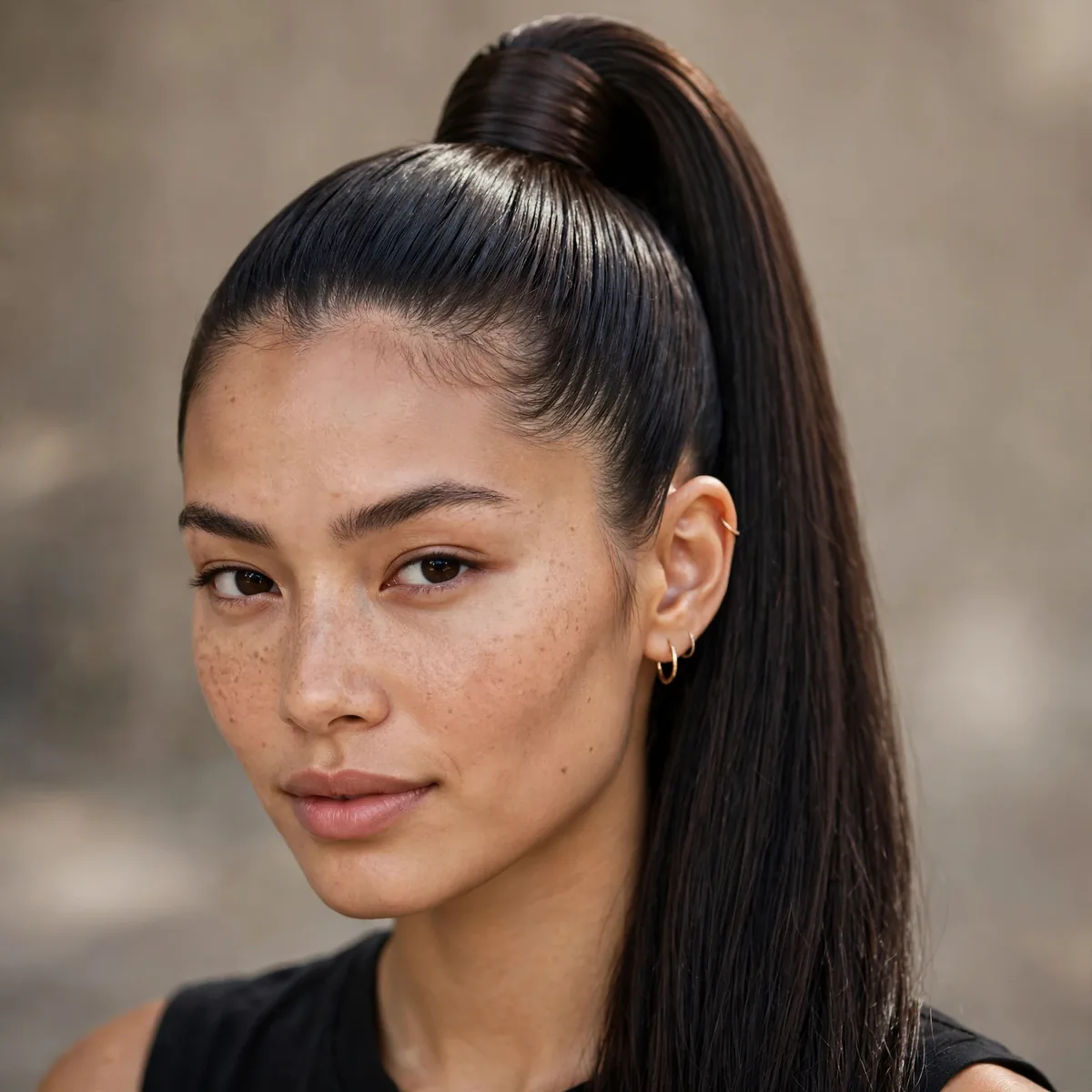
Brushed smooth and secured high on the crown for maximum drama. On thick hair, the resulting pony has the kind of volume people pay extensions for.
Best for: statement days. Use two elastics stacked for extra hold — the second one catches what the first misses.
Invest in the tools and your high sleek pony gets twice as good with half the effort. A teasing comb gives you the control that fingers alone cannot, especially for crisp partings and smooth roots. Pair it with a dry shampoo suited to your wavy texture — fine hair needs featherweight formulas while thicker hair can handle richer creams. Using products matched to your density is the difference between a style that holds and one that collapses.
The high sleek pony is particularly flattering on curly hair, where natural texture adds dimension that elevates the look. Other hair types can wear it too — argan oil or a quick pass with heat tools can mimic the grit or smoothness the style needs. Very dense hair may require extra sectioning for control, while finer hair benefits from volumizing prep at the roots. Adapt the technique to your hair, not the other way around.
Wrapped-Base Ponytail
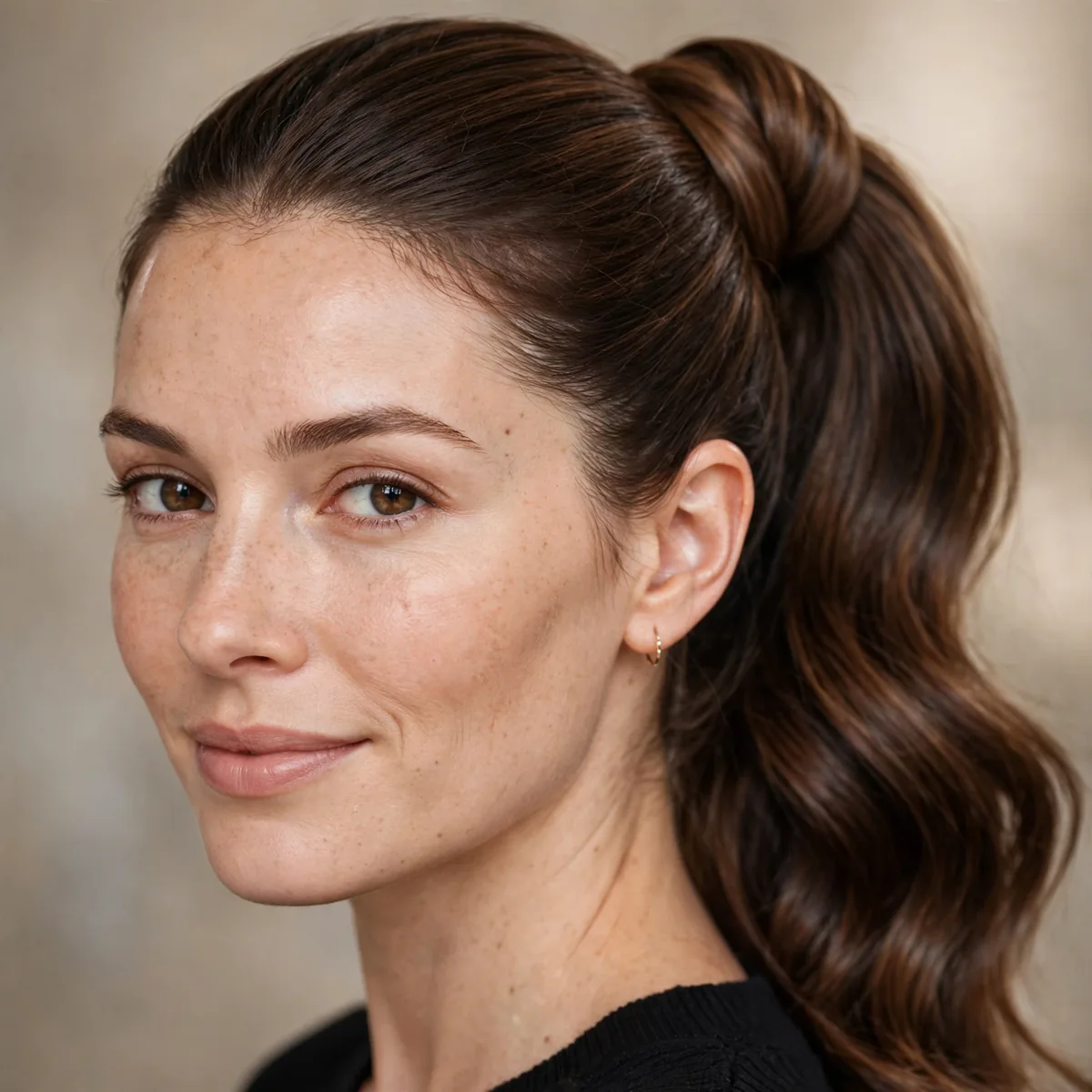
Take a strand from underneath the pony, wrap it around the elastic, and pin. The oldest trick in the book still works — it hides the elastic and looks instantly polished.
Best for: work and formal settings. One wrapped strand makes a $0 style look salon-done.
Refresh rather than redo when your wrapped-base ponytail starts to tire. A light mist of water followed by heat protectant reactivates the shape without a full restyle, and a curling wand can neaten partings in seconds. Focus revival efforts on the hairline and crown — that is where styles visibly age first. Tucking one loose piece behind the ear or adding an accessory can disguise day-two softness while looking completely intentional.
Seasonal tweaks keep a wrapped-base ponytail feeling current year-round. In warmer months, prioritize lightweight formulas like texturizing spray so the style does not feel heavy or collapse in heat, and consider pulling a few face-framing pieces free for airiness. Cooler weather invites richer textures and more structured finishes. The bones of the style stay the same; only the finish and the products change with the forecast.
Braided Ponytail
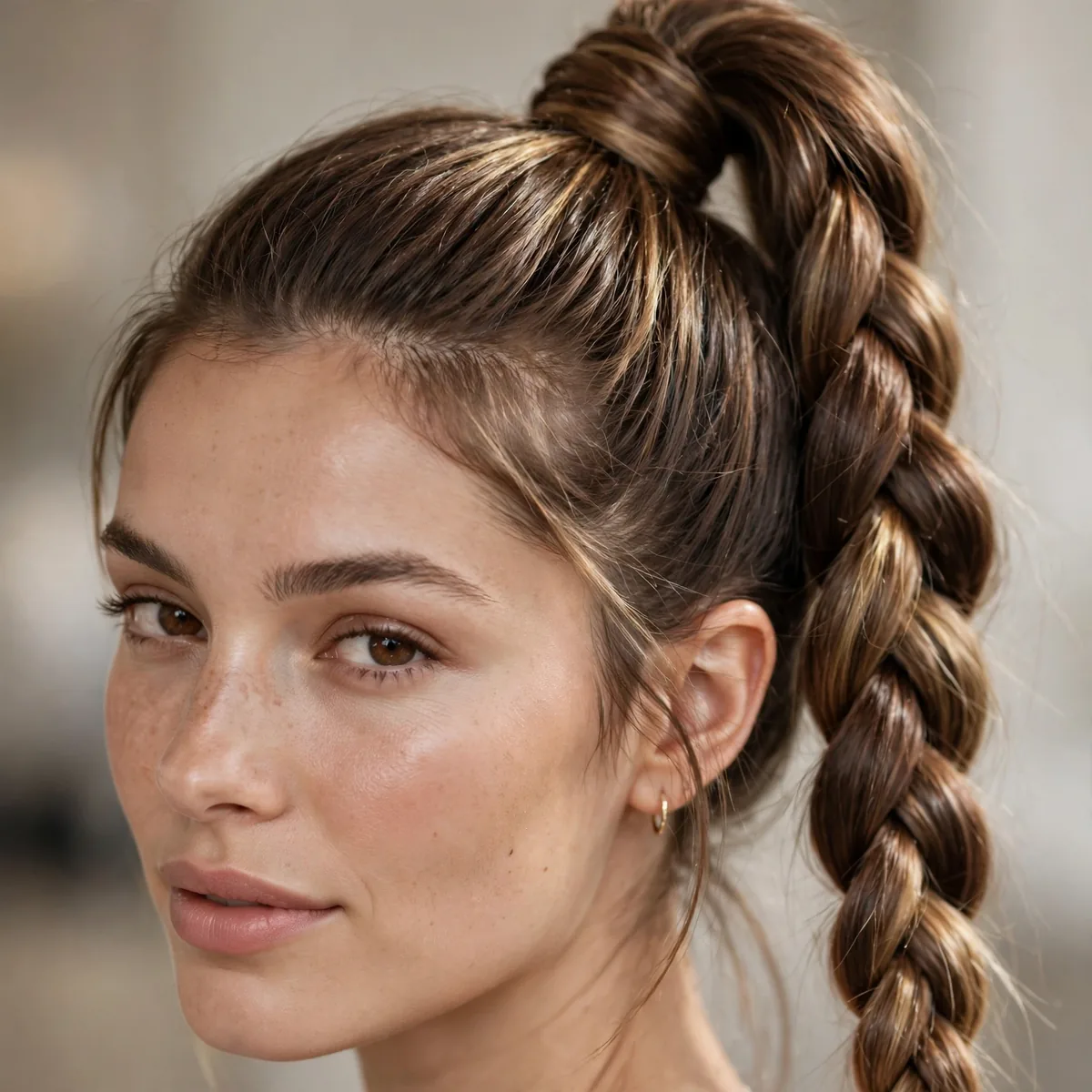
Secure the pony, then braid the tail. The braid distributes weight, stops tangling, and keeps thick hair completely controlled all day.
Best for: windy days and long days. A Dutch braid on the tail looks especially striking.
Layer the braided ponytail with complementary details for extra dimension. Face-framing layers, a softened hairline, or a contrasting texture at the ends all add interest without complicating the style. A spray bottle refines these details, while flexible-hold hairspray keeps them defined through the day. Think of the base style as the canvas and these small additions as the brushstrokes that make it personal.
When a braided ponytail falls flat within hours, the culprit is almost always skipped prep or overloaded product. Strip it back: clean sections, a modest amount of styling cream, and a spray bottle for precision. Another frequent issue is building the style on the wrong foundation — too-clean hair slips, too-dirty hair looks dull. Day-old hair is the sweet spot for most versions of this look.
Bubble Ponytail
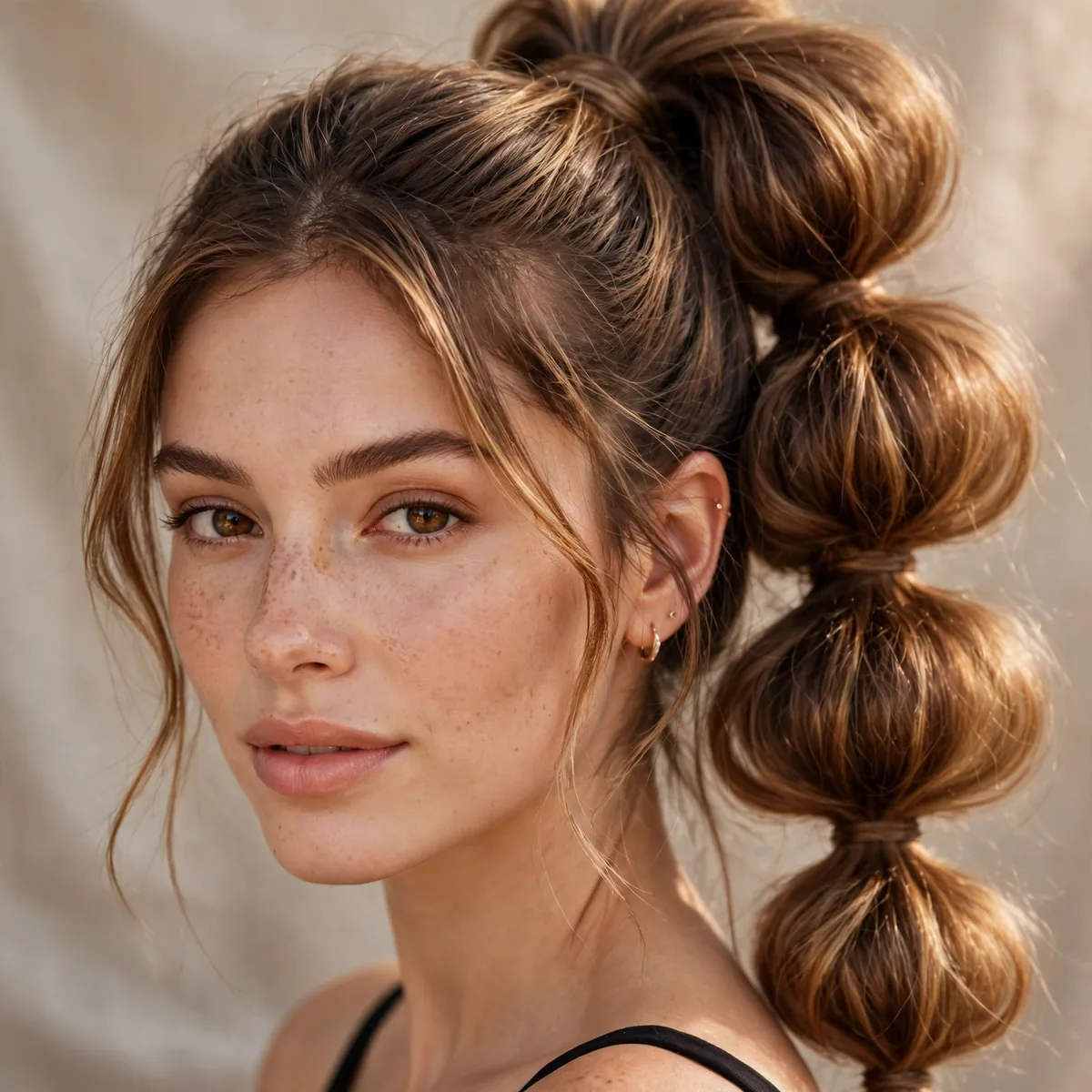
Elastics down the length of the pony with each section puffed into a bubble. Thick hair makes the biggest, best bubbles — this style was made for density.
Best for: fun weekends and festivals. Space the elastics evenly for the cleanest look.
The front sections make or break a bubble ponytail — they are the frame around your features. Soften the hairline with a few released pieces if the style runs severe, or sharpen it with a flat iron for a more sculpted effect. A touch of lightweight mousse keeps face-framing strands defined without looking stiff. Even tiny adjustments at the front change how the entire style reads, so give this area the most attention.
The foundation of a lasting bubble ponytail is laid before the styling even starts. Rough-dry or air-dry the hair first, then use a duckbill clip to map out clean sections so every part of the style has a defined place to live. Work a touch of texturizing spray through the mid-lengths to control flyaways without stiffness. Checking the back with a hand mirror as you go catches the uneven spots you would otherwise discover in photos.
Low Polished Pony
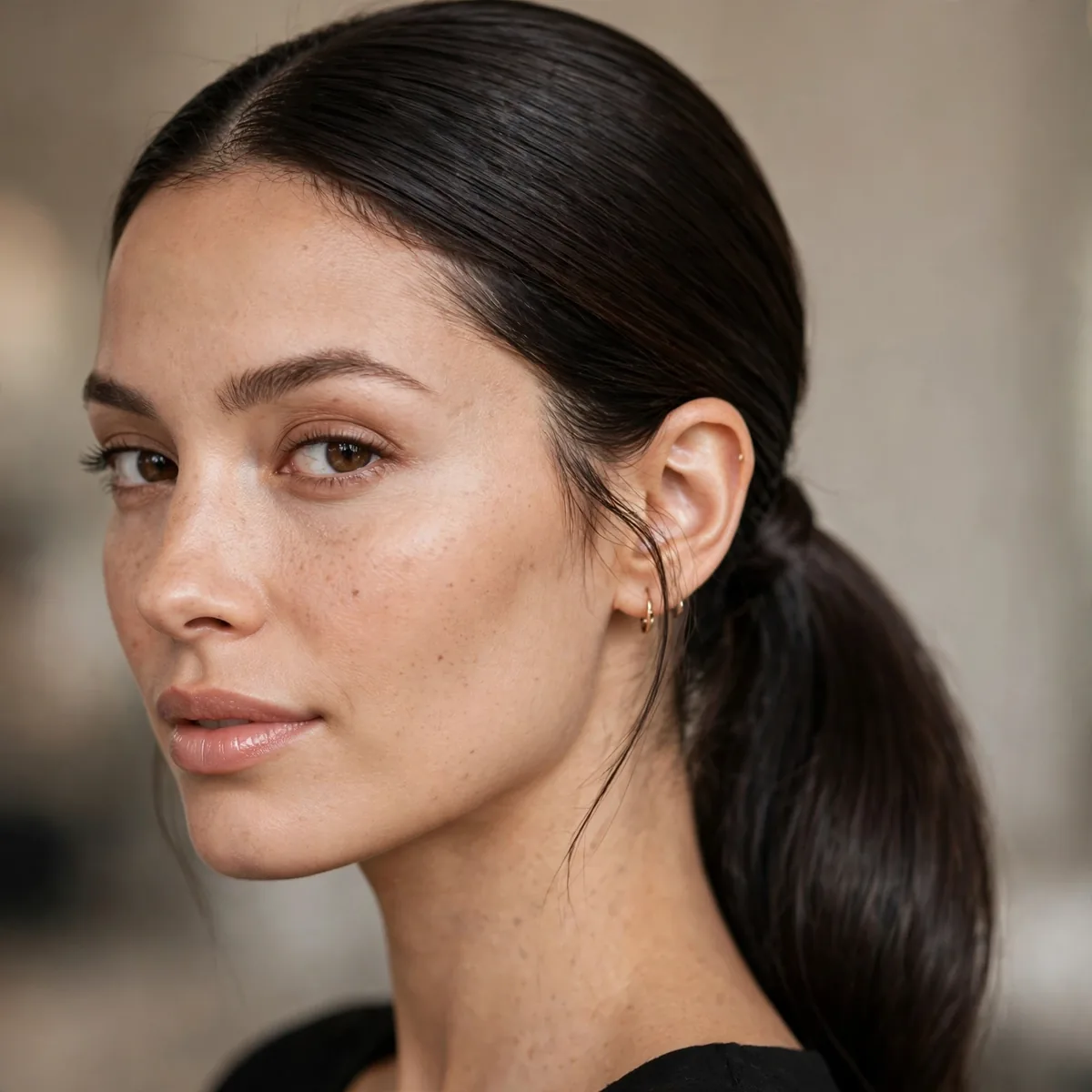
Smooth, low, and elegant at the nape. On thick hair it looks lush rather than limp — the quiet-luxury ponytail.
Best for: the office and formal events. A center part keeps it modern; a side part keeps it soft.
Invest in the tools and your low polished pony gets twice as good with half the effort. A teasing comb gives you the control that fingers alone cannot, especially for crisp partings and smooth roots. Pair it with a styling cream suited to your coily texture — fine hair needs featherweight formulas while thicker hair can handle richer creams. Using products matched to your density is the difference between a style that holds and one that collapses.
Your density changes how a low polished pony behaves, so calibrate the approach. Thick hair needs more numerous, smaller sections to stay controlled, while fine hair does better with fewer sections plus leave-in conditioner at the roots for the illusion of fullness. Naturally straight hair often holds the style longest since the bend grips itself. Whatever your density, step back and check the balance — the silhouette should feel even, never heavy on one side.
Half-Up Ponytail
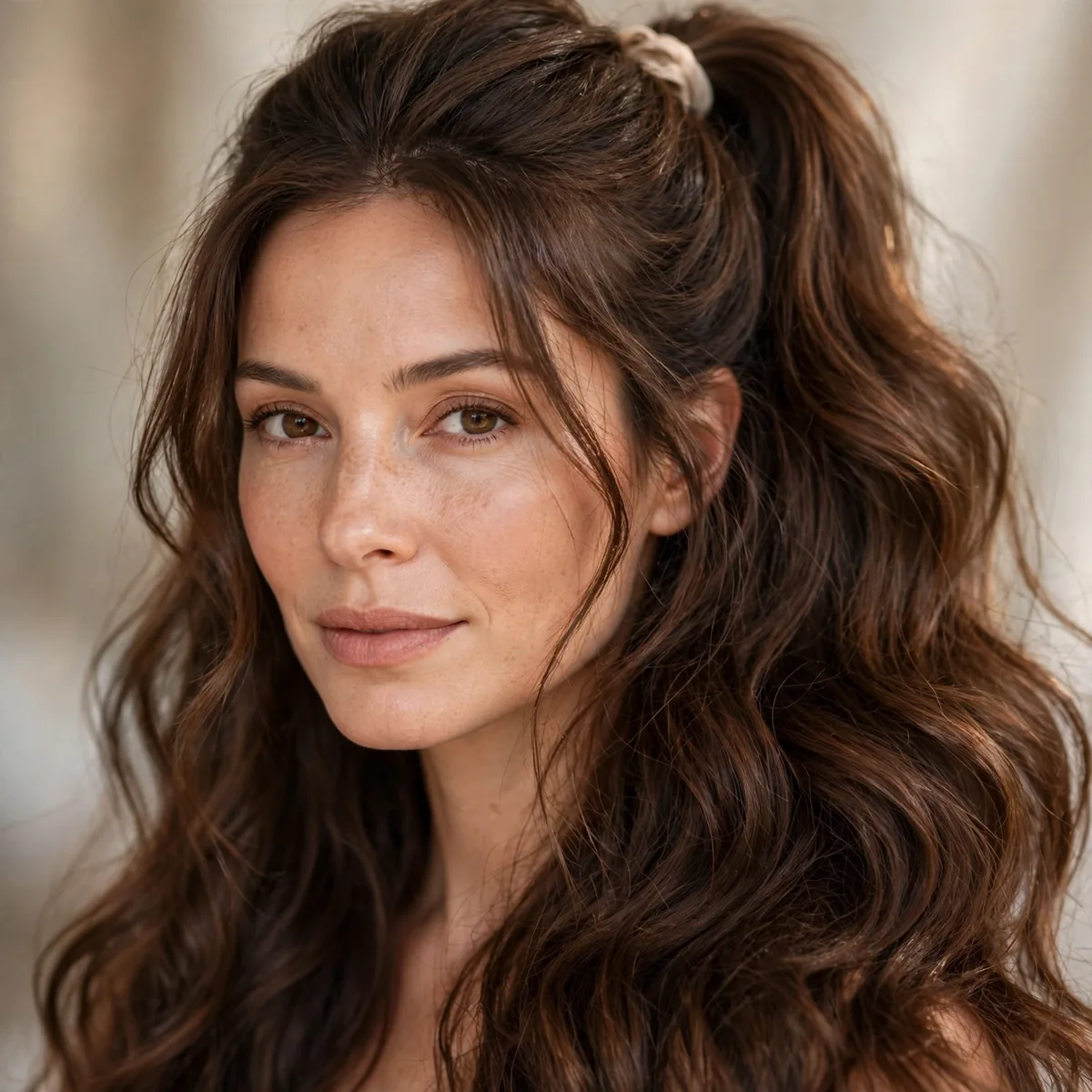
Only the top half goes up, so you get lift and face-framing without fighting the full weight of your hair. The best compromise in hairstyling.
Best for: everyday wear. Tease the crown lightly before securing for extra lift.
Refresh rather than redo when your half-up ponytail starts to tire. A light mist of water followed by argan oil reactivates the shape without a full restyle, and a microfiber towel can neaten partings in seconds. Focus revival efforts on the hairline and crown — that is where styles visibly age first. Tucking one loose piece behind the ear or adding an accessory can disguise day-two softness while looking completely intentional.
Seasonal tweaks keep a half-up ponytail feeling current year-round. In warmer months, prioritize lightweight formulas like sea-salt spray so the style does not feel heavy or collapse in heat, and consider pulling a few face-framing pieces free for airiness. Cooler weather invites richer textures and more structured finishes. The bones of the style stay the same; only the finish and the products change with the forecast.
Curly Voluminous Pony
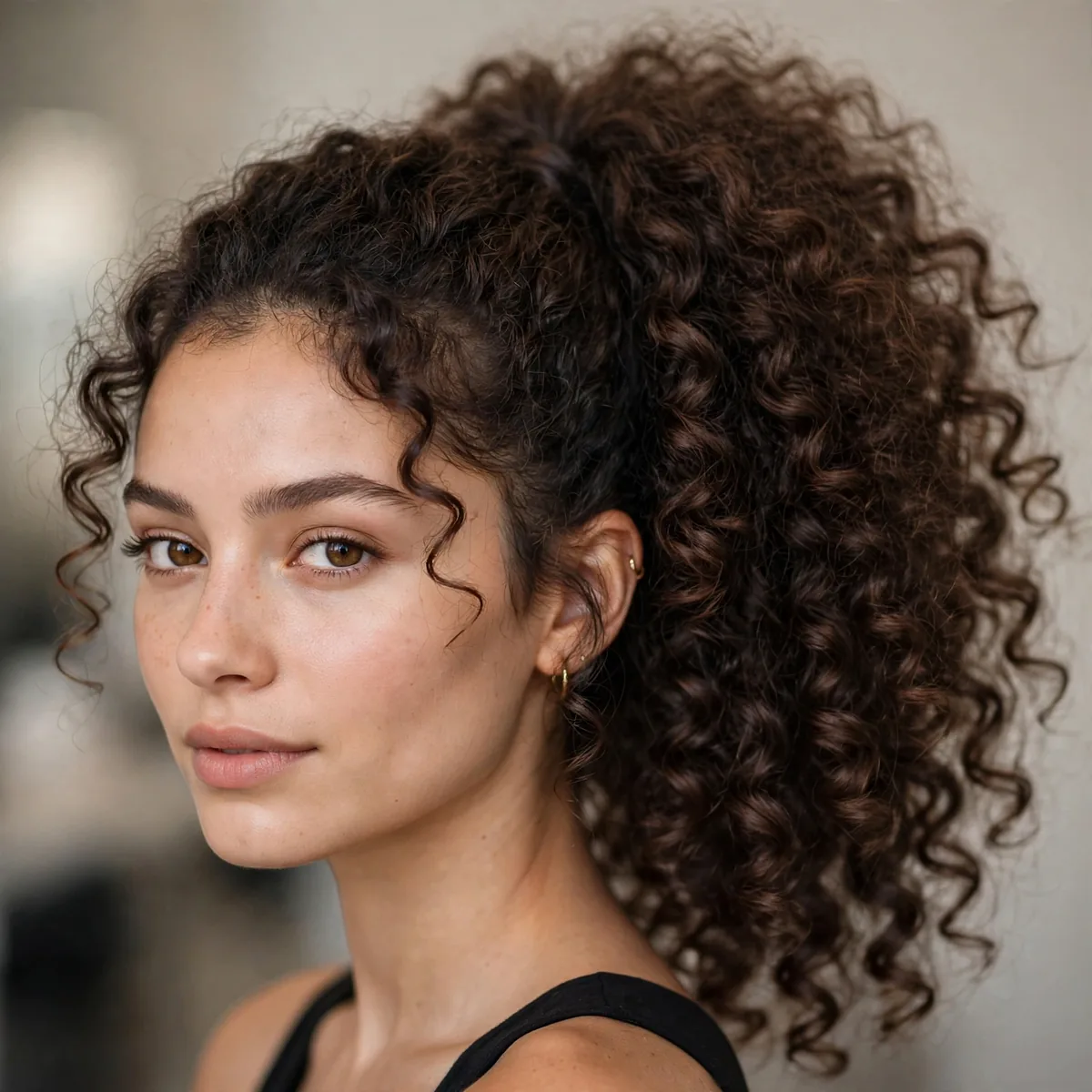
Thick curly hair in a high pony is pure abundance — a halo of curls that needs no help. Diffuse the pony after securing for maximum volume.
Best for: showing off natural texture. A satin scrunchie protects curls better than a tight elastic.
The curly voluminous pony is a template, not a rule — customize it. Adding a subtle accessory, changing the height or placement, or combining it with a second technique (a twist here, a braid there) makes it yours. A curling wand helps you experiment with precision, and sea-salt spray keeps experimental versions wearable rather than messy. Some of the best variations happen by accident, so give yourself permission to improvise.
The most common curly voluminous pony mistake is working against the hair instead of with it — forcing sleekness on air-dried texture or volume on pin-straight lengths without prep. If the style fights you, stop and add dry shampoo or switch tools; a round brush often solves what fingers cannot. Tension issues cause most failures: too tight looks severe and causes breakage, too loose unravels. Aim for secure but comfortable, and the style will cooperate.
Rope-Twist Ponytail
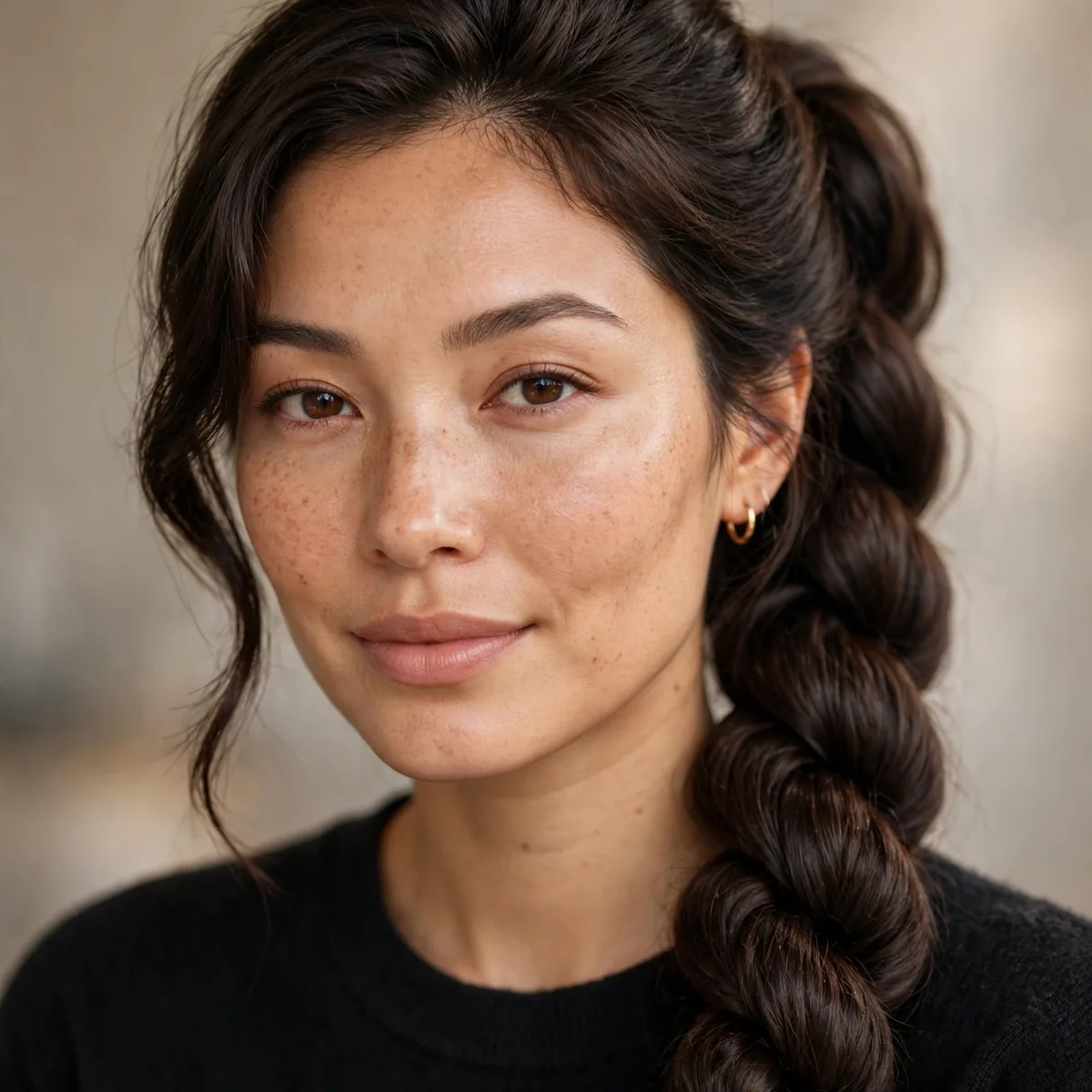
Split the pony in two, twist each section, then twist them together. Sleek, secure, and it tames thick hair beautifully.
Best for: humid days. The twist structure resists frizz far better than a loose pony.
Personalize the rope-twist ponytail at the hairline and watch it transform. Baby hairs laid with heat protectant, a softly undone front, or a crisp center part each tell a different story on long face shapes. There is no single right answer — the best choice is the one that makes you feel like yourself. Experiment in front of the mirror with a diffuser attachment handy, and photograph each version; the camera reveals what the mirror hides.
Clean sectioning is what separates a polished rope-twist ponytail from one that gives up by lunch. Clip the crown away with a spray bottle and build from the bottom layers upward, keeping partings crisp and tension even from roots to ends. A little sea-salt spray smoothed through the lengths beforehand gives freshly washed or slippery hair the grip it needs. This unglamorous prep is exactly why salon work outlasts most DIY attempts.
Triple-Stacked Ponytail
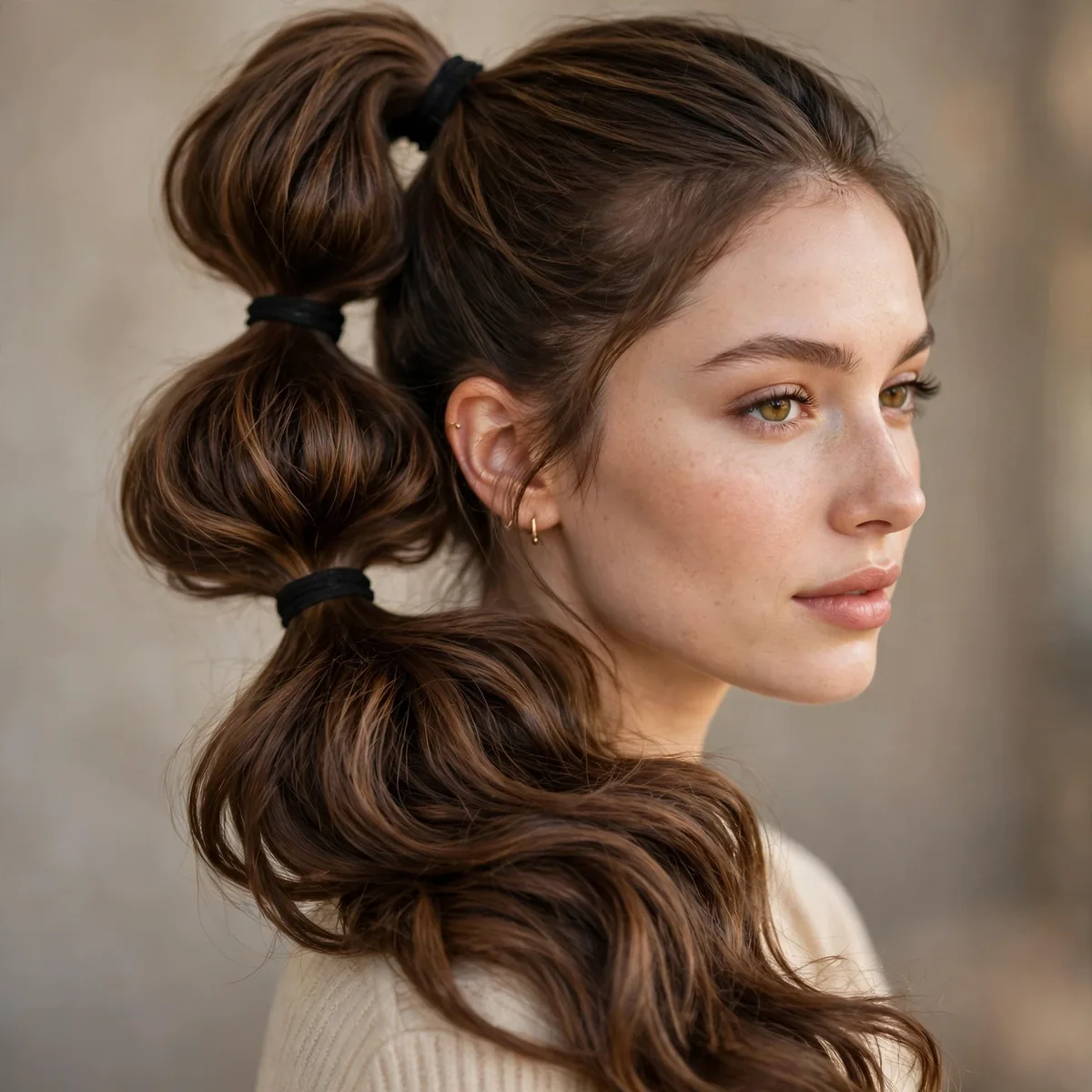
Three ponytails stacked vertically, each one covering the elastic of the one below. Creates the illusion of one impossibly long, thick pony.
Best for: faking extra length. Each pony supports the one above, so the weight distributes instead of dragging.
Invest in the tools and your triple-stacked ponytail gets twice as good with half the effort. A spray bottle gives you the control that fingers alone cannot, especially for crisp partings and smooth roots. Pair it with a smoothing serum suited to your fine texture — fine hair needs featherweight formulas while thicker hair can handle richer creams. Using products matched to your density is the difference between a style that holds and one that collapses.
Your density changes how a triple-stacked ponytail behaves, so calibrate the approach. Thick hair needs more numerous, smaller sections to stay controlled, while fine hair does better with fewer sections plus leave-in conditioner at the roots for the illusion of fullness. Naturally wavy hair often holds the style longest since the bend grips itself. Whatever your density, step back and check the balance — the silhouette should feel even, never heavy on one side.
Side Ponytail with Volume
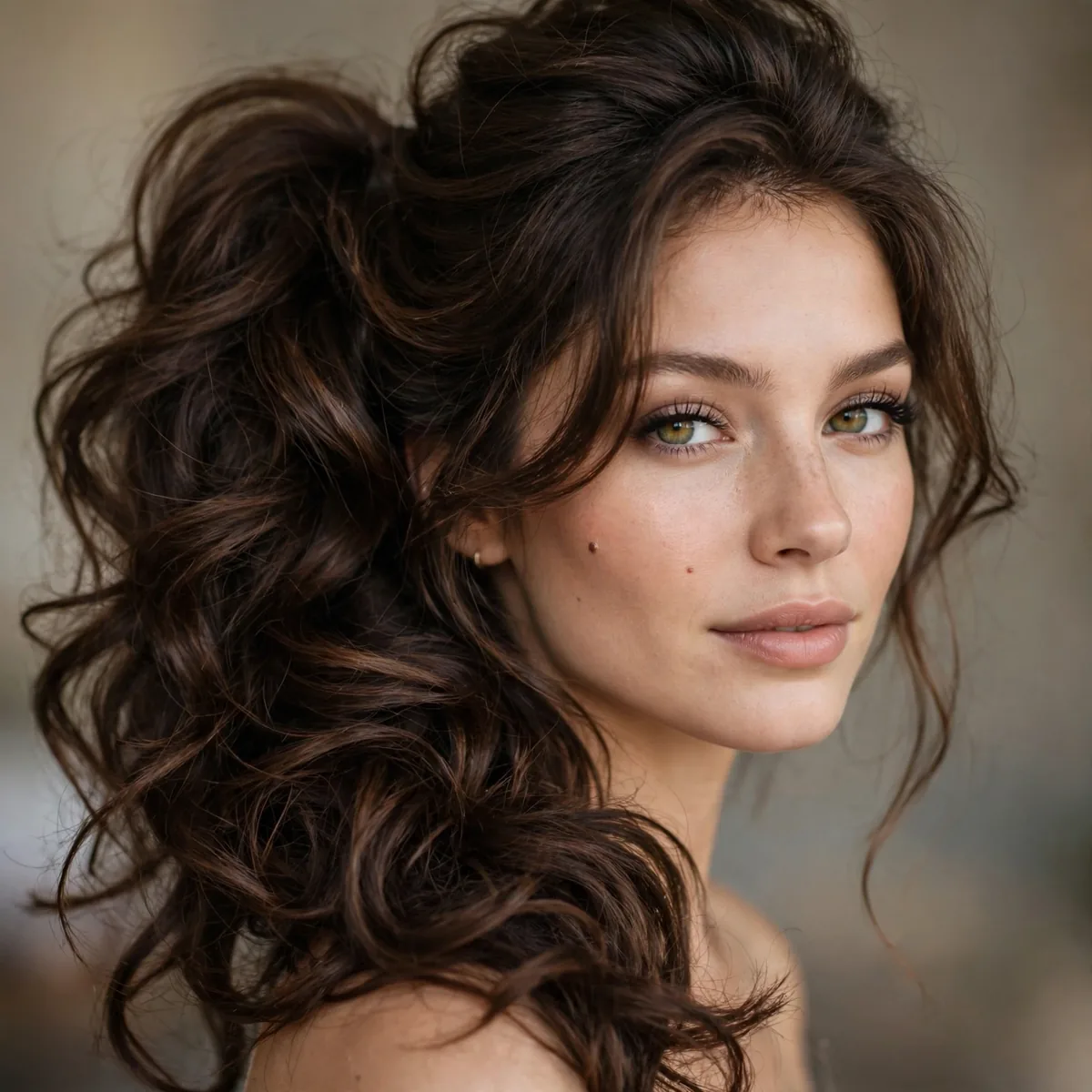
Swept low over one shoulder with volume at the crown. Romantic and retro in the best way — thick hair gives it real presence.
Best for: date nights. Curl the tail for softness and pin the swept side flat for contrast.
To make your side ponytail with volume last beyond day one, nighttime protection is everything. Pineapple the hair or wrap it in a silk scarf before bed, and sleep on a satin pillowcase to cut down on friction that roughs up the style. In the morning, revive the roots with a burst of volumizing powder and smooth the surface with your palms. Most versions of this style look even better on day two once the pieces have relaxed naturally.
Seasonal tweaks keep a side ponytail with volume feeling current year-round. In warmer months, prioritize lightweight formulas like smoothing serum so the style does not feel heavy or collapse in heat, and consider pulling a few face-framing pieces free for airiness. Cooler weather invites richer textures and more structured finishes. The bones of the style stay the same; only the finish and the products change with the forecast.
Ponytail with Face-Framing Layers
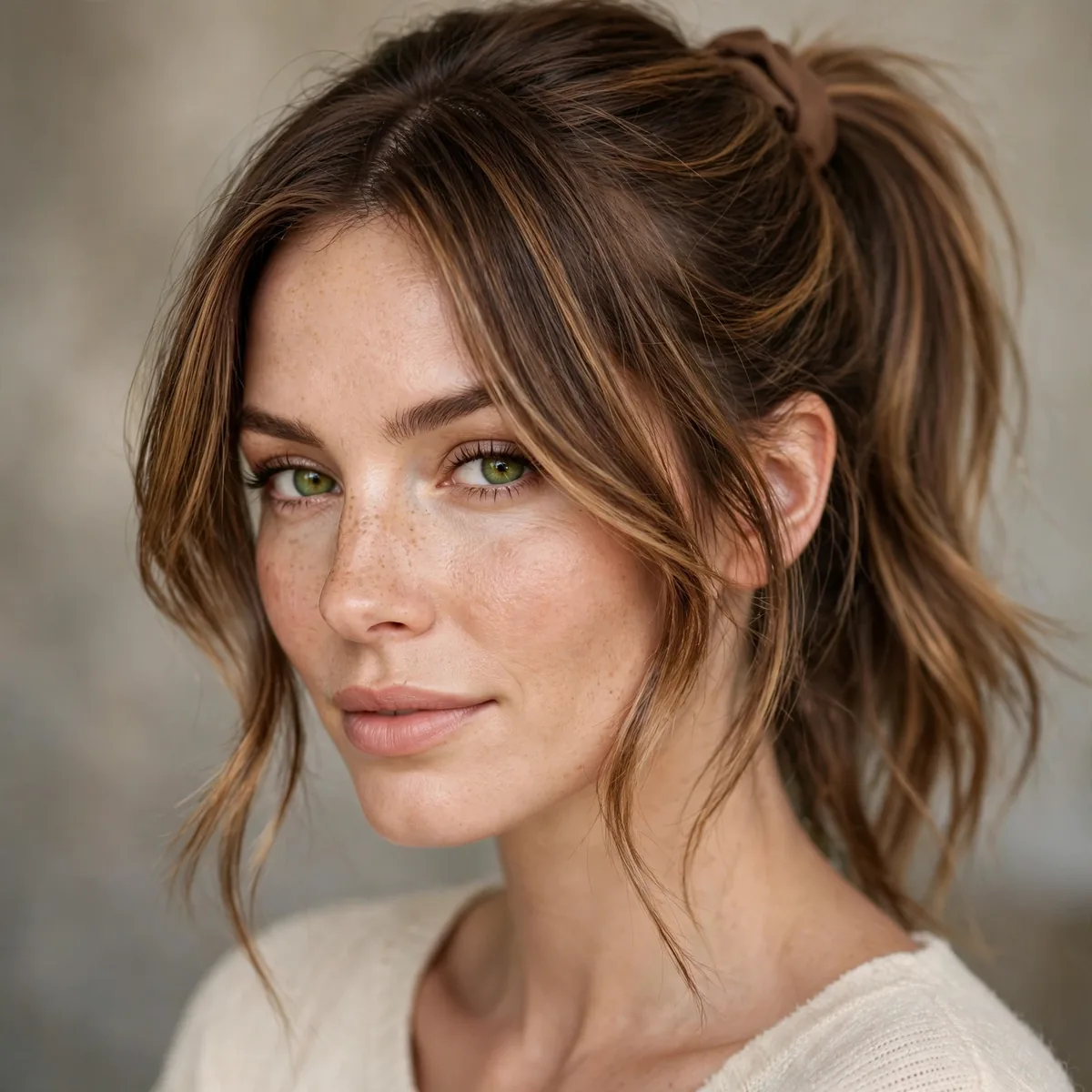
Pull the pony up and let your layers fall naturally around your face. The contrast between the sleek pony and soft pieces is effortlessly pretty.
Best for: softening strong features. The loose pieces do all the flattering work.
Layer the ponytail with face-framing layers with complementary details for extra dimension. Face-framing layers, a softened hairline, or a contrasting texture at the ends all add interest without complicating the style. A round brush refines these details, while edge control keeps them defined through the day. Think of the base style as the canvas and these small additions as the brushstrokes that make it personal.
The most common ponytail with face-framing layers mistake is working against the hair instead of with it — forcing sleekness on air-dried texture or volume on pin-straight lengths without prep. If the style fights you, stop and add flexible-hold hairspray or switch tools; a rattail comb often solves what fingers cannot. Tension issues cause most failures: too tight looks severe and causes breakage, too loose unravels. Aim for secure but comfortable, and the style will cooperate.
Twisted Ponytail
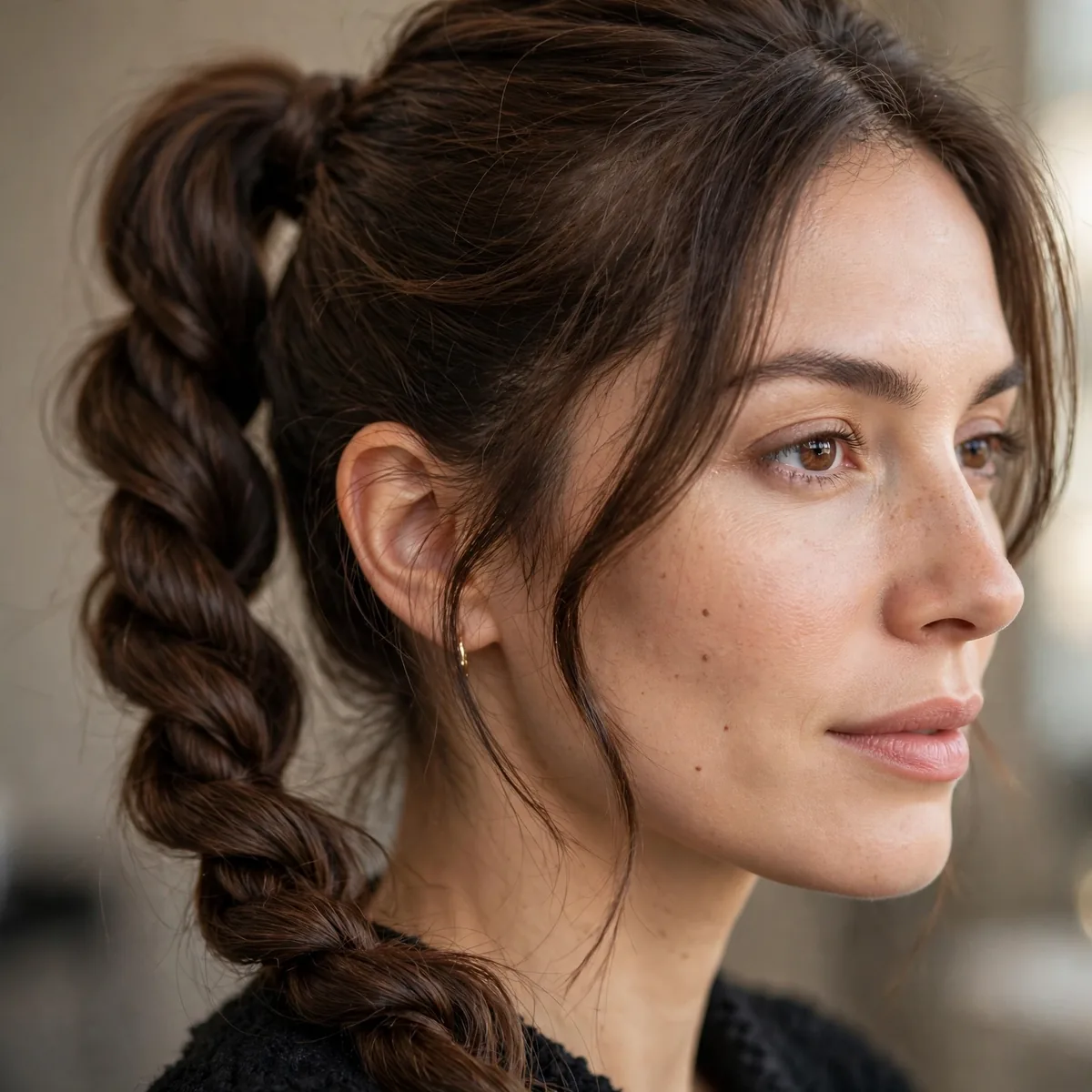
Two twisted sections from the temples meeting in a low pony — detail at the front, simplicity at the back. Takes three minutes.
Best for: quick elegance. It looks like you tried much harder than you did.
A Twisted ponytail becomes truly flattering when it is tuned to your face shape. Softer, long faces benefit from height at the crown and pieces that fall vertically, while longer faces look best with width at the sides. Use a spray bottle to direct the front sections intentionally rather than letting them fall randomly. These small directional choices separate a style that suits you from one that just sits on you.
Clean sectioning is what separates a polished twisted ponytail from one that gives up by lunch. Clip the crown away with a microfiber towel and build from the bottom layers upward, keeping partings crisp and tension even from roots to ends. A little smoothing serum smoothed through the lengths beforehand gives freshly washed or slippery hair the grip it needs. This unglamorous prep is exactly why salon work outlasts most DIY attempts.
Scrunchie Ponytail
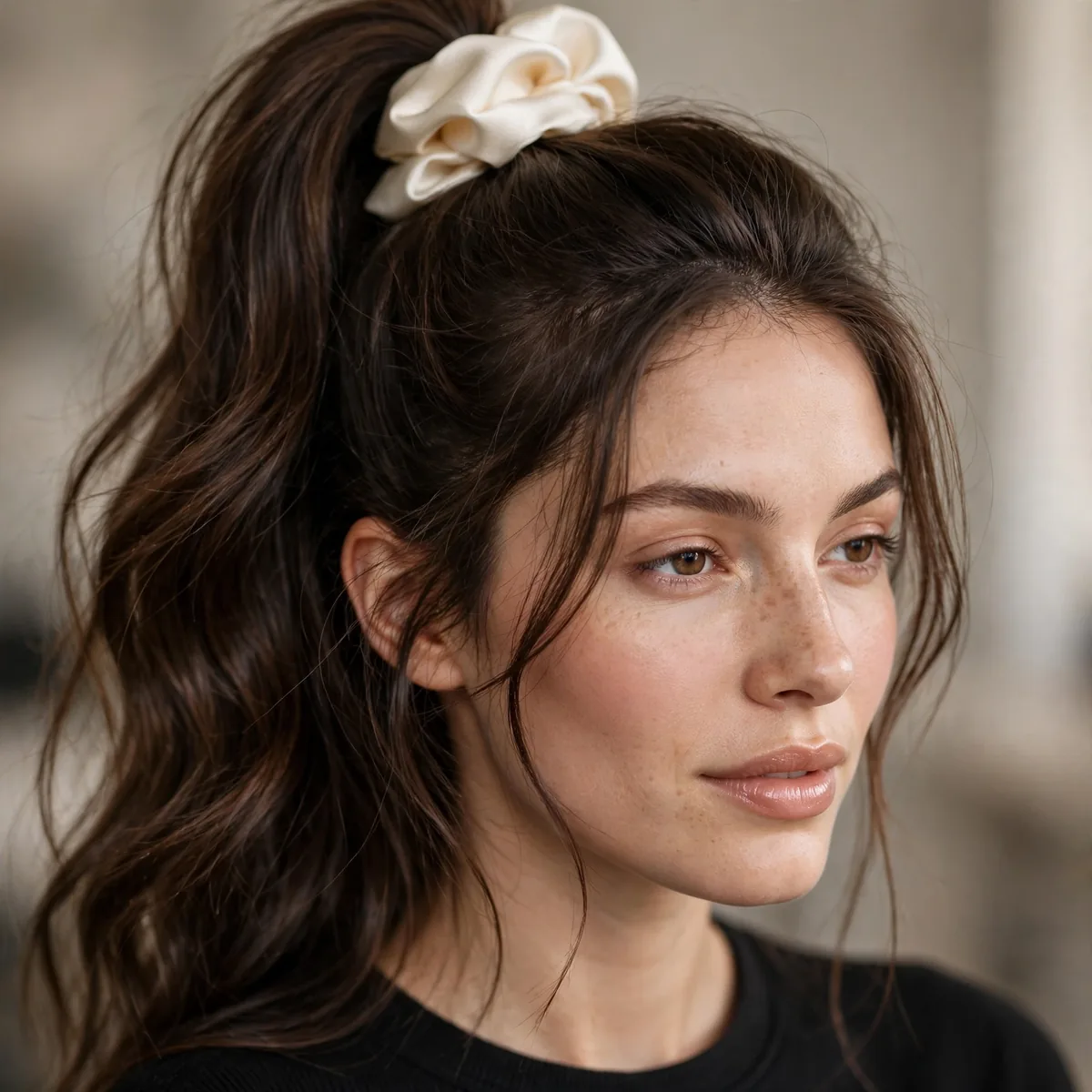
A big satin scrunchie on a high pony — gentler on thick hair than elastics, and the 90s nostalgia is fully back in fashion.
Best for: protecting hair while looking cute. Satin reduces the breakage that tight elastics cause on dense hair.
A Scrunchie ponytail rewards the well-stocked kit. Keep a diffuser attachment on hand for precision work and a reliable edge control for taming the mid-lengths and ends. For fine hair specifically, layering a leave-in under your styler prevents the dryness that makes styles look frizzy by afternoon. The goal is hair that moves naturally while holding its shape — products should be felt, not seen.
Your density changes how a scrunchie ponytail behaves, so calibrate the approach. Thick hair needs more numerous, smaller sections to stay controlled, while fine hair does better with fewer sections plus argan oil at the roots for the illusion of fullness. Naturally thick hair often holds the style longest since the bend grips itself. Whatever your density, step back and check the balance — the silhouette should feel even, never heavy on one side.
Fauxhawk Ponytail
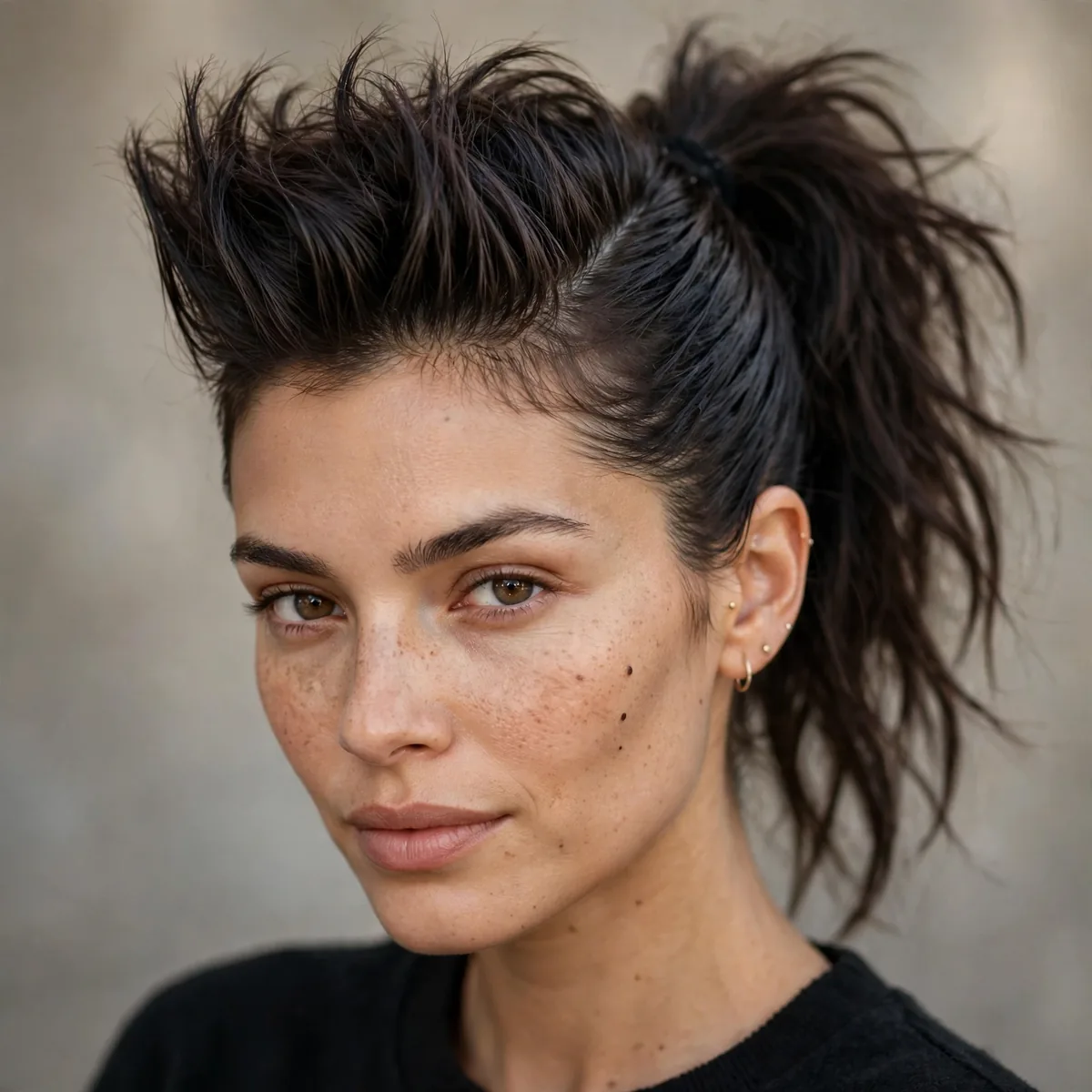
Small braids or twists along each side feeding into a central pony. Edgy, cool, and it keeps the sides completely controlled.
Best for: concerts and bold moods. It’s a fauxhawk without any commitment.
Refresh rather than redo when your fauxhawk ponytail starts to tire. A light mist of water followed by lightweight mousse reactivates the shape without a full restyle, and a paddle brush can neaten partings in seconds. Focus revival efforts on the hairline and crown — that is where styles visibly age first. Tucking one loose piece behind the ear or adding an accessory can disguise day-two softness while looking completely intentional.
Consider the fauxhawk ponytail your secret weapon for weddings. It photographs beautifully from every angle, holds up through long events, and looks intentional without seeming overdone. Prep with flexible-hold hairspray for extra staying power when you cannot sneak away for touch-ups, and stash two bobby pins in your bag for insurance. A style you do not have to think about is a style that lets you enjoy the occasion.
Looped-Under Ponytail
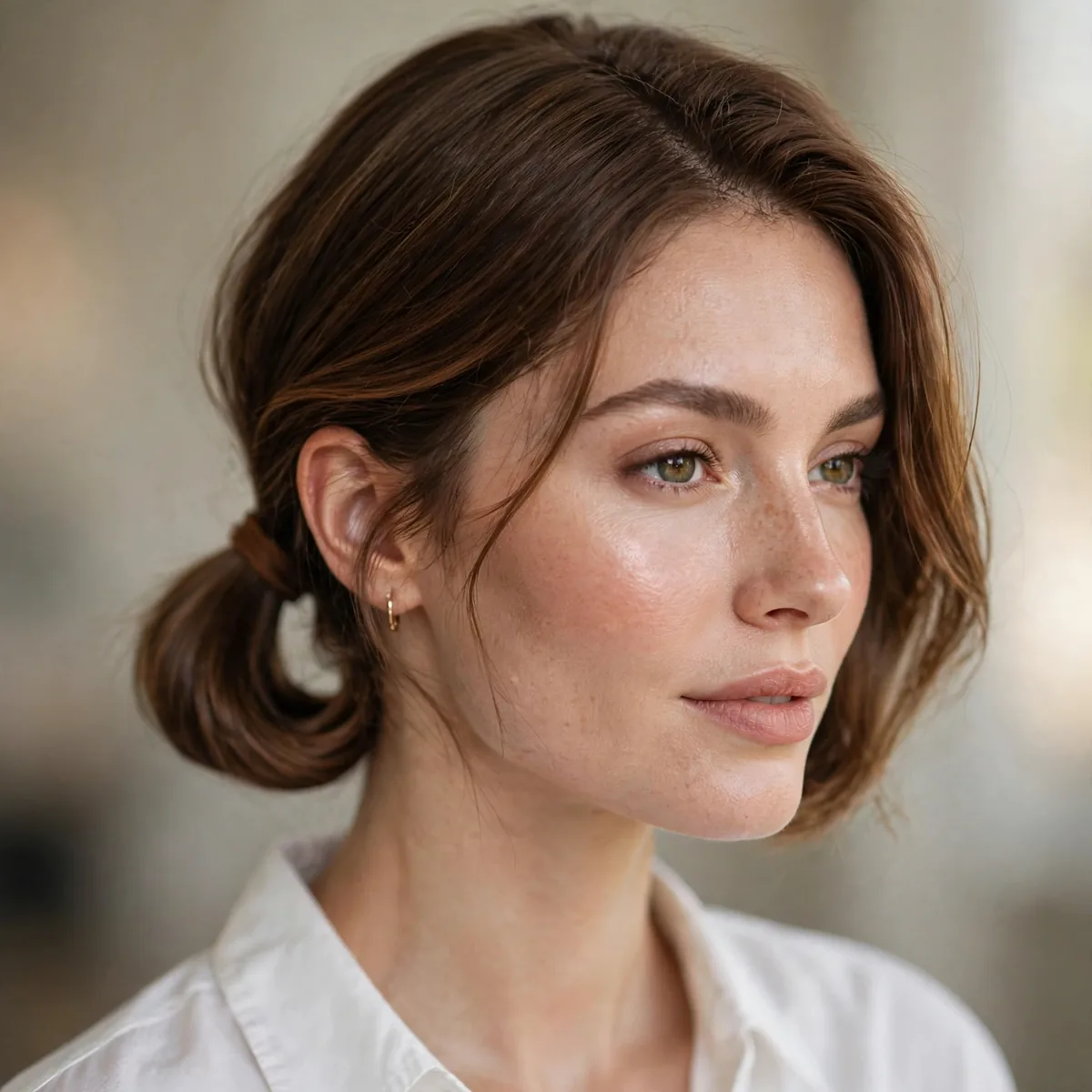
Pull the pony through the elastic only halfway, leaving a loop. On thick hair the loop is substantial — like a chic folded chignon.
Best for: faking shorter hair for a day. It’s the commitment-free bob.
Once you have mastered the classic looped-under ponytail, play with the variables. Switching the part from center to deep side completely changes the mood, while pulling a few shorter pieces free around the face softens the whole effect. Try working an edge control through for a wetter, more editorial finish, or keep it matte and airy for daytime. Small adjustments like these keep a favorite style feeling fresh instead of repetitive.
If your looped-under ponytail looks great from the front but messy from behind, you are not checking your blind spots. A hand mirror is as essential as a round brush for this style — the back is where sections go rogue. Build in a quick all-angles check before you leave, and keep volumizing powder in your bag for smoothing the nape area later. Styles are three-dimensional; styling them one-dimensionally is how the back gets neglected.
Low Knot Ponytail
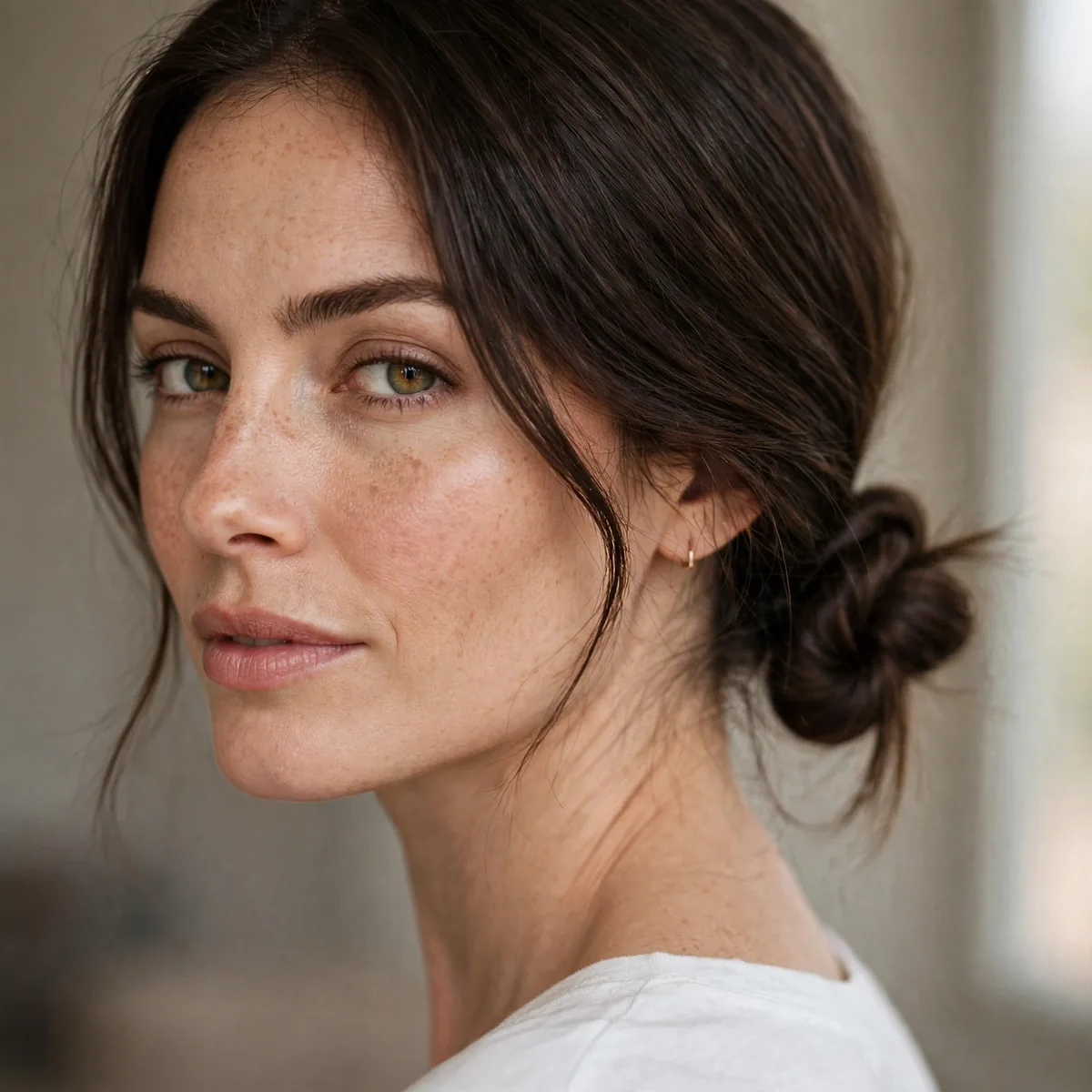
Split the pony in two and tie it in a simple knot, securing underneath with pins. Minimalist, modern, and surprisingly secure on thick hair.
Best for: minimalists. The knot itself becomes the accessory — no elastic in sight.
Balance is the key to wearing a low knot ponytail well. If the style has a lot of volume, keep the front relatively calm; if the silhouette is sleek, a little texture around the face prevents severity. round faces particularly benefit from this push-and-pull approach. Finish the hairline with dry shampoo on a microfiber towel for a polished edge that still looks touchable. Proportion awareness turns a good style into a great one.
The foundation of a lasting low knot ponytail is laid before the styling even starts. Rough-dry or air-dry the hair first, then use a curling wand to map out clean sections so every part of the style has a defined place to live. Work a touch of dry shampoo through the mid-lengths to control flyaways without stiffness. Checking the back with a hand mirror as you go catches the uneven spots you would otherwise discover in photos.
Ponytail with Curtain Bangs
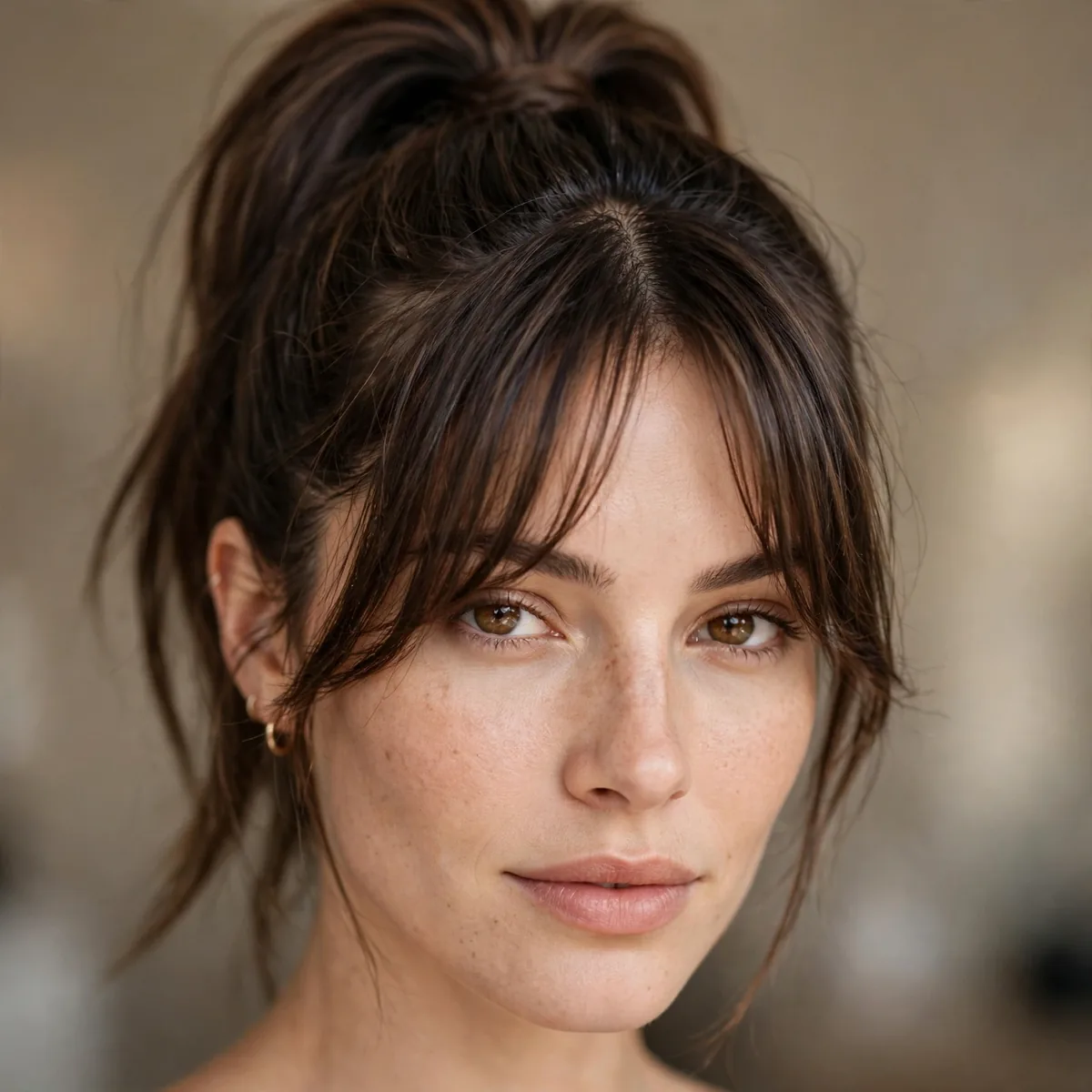
A high pony plus curtain bangs is a combination that never misses — the bangs soften the severity and frame the face perfectly.
Best for: bangs owners. Style the bangs with a round brush first, then pull the pony up around them.
A Ponytail with curtain bangs rewards the well-stocked kit. Keep a curling wand on hand for precision work and a reliable leave-in conditioner for taming the mid-lengths and ends. For wavy hair specifically, layering a leave-in under your styler prevents the dryness that makes styles look frizzy by afternoon. The goal is hair that moves naturally while holding its shape — products should be felt, not seen.
The ponytail with curtain bangs is particularly flattering on coily hair, where natural texture adds dimension that elevates the look. Other hair types can wear it too — argan oil or a quick pass with heat tools can mimic the grit or smoothness the style needs. Very dense hair may require extra sectioning for control, while finer hair benefits from volumizing prep at the roots. Adapt the technique to your hair, not the other way around.
Double Braid into Pony
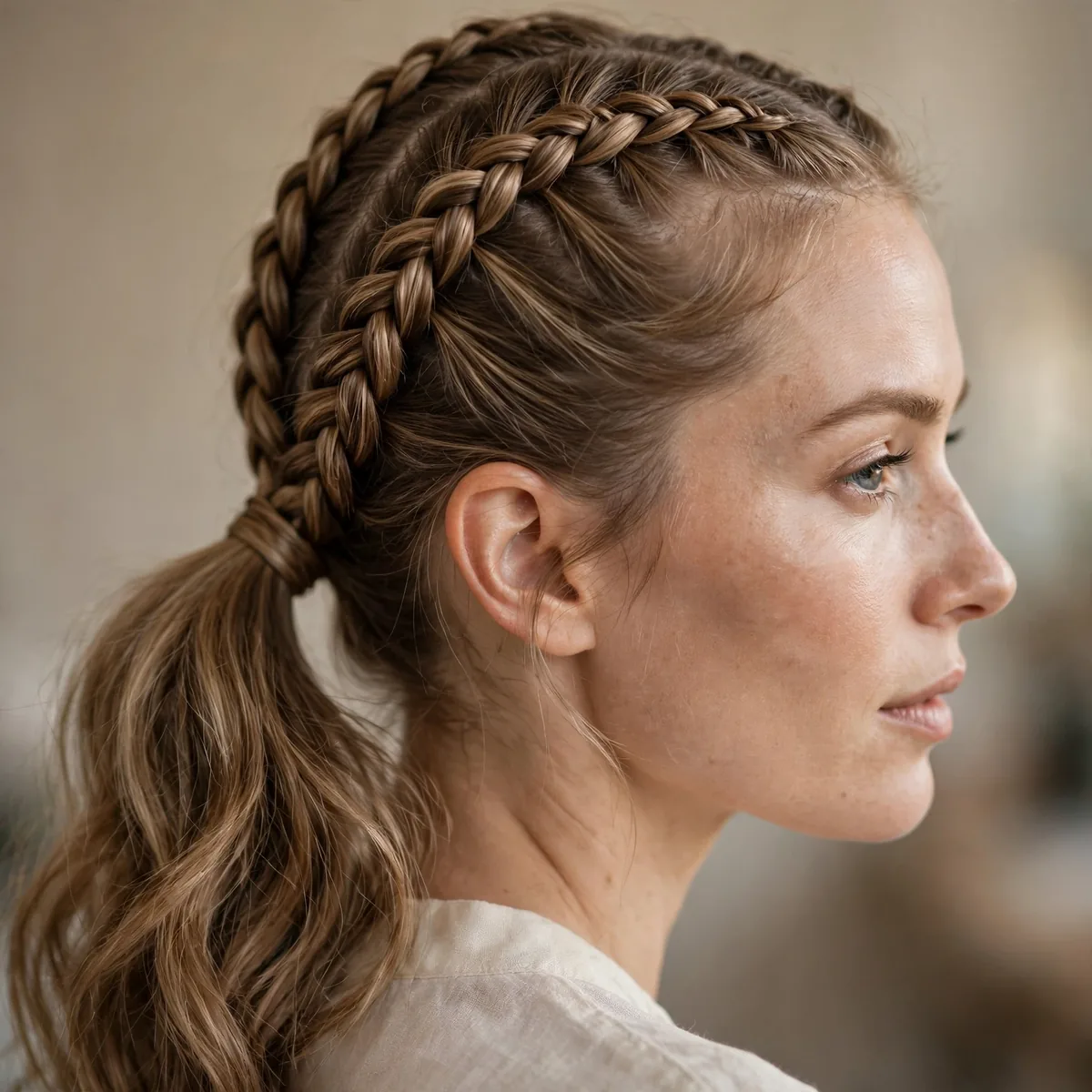
Two Dutch braids from the hairline feeding into a high or low pony. All the staying power of braids with the swing of a ponytail.
Best for: workouts and long days. Check our gym hairstyles that stay put for more secure styles.
To make your double braid into pony last beyond day one, nighttime protection is everything. Pineapple the hair or wrap it in a silk scarf before bed, and sleep on a satin pillowcase to cut down on friction that roughs up the style. In the morning, revive the roots with a burst of edge control and smooth the surface with your palms. Most versions of this style look even better on day two once the pieces have relaxed naturally.
The double braid into pony earns its place as a go-to for evening events because it balances polish with personality. For daytime versions, keep the finish soft and touchable; for evening, sharpen the details — sleeker roots, more defined pieces, a glossier finish. A sea-salt spray helps the style transition from desk to dinner without a full redo. It is the kind of versatile look that justifies the ten minutes it takes to perfect.
Thick hair makes the best ponytails — now yours will stay up too. Pin your favorites, and for braided styles that last through anything, see our braided hairstyles for long hair.