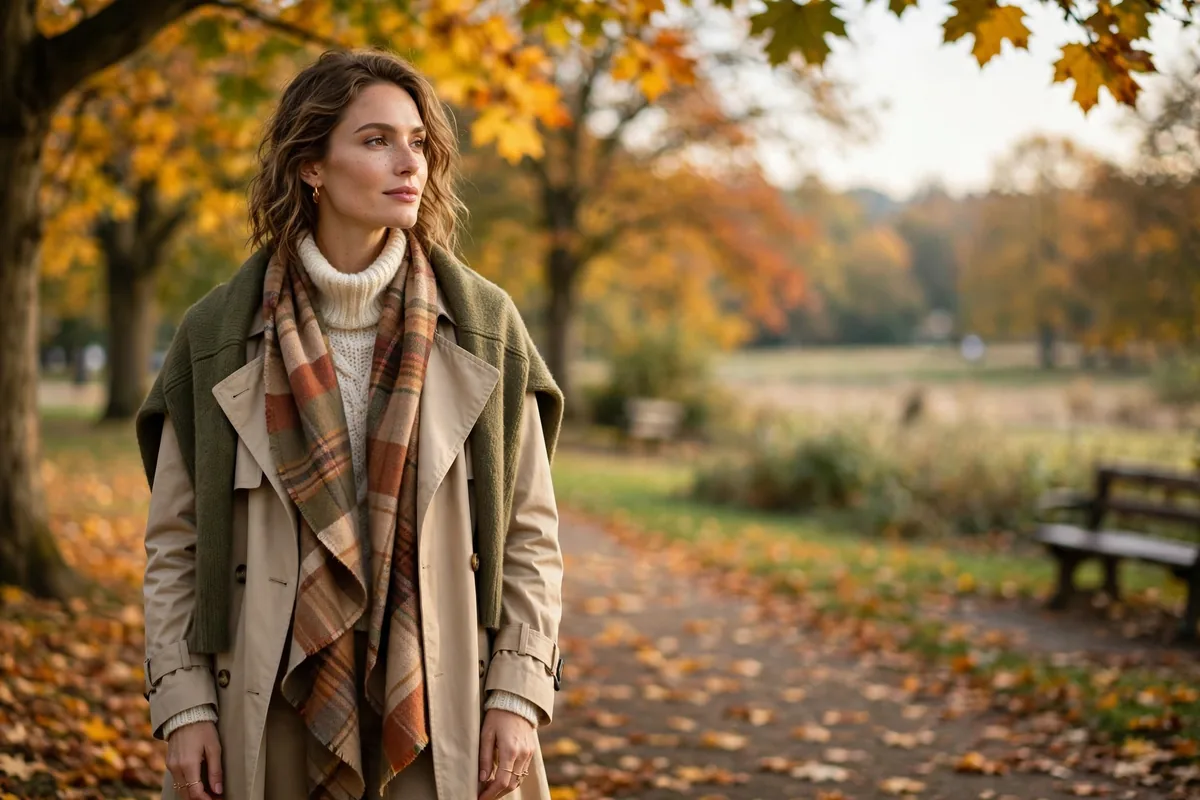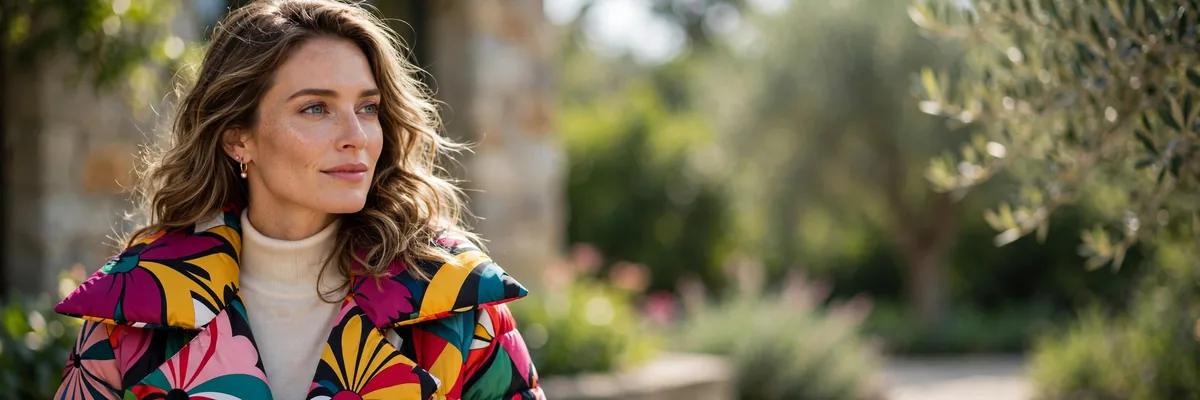
When temperatures drop, your coat becomes 90% of your outfit — so make it count.
A statement coat transforms the simplest base (jeans, sweater, boots) into a look. It’s the highest-ROI piece in a winter wardrobe.
What makes a coat a "statement": bold color, interesting texture, dramatic silhouette, or impeccable tailoring.
Here are 15 ways to wear them. Let’s get into it.
The Red Wool Coat
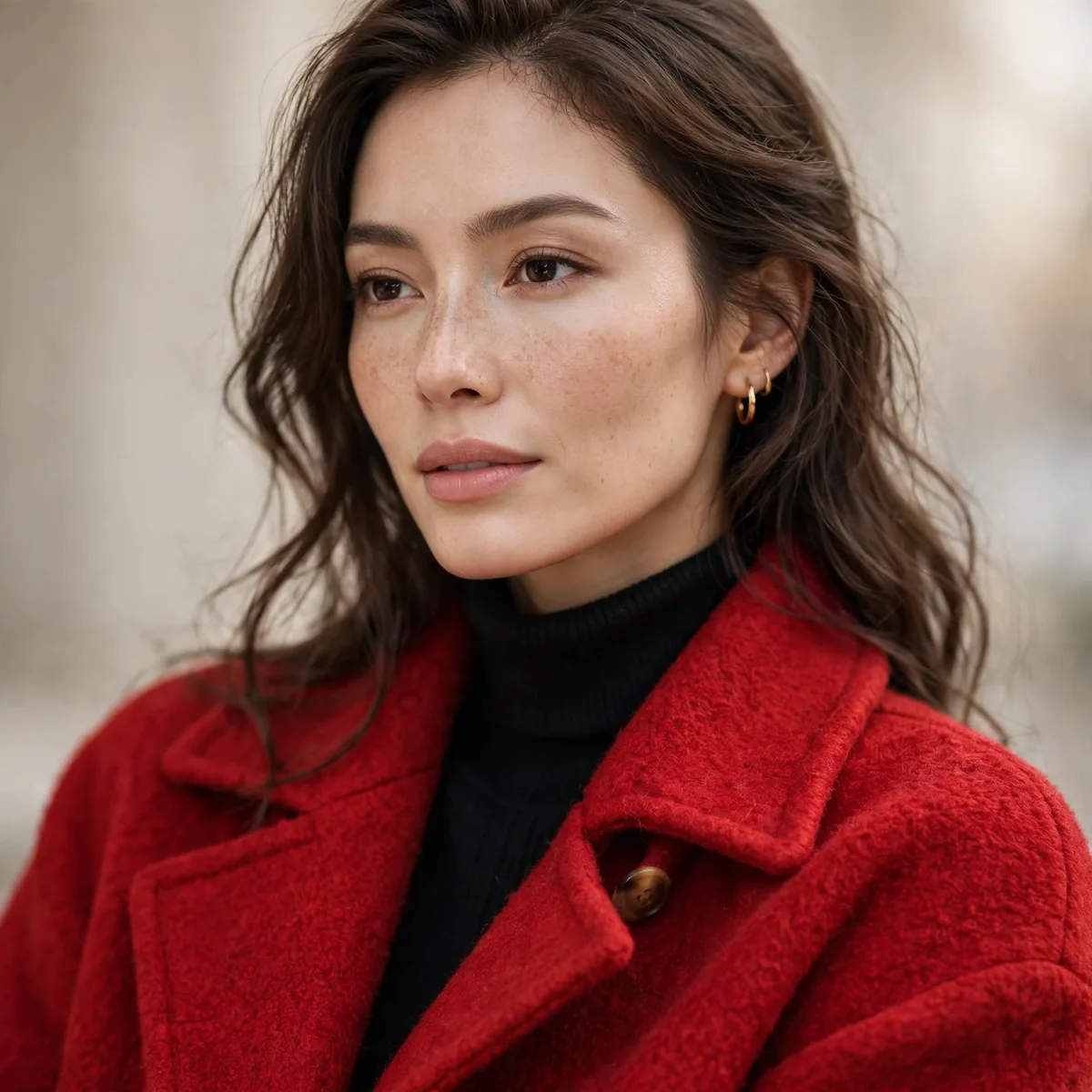
A red coat over an all-black base is winter’s most striking formula. Instant mood-lifter on gray days.
Cherry to oxblood — any red works. Keep everything underneath simple.
Fit is what separates a cheap-looking red coat from a striking one: the shoulder seam should sit exactly at your shoulder edge, sleeves ending right at the wrist bone so gloves tuck neatly underneath. A wool-cashmere blend drapes better than pure polyester imitations and resists pilling through repeated wear. Budget for tailoring — a $20 sleeve hem makes a thrifted coat look designer.
Style it with black leather ankle boots, a charcoal scarf, and gold hoops for daytime polish; swap in heeled boots and a clutch for evening. A cherry red pairs beautifully with leopard accessories, while oxblood loves camel and cream. Spot-clean stains immediately and dry clean once per season — storing it on a wide wooden hanger keeps the shoulders sharp year after year.
Camel, But Make It Oversized
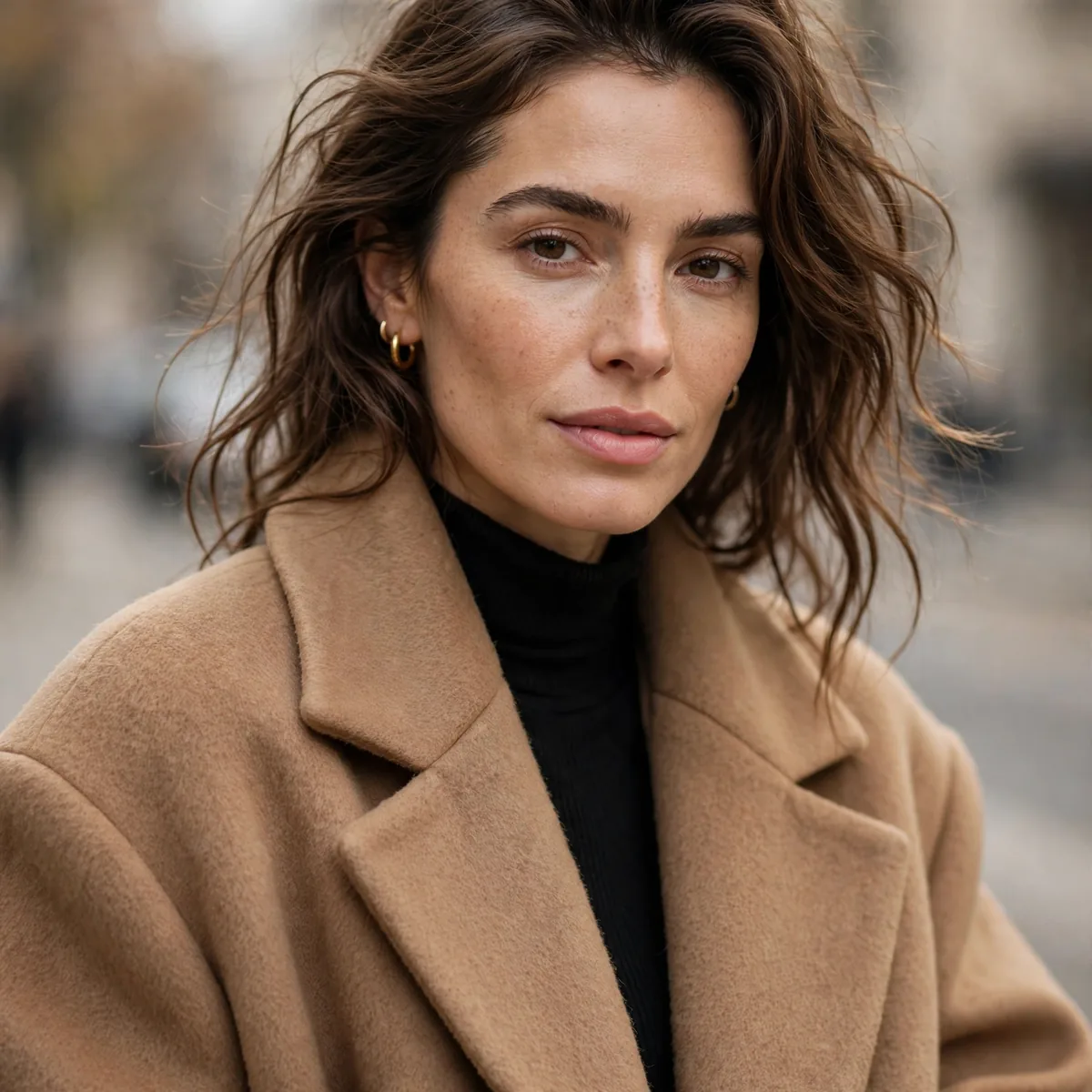
An oversized camel coat has effortless drama. The volume is the statement.
Balance with slim jeans or leggings below — volume on volume overwhelms.
The magic of an oversized camel coat lives in the fabric weight — a double-faced wool with real heft holds that sculptural, off-the-shoulder drape instead of collapsing flat. Petite frames should choose a knee-skimming length and push the sleeves up to show the wrist; the volume reads intentional rather than swallowing. Look for horn-style buttons and a half-lined interior, signs of a coat built to last decades.
Underneath, stick to tonal neutrals — ivory knit, beige trousers, tan boots — for that expensive tonal column effect. Camel also flatters every complexion, which is why it never really leaves the runways. This is the coat worth investing in: a well-made camel overcoat from a heritage maker outlives trends, while fast-fashion versions lose their shape by March. Hang it properly and brush it down after wear.
The Leopard Coat
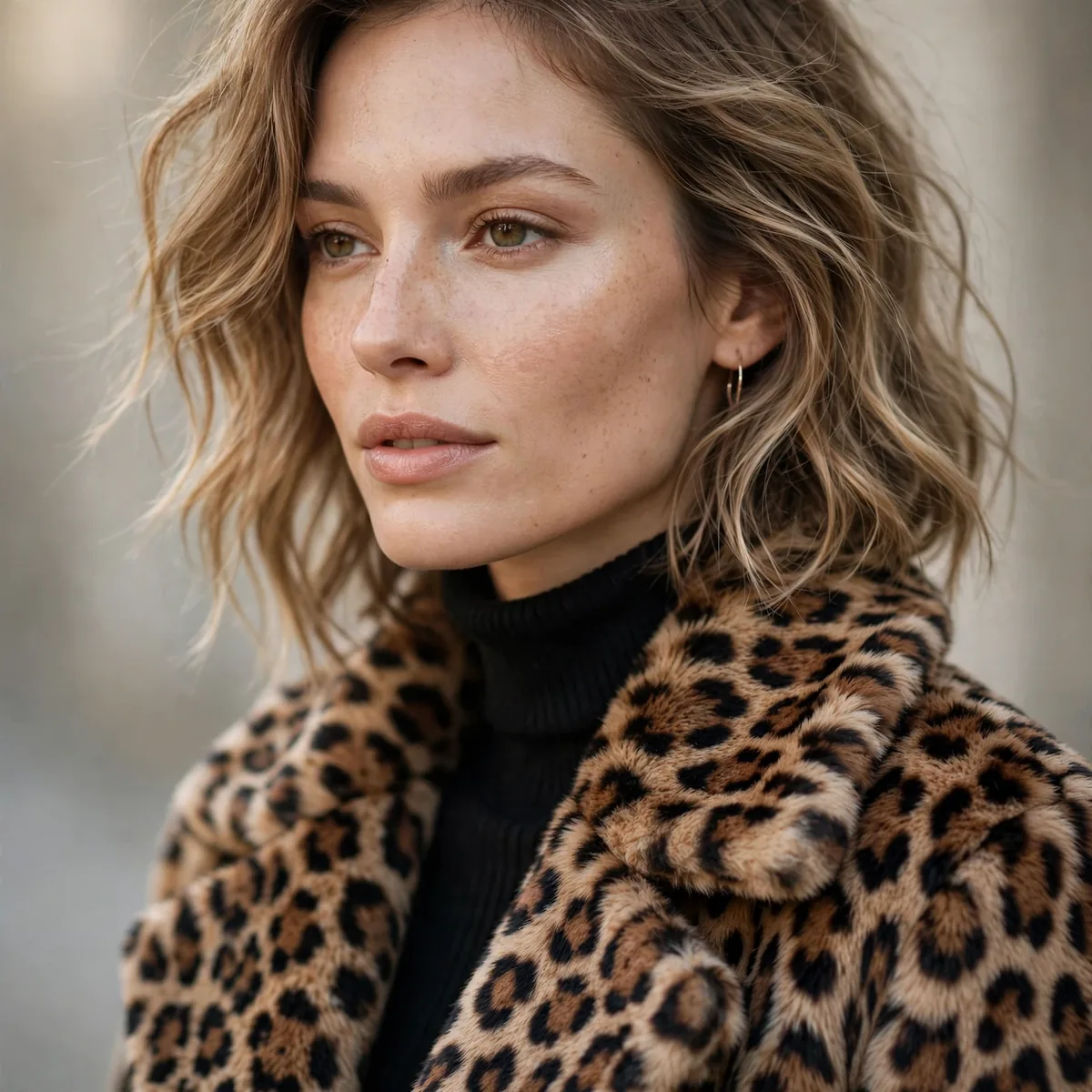
Leopard is a neutral, and a leopard coat is the ultimate personality piece. It goes with everything.
Keep the rest simple — the coat is doing plenty.
Not all leopard prints are equal — the expensive-looking ones have irregular rosettes with varied tones (think ochre, umber, and black) rather than perfectly stamped spots. Pair it with black denim and pointed flats for off-duty cool, or drape it over a slip dress for evenings. Because the print is loud, keep jewelry quiet: a single gold chain or simple studs is plenty.
Leopard coats age beautifully if you choose the right fabrication — a plush faux fur or heavy twill weave outlasts thin printed satins that look tired by spring. Store it away from direct sunlight so the print doesn't fade, and lint-roll before every wear. Surprisingly versatile across seasons: it sharpens spring's white jeans and gives summer evening dresses an edge when nights turn cool.
Pink Coat Energy
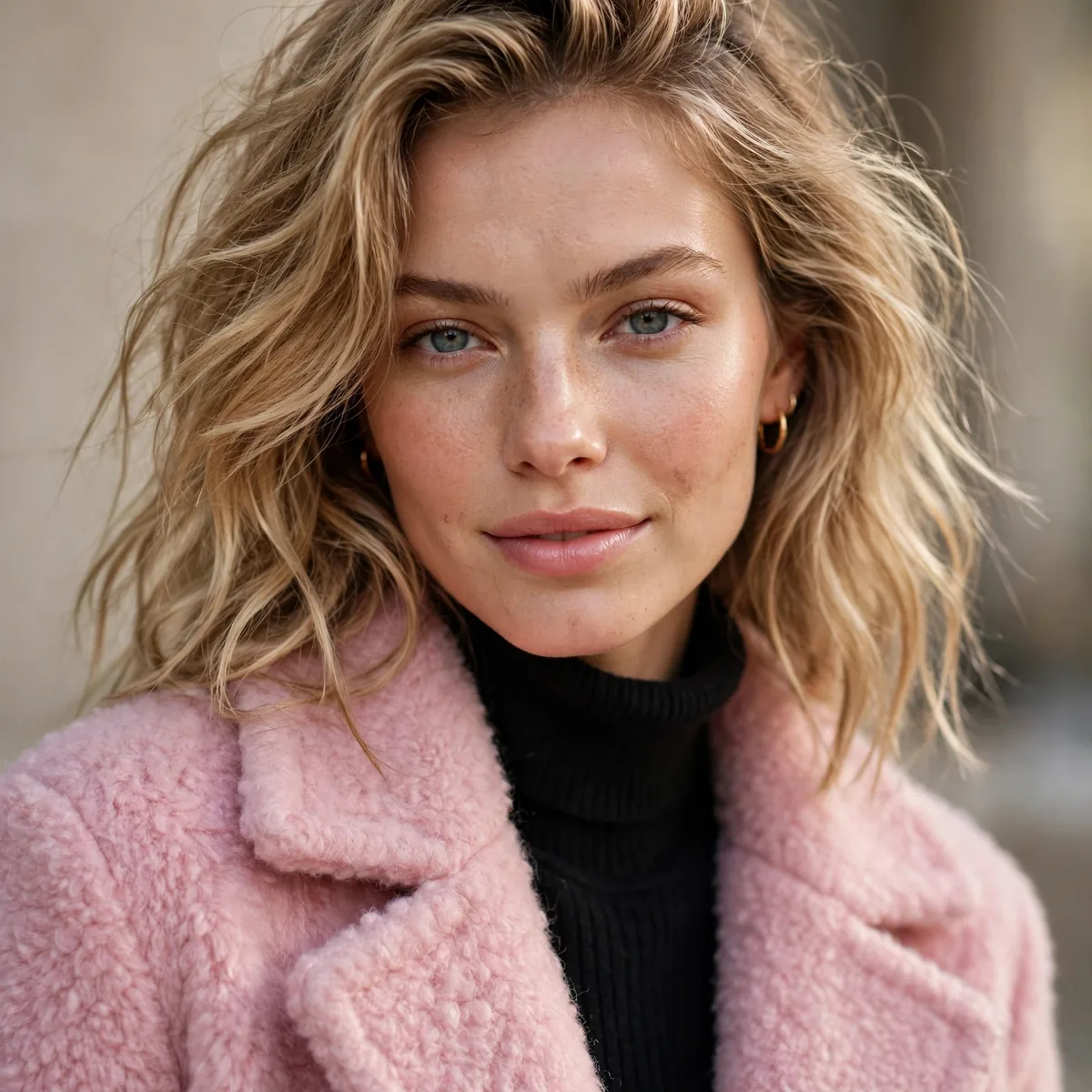
A pink coat — blush to fuchsia — is joyful winter dressing. It brightens you and everyone around you.
Blush pink is the most wearable; hot pink is the boldest.
Choosing the right pink matters more than the coat's cut. Blush and dusty rose flatter fair skin without washing it out; medium and olive complexions glow in true rose and berry pink; deeper skin tones carry fuchsia and magenta spectacularly. Try the coat in natural daylight — store lighting lies. A pink coat in a matte wool crepe reads sophisticated, while high-sheen fabrics tip toward costume.
Pair pink with gray, navy, or chocolate brown to ground the sweetness — the contrast keeps it modern rather than sugary. It works everywhere from school drop-off to gallery openings, and it photographs beautifully against winter's gray backdrops. For a budget version, hunt secondhand: pink coats cycle through thrift stores constantly because people buy them impulsively. A quick steam refreshes even a crumpled find.
The Belted Trench Coat
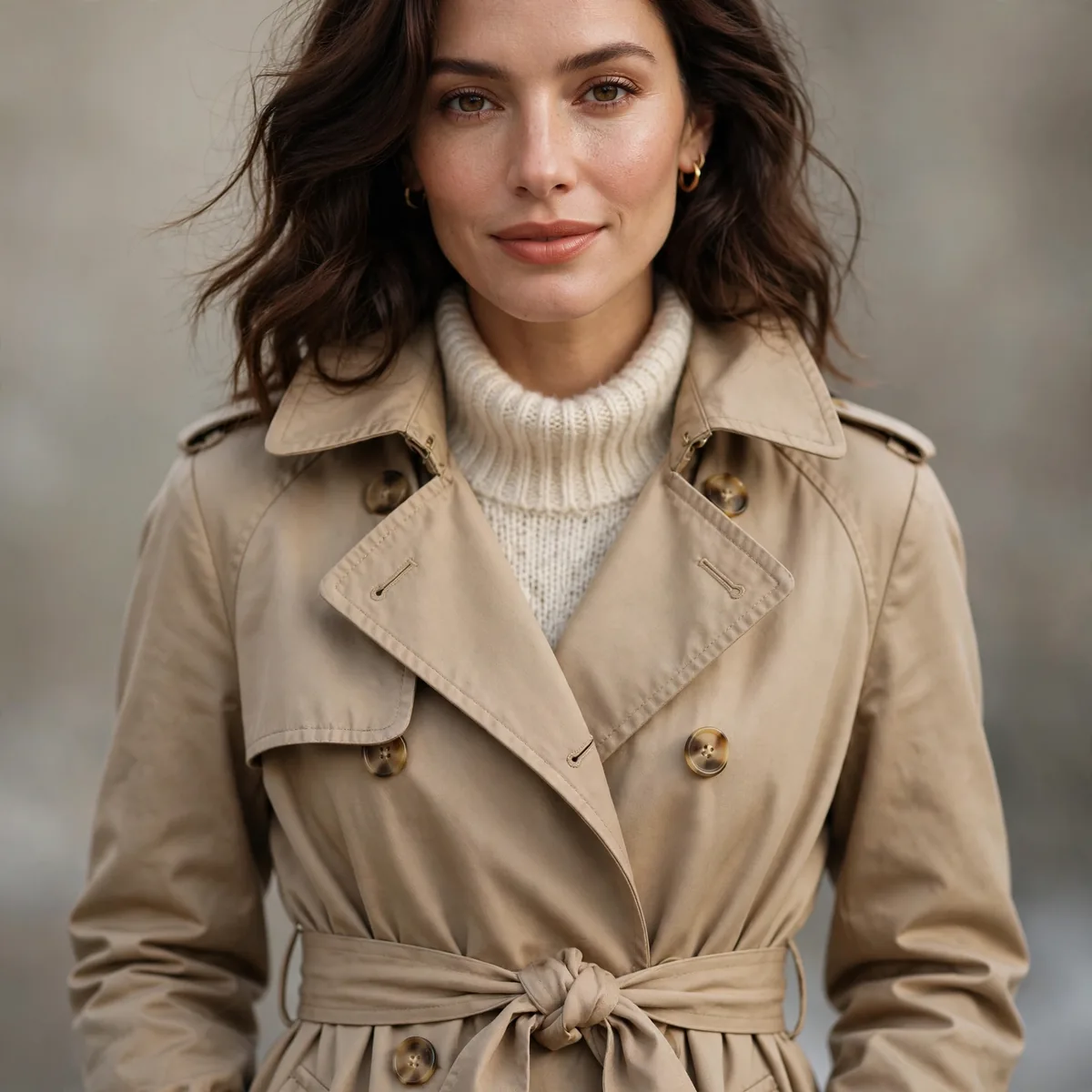
A classic trench belted over winter layers — timeless with a defined waist.
Layer a chunky knit underneath; the belt keeps the shape.
The belt is the whole point — tie it in a loose knot slightly off-center rather than a fussy bow for a modern feel. If the coat came beltless or the belt vanished, a wide leather belt in tan or black works beautifully and adds a custom touch. Check the shoulder line: raglan sleeves drape softly, while set-in sleeves look crisper. Either way, the coat should skim your frame, not pull at the buttons.
A trench earns its keep as a transitional hero — layer it over a turtleneck and blazer when the temperature hovers near freezing, or wear it open over a sweater in milder weeks. The classic gabardine weave sheds light rain, but reproof it with a fabric guard spray each season to keep the water beading. Epaulettes and storm flaps aren't just decoration; they signal the military heritage that makes the trench timeless.
Faux Fur Drama
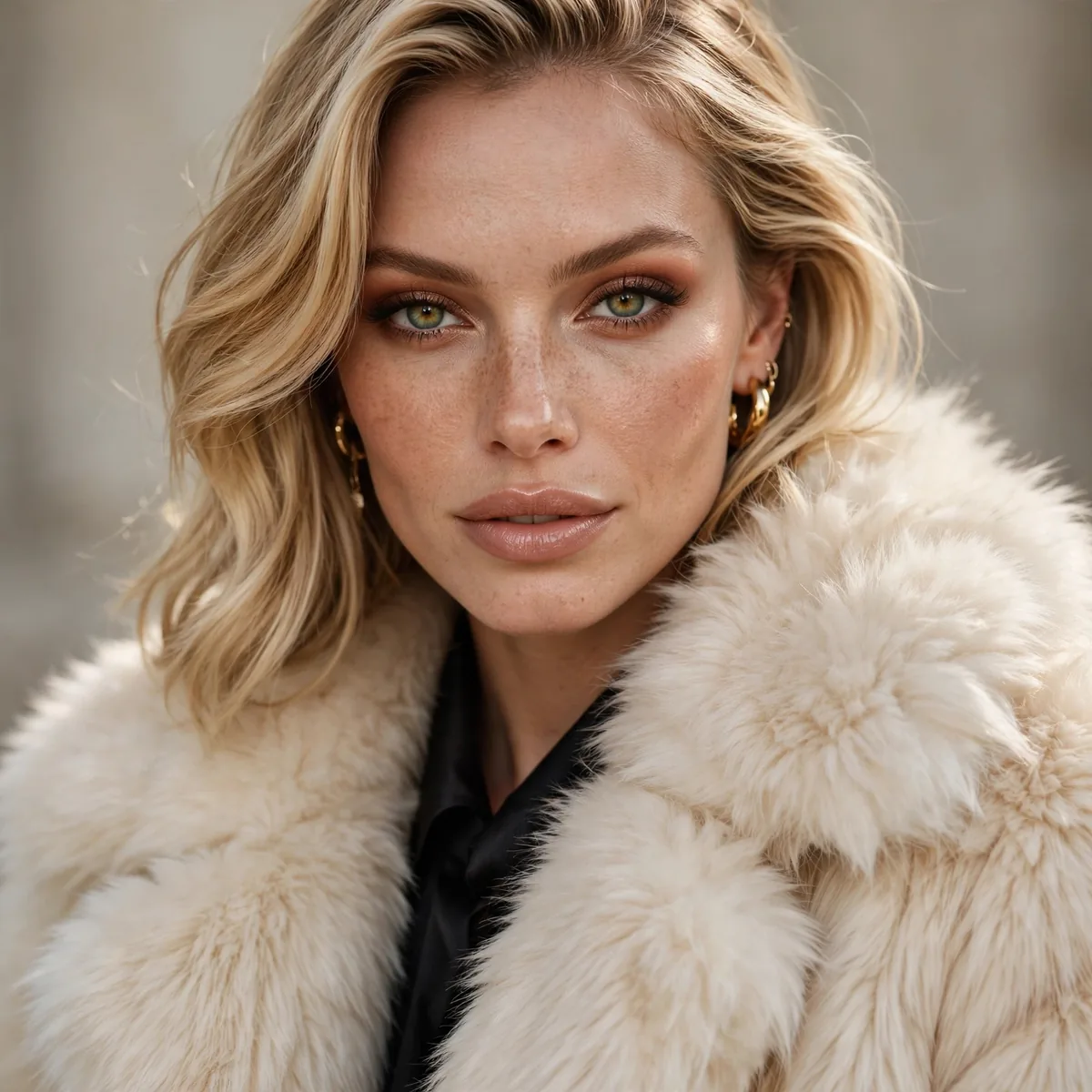
A faux fur coat is pure glamour — old Hollywood meets modern street style.
Keep the fur the single statement; simple base layers below.
Good faux fur has dense, varied-length fibers with darker roots — run your fingers against the grain; if you see the backing, walk away. A shaggy texture reads bohemian, while a smooth mink-style pile leans glamorous. Cropped faux fur jackets suit petite frames and pair with high-waisted everything; longline versions create that full old-Hollywood sweep. Avoid boxy cuts that add bulk at the hips.
Balance the volume with a sleek base — black turtleneck, straight-leg jeans, heeled boots — so the coat stays the star. Faux fur hates the dryer: shake it out after wear and spot-clean with a damp cloth, brushing the pile with a soft pet brush to restore loft. This is one statement where synthetic beats the budget argument too — a $120 faux fur photographs as luxuriously as coats costing ten times more.
The Check Coat
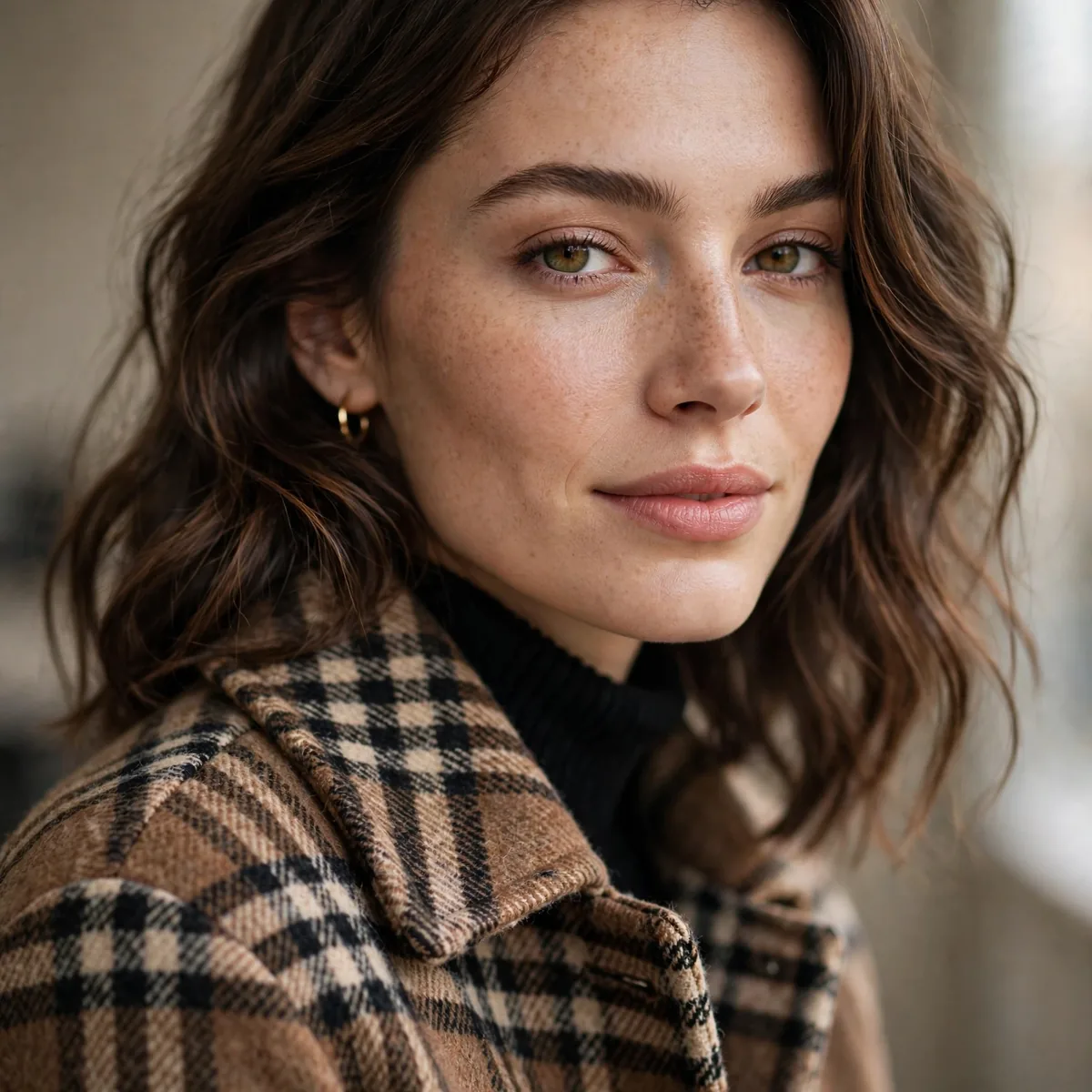
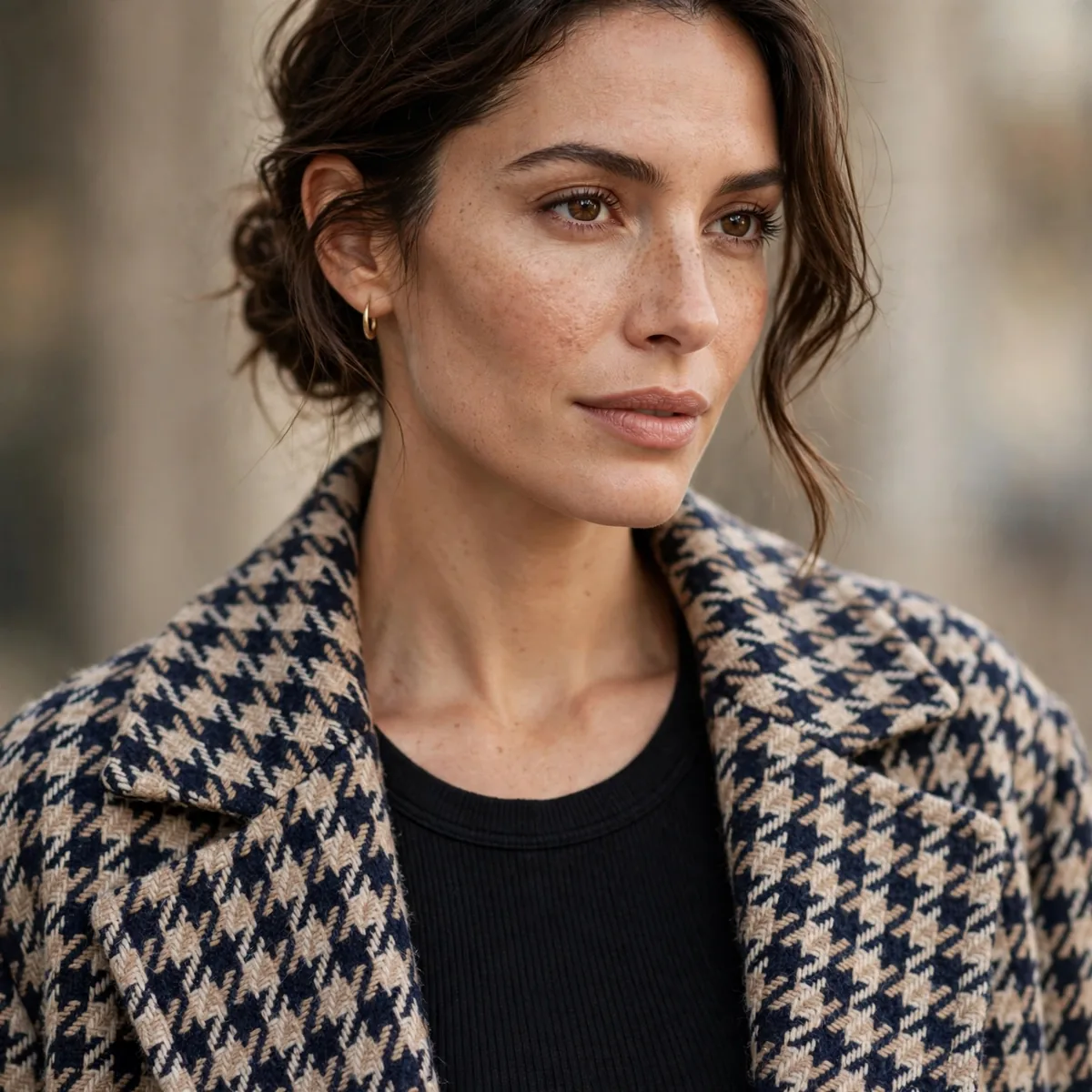
A bold check or plaid coat adds pattern to winter’s solid colors. Heritage and modern at once.
Large-scale checks make the biggest statement.
Pattern scale decides the vibe: oversized windowpane checks read modern and graphic, while classic tartans lean heritage. If you're petite, a smaller repeat keeps the coat from overwhelming you; taller frames can carry the boldest plaids. For colorways, brown-and-cream checks are the most versatile, but a red-and-navy tartan makes a bolder statement. Match the check's dominant tone to your scarf for a pulled-together finish.
Let the coat's pattern lead and keep everything else quiet — solid black or navy underneath, simple leather boots. A check coat doubles as a layering piece over blazers for the office or over chunky knits on weekends. Wool checks pill at friction points, so a fabric comb in your drawer keeps the elbows and sides looking crisp. Store on a sturdy hanger; the weight of a good wool check will stretch a flimsy one.
White Winter Coat

A white or cream coat in winter is striking — unexpected and incredibly chic.
Yes, it’s high-maintenance. That’s part of the luxury.
The wipeable wool blend mentioned in the tip is key — look for at least 50% wool with synthetic reinforcement, which resists stains better than pure cashmere. A structured, single-breasted cut hides marks better than a wrap style, and darker buttons draw the eye away from minor smudges. Carry a stain-remover pen in your bag; treating a coffee splash within minutes is the difference between a disaster and a non-event.
A white coat turns an ordinary jeans-and-sweater day into something editorial — it reflects light upward, which flatters the face in photos. Pair it with black accessories for graphic contrast or tonal creams for softness. Save it for dry days and indoor-heavy plans: gallery visits, holiday dinners, church services. One white coat, kept pristine, elevates your entire winter wardrobe for years.
The Puffer, Elevated
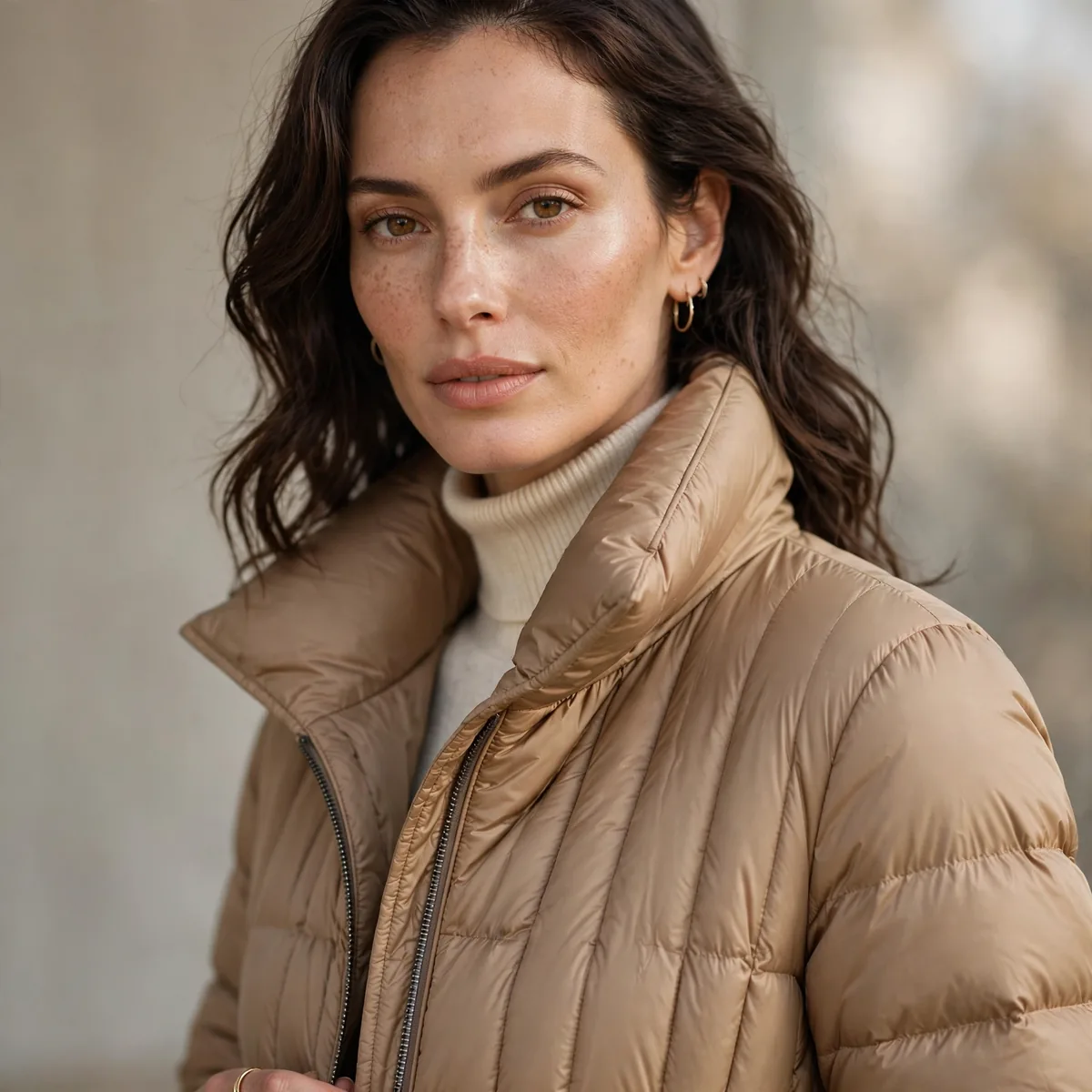
A long, sleek puffer in black or a rich color — warmth that still looks intentional.
Belted puffers define the waist; longline cuts look most elegant.
What elevates a puffer is construction: matte, tightly woven nylon looks expensive while shiny shells read sporty. Look for even baffle distribution — cold spots appear where down clumps — and a two-way zipper that lets you sit comfortably. Quilted chevron stitching slims the silhouette visually. For maximum warmth per ounce, check the fill power; 600 and up means serious insulation without the marshmallow effect.
A longline puffer works as a dress coat alternative — wear it over a midi dress and heeled boots and nobody misses the wool coat. Belt it for shape or leave it open to show the outfit beneath. Dark olive, navy, and espresso read more elevated than basic black. Wipe the shell with a damp cloth to remove salt stains; machine-wash only with down-specific detergent, then tumble dry with tennis balls to restore loft.
Cape Coat Romance
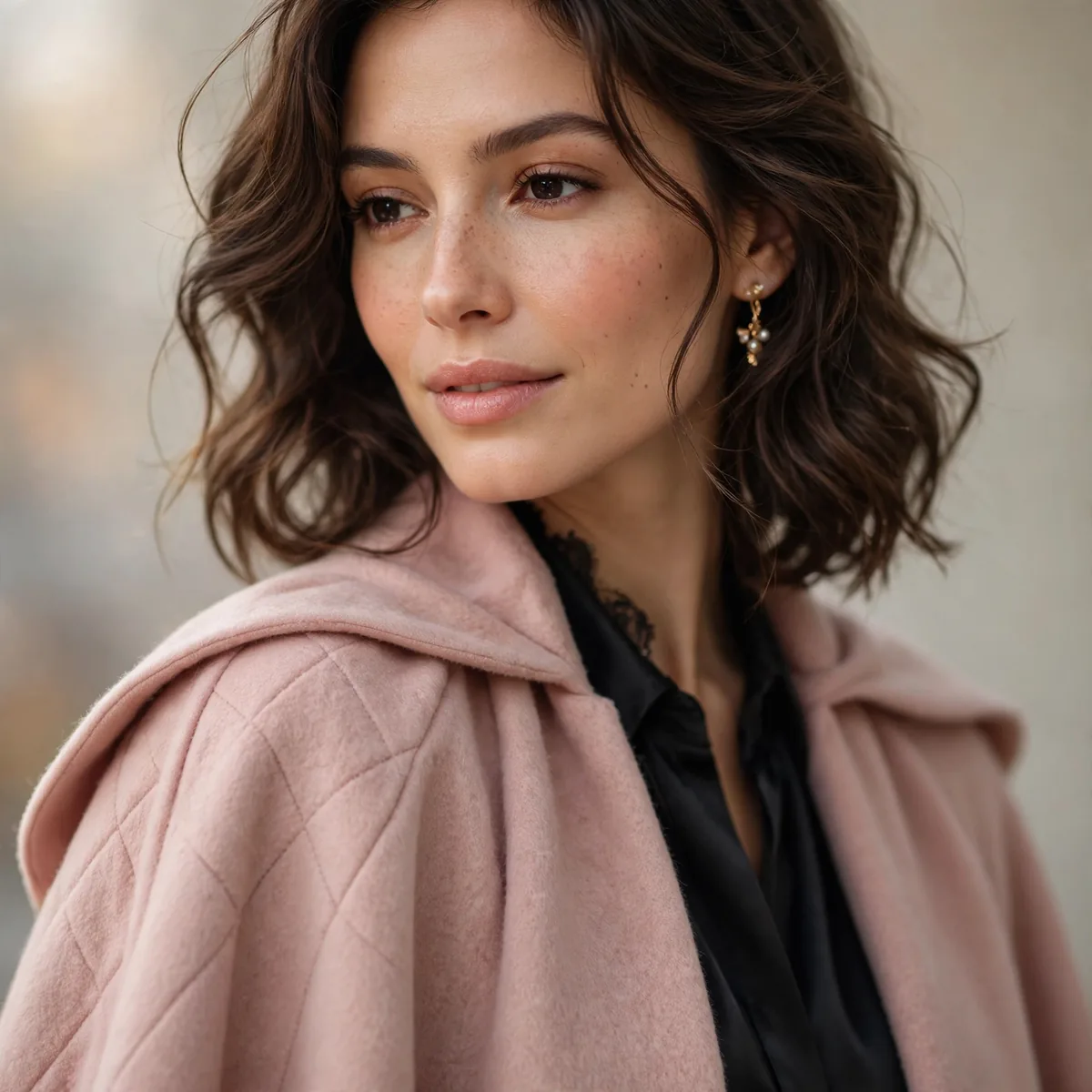
A cape coat is dramatic and romantic — the silhouette does all the work.
Keep arms slim below (fitted sleeves) since the cape adds volume.
Capes flatter more figures than you'd expect — the A-line drape skims the midsection while showing off slim legs below. Petite wearers should choose a hip-length cape to avoid being overwhelmed; longer capes suit taller frames beautifully. Look for arm slits positioned high enough to reach your bag or hold a coffee. A cape with a stand collar frames the face elegantly and blocks wind at the neck.
Style a cape over a fitted turtleneck and slim trousers — the contrast between the flowing top and narrow bottom is the whole look. It shines at occasions with a touch of ceremony: holiday concerts, winter weddings, festive dinners. A wool-blend cape layers surprisingly well over blazers, extending its season from late fall through early spring. Keep hemlines below the cape's edge for a clean, intentional line.
The Color-Block Coat
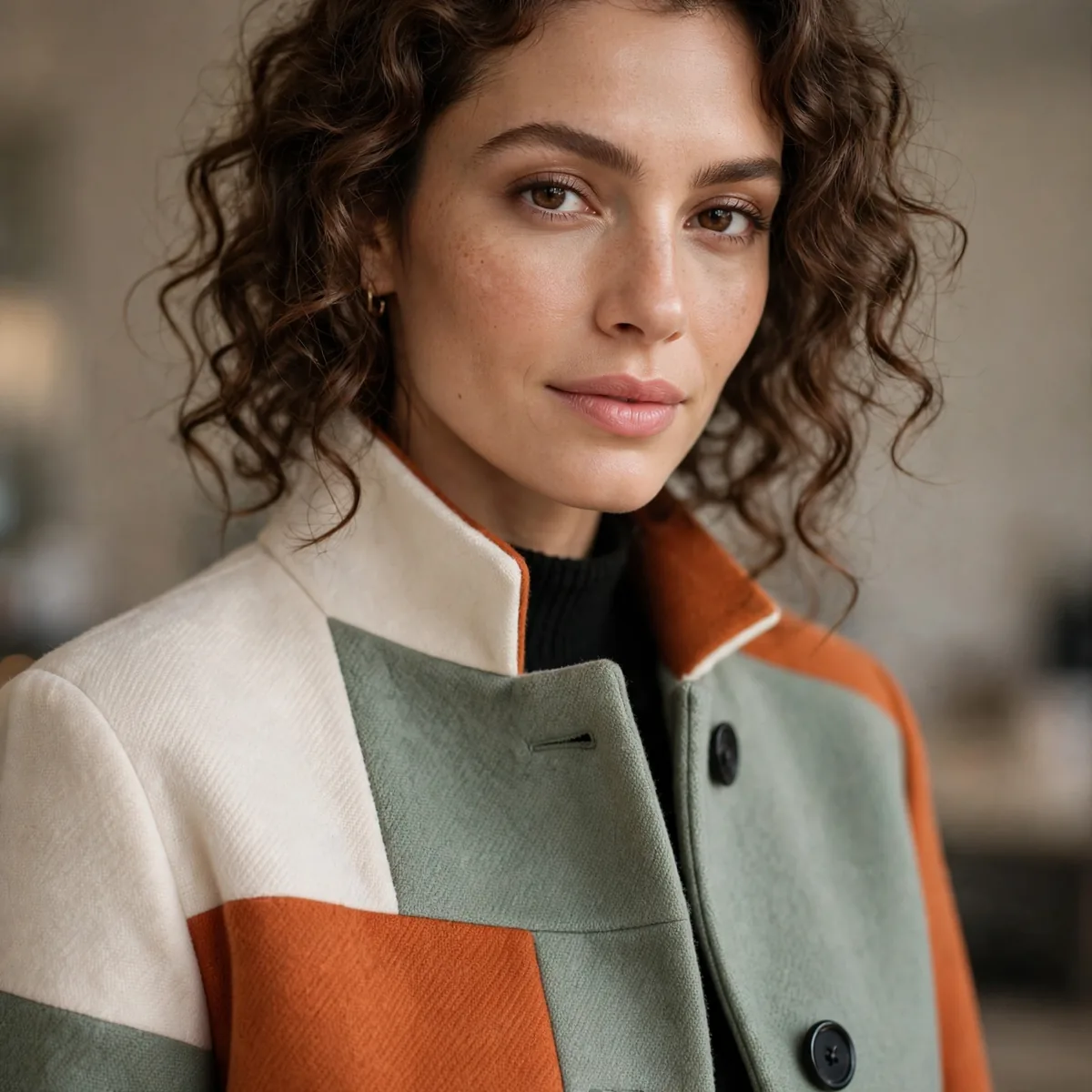
A coat with bold color-blocking is wearable art. Let it be the only pattern.
Simple black base lets the coat’s design shine.
Color-blocking can sculpt: darker panels along the sides create a slimming illusion, while a bold central panel draws the eye vertically. If you're new to the trend, choose a coat with just two tones — camel and black, say — before graduating to three-color designs. Check that the blocks align symmetrically at the center front; misaligned panels are the telltale sign of a cheap make.
Because the coat is the artwork, the base must disappear: black jeans, a black knit, black boots, done. One quiet accessory — a leather tote or simple watch — is all you need. Color-block coats date faster than solids, so treat this as a personality purchase rather than a decade investment; buy the best construction you can afford and enjoy it hard for several seasons. Photographs brilliantly for street-style shots.
Shearling Trim
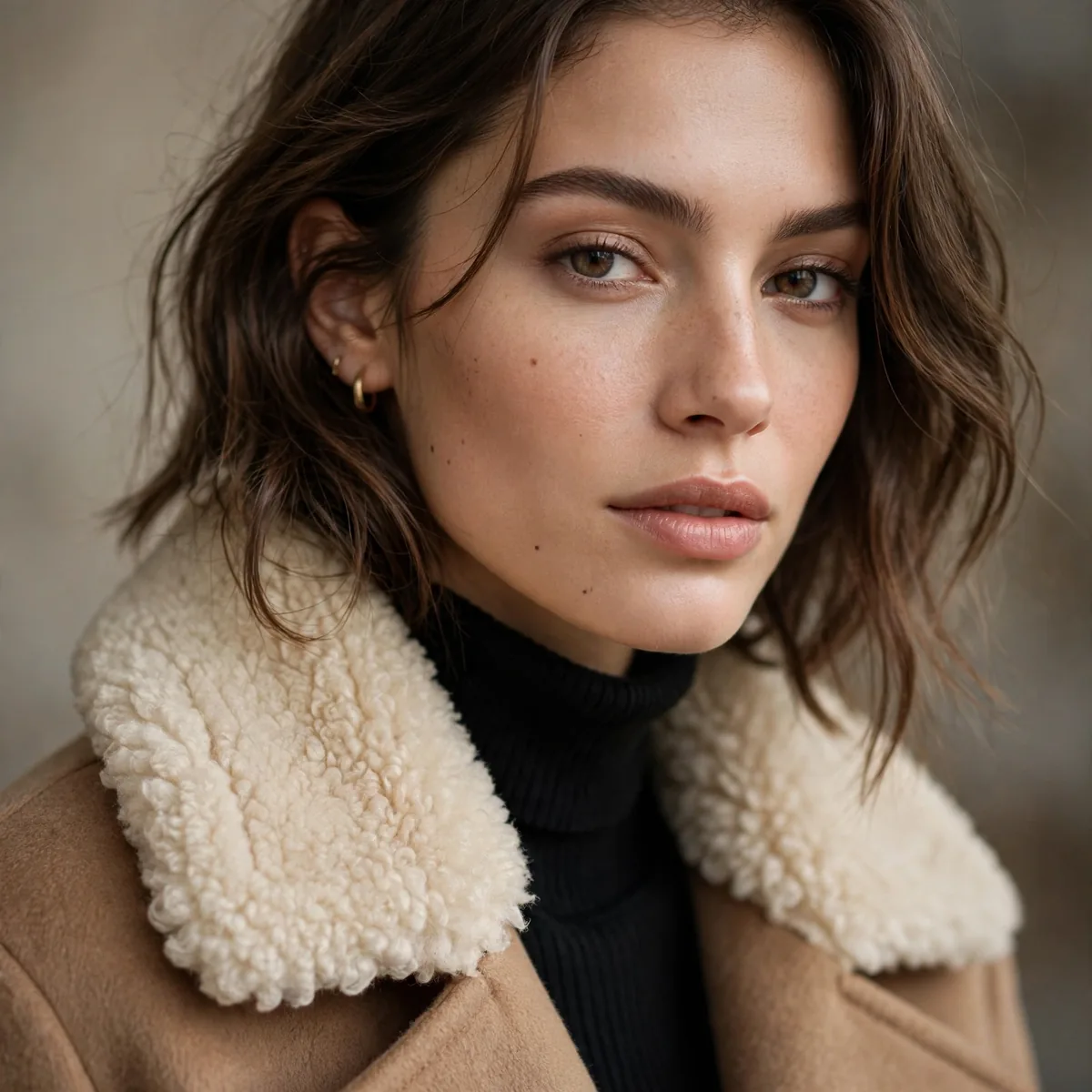
Shearling collars and cuffs add cozy luxury to any coat style.
The trim should look plush, not matted — quality matters here.
Shearling trim ranges from genuine sheepskin to high-pile faux — both look rich when the pile is dense and even. Placement matters: a shearling collar frames the face and reads classic aviator; trimmed cuffs and hems feel more bohemian. Keep the rest of the coat simple — shearling plus busy patterns fight each other. On petite frames, limit trim to the collar so the texture doesn't overwhelm.
Shearling trim loves denim and leather — the textures play beautifully together for an après-ski feel even in the city. Add suede ankle boots and a knit beanie to complete the story. Never machine-wash shearling; brush the pile with a stiff brush and let it air out between wears. Condition genuine shearling once a season to keep it supple; faux versions just need a lint roll and a cool, dry closet.
The Maxi Coat
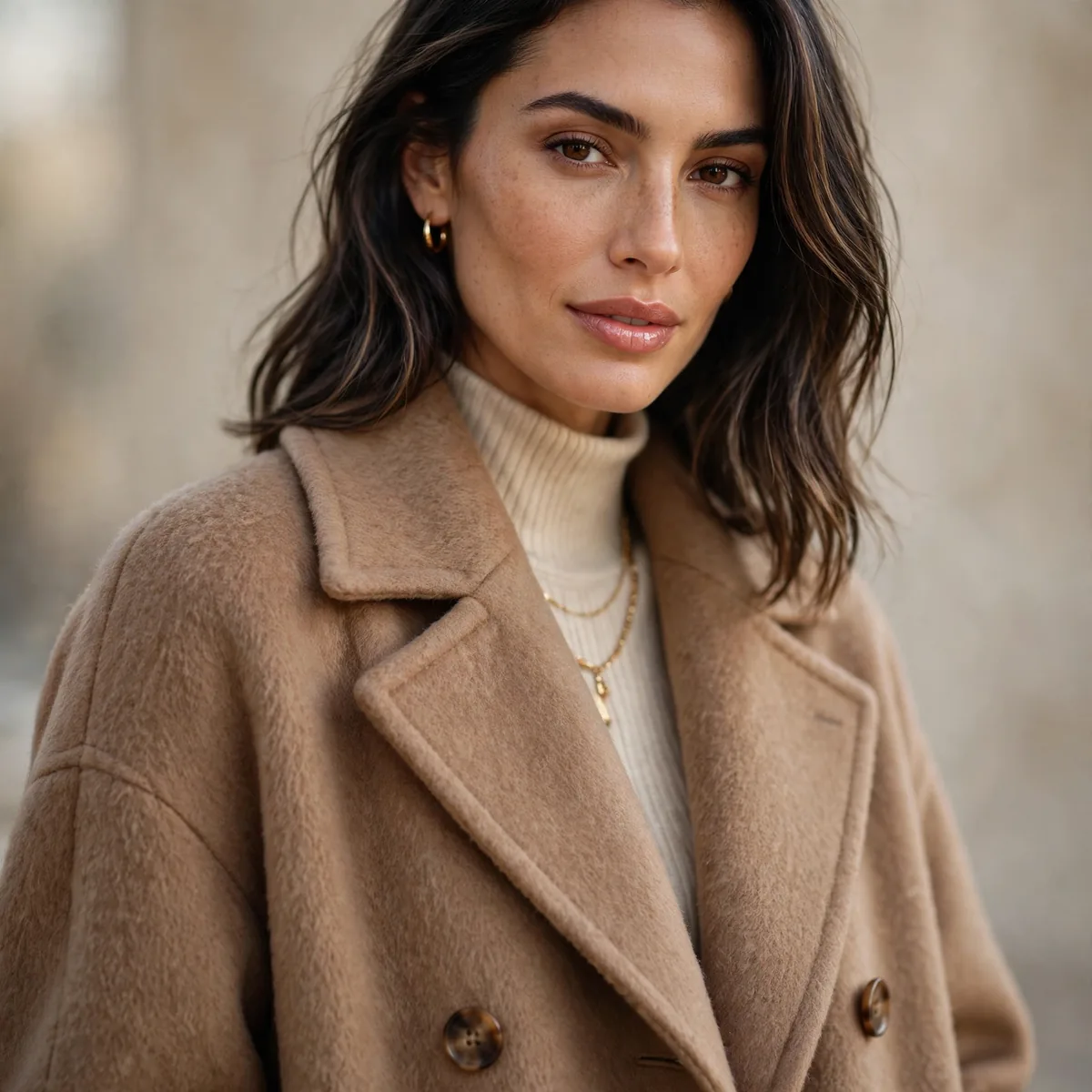
A floor-grazing wool coat is pure drama — especially on tall frames.
Our tall girl tips confirm: maxi coats were made for height.
The hem should graze the top of your shoes — pooling fabric collects street grime and looks sloppy. A single vent at the back is essential for walking; without it, you'll take tiny steps all day. Pair the length with visible shape up top: a belted waist or strong shoulder keeps the column from reading shapeless. Petite wearers can absolutely wear maxi coats — just choose a narrower cut and a hem that kisses the ankle.
A maxi coat turns even leggings and sneakers into a deliberate look — the drama does the heavy lifting. For evenings, let it sweep over a midi dress with heeled boots peeking beneath the hem. It suits occasions with presence: gallery openings, winter weddings, nice dinners. Dry clean at season's end and store it flat or on a padded hanger; a maxi's weight will crease badly on a thin wire hanger.
Green With Envy
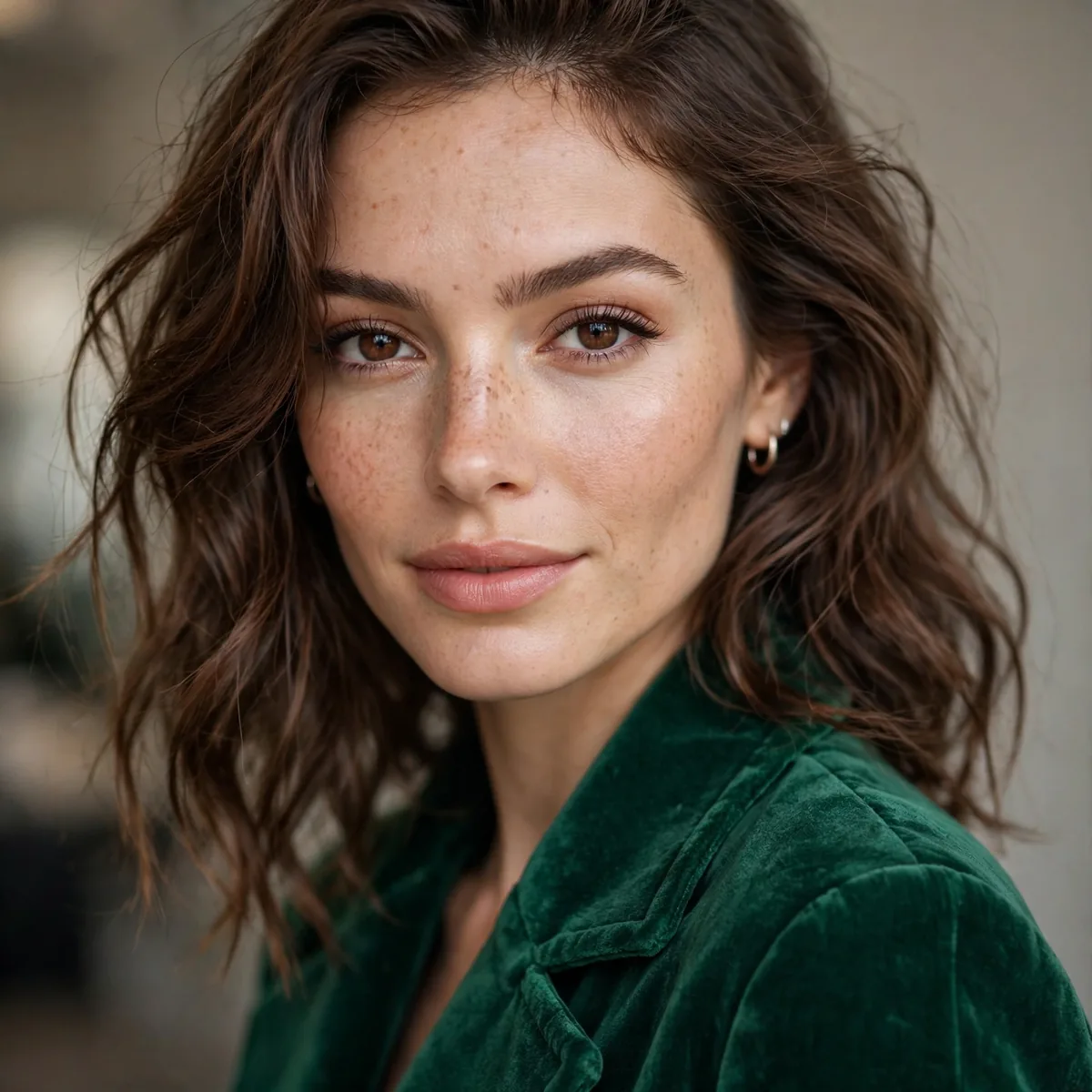
An emerald or forest green coat is rich, unexpected, and gorgeous against winter light.
Green flatters most skin tones — it’s a safer bold color than you’d think.
Emerald suits cool undertones and makes blue eyes pop; forest and olive greens flatter warm complexions beautifully. If you're unsure, hold the coat near your face in daylight — the right green brightens your skin, the wrong one casts shadows. A green coat in a textured weave like herringbone adds depth that flat fabrics lack. Gold hardware and buttons complement green far better than silver.
Green pairs unexpectedly well with burgundy, navy, and mustard — try a rust scarf for a rich autumnal combination. For a foolproof base, black and charcoal always work; cream and camel soften the look for daytime. A green coat photographs beautifully against snow and city lights alike, making it a strong choice for holiday events. Treat it as your signature piece and build the outfit around it.
Invest in the Base
The secret to statement coats: keep everything underneath simple and neutral.
Black jeans, gray sweater, black boots — the perfect canvas for any coat.
The ideal base layers are worth a small upgrade: a merino or cashmere-blend crewneck that holds its shape, black jeans with real structure (not jeggings), and ankle boots with a comfortable block heel. Fit still matters even when the coat covers everything — the sweater should skim, not billow, at the hem. These pieces also work coat-free in milder weather, doubling their cost per wear.
Here's the budget math: spend on the coat and boots (the visible architecture), save on the layers beneath. A $40 black sweater looks identical under a great coat as a $200 one. Build a three-base capsule — black, gray, cream — and every statement coat you own suddenly has a ready-made partner. This is also the minimalist's winter trick: fewer, better basics mean getting dressed takes minutes.
Make an entrance every day. Pin your favorites, and for more cold-weather polish see our casual Friday ideas layered for winter.