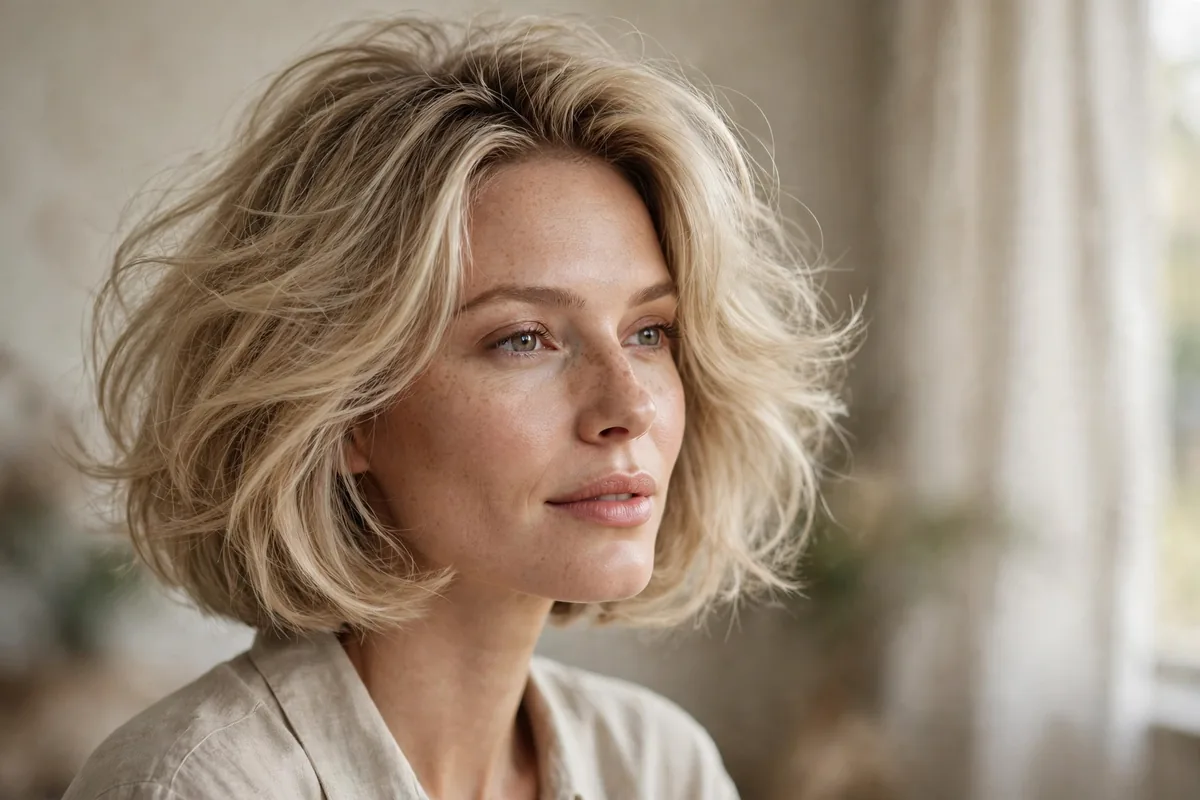
Face-framing layers are the closest thing hair has to contouring — they sculpt, slim, soften and highlight exactly where you want.
The principle is simple: layers around the face draw the eye, create lines and shadows, and flatter your specific features. But the placement matters enormously — what slims a round face can widen a square one.
This guide breaks face-framing layers down by face shape, so you can find the version engineered for your features. Not sure of your shape? Pull your hair back and trace your face in a mirror — the outline tells you everything.
Here are 18 face-framing layered cuts, organized to flatter every face shape.
Chin-Length Pieces for Round Faces
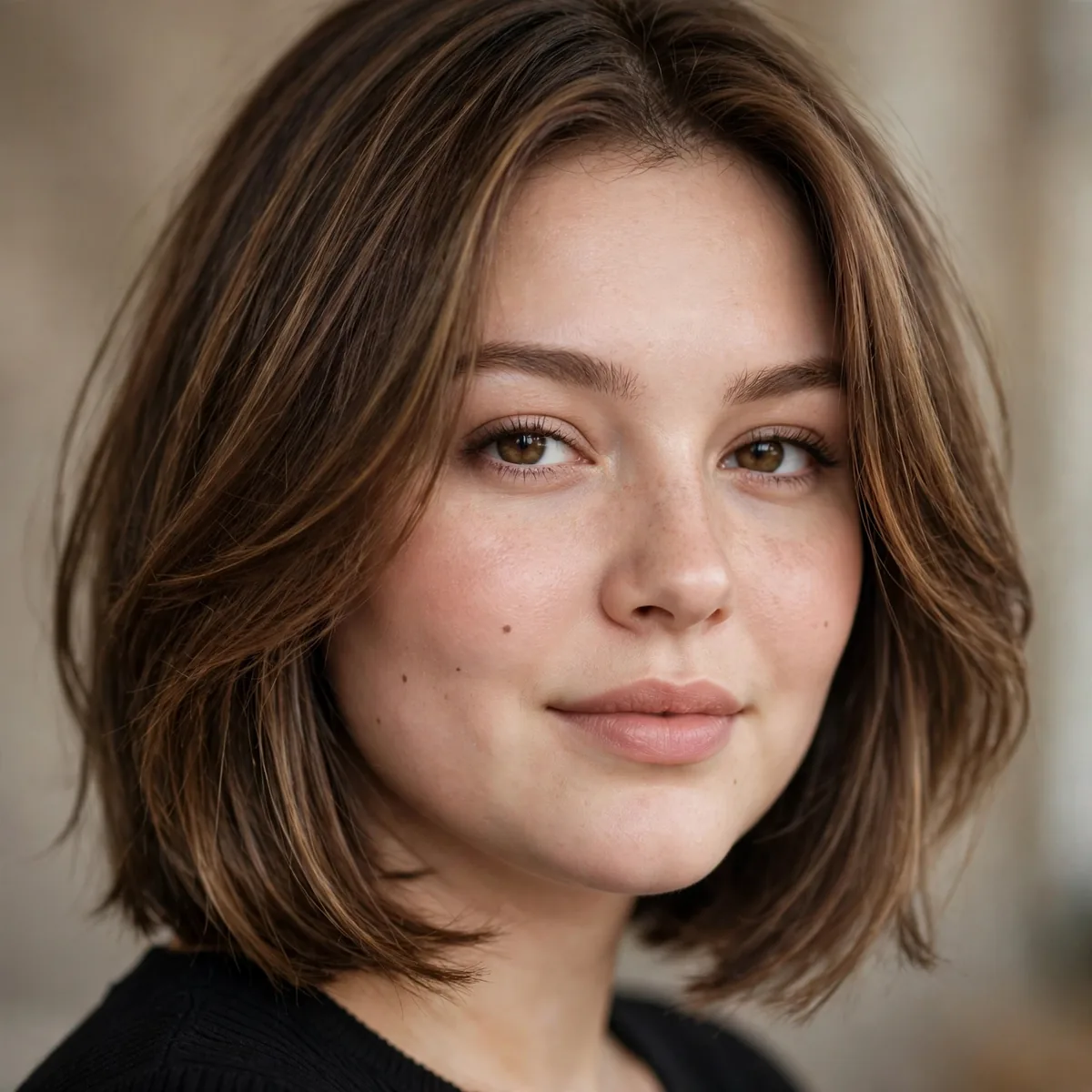
Layers that hit at or below the chin create vertical lines that elongate a round face. The length draws the eye downward, slimming the cheeks beautifully.
Avoid pieces that end at the cheek — they emphasize width. Chin-length or longer is the slimming sweet spot.
Full cheeks and a soft jawline are the round face's signatures — chin-length pieces counter both with vertical lines. Women with shorter necks also benefit, since the downward draw elongates. The pieces work on straight, wavy and curly textures alike. Keep the rest of the hair sleek at the sides; width at the ears plus round cheeks doubles the fullness you are trying to minimize.
Ask your stylist to cut the pieces slightly longer than chin when dry — shrinkage and bounce always steal length. Style them tucked behind the ears for evenings to reveal the jawline, or forward for daytime slimming. A center part maximizes the elongating effect. Refresh the pieces every six weeks; grown-out framing loses its precision quickly.
Cheekbone Pieces for Oval Faces
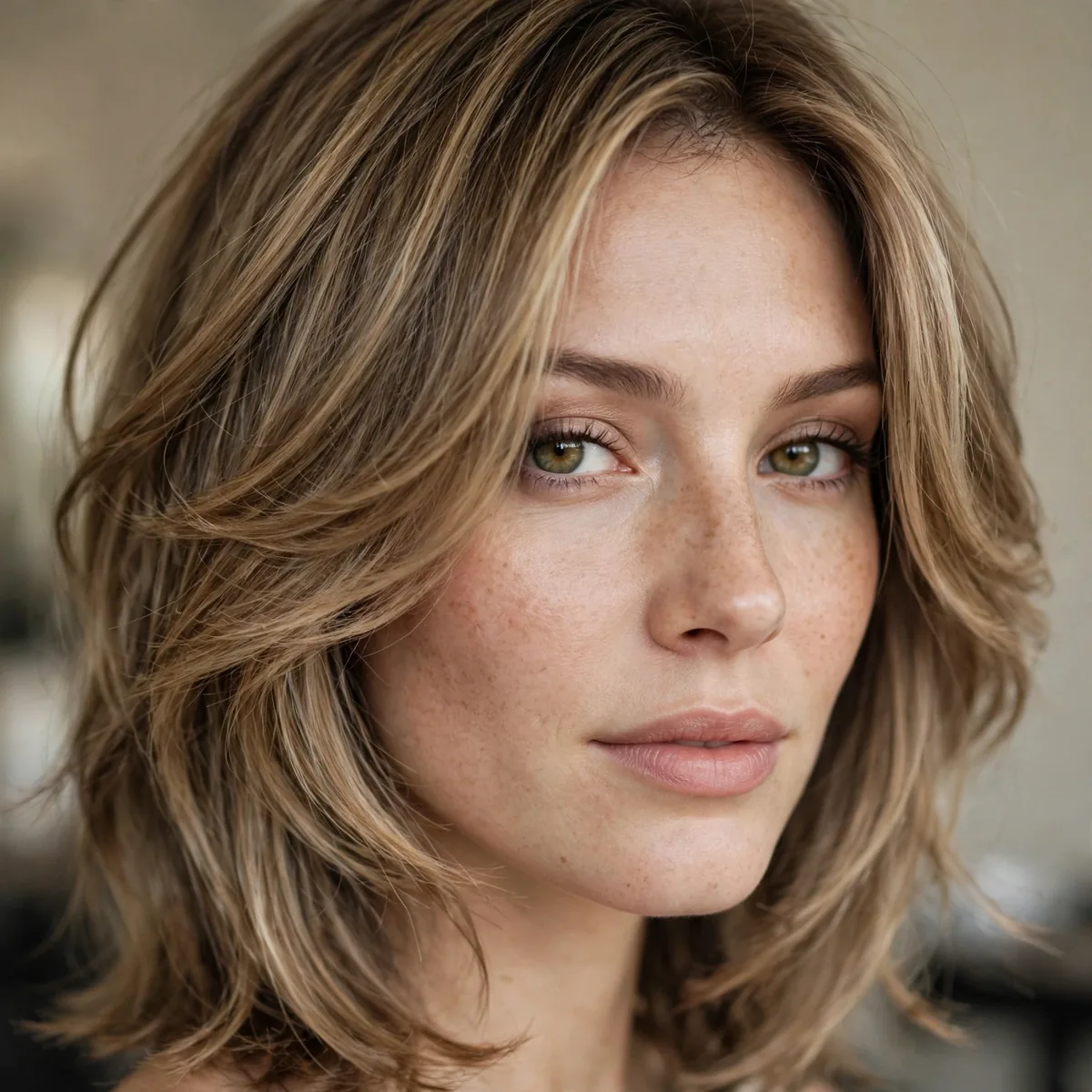
Oval faces can handle pieces at any length, but cheekbone-grazing layers are especially gorgeous — they highlight the cheekbones that oval faces do so well.
This is the most versatile face shape for framing; experiment freely. Shorter pieces add playfulness, longer ones add drama.
Oval faces hit the genetic lottery for framing — nothing is off-limits. Cheekbone pieces simply show off the bone structure this face shape is known for. They suit every texture, from pin-straight to coily. Playful personalities can go shorter and choppier; romantics should keep them soft and blended. The only real mistake is playing it too safe when your face can handle drama.
Style cheekbone pieces with a flick outward using a flat iron — the flip spotlights the cheekbones. For a softer take, curve them inward with a round brush. They grow out gracefully into longer layers, so trims stretch to eight weeks. Pair them with a bold lip; the framing draws every eye upward to your features.
Soft Jaw-Softening Layers for Square Faces
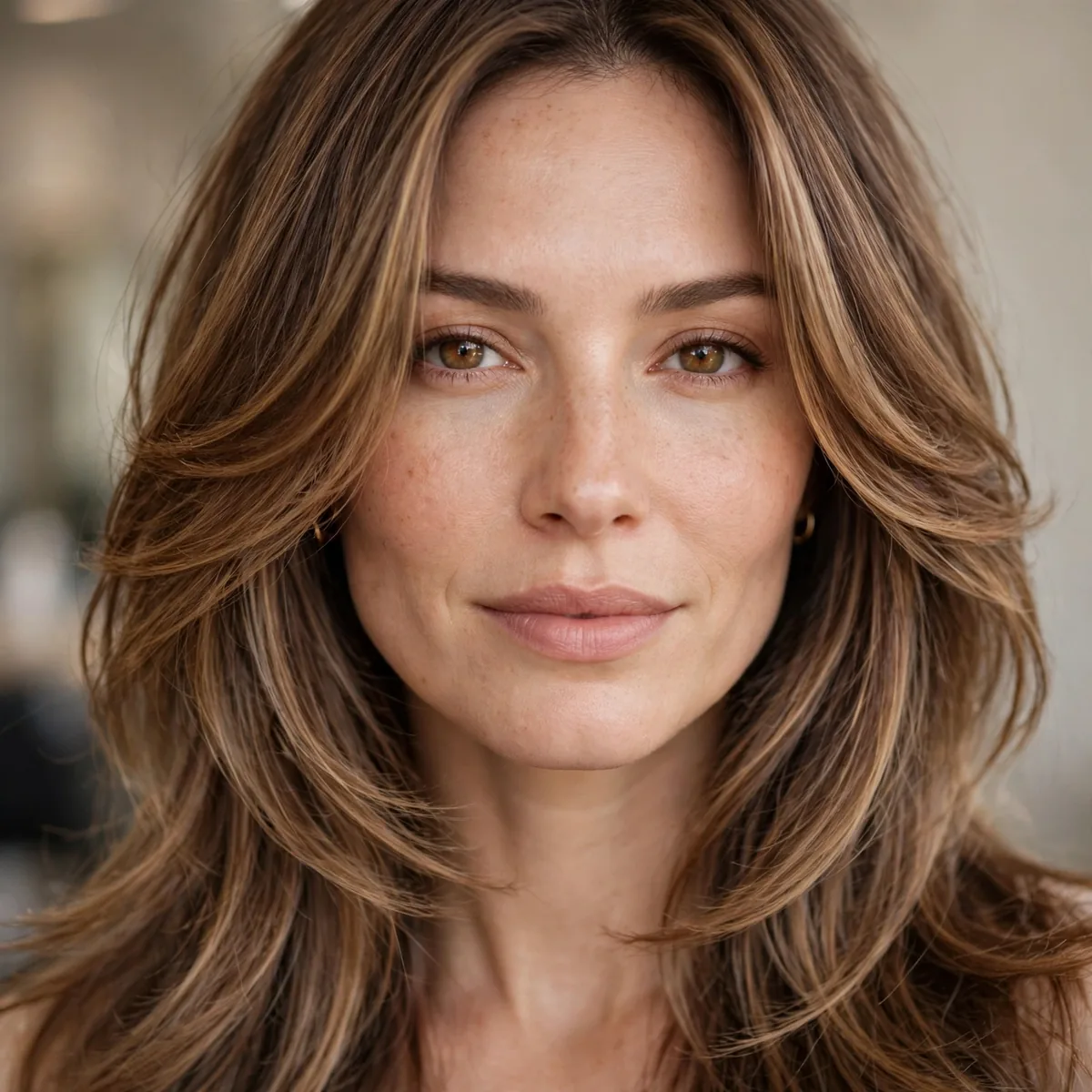
Wispy layers that fall around the jaw soften strong angles without hiding them. The softness contrasts beautifully with a defined jawline.
Avoid blunt, straight pieces that end exactly at the jaw — they emphasize squareness. Soft, textured ends are the goal.
Strong jawlines and broad foreheads define the square face — wispy layers reconcile both without hiding your bone structure. Women who love their angles but want softness will find the balance here. The texture works on straight and wavy hair; very curly hair achieves the effect naturally. Avoid tucking the layers behind your ears, which re-exposes the exact angles you are softening.
Diffuse wavy layers with a curl cream for the softest finish. On straight hair, a large-barrel iron creates loose bends that never look stiff. Trim every seven weeks to keep the wisps deliberate rather than straggly. For evenings, sweep the layers forward over the jaw — the curtain of softness photographs beautifully.
Chin-Covering Pieces for Heart Faces
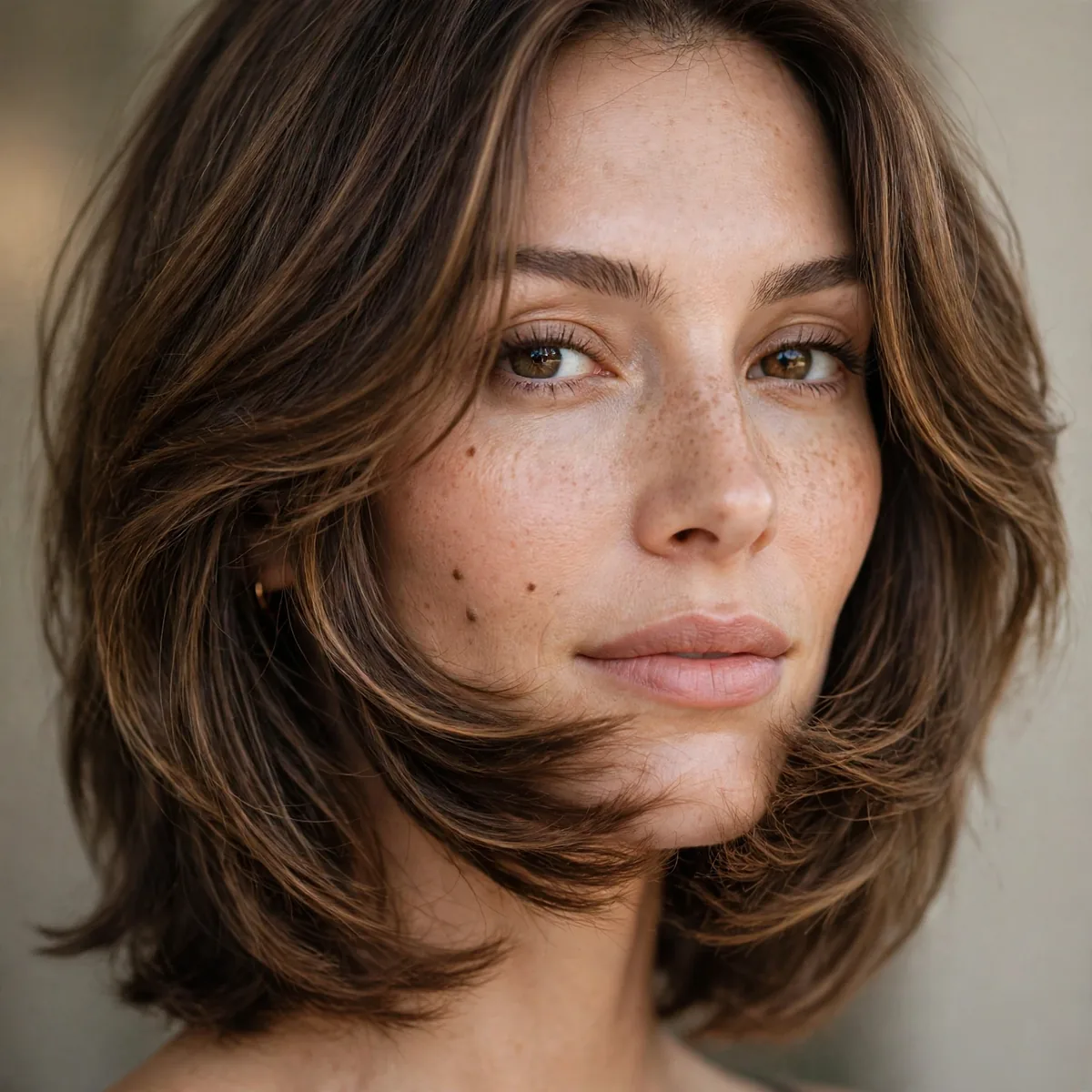
Heart faces are wider at the forehead and narrower at the chin — pieces that add fullness around the chin balance the proportions. Think volume where you are narrowest.
Layers that kick out slightly at the chin create the width a heart face needs below. A little flip at the ends does it.
A wider forehead tapering to a narrow chin marks the heart face — fullness at the chin restores the balance. Women with delicate chins find the added width incredibly flattering. The kicked-out ends work on straight to wavy textures; curly hair gets the volume naturally. This framing also minimizes a pointed chin, which many heart-faced women prefer to soften.
Flip the ends outward with a round brush or flat iron — the outward kick is the entire technique. A light mousse on damp ends helps the flip hold all day. Trim every six to eight weeks to maintain the chin-grazing length. For extra fullness, tease the pieces lightly at the chin before smoothing the surface.
Long Face-Framing Layers

Collarbone-grazing pieces that blend into long hair — the classic, foolproof face frame. Long enough to be versatile, short enough to make an impact.
Best for long and oval faces that can handle the extra length around the face. They pull back beautifully into ponytails too.
Long and oval faces carry extra length around the face without looking weighed down — the proportions simply work. Women who wear ponytails daily will love how the pieces soften the pulled-back look. The layers suit every texture, though straight hair shows the blend most cleanly. They also grow out into the rest of the hair seamlessly, making this the most forgiving frame to try.
Blow-dry the pieces forward over the face, then sweep them back — the motion creates natural-looking bend. For heatless waves, braid the damp front pieces loosely overnight. Trim every eight to ten weeks; the length is forgiving. In updos, leave the pieces out entirely for that romantic, face-softening effect every time.
The Money Piece Frame
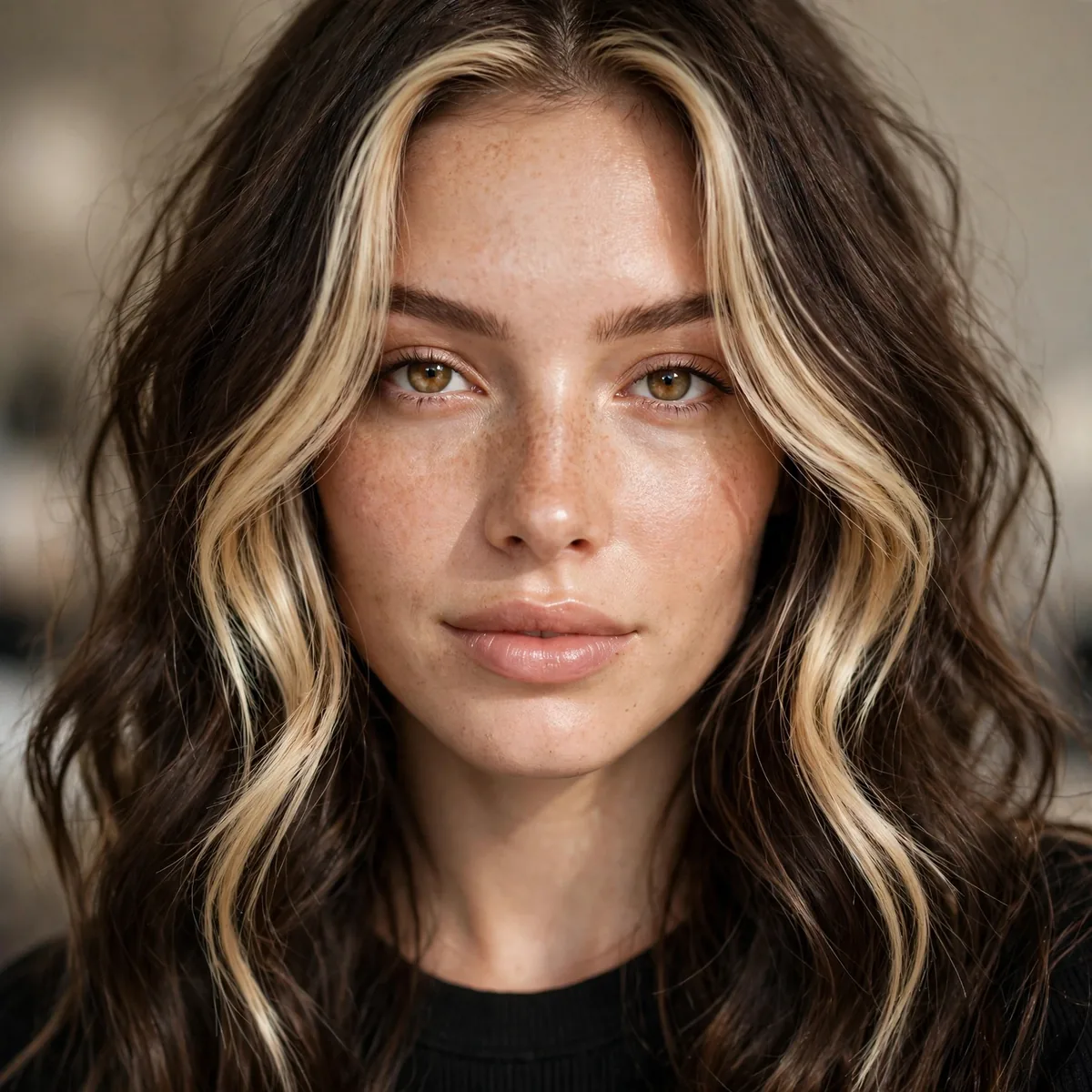
Lighter pieces right around the face — color doing the framing work. The brightness draws attention to your features and brightens the complexion instantly.
Best combined with layered cuts so the color follows the shape. For the full technique, our money piece guide breaks it down.
Warm skin tones glow with golden and honey money pieces; cool tones shine with ash and platinum ribbons. The brightness flatters every face shape because light around the face is universally kind. Women hesitant about full color get maximum impact from minimal foils. It also grows out softer than traditional highlights, since the placement follows the natural fall of the hair.
Maintain the brightness with purple shampoo every third wash to fight brassiness. A gloss every six weeks keeps the pieces luminous. Touch-ups stretch to twelve weeks because the regrowth looks intentional. Always use heat protectant on the lightened pieces — they are more fragile than the rest of your hair and show damage first.
Curtain Bangs Frame
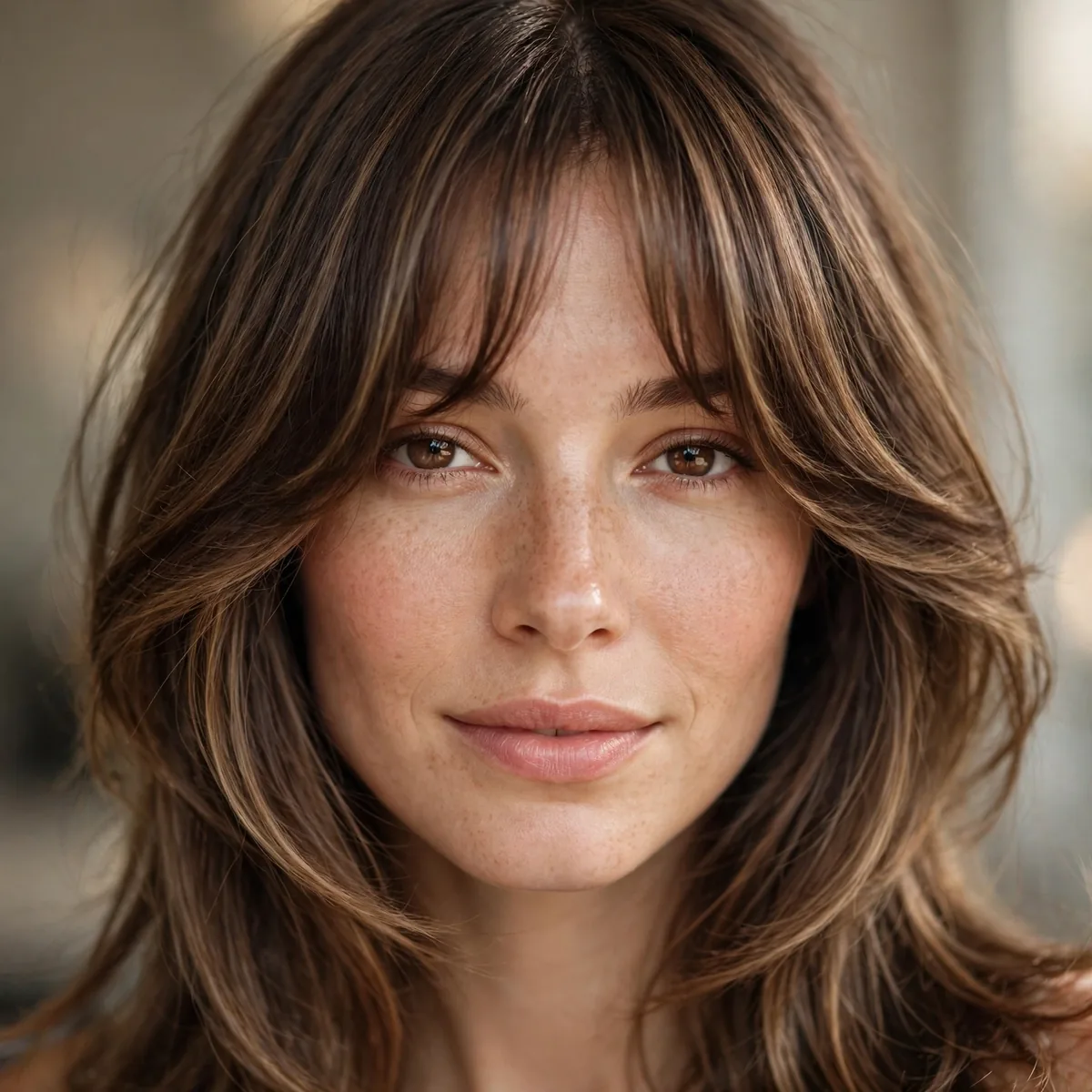
The parted fringe that frames both sides of the face — curtain bangs are face-framing at its most iconic. They soften the forehead and spotlight the eyes.
Best for oval, long and heart faces. Our curtain bang guide covers them at every length.
Oval, long and heart faces are the natural audience — the parted fringe balances each beautifully. Women with high foreheads get coverage without the heaviness of blunt bangs. The fringe suits straight to wavy textures; very curly hair needs extra length to account for shrinkage. It flatters at every age, from teens to sixties, which explains its permanent popularity.
Blow-dry each side away from the center part with a round brush for the signature sweep. Velcro rollers set the bend heatlessly while you do makeup. Trim every four to five weeks — curtain bangs lose their shape fast. On second days, revive them with dry shampoo at the roots and a quick brush-through.
Wispy Tendrils Frame
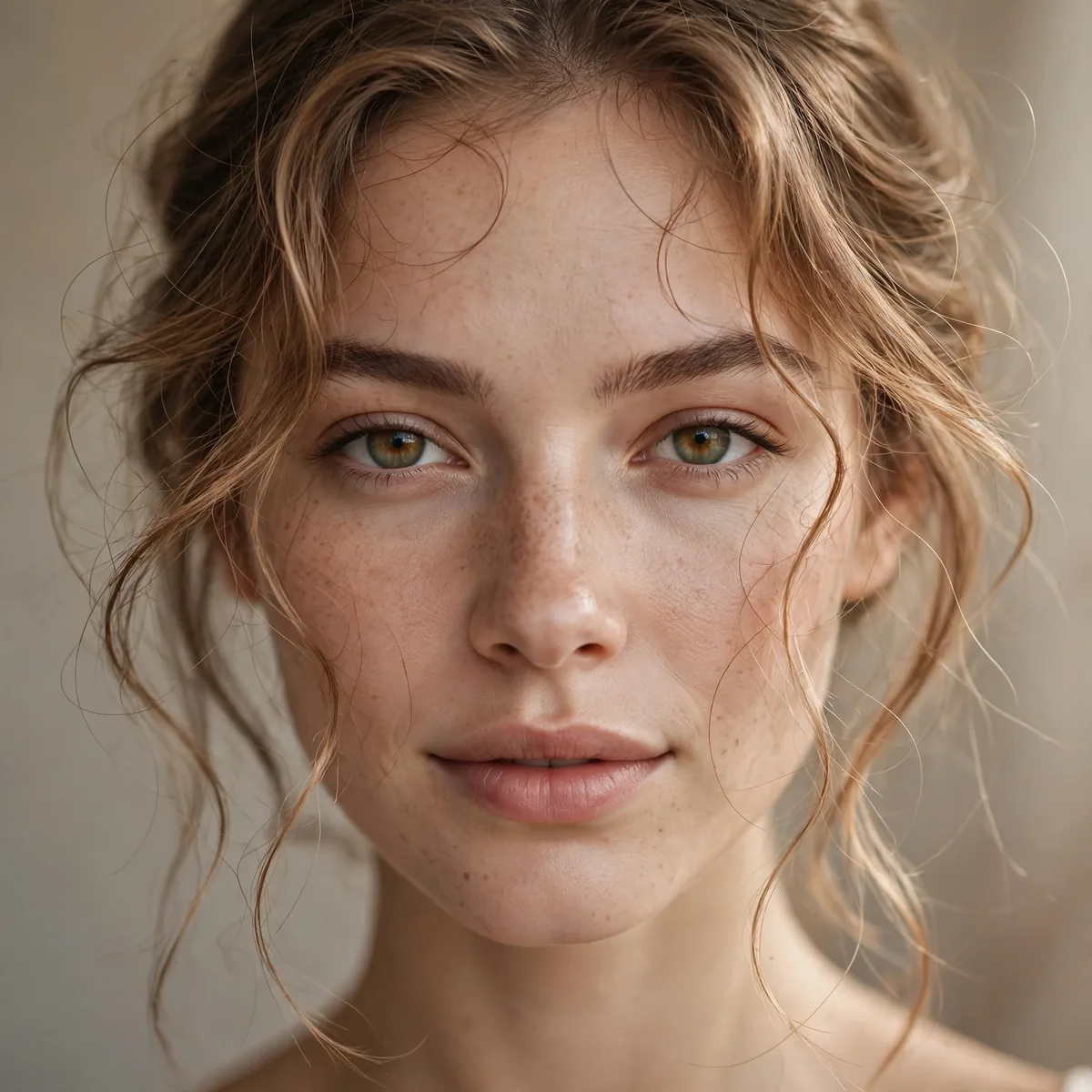
Fine, wispy pieces left out around the face — softness incarnate. Tendrils romanticize any haircut, from sleek buns to textured lobs.
Best for updos and ponytails where the tendrils soften the pulled-back look. Keep them thin; thick tendrils read as bangs.
Updo wearers — brides, dancers, professionals — get the most from tendrils, which soften every pulled-back style. Oval and heart faces suit the wispy softness particularly well. The tendrils flatter all textures, though fine hair creates the most delicate effect. Women who find full bangs too committed get the romance with zero regrets. Keep them genuinely wispy; thickness turns tendrils into accidental bangs.
Cut tendrils on dry, styled hair so the length lands exactly right. Curl them loosely away from the face with a small iron for special occasions. They need reshaping every five weeks or they grow into stringy strands. A tiny amount of pomade on the ends keeps them piece-y instead of frizzy.
The 90s Supermodel Frame
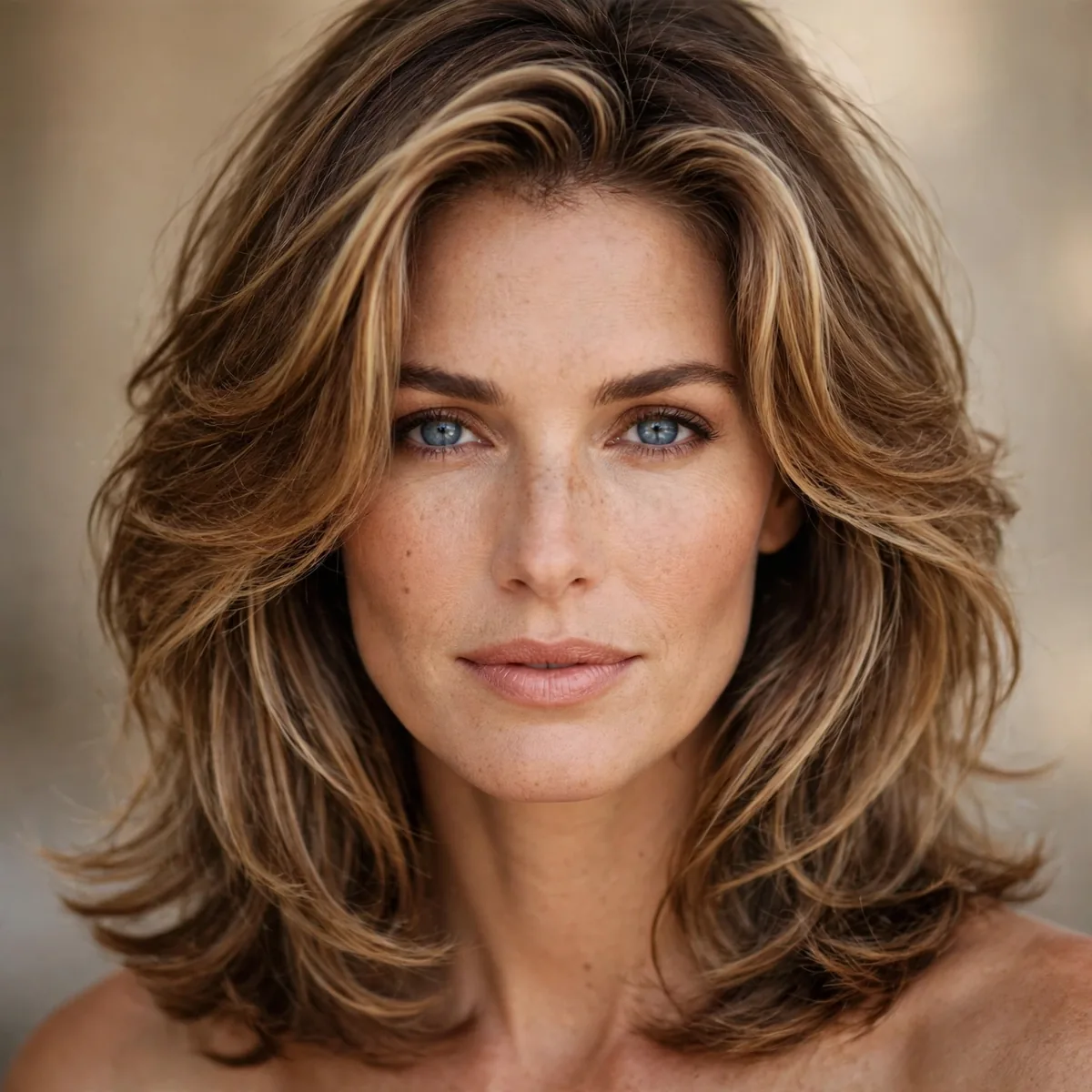
Bouncy, voluminous layers that flip away from the face — the iconic 90s frame is back and as flattering as ever. Big, bouncy and unapologetic.
A round brush is essential for the flipped finish. The volume around the face is what makes this frame so glamorous.
Thick, voluminous hair is essential — fine hair cannot fake the supermodel bounce. Oval and heart faces glow under the face-framing volume. Women who love glamour and do not mind maintenance will thrive. The style photographs with unbeatable drama, which is why it dominates red carpets. It suits evenings and events more than gym sessions; embrace the occasion dressing.
A large round brush is non-negotiable — the flipped-away finish depends on it. Work in small sections, rolling each away from the face. Hot rollers on the front sections add extra lift. Finish with a flexible hairspray; the bounce should move, not stand still. Refresh the layers every six weeks to keep the flip crisp.
Short Shaggy Frame

Choppy, piece-y pieces around the face on a short cut — edge meets flattery. The texture keeps it modern while the placement flatters.
Best for oval and heart faces. The short frame draws attention to the eyes and cheekbones.
Oval and heart faces carry short shaggy frames best — the texture spotlights eyes and cheekbones. Women with fine to medium hair get the most piece-y definition. The edge suits creative personalities and anyone bored with polished looks. It flatters younger faces particularly, though confident older women wear it brilliantly. The cut says you have opinions, and that is entirely the point.
Scrunch texturizing spray into damp pieces and let them air-dry for maximum edge. A tiny flat-iron flick on individual pieces adds deliberate separation. Trim every six weeks; shaggy grows shapeless fast. For tamer days, smooth the pieces with pomade — the same cut reads polished with entirely different styling choices.
Asymmetrical Face Frame
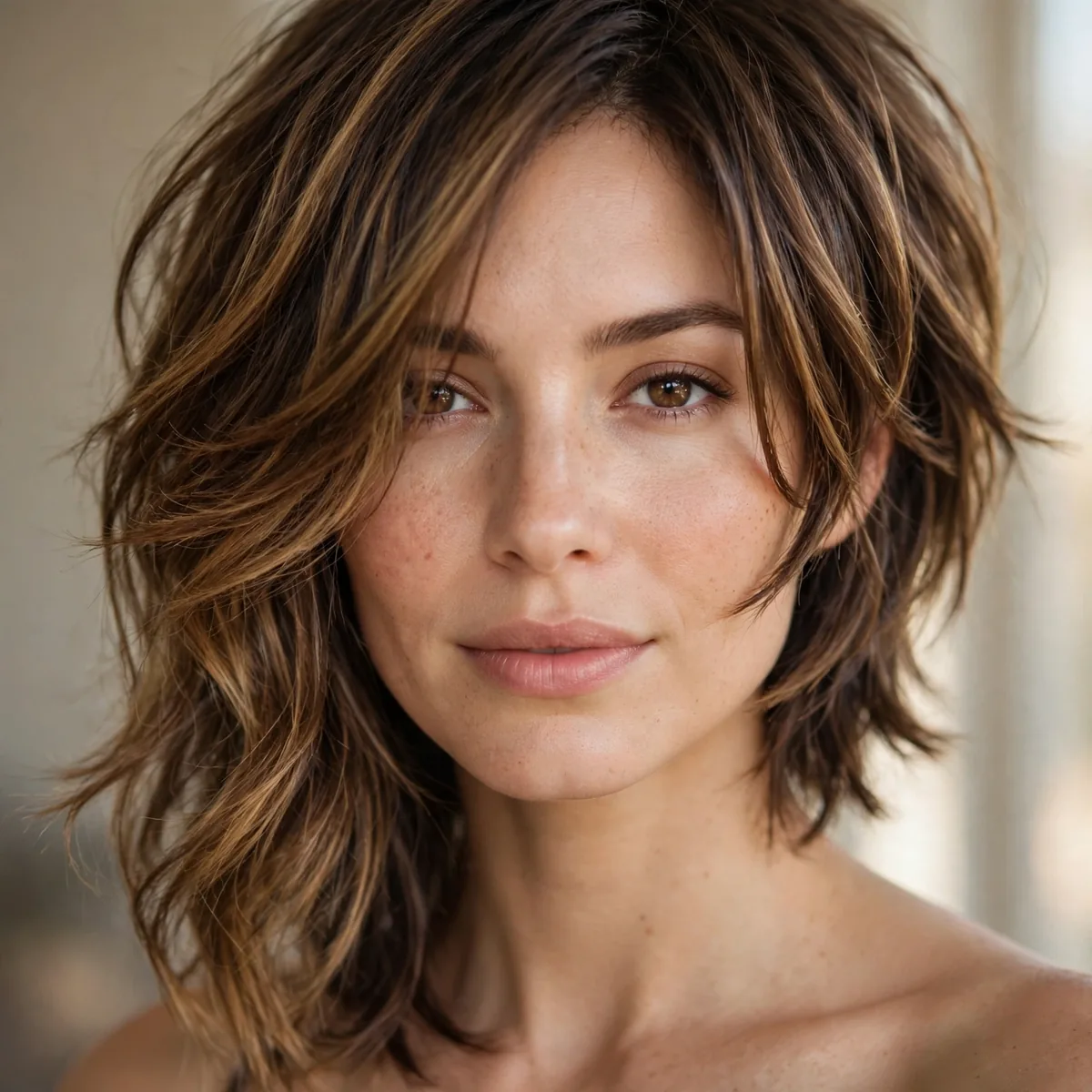
Longer on one side — the asymmetry creates a diagonal that slims and interests. It is the face frame for women who find symmetry boring.
Best for round faces where the diagonal is slimming. Keep the difference noticeable enough to read as intentional.
Round faces gain the most — the diagonal line is genuinely slimming. Women who find symmetrical cuts boring will love the built-in interest. The asymmetry suits straight and wavy textures best; curls blur the deliberate unevenness. It flatters strong personalities who dress with intention. Keep the length difference visible enough to read as a choice, not a growing-out accident.
Style with a deep side part to emphasize the asymmetry. Smooth the longer side sleek and add texture to the shorter side for contrast. Trim every six weeks to maintain the deliberate difference. For evenings, tuck the short side behind the ear — the reveal of the asymmetry looks striking.
The Bottleneck Bang Frame
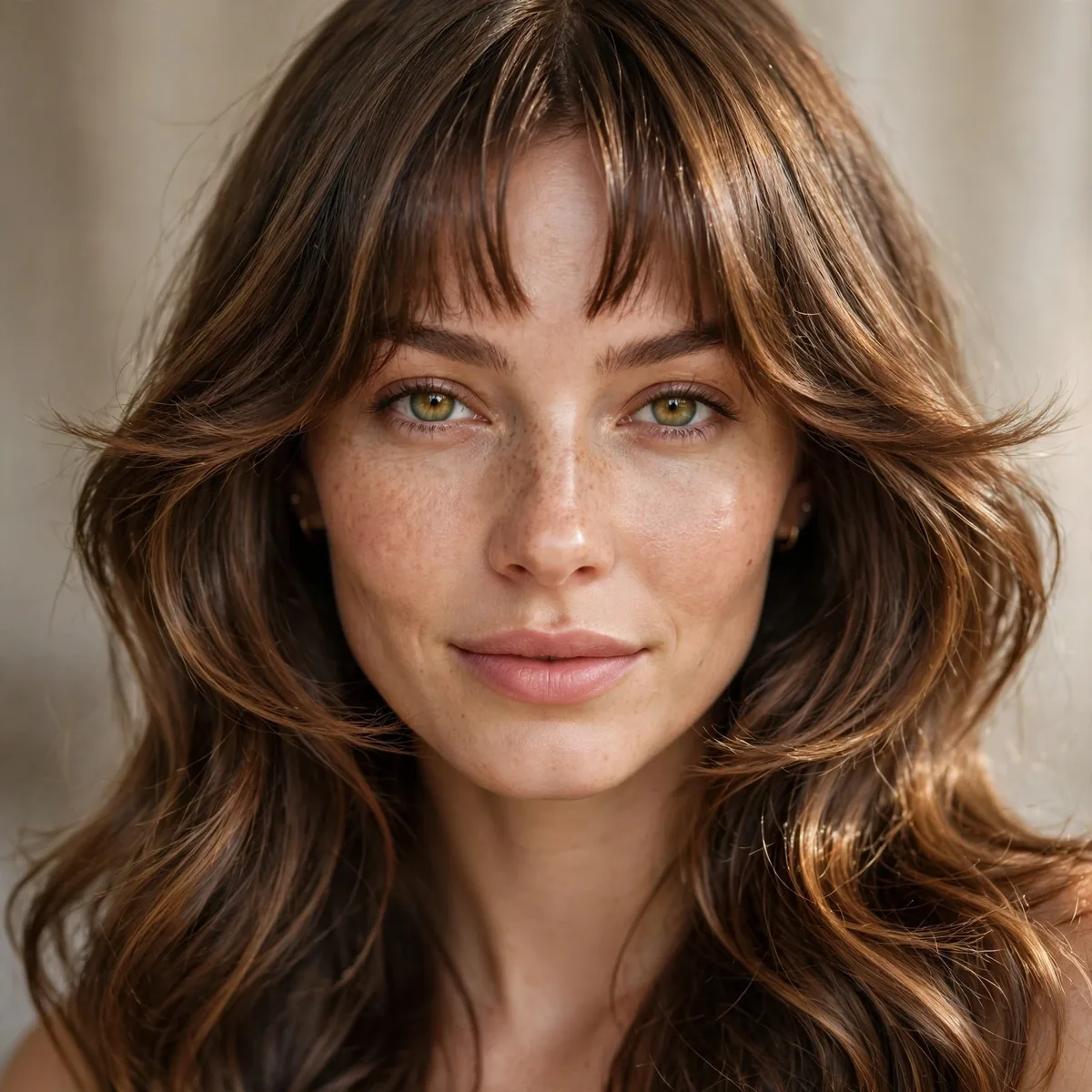
Narrow at the top, widening at the cheeks — bottleneck bangs frame the eyes and cheekbones in one clever shape. Softer than blunt, more interesting than curtain.
Best for heart and oval faces. The shape draws the eye to the center of the face beautifully.
Heart and oval faces are the sweet spot — the shape spotlights eyes and cheekbones simultaneously. Women with high foreheads get softening without full coverage. The style suits straight to wavy hair; the precise shape needs some smoothness to read. It flatters those who want bangs with more personality than a curtain fringe. The bottleneck shape is forgiving as it grows, widening gracefully.
Blow-dry with a small round brush, curving the fringe inward at the cheeks. The narrow-to-wide shape needs reshaping every four weeks to stay precise. Dry shampoo keeps the forehead section fresh between washes. For a softer grow-out, ask your stylist to keep the edges feathered rather than blunt at every appointment.
Layered Bob Frame
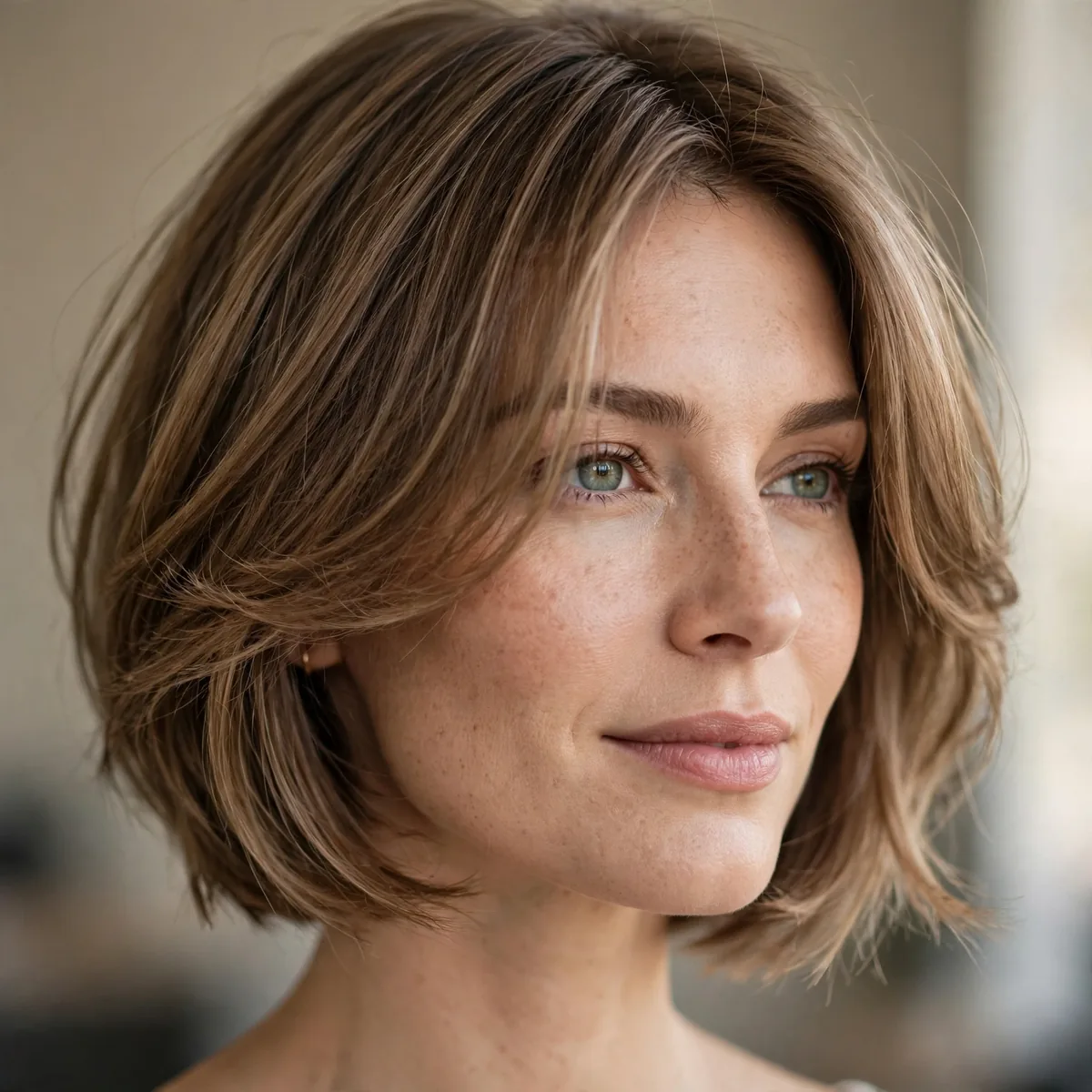
A bob with the front pieces layered to frame — the structure of a bob with the softness of framing. Polished and flattering in equal measure.
Best for square faces where the bob’s structure plus soft framing balances angles. The pieces should fall below the jaw.
Square faces find their match — the bob's structure plus soft framing balances strong angles. Women who want polish without severity will feel at home. The cut suits straight to wavy textures; the framing pieces need smoothness to drape properly. It flatters professional settings beautifully while staying modern. Keep the front pieces below the jaw — ending at the jaw emphasizes squareness.
Blow-dry the front pieces with a round brush, curving them slightly under. A flat iron pass keeps the bob sleek on second days. Trim every five to six weeks; bobs lose their geometry fast. For softness, curl just the framing pieces away from the face — the contrast with the sleek bob is gorgeous.
The Swooping Side Frame
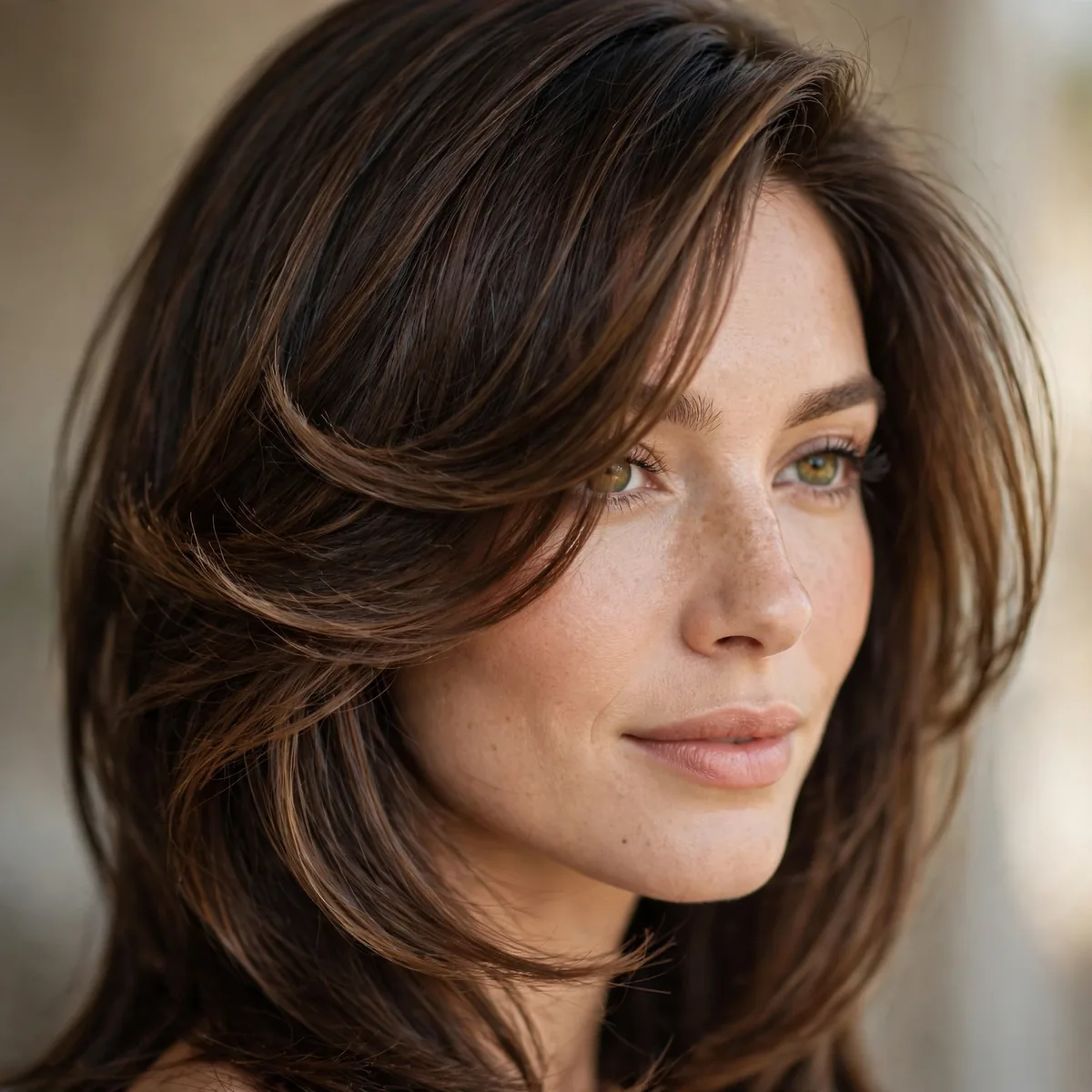
Long layers swept dramatically to one side — the deep side sweep frames half the face with gorgeous asymmetry. Old-Hollywood drama, modern wearability.
Best for round faces. The deep sweep creates the diagonal lines that slim most effectively.
Round faces slim dramatically under the deep sweep — the diagonal is the most flattering line in framing. Women with fine hair get the most from the sweep, since it creates the illusion of density. The drama suits evening looks and special occasions. It flatters anyone who loves old-Hollywood glamour with modern wearability. Commit to the deep part; a timid side part wastes the effect.
Blow-dry the sweep over to the opposite side first for root lift, then flip it into place. A light-hold spray locks the dramatic angle all evening. Bobby pins hidden underneath secure the sweep on windy days. Trim the longer side every seven weeks so it keeps sweeping cleanly past the cheek.
Curly Face Frame
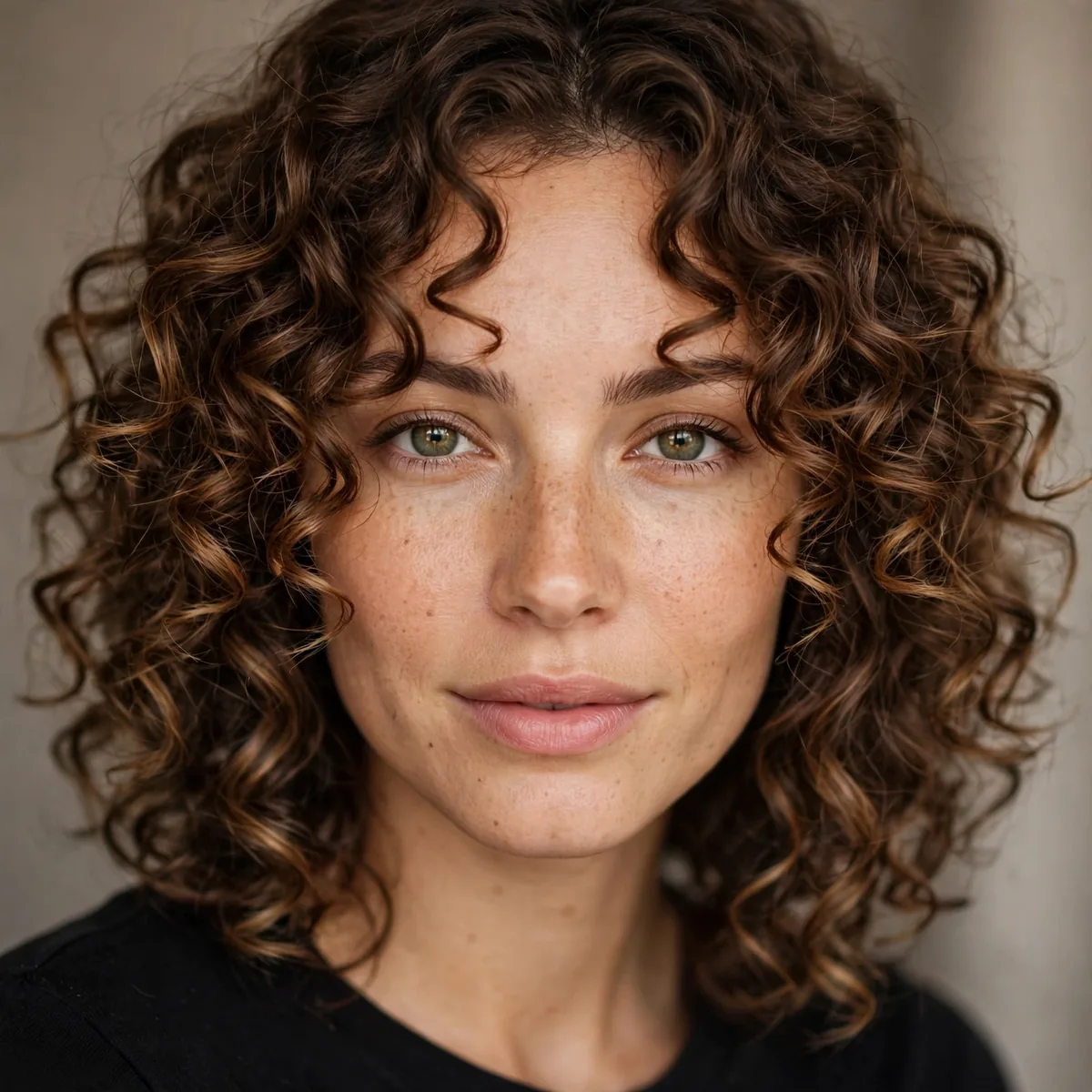
Curls cut to frame the face — each curl placed deliberately around your features. Must be cut dry so the stylist sees exactly where each curl lands.
Best for curly patterns of all types. Shorter curly pieces spring up, so cut them longer than you think you need.
Every curl pattern from 3A to 4C can be framed — the technique adapts to the texture. Women embracing natural curls find framing makes the shape feel intentional. Dry cutting is mandatory; wet curls shrink and the placement goes wrong. The frame suits all face shapes, since the stylist places each curl deliberately. Shorter curly pieces spring up dramatically, so always cut longer than the target.
Style with curl cream on soaking-wet hair, then diffuse or air-dry. Pineapple the curls at night to preserve the framing. Refresh mornings with a water mist rather than full re-wetting. Trim every ten to twelve weeks; curly framing grows out kindly. For definition, finger-coil the front pieces individually for springy, separated curls.
The Feathered Frame
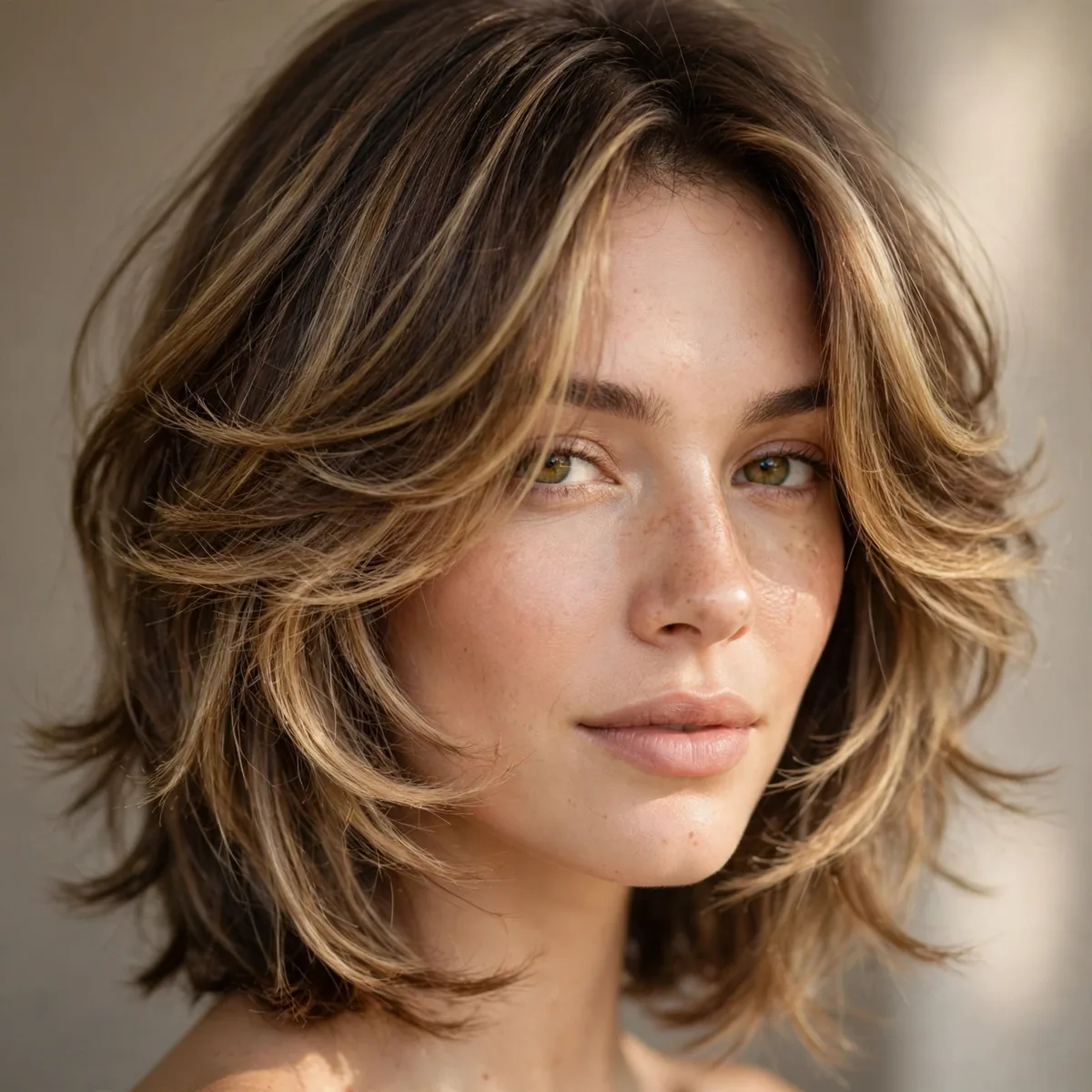
Feathered, airy pieces that float around the face — the softest frame on this list. Feathering creates movement that flatters every face shape.
Best for fine hair where the feathering adds the illusion of fullness around the face.
Fine hair is the ideal canvas — feathering creates the illusion of fullness that blunt cuts cannot. Every face shape works, since the airy pieces have no hard lines. Women who want softness without a specific statement will love the gentleness. The frame suits delicate features particularly well. It is also kind to thinning hair, where harsh lines would expose sparseness.
Blow-dry with a vent brush, lifting the pieces away from the face for airiness. A pea-sized amount of mousse on damp hair gives the feathers hold without weight. Trim every seven weeks; grown-out feathering looks wispy in the wrong way. Avoid heavy serums — they collapse the airy separation that defines the style.
Bold Chunky Frame
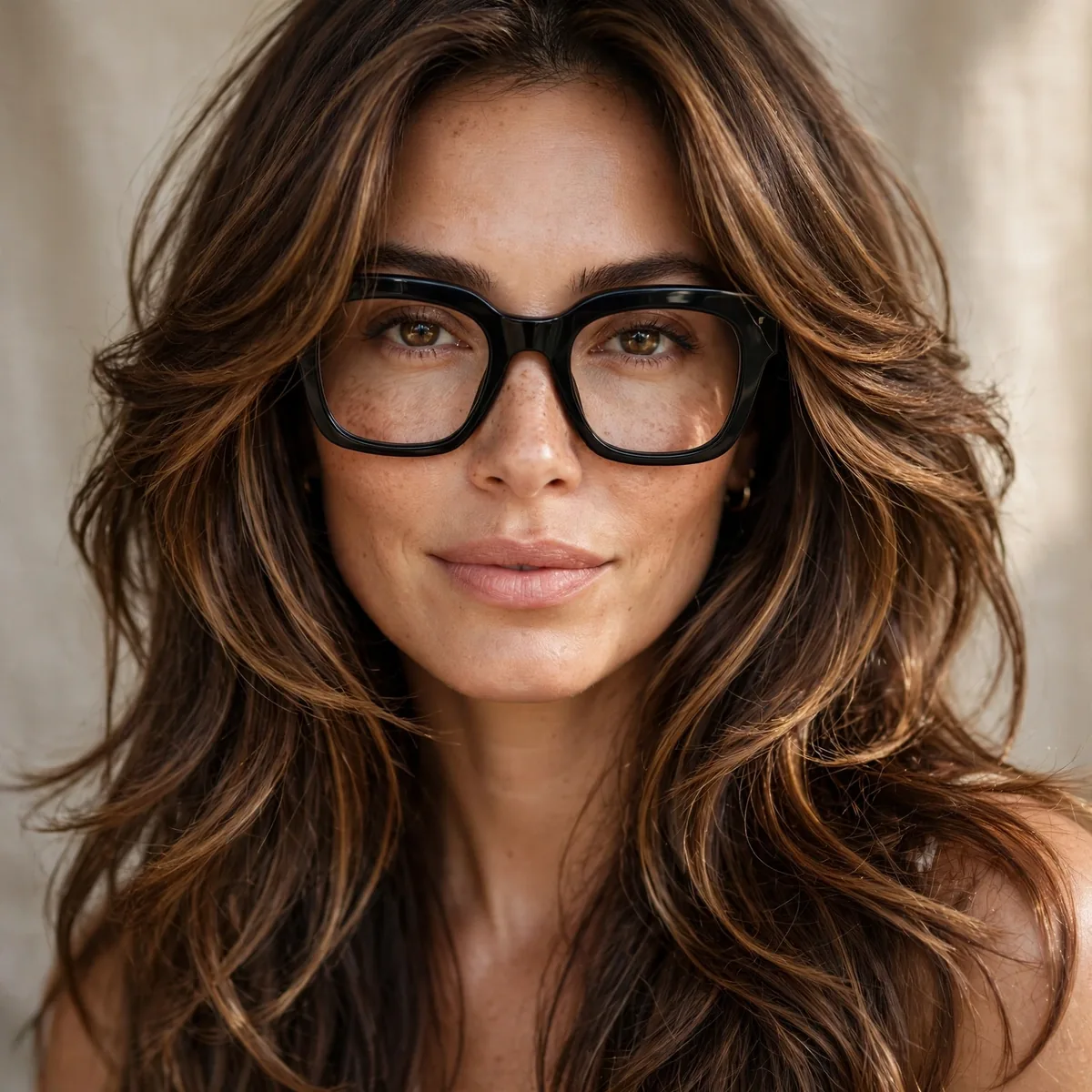
Thick, deliberate pieces framing the face — bold and graphic. The chunky frame is a statement, not a whisper, and it photographs incredibly well.
Best for thick hair that can support the weight of chunky pieces. Fine hair gets overwhelmed by this much framing.
Thick, dense hair is required — fine hair disappears under chunky framing. Oval and square faces carry the boldness best. Women with strong personal style who enjoy making an entrance will thrive. The frame photographs incredibly well, giving editorial impact in pictures. It suits straight and wavy textures; the chunky pieces need weight to hang properly. This is a statement, so wear it with confidence.
Style the chunky pieces sleek with a flat iron to emphasize their graphic quality. A shine serum makes the bold sections gleam. Trim every six weeks to keep the chunks deliberate rather than overgrown. For contrast, keep the rest of the hair simple — the frame is the entire show.
The Grow-Out Friendly Frame
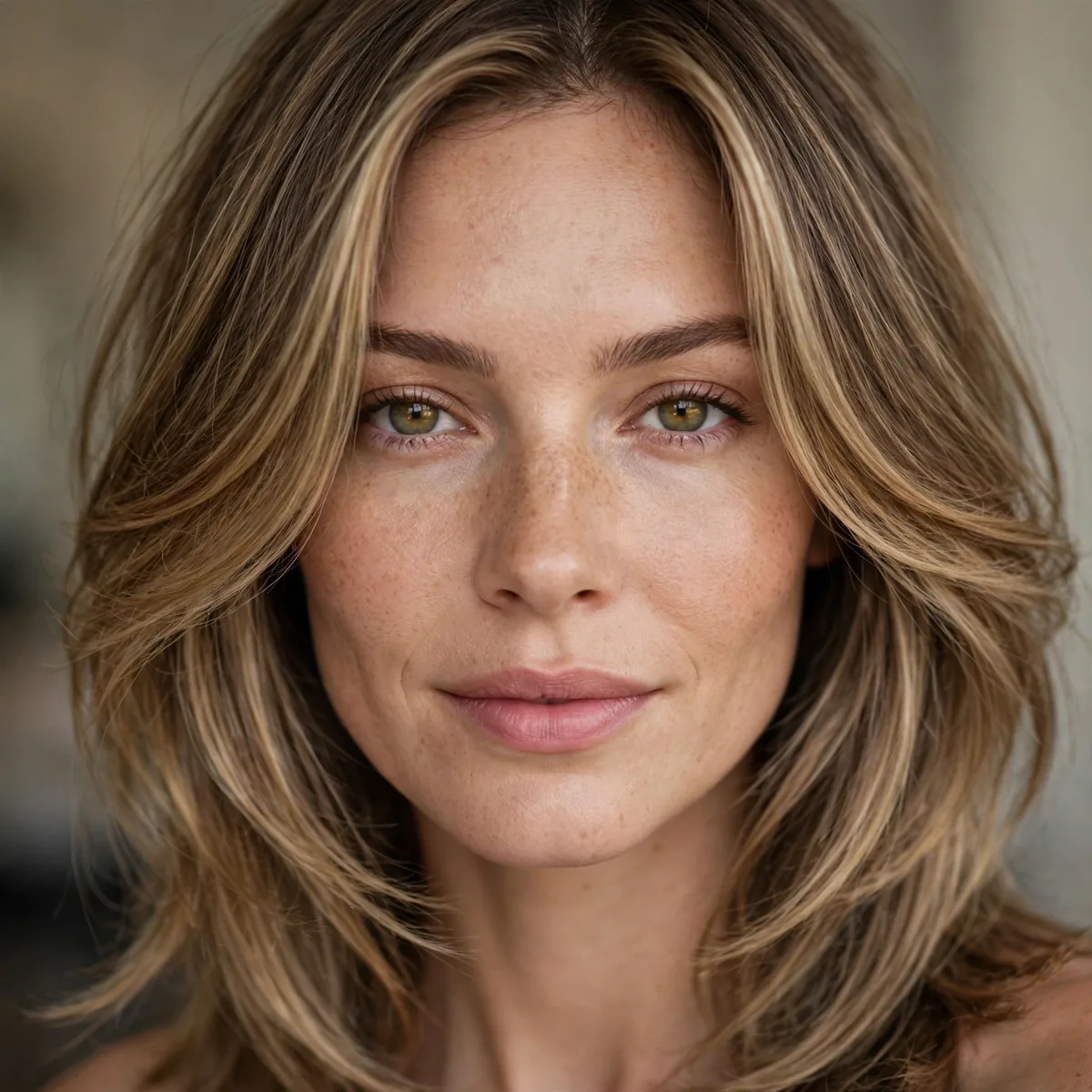
Pieces cut to grow gracefully — starting shorter and blending into length so every stage looks intentional. The lowest-maintenance frame here.
Ask for soft, blended pieces with no harsh lines. They simply become longer layers as they grow, never an awkward stage. For framing at longer lengths, our long layered cuts show the technique in action.
Low-maintenance women finally get a frame that respects their schedule — every stage looks intentional. Busy professionals and new mothers love the grow-out grace. The soft, blended cutting suits all face shapes and textures. Women who hate frequent salon visits will appreciate trims stretching to twelve weeks. It is the frame for real life, where hair appointments compete with everything else.
Ask for soft, blended pieces with no harsh lines at the consultation — the grow-out depends on it. Style however you like; the cut forgives everything. A quarterly trim keeps the blend fresh. For extra longevity, keep the shortest pieces at the cheekbone or below so no stage ever looks awkward.
Face-framing layers are the hardest-working inches of any haircut — choose the placement for your face shape and let them do the contouring. For more shape-specific guidance, see our curtain bangs guide and money piece highlights.