Nothing kills workout focus like hair escaping mid-burpee — retying, tucking, and that one strand glued to your sweaty forehead.
The secret to gym-proof hair is structure: braids, twists, and anchored buns distribute hold across the whole head instead of relying on one elastic.
Sweat actually helps some styles — damp hair grips better. The enemy is a style with a single point of failure.
Here are 15 hairstyles that survive any workout. Let’s get into it.
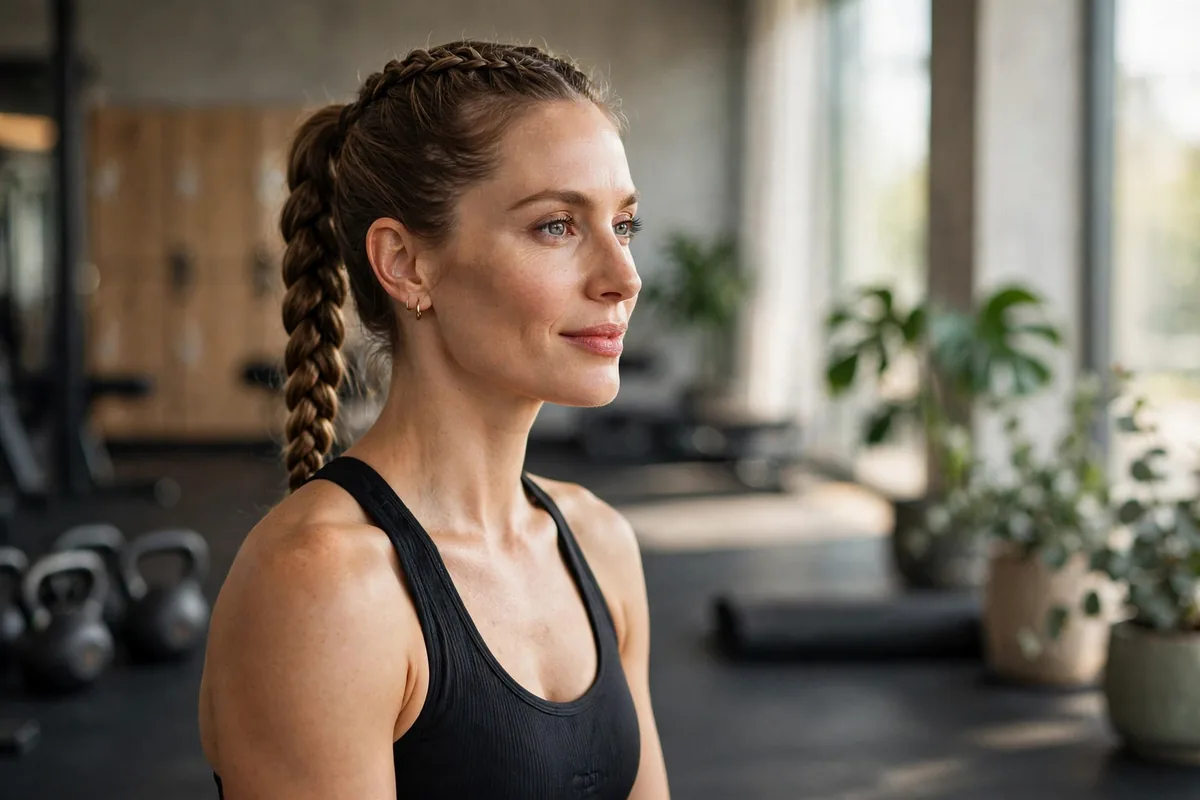
High Braided Ponytail
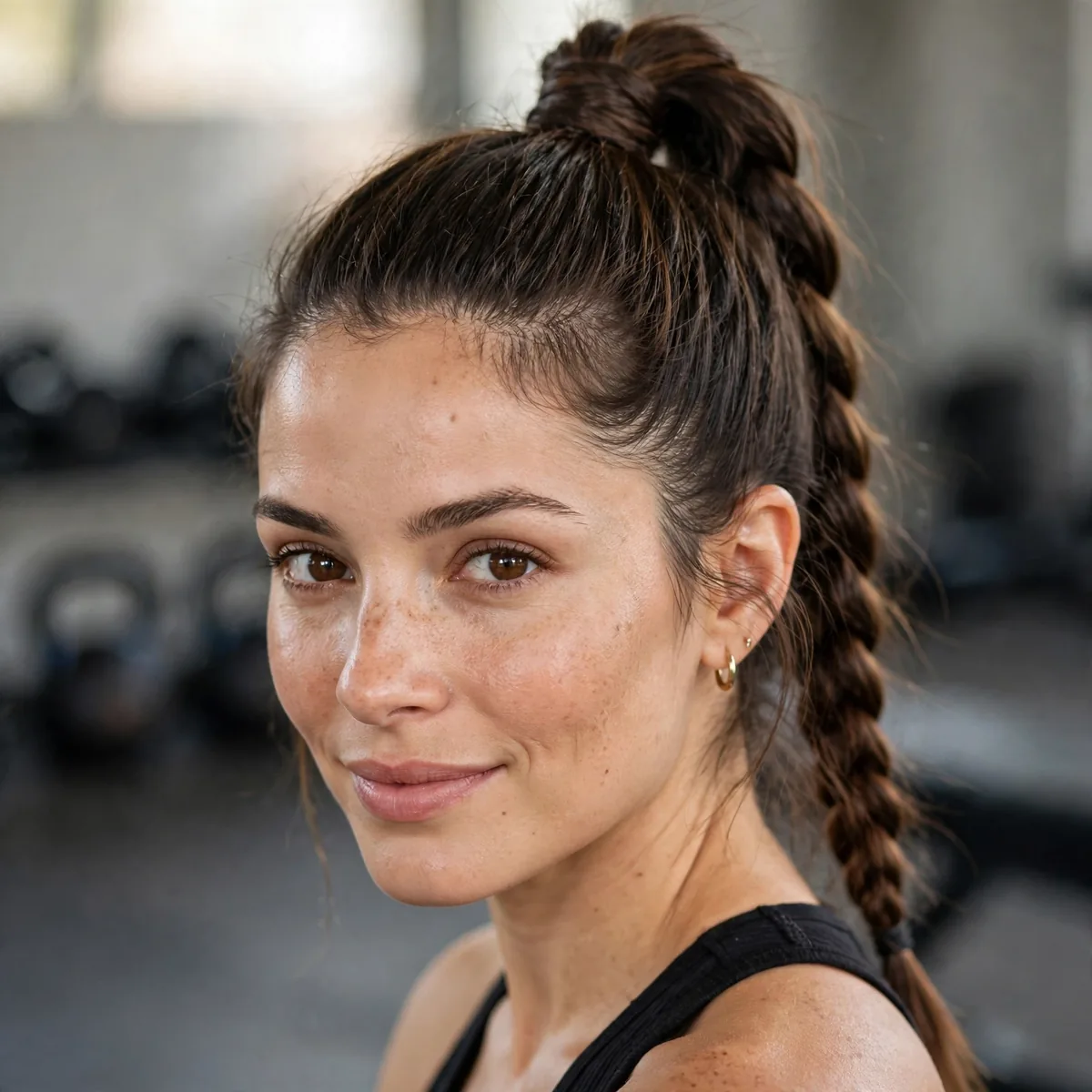
Secure a high pony, then braid the tail. The braid stops the whipping and tangling that makes regular ponytails miserable during cardio.
Best for: running and HIIT. The braid keeps the tail compact and out of your face.
The foundation of a lasting high braided ponytail is laid before the styling even starts. Rough-dry or air-dry the hair first, then use a flat iron to map out clean sections so every part of the style has a defined place to live. Work a touch of styling cream through the mid-lengths to control flyaways without stiffness. Checking the back with a hand mirror as you go catches the uneven spots you would otherwise discover in photos.
A High braided ponytail rewards the well-stocked kit. Keep a teasing comb on hand for precision work and a reliable heat protectant for taming the mid-lengths and ends. For wavy hair specifically, layering a leave-in under your styler prevents the dryness that makes styles look frizzy by afternoon. The goal is hair that moves naturally while holding its shape — products should be felt, not seen.
Double French Braids
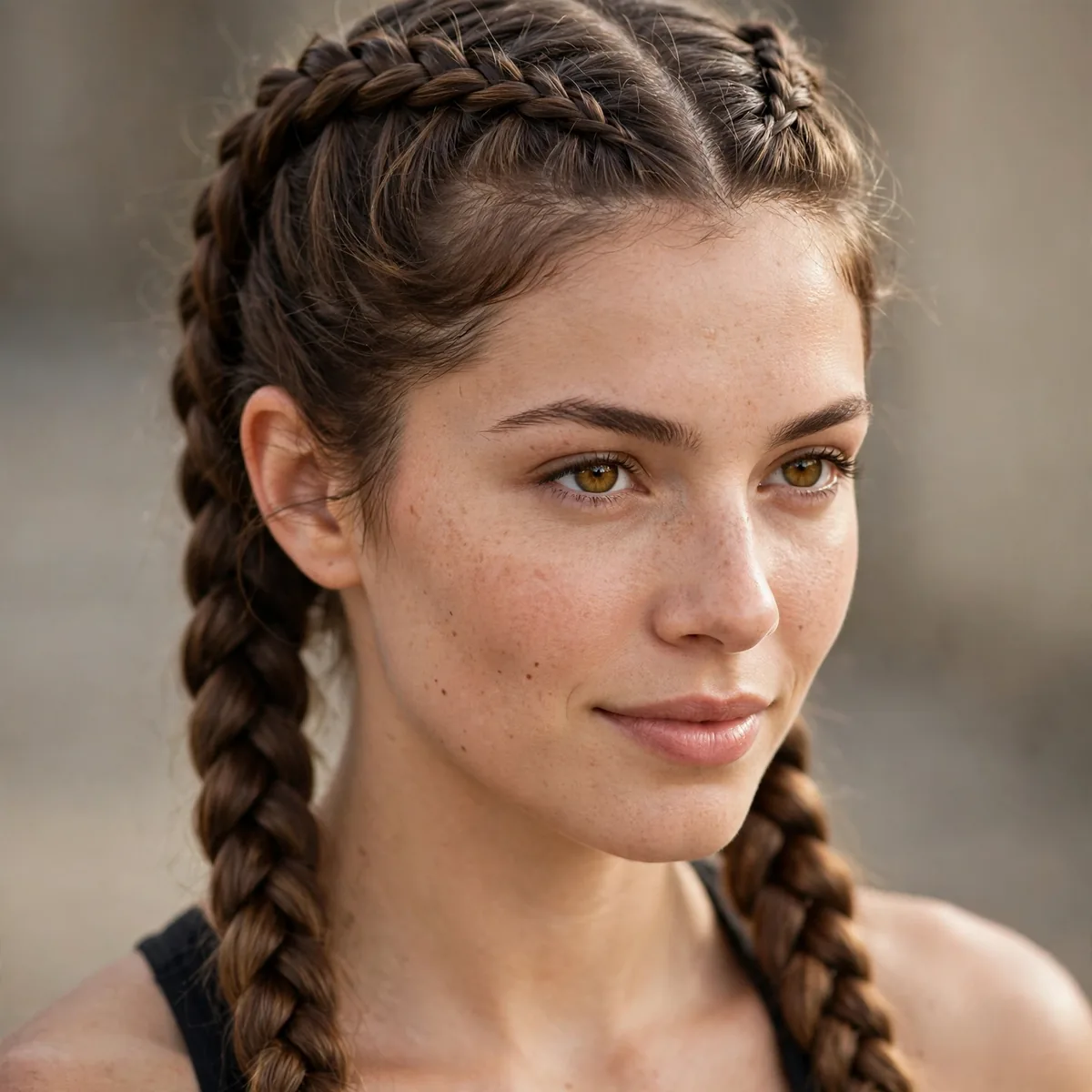
Two French braids from hairline to nape — everything locked down, nothing touching your neck. The most secure style on this list.
Best for: the toughest workouts. They survive burpees, box jumps, and inversions.
The double french braids is particularly flattering on straight hair, where natural texture adds dimension that elevates the look. Other hair types can wear it too — smoothing serum or a quick pass with heat tools can mimic the grit or smoothness the style needs. Very dense hair may require extra sectioning for control, while finer hair benefits from volumizing prep at the roots. Adapt the technique to your hair, not the other way around.
Refresh rather than redo when your double french braids starts to tire. A light mist of water followed by volumizing powder reactivates the shape without a full restyle, and a rattail comb can neaten partings in seconds. Focus revival efforts on the hairline and crown — that is where styles visibly age first. Tucking one loose piece behind the ear or adding an accessory can disguise day-two softness while looking completely intentional.
Top Knot
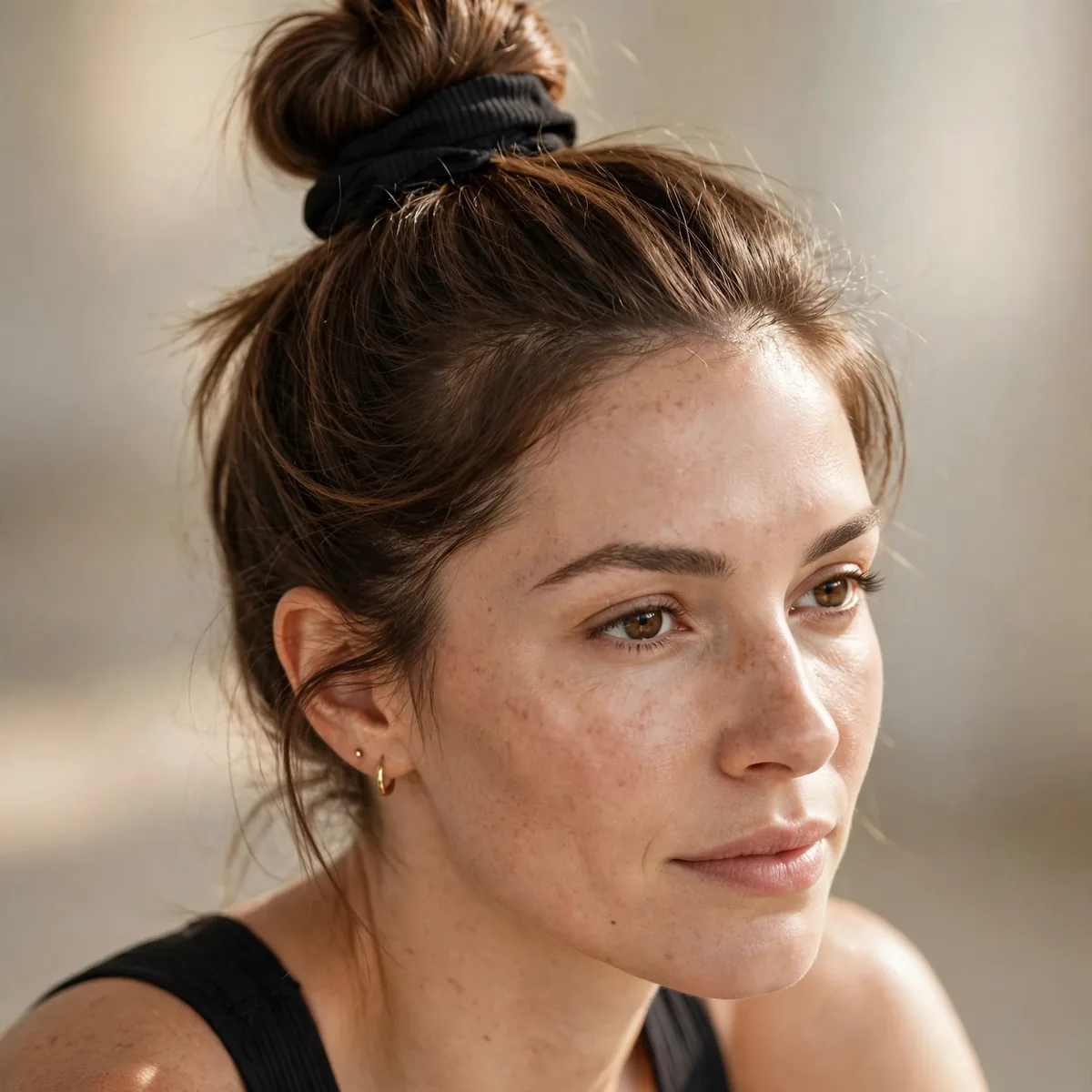
Twist everything into a high knot and pin it down. Gets all hair off your neck and shoulders — crucial for hot workouts.
Best for: hot yoga and heated classes. Nothing on the neck means less overheating.
Dress the top knot up or down with small finishing choices. For casual weddings, leave the texture a little undone and skip the strong-hold products; for formal moments, smooth everything with a boar-bristle brush and lock it with dry shampoo. Accessories — a silk scarf, minimal pins, a headband — shift the mood instantly without changing the base style. One good foundation, endless interpretations.
Layer the top knot with complementary details for extra dimension. Face-framing layers, a softened hairline, or a contrasting texture at the ends all add interest without complicating the style. A paddle brush refines these details, while leave-in conditioner keeps them defined through the day. Think of the base style as the canvas and these small additions as the brushstrokes that make it personal.
Bubble Braid Pony
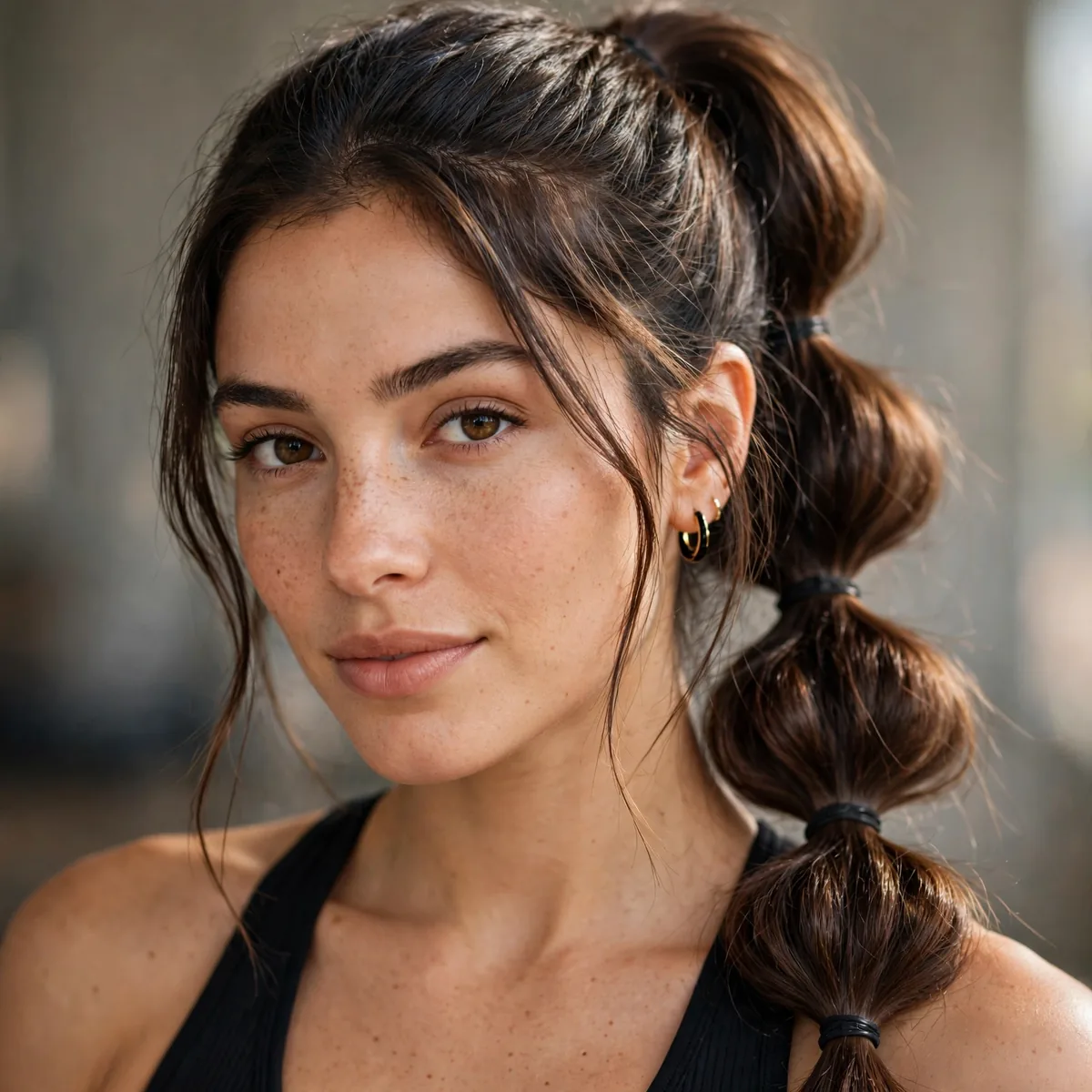
Elastics down a ponytail create sections that can’t slide or tangle. Sporty, secure, and it looks cool in gym selfies.
Best for: long hair that tangles. Each bubble is independently secured, so nothing migrates.
Frizz ambushing your bubble braid pony usually means the hair needed more moisture before styling, not more hold afterward. Next time, layer a hydrating base under your heat protectant and smooth the cuticle with a teasing comb while the hair is still slightly damp. If flyaways appear midday, do not pile on more product — smooth them with barely-damp palms instead. Adding product on top of frizz just creates buildup that attracts more frizz.
A Bubble braid pony becomes truly flattering when it is tuned to your face shape. Softer, square faces benefit from height at the crown and pieces that fall vertically, while longer faces look best with width at the sides. Use a boar-bristle brush to direct the front sections intentionally rather than letting them fall randomly. These small directional choices separate a style that suits you from one that just sits on you.
Low Braided Bun
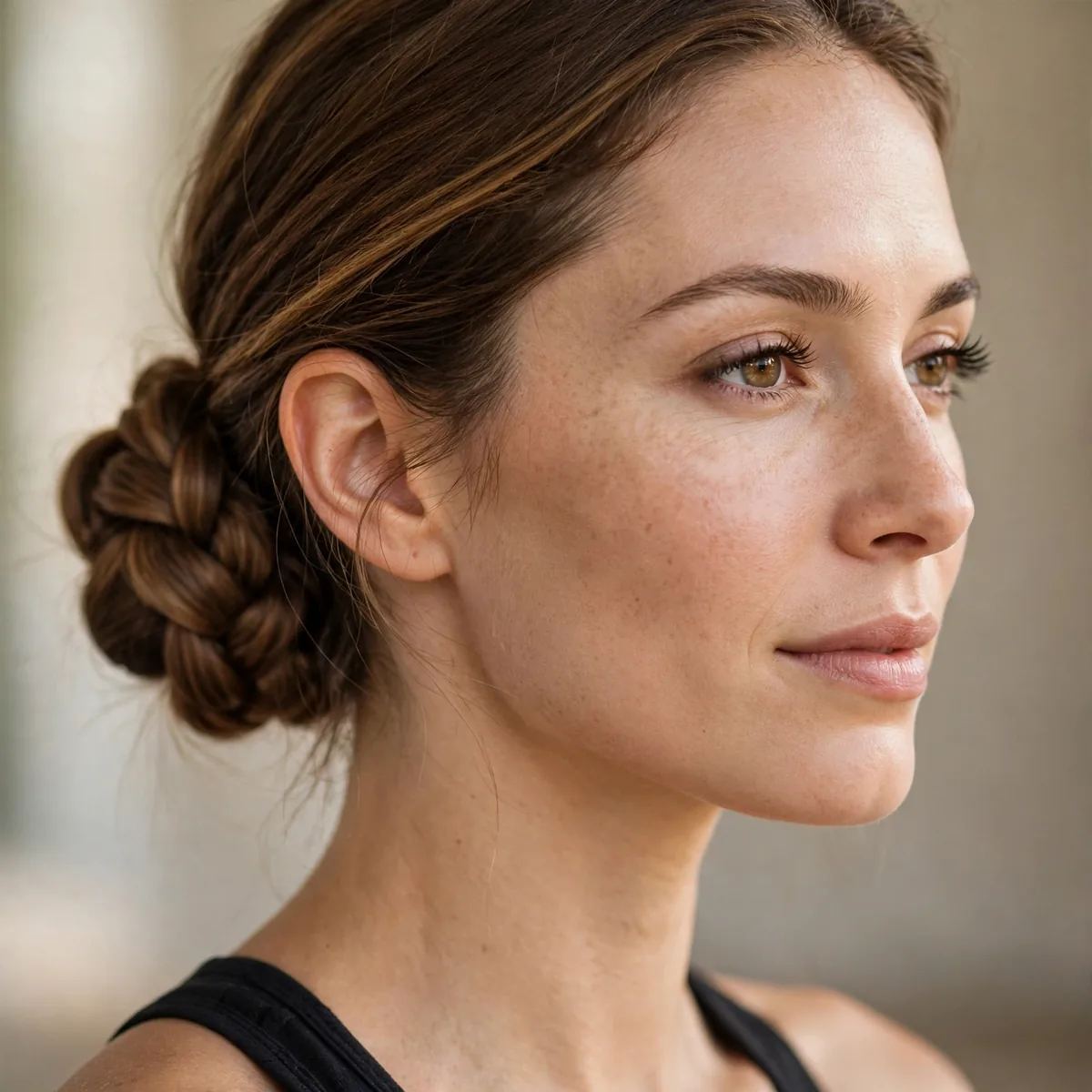
Braid first, then coil into a low bun. The braid texture grips the pins better than smooth hair, and the low placement stays clear of benches.
Best for: weightlifting. Low buns don’t interfere with lying back on benches.
Do not skip the setup when creating a low braided bun — it determines everything. Detangle thoroughly with a spray bottle, then section the hair according to where the style needs the most structure. A light layer of heat protectant adds workable grip, especially on fine hair that tends to slip or puff. Taking five extra minutes at this stage saves twenty minutes of fixing and re-pinning later in the day.
If your low braided bun never looks quite like the inspiration photo, the missing piece is usually product. Start with an edge control on damp or dry hair to create a workable base, then reach for a diffuser attachment to refine the details. Less is more with styling products; you can always add another pea-sized amount, but overloading leads to buildup that dulls shine. Build gradually and assess in natural light before deciding you need more.
Boxer Braids
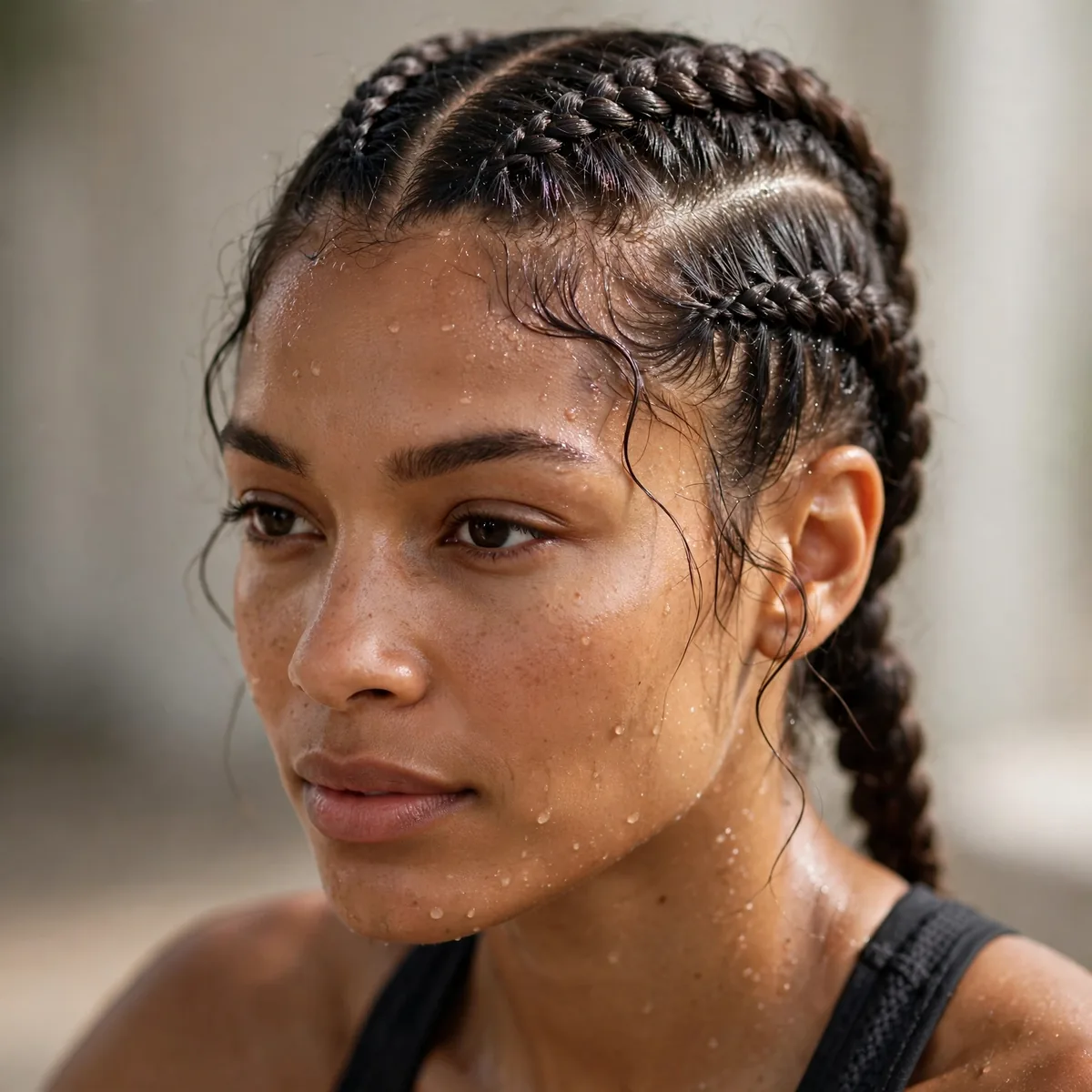
Tight Dutch braids against the scalp — maximum security, zero movement. The braid-everything approach leaves nothing to escape.
Best for: contact sports and intense cardio. If it can survive boxing training, it can survive your workout.
Length and texture together determine how a boxer braids falls. Longer, thick lengths give the style beautiful movement, while shorter lengths create a perkier, more graphic version — both are valid. If your hair is very silky, argan oil is non-negotiable for hold; if it is prone to frizz, smooth a serum over the surface as the final step. The same style can look soft or structured depending on these small prep choices.
Humidity is the sworn enemy of a crisp boxer braids, so plan accordingly. On damp days, lean on a lightweight mousse with anti-frizz properties and avoid over-touching the hair, since hands transfer moisture and oils that encourage puffiness. If the style does expand, resist the urge to reheat everything — smoothing just the outer layer with a rattail comb usually restores order. A style that survives a humid commute is a style worth repeating.
Headband Plus Ponytail
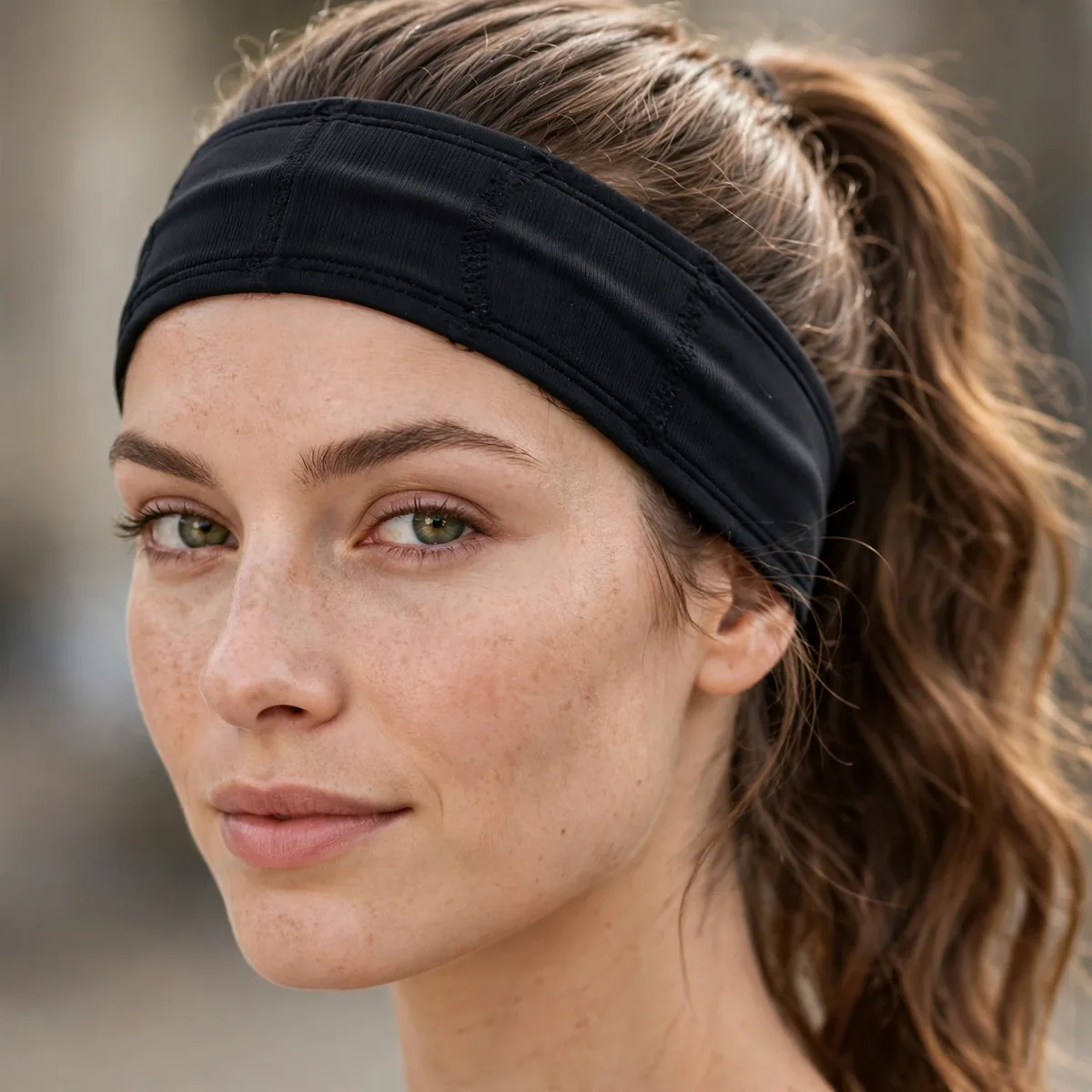
A wide sport headband plus a ponytail — the headband catches sweat and controls the hairline while the pony handles the length.
Best for: heavy sweaters. The headband is doing real work here, not just looking sporty.
Dress the headband plus ponytail up or down with small finishing choices. For casual brunches, leave the texture a little undone and skip the strong-hold products; for formal moments, smooth everything with a round brush and lock it with sea-salt spray. Accessories — a silk scarf, minimal pins, a headband — shift the mood instantly without changing the base style. One good foundation, endless interpretations.
Once you have mastered the classic headband plus ponytail, play with the variables. Switching the part from center to deep side completely changes the mood, while pulling a few shorter pieces free around the face softens the whole effect. Try working a heat protectant through for a wetter, more editorial finish, or keep it matte and airy for daytime. Small adjustments like these keep a favorite style feeling fresh instead of repetitive.
Slicked-Back Bun
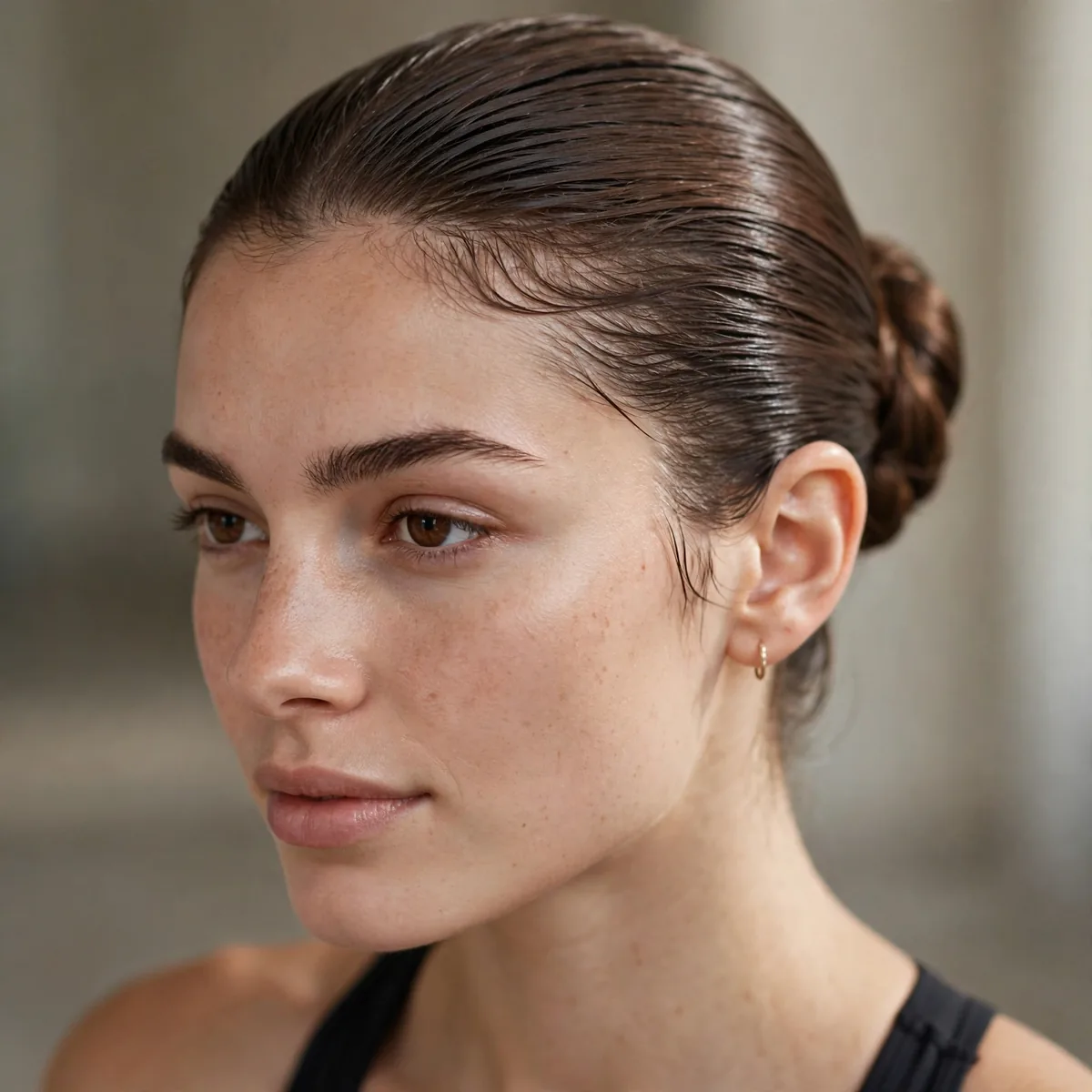
Brush everything back with water or light gel into a tight bun. Sweat just makes it sleeker — this style improves as you work out.
Best for: the sweatiest sessions. It’s the one style that looks better after the workout than before.
When a slicked-back bun falls flat within hours, the culprit is almost always skipped prep or overloaded product. Strip it back: clean sections, a modest amount of heat protectant, and a spray bottle for precision. Another frequent issue is building the style on the wrong foundation — too-clean hair slips, too-dirty hair looks dull. Day-old hair is the sweet spot for most versions of this look.
Balance is the key to wearing a slicked-back bun well. If the style has a lot of volume, keep the front relatively calm; if the silhouette is sleek, a little texture around the face prevents severity. oval faces particularly benefit from this push-and-pull approach. Finish the hairline with edge control on a wide-tooth comb for a polished edge that still looks touchable. Proportion awareness turns a good style into a great one.
Twisted Low Bun
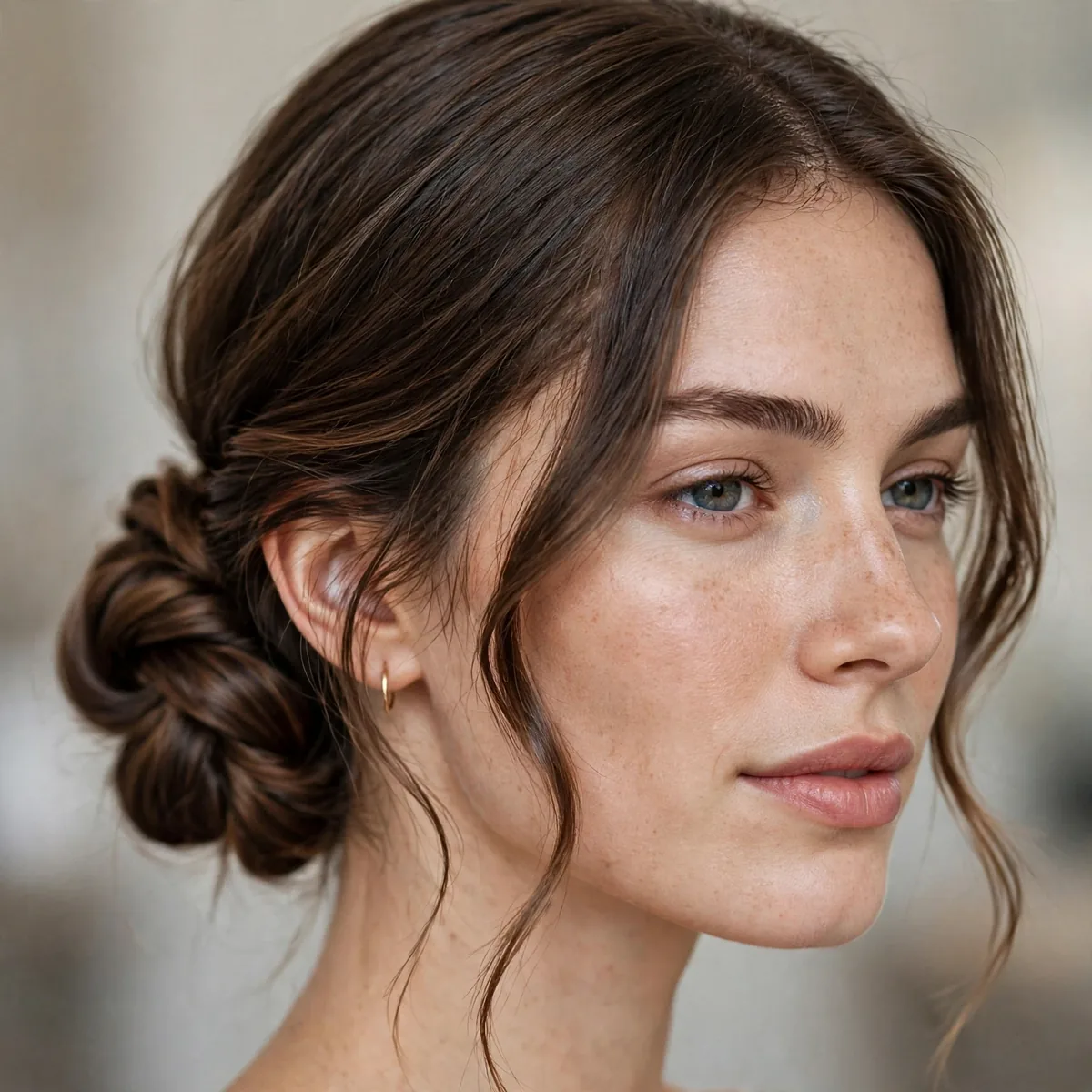
Two rope twists from the temples meeting in a low bun. The twists lock the front down while the bun secures the back.
Best for: medium-length hair that escapes regular buns. The twist structure adds serious hold.
Do not skip the setup when creating a twisted low bun — it determines everything. Detangle thoroughly with a curling wand, then section the hair according to where the style needs the most structure. A light layer of leave-in conditioner adds workable grip, especially on coily hair that tends to slip or puff. Taking five extra minutes at this stage saves twenty minutes of fixing and re-pinning later in the day.
A Twisted low bun rewards the well-stocked kit. Keep a spray bottle on hand for precision work and a reliable smoothing serum for taming the mid-lengths and ends. For thick hair specifically, layering a leave-in under your styler prevents the dryness that makes styles look frizzy by afternoon. The goal is hair that moves naturally while holding its shape — products should be felt, not seen.
Space Buns
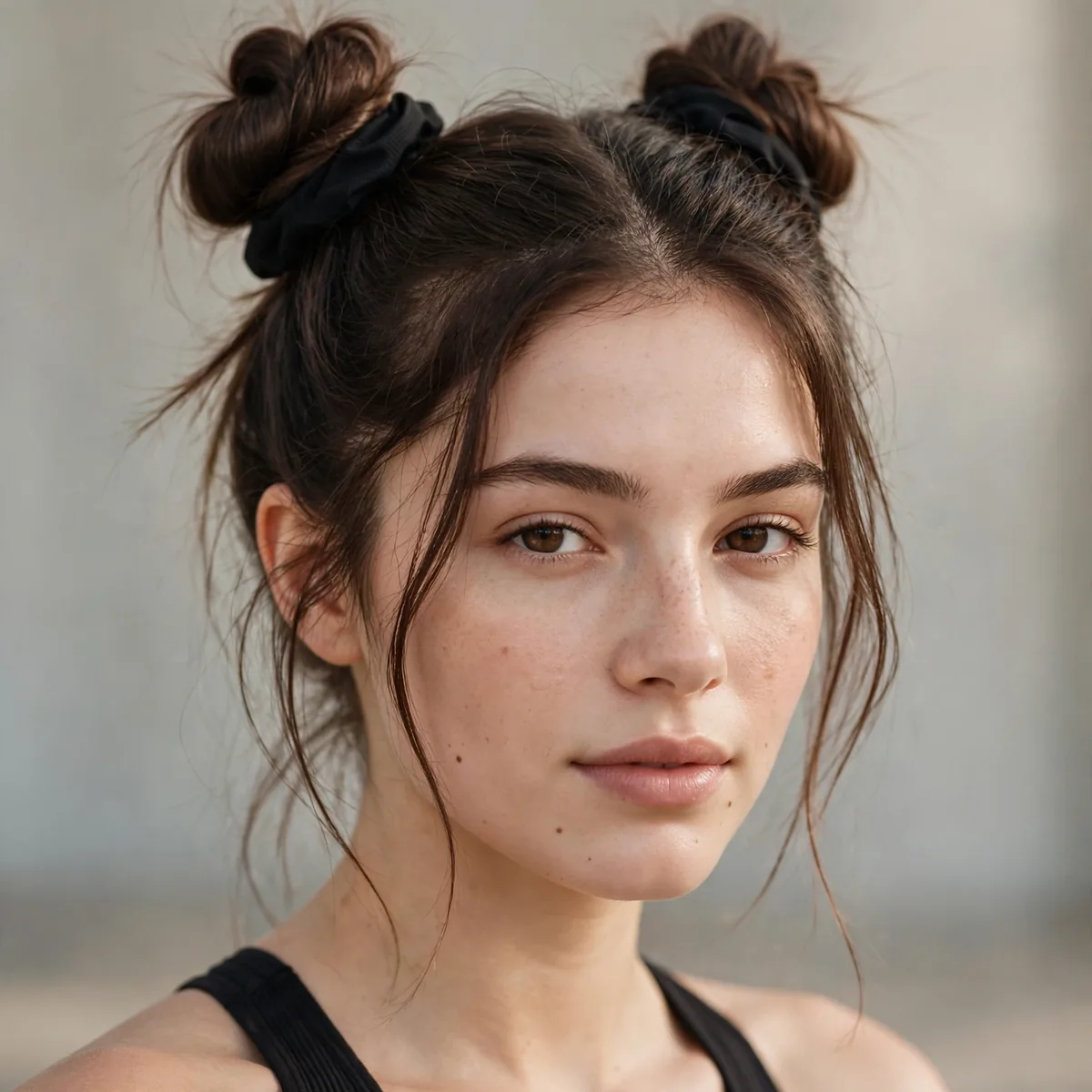
Two high buns split the hair’s weight in half — each bun is lighter, tighter, and more secure than one big bun.
Best for: thick hair that defeats single buns. The weight distribution is the whole trick.
Your density changes how a space buns behaves, so calibrate the approach. Thick hair needs more numerous, smaller sections to stay controlled, while fine hair does better with fewer sections plus heat protectant at the roots for the illusion of fullness. Naturally wavy hair often holds the style longest since the bend grips itself. Whatever your density, step back and check the balance — the silhouette should feel even, never heavy on one side.
Refresh rather than redo when your space buns starts to tire. A light mist of water followed by argan oil reactivates the shape without a full restyle, and a duckbill clip can neaten partings in seconds. Focus revival efforts on the hairline and crown — that is where styles visibly age first. Tucking one loose piece behind the ear or adding an accessory can disguise day-two softness while looking completely intentional.
Side Fishtail
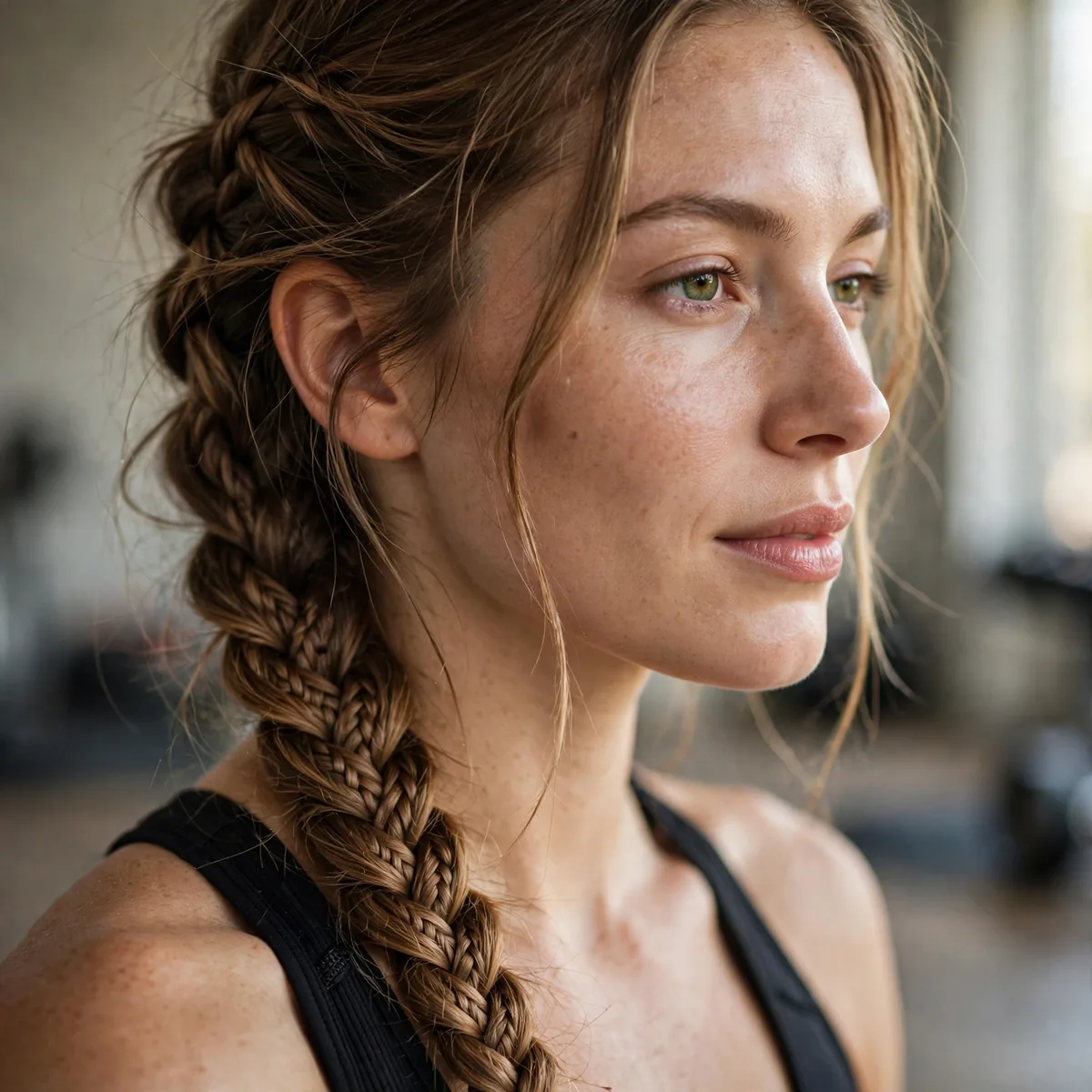
A fishtail over one shoulder keeps hair contained and off your back. The interwoven structure resists loosening better than a three-strand braid.
Best for: lower-intensity days. It’s secure enough for yoga and Pilates, pretty enough for errands after.
Consider the side fishtail your secret weapon for festivals. It photographs beautifully from every angle, holds up through long events, and looks intentional without seeming overdone. Prep with flexible-hold hairspray for extra staying power when you cannot sneak away for touch-ups, and stash two bobby pins in your bag for insurance. A style you do not have to think about is a style that lets you enjoy the occasion.
If the standard side fishtail feels too expected, push one element further. More volume at the crown, a sleeker finish through the lengths, an asymmetrical placement — exaggerating a single feature creates a signature version. Use volumizing powder to support whichever direction you take it, since bolder shapes need more structural help. The goal is not a different style; it is your unmistakable take on this one.
Low Ponytail Braid
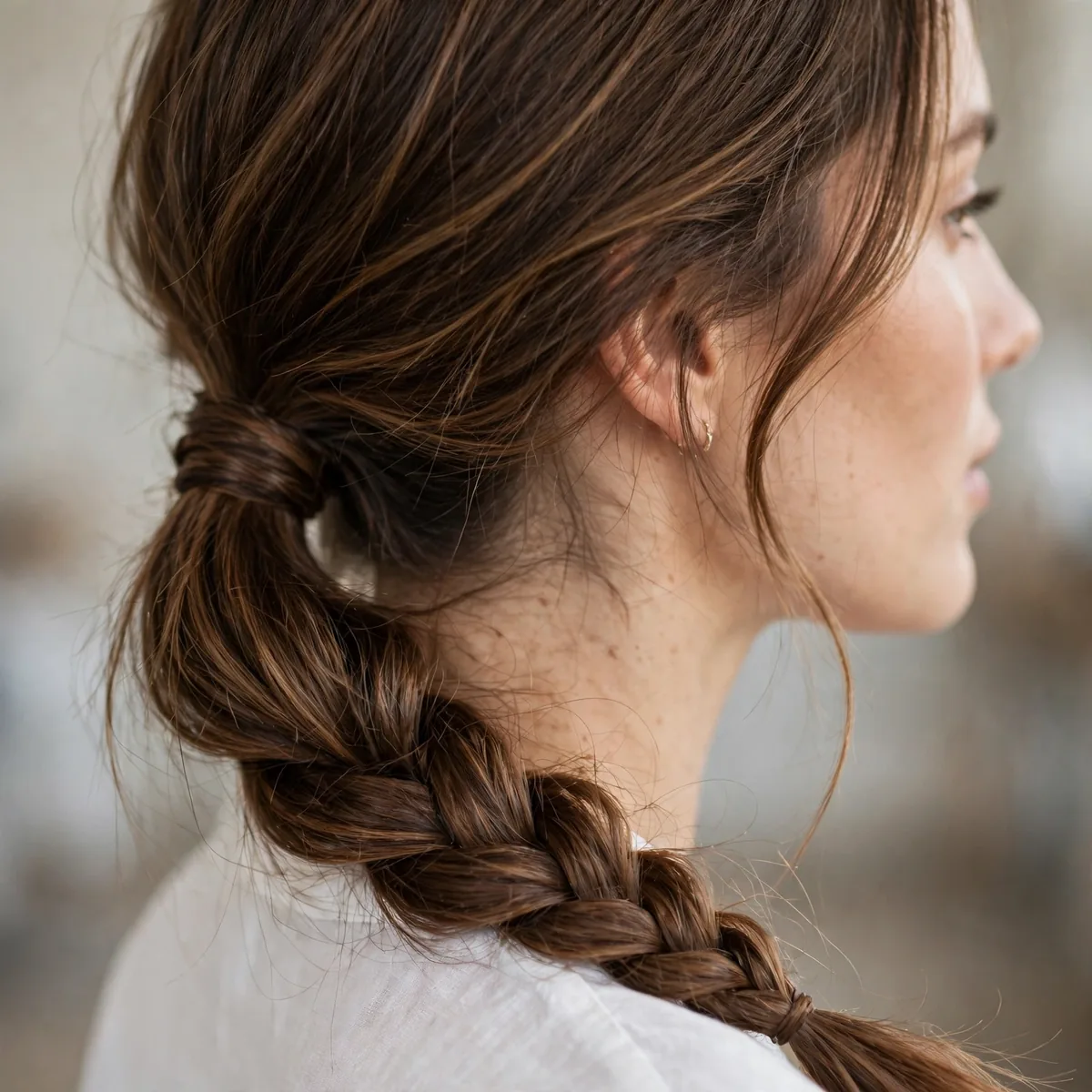
A low pony with the tail braided — nothing swinging, nothing whipping your face during floor work. Simple and bulletproof.
Best for: mat work and stretching. Low placement keeps hair out of the way when you’re on your back.
Frizz ambushing your low ponytail braid usually means the hair needed more moisture before styling, not more hold afterward. Next time, layer a hydrating base under your volumizing powder and smooth the cuticle with a curling wand while the hair is still slightly damp. If flyaways appear midday, do not pile on more product — smooth them with barely-damp palms instead. Adding product on top of frizz just creates buildup that attracts more frizz.
Personalize the low ponytail braid at the hairline and watch it transform. Baby hairs laid with styling cream, a softly undone front, or a crisp center part each tell a different story on heart-shaped face shapes. There is no single right answer — the best choice is the one that makes you feel like yourself. Experiment in front of the mirror with a microfiber towel handy, and photograph each version; the camera reveals what the mirror hides.
The Pineapple
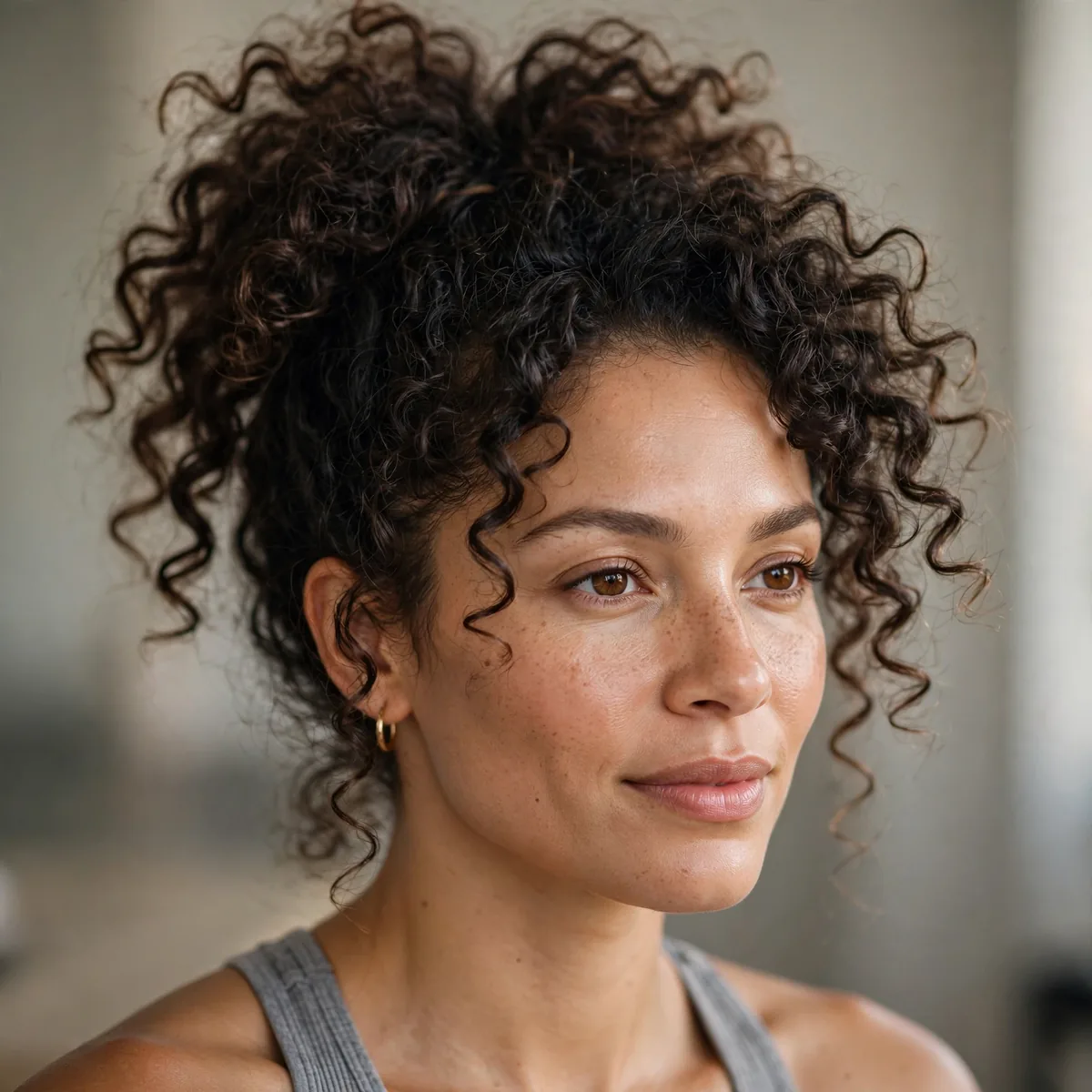
For curly hair: gather everything into a loose high pineapple. Curls stay defined, roots stay lifted, and nothing drags on your neck.
Best for: curly textures. A satin scrunchie protects curls from the elastic damage of tight ponytails.
Start your pineapple on hair with a bit of texture to it — day-old hair or strands prepped with sea-salt spray hold shape far better than squeaky-clean lengths. Divide everything with a teasing comb, working in small sections instead of handfuls, and finish each zone before moving to the next. Even tension is the goal; inconsistent pulling creates lumps and loose pieces. Slow down here and the rest of the style builds itself.
The right products make a pineapple dramatically easier to execute. An argan oil is the real workhorse — it adds grip, calms frizz, and helps the style hold for hours without visible residue. Work it through before you begin styling rather than layering it on at the end, so it supports the hair's structure from the inside. A light mist to finish keeps everything touchable instead of crunchy.
Rope-Twist Ponytail
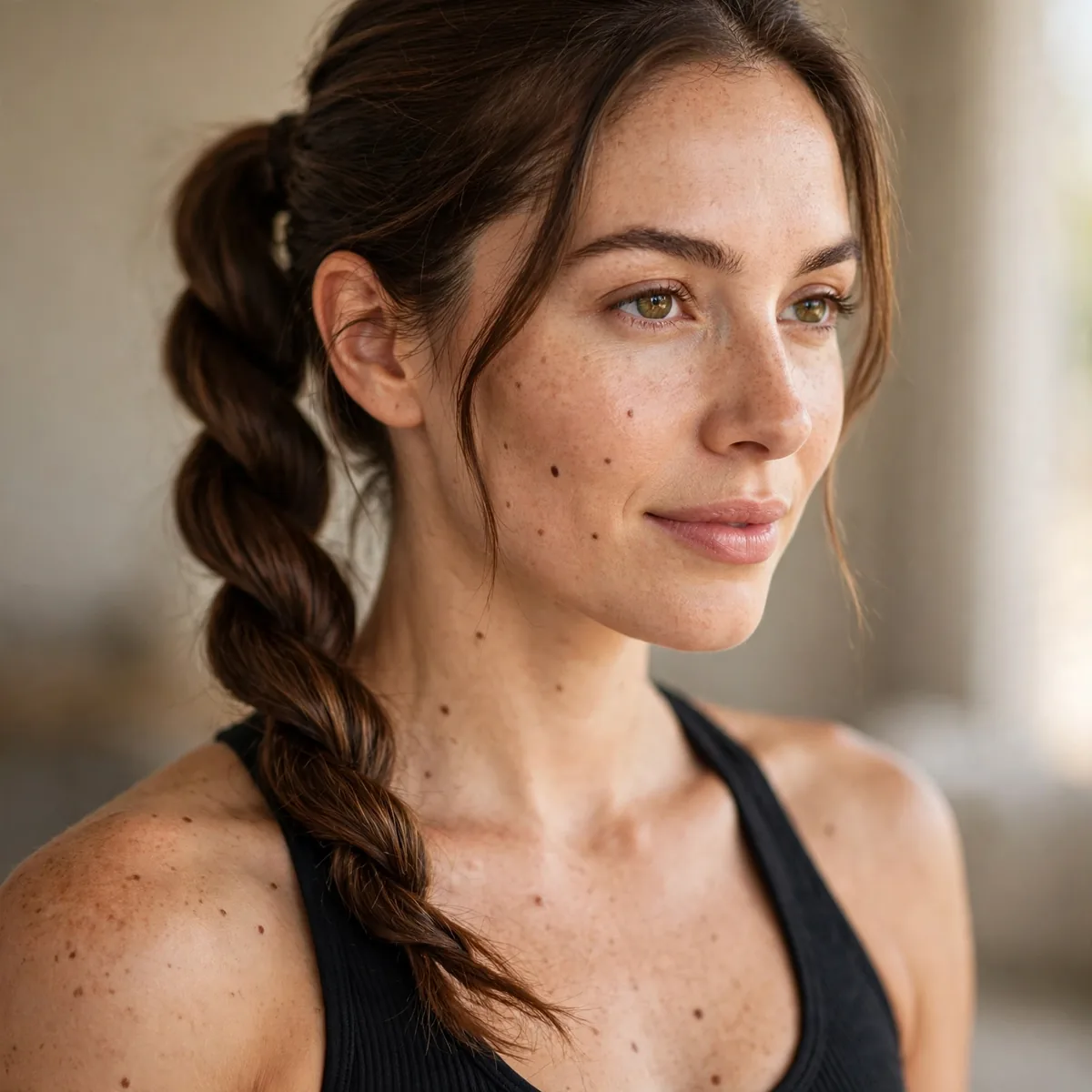
A ponytail twisted into a rope — the twist structure can’t unravel the way loose hair loosens, so it holds through entire sessions.
Best for: medium to long hair. Two minutes to create, hours of hold.
The rope-twist ponytail is particularly flattering on coily hair, where natural texture adds dimension that elevates the look. Other hair types can wear it too — leave-in conditioner or a quick pass with heat tools can mimic the grit or smoothness the style needs. Very dense hair may require extra sectioning for control, while finer hair benefits from volumizing prep at the roots. Adapt the technique to your hair, not the other way around.
Refresh rather than redo when your rope-twist ponytail starts to tire. A light mist of water followed by smoothing serum reactivates the shape without a full restyle, and a flat iron can neaten partings in seconds. Focus revival efforts on the hairline and crown — that is where styles visibly age first. Tucking one loose piece behind the ear or adding an accessory can disguise day-two softness while looking completely intentional.
Braided Headband with Low Pony
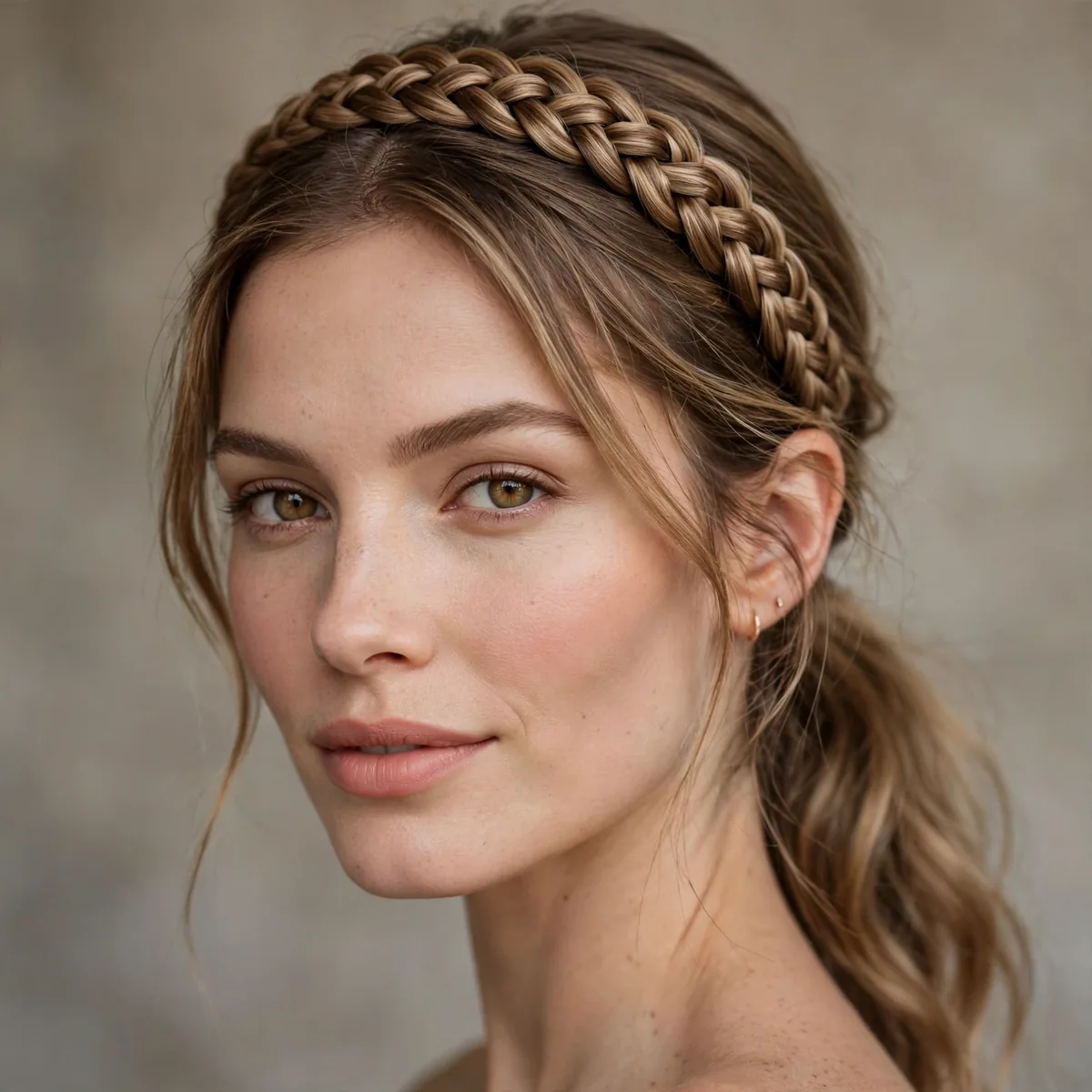
A braid along the hairline feeding into a low pony — the front stays locked while the pony handles the rest. Our ponytail hairstyles for thick hair has more secure pony ideas.
Best for: bangs and layers that escape everything. The headband braid captures every short piece.
Consider the braided headband with low pony your secret weapon for brunches. It photographs beautifully from every angle, holds up through long events, and looks intentional without seeming overdone. Prep with argan oil for extra staying power when you cannot sneak away for touch-ups, and stash two bobby pins in your bag for insurance. A style you do not have to think about is a style that lets you enjoy the occasion.
Layer the braided headband with low pony with complementary details for extra dimension. Face-framing layers, a softened hairline, or a contrasting texture at the ends all add interest without complicating the style. A spray bottle refines these details, while sea-salt spray keeps them defined through the day. Think of the base style as the canvas and these small additions as the brushstrokes that make it personal.
Sweat-proof hair is a technique, not luck. Pin your go-to styles — and for ponytails built for thick hair, see our 18 ponytail hairstyles for thick hair.