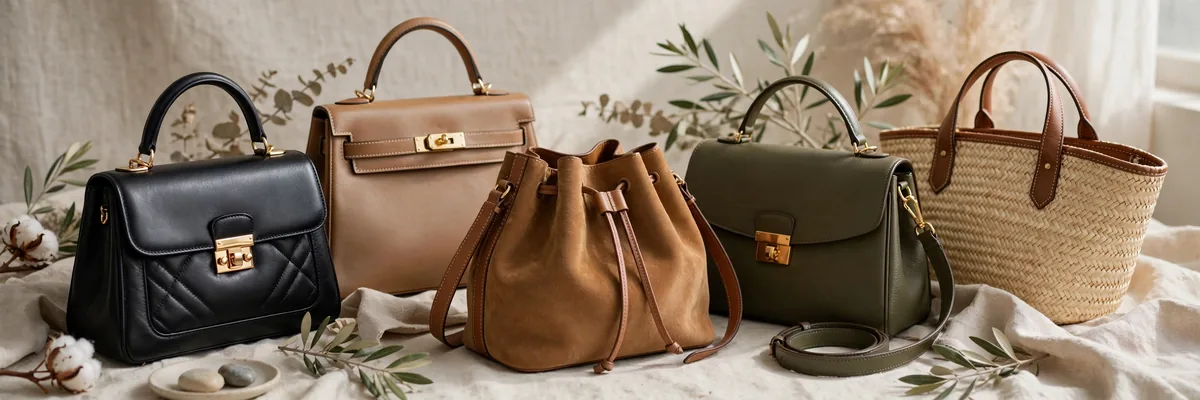
A great handbag is the hardest-working accessory you own — choose timeless, and it pays you back daily.
The investment logic: cost-per-wear. A $400 bag carried 200 times costs $2 per wear — cheaper than fast-fashion bags you abandon.
What makes a bag timeless: clean lines, quality hardware, neutral color, and a size that fits real life.
Here are the 20 styles worth your money. Let’s get into it.
The Structured Tote
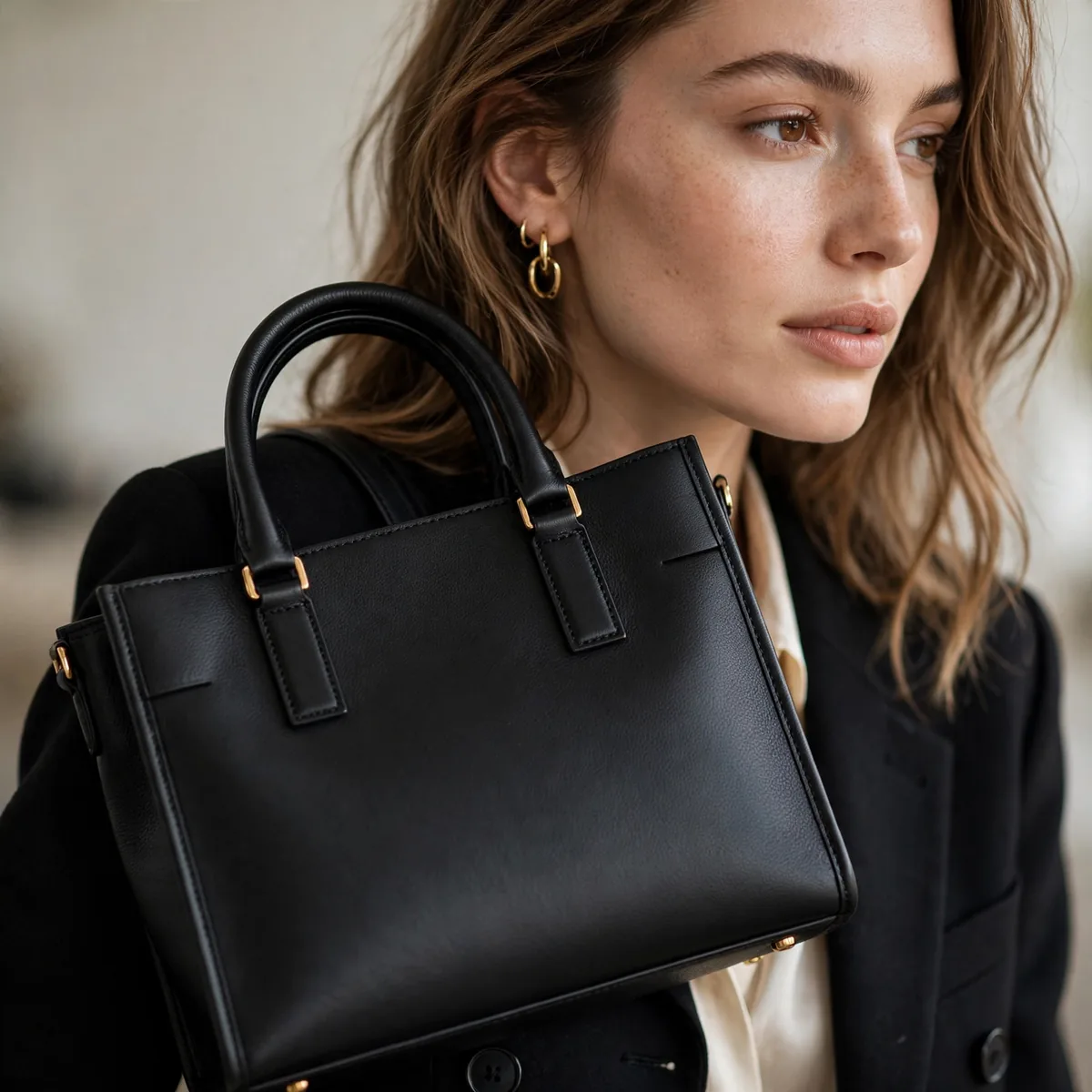
The workhorse: a structured tote that fits a laptop, stands upright, and looks professional.
Black or cognac pebbled leather hides wear beautifully.
A structured tote earns its keep when the base is reinforced — it should stand upright on its own, not collapse. Check that the handles are anchored with stitching plus rivets, since handle failure is how totes die. A 13–14 inch width fits most laptops; interior zip pockets keep valuables separate. Pebbled leather in black or cognac hides scratches for years of daily commuting.
Style it with tailored workwear, but don't retire it on weekends — a structured tote sharpens jeans and a blazer too. For travel, it doubles as a personal item that slides over luggage handles if it has a back sleeve. Condition the leather every six months and stuff it when stored; a tote that keeps its shape looks expensive far longer than one that slumps.
The Quilted Chain Bag

The classic quilted bag with a chain strap goes from day to evening effortlessly.
Wear the chain doubled for shoulder, long for crossbody — two bags in one.
The quilt's puffiness signals quality — plump, even quilting with tight stitching, not flat printed diamonds. Lambskin feels buttery but scratches; caviar (grained) calfskin resists wear far better for daily use. Test the chain: it should glide without catching, and leather threaded through the chain prevents shoulder digging. Wear it doubled on the shoulder by day, single-strap crossbody by night.
This bag bridges more dress codes than any other — jeans and a tee by day, cocktail dress by night. The chain strap adds jewelry-like detail, so skip the statement necklace when you carry it. Store it with the chain tucked inside to avoid scratching the leather, and store the body stuffed to protect the quilting. A classic black or beige quilted bag holds resale value better than seasonal colors.
The Leather Satchel
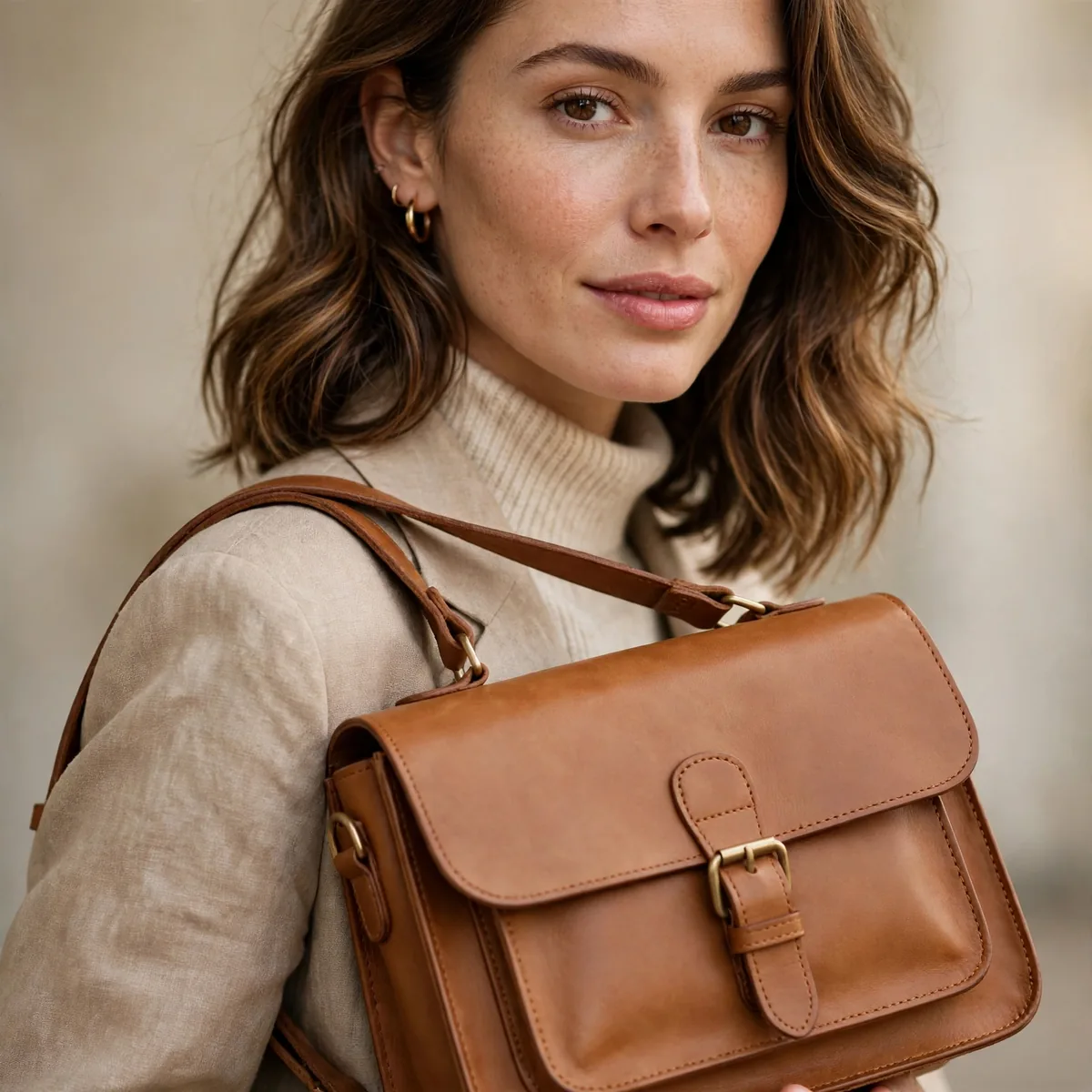
A structured satchel with a top handle is polished and practical in equal measure.
Tan and cognac age beautifully, developing rich patina.
A satchel's structure comes from its frame — press the sides; they should spring back, not stay dented. Full-grain leather develops the richest patina, darkening beautifully at handles and corners. Check the top handle drop: it should clear your wrist comfortably for hand-carry, with a detachable strap for shoulder days. Tan and cognac hide scuffs; black shows every mark but looks sharpest.
The satchel suits polished routines — office days, client lunches, parent-teacher meetings where you want to look pulled-together. It pairs naturally with loafers, trench coats, and tailored trousers. Because it's structured, it protects contents well — a good choice for carrying a tablet. Rotate the shoulder strap side periodically; leather straps stretch unevenly if always worn the same way.
The Minimalist Clutch

A simple envelope clutch in black or metallic covers every evening event.
Oversized clutches are more modern — and more practical — than tiny ones.
Oversized clutches work because they hold a modern phone — measure yours diagonally before buying, since many 'evening' clutches don't. An envelope flap with a magnetic closure is more secure than an open pouch. Black pebbled leather reads day-to-night; metallic gold or silver is strictly evening. A detachable wrist strap adds security on dance floors without changing the look.
Carry the clutch when the outfit is the star — it functions as jewelry, not luggage. Tuck it under your arm for photos; handheld, it can look awkward. For weddings, choose one with a subtle sheen that catches candlelight. Edit ruthlessly: phone, cards, lipstick, key — if it doesn't fit, it doesn't come. This restraint is the whole point of the clutch.
The Bucket Bag
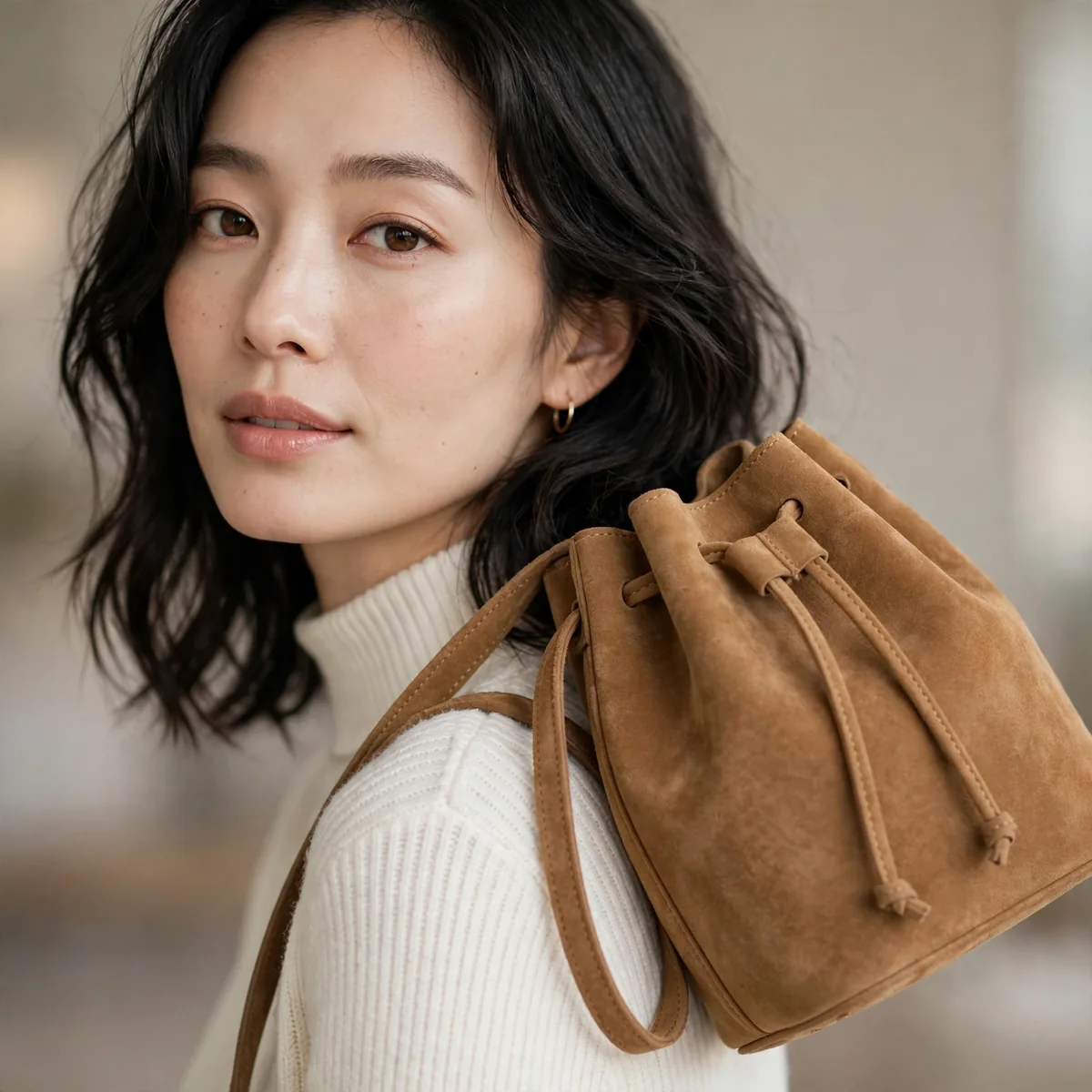
The bucket bag’s drawstring top and slouchy shape are relaxed yet refined.
Suede buckets feel luxurious; leather ones are more durable.
The drawstring is the engineering to inspect — it should cinch smoothly and stay closed, not gape open. Look for a reinforced eyelet row; cheap buckets tear at the holes within months. Suede buckets feel indulgently soft but demand weatherproofing spray; smooth leather versions survive rain and daily abuse. A flat base helps it stand; round-bottomed buckets tip over constantly.
Bucket bags hit the sweet spot between casual and polished — right for brunch, shopping days, and creative workplaces. The slouchy shape pairs well with relaxed tailoring: wide-leg trousers, oversized blazers, knit dresses. Keep the contents organized with a small pouch insert, since the open top swallows keys. In suede, stick to darker tones for everyday; light suede is a special-occasion choice.
The Top-Handle Bag
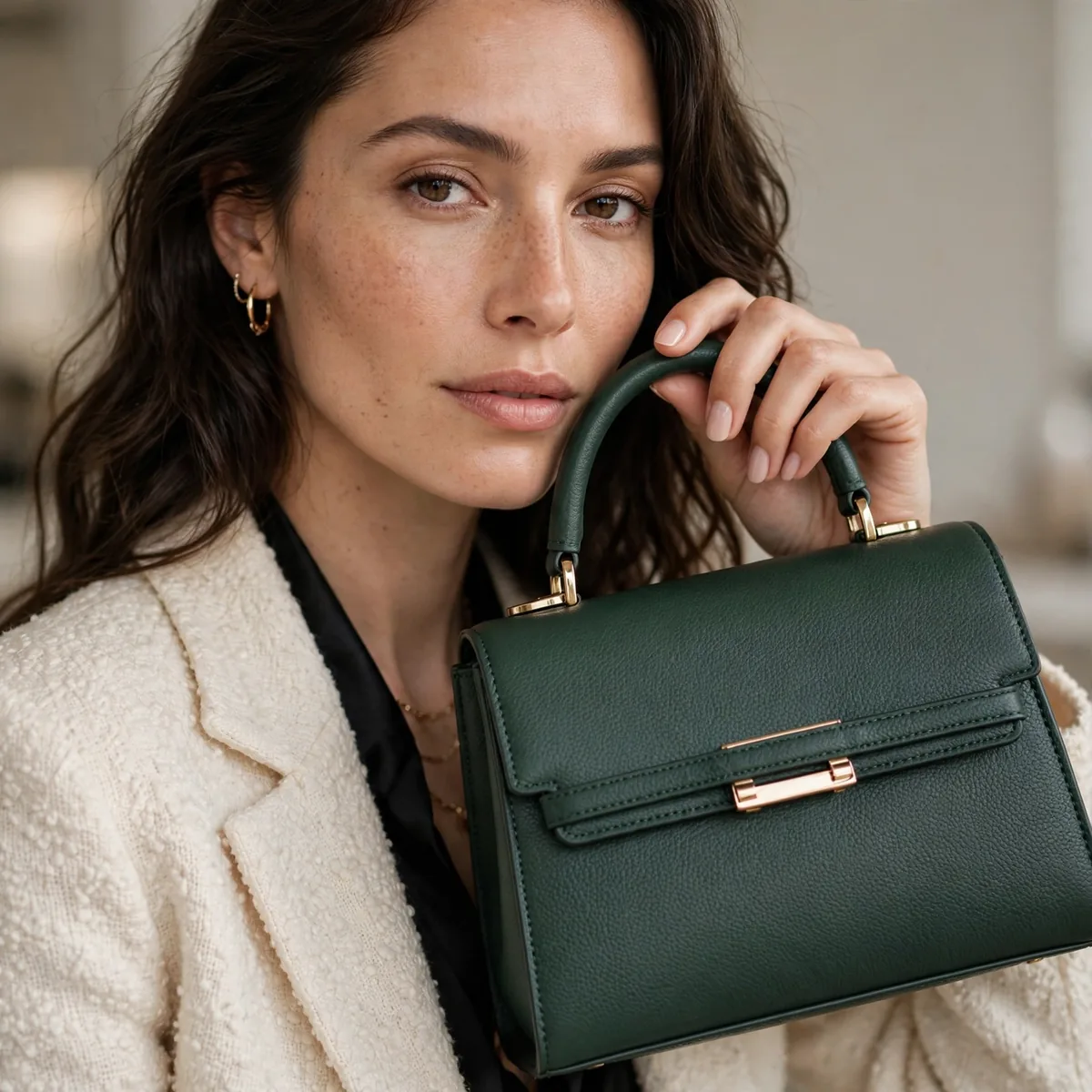
A ladylike top-handle bag is the definition of polished. It elevates everything.
Medium size is most versatile — big enough for essentials, small enough for evenings.
Medium is the magic size — roughly 10–12 inches wide — big enough for a phone, wallet, and sunglasses, small enough for evening. The handle should be reinforced where it meets the body; that's the stress point. A structured base with small feet protects the bottom when you set it down. Look for a bag that stands on its own — if it slumps on the shelf, it'll slump forever.
Top-handle bags are the polish shortcut — they elevate jeans, sharpen workwear, and complete occasion dresses. Carry it in hand for maximum ladylike effect; use the shoulder strap only when you need hands free. This is the bag for weddings, christenings, and nice dinners. In a neutral — black, tan, taupe — it works across seasons; in a pastel, it's a spring statement.
The Crossbody
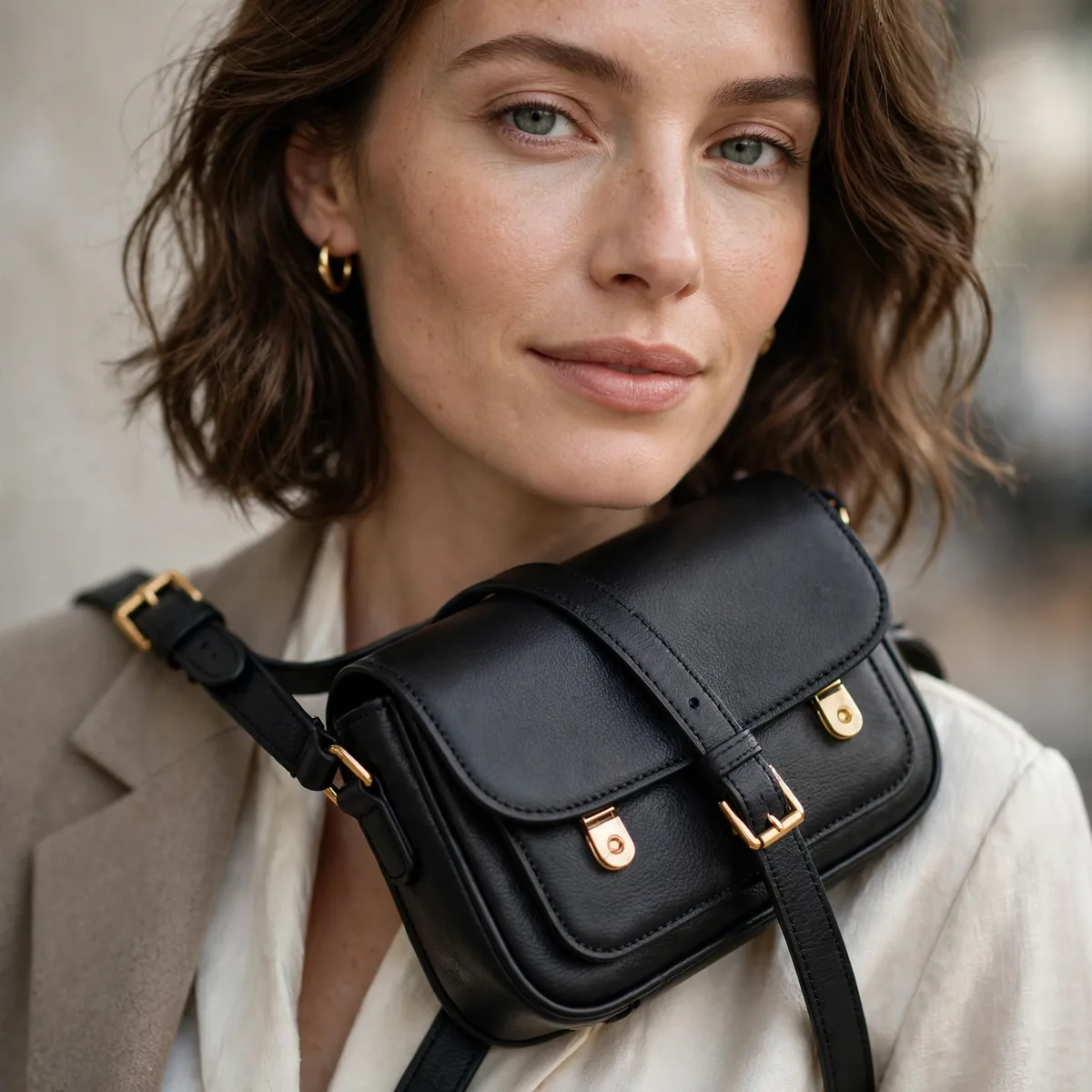
A sleek crossbody is the everyday essential — hands-free, secure, and chic.
Adjustable straps matter: wear it high for polish, low for casual.
Strap adjustability is non-negotiable — it should shorten enough to sit at the waist for polish and lengthen for casual hip-slung wear. A wide strap (over an inch) distributes weight comfortably; thin chains dig in by afternoon. Check the strap attachments: reinforced tabs outlast simple rings. The bag body should sit flat against you, not swing — a curved or crescent shape hugs best.
The crossbody is the travel and city essential — secure against the body, hands free for maps, coffee, and kids. For sightseeing, choose one with a zip top and an interior pocket for your phone. It also suits concerts and festivals where a tote would be a liability. In sleek black leather it works for evenings too; save canvas and nylon for daytime adventures.
The Hobo Bag
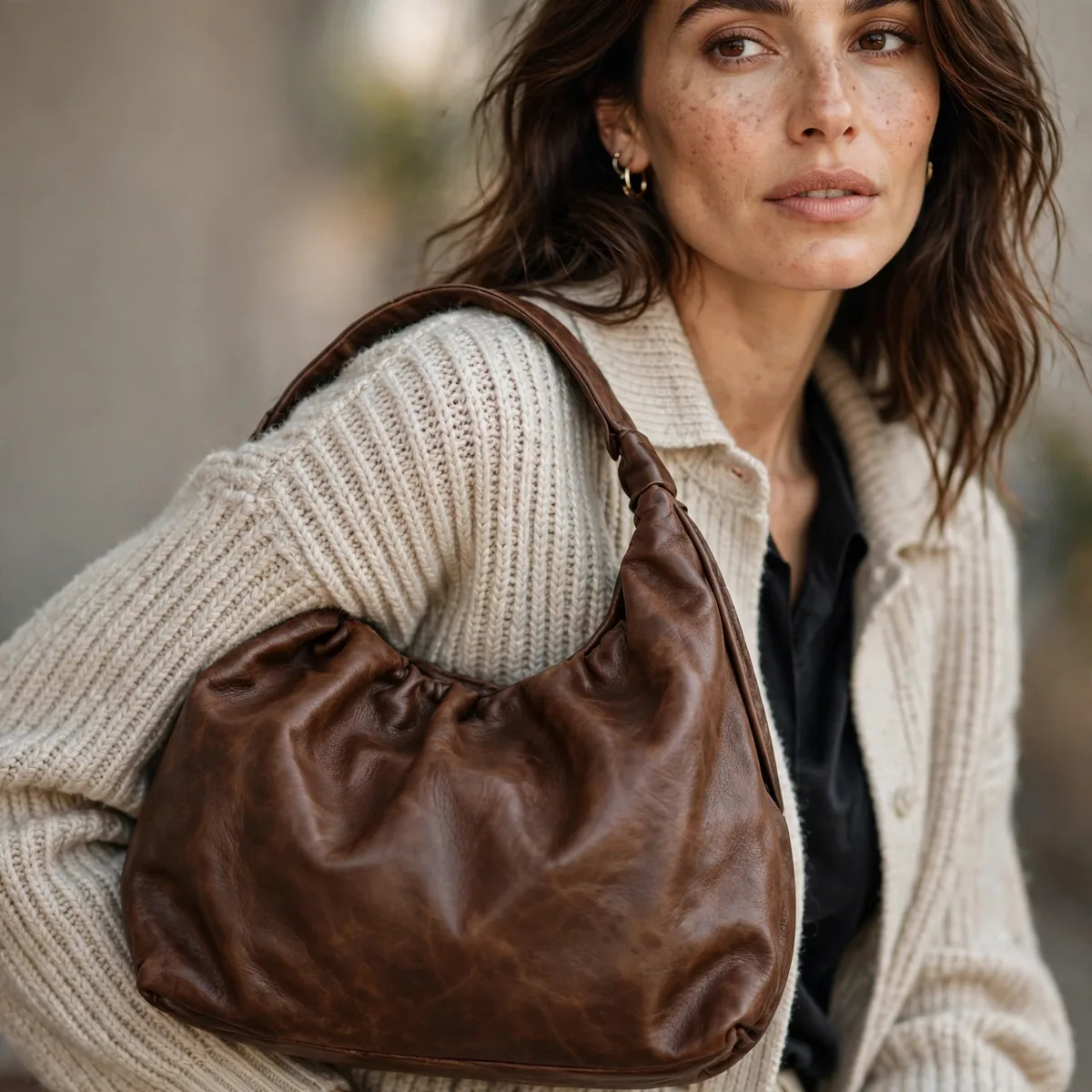
The slouchy hobo is back and better — soft, roomy, and effortlessly cool.
Pebbled leather hobos are the most durable and forgiving.
Pebbled leather is the hobo's best friend — the texture hides the creasing that comes with slouch, and it wipes clean. The bag should drape, not collapse: quality hobos have a reinforced bottom panel. Check the shoulder strap drop — it needs to clear a winter coat. A single roomy compartment with a center zip divider keeps the slouch from becoming a black hole.
Hobos suit relaxed, confident style — think knit dresses, wide-leg denim, oversized blazers. The slouch reads effortless, so keep the rest of the outfit intentional to avoid looking undone. It's a generous everyday bag: wallet, sunglasses, book, water bottle all fit. For work, choose a darker, more structured hobo; the ultra-slouchy versions lean weekend. Condition the leather seasonally to keep the drape supple.
The Mini Bag
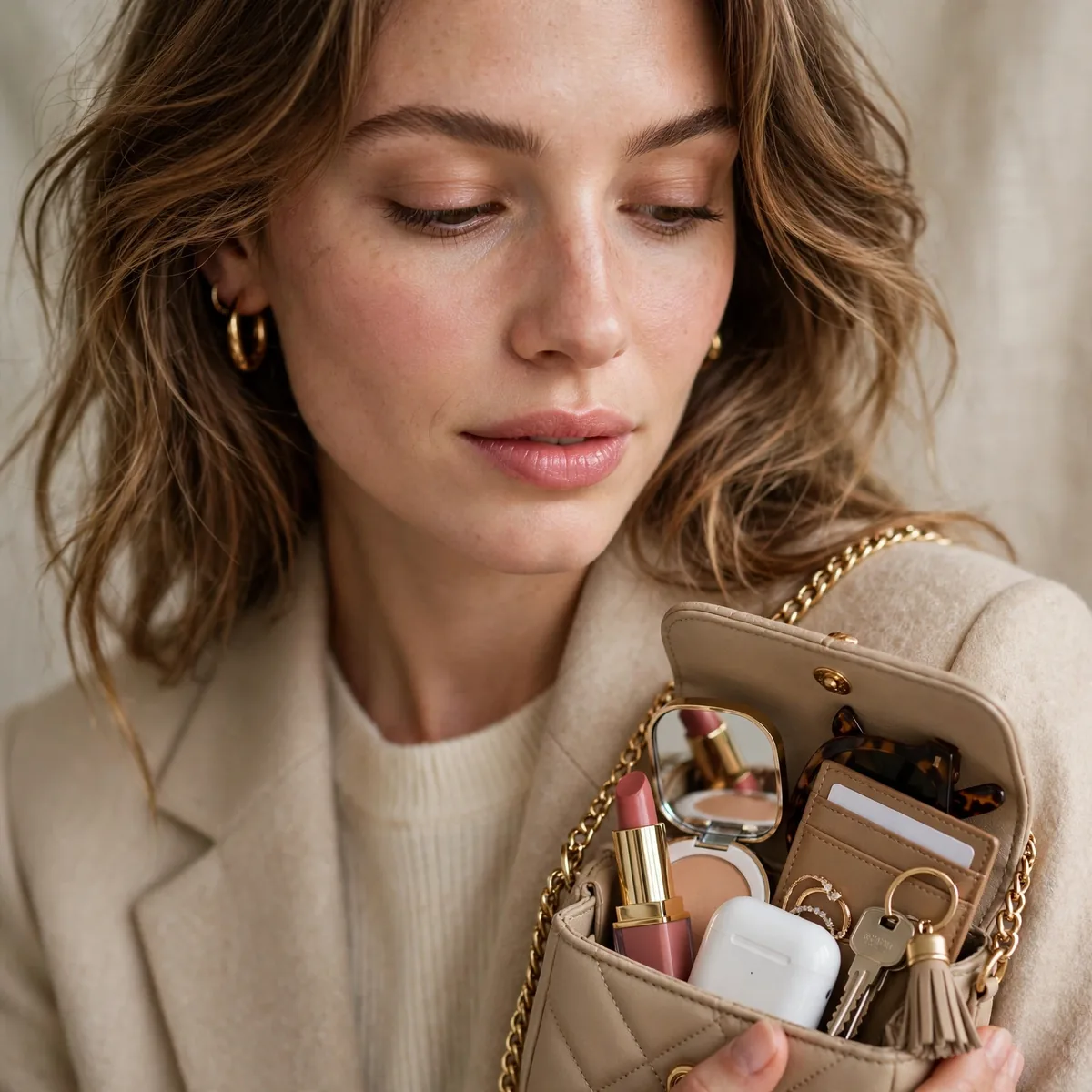
A tiny bag for evenings and events — it forces editing to true essentials.
Carry a mini when the outfit is the star; the bag is just jewelry.
Phone size is the dealbreaker — lay out your phone, card case, and lipstick before buying, because many minis fit a phone only diagonally or not at all. A structured mini holds its shape and looks intentional; floppy minis look like pouches. The strap should be adjustable or detachable so the bag works handheld for evening. Bold colors work here — the small scale keeps even red or pink tasteful.
Minis are jewelry-bags: carry one when the outfit carries the look — weddings, date nights, gallery evenings. They're also the travel-evening solution, fitting inside a larger day bag until needed. Because the scale is tiny, hardware and stitching quality show — cheap minis look cheap fast. One black and one metallic mini cover nearly every evening invitation you'll receive.
The Woven Tote
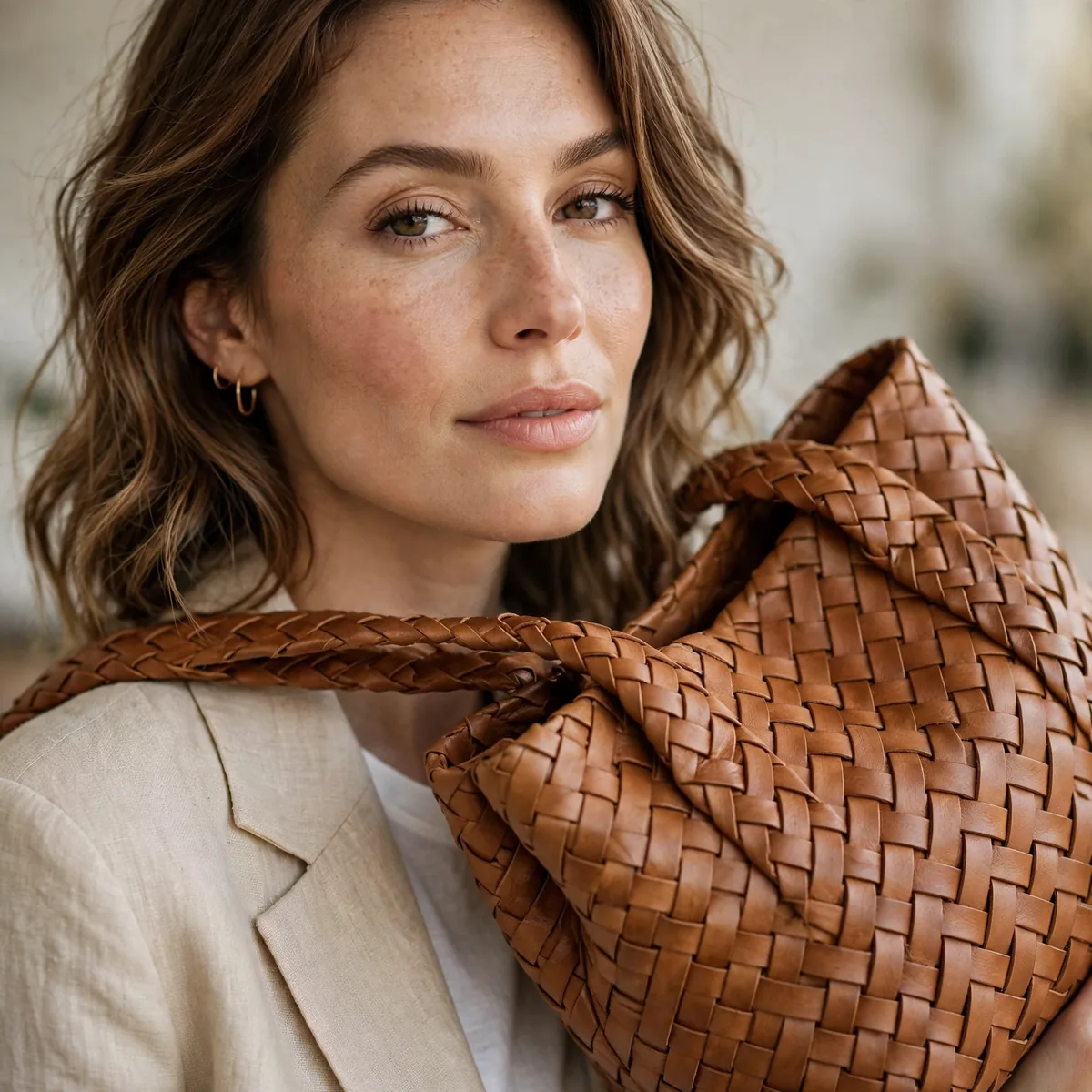
Woven leather (intrecciato-style) is texture that reads luxury without logos.
The weave hides scratches — practical luxury at its best.
Hand-woven leather has slight irregularities — that's the signature, not a flaw. Machine-stamped 'woven' prints crack at the folds; real weaving flexes. The intrecciato technique actually strengthens the leather, making woven totes remarkably durable. Check the edges and handles, which take the most stress. The weave hides scratches beautifully, so this is the tote for people who are hard on bags.
Woven texture reads luxury without a logo — it suits quiet-luxury style and pairs with everything from linen suits to cashmere sets. The texture adds interest to monochrome outfits especially. A woven tote works year-round, though it feels particularly right in spring and summer. Keep the weave clean with a soft brush; conditioning keeps the strips supple and prevents drying at the folds.
The Doctor Bag
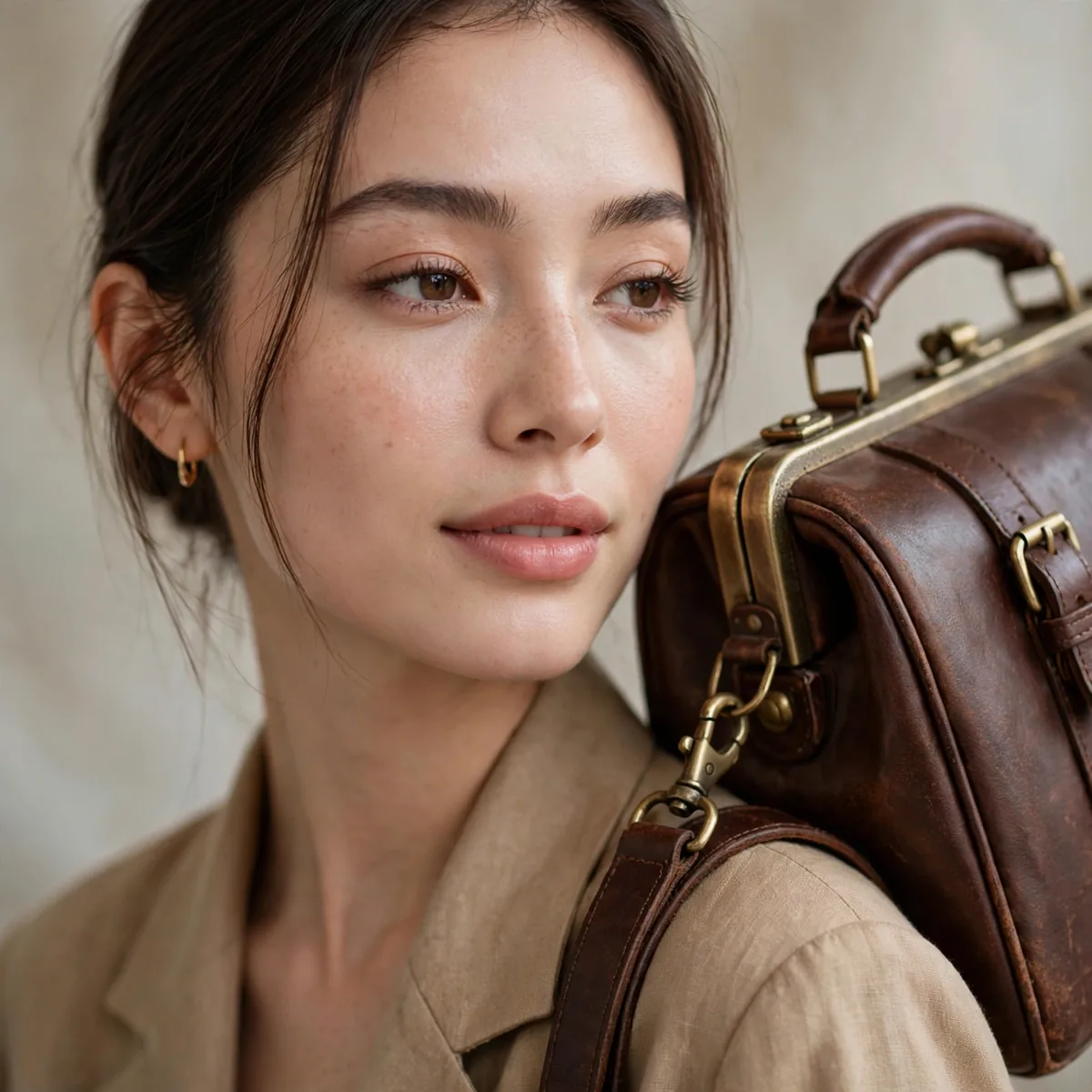
The structured doctor bag is vintage-inspired and incredibly chic right now.
Its rigid shape keeps belongings organized and looks intentional.
The rigid frame is everything — open and close it in the store; the clasp should snap decisively, not wobble. Vintage doctor bags in structured leather are the best value, often found secondhand in excellent condition. Check the interior: the frame design usually means one roomy compartment, so add a pouch for small items. The top handles should stand upright on their own — floppy handles signal a tired frame.
Doctor bags suit vintage-leaning, polished style — they pair beautifully with midi skirts, loafers, and tailored coats. The structured shape keeps belongings organized and always looks intentional, never slouchy. It's a conversation piece that still functions as a real bag. For modern edge, carry it with relaxed denim; the contrast between vintage shape and casual clothes is very current.
The Backpack Purse
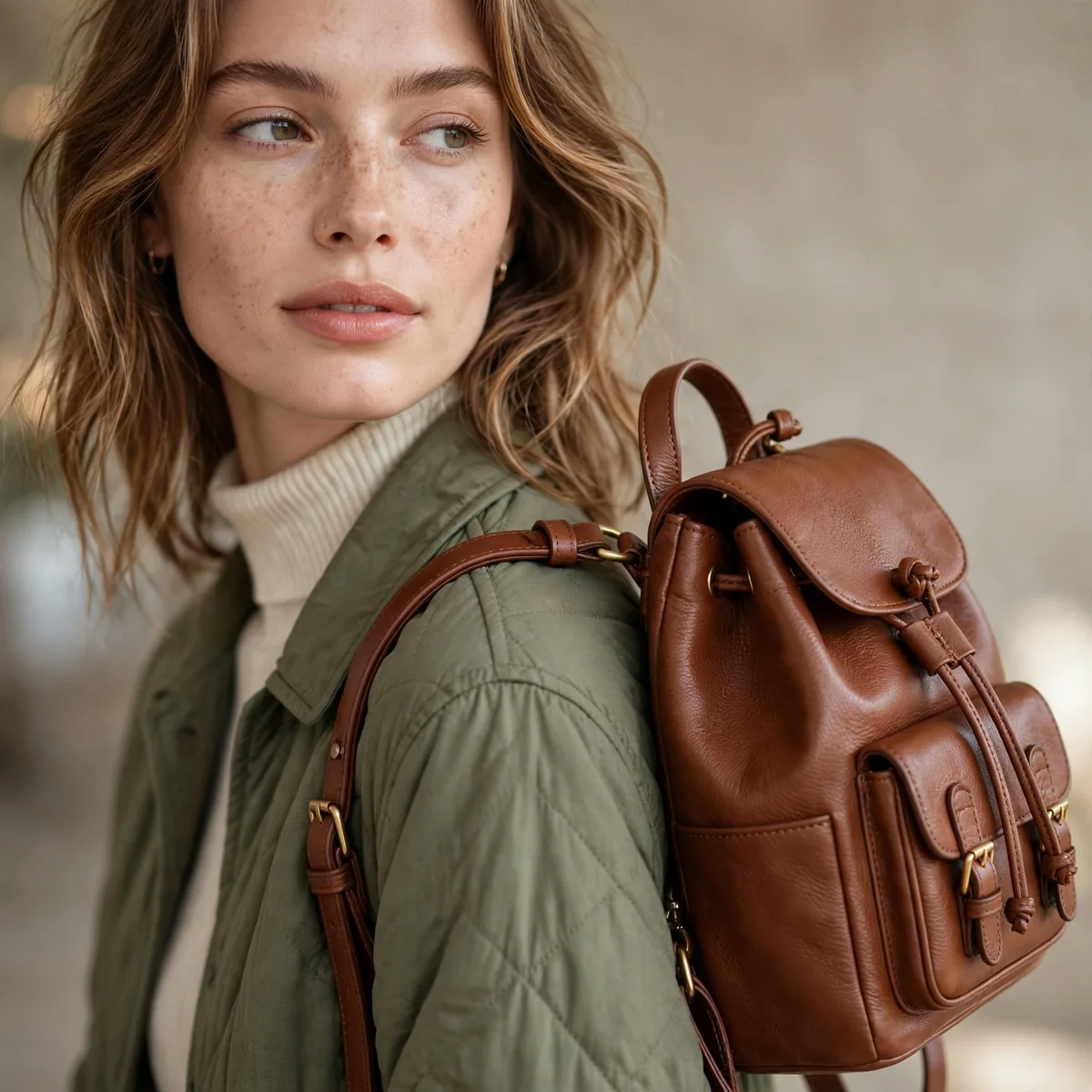
A sleek leather backpack distributes weight and looks modern — not collegiate.
Mini backpacks read fashion; full-size reads function. Choose accordingly.
The line between fashion and collegiate is in the details: sleek leather, minimal hardware, and a slim profile read fashion; bulky nylon with front pockets reads campus. Mini backpacks suit evenings and petite frames; a medium size works for daily carry. Check that the straps are adjustable enough to wear high on the back — low-slung backpacks look sloppy. A top handle adds carrying versatility.
Backpack purses are the commuter and mom essential — weight distributed across both shoulders, hands completely free. They suit travel days, museum visits, and school runs. For the office, choose structured leather in black or cognac; it reads intentional, not casual. Keep the silhouette slim — an overstuffed backpack purse loses its polish fast. A small crossbody tucked inside covers evening transitions.
The Straw Bag

A quality straw tote is summer’s essential — beach to market to dinner.
Look for leather handles and trim; they elevate straw from beach to chic.
Quality straw is tightly woven with no sharp ends poking out — run your hand over the surface before buying. Leather handles and trim are what elevate straw from beach tote to chic accessory; all-straw handles fray fast. A fabric lining with a zip pocket keeps small items from sifting through the weave. Natural, honey, and cognac tones are the most versatile; dyed straw dates quickly.
The straw tote is summer's workhorse — beach, farmers' market, outdoor dinners, vacation sightseeing. Pair it with linen dresses, espadrilles, and simple gold jewelry for the full seasonal look. Keep it dry: straw warps in rain and mildew in damp storage. At season's end, stuff it and store it somewhere ventilated — never in plastic, which traps moisture. One good straw tote lasts many summers.
The Belt Bag
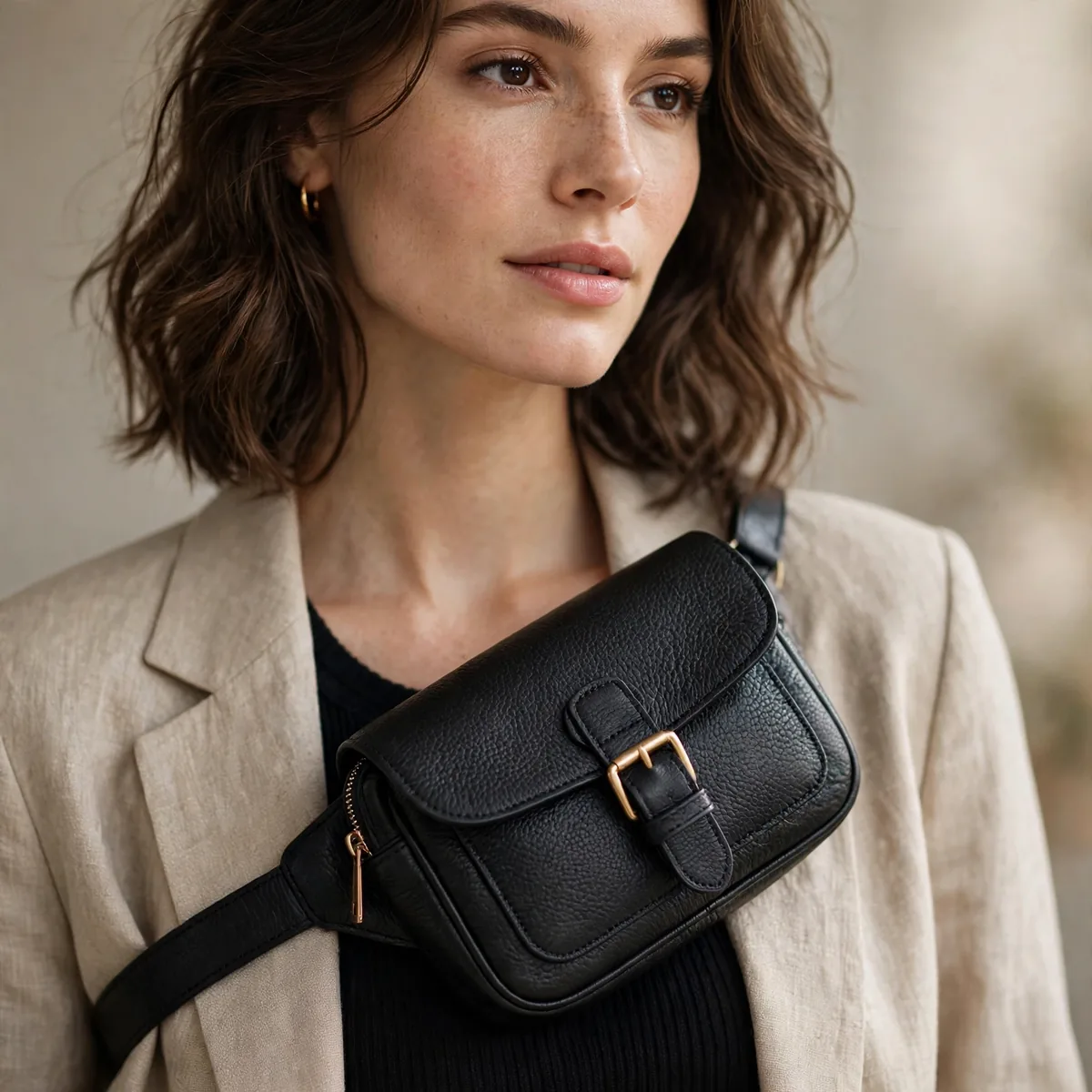
Worn crossbody, the belt bag is the hands-free essential for travel and busy days.
Sleek leather versions look polished; nylon ones look sporty.
Sleek leather belt bags read polished; puffy nylon reads athleisure — choose based on your life. The strap should adjust to sit at the natural waist or across the chest; both positions work, waist reads more classic. Size matters: it should hold phone, cards, and keys without bulging. A structured shape keeps it from looking like a gym accessory.
Worn crossbody, the belt bag is the travel essential — secure, hands-free, and it fits under a jacket for security. It's also the festival and theme-park solution. For city polish, wear it over a blazer at the waist — very current. Keep it minimal: overstuffing ruins the sleek line. In black leather, it even works for casual evenings; save sporty versions for daytime.
The Evening Minaudière
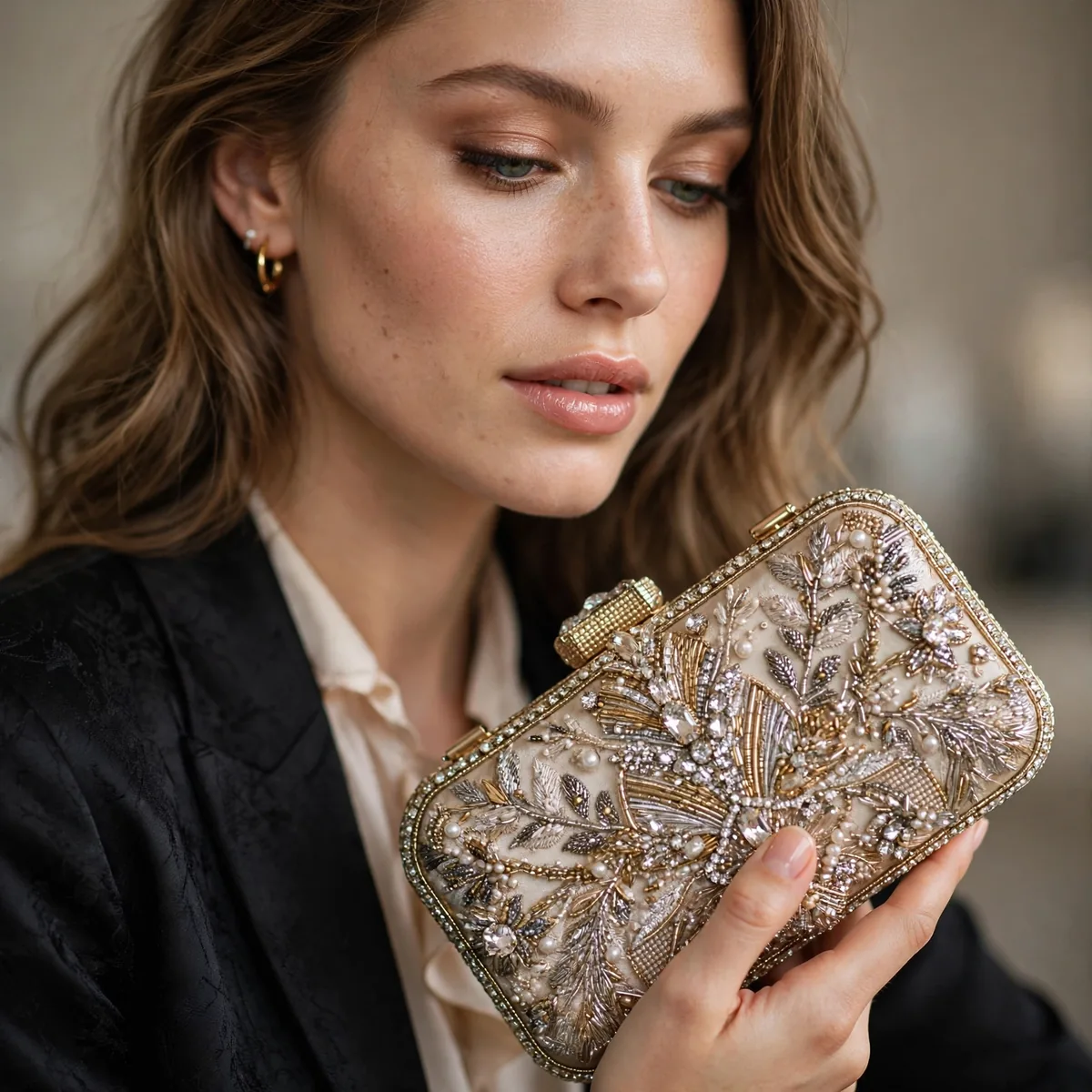
One special occasion clutch — beaded, metallic, or sculptural — for galas and weddings.
This is the fun purchase: personality over practicality.
This is the personality purchase — beaded, crystal, or sculptural shapes that no one needs but everyone notices. Check that the clasp works smoothly and the interior, however tiny, has a lining that won't snag. Vintage minaudières are often the best value: exquisite craftsmanship at a fraction of original prices. Choose one with a chain strap option so you can go hands-free after the photos.
Reserve the minaudière for galas, black-tie weddings, and holiday parties — occasions where the bag is part of the outfit's theater. It pairs with gowns, cocktail dresses, and sharp tuxedo suiting. Because it's delicate, carry it in hand rather than stuffing it into larger bags. Store it in its box with tissue; beading and crystals crush easily. One great minaudière serves for years of special occasions.
The Work Backpack-Tote
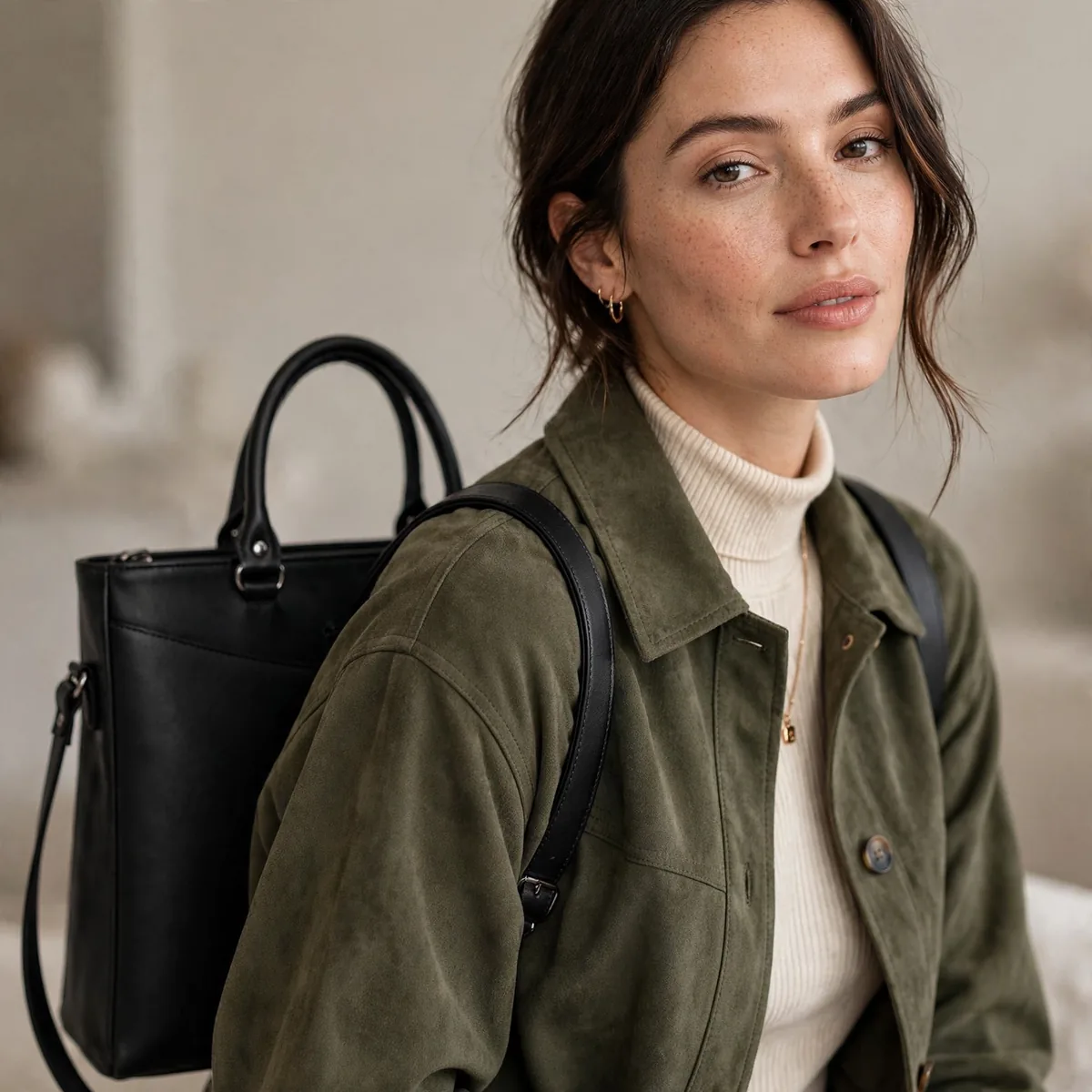
Convertible bags that switch from tote to backpack handle commutes brilliantly.
The versatility justifies the investment for daily carriers.
Convertible hardware is the make-or-break: straps should switch modes in seconds without fiddly clips, and the tote handles must tuck away cleanly in backpack mode. Test the conversion in the store — if it's annoying there, you'll never use it. A padded laptop sleeve is essential for the commute use case. Look for a bag that looks equally intentional in both modes, not compromised in one.
This is the commuter's smartest buy — tote mode for the office, backpack mode for the bike ride or crowded train. It also suits travel, doubling as a personal item and daypack. Choose water-resistant leather or coated canvas for all-weather commuting. Because it's a daily workhorse, invest in quality: the mechanism gets used twice a day, and cheap convertibles fail at the straps first.
What to Check Before Buying
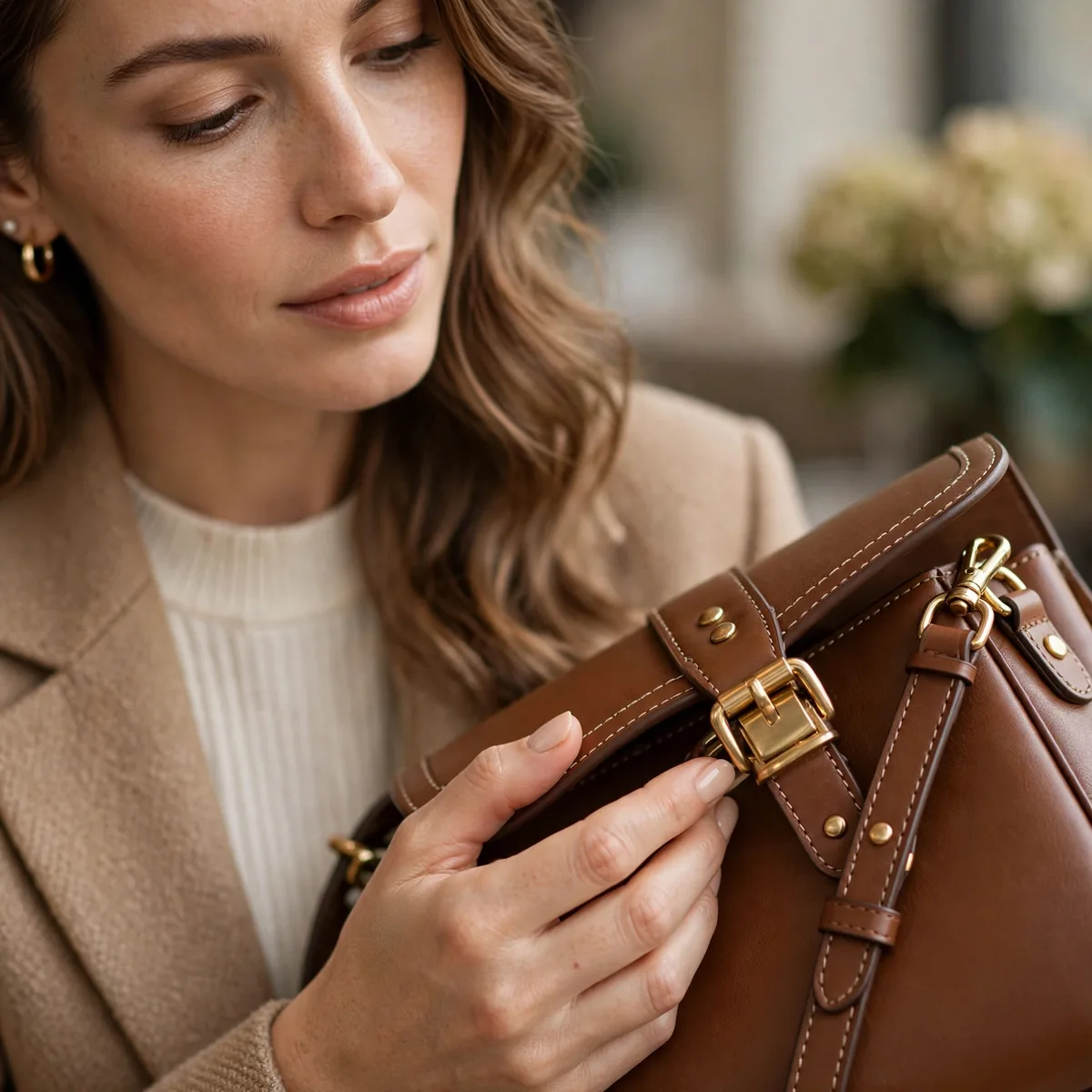
Inspect stitching (even, tight), hardware (weighty, smooth zippers), and lining (finished edges).
These details separate bags that last years from ones that last months.
Go beyond the surface: pull gently on handles and straps — stitching should hold firm with no gaps. Run zippers fully; they should glide without catching, and quality zippers have weight to them. Check the lining for finished edges and secure pockets; loose lining shreds within months. Smell the leather as the tip suggests — rich and natural is good; chemical or plastic smells mean bonded materials that peel.
Shop with your actual load — bring the items you carry daily and test the fit. Check the bag's weight empty; a heavy bag plus contents strains shoulders. Examine it in natural light: colors shift under store fluorescents, and flaws hide in dim corners. Finally, research the return policy — a bag that looks perfect in store can disappoint after a week of real use, and you want an exit.
Care Extends Life
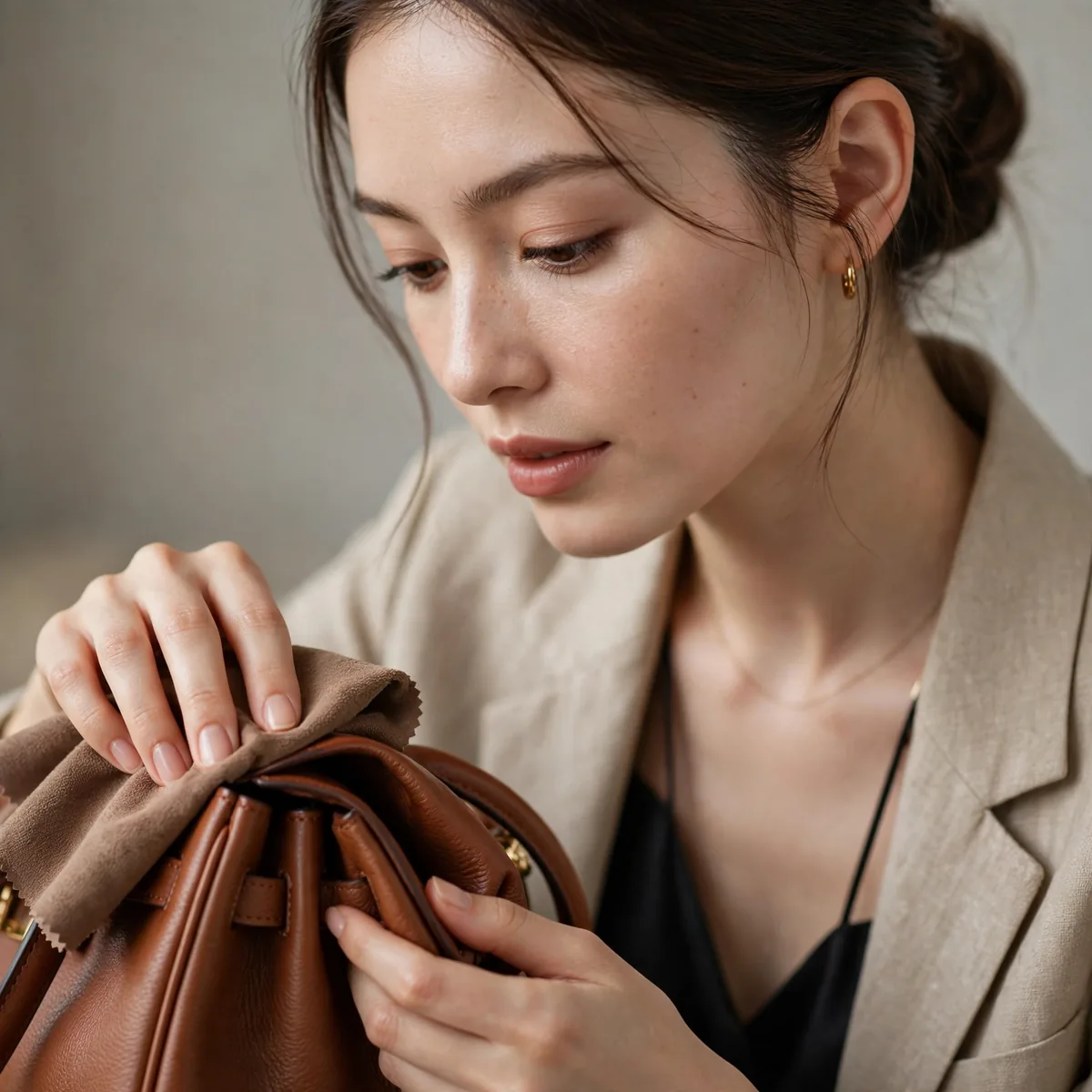
Stuff bags to hold shape, store in dust bags, condition leather twice a year.
Ten minutes of care twice a year doubles a good bag’s lifespan.
Leather conditioning is the highest-ROI habit: a quality conditioner twice a year keeps leather supple and prevents cracking at stress points. Use a soft cloth, work in small circles, and let it absorb overnight. For suede, a protector spray before first wear and a suede brush for maintenance. Never use heat to dry a wet bag — stuff it with paper and let it air-dry slowly away from radiators.
Storage matters as much as conditioning: stuff every bag to hold its shape, keep dust bags on, and never hang bags by their handles — the weight stretches them. Store upright on a shelf, not piled, so hardware doesn't scratch neighboring bags. For chain straps, tuck them inside to prevent imprints. Ten minutes of care per season genuinely doubles a good bag's lifespan — the math from the intro holds.
Cost Per Wear Wins
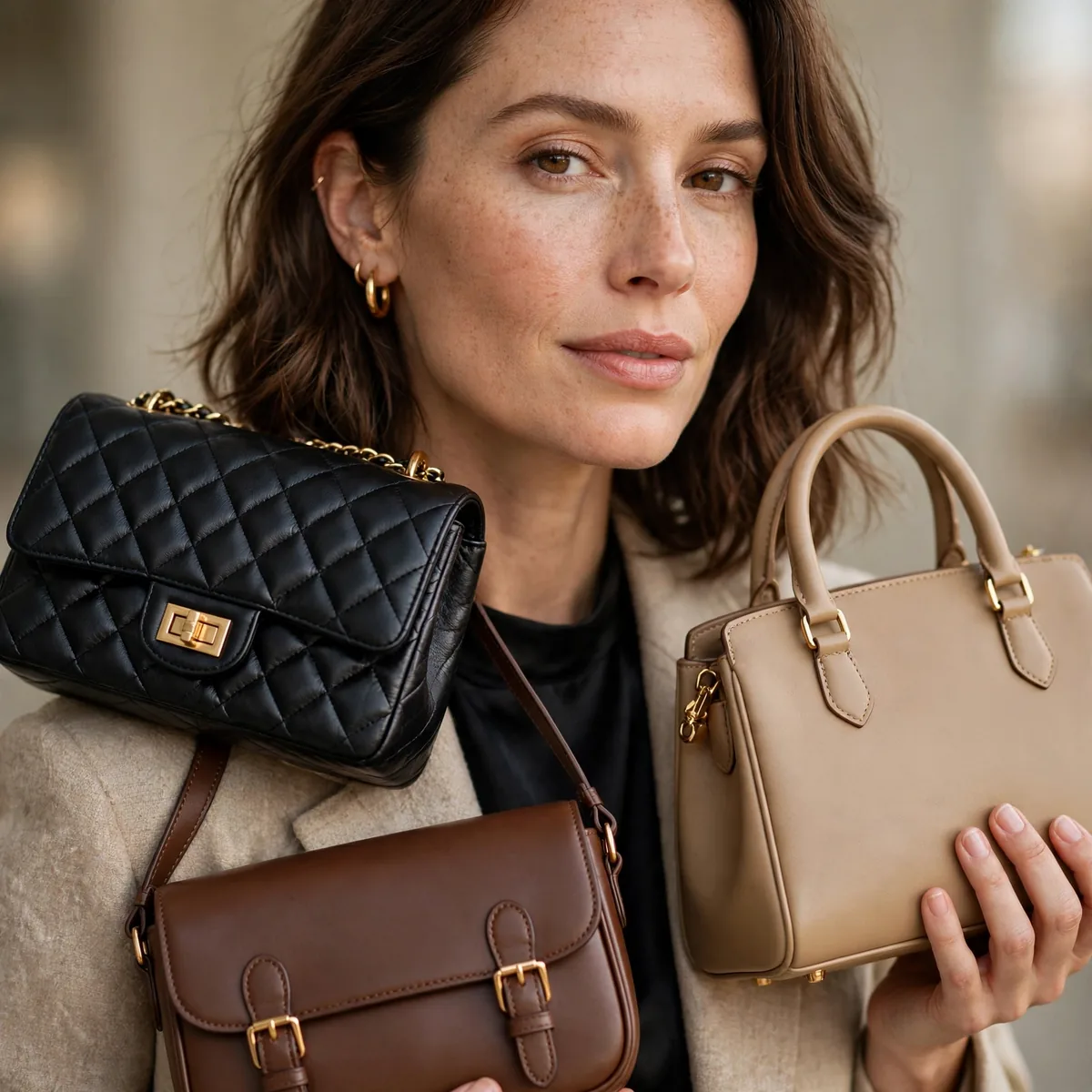
The final math: a $500 bag worn 250 times = $2/wear. A $50 bag worn twice = $25/wear.
Invest in the shapes you’ll actually carry — the best bag is the one you reach for.
Run the numbers honestly: track how many days per week you'd actually carry a bag before buying. A $500 bag carried 250 times costs $2 per wear; a $50 bag abandoned after two outings costs $25 per wear. The expensive-looking bag you never reach for is the worst investment of all. Buy for your real routine — the commute, the school run — not the life you imagine.
Resale value is the hidden part of the equation: classic shapes from established makers hold 50–70% of their value, while trendy bags crater. Keep dust bags, boxes, and receipts — they boost resale significantly. If a bag stops fitting your life, sell it while it's current rather than letting it gather dust. The money funds the next right purchase, keeping your collection intentional.
Start With Three
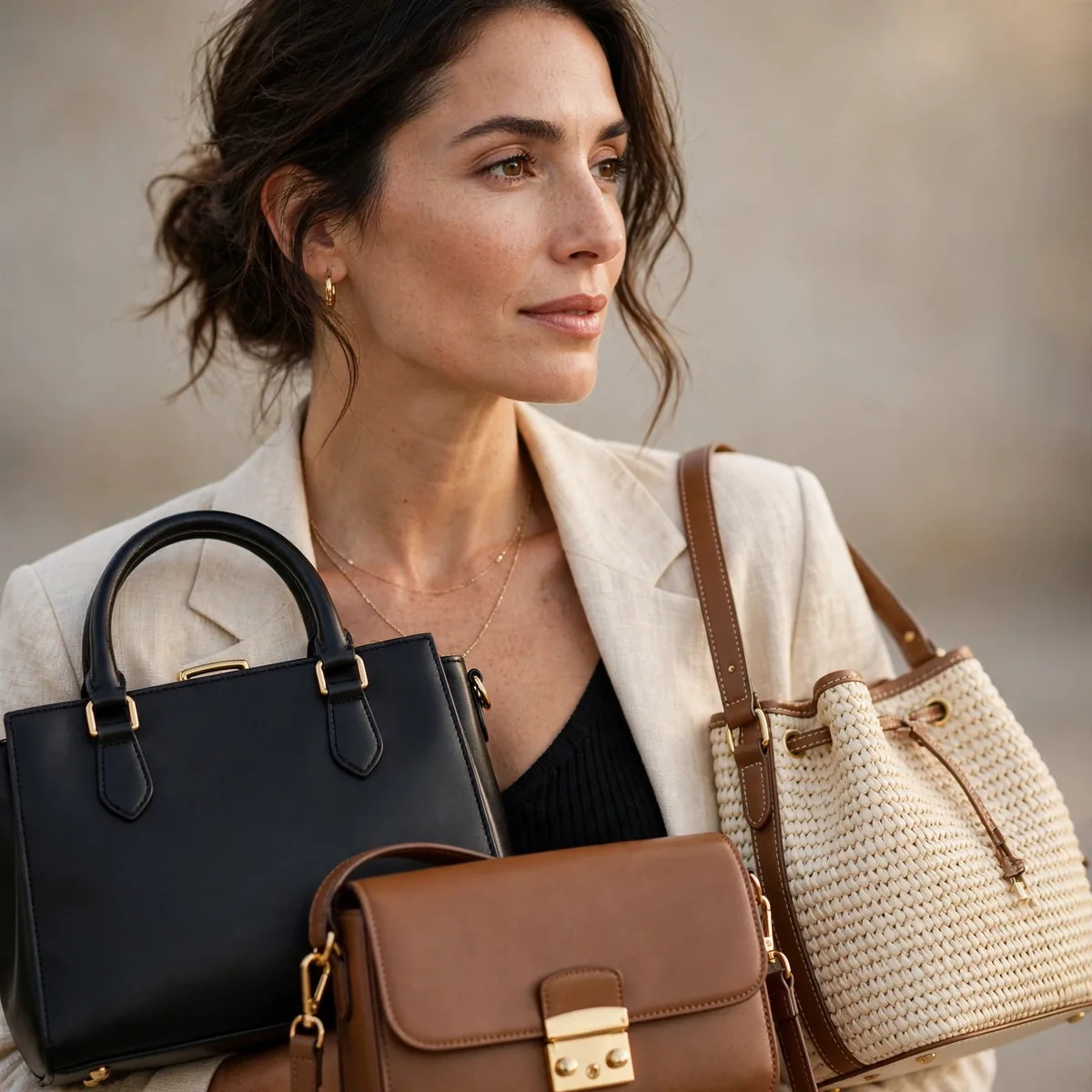
If building from scratch: a black tote, a crossbody, and an evening clutch cover 95% of life.
Add from there based on your actual needs — not aspirational ones.
The starter trio covers nearly everything: a black structured tote for work and travel, a crossbody in tan or black for hands-free days, and an evening clutch in black or metallic for events. Buy them in that order — the tote gets the most wear, so it deserves the biggest budget. Once the trio is solid, add based on gaps you actually feel, like a straw tote for summer or a mini for nights out.
Resist the aspirational purchase — the tiny evening bag when you never go out, the white tote when you commute by bus. Audit your actual week: where do you go, what do you carry? Buy for that. A three-bag wardrobe of quality pieces beats a closet of twelve mediocre ones, and it's easier to maintain. Add one bag per year as your life changes, keeping the collection intentional.
Carry well. Pin your wishlist, and see timeless style principles in our old money outfit ideas.