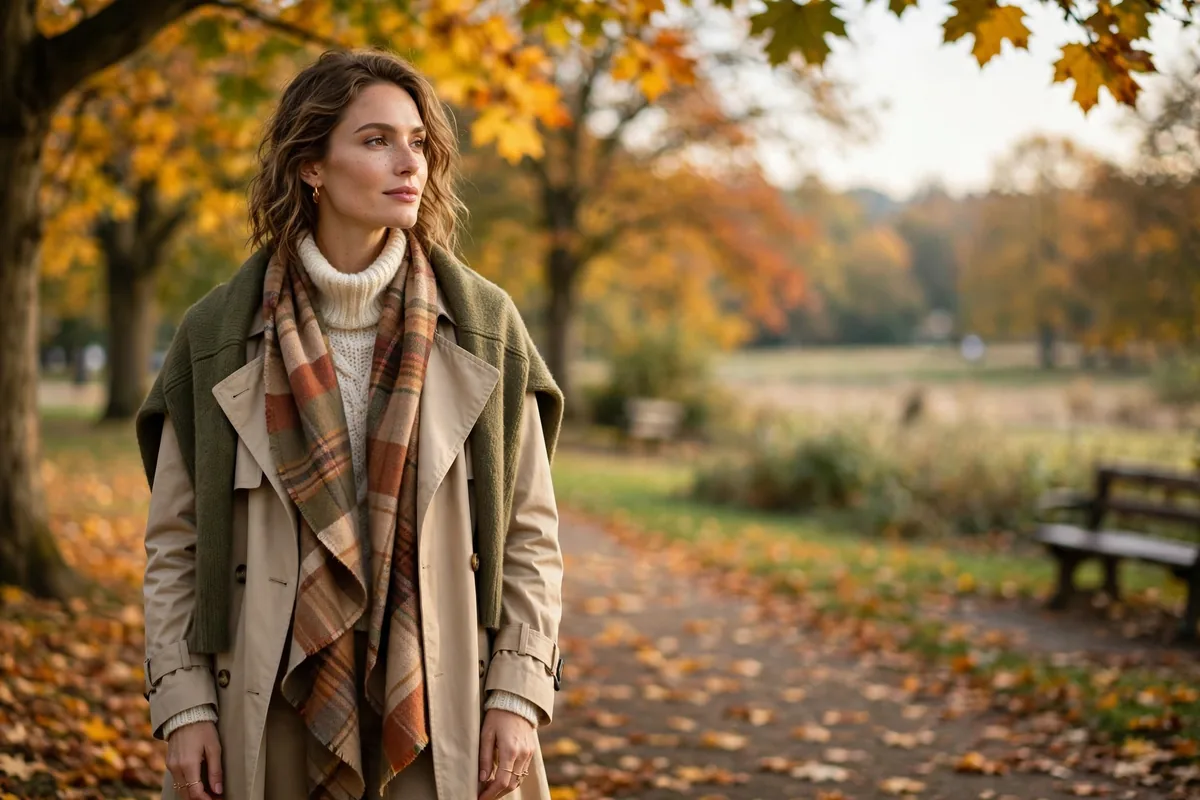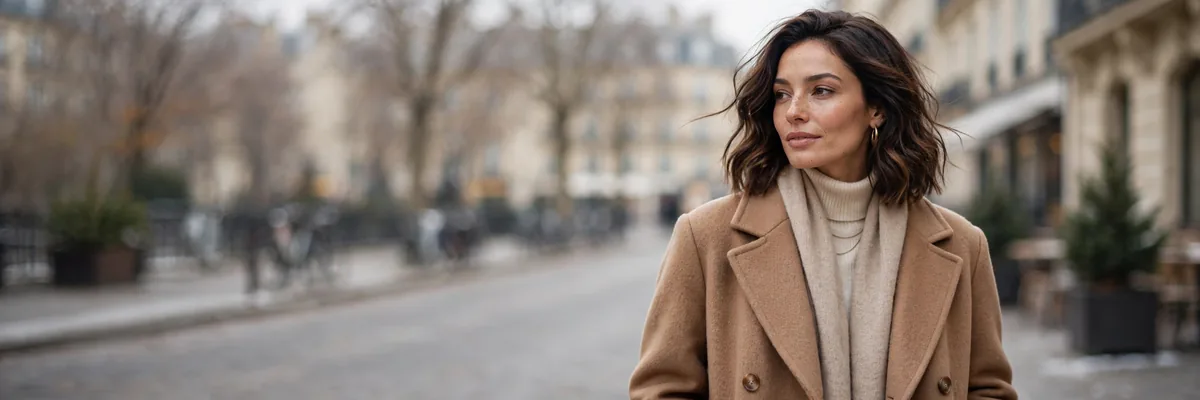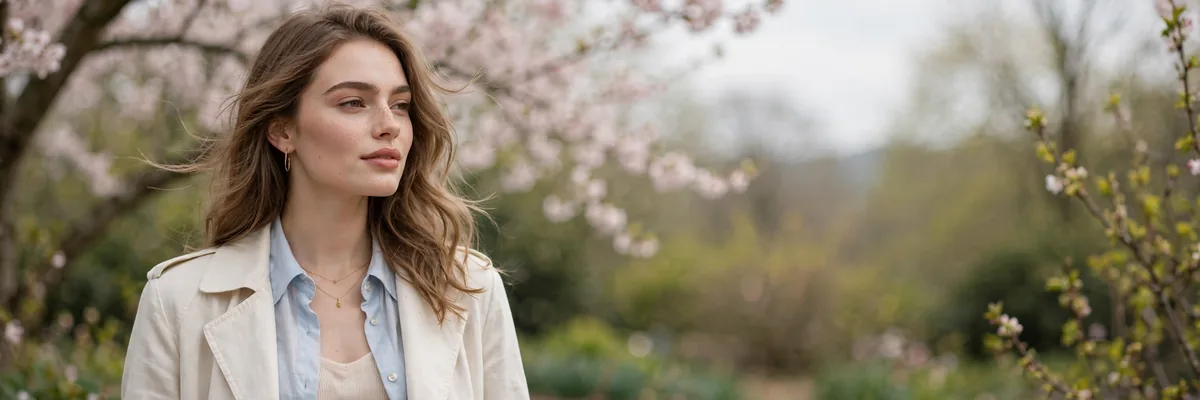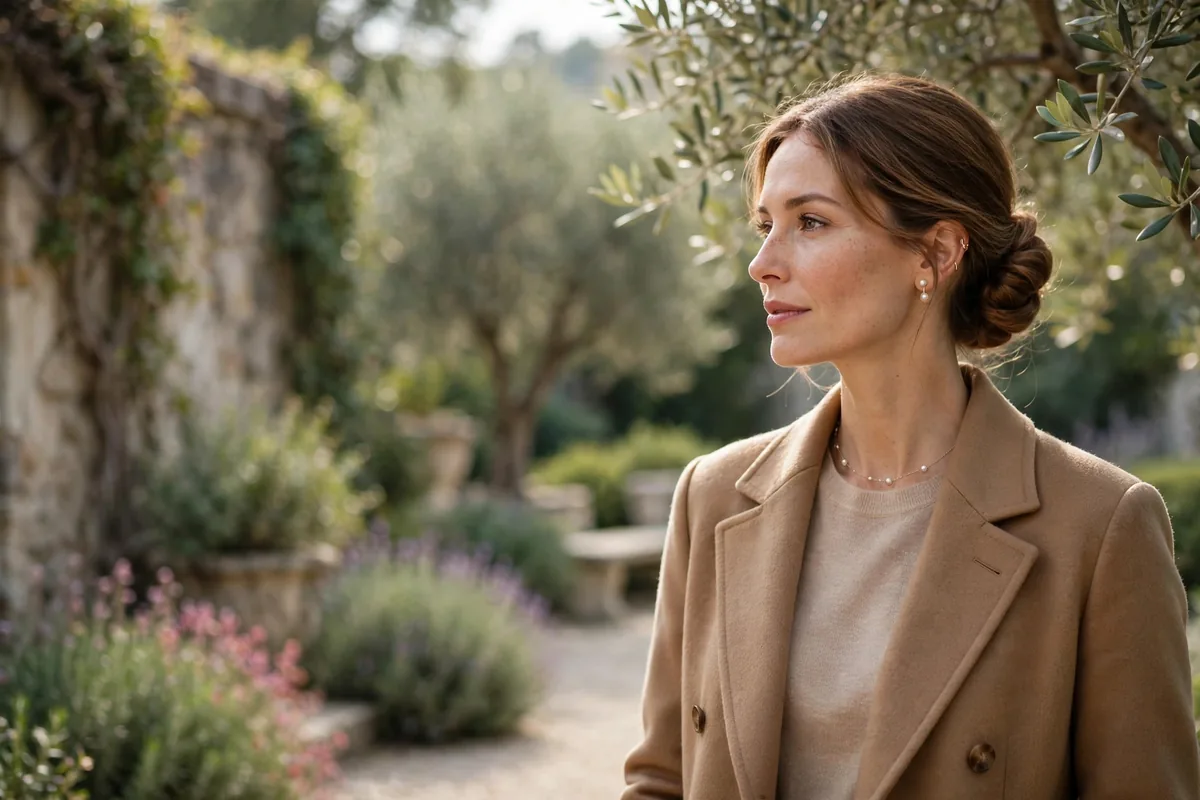
Old money style isn’t about wealth — it’s about restraint, quality, and clothes that whisper instead of shout.
The aesthetic: timeless silhouettes, natural fabrics, perfect fit, and zero visible logos. Everything looks inherited, even if it wasn’t.
The palette is strict — navy, cream, camel, white, gray, black — and the tailoring is non-negotiable.
Here are 18 outfits that nail quiet luxury. Let’s get into it.
The Navy Blazer + Cream Trousers
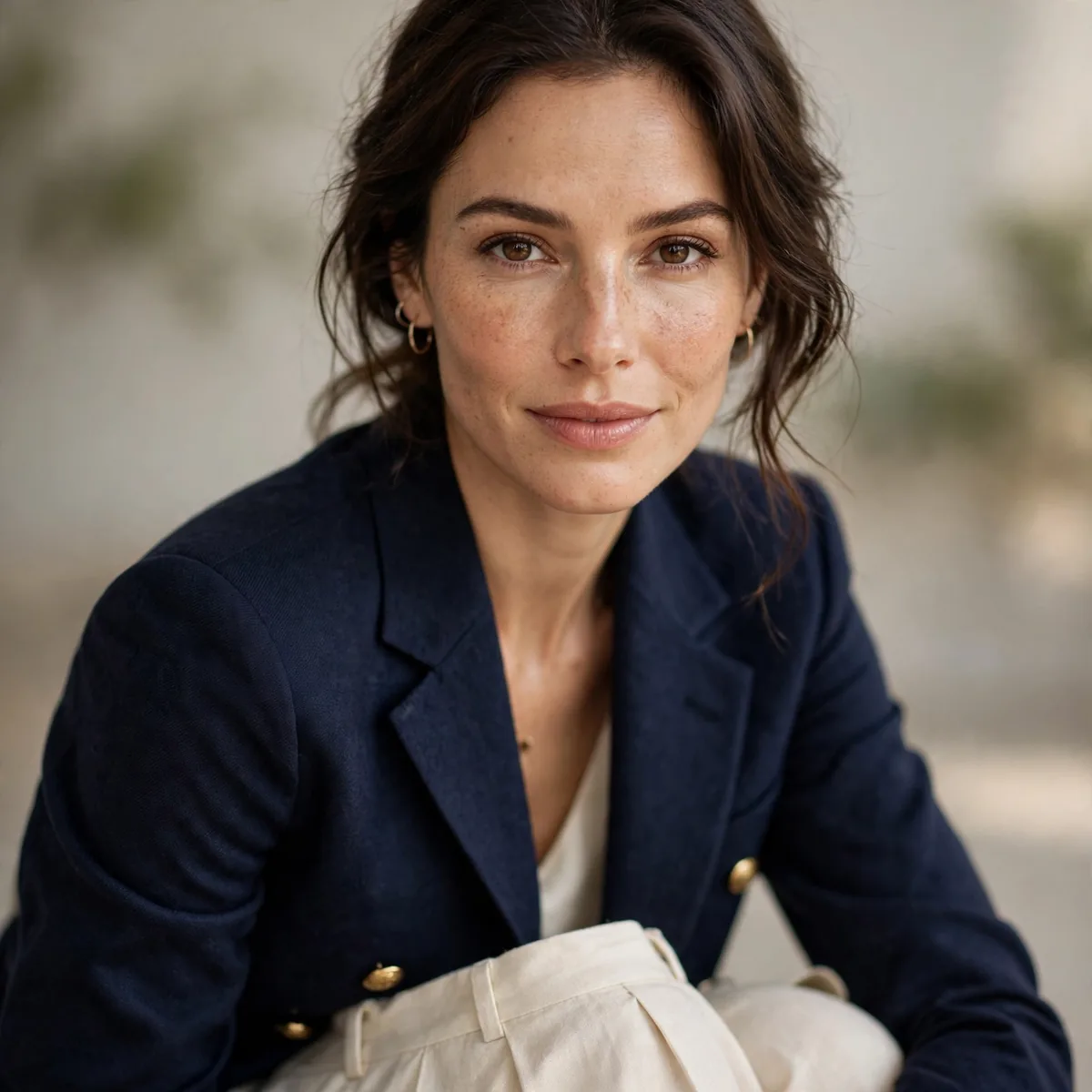
The unofficial uniform of quiet luxury. A navy blazer with cream or white trousers is timeless beyond trends.
Add loafers and a simple watch. Nothing else needed.
The blazer is where the money shows: look for a half-canvas construction, natural shoulders with minimal padding, and horn buttons — brass reads collegiate, smoked horn reads more understated. A single vent is the American classic; double vents drape better when seated. The sleeve should reveal a quarter-inch of shirt cuff, and the jacket should close without an X pulling at the button.
Cream trousers demand the right fabric — a mid-weight cotton twill or wool blend that stays opaque in daylight. Flat-front styles keep the line clean, and a tailored hem with no break looks sharpest with loafers. For evening, swap the trousers for dark flannel and add a knit tie. A navy blazer also doubles as a dinner jacket over a black turtleneck when formality calls.
Cashmere Crewneck + Pleated Skirt
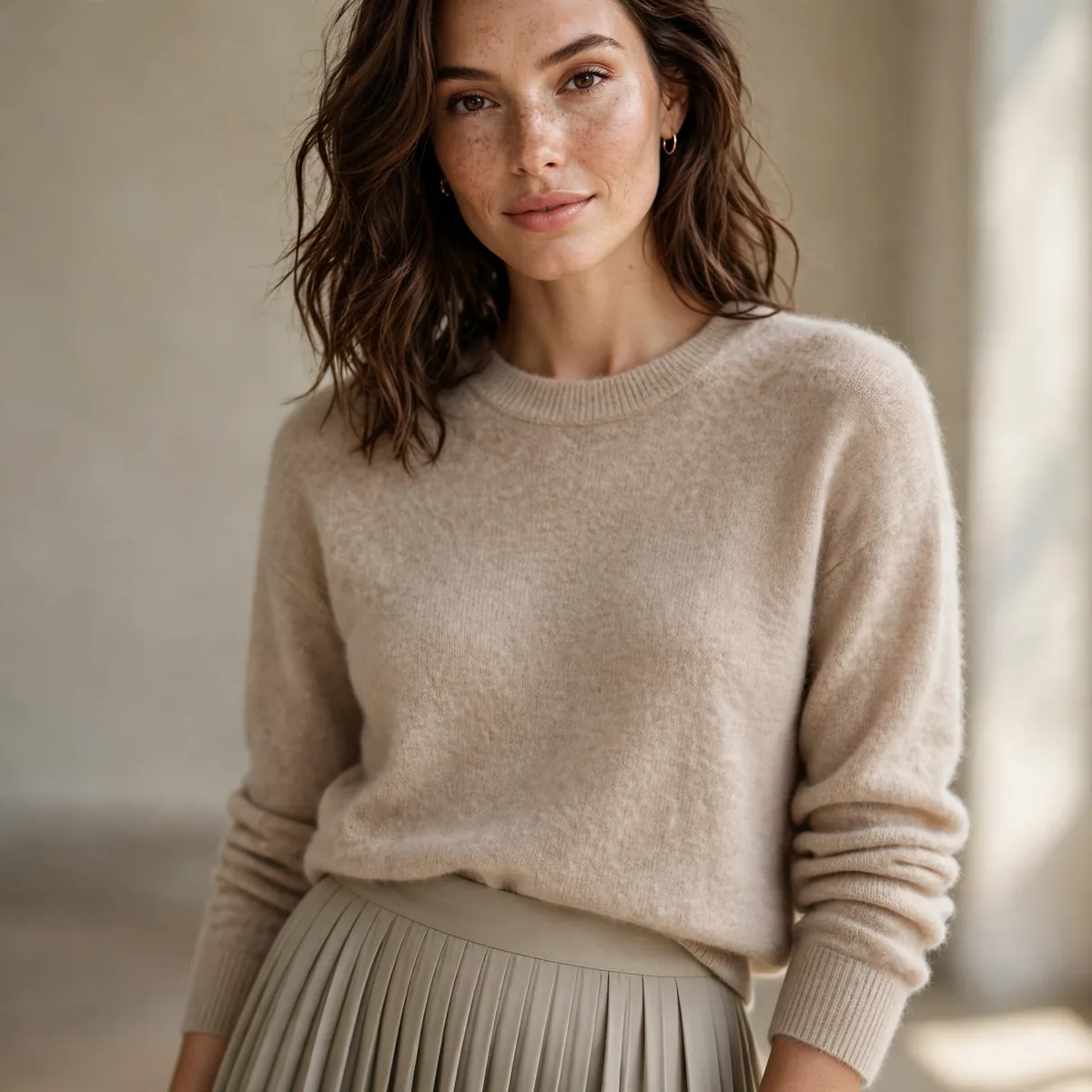
A fine-gauge cashmere crew in navy or gray with a pleated skirt — collegiate, classic, perfect.
Tuck the front. Add knee-high boots in fall.
Pleat direction changes everything: knife pleats lie flat and read preppy, while box pleats add volume for a more dramatic swing. A high waistband that sits at the natural waist elongates the leg, especially when the sweater is tucked in fully rather than half-tucked. The skirt should hit between the knee and mid-calf — too long reads dowdy, too short loses the collegiate polish.
Texture mixing keeps this from feeling like a uniform: a fine cashmere crew over a crisp shirt collar, with the collar and a sliver of cuff showing, adds collegiate depth. In fall, knee-high boots in dark brown leather ground the look; in spring, swap for ballet flats. A thin leather belt in tan defines the waist without shouting.
The Trench, Done Right
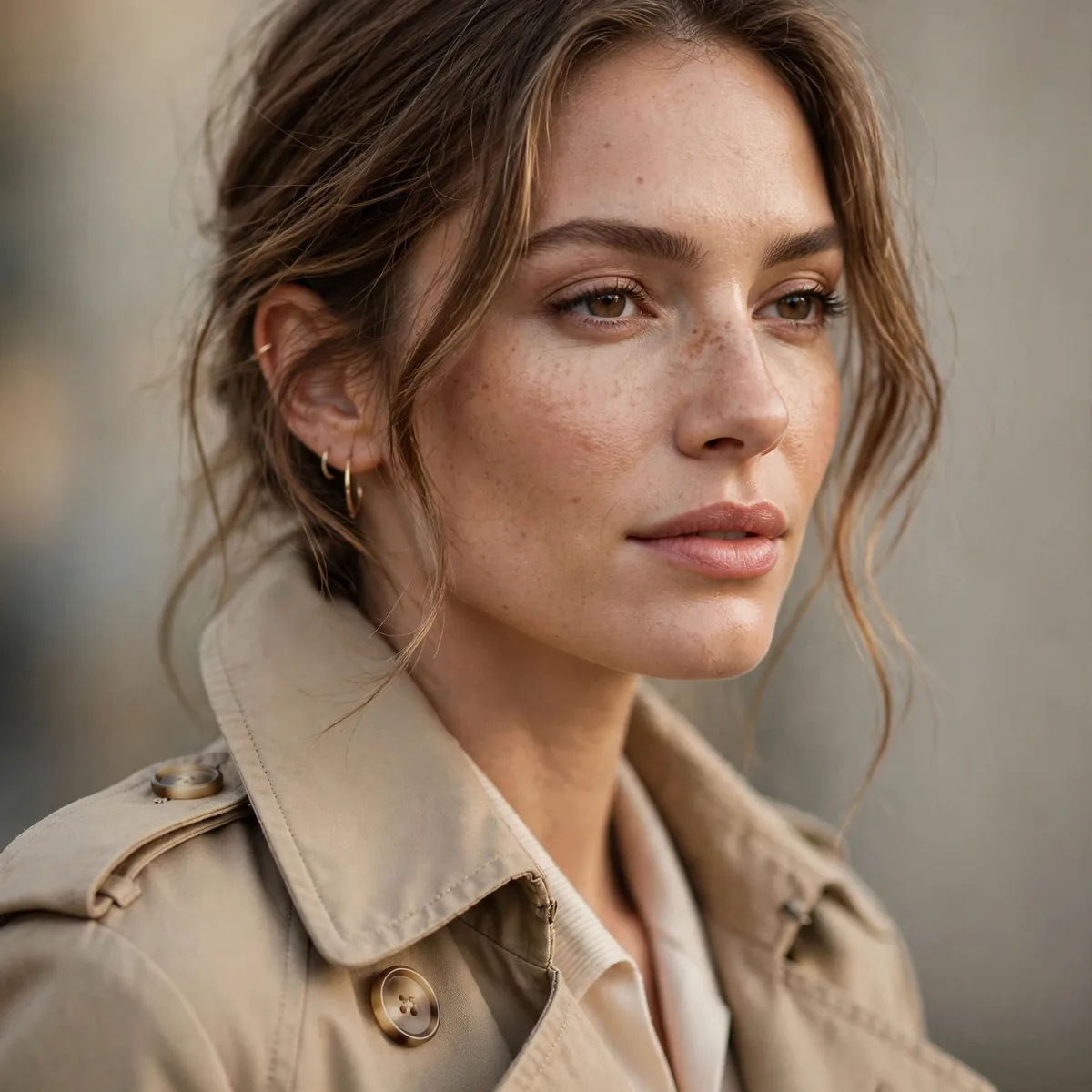
A classic trench over a simple sweater and trousers. Belted, collar up, timeless.
The trench should hit just below the knee — proportions matter enormously here.
Proportion is the whole game: the trench should skim the body with enough room for a blazer underneath, and the belt must cinch at the natural waist — not the hips — to create shape. Epaulettes, a storm flap, and a gun flap aren't decoration; they're the heritage details that separate a real trench from a raincoat with a belt. The back vent allows stride without the coat ballooning.
Wear it open over tailoring for a cinematic, insouciant line, or belt it tightly with the collar popped against wind. A silk scarf knotted at the neck fills the open collar beautifully. For rain, traditional cotton gabardine sheds light showers; a bonded water-resistant finish handles real downpours. Hang on a wide wooden hanger to preserve the shoulder line.
White Shirt + Dark Jeans + Loafers
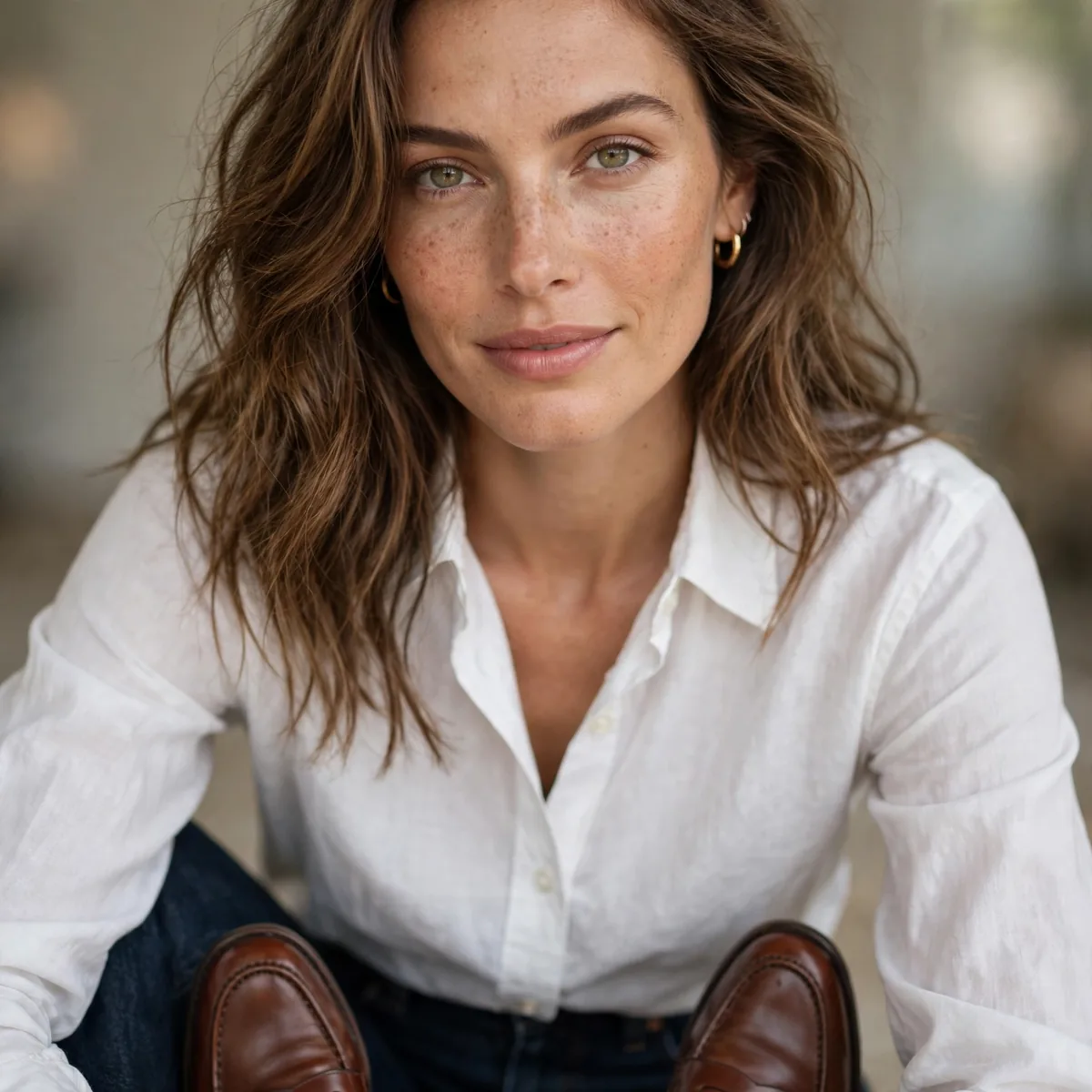
Crisp white shirt, dark straight-leg jeans, leather loafers. Simple, perfect, done.
The shirt must be crisp — this look lives or dies on pressing.
The white shirt must be immaculate — this combination has nowhere to hide. A crisp cotton poplin with a structured collar and single-needle stitching holds its press through the day. French plackets read more refined than visible buttons, and a chest pocket adds a casual note that suits the denim. Iron while slightly damp, pressing the collar from the points inward for a sharp fold.
Loafer choice refines the formula: a classic penny loafer in polished calfskin for tradition, or a horsebit loafer for a touch of Italian polish. Dark jeans should be a clean, uniform rinse with no whiskering — the formality comes from the denim's discipline. Cuff once to show ankle, or wear full-length over the loafer's vamp for a longer line.
Tweed Jacket Moment
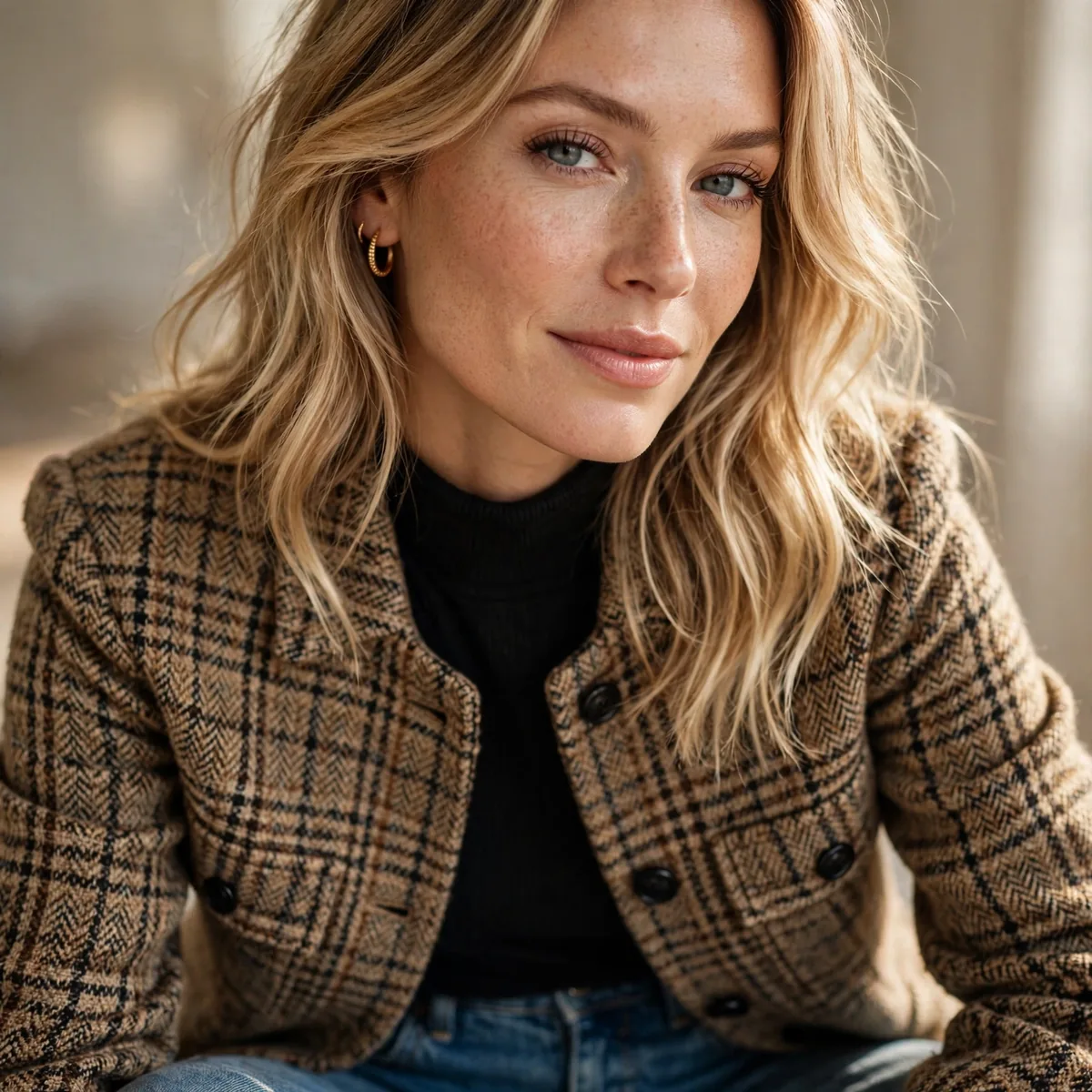
A tweed or bouclé jacket instantly reads old money. Pair with jeans to keep it modern, not costume.
Cream, black, or navy tweed — the texture does all the talking.
Not all tweeds are equal: a tightly woven Saxony tweed reads refined and urban, while a nubby Donegal with colorful flecks leans countryside casual. Bouclé, with its looped yarn, offers similar texture in a softer hand that suits evening better. Check the lining — a good tweed jacket is half-lined in cupro or silk so it slides over blouses. Trim should be minimal: leather buttons or none at all.
The jeans pairing is what keeps tweed from feeling like a costume: dark, clean denim with no distressing, plus simple leather shoes. For a dressier take, swap jeans for cream wool trousers and add a silk blouse. A tweed jacket over a turtleneck with the collar popped channels countryside weekends. Store with cedar to deter moths, which love natural wool.
The Polo + Pleated Skirt
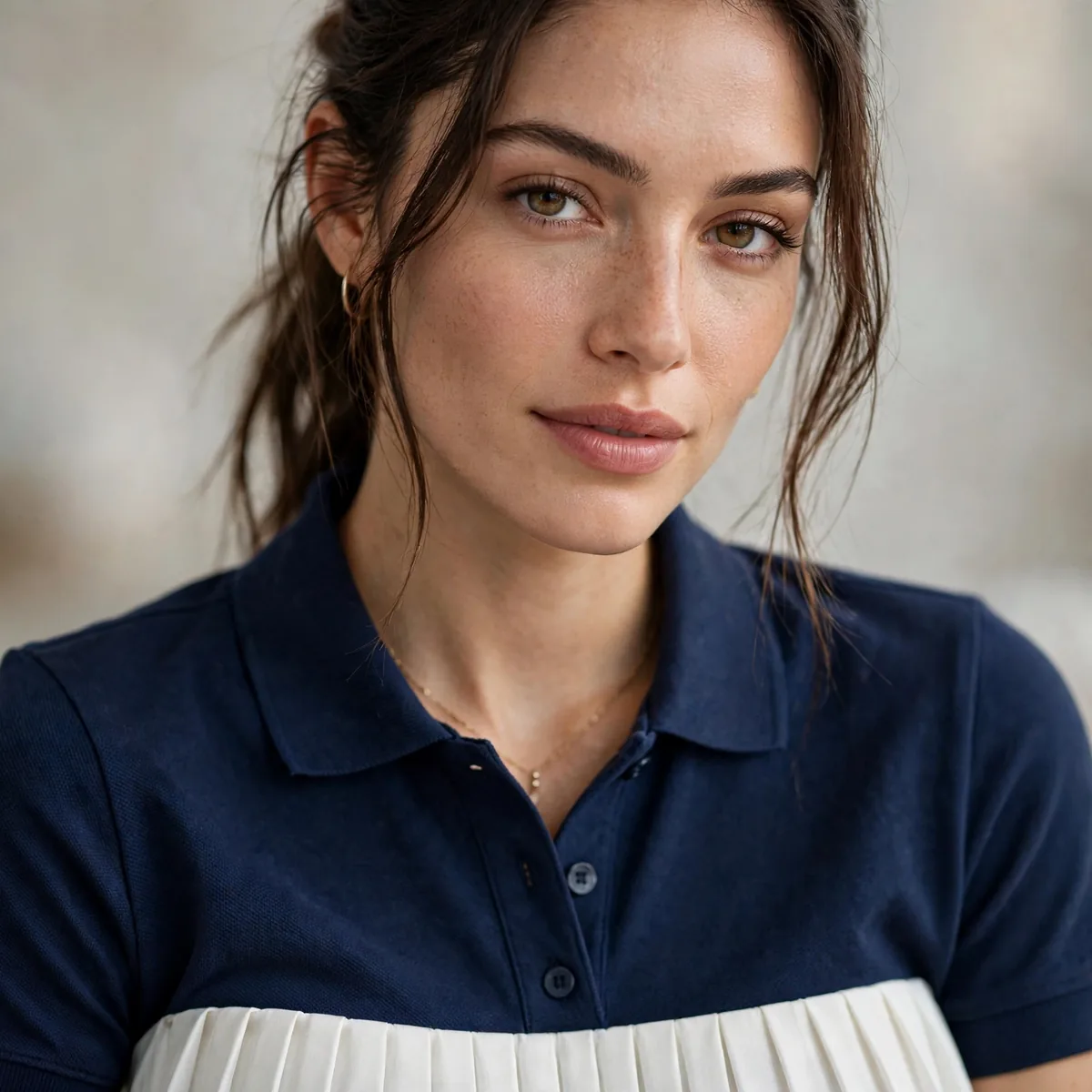
A piqué polo with a pleated skirt channels country-club polish. Add a sweater over the shoulders.
White sneakers or loafers complete the look.
Piqué cotton is the authentic polo fabric — its textured weave breathes and holds structure better than flat jersey. The collar should stand on its own without curling; a ribbed collar with tipping in a contrast color nods to tennis heritage. Fit matters: the shoulder seam sits at the bone, the sleeve hits mid-bicep, and the body skims without clinging. Pop the collar only with the sweater draped over shoulders.
The pleated skirt keeps the look youthful: a crisp tennis pleat in white or navy, hitting mid-thigh. Draping a cashmere sweater over the shoulders is the signature styling move — tie the sleeves loosely at the chest. White leather sneakers keep it sporty; loafers with no-show socks dress it up. This is country-club dressing at its most effortless.
Camel Coat + All Black
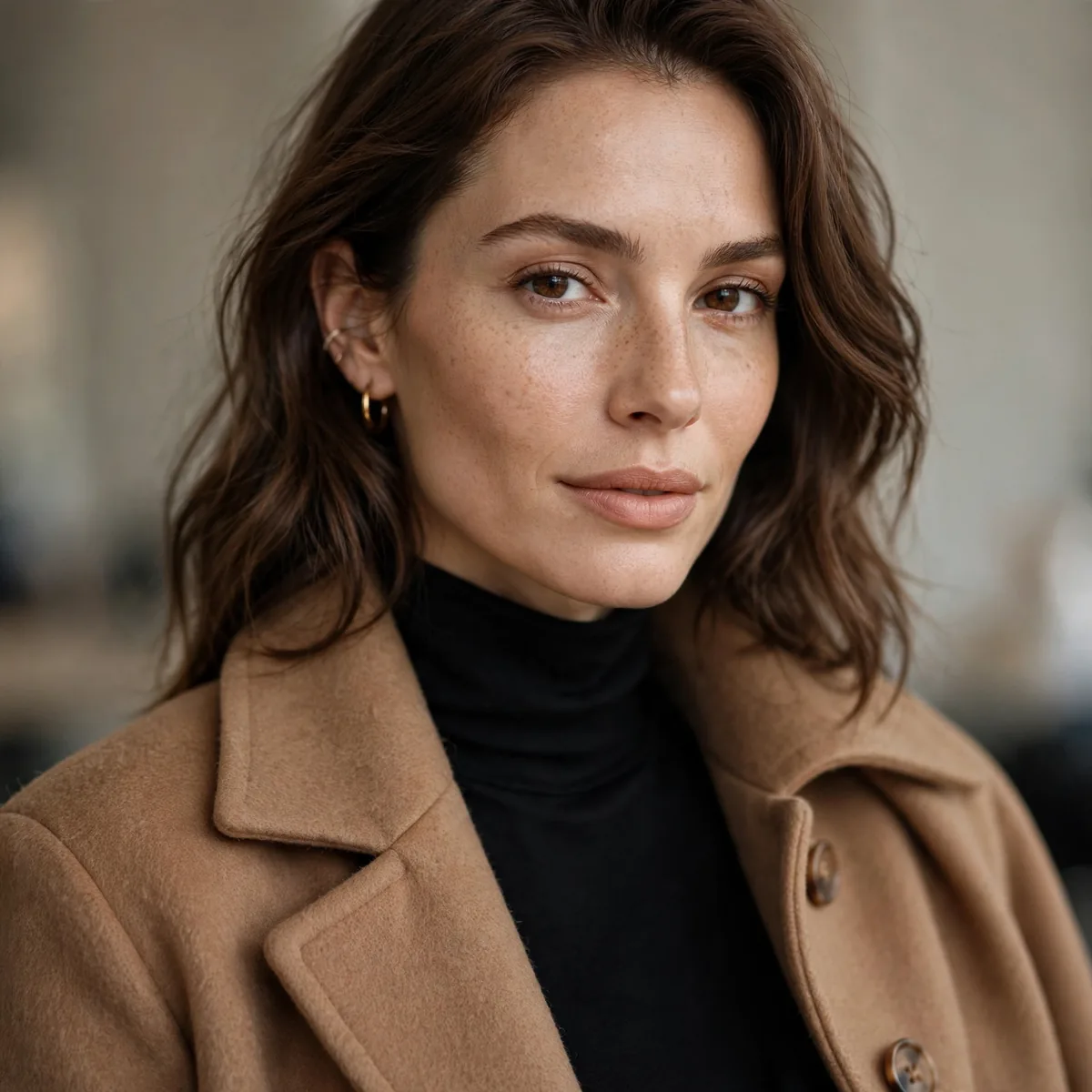
Black base, camel coat on top — the contrast is striking and the effect is pure elegance.
The coat should be wool and hit below the knee.
The black base should vary in texture to avoid flatness: black wool trousers, a silk camisole, and a fine-knit blazer create depth that reads expensive even before the coat goes on. The camel coat then becomes the single warm note — choose a golden, honeyed camel for contrast against the black, or a cooler taupe-camel for a more muted effect. Below-knee length keeps the proportion elegant.
This formula works across seasons: swap the trousers for a black slip skirt and ankle boots in fall, or a black midi dress with the coat draped over shoulders for evening. A black leather tote and simple gold hoops complete it. The coat's belt should tie, not buckle, for the softest drape — thread it behind for a clean front line.
Striped Shirt + White Jeans
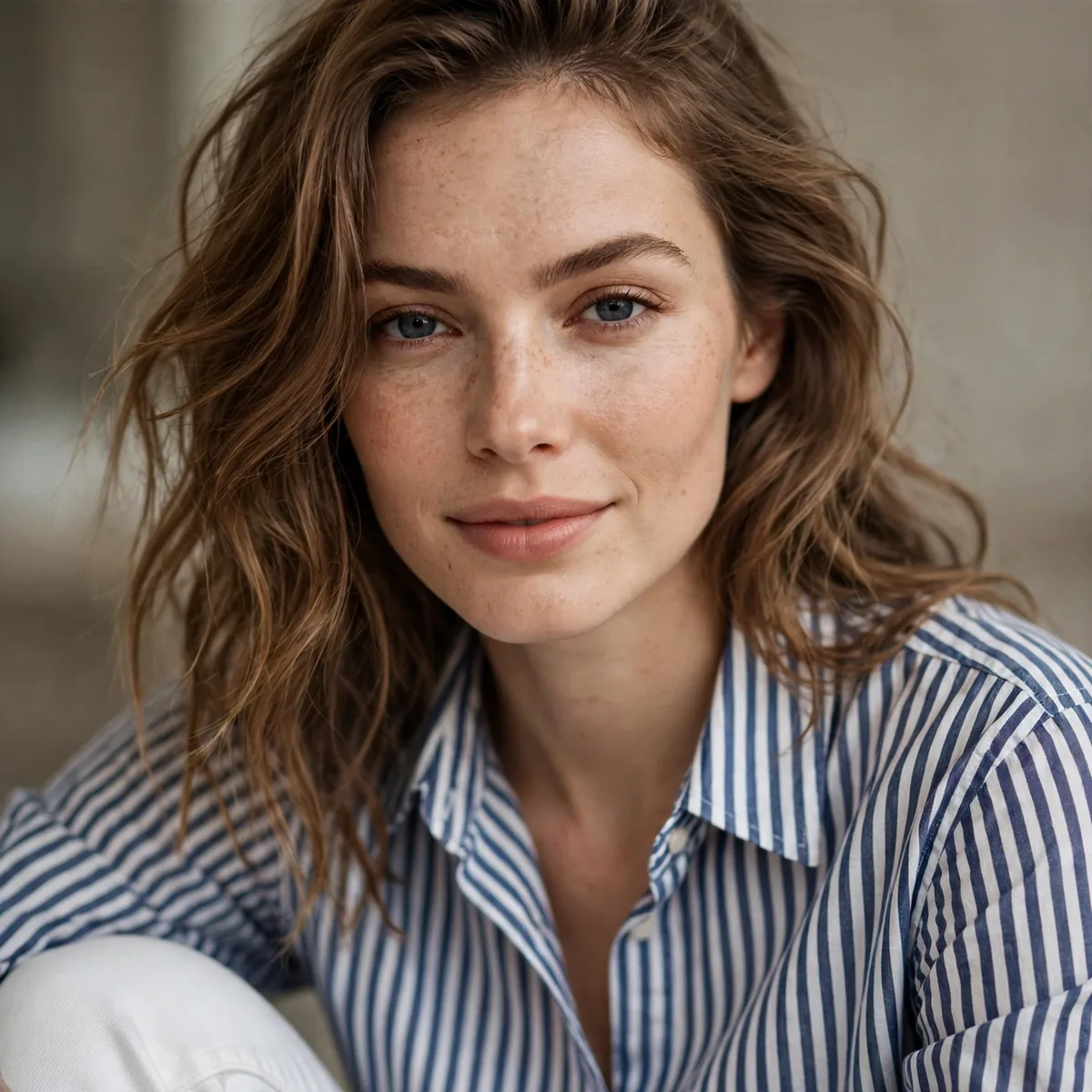
A Breton stripe with white jeans and ballet flats — Riviera energy, zero effort.
Best for: spring and summer. It’s vacation dressing at home.
Stripe scale flatters differently: narrow stripes refine and elongate, suiting petite frames, while wider bands make a bolder Riviera statement. The authentic Breton has a boat neckline and three-quarter sleeves; a classic button-down collar version reads more preppy American. Tuck the front into white jeans and let the back blouse slightly for that insouciant French drape.
White jeans in summer need a heavier denim — at least 10 ounces — to stay opaque in sunlight. A straight or relaxed leg keeps the look modern; skinny white jeans can read dated. Ballet flats in nude or navy, a woven straw tote, and simple gold hoops complete the vacation-at-home mood. This palette photographs beautifully against stone, sea, and greenery.
The Cable-Knit Sweater
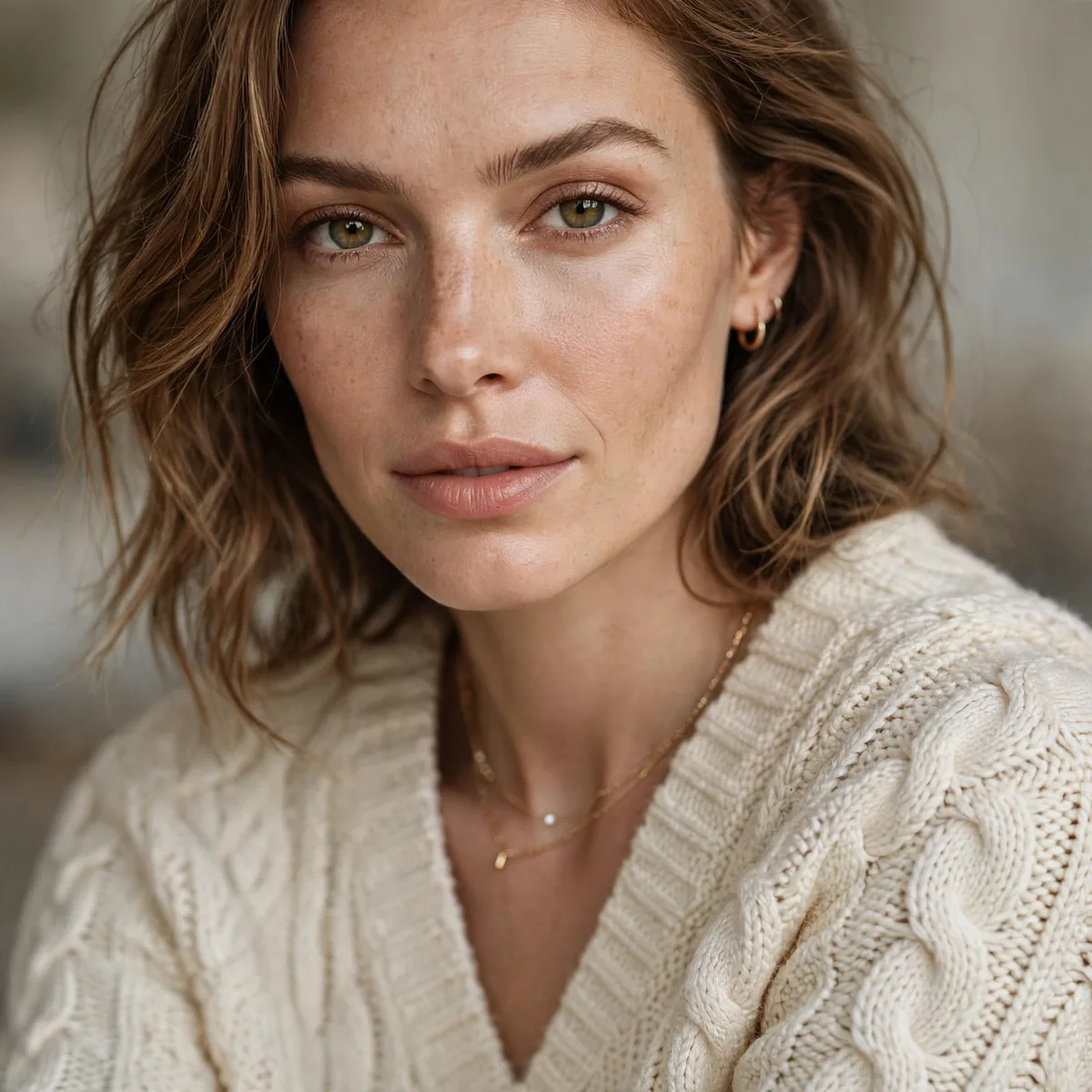
A cream cable-knit is the coziest old-money staple. With dark jeans or a plaid skirt, it’s perfect.
Look for substantial knits — thin cable-knits look cheap.
Cable patterns have heritage meanings — traditionally each Aran stitch told a fisherman's story — which adds romance to the texture. Substantial knits in a 5- to 7-gauge yarn hold their shape and look expensive; thin, loosely knit cables stretch and sag within a season. Cream, oatmeal, and natural ecru are the classic shades; a slight marl adds depth. The crewneck should sit at the collarbone, not choke the neck.
Layer a white shirt underneath with the collar and cuffs peeking out for collegiate polish, or wear it solo with dark indigo jeans and brown boots for weekend ease. With a plaid skirt, tuck the front to show the waistband. Hand-wash in cool water and dry flat — the cables are heavy when wet and will stretch on a hanger.
Pleated Trousers + Turtleneck
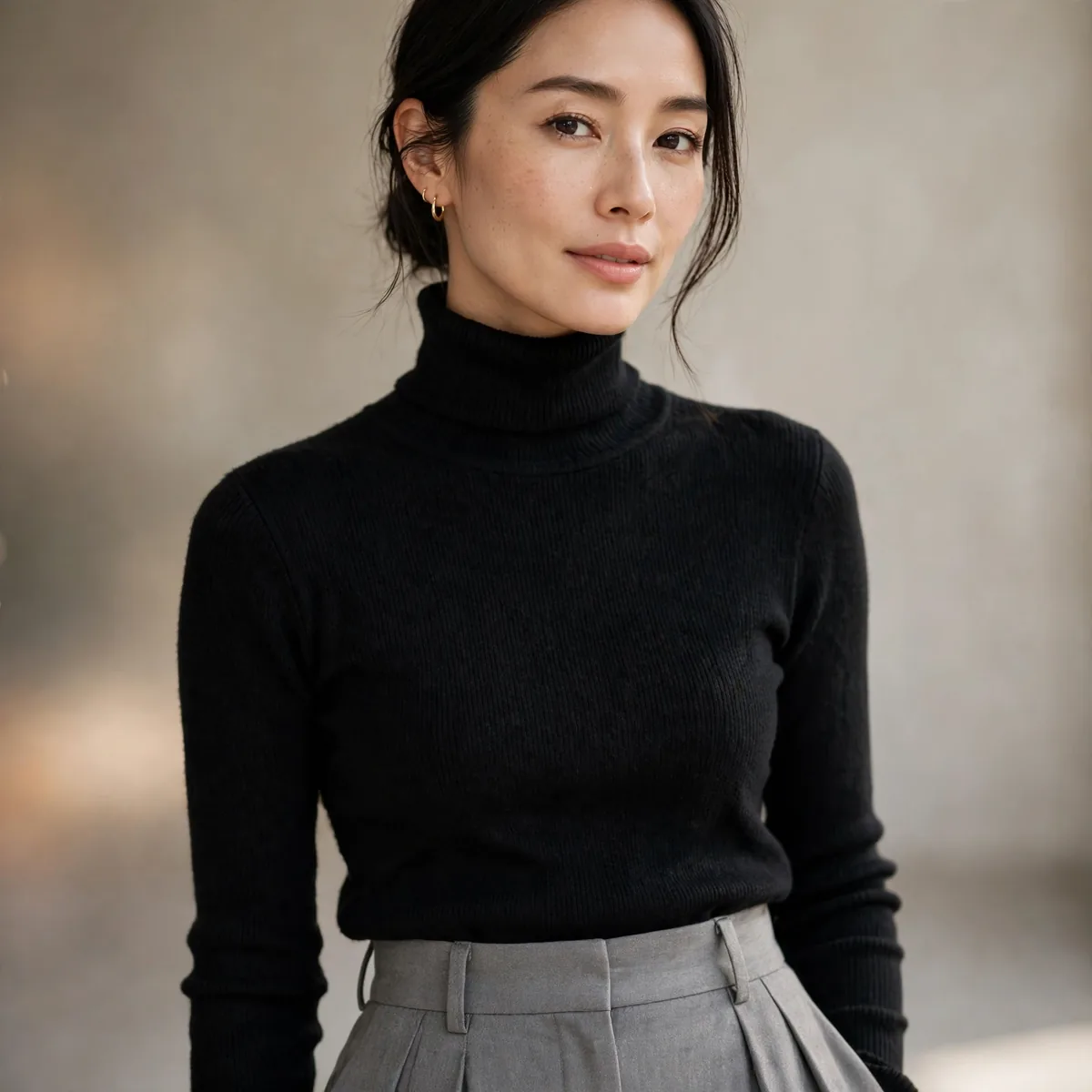
Gray flannel trousers with a black turtleneck — architectural, minimal, incredibly chic.
The turtleneck should be fine-gauge, not chunky.
Gray flannel is the connoisseur's neutral: mid-gray suits day, charcoal carries evening, and the brushed surface catches light softly. The trousers should be high-waisted with a single pleat and tapered leg, hemmed to just kiss the shoe with no break — this is the detail that makes them look bespoke. A black fine-gauge turtleneck in merino or cashmere creates the architectural column of color.
This pairing is a blank canvas for accessories: a camel coat over the top for day, or a black blazer for evening polish. Pointed boots elongate the leg; loafers keep it relaxed. The turtleneck's neck should fold once, not bunch — if it collapses, the gauge is too loose. Tuck it fully for the cleanest line.
The Quilted Jacket
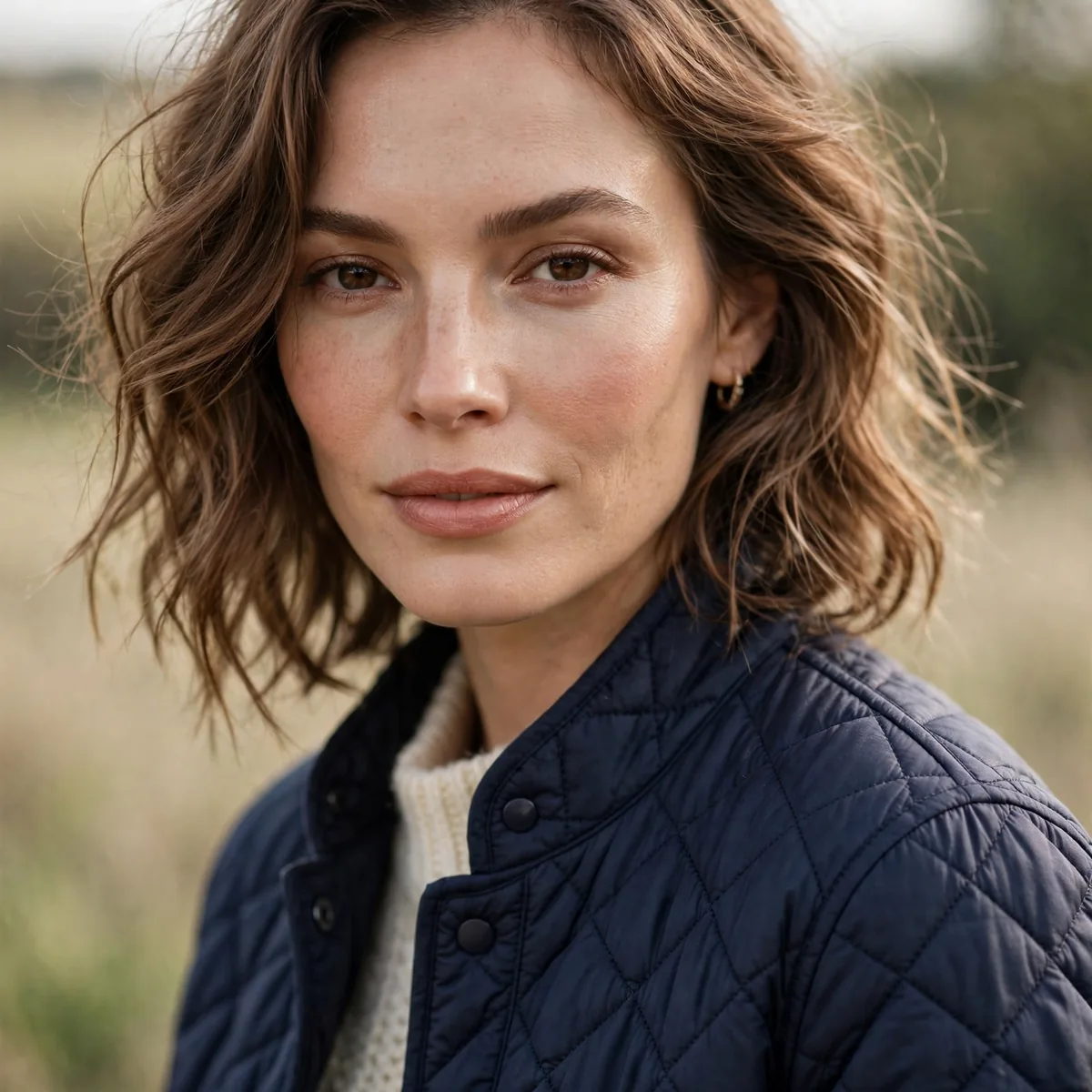
A quilted barn jacket is countryside old money. With dark jeans and boots, it’s effortlessly right.
Waxed or quilted — both read heritage and timeless.
Heritage quilted jackets come in two traditions: the diamond-quilted shooting jacket with corduroy collar, and the waxed barn jacket that develops a beautiful patina. Quilting should be even with no lumpy fill, and the collar — corduroy or moleskin — is the signature detail. Navy, olive, and black are the timeless colors; the fit should allow a sweater underneath without straining the snaps.
Rewax a waxed jacket annually to maintain water resistance — it's a ritual, not a chore. Style it with dark jeans, a cashmere crew, and leather boots for countryside weekends, or over a blazer for an urbane high-low mix. The jacket improves with age: scuffs and creases are the point, so wear it hard and let it tell your story.
Silk Scarf, Tied Right
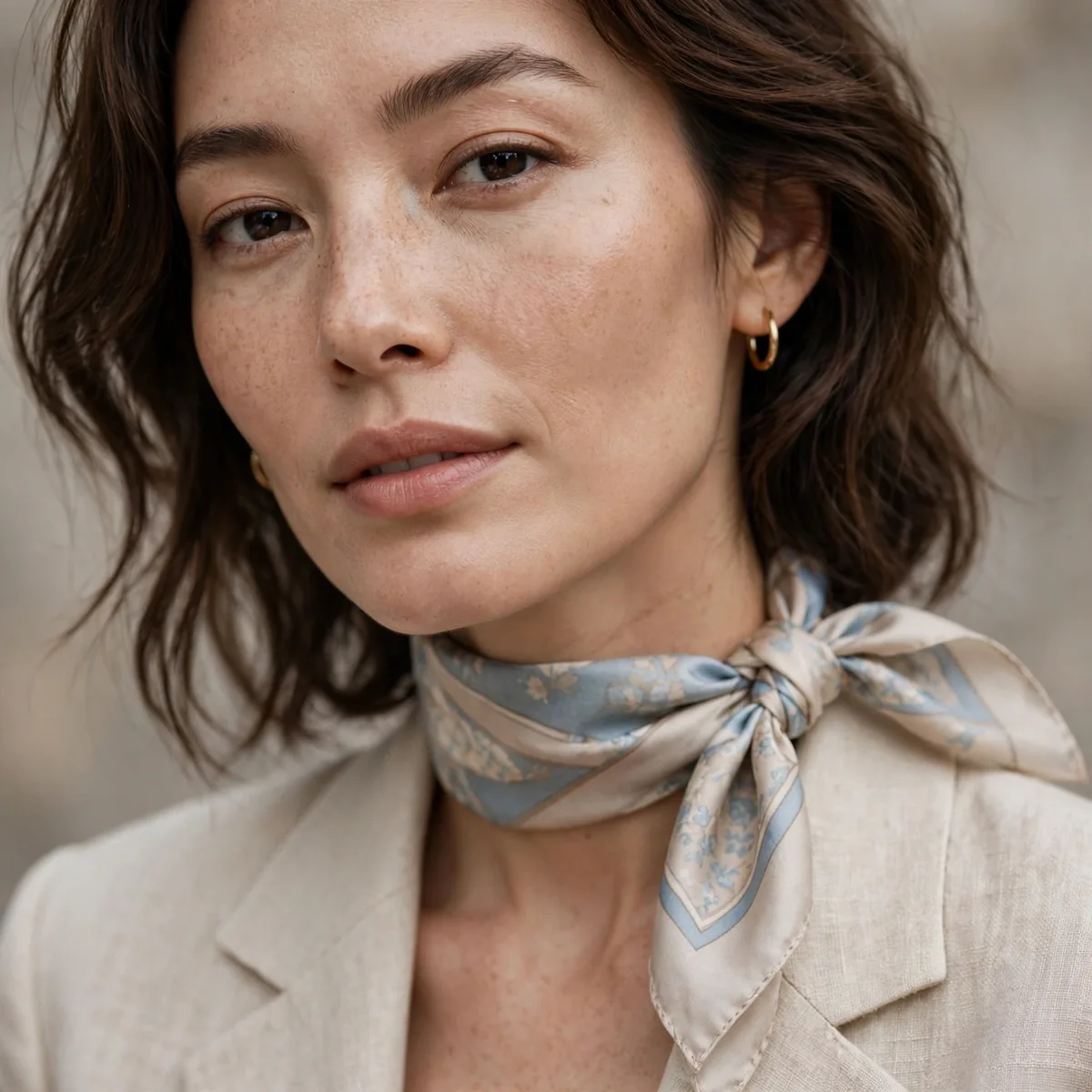
A silk scarf at the neck or on a handbag handle is the quiet-luxury signature detail.
Small square scarves in classic prints — no logos needed.
A 90cm silk twill square is the classic format — large enough for a proper neck knot, small enough to tie on a bag. Master the simple drape: fold into a triangle, roll loosely, and knot once at the side of the neck with the ends hanging asymmetrically. Classic prints — equestrian motifs, chain patterns, foulard dots — read timeless; trendy graphics date quickly.
On a handbag, thread the scarf through the handle and knot it, or tie it in a bow at the strap's base for a pop of color against neutral leather. As a headscarf under a straw hat or tied at the wrist, it adds polish to the simplest outfits. Hand-wash in cool water, roll in a towel, and press on low while damp to keep the twill crisp.
The Riding Boot Look
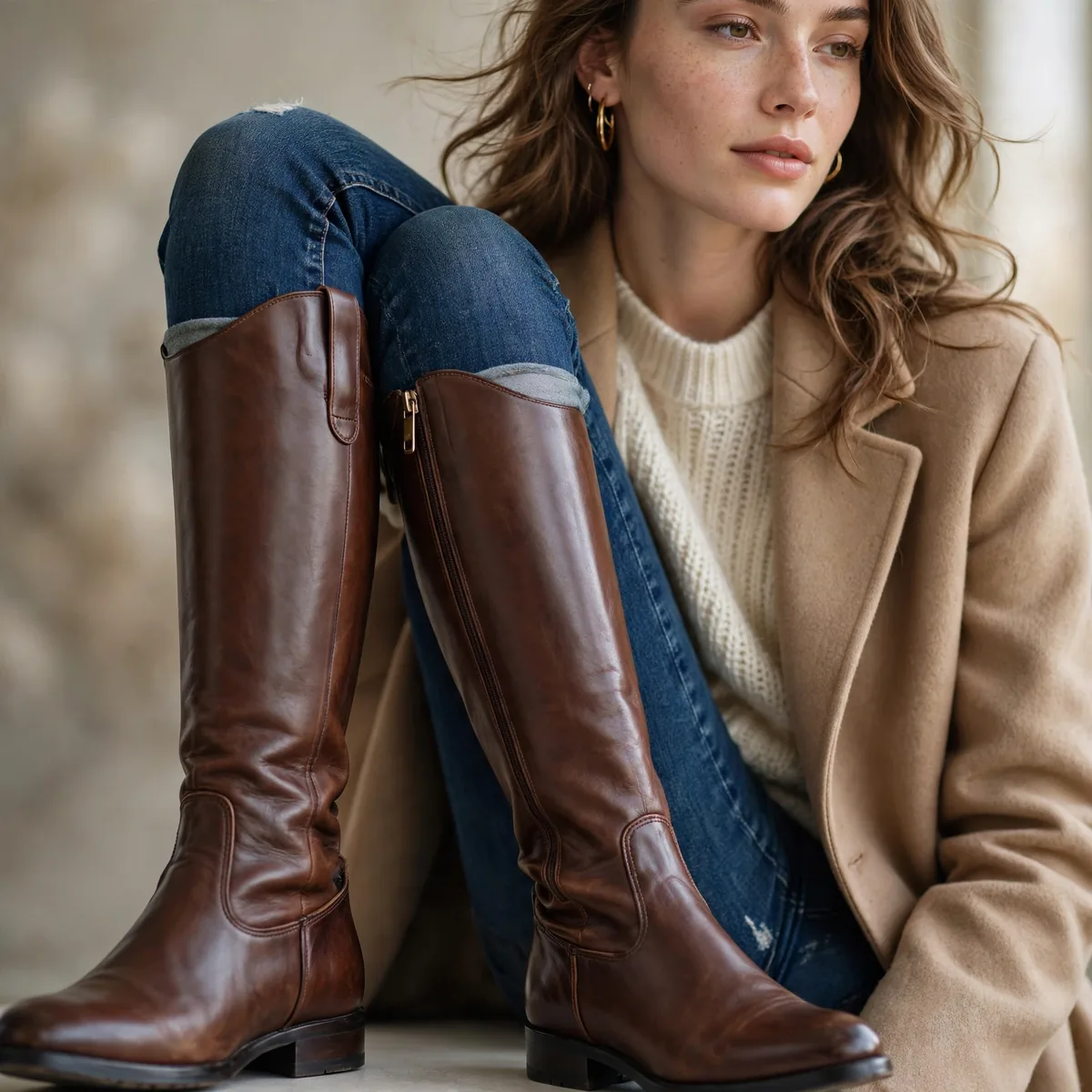
Knee-high riding boots with dark skinny jeans and a blazer — equestrian polish without the horse.
The boots should be simple leather, minimal hardware.
True riding boots are defined by their simplicity: a tall, straight shaft, minimal seaming, a low stacked heel, and no hardware beyond maybe a subtle spur rest. The shaft should fit close to the calf without gaping — measure your calf and compare to the boot's circumference before buying. Dark brown is the heritage choice; black reads more urban and pairs with everything.
Wear them over skinny jeans or leggings with the denim tucked smoothly — no bunching at the ankle. A navy blazer and white shirt on top completes the equestrian formula. For a modern twist, pair them with a sweater dress and let the boots be the structured counterpoint. Condition the leather seasonally and use boot trees to keep the shafts standing tall.
Cashmere Wrap Coat
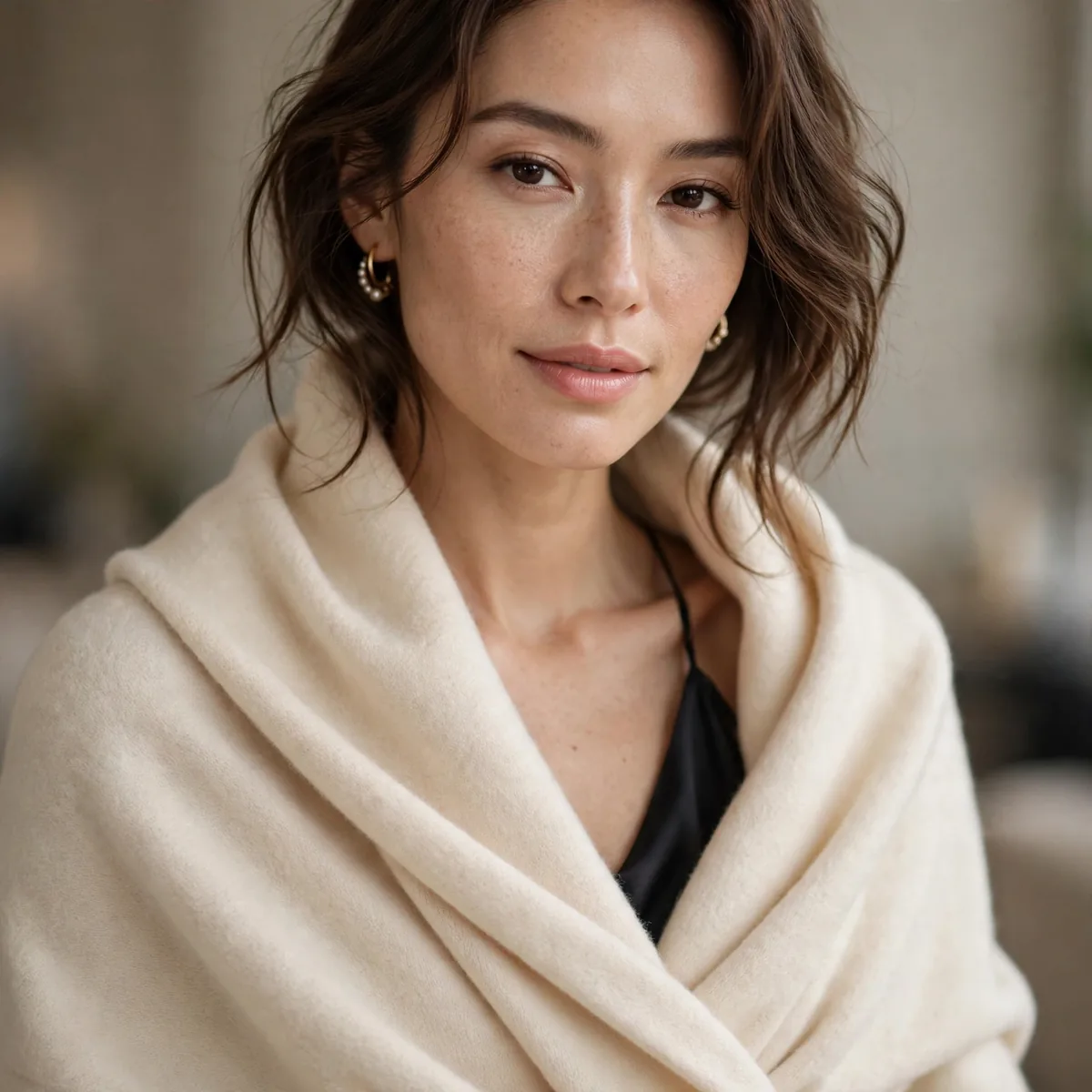
A wrap coat in camel or cream over everything — the belted waist is universally flattering.
Below-knee length is the most elegant proportion.
The wrap silhouette flatters every figure because the belt defines the waist you choose — tie it at the natural waist for an hourglass, or slightly higher for an empire line. Look for a shawl or notch collar that frames the face, and a below-knee length that moves beautifully when you walk. Double-faced cashmere or wool has no visible lining and drapes like a dream.
This coat needs nothing underneath to look complete — a simple black dress, dark trousers and a knit, even jeans and a white shirt all work. For evening, wear it open over a cocktail dress with the belt tied loosely at the back. Store on a wide, padded hanger with the belt untied to avoid creasing the waistline.
Pearl Details
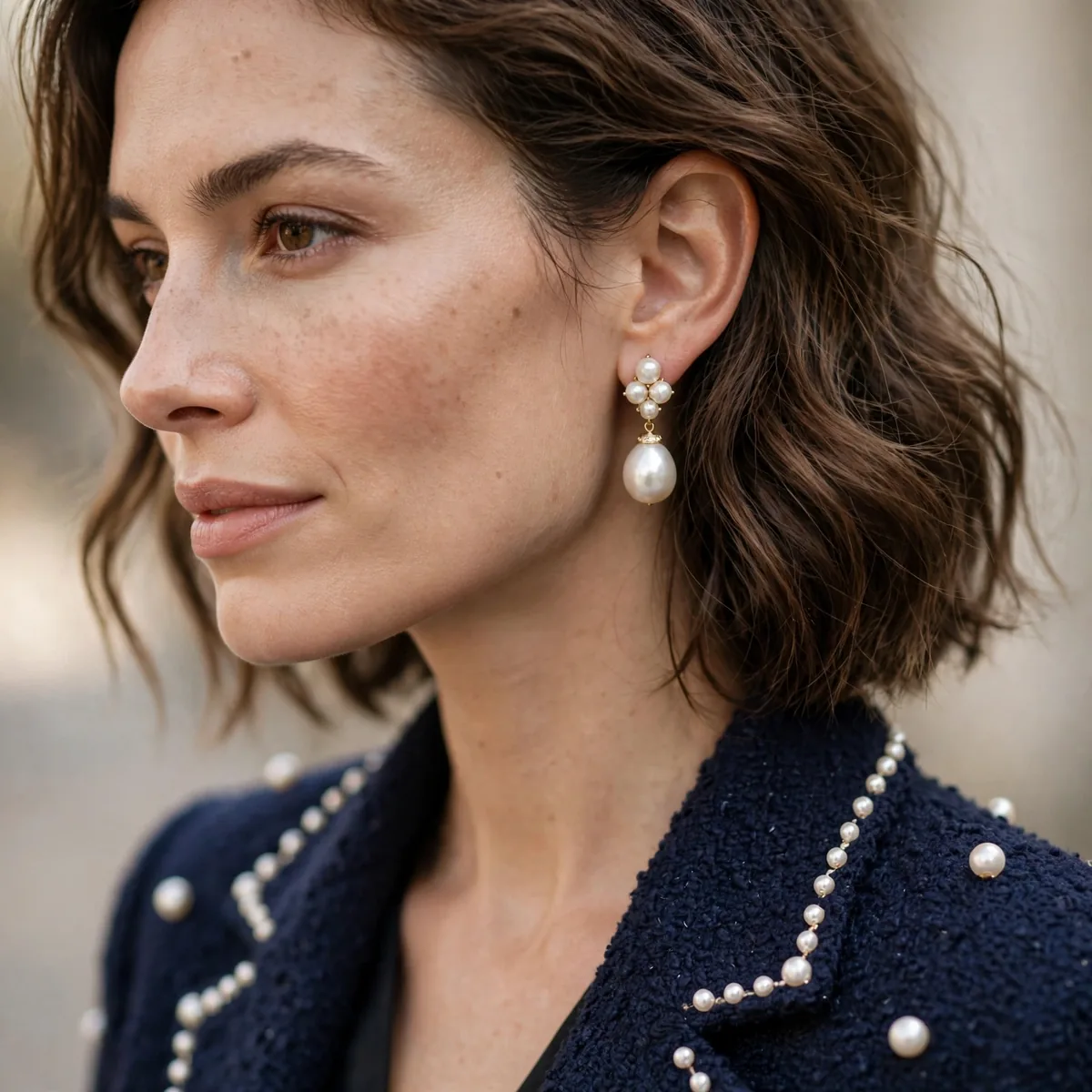
Small pearl studs or a single strand — the old-money jewelry choice. Understated, always.
Real or good faux, keep them small. This isn’t the moment for statement jewelry.
Pearl quality is judged by luster, not size: high-luster pearls with a mirror-like surface glow against the skin, while dull pearls look flat regardless of size. Akoya pearls offer the classic round white look; freshwater pearls give beautiful luster at a gentler price. Studs should sit at 7–8mm for everyday — present but never flashy. A single strand sits at the collarbone, 16 to 18 inches.
Wear pearls with everything, not just formal looks — studs with a white shirt and jeans is the quiet-luxury uniform. Keep them away from perfume and hairspray, which dull the nacre; wipe with a soft cloth after wearing. Store separately from other jewelry since pearls scratch easily. Good faux pearls in glass read beautifully at a glance.
The Oxford Shirt Dress
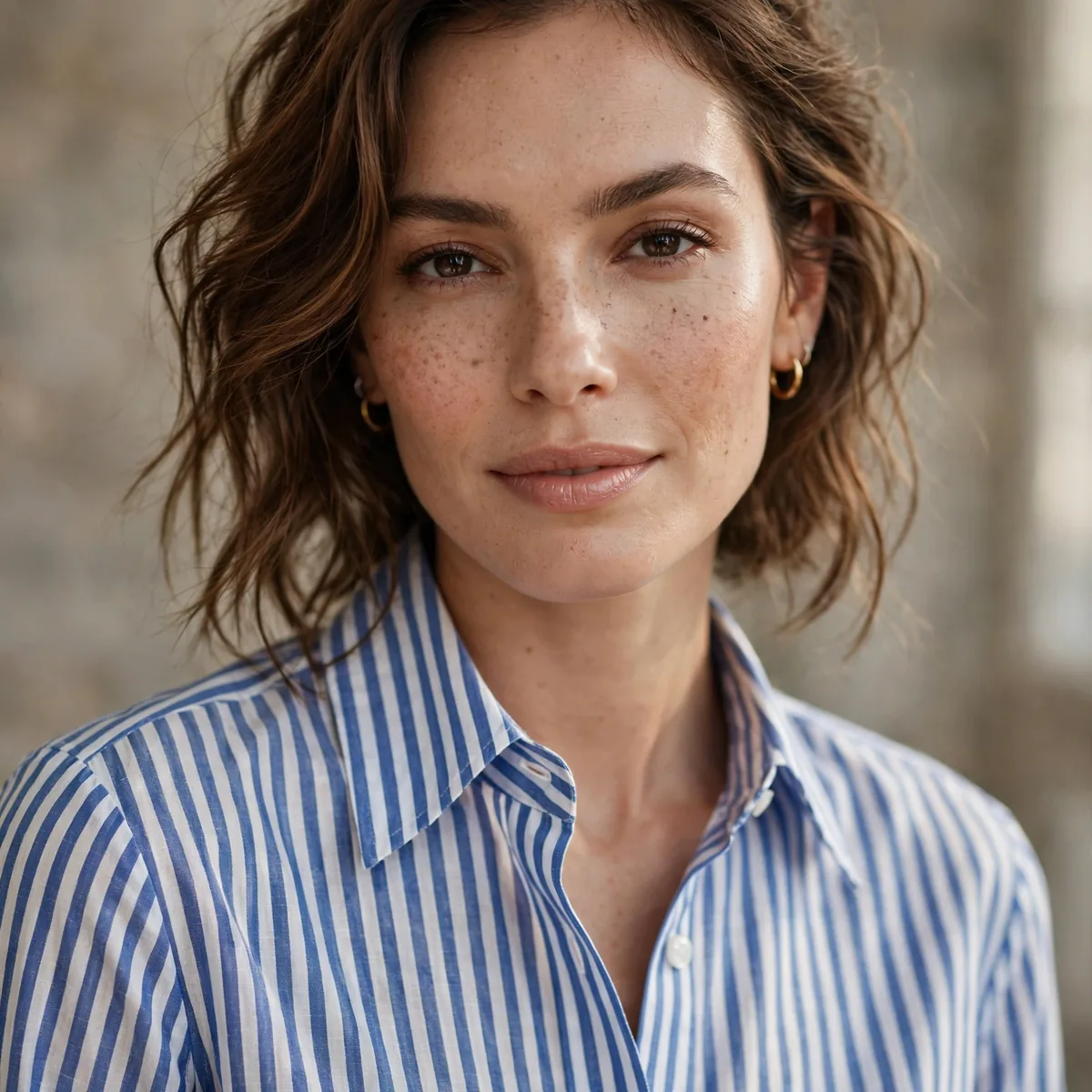
A striped oxford shirt dress with a thin belt — preppy perfection for warm days.
Add loafers and you’re ready for anything.
The oxford cloth's basket weave gives the dress its signature texture and structure — it holds the A-line shape without clinging. A blue-and-white stripe is the preppy classic; a solid white or pale blue reads more minimal. The shirttail hem and button front are essential details; a thin leather belt in tan or navy defines the waist and adds polish. Roll the sleeves to the forearm for ease.
This dress transitions beautifully: bare legs and loafers for warm days, tights and knee boots when temperatures drop, a blazer over the top for the office. For evening, swap the belt for a slim metallic one and add heeled sandals. The cotton breathes in heat and irons crisply — press the placket and collar for a sharp finish.
Monogram-Free Handbag
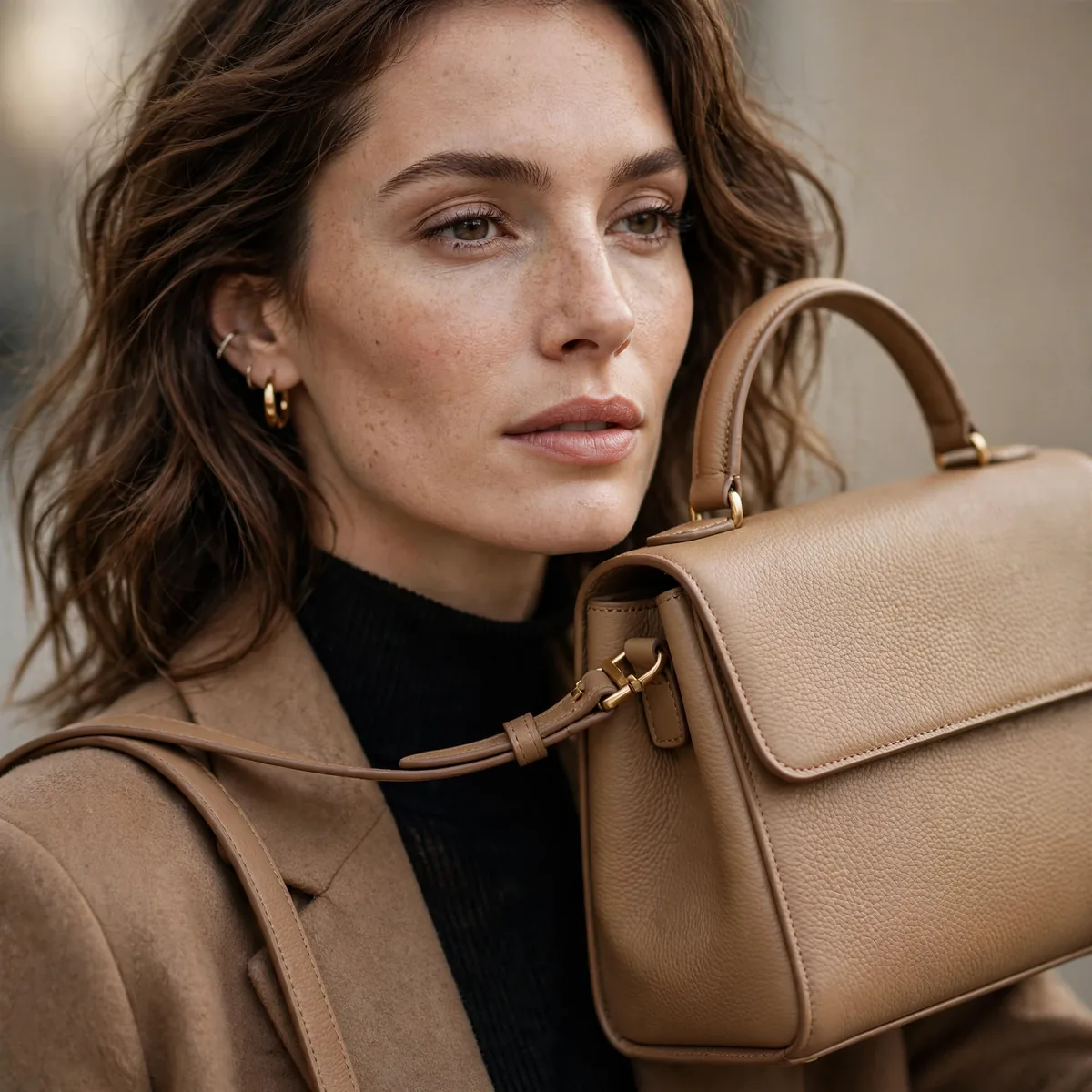
A structured leather bag with no visible logo — quality that doesn’t need to announce itself.
Our handbag guide covers timeless shapes worth the investment.
Shape matters more than brand: a structured top-handle or flap bag in smooth calfskin holds its silhouette for decades, while slouchy styles date faster. Stitching should be even and tight, edges painted cleanly, and hardware weighty with a satisfying click. Black, cognac, and navy are the forever colors. The bag should close securely and stand upright on its own — structure is the luxury.
Carry it by the top handle for polish, or use the shoulder strap for practicality — a well-designed bag offers both without looking cluttered. Inside, a light-colored lining makes contents visible, and minimal compartments keep the profile slim. Condition the leather twice yearly and store stuffed in its dust bag, away from direct sunlight that fades color.
It’s the Fit, Not the Price
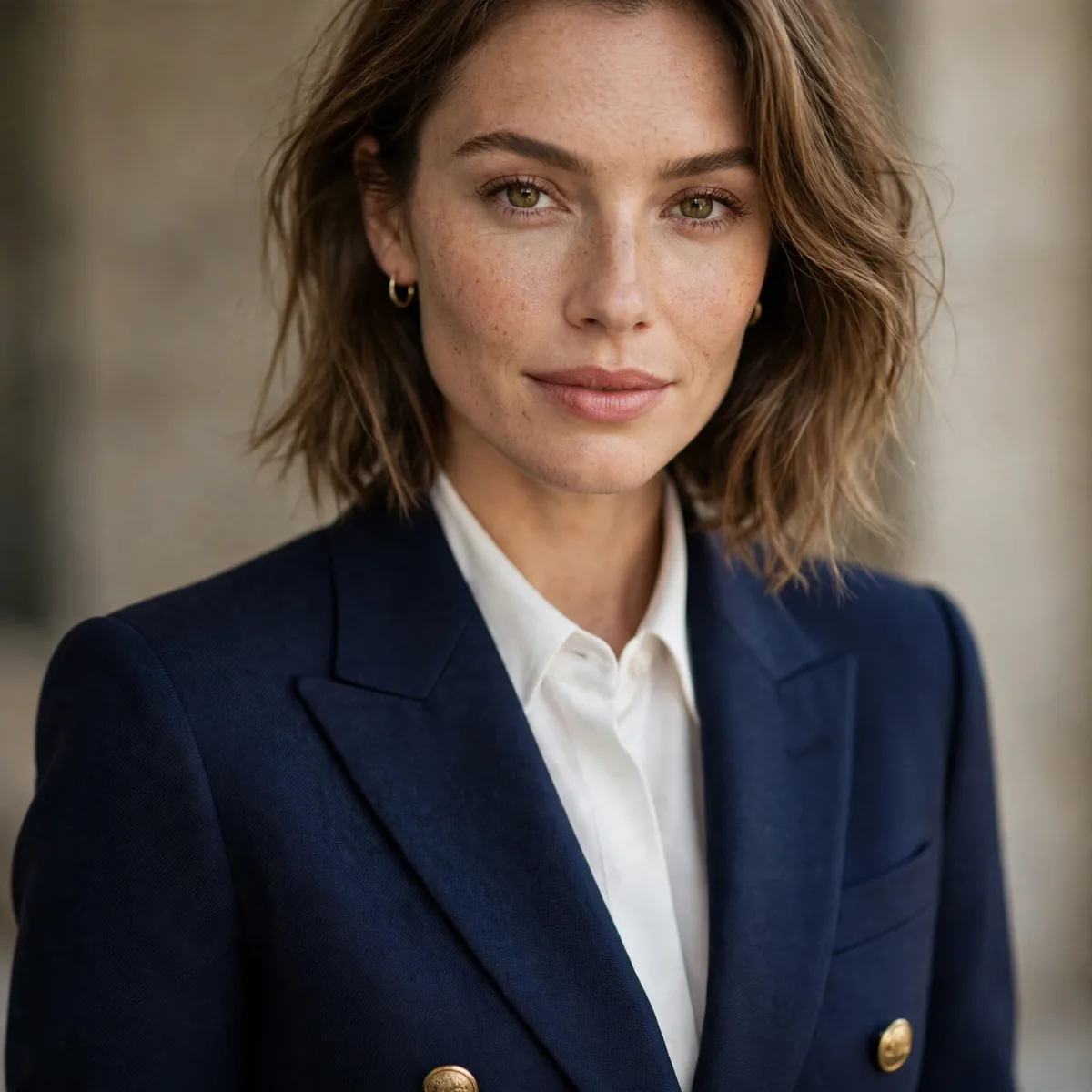
The real secret: everything tailored, everything pressed, everything in natural fibers. Fit beats labels every time.
A $50 blazer tailored perfectly outclasses a $500 one off the rack.
Tailoring is the true luxury signal: shoulder seams that sit exactly at the bone, trousers hemmed to the perfect break, sleeves revealing a quarter-inch of cuff. These details cost little — hemming runs ten to twenty dollars — yet they transform off-the-rack into made-to-measure. Find a tailor through bridal shops or dry cleaners, and bring the shoes you'll wear to every fitting.
Fabric choice completes the illusion: natural fibers — wool, cashmere, cotton, silk, linen — drape and age better than synthetics at any price. Press or steam everything before wearing; wrinkles undo tailoring instantly. A pressed forty-dollar shirt in good cotton outclasses a wrinkled designer blouse every single time. Quiet luxury is maintenance, not money.
Quiet luxury is a mindset. Pin these timeless formulas, and see the same principles in our minimalist wardrobe ideas.