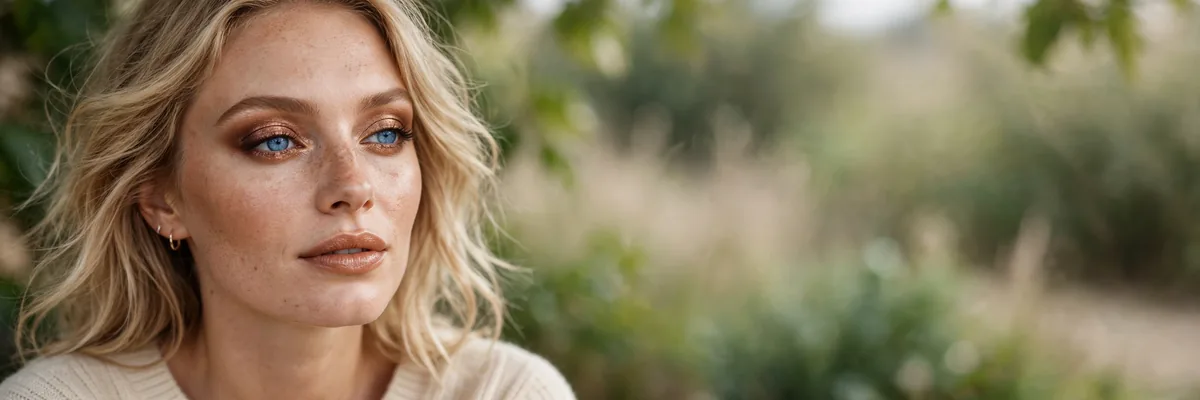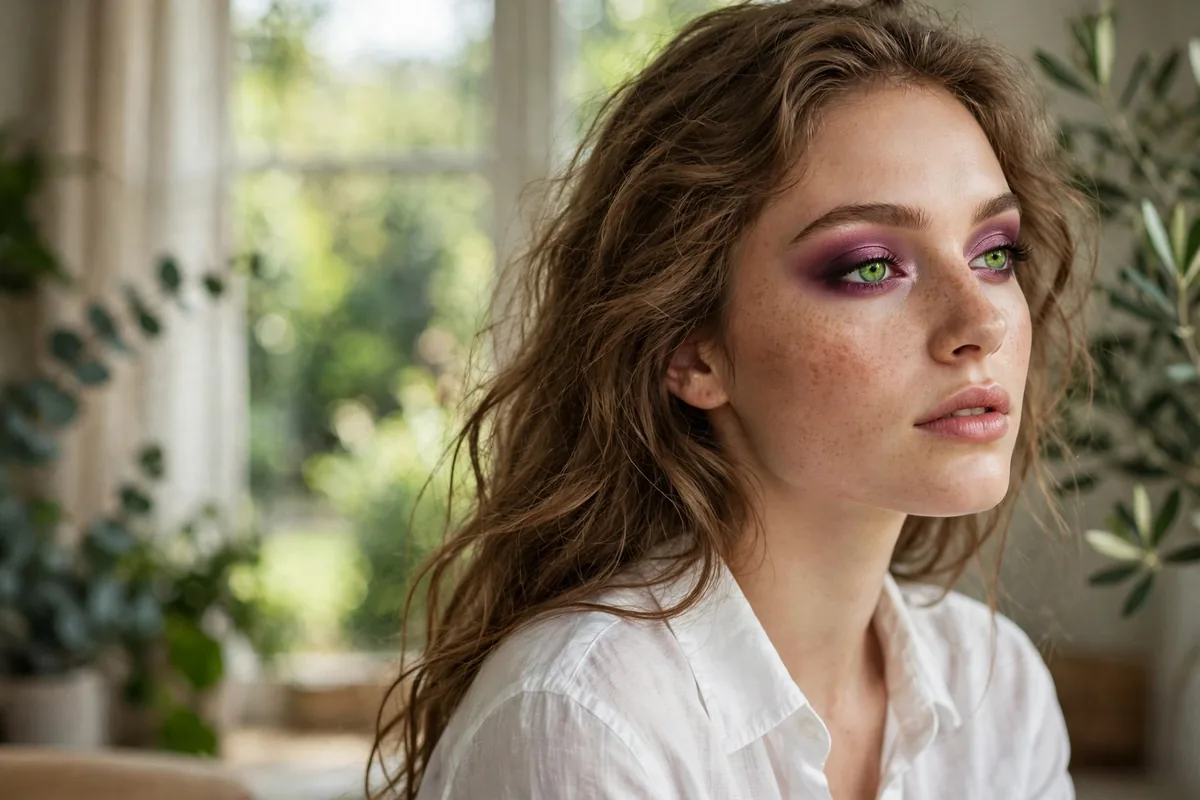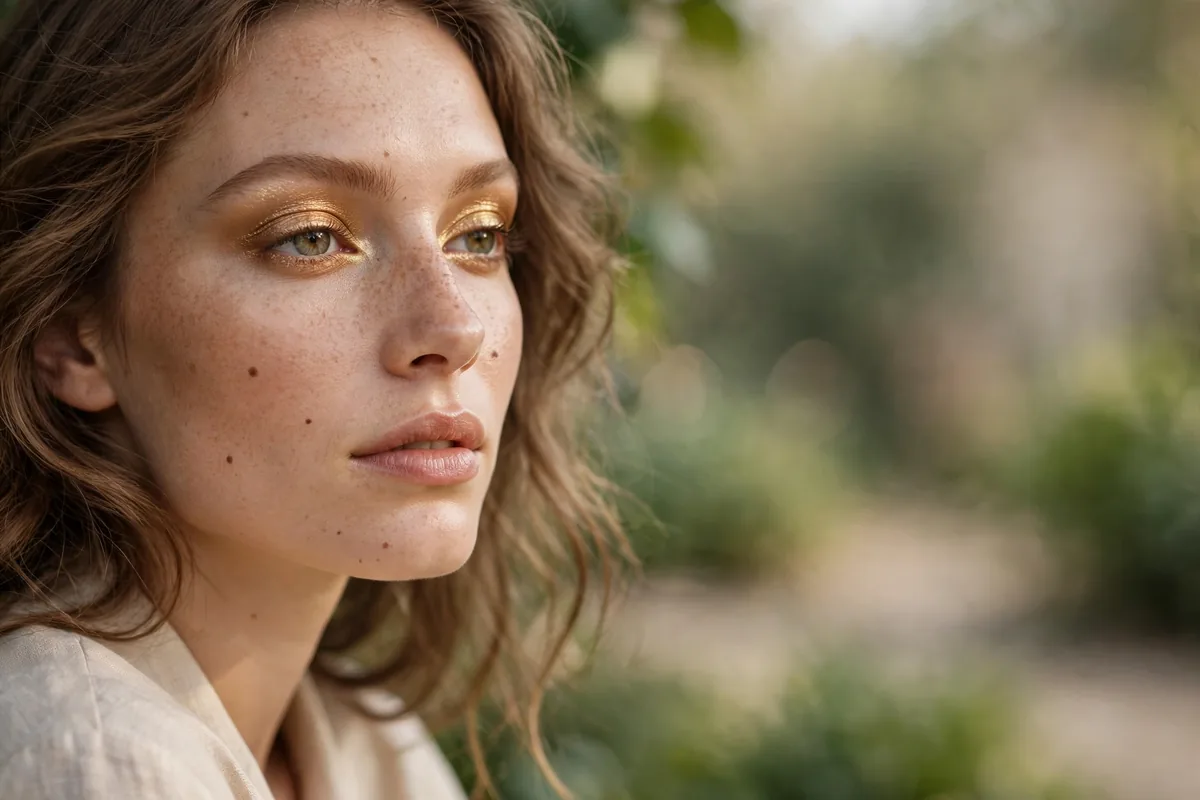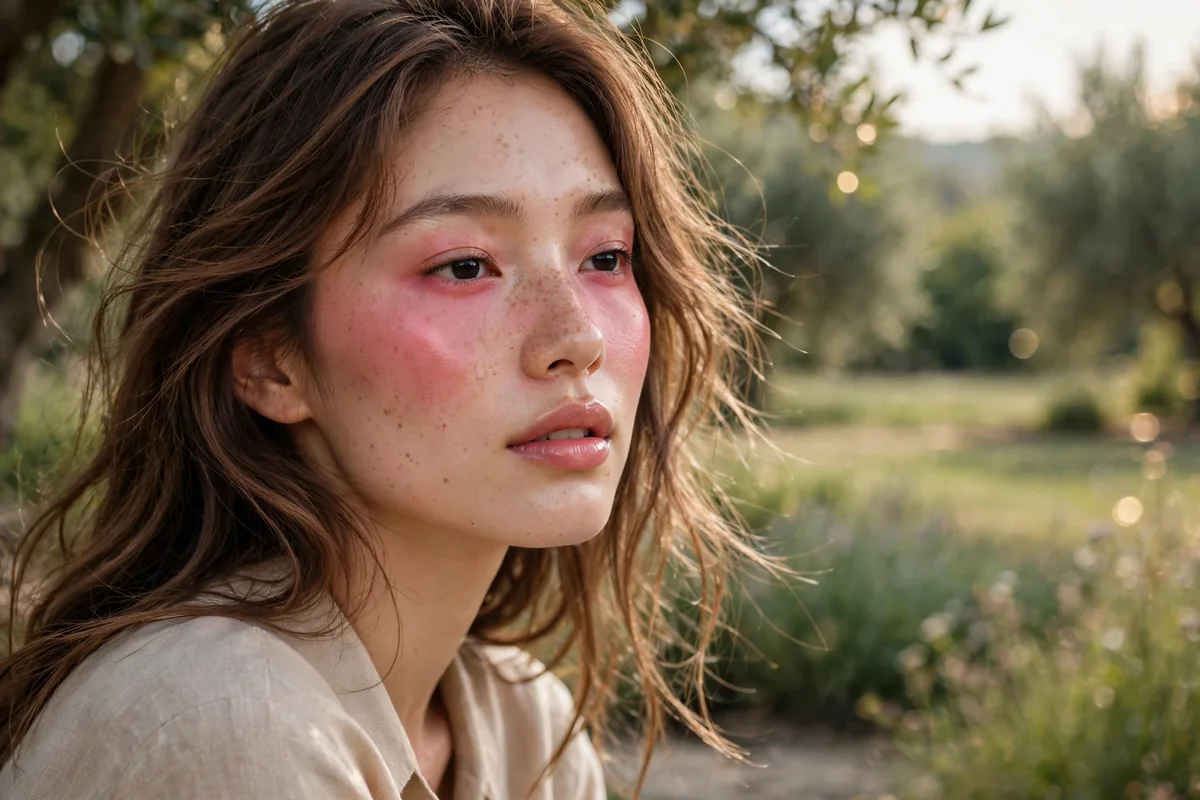
Igari blush is Japan’s sun-kissed secret — blush worn high across the cheeks and nose, like you’ve been in the sun.
Unlike Western blush placed on the apples, igari sits high — under the eyes, across the nose bridge. The result looks like a natural sun flush, not makeup.
It’s youthful, fresh, and surprisingly flattering — the "just back from vacation" look in a compact.
Here are 15 ways to wear it. Let’s get into it.
Classic Igari Placement
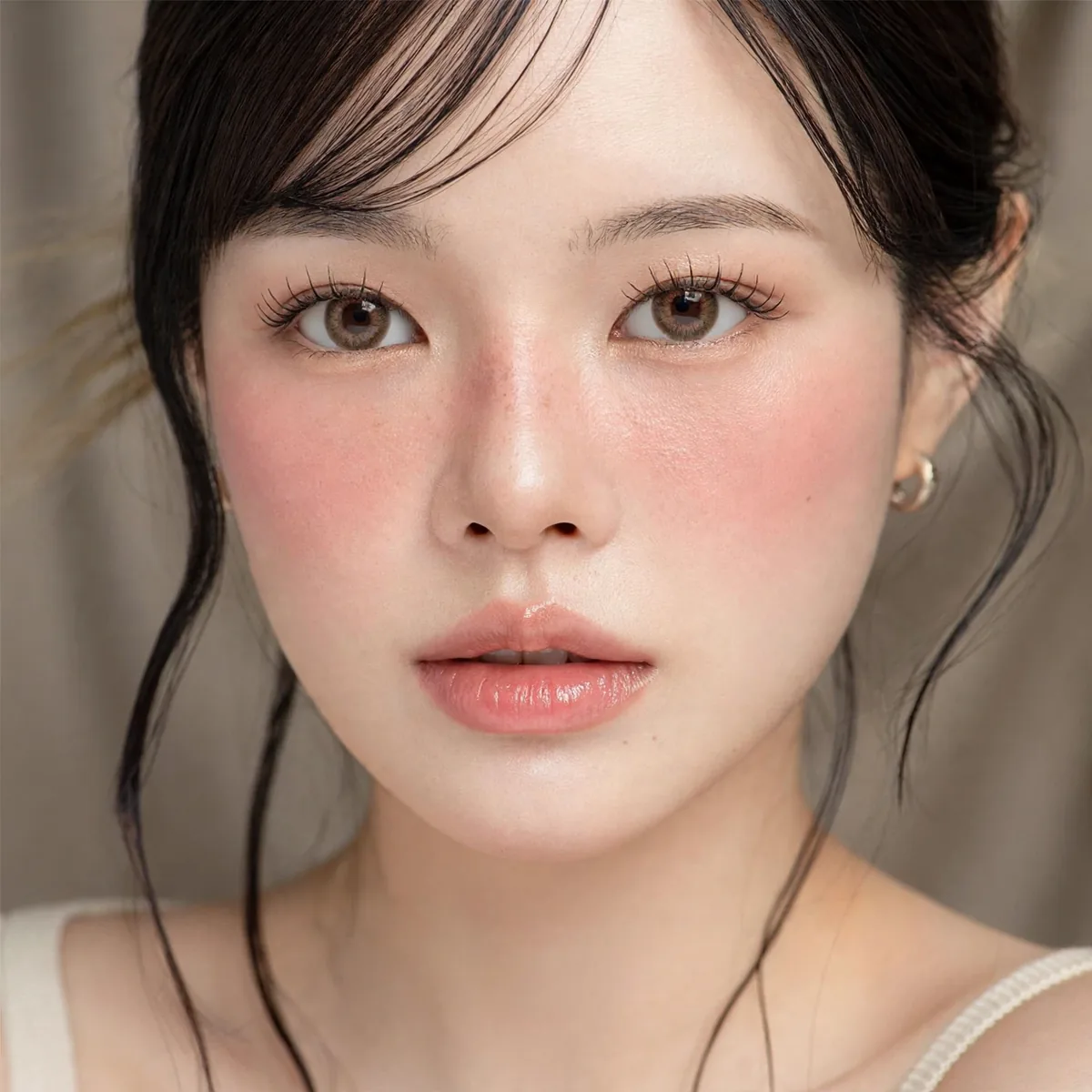
Blush swept under the eyes and across the nose in one connected flush.
Best for: the authentic igari. The connected cheek-to-nose flush is the signature.
The connected flush is what separates igari from every other blush trend — sweep one continuous stroke from the left cheek, under the eyes, across the nose bridge, to the right cheek without lifting the brush. Breaking the stroke into separate patches creates three isolated blush spots, but the unbroken sweep is what mimics real sun exposure.
Keep the rest of the face minimal — igari is the star, so pair it with bare lids, one coat of mascara, and a sheer lip. Heavy eyeshadow or bold lips compete with the flush and the whole look loses its effortless Japanese freshness; restraint everywhere else is what lets the sun-kissed blush do all the talking.
Coral Sun-Kissed
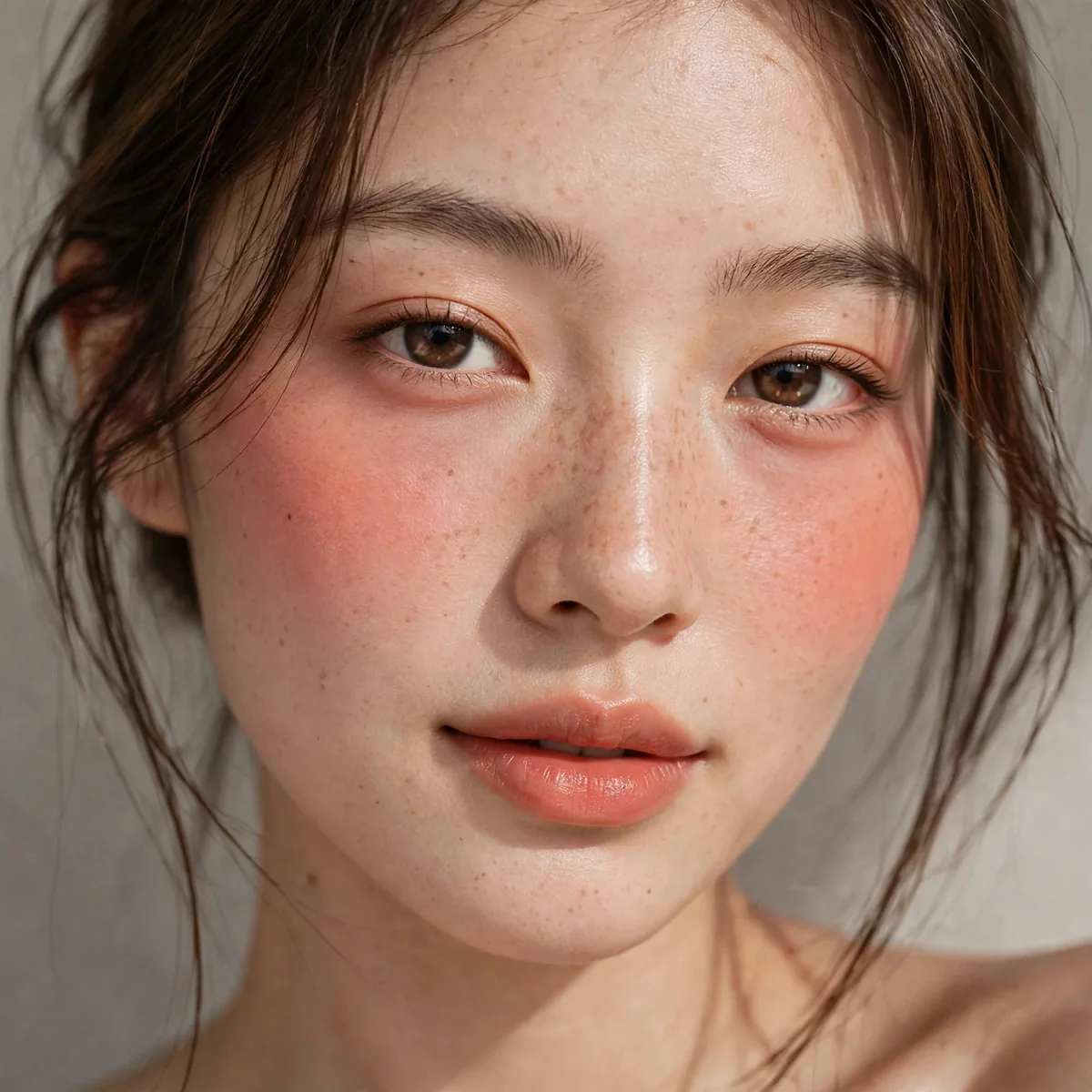
Coral blush in igari placement — the truest sun-kissed shade.
Best for: warm undertones. Coral mimics real sun flush best.
Coral’s mix of pink and orange is what makes it read as genuine sun flush — real sunburned skin isn’t pure pink or pure orange, but something in between. Apply it with a stippling motion rather than sweeping, since stippling deposits color in a dappled pattern that mimics how sun actually hits the high points of the face.
This shade peaks from late spring through early fall, when a sun-kissed look feels seasonally honest rather than forced. In winter, the same coral can look out of place against pale, un-sunned skin — swap to a deeper terracotta for cold months and save the bright coral for the seasons when your skin has some natural warmth.
Pink Igari Fresh
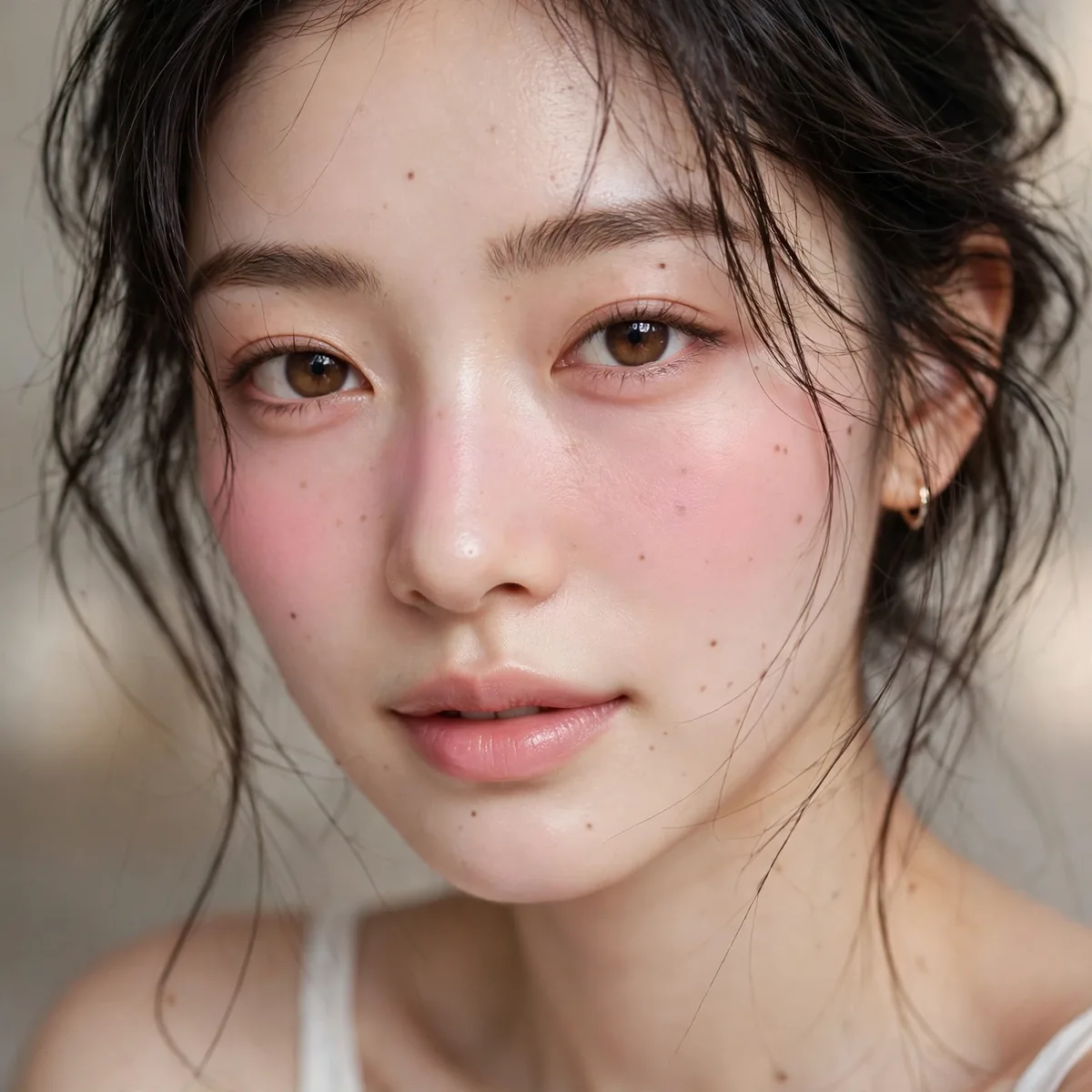
Bright pink worn high — fresh, youthful, vibrant.
Best for: fair to light skin. Pink pops beautifully on lighter complexions.
Bright pink igari needs a light hand on the nose — the bridge is a small area and heavy pink there reads as sunburn rather than sun-kissed. Use a fluffy brush with barely any product for the nose pass, then build the cheeks slightly deeper; that gradient from soft nose to brighter cheek is what keeps the look fresh instead of feverish.
Fair skin with cool undertones wears this variation best, since bright pink harmonizes with natural pinkness instead of fighting it. If you have surface redness or rosacea, neutralize first with a green primer — layering bright pink over uncorrected redness doubles the red and the whole face reads as irritated rather than radiant.
Cream Igari Melt
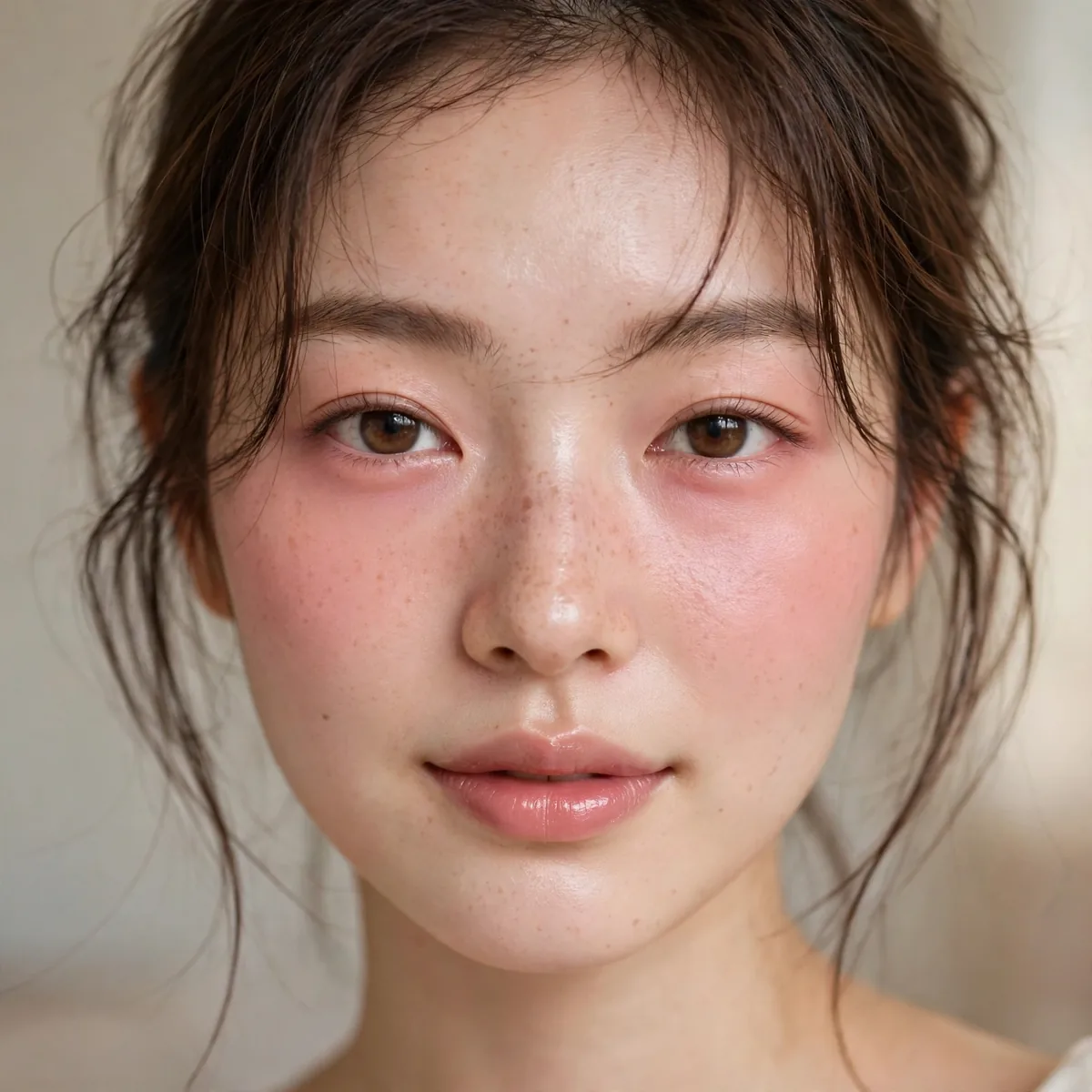
Cream formula melted across the high cheeks — the most natural igari.
Best for: dry skin. Creams mimic the translucency of real flushed skin.
Warm the cream between your fingertips for ten seconds before applying — body heat thins the formula so it melts into skin instead of dragging across it. Cold cream skips and patches, especially over any dry areas, but warmed product glides in that seamless windshield-wiper motion and fuses with your base like a second skin.
Dry and dehydrated skin gets the most from this technique, since cream formulas add moisture back while they tint — powder blush on dry skin can look dusty by afternoon, but creams stay supple. Skip setting powder over the igari zone entirely; powdering the flush defeats the melted, skin-like finish that makes cream igari so convincing.
Terracotta Warmth
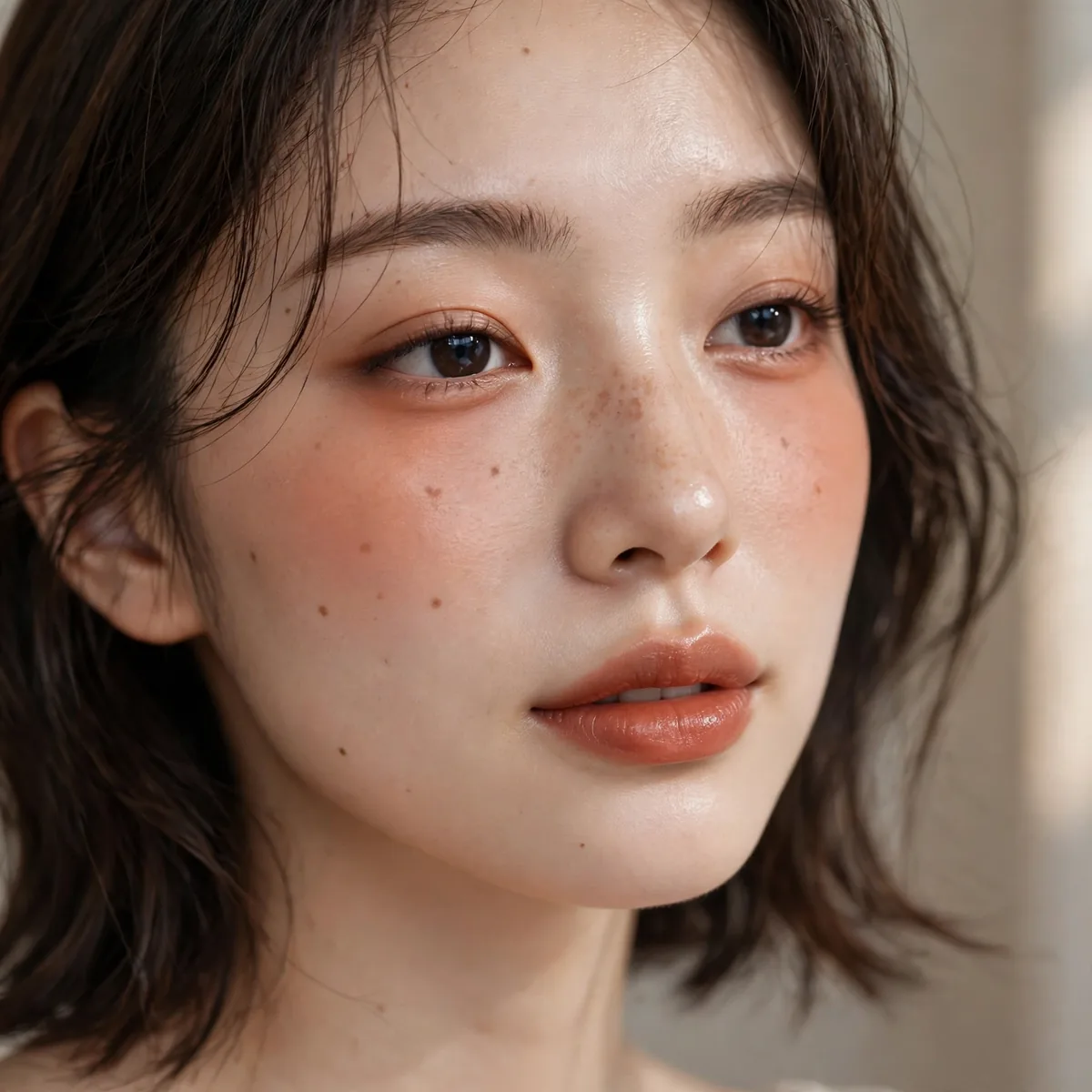
Terracotta in igari placement — sun-baked warmth.
Best for: medium to deep skin. Terracotta reads as genuine sun on deeper tones.
Terracotta’s brown base is what makes it believable on deeper skin — it contains enough depth to show up without looking ashy, which is where brighter blushes fail on rich complexions. Press it on with a dense brush for maximum payoff, since sheer application of an already-muted shade can disappear entirely on deep skin tones.
This is the igari for autumn — terracotta echoes falling leaves and warm knitwear, making it the most seasonally cohesive shade in the whole trend. Pair it with a brown lip liner and a caramel gloss for a full warm-toned face; the monochrome warmth photographs beautifully in golden-hour light and feels rich rather than summery.
Igari with Freckles
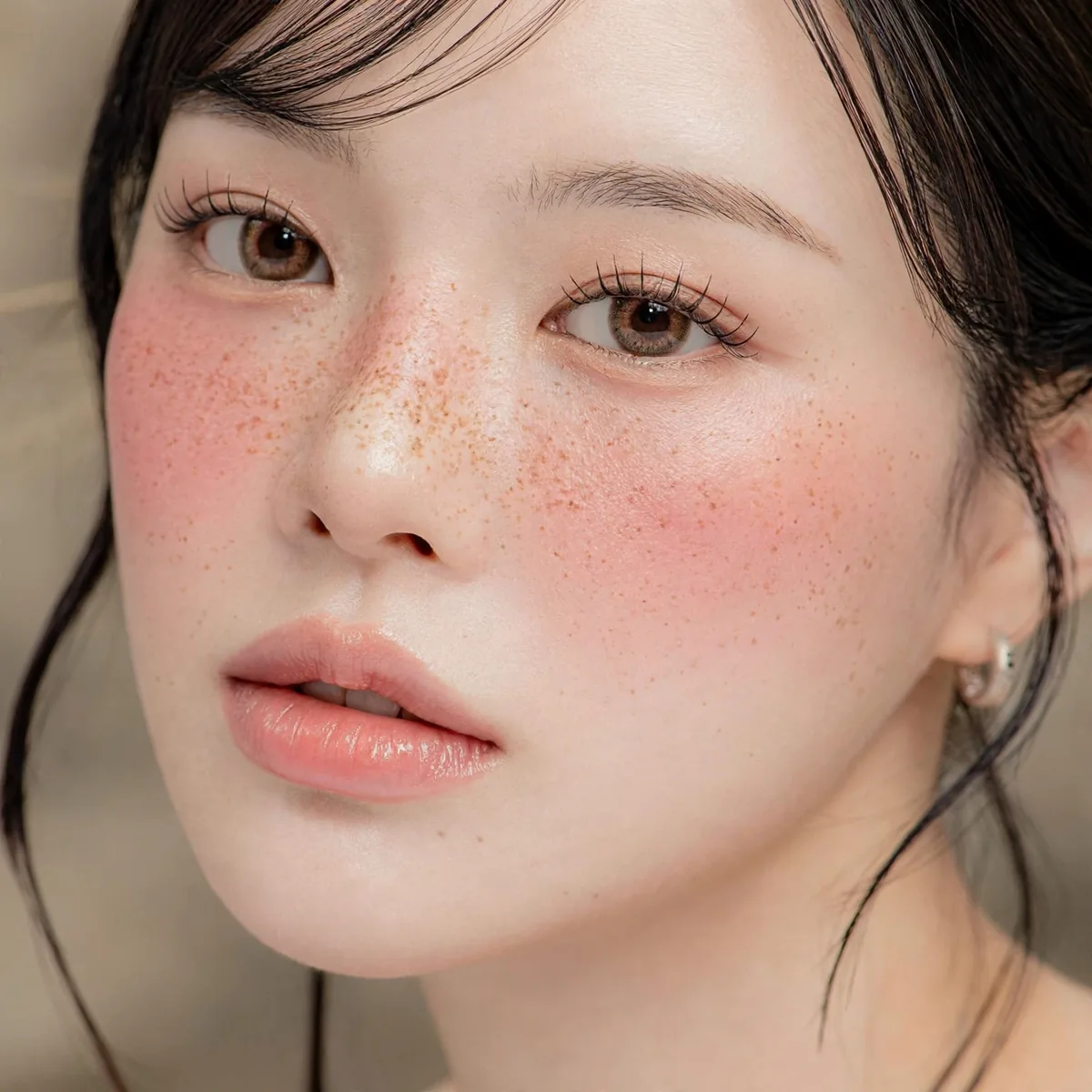
Faux freckles over the igari flush — the ultimate sun-kissed fantasy.
Best for: the full effect. Freckles + igari = vacation in a look.
Dot the freckles after the blush, not before — the flush underneath gives the dots context, and freckles drawn on bare skin then covered with blush look buried and muddy. Concentrate them where the sun would actually hit: across the nose bridge and the tops of the cheekbones, fading out toward the temples like real sun spots.
Use two different brow pen shades for realism — a light taupe for the majority and a slightly deeper brown for a few scattered accents. Real freckles aren’t uniform in color, and that variation is what keeps the look from reading as dotted-on makeup; the two-tone approach fools the eye in a way single-shade freckles never quite manage.
Soft Peach Igari
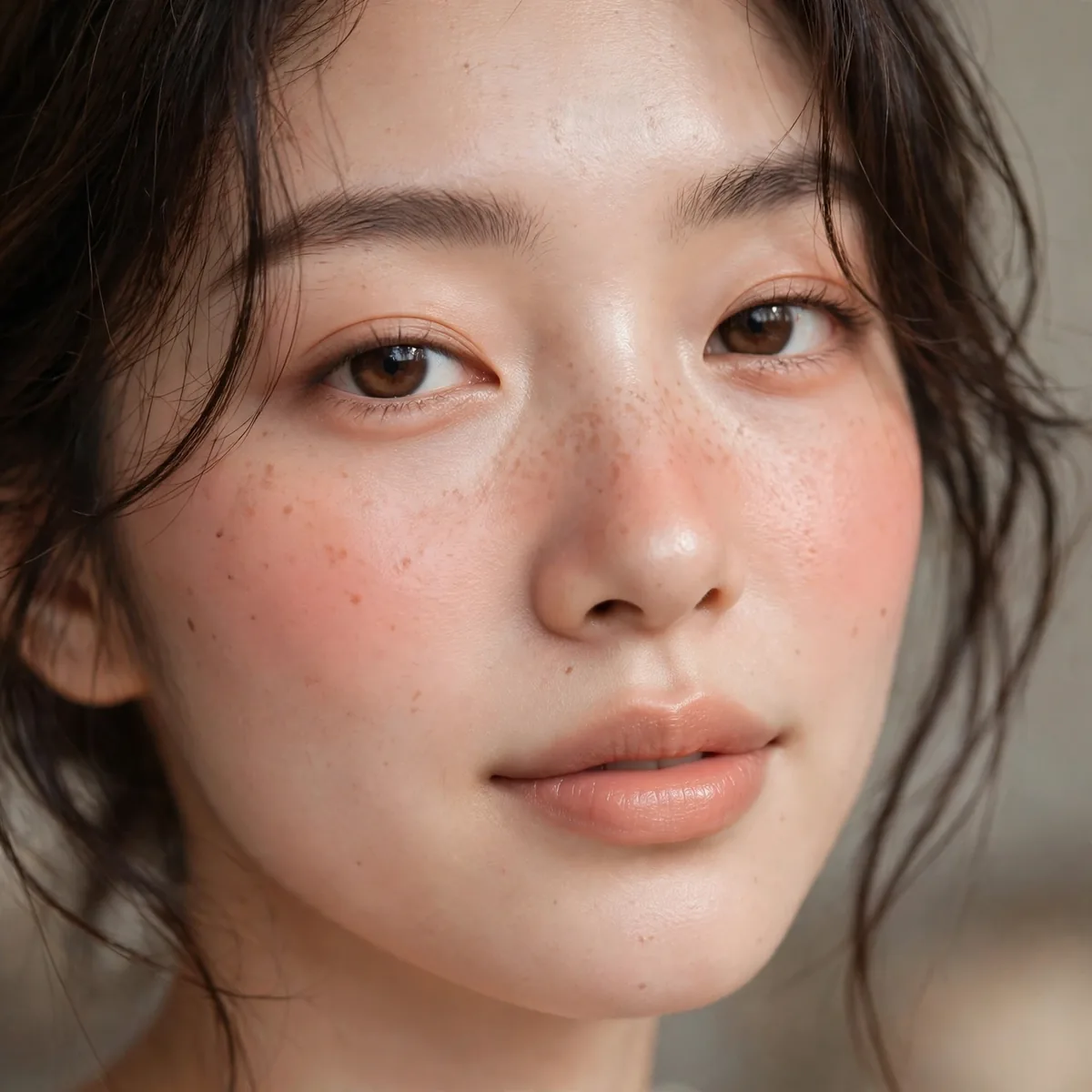
Peach worn high and sheer — the subtlest igari.
Best for: beginners. Peach is forgiving while you learn the placement.
Sheer is the whole point here — apply peach igari with a damp beauty sponge, which sheers out even pigmented formulas into a wash of color. A dry brush deposits too much product for this delicate variation, but the damp sponge technique gives you that barely-there warmth that makes people ask if you’ve just been on holiday.
Beginners should start here before attempting brighter igari shades — peach forgives heavy-handed application in a way coral and pink simply don’t. If you over-apply, it still looks like a natural flush; the same mistake with bright pink looks like sunburn. Master the placement with peach, then graduate to bolder shades with confidence.
Berry Igari Evening
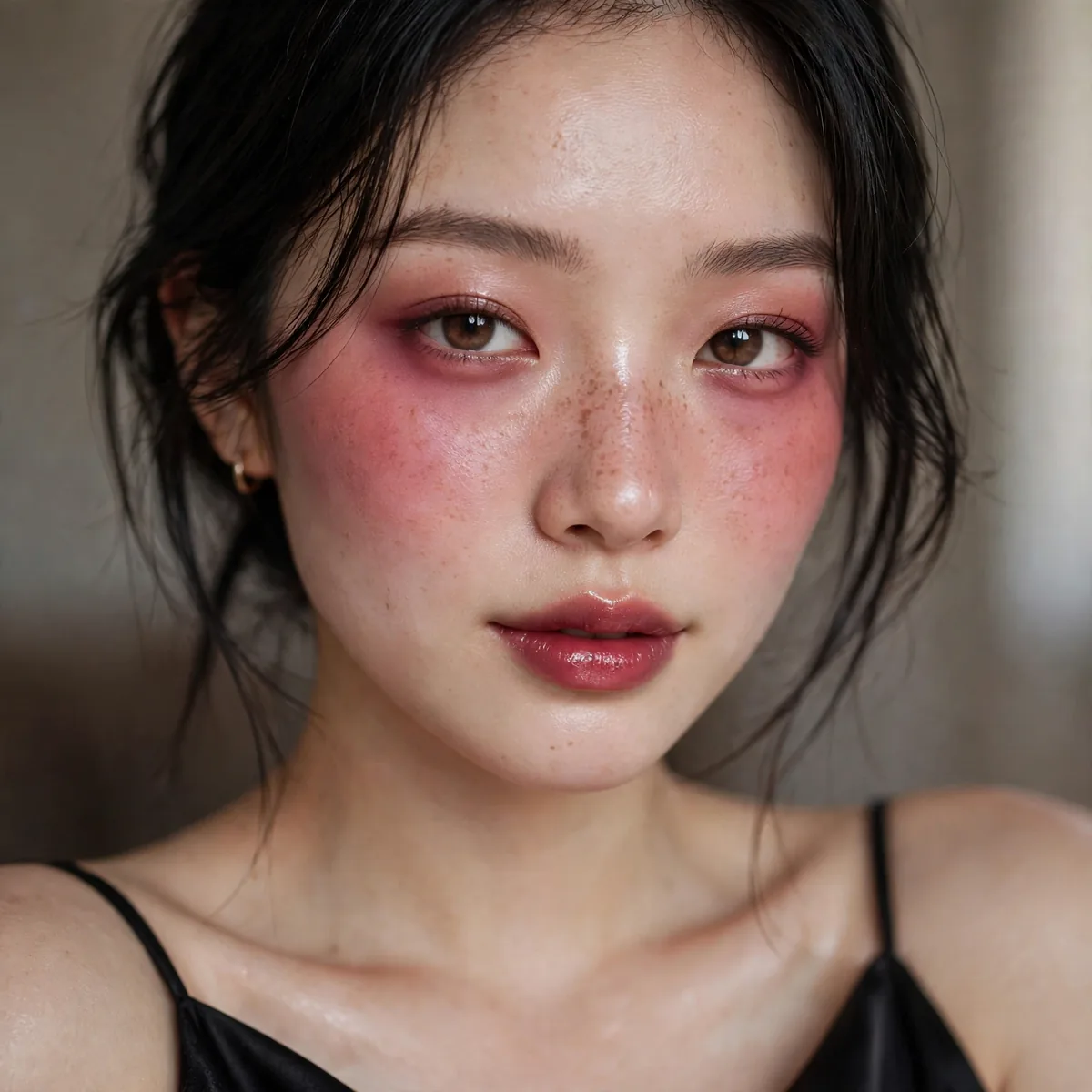
Deeper berry in igari placement — sun-kissed goes to dinner.
Best for: evenings. Deeper shades transition igari to night.
Deepen the rest of the face to match — a berry igari with bare daytime eyes looks disconnected, but the same flush with a soft brown smokey eye and defined lashes reads as intentional evening glam. The blush sets the formality level, so let it guide your choices for eyes and lips rather than fighting it.
Test berry shades on your jawline in indoor lighting before committing — some berries pull purple under warm bulbs and clash with the sun-kissed warmth igari is supposed to deliver. You want a berry with red or brown undertones that keeps the flush looking heated and alive, not a cool berry that turns the whole face moody.
Igari Nose Focus
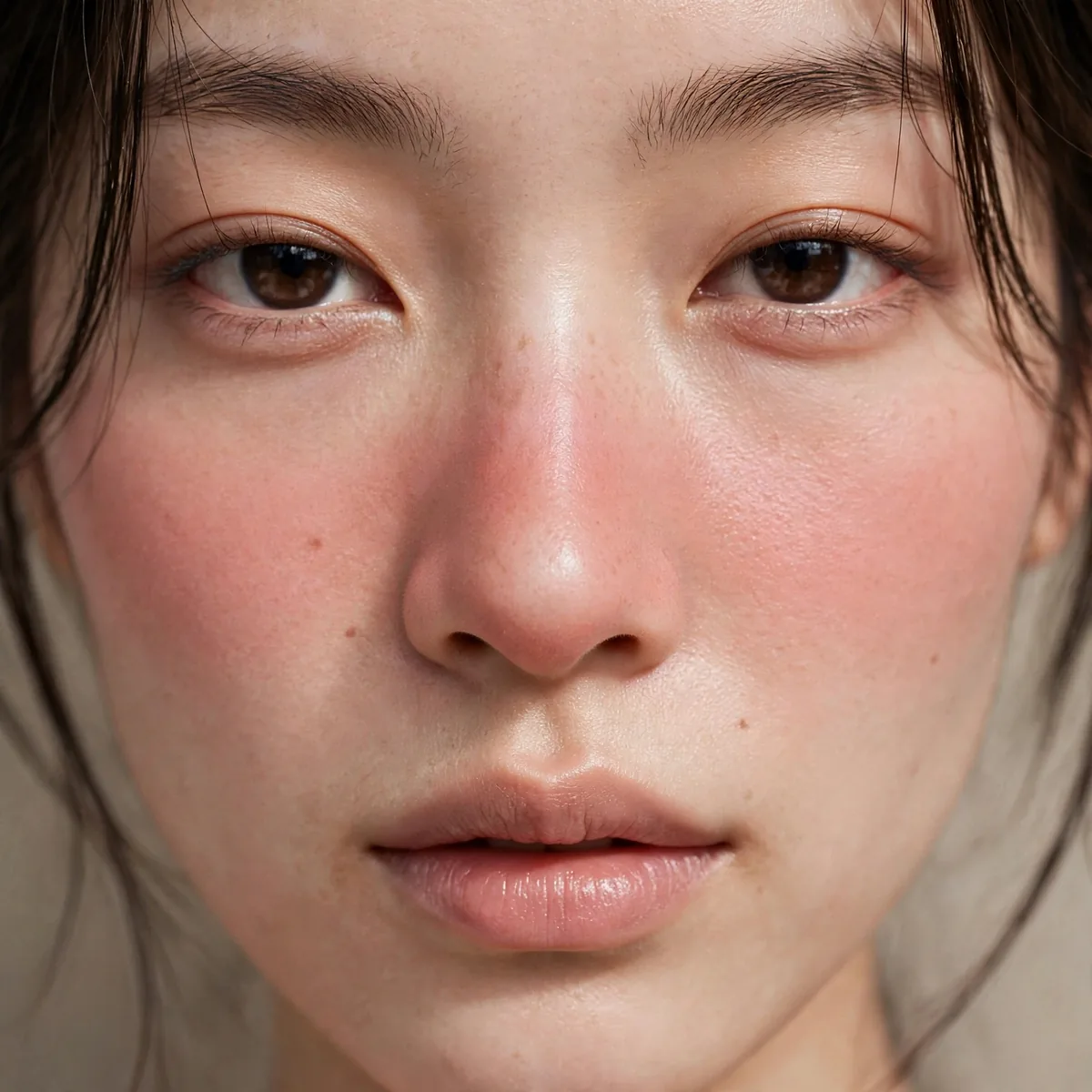
Extra blush concentrated on the nose — the cutest igari variation.
Best for: the playful. Nose blush is igari’s most charming feature.
Use a small, precise brush for the nose — a big blush brush can’t control color on such a narrow area and you’ll end up with blush drifting toward the eyes. Tap the product on in the center of the bridge and blend outward with your fingertip; the fingertip’s warmth keeps the color sheer while giving you exact placement control.
This variation photographs incredibly well for close-up content because the nose is the focal point of most portrait angles. Keep the rest of the blush soft so the nose stays the star — if the cheeks compete at the same intensity, the face looks uniformly flushed rather than playfully sun-kissed, and the charm of the variation gets lost.
Glossy Igari Skin
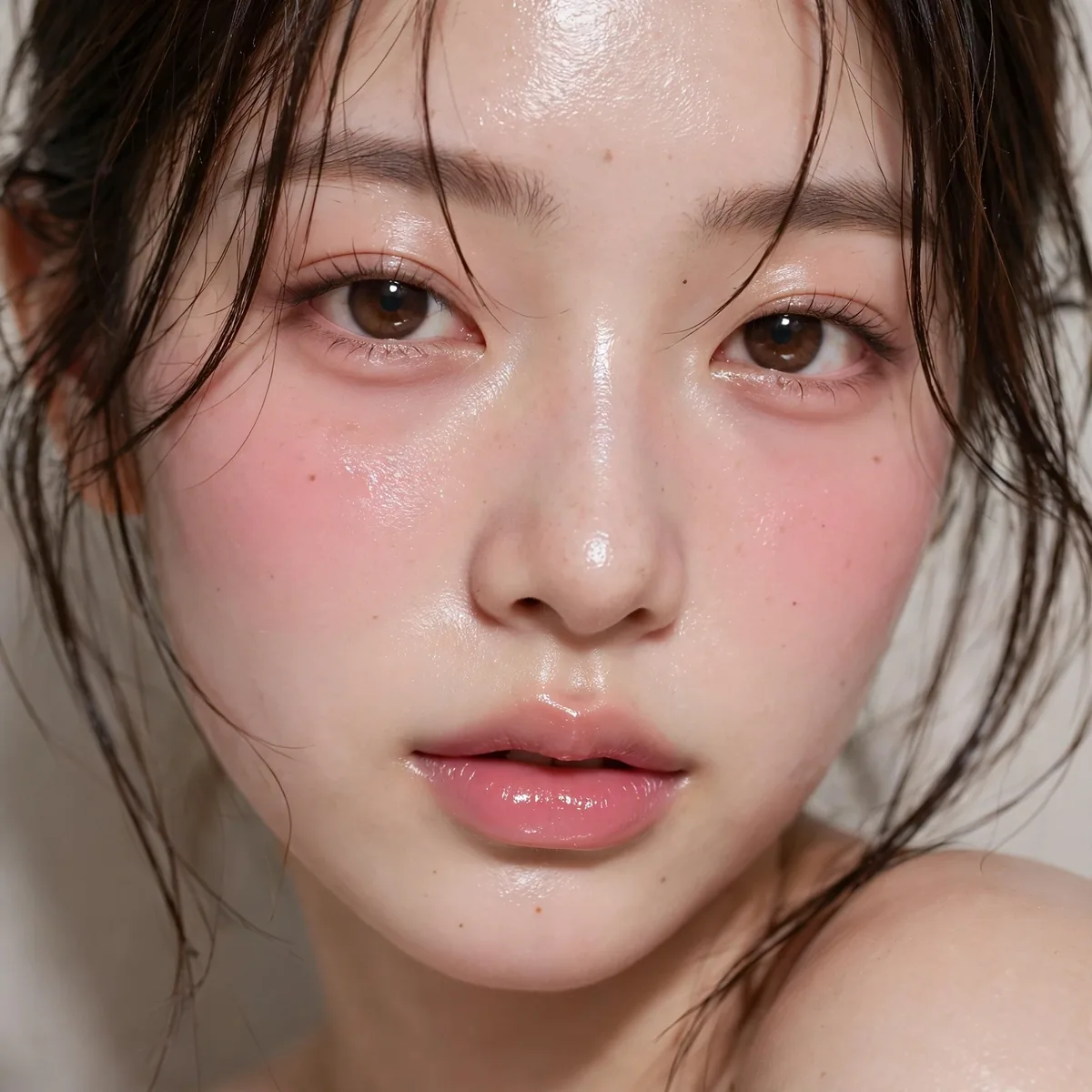
Dewy, glazed skin under the flush — fresh and luminous.
Best for: dry skin. Glaze amplifies the sun-kissed illusion.
Layer your glow products from thinnest to thickest — liquid illuminator mixed into foundation first, then a cream highlighter on the high points, skipping powder highlighter entirely. Powder over cream creates a cakey texture that kills the glazed effect, but stacked liquid and cream textures meld into one seamless, wet-looking finish.
Blotting papers are your friend with this look — press one gently onto the T-zone at midday to lift excess oil without disturbing the glow on your cheeks. The goal is controlled luminosity, not an all-over shine; keeping the center of the face in check is what separates glazed skin from simply oily skin in photographs.
Matte Igari Contrast
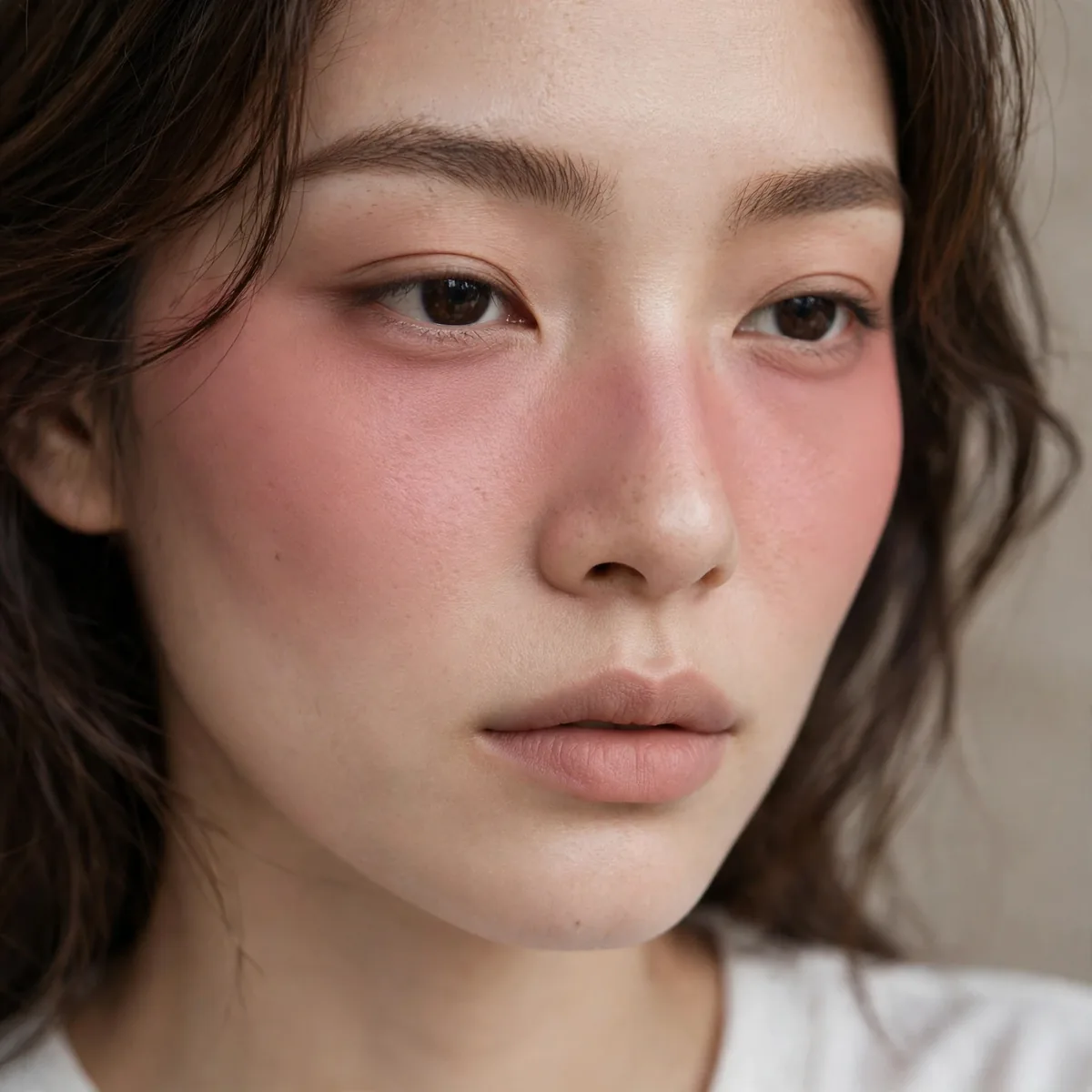
Matte skin with the igari flush — the contrast makes the flush pop.
Best for: oily skin. Matte base + flush = controlled sun-kissed.
The matte base has to be truly shine-free for this contrast to work — use a mattifying primer and set the T-zone with powder before the blush goes anywhere near your cheeks. If the base has any dewiness, the contrast disappears and you just have regular igari; the flat canvas is what makes the flush look so strikingly dimensional.
Oily skin finally gets its igari moment with this version — the matte base controls shine all day while the cream blush on top delivers the sun-kissed color. Use a long-wear cream formula and set only around the blush, not over it; powdering the flush itself dulls the color and defeats the whole luminous-against-matte point.
Igari with Gloss Lips
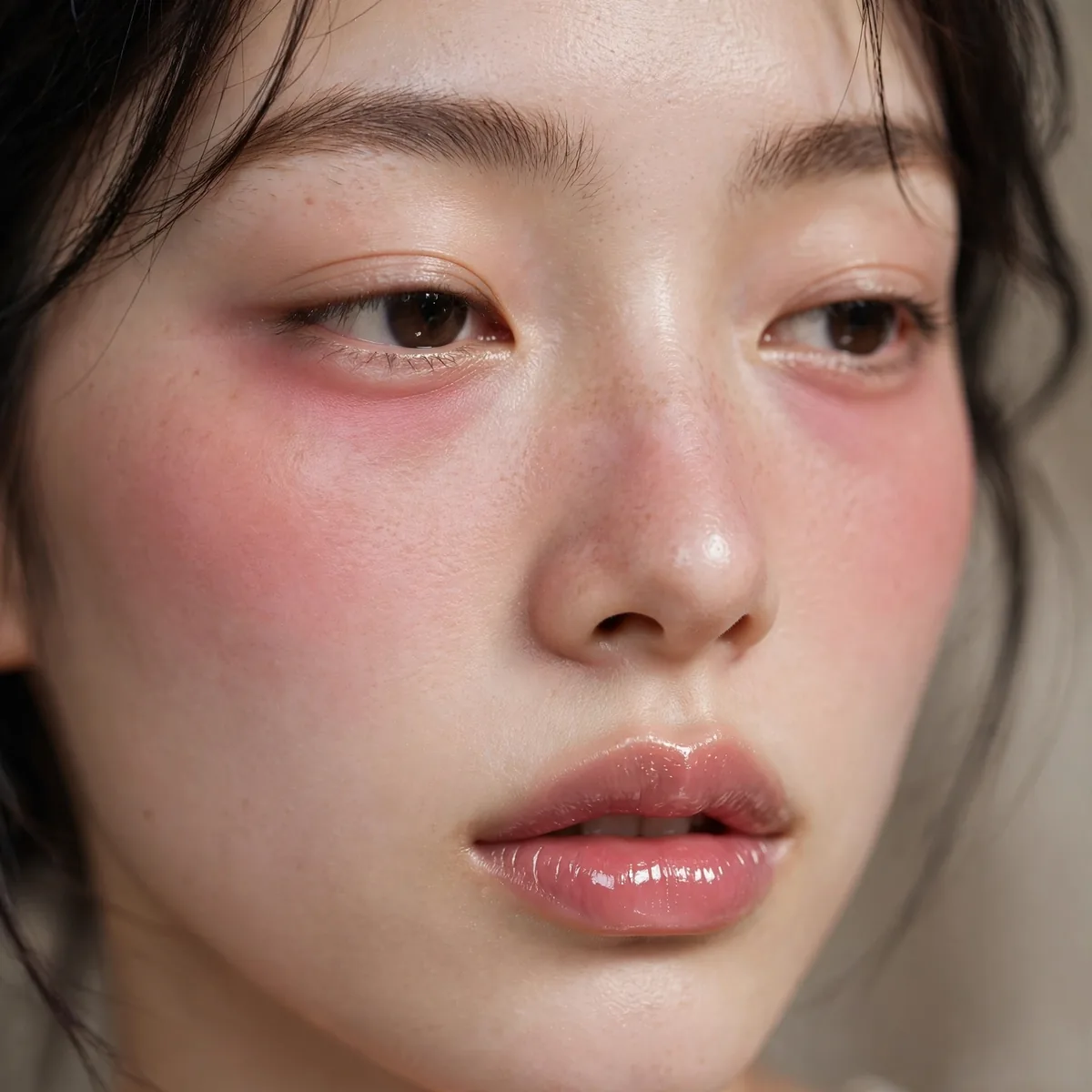
Juicy gloss lips complete the fresh-faced igari.
Best for: the full youthful look. Gloss keeps everything fresh.
Keep the lip color in the same family as the blush but one step sheerer — a coral igari with a coral-tinted gloss looks harmonious, while a coral blush with a pink gloss creates two competing statements. The lips should echo the cheeks, not compete with them; sheerness is what keeps the pairing youthful instead of overdone.
A lip scrub the night before makes all the difference — gloss magnifies every flake and dry patch, and there’s no blush bright enough to distract from cracked lips. Exfoliate, then sleep in a thick lip mask; you’ll wake up with a smooth canvas that lets the gloss sit like glass over the fresh-faced igari.
Layered Igari Longevity
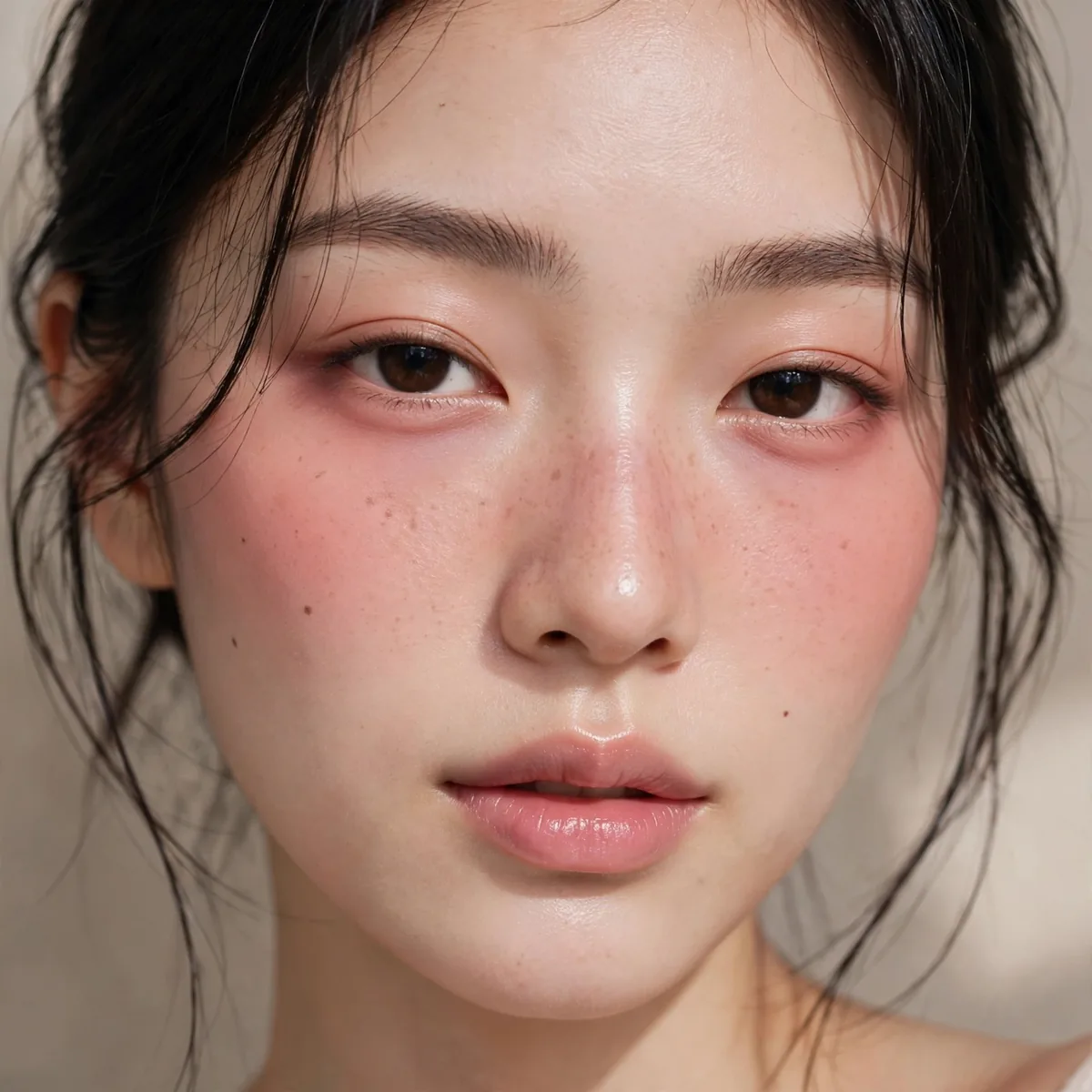
Cream igari set with powder blush on top — flush that lasts.
Best for: long days. Layering is igari’s staying-power secret.
Match the powder shade to the cream exactly — layering a deeper powder over a lighter cream shifts the color and muddies the sun-kissed effect you’re after. The powder’s job is to lock, not to add color, so choose the closest possible match and apply it with a light hand, pressing rather than sweeping to avoid disturbing the cream beneath.
This layering method is what makeup artists use for outdoor weddings and all-day festivals, where the flush has to survive heat, hugs, and happy tears. Set the finished look with a fine mist of setting spray held at arm’s length — the mist fuses the layers together without disturbing them, adding hours to an already long-wearing base.
Cool Pink Igari
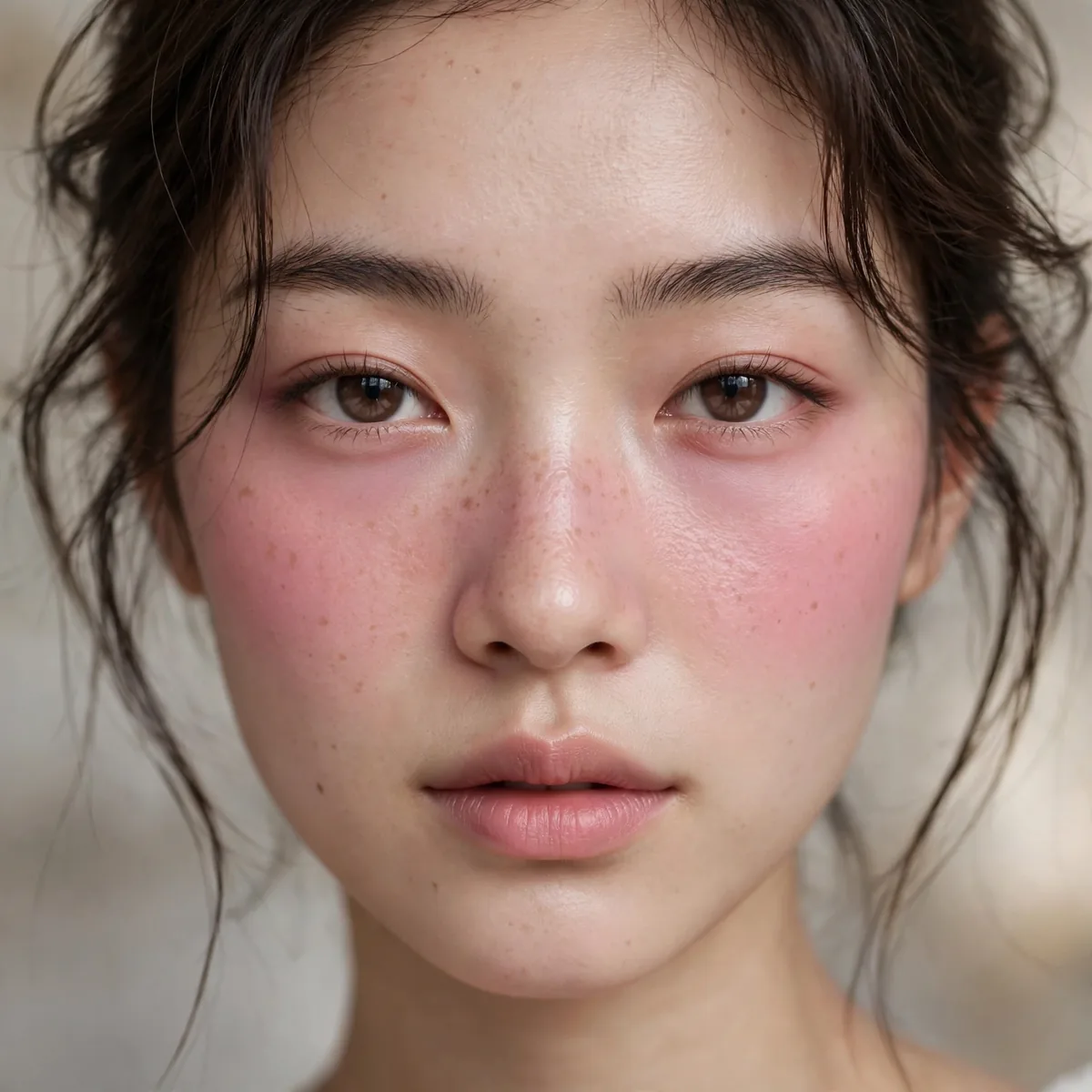
Blue-pink igari for cool undertones — sun-kissed, adapted.
Best for: cool skin. The placement works; just adjust the shade.
Blue-pink blush can emphasize undereye darkness, so brighten the under-eye area with a peach corrector before laying the igari flush over it. The corrector neutralizes the blue tones in dark circles that cool blush would otherwise amplify — without this step, the high igari placement can make tired eyes look even more tired.
Silver jewelry and cool-toned outfits complete this variation — think icy lavenders, soft grays, and crisp whites that harmonize with the blue-pink flush. Warm golds and oranges fight the cool palette and make the blush look accidental; keeping everything in the cool family is what makes this igari feel deliberate and editorial.
The Full Igari
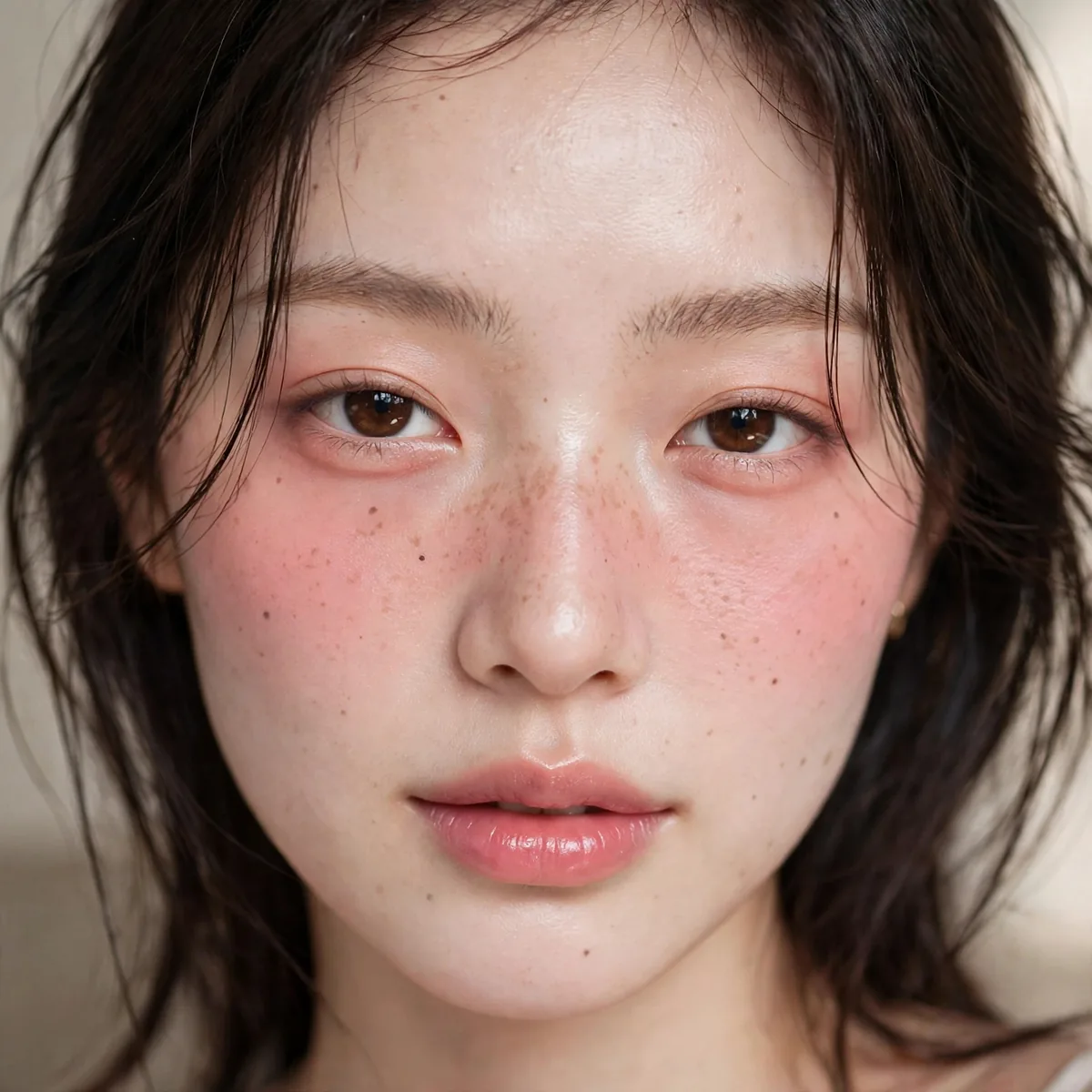
High flush, nose blush, freckles, gloss, minimal eyes. The complete Japanese fresh face.
Best for: committing to the aesthetic. Igari is a whole philosophy.
Sequencing keeps this from becoming a muddy mess — do the base first, then the connected igari sweep, then freckles, then gloss lips last. Each layer needs a moment to set before the next goes on; rushing the order means the freckle dots drag through wet blush and the gloss picks up blush pigment from your fingertips.
This is the look to wear for hanami picnics, spring festivals, and golden-hour content shoots — settings where fresh, sun-kissed beauty feels completely at home. Photograph it in soft natural light rather than harsh flash; the whole point of igari is that lit-from-within warmth, and gentle daylight is what makes the flush glow like real sunshine.
Sun-kissed, always. Wear your flush high — and for more blush inspiration, see our strawberry makeup and cream blush looks.