The octopus haircut is the most dramatic silhouette in hair right now — and it is not for wallflowers.
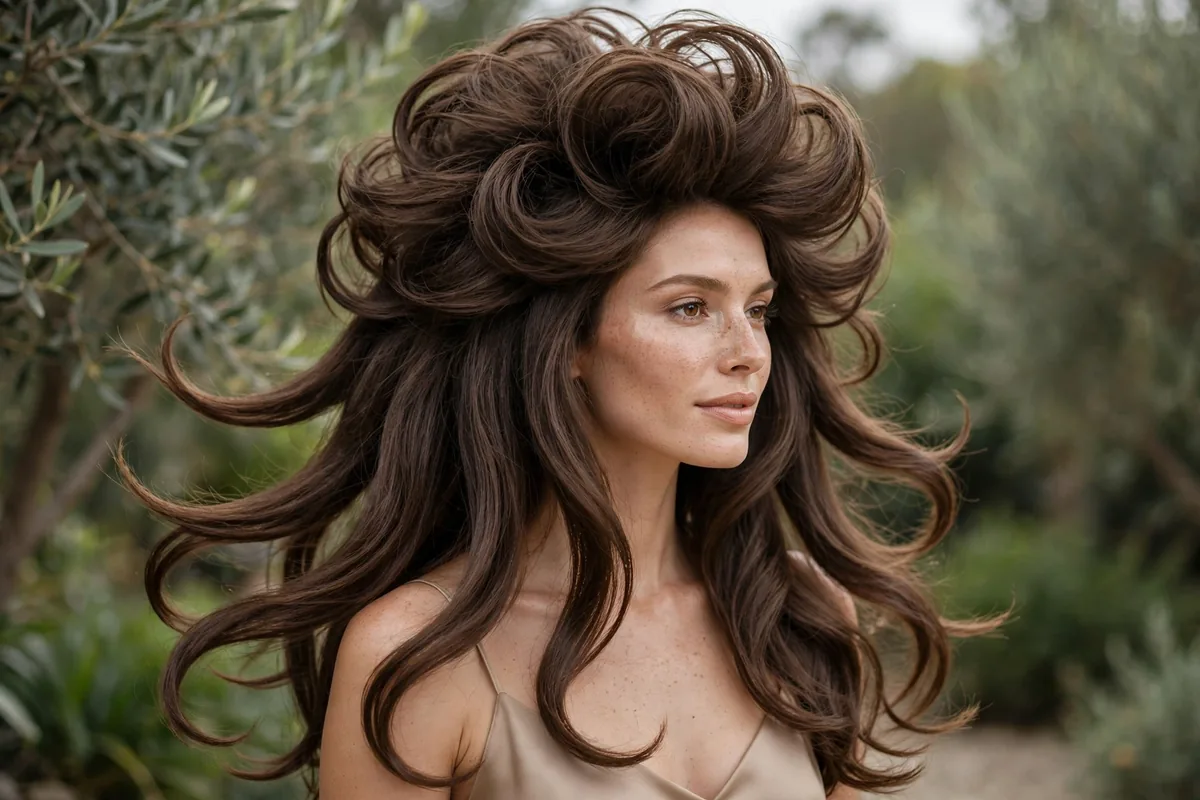
Picture this: short, voluminous layers packed at the crown, then long, thin, tentacle-like pieces falling past the shoulders. The extreme contrast between top and bottom creates a shape unlike anything else — bold, sculptural and unapologetic.
It demands confidence, the right texture and a stylist who understands extreme layering. If that sounds like you, these twenty octopus variations are calling your name.
Here are 20 octopus cuts for maximum texture. Let’s get into it.
The Classic Octopus
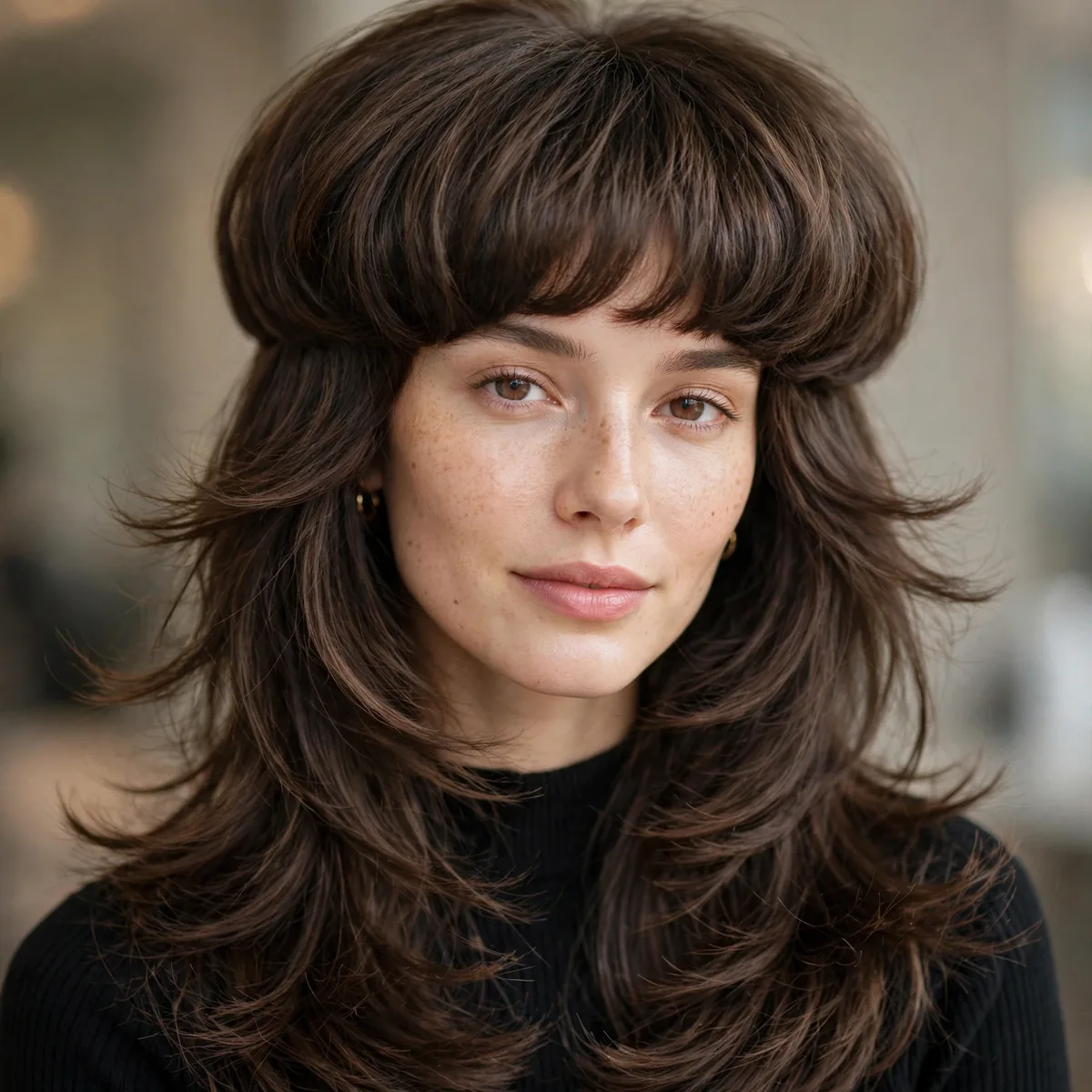
The original octopus: a rounded, voluminous crown with long, piecey layers falling like tentacles below. The silhouette is unmistakable — full on top, wispy at the bottom.
Ask for short layers concentrated at the crown, keeping the bottom lengths thin and separated. A texturizing spray defines the tentacles.
Confidence is the real entry requirement — this cut suits women who love standing out and have medium to thick hair that holds crown volume. Oval and heart faces wear the silhouette best, since the rounded top balances narrower chins. Styling starts at the roots: blast the crown upside down, then define each tentacle by twisting it around your finger with fiber paste. A volumizing powder shaken into the crown keeps the top puffed all day.
Trim the crown every six to eight weeks — the rounded top loses its architecture fast, while the tentacles can go ten weeks. This cut thrives in fall and at music festivals, where its drama feels right at home. For a workday compromise, smooth the crown slightly and gather the tentacles into a low ponytail — the volume still reads edgy. Try copper or auburn color to make every tentacle catch the light.
Soft Octopus for Beginners
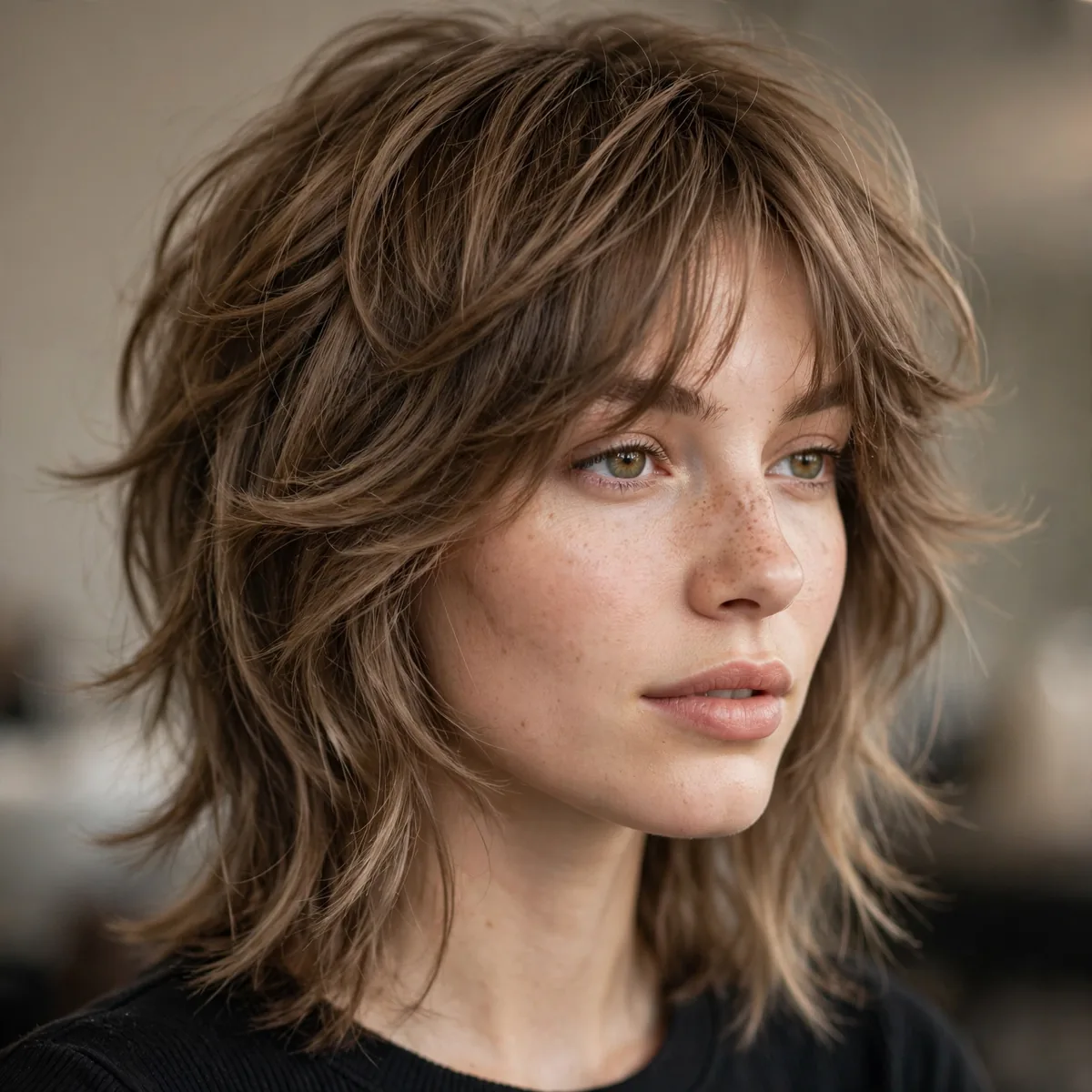
Octopus-curious? This toned-down version keeps the top-to-bottom contrast gentle — soft volume at the crown, lightly piecey ends. All the vibe, half the drama.
Ask for the crown layers to start at chin level and the tentacle effect kept subtle. You can always go bolder next time.
Curious but cautious? This version suits first-timers with fine to medium hair who want the octopus vibe without the shock. Round and oval faces carry the gentle contrast well — nothing too extreme to overwhelm softer features. Styling is forgiving: air-dry with a little mousse scrunched in, then tousle the crown with your fingers. A light-hold hairspray keeps the subtle tentacles separated without the stiffness of stronger formulas.
Grow it out freely — the soft version melts into shaggy layers with no awkward phase, so trims every ten weeks are plenty. Spring is the perfect season to try it, when fresh, experimental energy is in the air. If you fall in love, go bolder next cut by shortening the crown layers. If not, the grow-out gives you a pretty textured lob for summer. Low risk, high fun — the ideal trial cut.
Curly Octopus
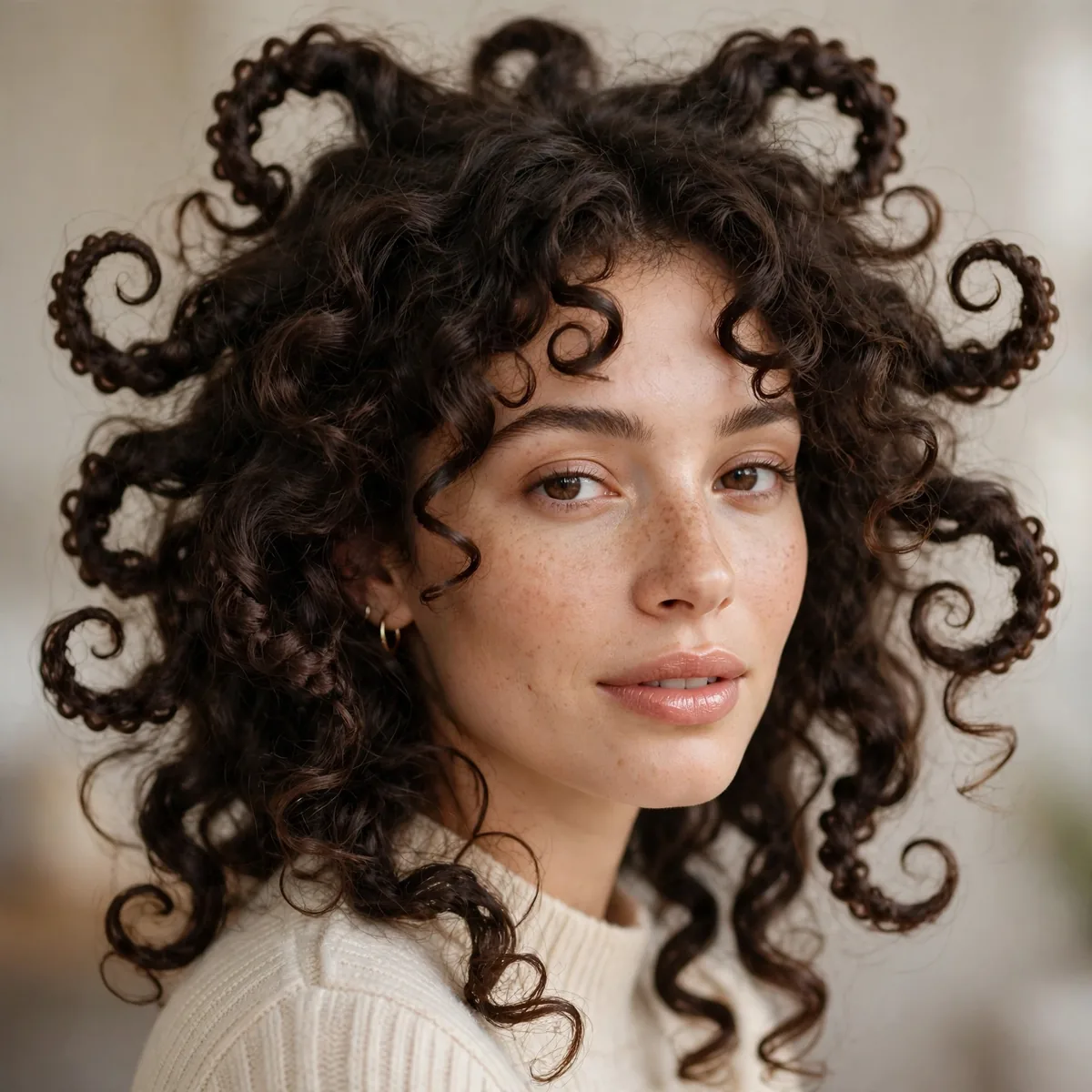
Curls make a spectacular octopus. The crown curls form a gorgeous rounded halo while the longer bottom curls hang in defined, tentacle-like spirals.
A dry curl-by-curl cut is essential to get the proportions right. Ask for the crown kept full and round, tapering to longer curls below.
Type 3 curls — 3A through 3C — build the most spectacular octopus, since the crown curls naturally form that rounded halo. It suits oval and long faces beautifully, the volume on top balancing length below. A dry, curl-by-curl cut is non-negotiable: your stylist sculpts each curl in its natural state. Style with a curl-defining cream raked through soaking-wet hair, then diffuse the crown on high heat for maximum lift.
Trim every ten to twelve weeks on dry curls — wet cuts shrink unpredictably and ruin the proportions. Humid summer is this cut's glory season: curls spring tighter and the tentacles coil into perfect spirals. For a sleeker variation, stretch the tentacles with a blowout while keeping the crown curly — two textures, one cut. Sleep in a silk bonnet to preserve the crown's roundness and the tentacles' definition overnight.
Octopus With Curtain Bangs
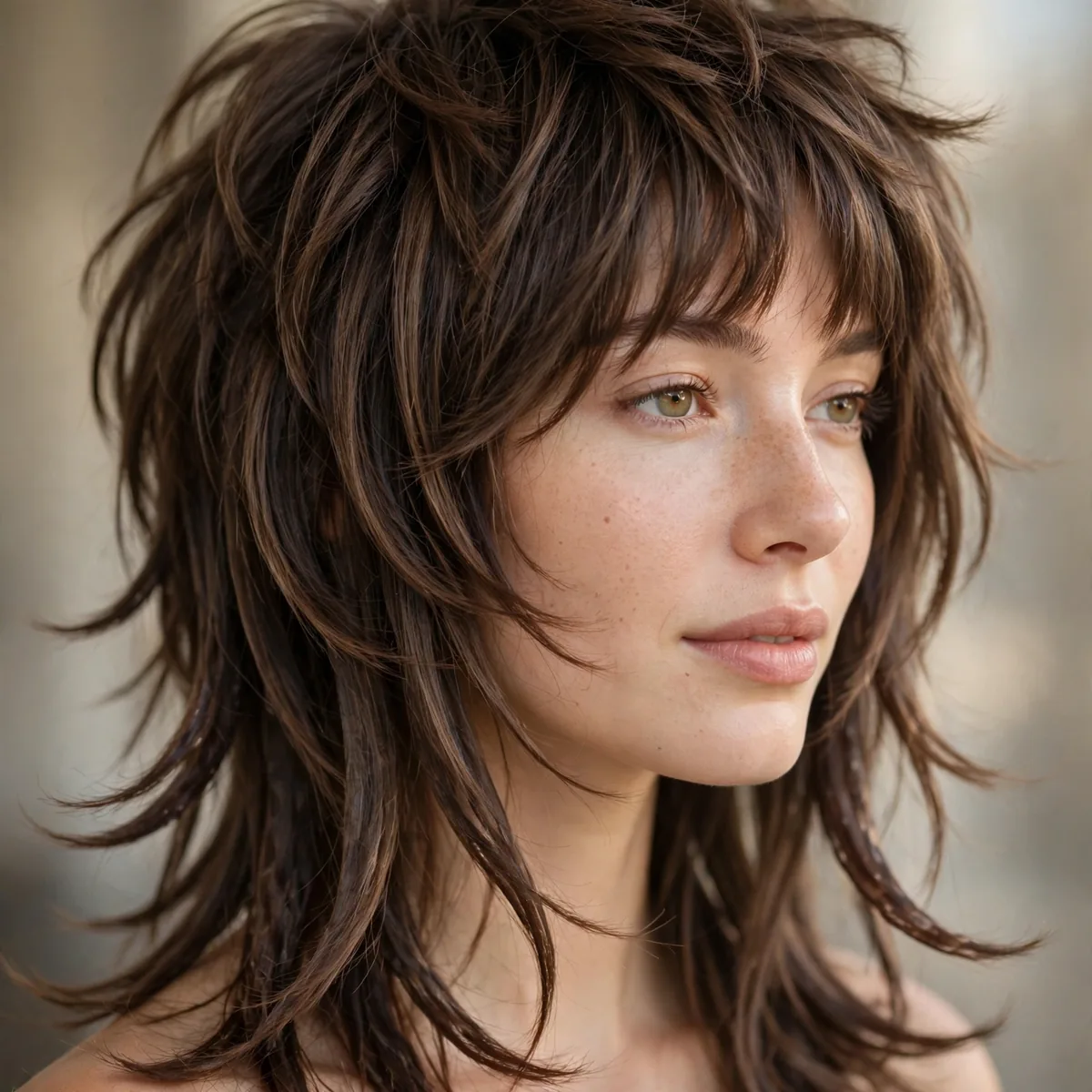
Curtain bangs flow right into the octopus’s voluminous crown, framing the face while the tentacles do their thing below. It softens the cut’s drama just enough.
Ask for the bangs to blend into the shortest crown layers. The combination is edgy but still pretty.
Women who want the octopus edge with a softer entry point — the curtain bangs frame the face while the tentacles stay wild. It suits long and oval faces best, since the fringe shortens the forehead visually. Style the bangs with a round brush, sweeping outward, then let the crown air-dry tousled for contrast. A flexible styling cream on the bangs keeps them flowing; keep the tentacles matte with a texturizing spray for that deliberate two-finish look.
Bangs need trimming every four weeks to stay at curtain length — the rest can go eight. This pairing is a fall favorite, softening the octopus's drama for sweater weather. For evenings, pin the curtain bangs to the sides and let the tentacles take full attention. Try a center part on the bangs for symmetry, or a deep side part for asymmetry that echoes the cut's wild energy. Versatile edge, softened just enough.
The Extreme Octopus
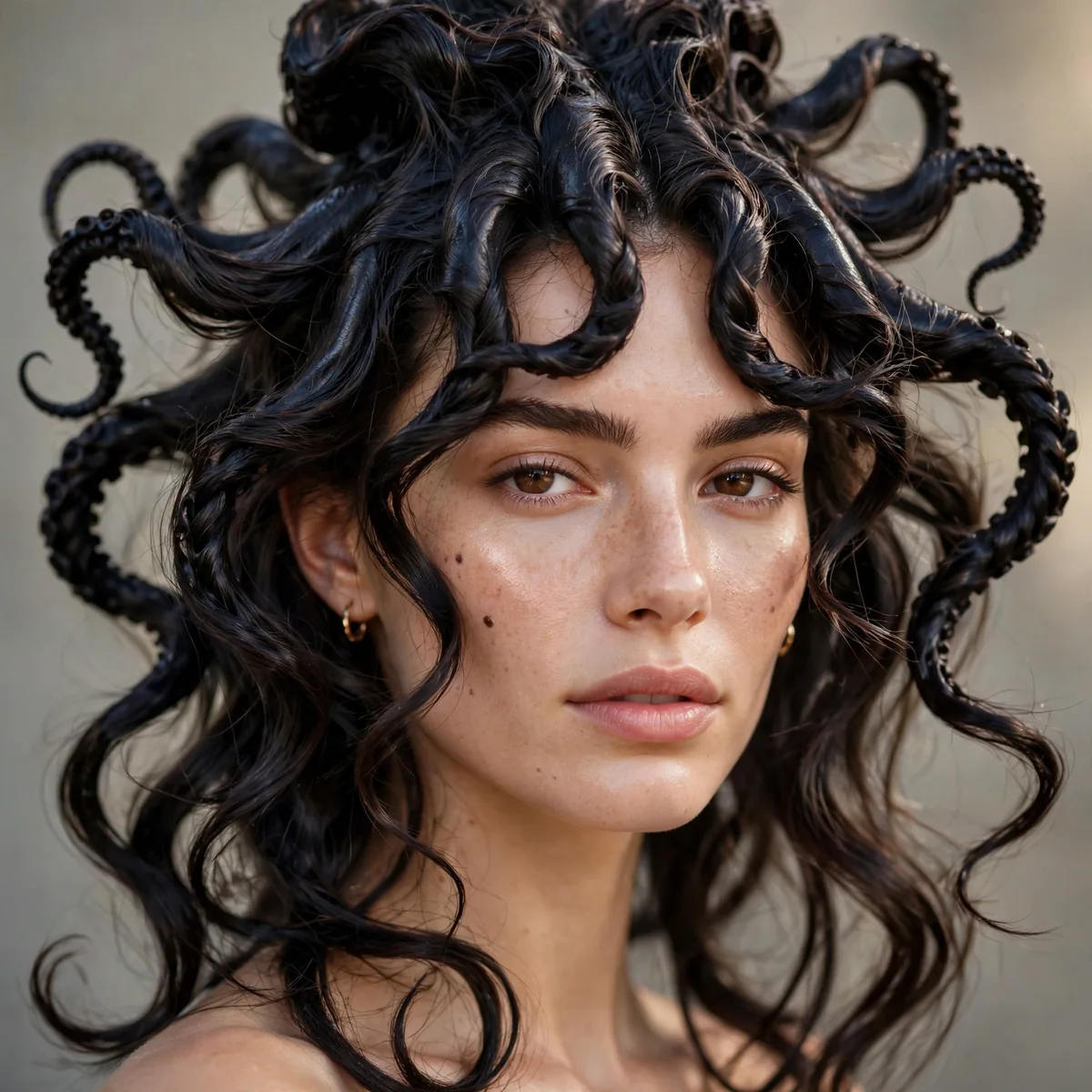
Maximum contrast: a super-short, ultra-voluminous crown with extra-long, ultra-thin tentacles. This is the octopus as high fashion — sculptural, striking and unforgettable.
This needs an expert stylist and serious confidence. Bring reference photos and be prepared for strong reactions — all of them admiring.
Only for the truly committed — this version demands thick, dense hair and a stylist who specializes in avant-garde cuts. Oval faces carry the extreme contrast best; the super-short crown can overwhelm petite features. Styling is a ritual: tease the crown lightly, set it with strong-hold spray, then separate every tentacle with wax for maximum definition. Bring reference photos to your consultation — words alone cannot capture this level of drama accurately.
Maintain the crown every four to five weeks — the extreme shape collapses fast as it grows. This is runway and editorial territory: fashion weeks, art openings, and photo shoots are its natural habitat. For a tamer day, smooth the crown down and tuck the tentacles behind your ears — the cut still reads bold underneath. Grow-out takes patience; transition through the softer octopus before committing to anything else.
Wavy Octopus
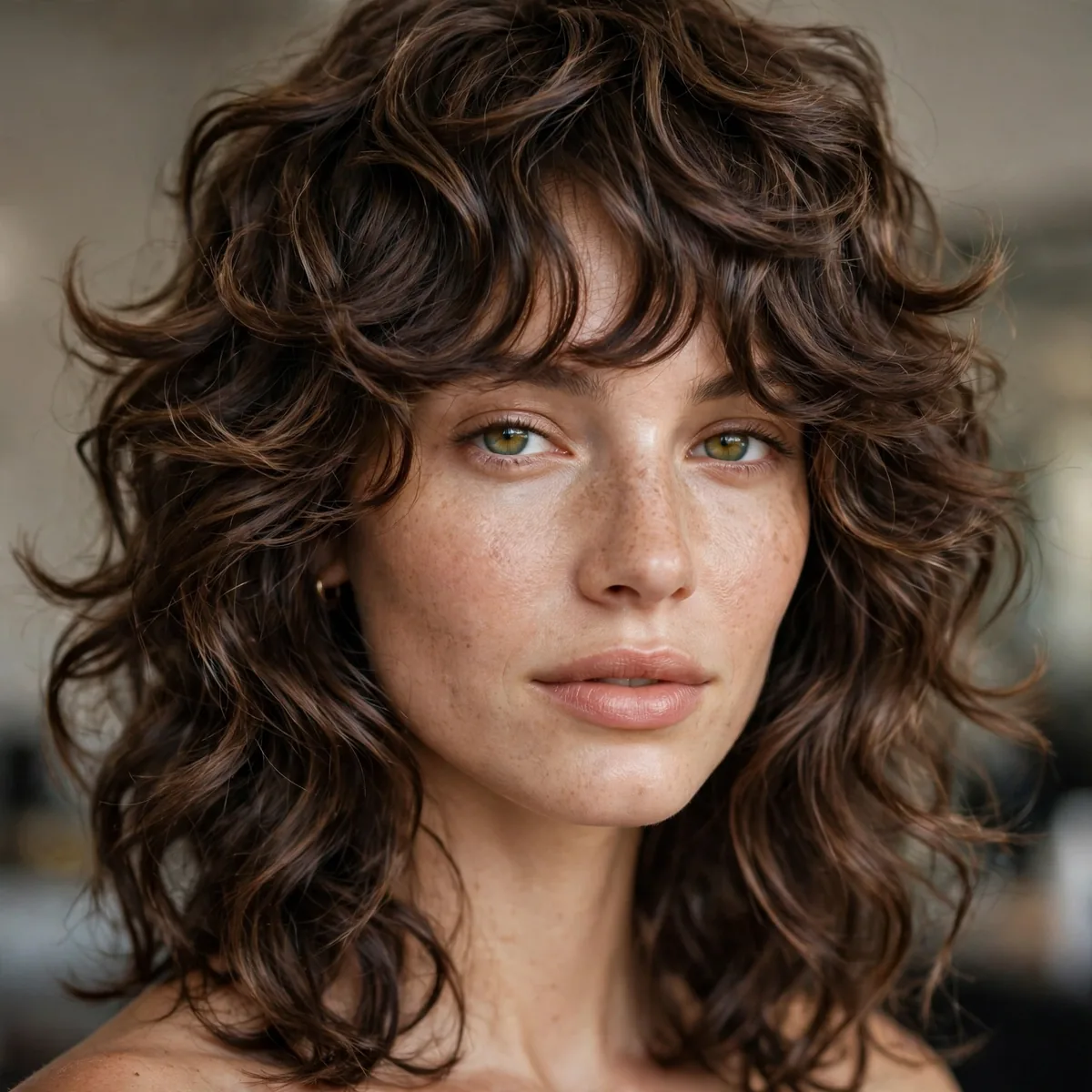
Natural waves give the octopus beautiful, organic texture. The waves enhance the tentacle effect while the crown layers gain effortless volume.
Ask for the cut to follow your natural wave pattern. Air dry with salt spray for the most natural tentacle separation.
Natural wavers hit the jackpot — 2B to 2C texture gives the tentacles organic separation and the crown effortless lift. It flatters oval and rectangular faces, the waves adding width where narrow faces need it. Air-dry with salt spray scrunched through, then shake out the crown with your fingers for volume. A curl-enhancing cream on the tentacles defines each wave without the crunch; keep the crown product-light so the volume stays bouncy.
Trim every eight to ten weeks — waves hide grow-out well, so this is a forgiving version. Beach season is its paradise: salt air and humidity enhance the texture naturally. For evenings, define the tentacles with a curling wand on random sections while leaving the crown tousled. Try a deep side part for a moodier silhouette, or a center part for symmetry. Second-day hair often looks better than first — embrace it.
Octopus With Baby Bangs

Tiny baby bangs plus octopus volume equals avant-garde perfection. The graphic fringe contrasts with the wild texture for a look straight off the runway.
The bangs need trimming every 3 to 4 weeks. It suits oval faces best and demands commitment to the aesthetic.
Fashion-forward women with oval faces and strong brows wear this best — the graphic fringe spotlights the eyes while the octopus adds chaos below. Fine to medium hair works; the bangs need enough density to read as a deliberate line. Style the fringe with a mini flat iron, pressing it straight down, then tousle the crown for deliberate contrast. A tiny amount of smoothing serum on the bangs keeps them glassy against the textured chaos.
Baby bangs need trimming every three to four weeks — they grow out of the graphic zone fast. This is a high-commitment pairing best suited to creative industries and art-school energy. For a softer day, sweep the fringe to one side and let it blend toward the crown. Bold eyeliner and a strong brow complete the look — the bangs demand confident makeup. Grow-out is slow; plan to blend them into curtain bangs as they lengthen.
The Jellyfish Adjacent

The octopus’s close cousin: a rounded, almost bowl-like top with a sharp disconnect to long bottom layers. It is even more graphic and fashion-forward.
Ask for a clear visual break between the rounded crown and the long pieces. This is hair as art — wear it like you mean it.
Art lovers and gallery girls — this is hair as sculpture, and it needs wearers who treat it that way. It suits thick, straight hair best; the graphic disconnect requires density to hold the rounded top's shape. Styling is architectural: smooth the crown with a round brush and a smoothing cream, then let the bottom pieces hang pin-straight. A shine spray over the rounded section emphasizes the deliberate break between the two zones.
Shape the rounded top every five to six weeks — the graphic line blurs fast as it grows. Fashion weeks and gallery openings are this cut's natural stage; everyday offices may raise eyebrows. For a wearable variation, soften the disconnect so it reads as a bold bob with long pieces — still striking, less startling. Grow-out is genuinely graceful: it becomes a layered long bob that most people would choose on purpose.
Octopus for Thick Hair
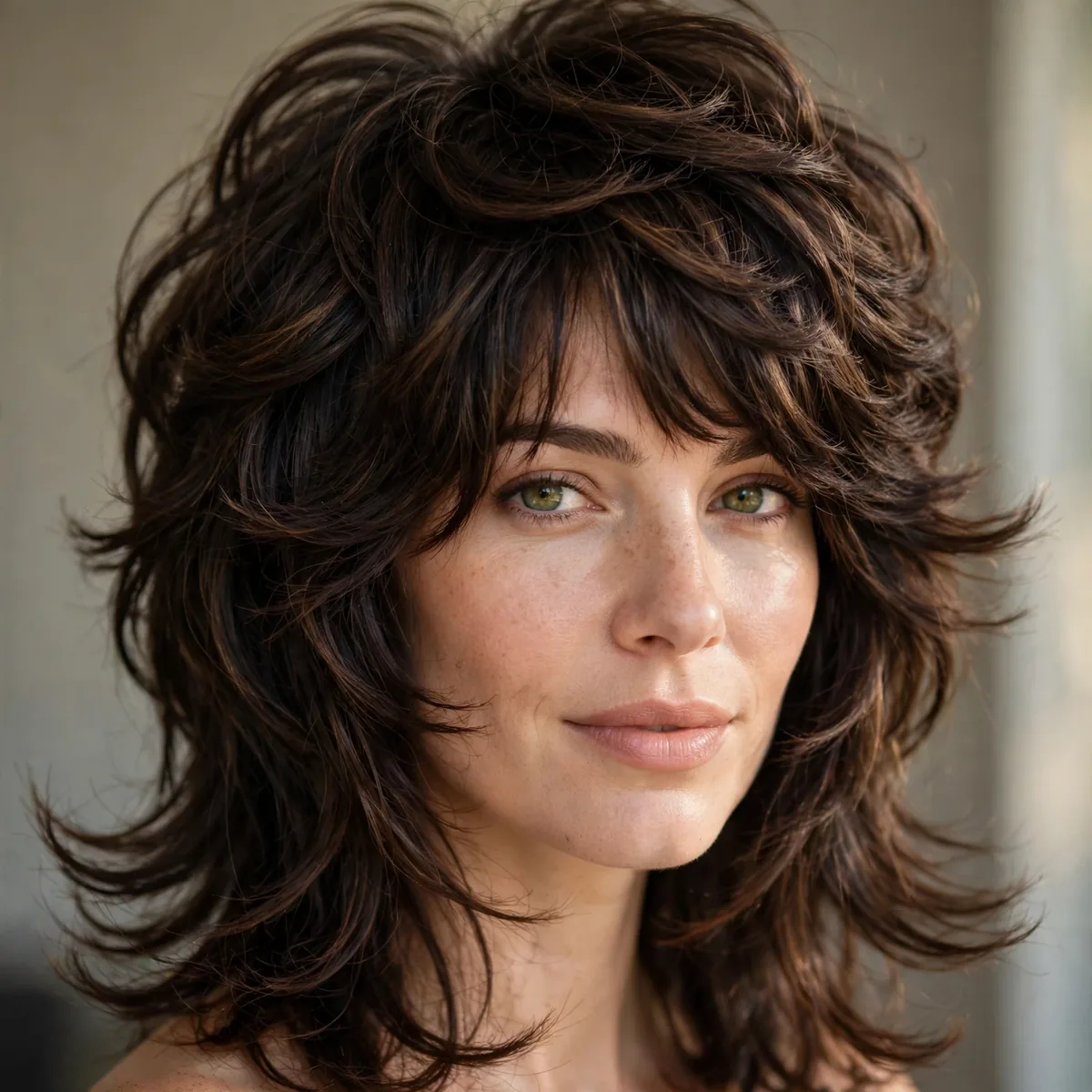
Thick hair builds the most impressive octopus crowns — all that density becomes glorious volume. The tentacles need thinning so they fall piecey rather than heavy.
Ask for serious interior weight removal in the bottom lengths. Thick hair is the ideal octopus canvas.
Thick-haired women finally get a cut that celebrates their density instead of fighting it — all that hair becomes glorious crown volume. It suits oval and round faces, since the height on top elongates. The styling secret is debulking done right: ask your stylist for serious interior weight removal, then blow-dry the crown with a round brush for lift. A lightweight texturizing spray on the tentacles keeps them piecey; heavy products will drag them down.
De-bulking appointments every eight weeks keep the tentacles from turning into a heavy curtain. Summer is heavy hair's enemy, and this cut is the solution — the thinned bottom stays light while the crown stays proud. For formal events, gather the tentacles into a sleek low ponytail and let the voluminous crown do the talking. A hidden undercut is the secret weapon here; it removes weight invisibly while preserving the silhouette.
Fine-Hair Octopus

Fine hair can do a softer octopus with careful layering. Keep the crown layers textured for lift and the tentacles minimal — fine hair creates delicate, pretty tendrils.
Avoid over-thinning. A volumizing mousse at the crown gives fine hair the octopus lift it needs.
Fine-haired texture lovers can join the party — with careful layering, delicate hair creates pretty, wispy tentacles instead of bold ones. It suits petite features and oval faces best, since the softer contrast will not overwhelm. Keep the layering conservative: ask for textured crown layers with minimal thinning, and let the tentacles stay sparse by design. A volumizing mousse at the roots is essential — fine hair needs the boost to hold the octopus shape.
Trim every six to seven weeks — fine hair's tentacles turn straggly fast without regular dusting. This softer octopus is a spring favorite, light and playful as the weather warms. For evenings, add a few loose waves to the tentacles with a small iron; the texture multiplies the fullness. Avoid heavy oils and butters — fine tentacles need the lightest formulas to stay separated and airy. Dry shampoo at the crown extends the style beautifully.
Octopus With Bold Color
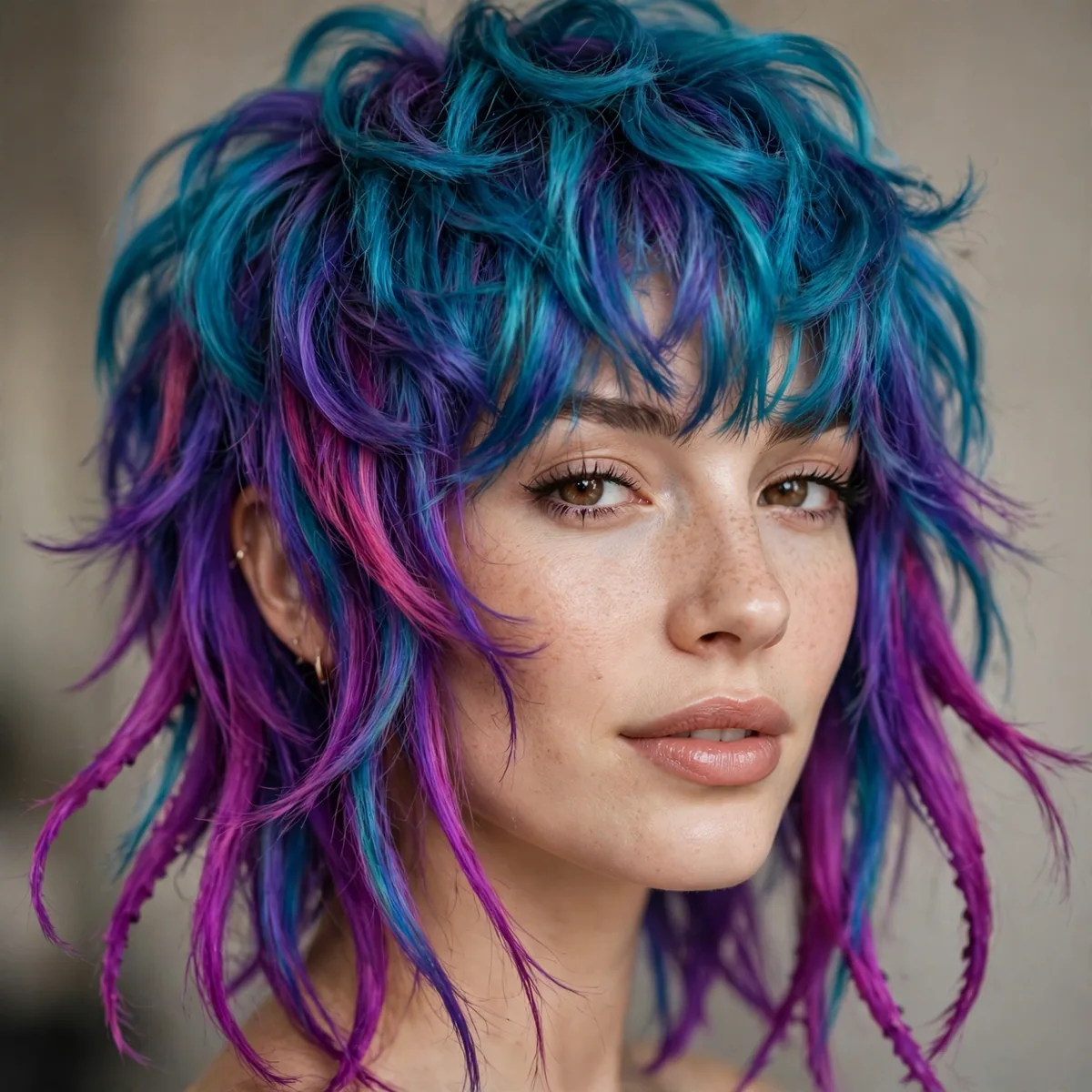
The octopus’s extreme texture is made for bold color. Every tentacle catches light differently — imagine it in copper, violet or split-dye.
Place the boldest color on the tentacles where the separation shows most. Fashion colors need sulfate-free care. For more wolf-family edge, see our wolf cut guide.
Color adventurers with medium to thick hair get the ultimate canvas — every tentacle catches light differently, multiplying the impact of vivid shades. It suits warm complexions in copper and magenta, cool ones in violet and icy blue. Place the boldest color on the tentacles where the separation shows most; keep the crown slightly deeper for contrast. Fashion colors demand sulfate-free shampoo and cold rinses — heat and sulfates are the fastest fade culprits.
Refresh fashion color every four to six weeks — vivid shades fade fast on textured, porous ends. This pairing owns festival season: Coachella crowds and concert nights are its natural stage. For a lower-commitment variation, try a split-dye with natural roots; the grow-out is far kinder. Deep-condition weekly with a color-safe mask — bleached tentacles need constant moisture to stay piecey instead of crispy.
The Short Octopus

Compress the octopus to shoulder length and you get concentrated drama: a voluminous crown with piecey pieces ending at the collarbone. Bold, graphic and easier to manage.
Best on wavy to curly textures that support the volume. It is the octopus for real life.
Real-life rebels with wavy to curly texture get concentrated drama at a manageable length — the collarbone octopus keeps the crown-to-tentacle contrast without the upkeep of extreme lengths. It suits oval and heart faces, the shorter tentacles framing the jaw. Style with a diffuser, scrunching the crown for volume and letting the pieces fall naturally. A sea-salt-free texture spray defines the shorter tentacles without weighing them down.
Trim every six to eight weeks — short octopus shapes collapse quickly as the crown grows. This length is the most versatile: professional enough with smoothing, wild enough tousled for weekends. Try a deep side part for evening drama, or tuck the tentacles behind your ears for a sleek daytime look. Gym-friendly too — the shorter length stays put in a high ponytail with the crown volume intact.
Long Tentacle Octopus
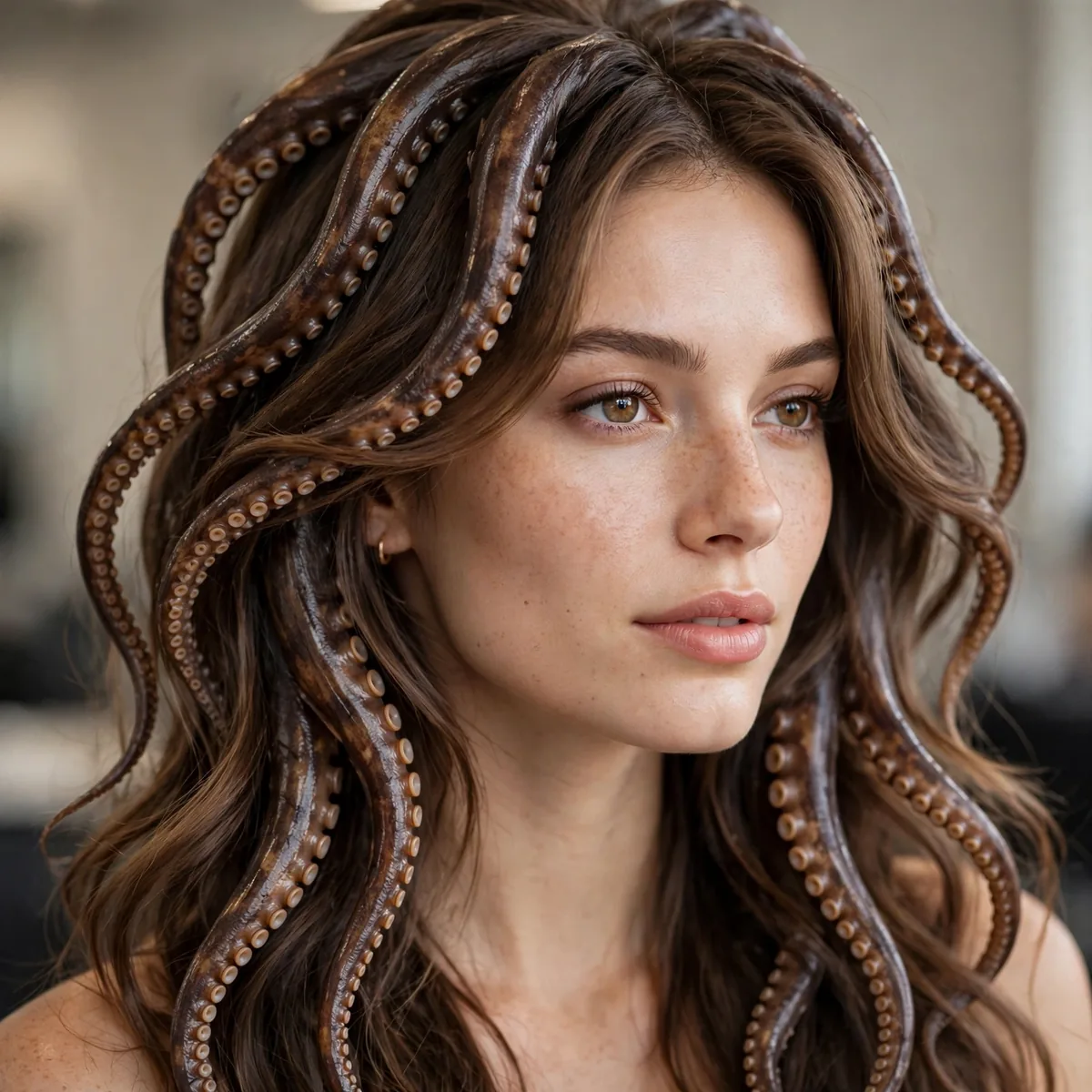
Extra-long tentacles — past the waist — with a voluminous crown create the most dramatic octopus of all. It is mermaid meets punk rock.
The tentacles need regular dusting to stay piecey rather than straggly. This version is pure commitment and pure payoff.
Mermaid-punk devotees with very long, thick hair own this version — waist-length tentacles with a voluminous crown create the most dramatic silhouette on the list. It suits tall frames and oval faces best; the extreme length can overwhelm petite proportions. Styling focuses on the tentacles: braid them loosely overnight for waves, then separate with a light oil. A boar-bristle brush on the crown only keeps the top smooth while the tentacles stay wild.
Dust the tentacles every eight weeks — long ends turn straggly fast, and piecey beats stringy every time. This is maximum-commitment hair: washing takes longer, detangling needs patience and a wide-tooth comb. For formal occasions, coil the tentacles into a low twisted bun and let the crown's volume frame the face. Deep-condition the lengths weekly — tentacles this long need serious moisture to stay healthy.
Octopus With Shaggy Bangs
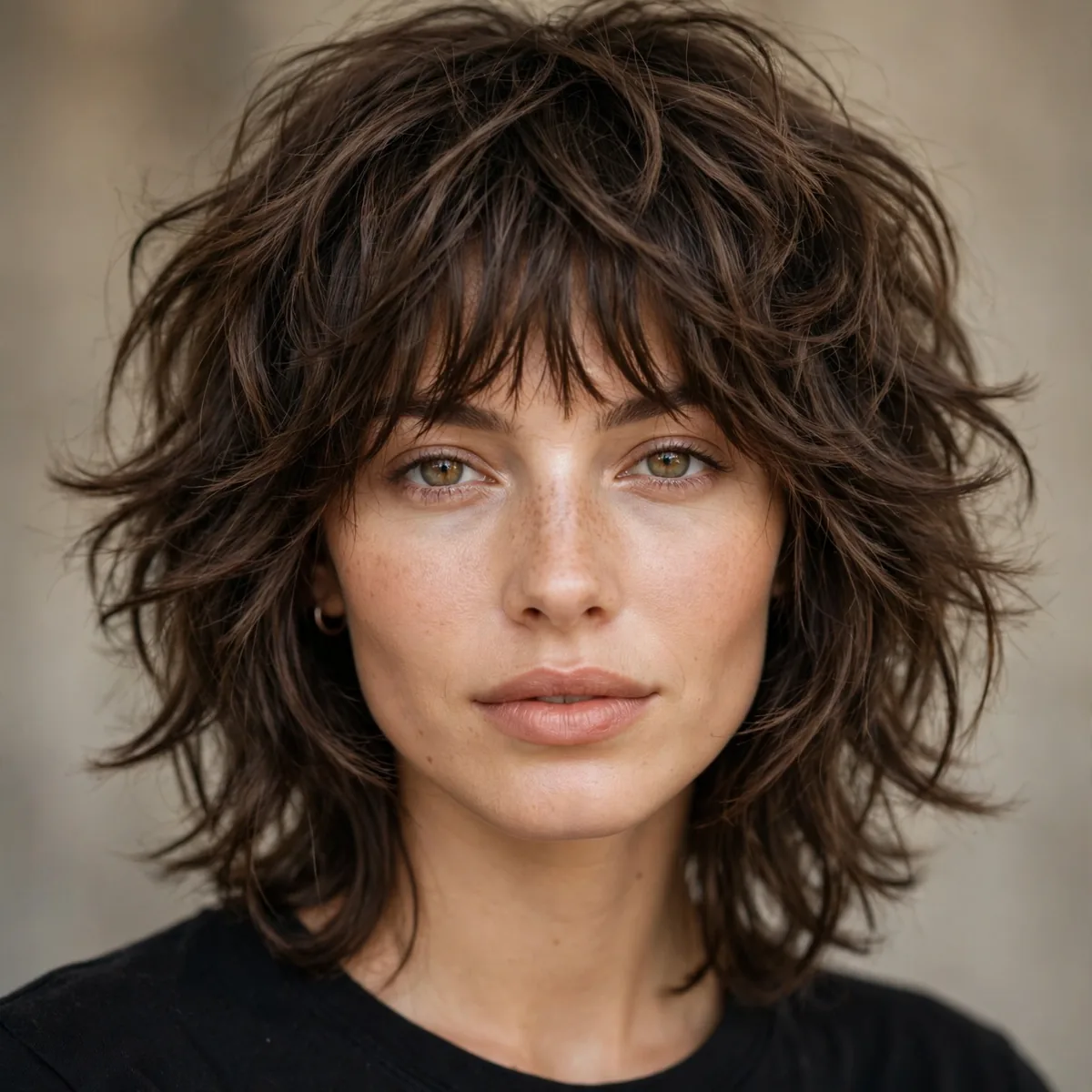
Shaggy, textured bangs blend into the octopus crown for a cohesive wild look. The fringe continues the cut’s piecey story across the forehead.
Ask for the bangs to be cut with the same texturizing technique as the crown. They should look like part of the volume, not separate from it.
Shag lovers going full octopus — the textured fringe continues the cut's wild story across the forehead for total cohesion. It suits oval and long faces best, the shaggy bangs shortening the forehead while the crown adds width. Cut the bangs with the same texturizing technique as the crown so everything reads as one cut. Style by rough-drying the fringe forward with your fingers, then piecing it out with a dab of matte wax.
Trim the fringe every four to five weeks — shaggy bangs lose their piecey edge fast. This pairing is a fall staple, made for chunky knits and messy texture. For a change, sweep the bangs to one side and pin them; the octopus crown carries the wildness alone. Grow-out blends seamlessly into curtain bangs, so the commitment is gentler than it looks. Concert season is this cut's happiest hunting ground.
The Polished Octopus
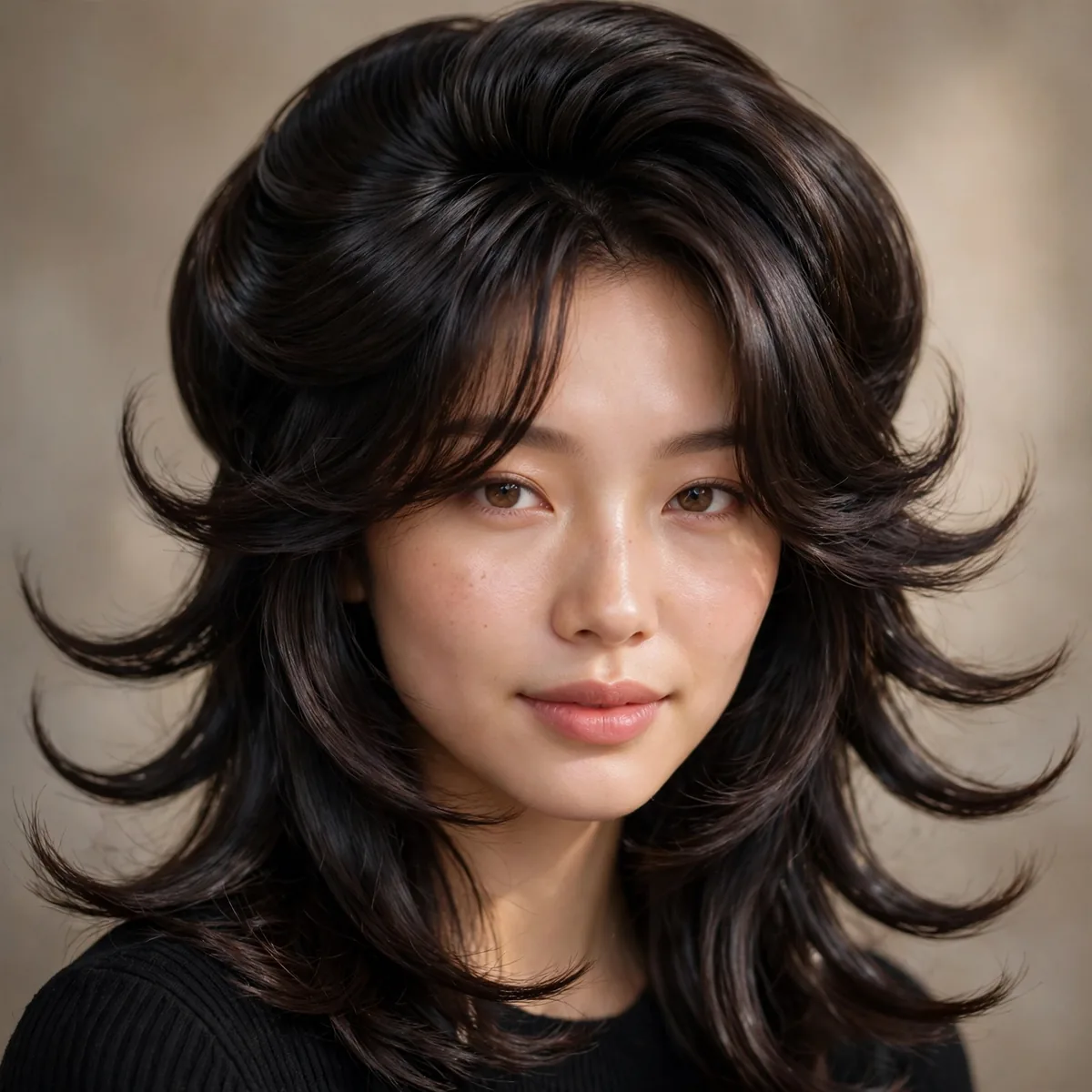
Blow the octopus smooth and it becomes surprisingly elegant — the crown falls in a sleek rounded shape while the tentacles hang in glossy, separated pieces. Wild, but make it refined.
A smoothing serum and round brush create the polished version. Same cut, completely different energy for formal occasions.
Women who love the octopus shape but live in polished worlds — law offices, client dinners, weddings — get both with this styling. It suits straight to slightly wavy hair best; very curly textures need significant smoothing. Blow-dry with a round brush and a smoothing serum, shaping the crown into a sleek rounded form while letting the tentacles hang in glossy pieces. A flat iron on the tentacles only keeps them separated and reflective.
This is pure styling — no special trim schedule beyond the classic octopus maintenance. Winter is its season: low humidity keeps the sleek finish intact from morning to midnight. For the office-to-evening switch, muss the crown slightly with your fingers and add a shine mist — instant after-hours edge. Keep a mini flat iron and a travel smoothing serum in your bag; polished octopus demands touch-up tools.
Octopus for Round Faces
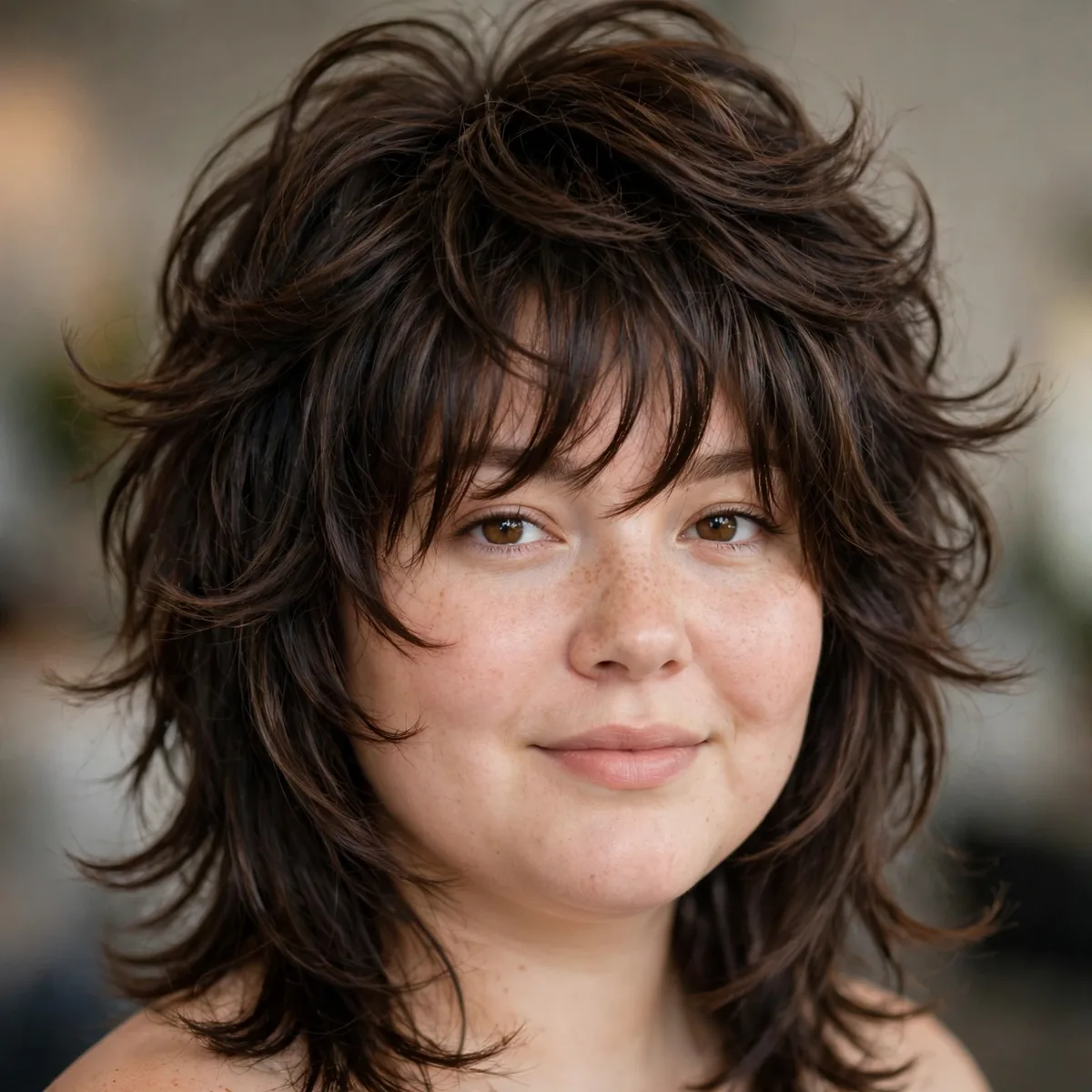
Round faces should emphasize the octopus’s crown height and keep the tentacles long — both elongate the face. Avoid width at the cheeks.
Ask for maximum lift at the crown and the longest possible tentacles. A center part enhances the elongating effect.
Round-faced women can absolutely wear the octopus — the trick is maximizing crown height and tentacle length, both of which draw the eye vertically. It suits medium to thick hair best, since the volume needs substance to hold. Style by blow-drying the crown upward with a round brush for maximum lift, then letting the tentacles fall long and straight. A center part enhances the elongating effect; avoid width at the cheeks at all costs.
Trim the crown every six to eight weeks to keep the height where it slims — once the top drops, the round-face magic fades. This version is a holiday-party star: the vertical silhouette photographs slim and striking. For evenings, add a deep side part and sweep the tentacles over one shoulder; the asymmetry elongates further. Long earrings amplify the vertical lines — pair them with this cut for maximum effect.
Asymmetric Octopus
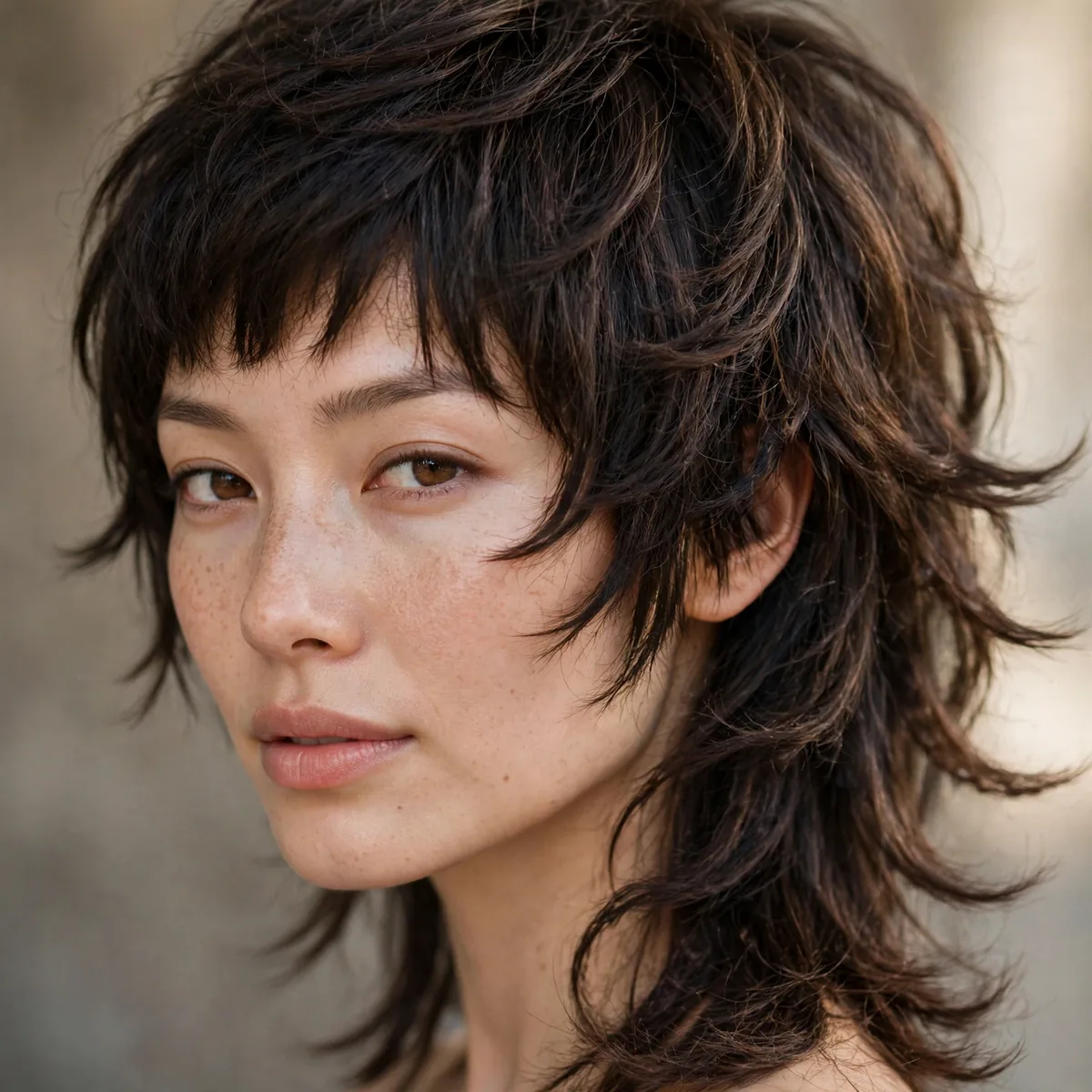
Take the octopus further with deliberate asymmetry — one side’s tentacles longer, the crown swept to one side. It is avant-garde hair at its most expressive.
Precision matters so the asymmetry reads as intentional. This is for women who treat their hair as a canvas.
Avant-garde souls who treat hair as art — this version adds deliberate asymmetry to the octopus's already bold architecture. It suits oval faces best, since the uneven lines need a balanced canvas to read as intentional. Precision is everything: find a stylist experienced in asymmetric cutting, and bring photos showing exactly which side runs longer. Style by sweeping the crown toward the shorter side, emphasizing the dramatic length difference with a sleek finish.
Maintain every five to six weeks — asymmetry grows out lopsided fast, turning intentional into accidental. This is gallery-opening and fashion-editorial hair; conservative workplaces will not get it. For a softer take, keep the asymmetry subtle — just an inch or two of difference. Grow-out requires a plan: even up the sides gradually through trims rather than letting it drift. Bold, deliberate, and utterly unforgettable.
Octopus With Undercut
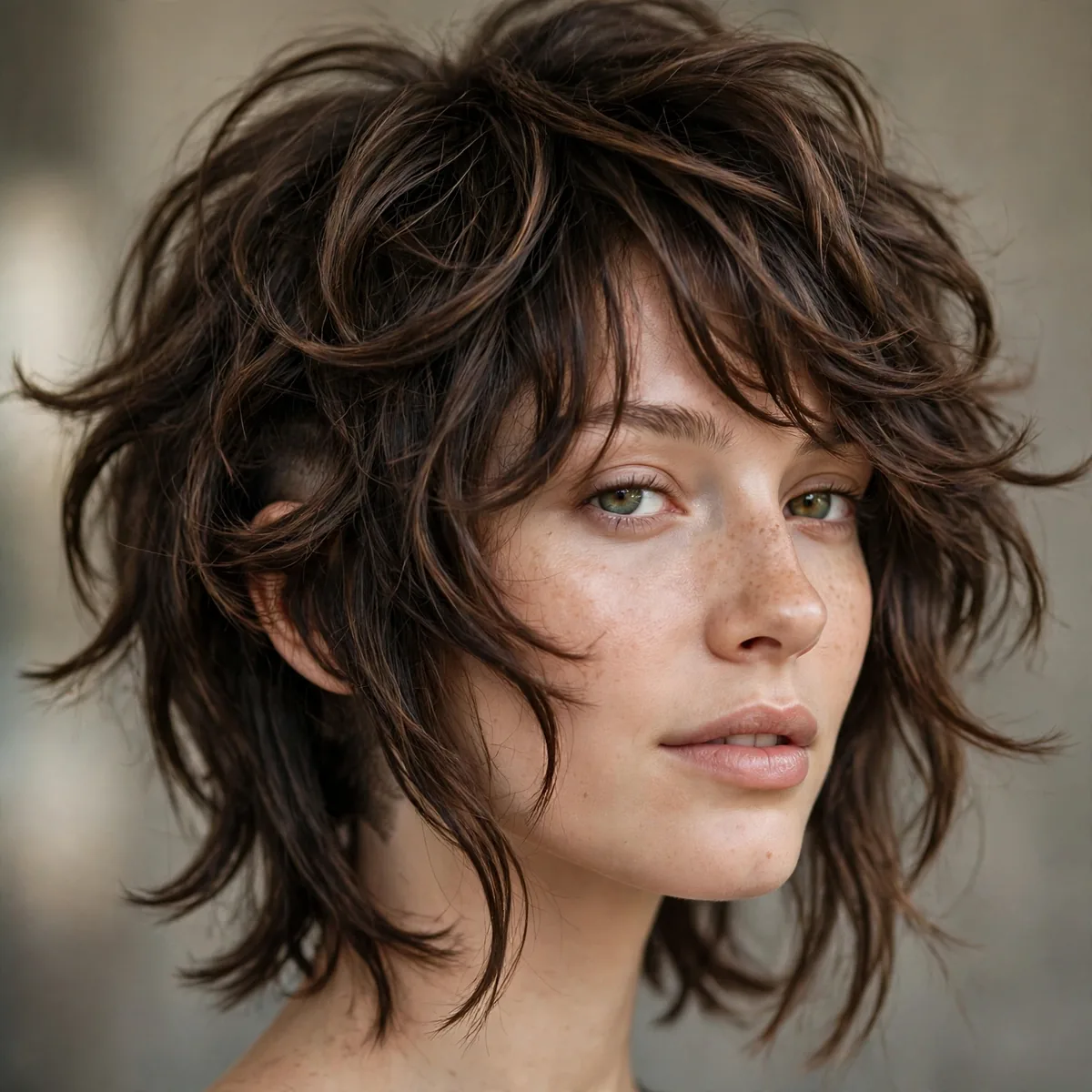
A hidden undercut beneath the octopus crown removes weight and adds edge. It keeps the top voluminous while making the whole cut lighter and cooler.
The undercut stays invisible under the crown volume. It is the secret-weapon detail for thick-haired octopus wearers.
Thick-haired octopus wearers with a secret edge — the hidden undercut removes serious weight while staying invisible under the crown volume. It suits anyone whose hair is too heavy for the tentacles to move, regardless of face shape. The undercut also keeps you cooler in summer, a real bonus with this much hair. Style as usual; the undercut needs no special products. A cool blast from the dryer at the nape keeps the shaved section fresh between barber visits.
Buzz the undercut every three to four weeks — it grows out stubbly and itchy if ignored. This detail is perfect for hot climates and active lifestyles; the hidden section vents heat brilliantly. For a bolder reveal, shave a design into the undercut and flash it by pinning the crown up. Grow-out is the tricky part: let it grow to a short pixie length underneath before blending it into the tentacles.
The Grow-Out Octopus
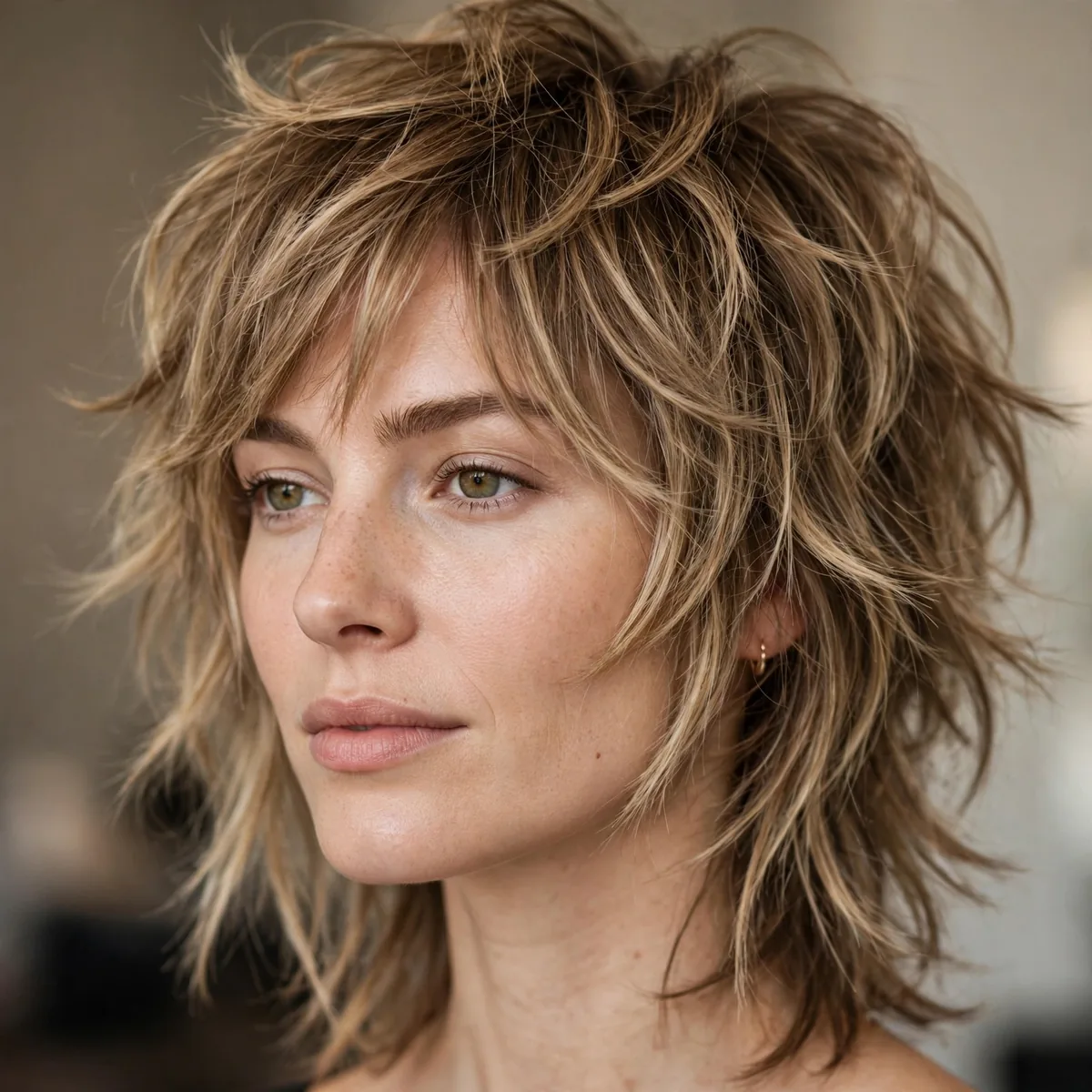
As the octopus grows, the crown layers lengthen and the contrast softens — it gradually becomes a shaggy, textured cut that many people love even more than the original.
Maintain with blending trims rather than re-cutting the extreme shape. The grow-out is genuinely graceful.
Patient growers who love the journey as much as the destination — the octopus melts into a shaggy textured cut that many prefer to the original. It suits every face shape as it softens, the extreme contrast gradually becoming wearable layers. The key is blending trims: ask your stylist to soften the crown-to-tentacle break rather than re-cutting the shape. A texturizing spray keeps the growing layers piecey instead of puffy during the transition.
Schedule blending trims every eight weeks — the goal is softening, not reshaping. This phase is genuinely enjoyable: each month reveals a new, softer version of the cut. For styling variety, try braiding the tentacles or twisting them into space buns while the crown stays voluminous. Eventually the grow-out lands at a gorgeous long shag — a destination cut worth the wait. Document the journey; the transformation photos are incredible.
Octopus Styling Masterclass
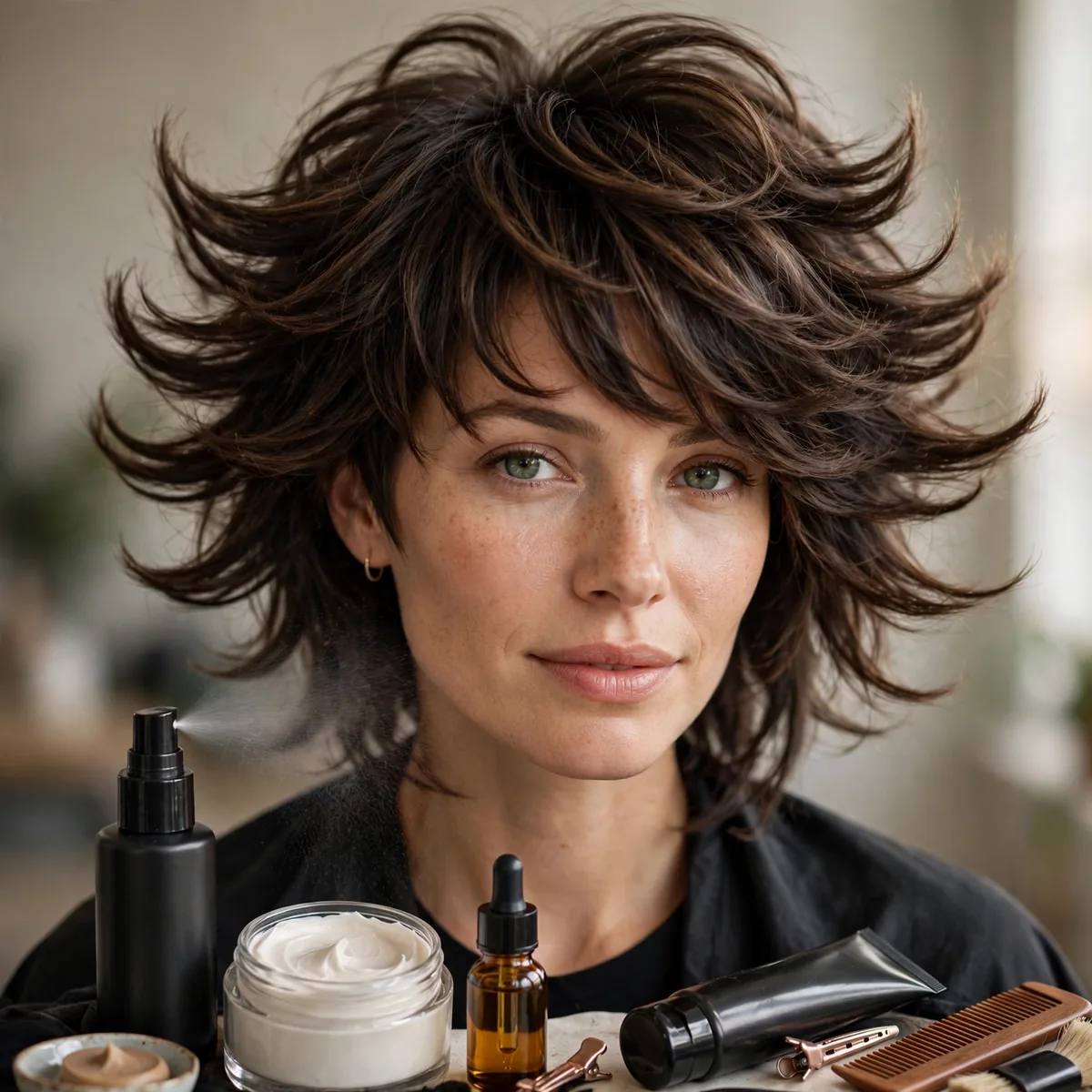
The octopus lives or dies by styling: texturizing spray on the tentacles, volumizing powder at the crown, and a light oil on the very ends. Each zone gets its own product.
Learn the three-product routine and the cut does the rest. Bold texture rewards those who style with intention.
Product strategists who love a routine — the octopus rewards zone-based styling like no other cut. It suits all textures, since each zone gets what it needs: volume at the crown, definition at the tentacles. The three-product system: volumizing powder or mousse at the roots, texturizing spray through the mid-lengths, and a light oil on just the very ends. Apply in that order on damp hair, then diffuse the crown while air-drying the tentacles.
Refresh your technique seasonally — humid summers need lighter products at the crown, dry winters need more oil on the ends. Second-day octopus often looks better than first: revive the crown with dry shampoo and re-twist a few tentacles around your fingers. For special occasions, polish the crown smooth and define the tentacles with wax for a red-carpet version. Master the zones, and the boldest cut on this list becomes the easiest to wear.
The octopus cut is not for everyone — and that is exactly the point. If bold texture, dramatic volume and a silhouette nobody else has sound like you, find a brave stylist and dive in. For slightly tamer wildness, explore our wolf cuts and shag haircuts.