
Oily skin doesn’t have to mean midday meltdown.
The right foundation plus the right prep equals a base that lasts. Oily skin needs oil-control formulas, mattifying primers, and strategic powder — the opposite playbook from dry skin.
Counterintuitively, over-drying oily skin makes it produce MORE oil. Balance, not punishment, is the goal.
Here are 15 foundations and techniques. Let’s get into it.
Matte Foundation Formulas

True matte foundations absorb oil throughout the day instead of sliding.
Look for "matte," "oil-free," or "long-wear" on the label. The formula does the heavy lifting.
Matte formulas with oil-absorbing powders like silica or kaolin keep shine at bay far longer than standard liquid bases. When testing a new matte foundation, wear it through a full day before judging — the real test is hour six, not hour one. Apply with a damp sponge for the most natural matte finish.
Watch out for foundations labeled matte that still contain shimmer or luminous pigments; they will betray you by midday. A flat-matte finish can look mask-like on dry patches, so exfoliate gently twice a week. Those with combination skin should reserve true mattes for the T-zone and use a satin formula elsewhere.
Mattifying Primer Base
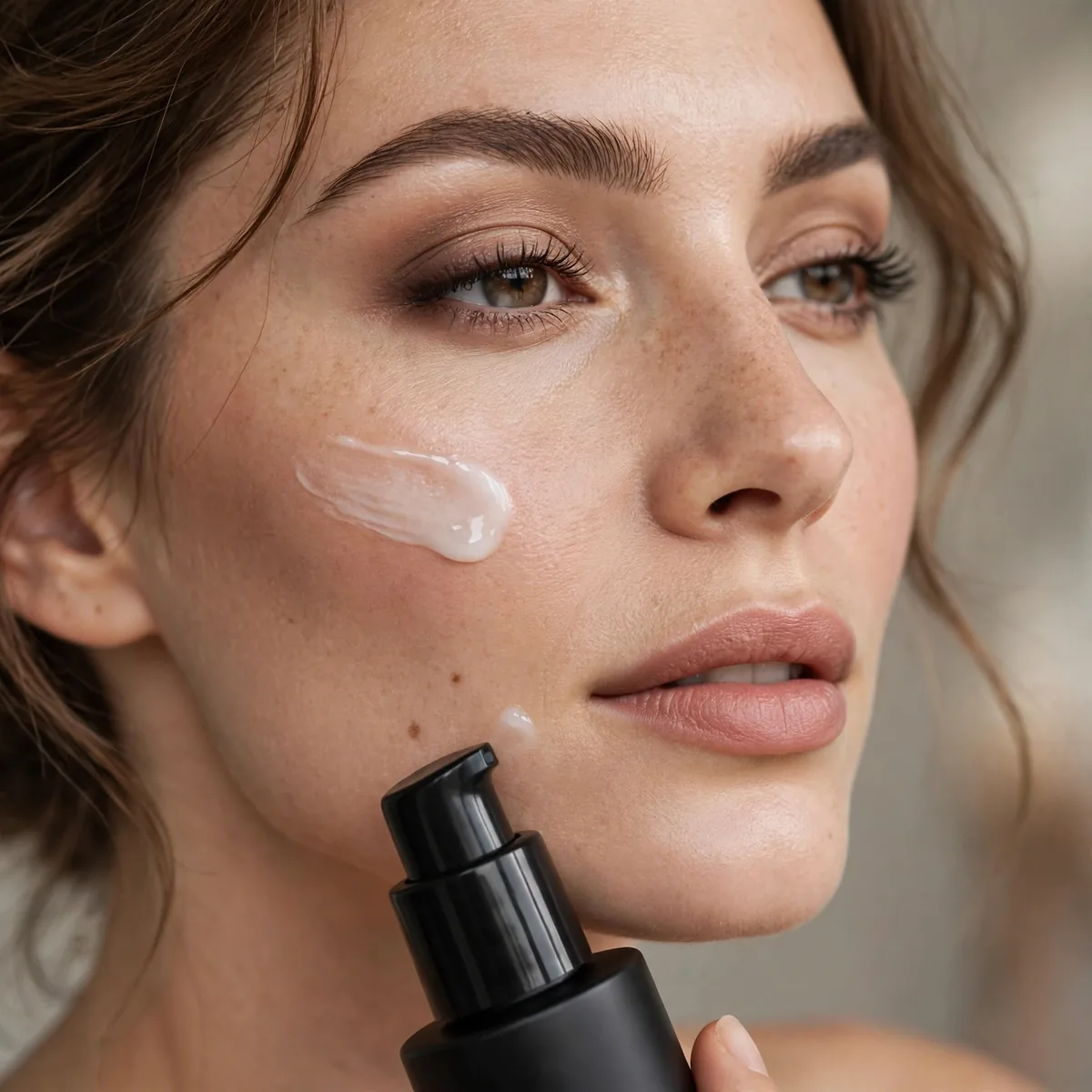
A mattifying primer in the T-zone controls oil at the source.
Apply primer only where you get oily — all-over mattifying can look flat.
Silicone-based primers grip foundation best on oily skin, while water-based formulas can slide. Look for primers with dimethicone high on the ingredient list, and give the primer a full minute to set before applying foundation over it. Pressing the primer in with fingertips warms it for better adhesion and a smoother finish.
A frequent mistake is layering too much primer, which pills under foundation. One thin, even layer is enough. If your nose gets especially oily, add a second dab just there after the first has set. Pairing a mattifying primer with a long-wear foundation creates the strongest oil-control base possible for all-day confidence.
Powder Foundation Option
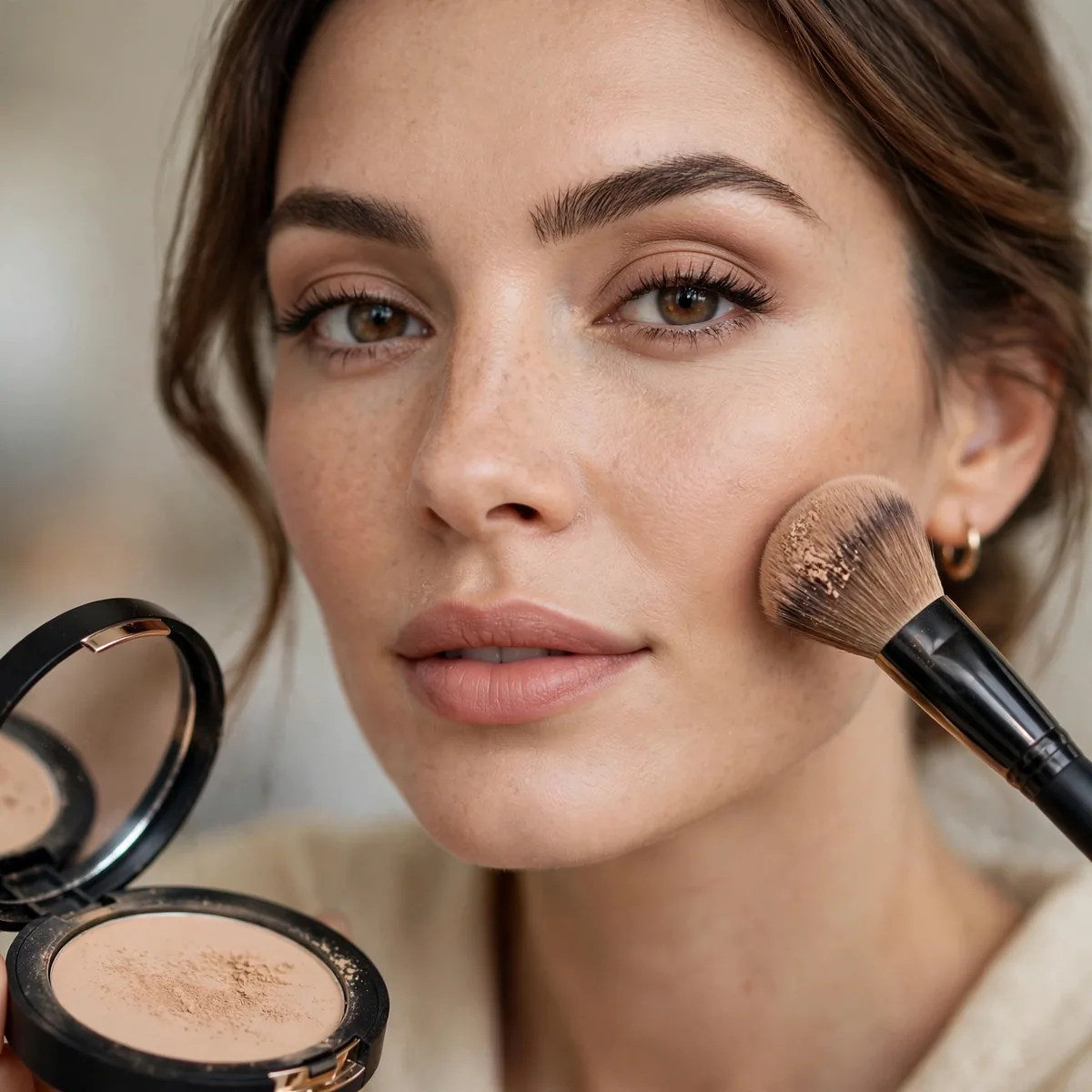
Mineral powder foundations are ideal for very oily skin — they absorb as they cover.
Powder plus oily skin is a match. The powder drinks up oil all day.
Mineral powder foundations built from zinc oxide and titanium dioxide naturally absorb sebum while providing coverage. Use a dense kabuki brush in circular buffing motions to build coverage without a cakey finish. For more coverage, layer the powder over a mattifying primer rather than applying it thickly in one heavy pass.
Powder foundation is the top choice for humid climates and very oily skin, but it can cling to dry patches around the nose and mouth. Exfoliate those areas gently and skip powder there if needed. A light mist of setting spray after application melts the powder into the skin for a seamless look.
The Thin Layer Rule
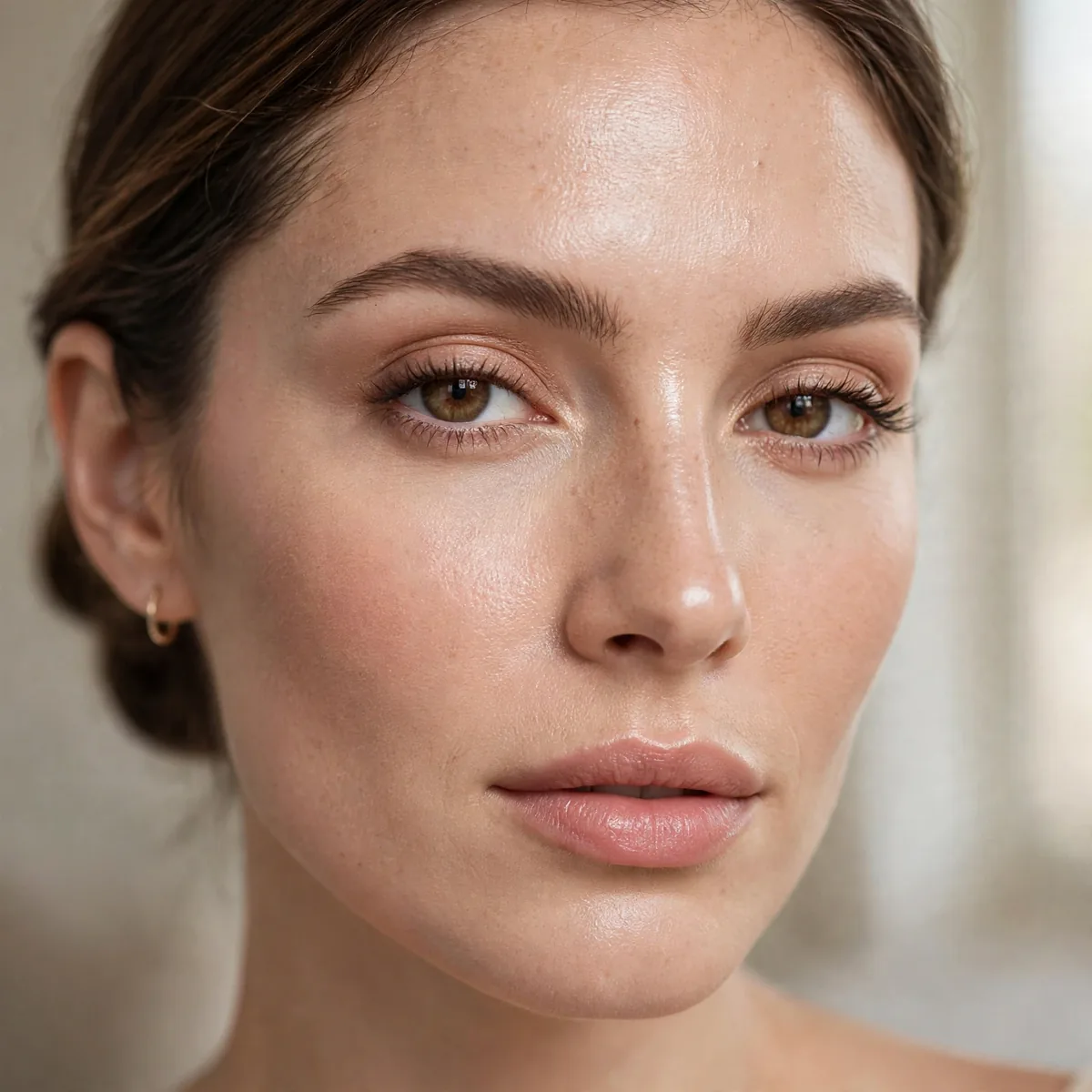
Thin layers last longer on oily skin — thick foundation slides.
Two thin layers beat one thick one. Patience in application pays in wear time.
Thin layers allow each coat to set properly, creating a flexible film that moves with the skin instead of cracking. Wait about thirty seconds between layers so the first one grips before the second goes on. Stippling with a dense brush or bouncing a sponge presses product in without dragging.
The biggest mistake oily-skinned wearers make is applying foundation thickly to cover shine, which only accelerates breakdown. Build coverage only where needed — often the center of the face — and sheer it out toward the edges. Two thin layers with a matte formula outlast one thick layer without question, every single time.
Setting Powder Strategy
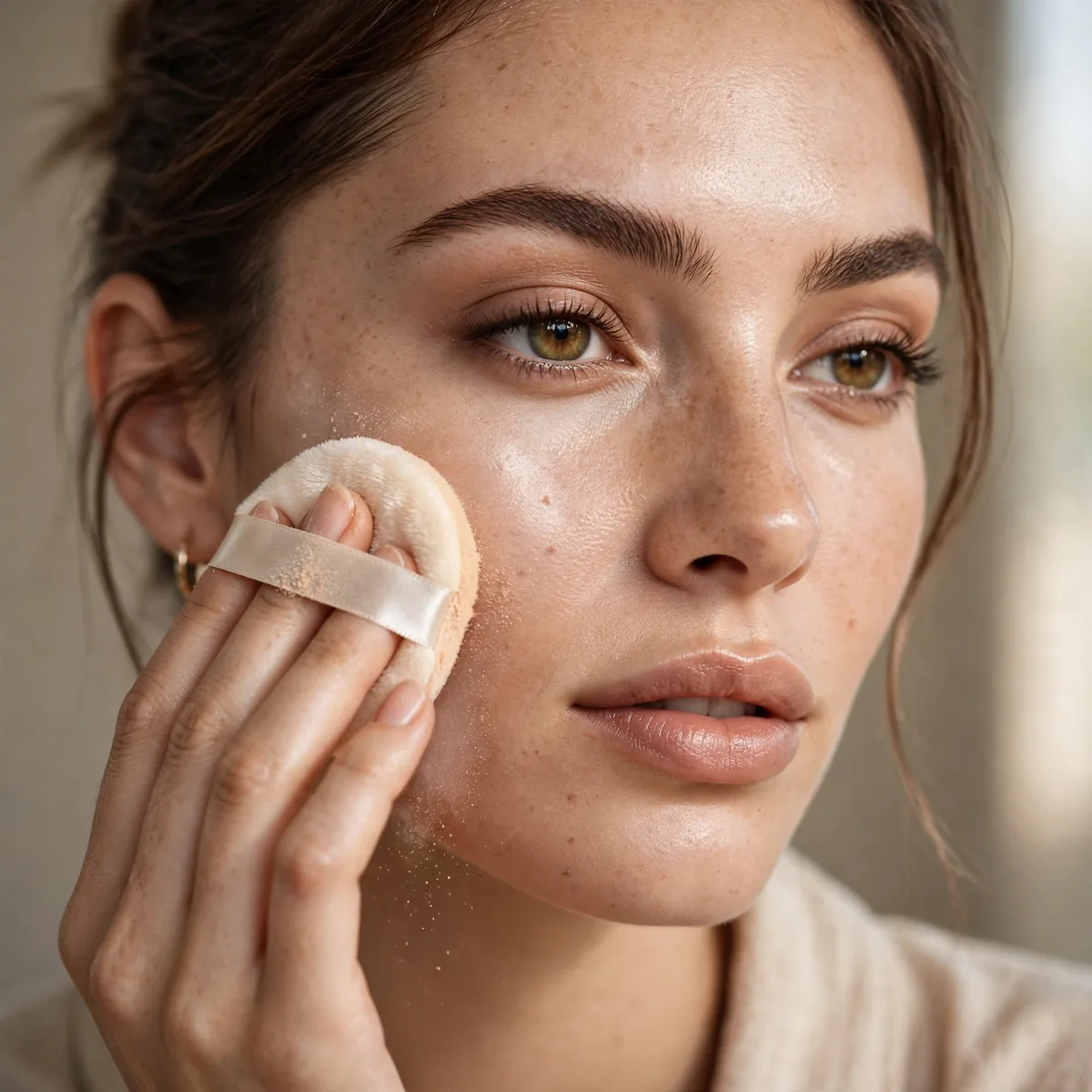
Set the T-zone with translucent powder, leave cheeks natural.
Strategic powdering controls shine where needed without mattifying the whole face.
Translucent powders with a finely milled texture set without adding color or weight. Press the powder in with a puff rather than sweeping it, since pressing locks it into the foundation. Focus on the forehead, nose, and chin, and use a lighter hand or skip the cheeks entirely for a dimensional finish that still looks like skin.
Reapplying powder over settled makeup can build up and look heavy, so blot first before any midday powdering. Tinted setting powders work for deeper skin tones where translucent white powder might flash back in photos. A little powder under the eyes also prevents concealer from creasing on long, oily days.
Blotting Before Powder
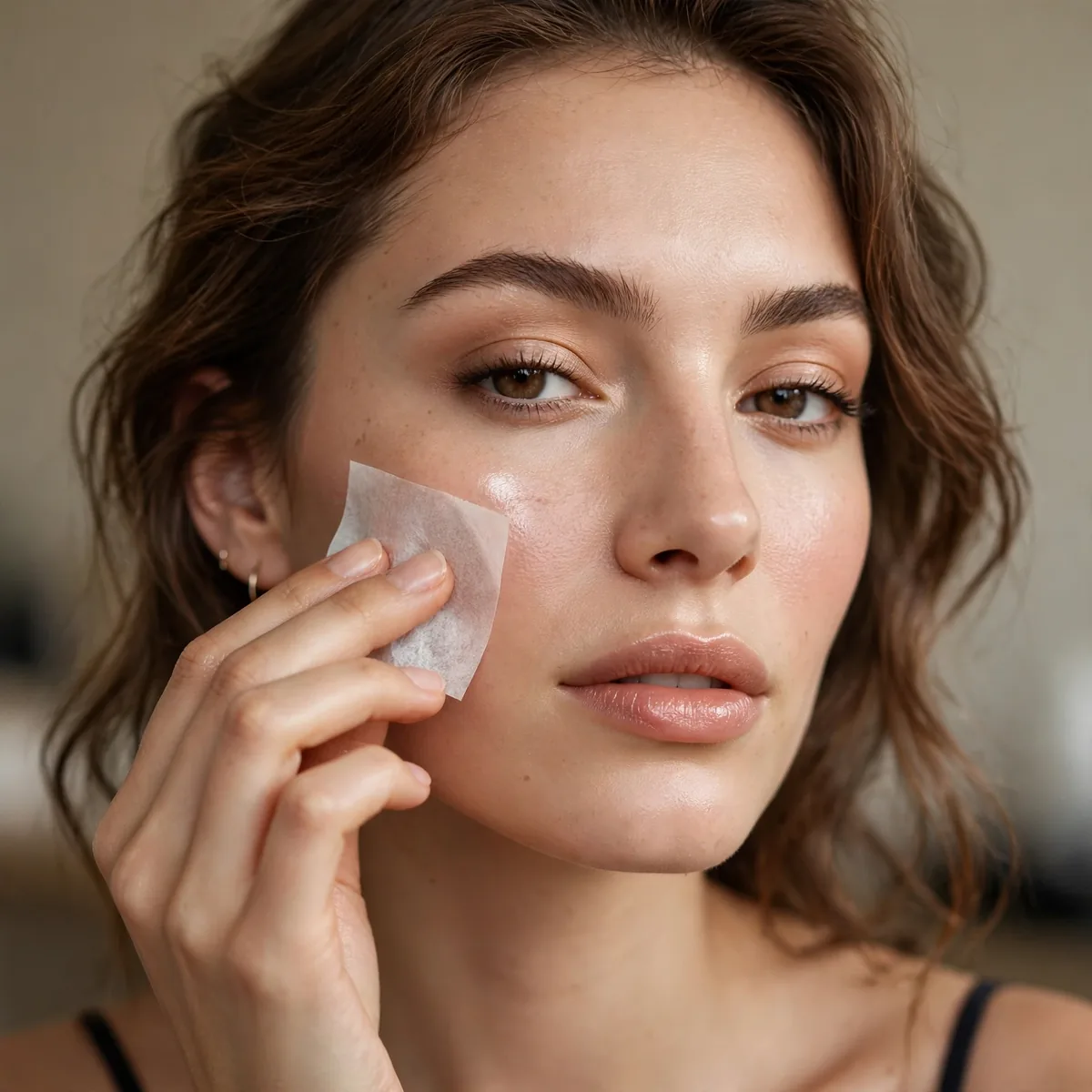
Blot oil BEFORE powdering at touch-ups — powder over oil makes paste.
The order matters enormously. Blot, then powder. Never the reverse.
Blotting papers made from rice paper or charcoal absorb oil without disturbing makeup underneath. Press the paper gently onto shiny areas and hold for a few seconds rather than rubbing, which shifts foundation. Keep them in your bag, car, and desk so a touch-up is never far away and always within easy reach.
Many people skip blotting and go straight to powder, which is exactly how the dreaded cakey paste forms. If you forget papers, a clean tissue or even a toilet seat cover works in a pinch. Blot first, then decide if you even need powder — often blotting alone restores the matte finish.
Oil-Control Setting Spray
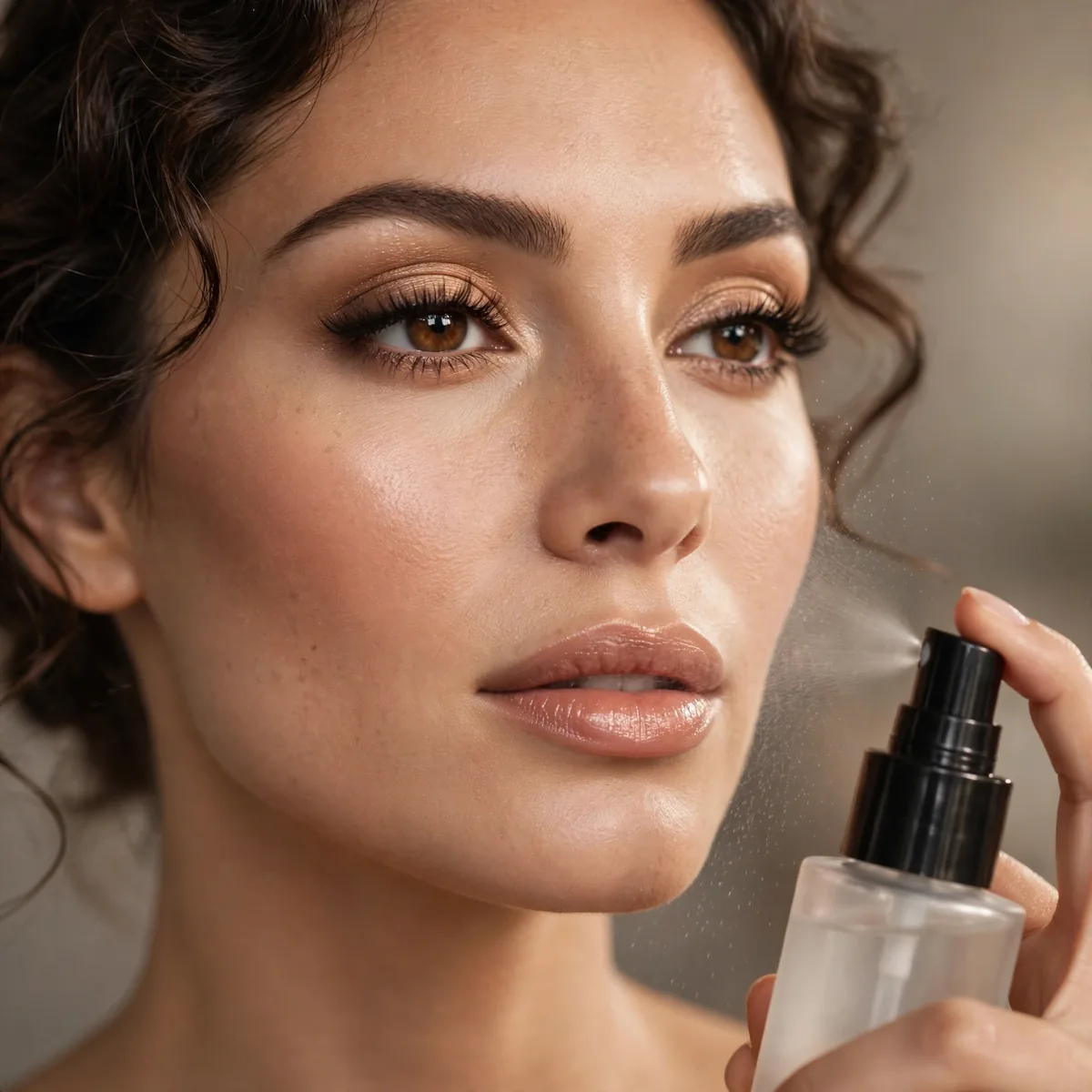
Mattifying setting sprays lock everything down for hours.
Spray in an X and T motion for full coverage. It’s the final seal.
Mattifying setting sprays contain oil-absorbing ingredients that extend wear for hours beyond what powder alone can do. Hold the bottle eight to ten inches from the face and mist in overlapping passes so every area gets coverage. Let each layer dry fully before adding another if you need extra hold.
Skipping setting spray is one of the most common reasons matte makeup breaks down early. For the longest wear, spray once after foundation and again after all makeup is complete. In extreme heat, carry a travel-size spray for a midday refresh — it resets the matte finish without adding product.
Niacinamide Skincare Prep
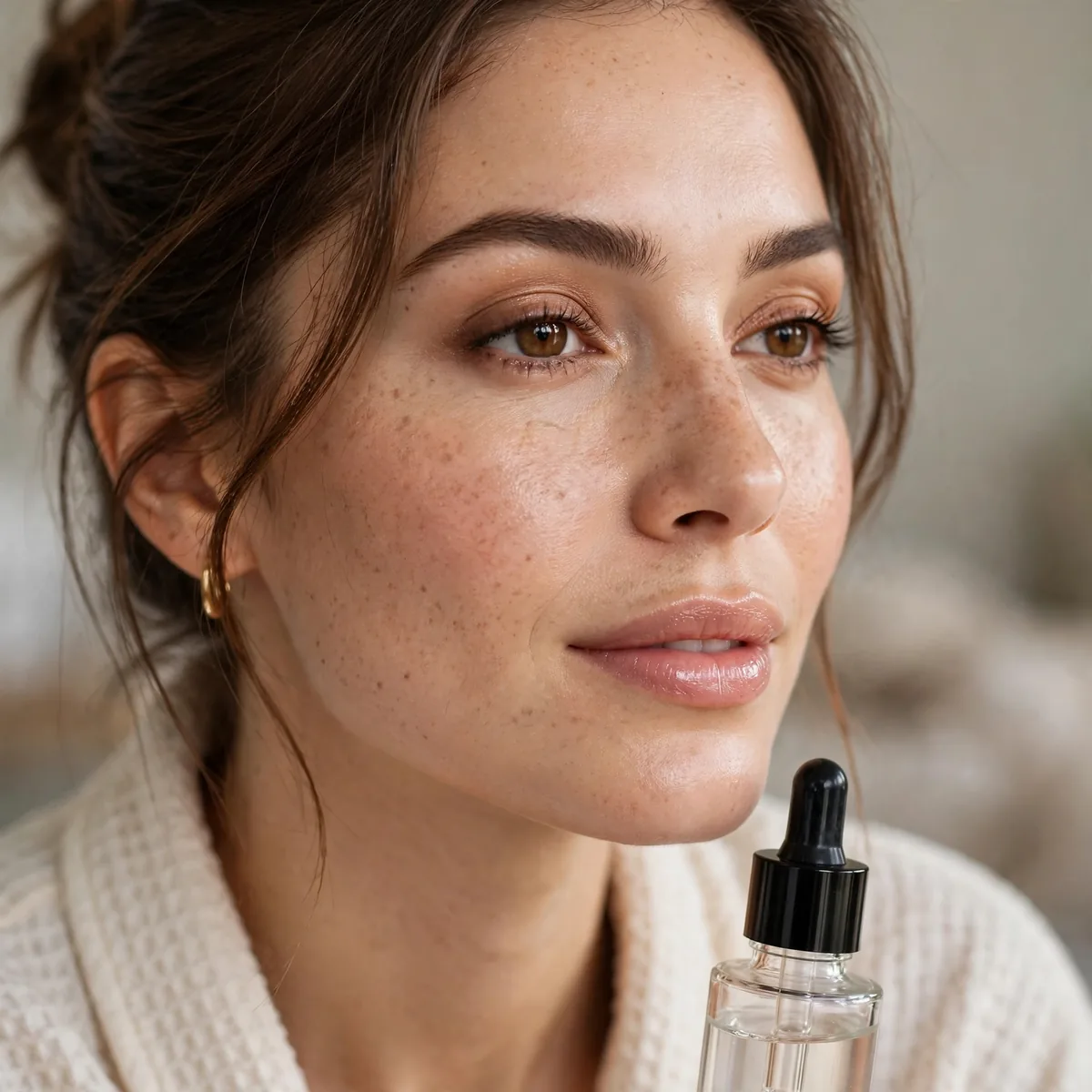
Niacinamide regulates oil production over time — skincare that helps makeup.
Consistent use reduces midday shine measurably. It’s a long game worth playing.
Niacinamide at concentrations of two to ten percent visibly reduces sebum production with consistent use over several weeks. Apply it as a serum before moisturizer, and let it absorb fully so it does not pill under makeup. It also strengthens the skin barrier, which helps oily skin hold foundation more evenly.
Pair niacinamide with a lightweight gel moisturizer rather than a heavy cream — oily skin still needs hydration, and skipping it makes oil production worse. Avoid layering it with strong acids in the same routine if your skin is sensitive. Over time, this ingredient does more for wear time than any primer can.
Avoid Dewy Formulas

Skip luminous and dewy foundations — they amplify oil within hours.
Know your finish. Dewy plus oily equals greasy by noon. Matte is your friend.
Luminous and dewy formulas contain light-reflecting particles and extra emollients that turn to grease on oily skin within hours. If you love the glow trend, get it from strategic highlighter on the cheekbones instead of an all-over dewy base. The contrast of matte skin with targeted glow looks more expensive anyway.
Some foundations marketed as natural or satin are secretly dewy, so check the finish in person or read wear reviews from oily-skinned users. In summer humidity, even satin finishes can tip into shine, so go one step more matte than you think you need. Your midday mirror check will thank you.
The Baking Technique
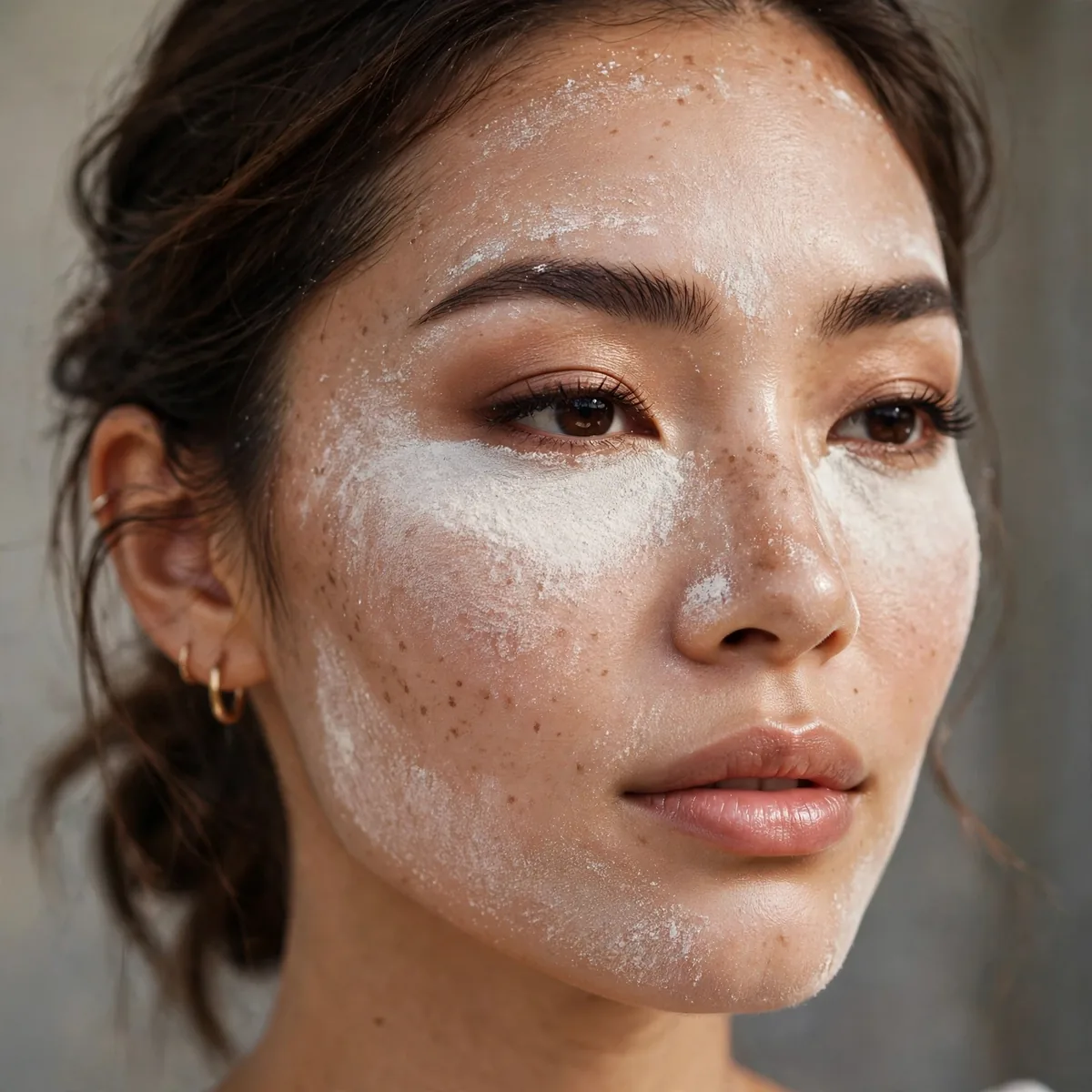
Bake the T-zone with translucent powder for maximum oil control.
Baking sets like nothing else. It’s extreme but effective for very oily skin.
Baking works by letting a thick layer of loose translucent powder sit on oily areas for five to ten minutes, absorbing oil and setting the base intensely. Use a damp sponge to press the powder on generously, then dust away the excess with a fluffy brush. The T-zone is the classic baking area.
This technique is best reserved for events, photos, or very humid days rather than daily wear, since it can look heavy up close. A common error is baking with a tinted or shimmery powder, which alters the foundation color. Always use a finely milled translucent powder, and skip baking on textured skin where it can emphasize bumps.
Primer Plus Powder Sandwich

Powder before AND after foundation — the sandwich locks oil out.
The pre-foundation powder gives oil something to absorb into besides your base. Clever and effective.
The sandwich technique creates oil-absorbing barriers on both sides of the foundation. After primer, press a light veil of translucent powder over the oiliest areas, then apply foundation, then set again. The pre-foundation layer catches oil rising from the skin before it can break down the base during long wear days.
This method is a favorite for bridal makeup and long event days because it adds hours of wear. Use a light hand with the first powder layer — too much can make foundation sit on top rather than melt in. Those with drier cheeks should sandwich only the T-zone and set the rest of the face normally.
Long-Wear Concealer Pairing

Pair with long-wear concealer — regular concealer creases on oily skin.
The under-eyes get oily too. Match your concealer’s wear to your foundation’s.
Long-wear concealers use film-forming polymers that resist creasing and fading on oily skin. Choose a formula labeled long-wear or waterproof, and set it immediately with a small amount of translucent powder using a fluffy eyeshadow brush for precision. Less product creases less, so build in thin layers for the smoothest result.
Standard creamy concealers migrate into fine lines within hours on oily lids and under-eyes. If your concealer still creases, try applying it over a dab of eye primer. Match the concealer's finish to your foundation — a matte concealer with a matte base wears as one unified layer rather than two competing textures.
Touch-Up Kit Essentials
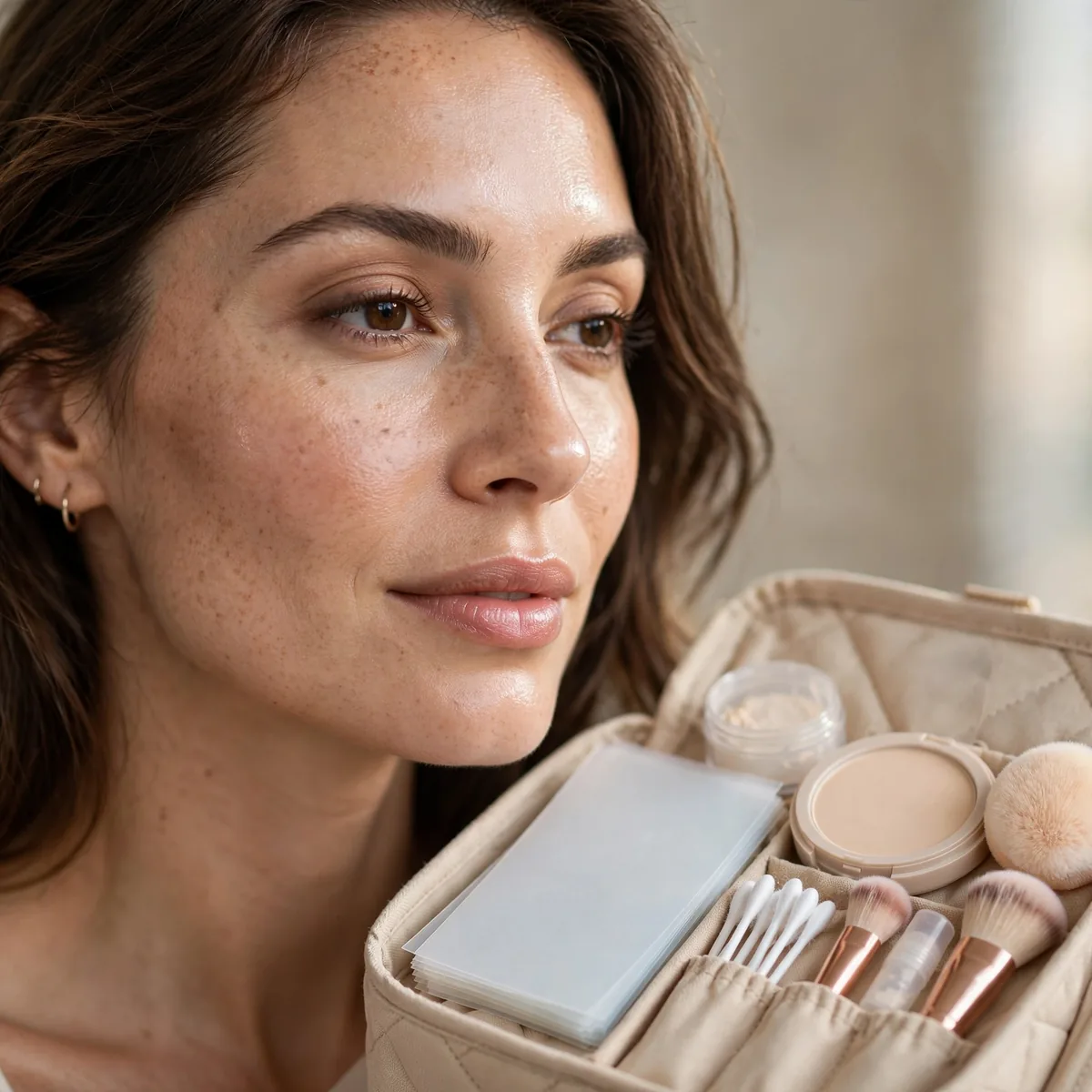
Blotting papers, pressed powder, mini spray — the oily-skin survival kit.
For full long-wear strategy, our long-wear tips cover everything. Prepared beats perfect.
A good touch-up kit stays small: blotting papers, a pressed translucent powder compact with a mirror, and a travel setting spray cover every scenario. Pressed powder is less messy than loose for on-the-go use. Toss in a mini lipstick and a spoolie and you can refresh the whole face in two minutes.
The mistake most people make is carrying full-size products they never use, which just adds bulk. Check your kit monthly and replace blotting papers before they run out. A quick midday reset — blot, powder the T-zone, mist — restores a morning-fresh finish without a full reapplication or heavy touch-ups.
Nighttime Oil Control
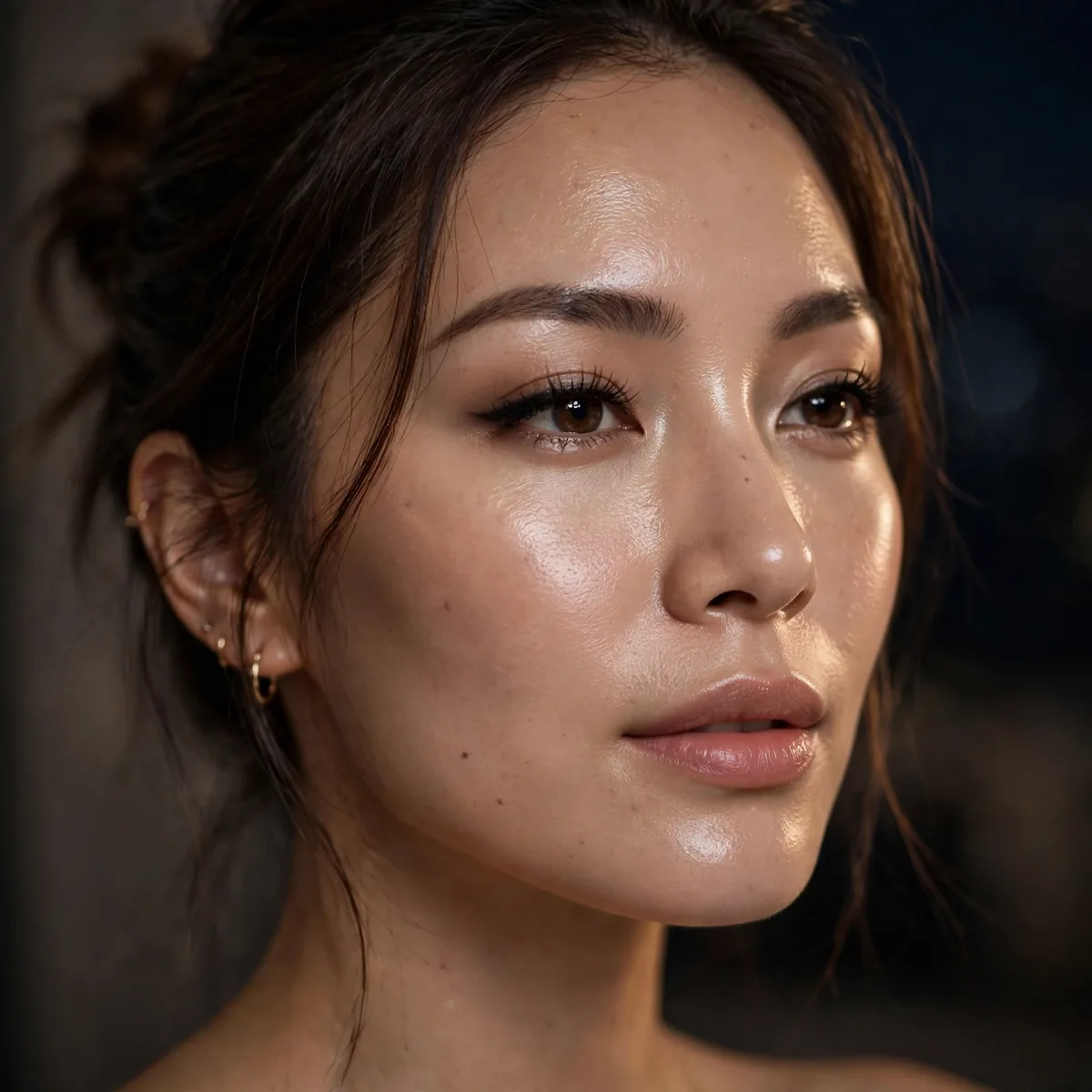
Retinoids and BHA at night regulate oil for better makeup days.
Night care determines day performance. Treat oil at the source, not just the surface.
Retinoids normalize cell turnover and reduce sebum at the source, while BHA exfoliants like salicylic acid clear the oil and debris from pores. Introduce retinoids slowly, two or three nights a week at first, since irritation can trigger even more oil production. Always follow with moisturizer to support the barrier.
Nighttime care is the highest-leverage step for daytime makeup wear, yet it is the one most people skip. Give new actives four to six weeks before judging results. Wear sunscreen every morning — retinoids increase sun sensitivity, and sun damage worsens every skin concern including oiliness. Skipping sunscreen also darkens post-acne marks faster.
The Balanced Finish
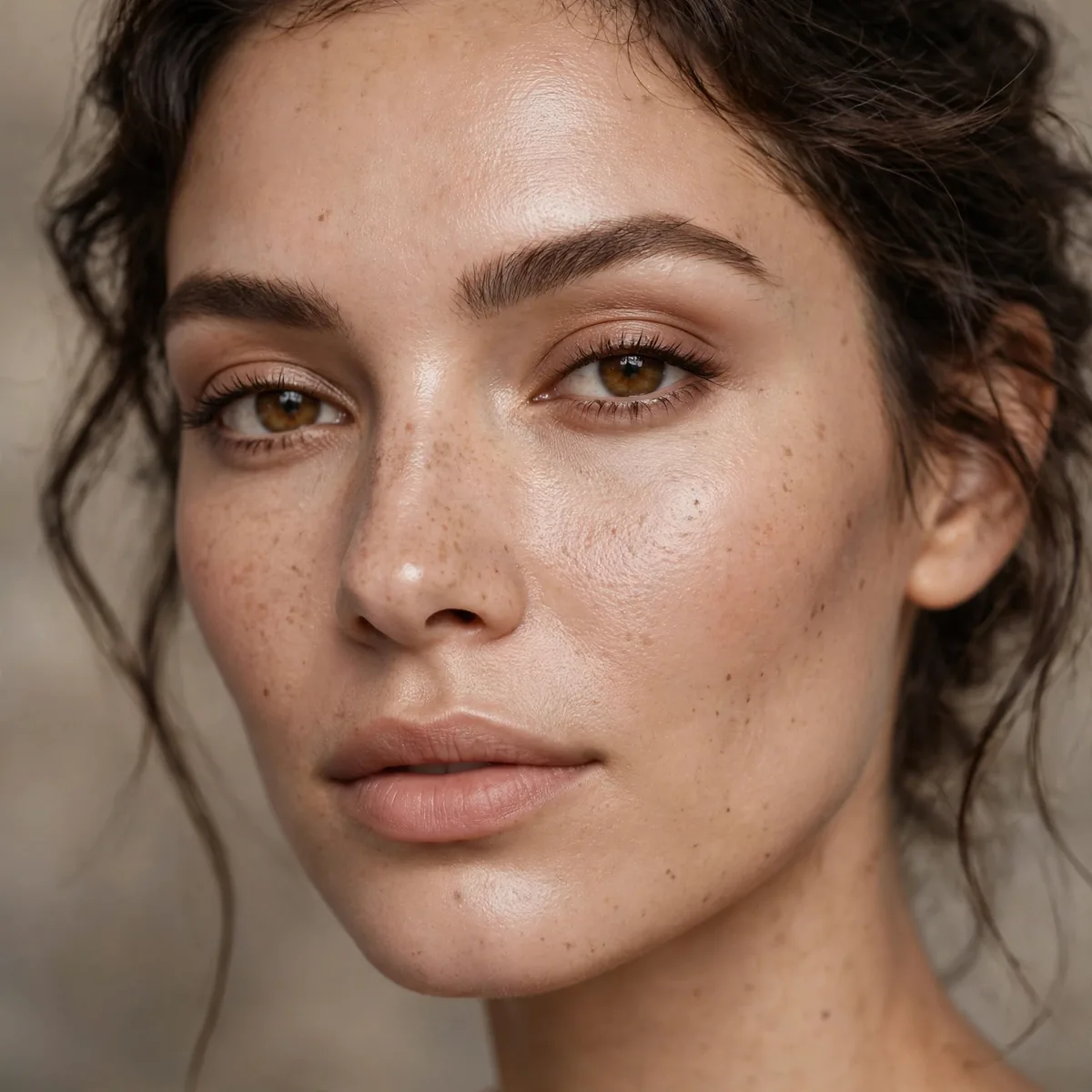
Aim for satin-matte, not flat-matte — skin should look like skin.
Over-mattifying looks mask-like. Leave a hint of natural luminosity on the high points.
A satin-matte finish keeps skin looking like healthy skin instead of a powder mask. Achieve it by setting only the T-zone with powder and leaving the high points of the cheeks, temples, and nose bridge with a natural finish. A touch of cream highlighter on the cheekbones adds dimension without shine.
Over-powdering is the fastest way to age the face — it settles into lines and flattens every feature. If you have gone too matte, a light mist of hydrating setting spray or a damp sponge pressed over the face revives the finish. The goal is controlled, not eliminated, luminosity that still glows naturally.
Matte doesn’t have to mean flat — pin these picks. For all-day wear, see long-wear makeup tips, or compare setting spray vs powder.