
Both promise amazing lashes. They deliver very different things.
A lash lift curls your natural lashes (like a perm for lashes); extensions glue individual fibers to them. One enhances what you have, the other adds what you don’t.
The right choice depends on your lashes, lifestyle, budget, and tolerance for maintenance. Let’s compare honestly.
Here are 18 points of comparison. Let’s get into it.
What a Lash Lift Does
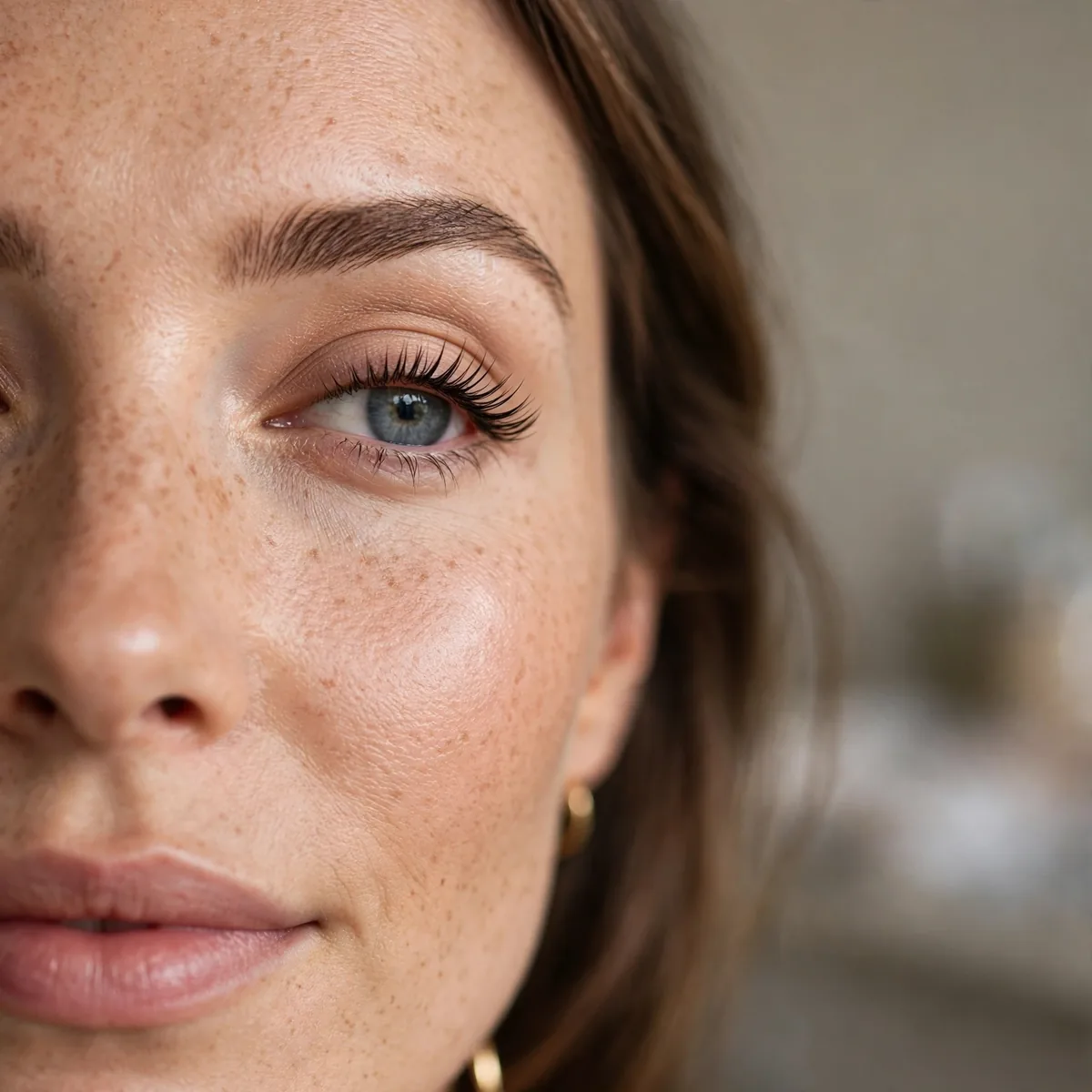
A lift chemically curls your natural lashes upward, often with tint for darkness.
It’s your lashes, just curled and darkened. The most natural enhancement available.
A lift flatters straight, downward-pointing, or hard-to-curl lashes most — the kind a lash curler can't hold. It also suits hooded eyes, where extra curl keeps lashes visible above the lid fold. Contact lens wearers love it because there's no fiber shedding or adhesive near the eye. During the appointment, the technician selects a silicone shield size matched to your lid, then paints the lifting solution through the lashes in timed stages.
Results last through one full natural lash cycle, roughly six to eight weeks, then fade as new lashes grow in. Skip oil-based cleansers and waterproof mascara for the first 24 to 48 hours while the curl sets — micellar water handles removal gently. A nightly lash conditioner with peptides keeps the lifted lashes supple and extends the effect. Book your next appointment only after the previous curl has fully grown out to avoid over-processing.
What Extensions Do
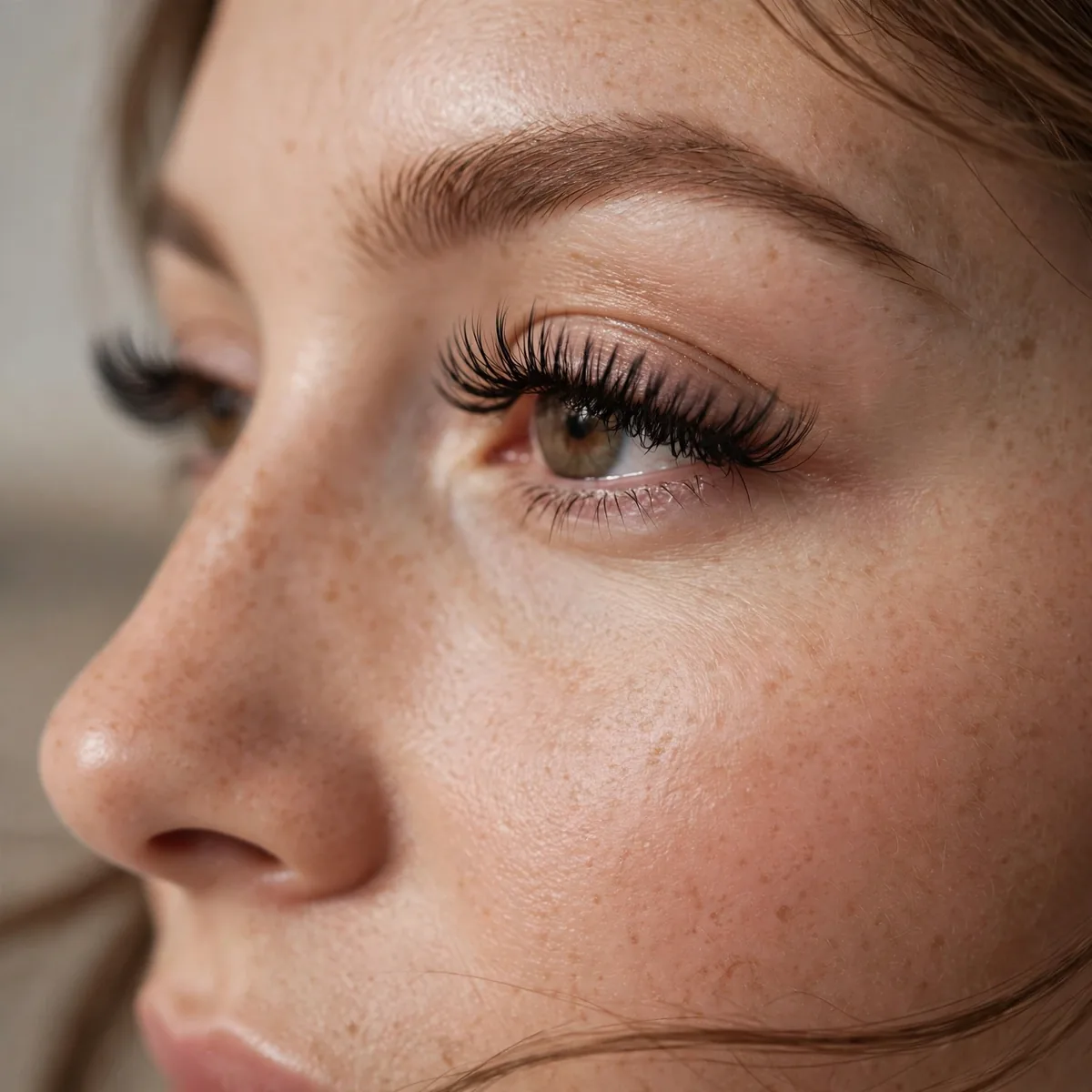
Extensions attach synthetic fibers to individual natural lashes for added length and volume.
They add what isn’t there. The most dramatic lash transformation possible.
A full set involves mapping: the technician designs length, curl, and thickness across your eye shape, using shorter fibers at the inner corner and longer ones toward the outer third. Classic sets attach one extension per natural lash, while volume sets fan two to six ultra-fine fibers onto each one. Curls range from natural J to dramatic D, and diameters from 0.03 to 0.20 millimeters. This customization is why two people can wear extensions and look completely different.
The adhesive is medical-grade cyanoacrylate, which cures with moisture — that is why technicians use a nano mister and why humidity affects retention. After application, keep lashes dry for 24 hours, then cleanse daily with an oil-free lash shampoo to prevent buildup at the base. Brush them each morning with a clean spoolie to keep the fans separated. Never pick or pull; grown-out extensions should be removed professionally with a cream or gel remover.
Cost Comparison
Lifts: $75-150 every 6-8 weeks. Extensions: $150-300 plus $50-100 fills every 2-3 weeks.
Lifts win on cost by a wide margin. Extensions are a significant ongoing investment.
Factor in the extras before comparing sticker prices. Extensions need fills every two to three weeks at fifty to one hundred dollars, plus oil-free cleanser and a silk pillowcase if you want retention. Lifts cost less per visit but pair well with a lash serum between appointments, which adds up over a year. Patch tests are usually free, but removal — if you quit extensions — runs twenty to forty dollars.
Annualized, a lift routine runs roughly six hundred to twelve hundred dollars, while extensions land between two and four thousand depending on your market. That gap buys a lot of premium mascara and lash serum. If budget is the deciding factor, start with a lift plus tint — it delivers most of the everyday benefit for a fraction of the price. You can always upgrade to extensions later for a wedding season or special stretch.
Maintenance Demands
Lifts need almost nothing after 24 hours. Extensions need fills, careful cleansing, and sleeping adjustments.
If you’re low-maintenance, lifts win easily. Extensions are a lifestyle commitment.
Extension wearers adopt a small daily ritual: cleanse the lash line each evening with a foaming oil-free shampoo, rinse with lukewarm water, and let them air-dry or fan them gently. Each morning, brush through with a spoolie to realign the fibers. Sleep on your back or a silk pillowcase to reduce friction, and skip cotton pads near the eyes — the fibers catch and tug extensions loose.
Lift maintenance is nearly zero: after the first day you treat them like normal lashes, mascara included. The one rule is avoiding waterproof formulas and oil-based removers during the first 48 hours, since oils can relax the fresh curl. When extensions need to come off, book a professional removal — the technician dissolves the adhesive with a gentle remover in about fifteen minutes. Pulling them yourself takes natural lashes with them and creates sparse patches.
Damage Potential
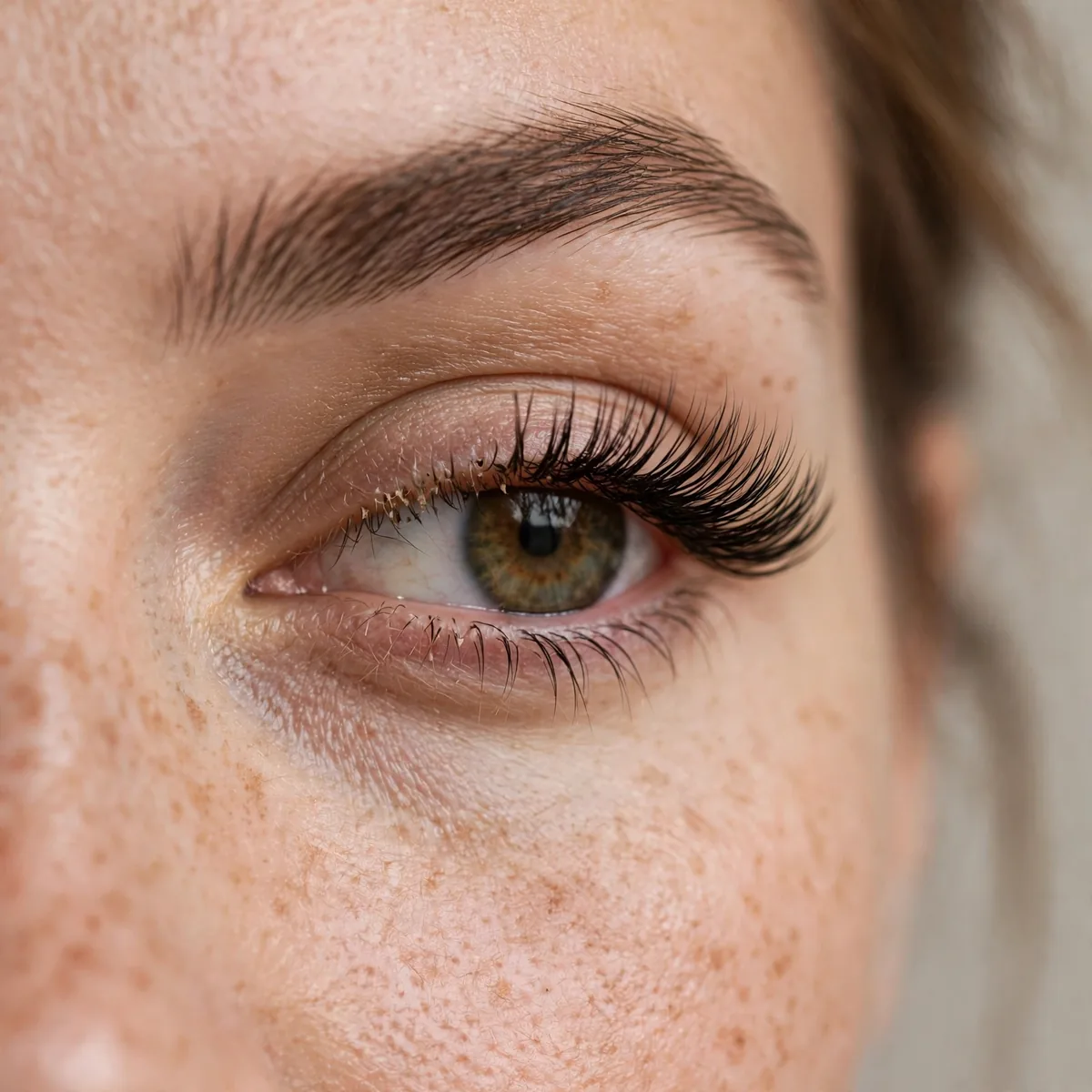
Both can damage if done poorly. Lifts risk over-processing; extensions risk weight stress and poor removal.
A skilled technician minimizes risk for both. Research your provider thoroughly.
The most common damage comes from avoidable mistakes. With extensions, the killers are picking at grown-out fibers, using oil-based makeup removers, and wearing sets too heavy for your natural lashes to support. With lifts, damage usually means over-processing — re-lifting before the six-week mark or leaving the solution on too long, which makes lashes brittle and frizzy. At-home lift kits carry the highest risk because timing and solution strength go unmonitored.
If damage happens, recovery is straightforward but slow. Remove the treatment, stop all mascara for two to four weeks, and apply a peptide-based lash serum nightly to support regrowth. Avoid prostaglandin-based growth serums unless a doctor approves them — they work but carry side effects like eye-area pigmentation changes. Most lashes fully recover within one to two growth cycles, roughly two to four months, as long as the follicle itself wasn't harmed.
The Natural Look Winner
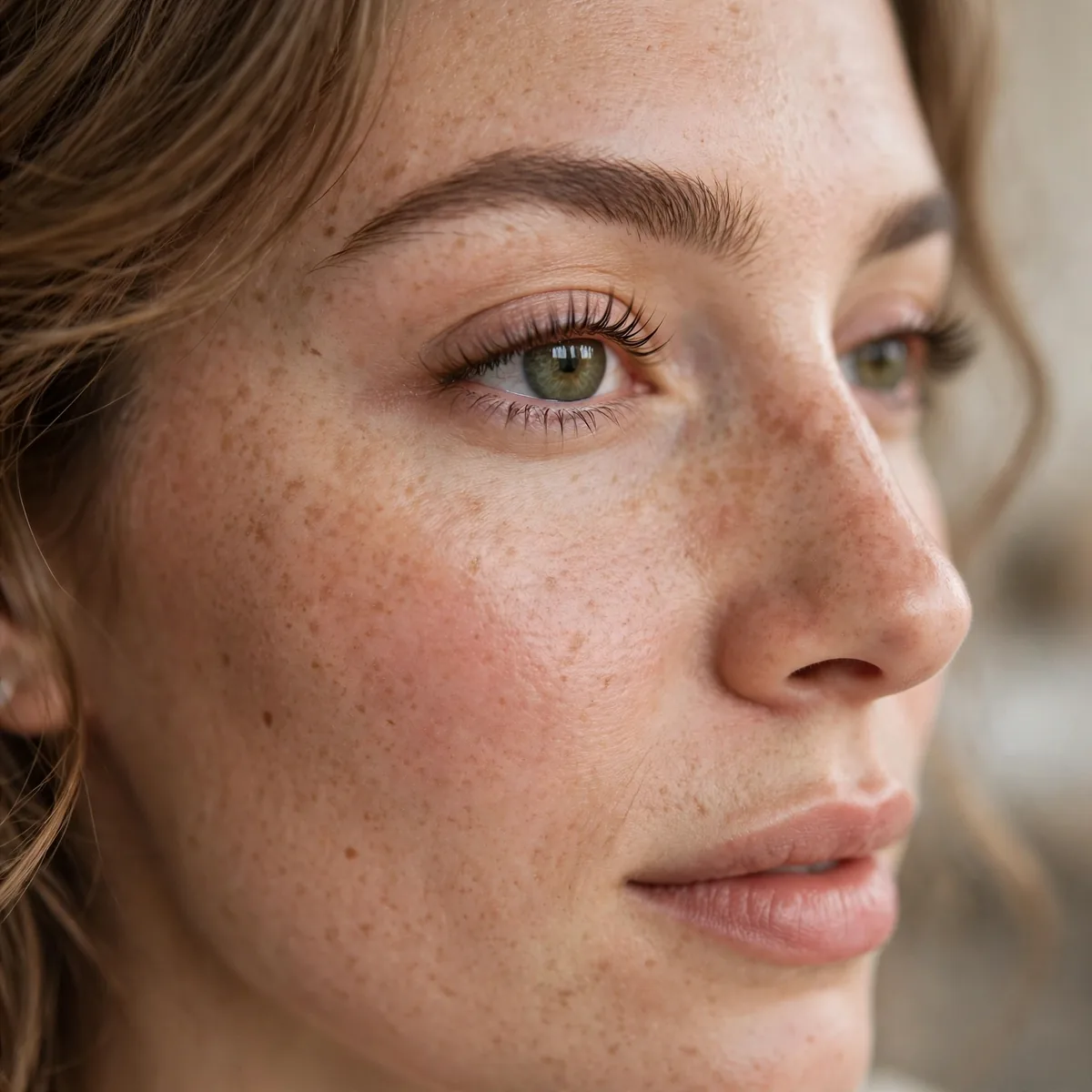
Lifts look more natural — it’s your lashes, enhanced. Extensions can look natural but often don’t.
For "are those real?" results, lifts win. For drama, extensions win.
The lift's quiet enhancement suits people whose environments reward subtlety — corporate professionals, news anchors, and anyone on camera in high definition, where heavy lashes read as costume. It also flatters mature clients, since a gentle curl opens the eye without the weight that can drag down thinner, aging lashes. Men seeking a polished look increasingly choose lifts too, because the result reads as well-rested rather than made-up.
Because the effect is yours, it photographs naturally from every angle — no telltale band or fiber edge in close-ups. Pair it with a tightlined upper lash line and one coat of brown mascara for definition that still passes as bare. For occasions like job interviews, family photos, or everyday wear, that invisible polish is exactly the point. Drama has its place, but the lift owns the category of enhancement nobody can quite name.
Drama and Volume Winner
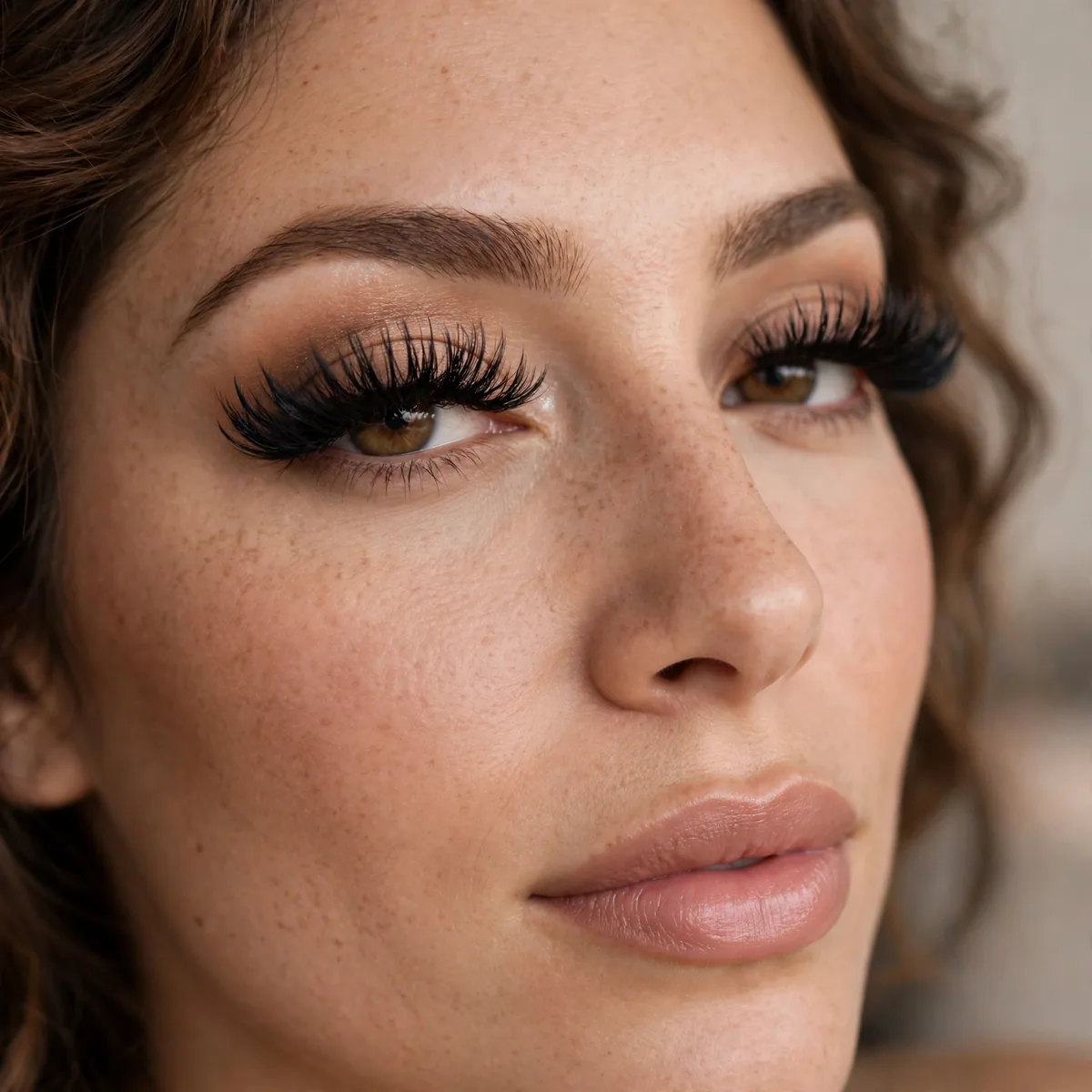
Extensions win on drama — they add length and volume lifts physically can’t.
If you want falsies-level lashes daily, extensions are the only treatment that delivers.
Extensions earn their keep wherever cameras and crowds are involved — weddings, red-carpet events, photoshoots, and stage performances where features must read from a distance. They also suit naturally sparse lashes that no mascara can rescue, giving what genetics withheld. Brides are the classic case: tear-resistant, photo-ready lashes that survive happy crying and last through the honeymoon without a single mascara application.
With this much lash, the rest of the face should step back. Keep eyeshadow soft and neutral — a satin wash of taupe or champagne — and skip heavy black liner, which plus big lashes tips into costume territory. A defined brow grounds the look, and lips can go either barely-there gloss or full red depending on the event. The rule is one statement feature; let the lashes be it and everything else plays support.
Time Investment
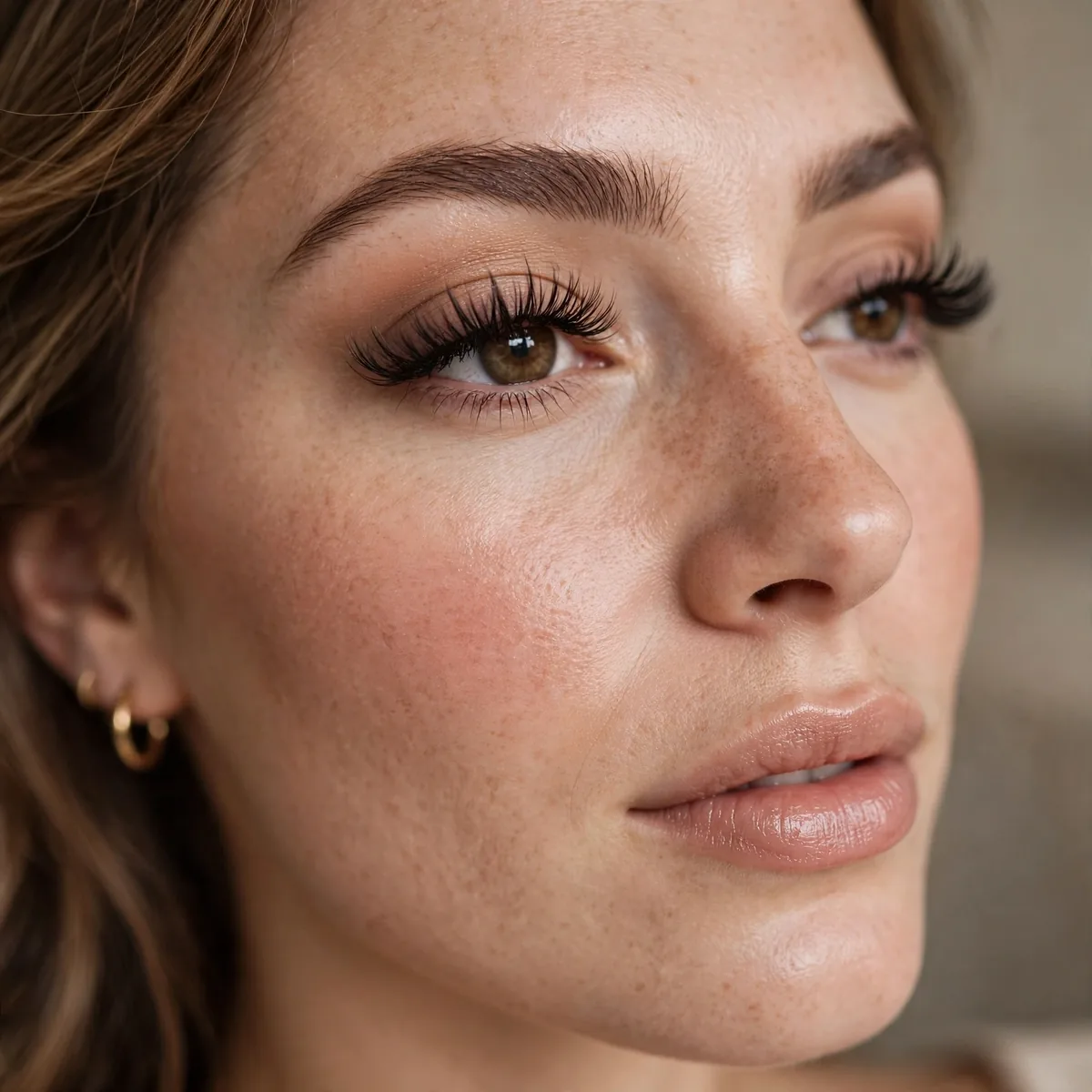
Lifts take 45-60 minutes every 6-8 weeks. Extensions take 2+ hours initially plus hour-long fills.
Lifts respect your schedule. Extensions demand it.
Expect to lie still with your eyes closed for the full extension appointment — many clients call it a forced nap and genuinely fall asleep. Conversation is limited since talking moves the delicate isolation work, so bring the calm mindset. A lift feels quicker and more interactive by comparison, with the technician checking shield placement and timing between steps. Either way, arrive with clean, makeup-free lashes to avoid eating into your appointment with cleansing.
Time your first appointment strategically. Book extensions at least a week before any big event — new sets can look overly perfect on day one and settle into a natural rhythm after a few days. Schedule fills every two to three weeks without gaps, since overdue fills take longer and cost more. For lifts, book four to six weeks before a wedding or vacation so the curl is at its peak, not its fade.
Swimming and Sweating
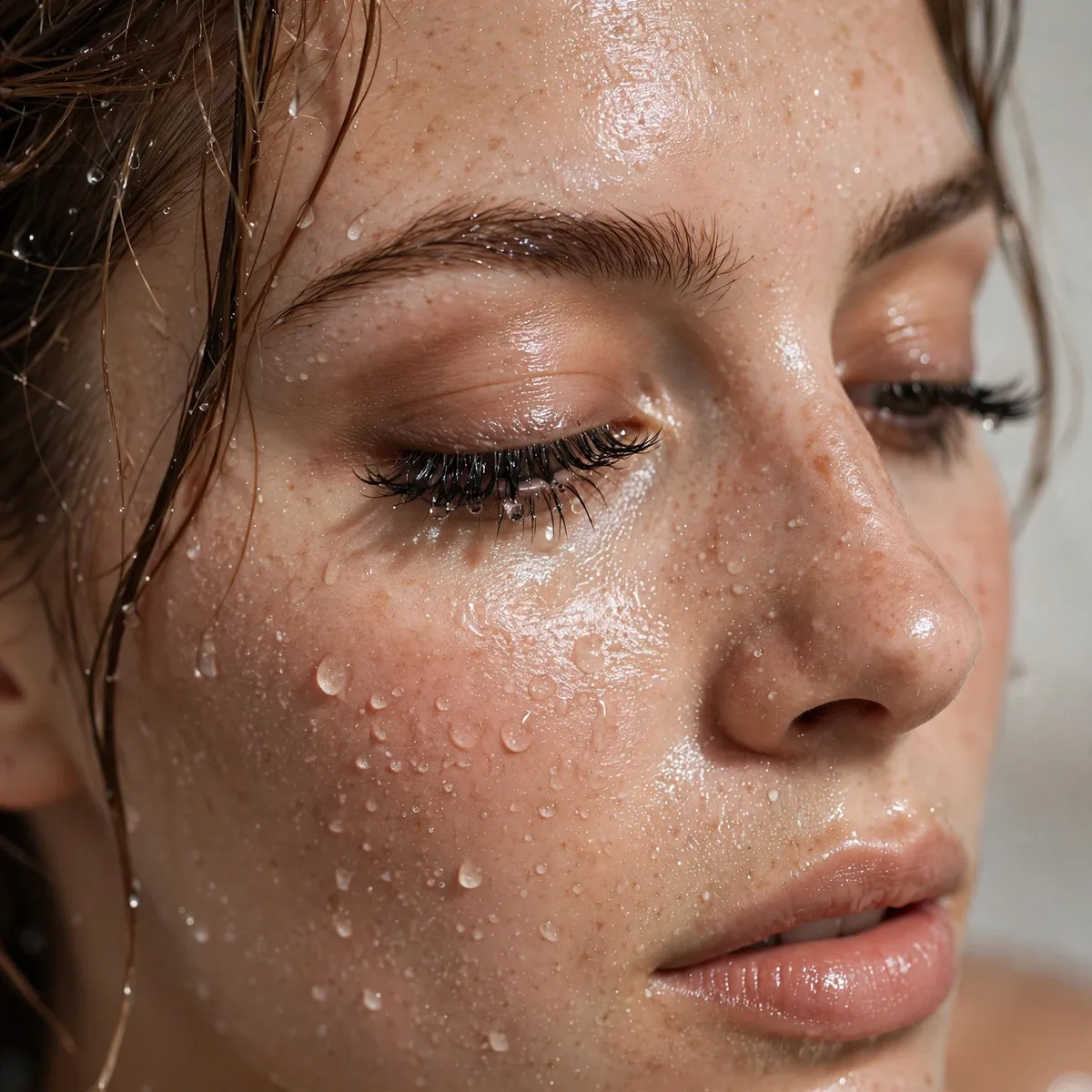
Lifts handle water fine after 24 hours. Extensions hate prolonged water, steam, and sweat.
Athletes and swimmers should choose lifts. Extensions and active lifestyles conflict.
Competitive swimmers, surfers, and hot-yoga devotees should default to the lift — chlorine, salt, and constant steam loosen extension adhesive within days. If you wear extensions anyway, swim goggles become non-negotiable and a post-swim rinse with fresh water helps. Heavy sweaters should blot the lash line during workouts rather than wiping, since dragging a towel across extensions breaks the bond. The lift simply shrugs all of this off.
Summer is the true stress test: humidity, sunscreen, and sweat conspire against extensions, so many wearers switch to lifts from June through August. Sunscreen deserves special caution — chemical formulas with oils migrate into the lash line and dissolve adhesive, so use mineral sunscreen around the eyes or apply carefully with a sponge. In winter, dry indoor heating is kinder to both treatments, though static-prone fibers may need an extra morning brushing.
Makeup Compatibility
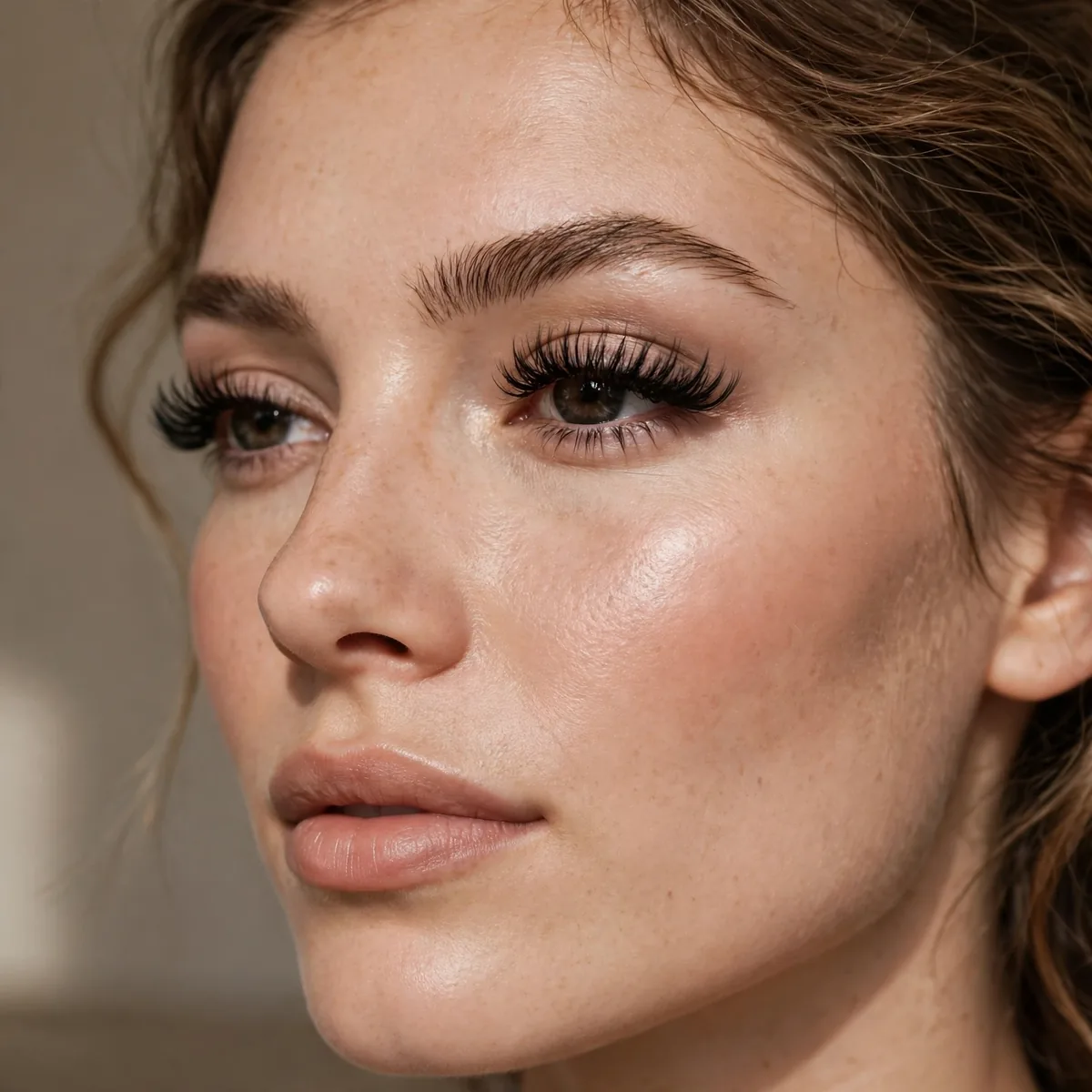
Lifts work with all makeup. Extensions restrict mascara (especially waterproof) and oily products.
If you love eye makeup variety, lifts interfere less. Extensions limit your options.
Extension wearers should build an oil-free eye kit: water-based or gel eyeliners, powder eyeshadows, and oil-free makeup removers like micellar water or a dedicated lash cleanser. Tubing mascaras are the one mascara exception — they form water-soluble tubes around fibers instead of oil-laden pigment. Avoid waterproof formulas entirely, since the aggressive removers they require dissolve adhesive bonds faster than anything else.
Lifts impose no such rules, which is why makeup lovers often prefer them. Layer waterproof mascara for the pool, smudge a kohl pencil along the waterline, or pack on glitter shadow — the curl holds through all of it. Because your real lashes are doing the work, even heavy eye looks stay balanced and believable. The only caution is the first 48 hours post-treatment; after that, your full makeup wardrobe is back in play.
Allergy Considerations
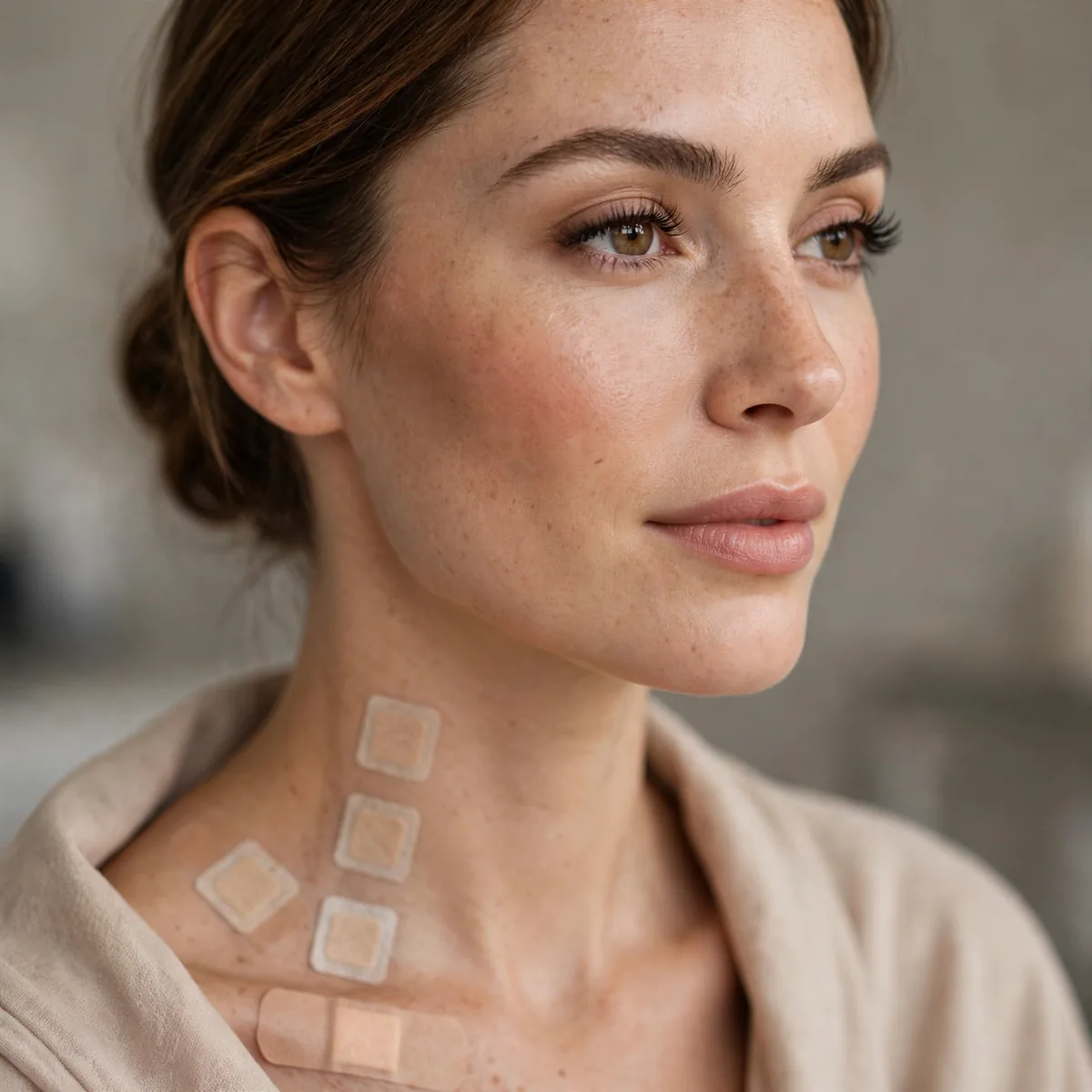
Extension adhesive causes more reactions than lift solutions. Patch test both.
If you’ve reacted to adhesives before, lifts are the safer bet. Always patch test.
Always patch test 48 hours before your appointment — a dab of adhesive behind the ear or lift solution on the inner arm reveals sensitivity before it reaches your eyes. Extension reactions usually come from cyanoacrylate fumes rather than skin contact, causing red, watery eyes during or after application. A skilled technician minimizes fumes with proper ventilation, precise adhesive amounts, and a nano mister that speeds curing.
If you've reacted to lash glue, nail glue, or even bandage adhesive, steer toward the lift — its solutions rarely trigger the same response. Eczema-prone or highly sensitive eyes also fare better with the gentler chemistry. For the truly reactive, the safest dramatic option remains strip lashes worn occasionally, since any irritation ends the moment you remove them. Never push through burning or swelling mid-appointment; speak up immediately and have the product removed.
Lash Health Baseline
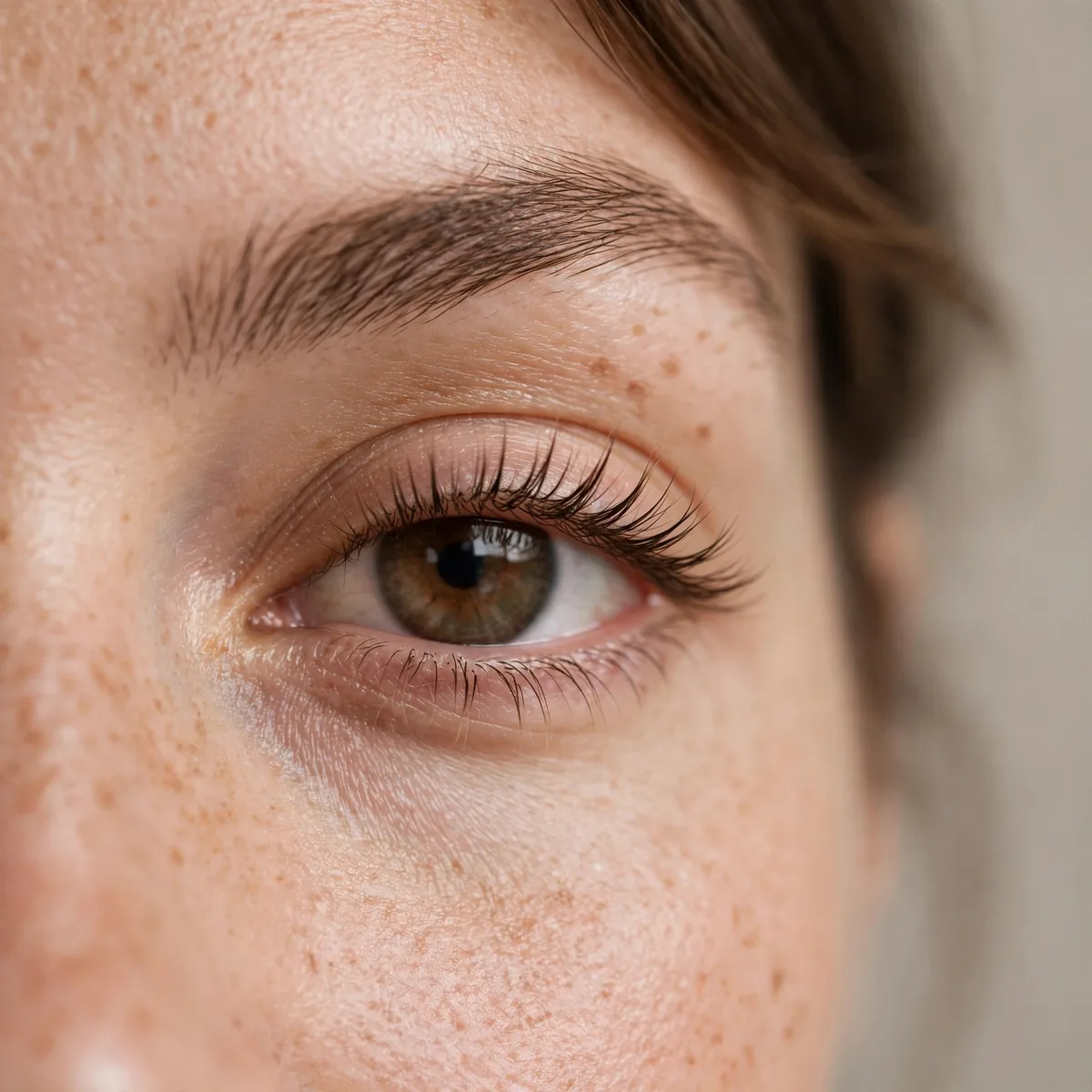
Very short or sparse lashes benefit more from extensions. Decent lashes shine with just a lift.
Assess honestly: lifts enhance; extensions add. Match the treatment to your starting point.
Take an honest look at your bare lashes in daylight before deciding. If they're long but stick straight out, a lift alone transforms them — length was never the problem, direction was. If they're sparse with visible gaps, extensions fill what isn't there. Either way, prime your lashes for two to four weeks beforehand with a peptide serum and zero waterproof mascara; healthier starting lashes hold both treatments better and longer.
Age-related thinning changes the math: mature lashes are often finer and fewer, so heavy extension fans can overwhelm them — a lift with tint usually flatters more. Contact lens wearers should mention it at booking, since some technicians adjust adhesive placement to reduce fume exposure. And if you're growing lashes back after a shedding phase, wait until the new growth stabilizes; attaching weight to fragile regrowth invites breakage.
The Grow-Out Phase
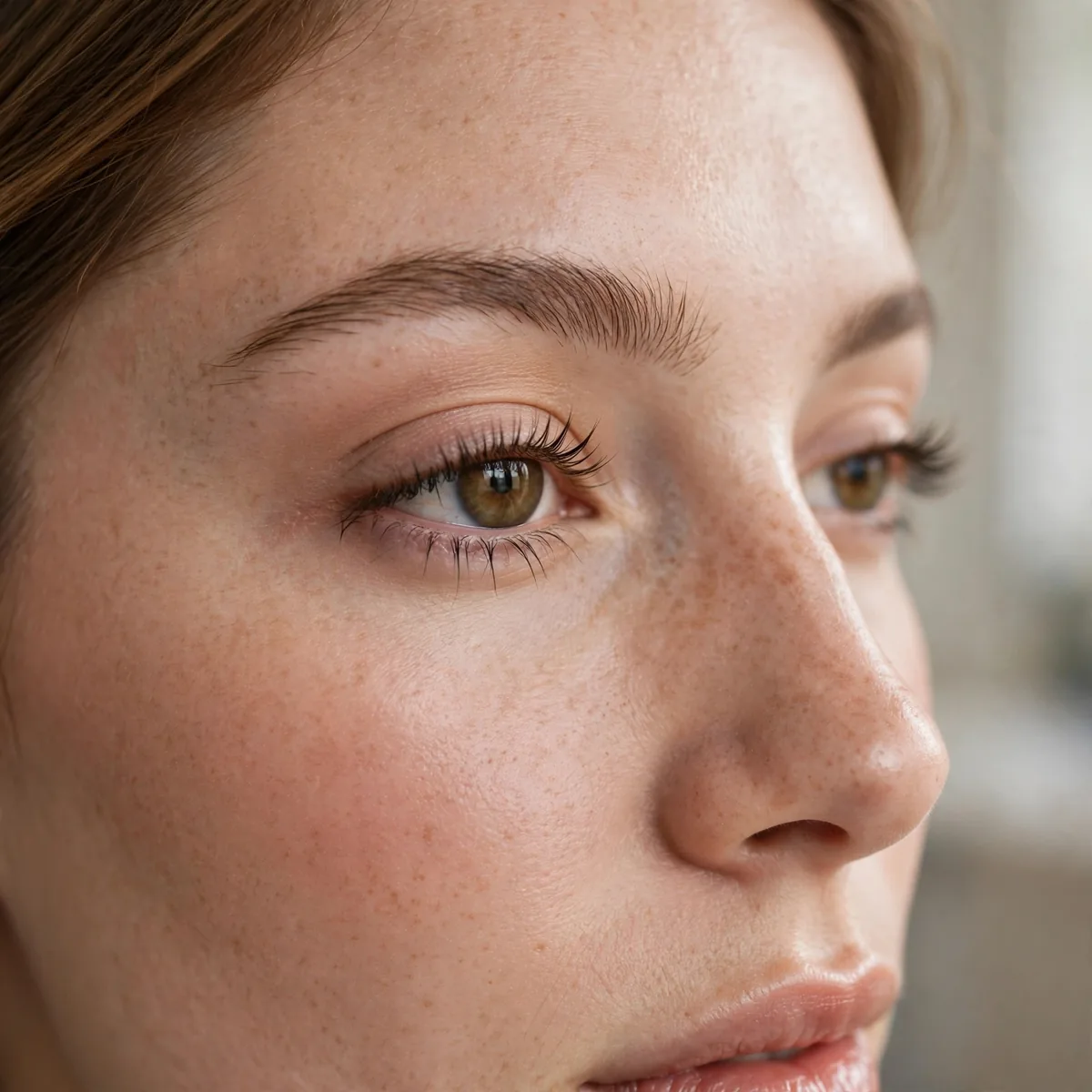
Lifts grow out invisibly. Extensions grow out visibly and need fills or removal.
The grow-out difference is significant. Lifts fade gracefully; extensions demand decisions.
Extension grow-out follows your natural shed cycle, so around week three you'll notice some lashes twisting or sitting at odd angles as the adhesive bond travels outward. Resist the urge to pick — pulling a grown-out extension rips out the natural lash it's bonded to, leaving gaps that take months to refill. Professional removal takes about fifteen minutes: the technician applies a cream remover, waits, then slides each extension off without touching your natural lashes.
Going back to bare lashes after months of extensions can feel stark — that's normal, not damage. Ease the transition with a lash tint, which darkens your natural lashes while they recover their rhythm. A growth serum during this window supports the fresh cycle. If you're between decisions, a lift scheduled after full removal gives you polished lashes with zero grow-out anxiety, bridging the gap beautifully.
Special Occasion Choice
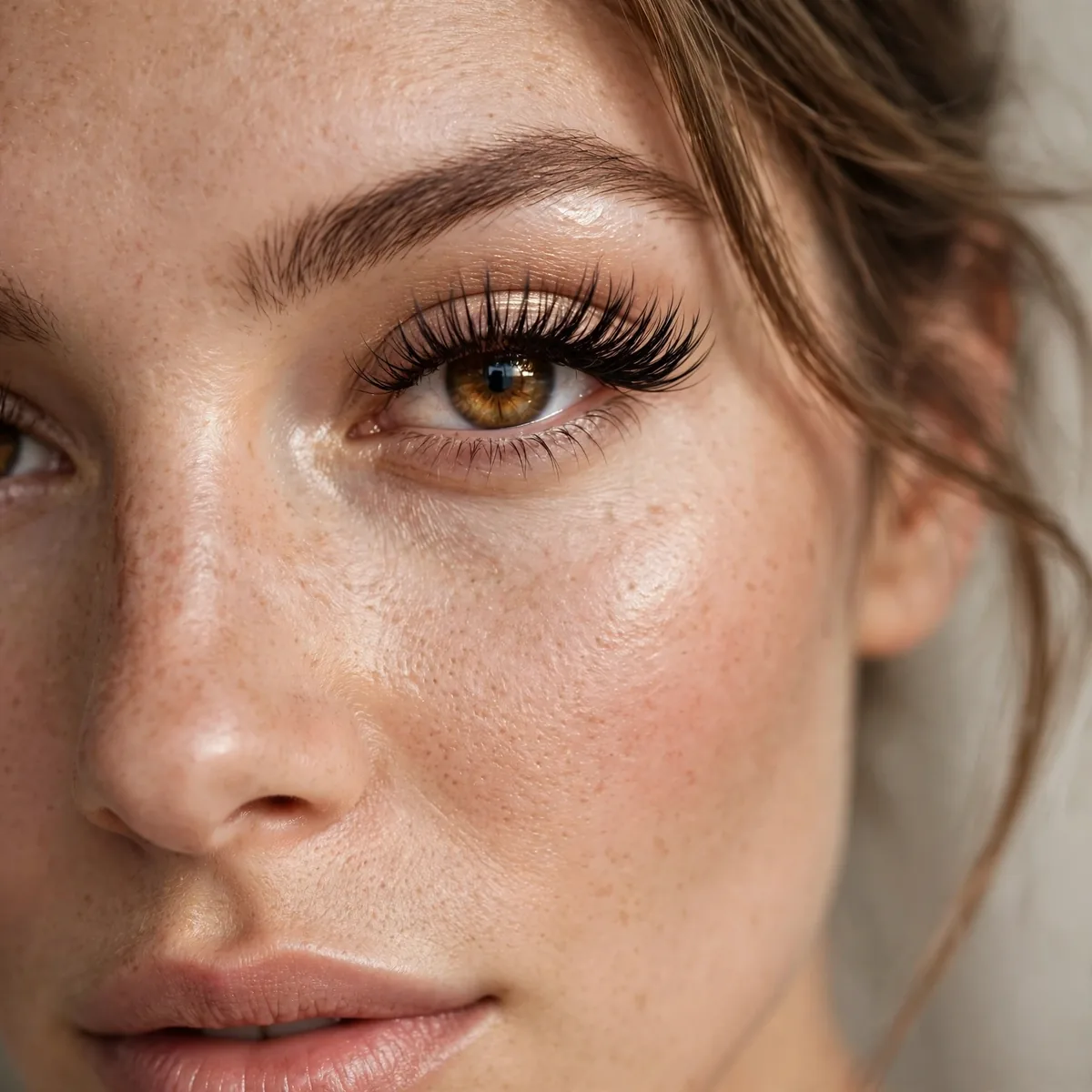
For one event, consider neither — quality falsies give the effect for $15.
Our false lash guide covers natural options. Treatments are for daily wear, not single events.
For a single event, lash clusters beat full strips for beginners — you place small sections along the lash line, so mistakes hide easily and the result looks custom. Apply a thin line of latex-free glue, wait thirty seconds until tacky, then set each cluster with tweezers. They last one to three days, perfect for a wedding weekend. Magnetic lashes are the other beginner-friendly route, sandwiching your lashes between two magnetic strips with zero glue at all.
Removal is the hidden advantage: an oil-based cleanser or dedicated lash glue remover dissolves everything in minutes with zero damage to your natural lashes, since nothing was bonded to individual fibers. Keep a spare pair and mini glue in your clutch for event-day emergencies. At roughly fifteen dollars a pair — reusable up to five times with proper cleaning — falsies deliver event drama at a fraction of any salon treatment's price.
Technician Skill Matters Most

Both treatments live or die by technician skill. A great tech with either beats a bad tech with both.
Check portfolios, reviews, and certifications. This is eye-adjacent work — don’t bargain hunt.
Look for proper isolation — one extension bonded to one natural lash, never clumps of lashes stuck together, which cause pain and premature shedding. A certified lash artist should show a portfolio of close-up, unfiltered work and explain which curl and length suit your eye shape. During the appointment, you should feel zero pain or stinging; discomfort means something is wrong. Clean, organized stations and fresh disposable tools signal professional standards.
Red flags include appointments under an hour for a full set — proper isolation can't be rushed — and technicians who skip the consultation or patch test. Ask what adhesive brand they use, how they handle reactions, and when they recommend a break. For lifts, ask about shield sizing and processing times; one-size-fits-all shields and vague timing suggest corner-cutting. Paying more for a reputable artist costs less than fixing a botched set.
The Hybrid Approach
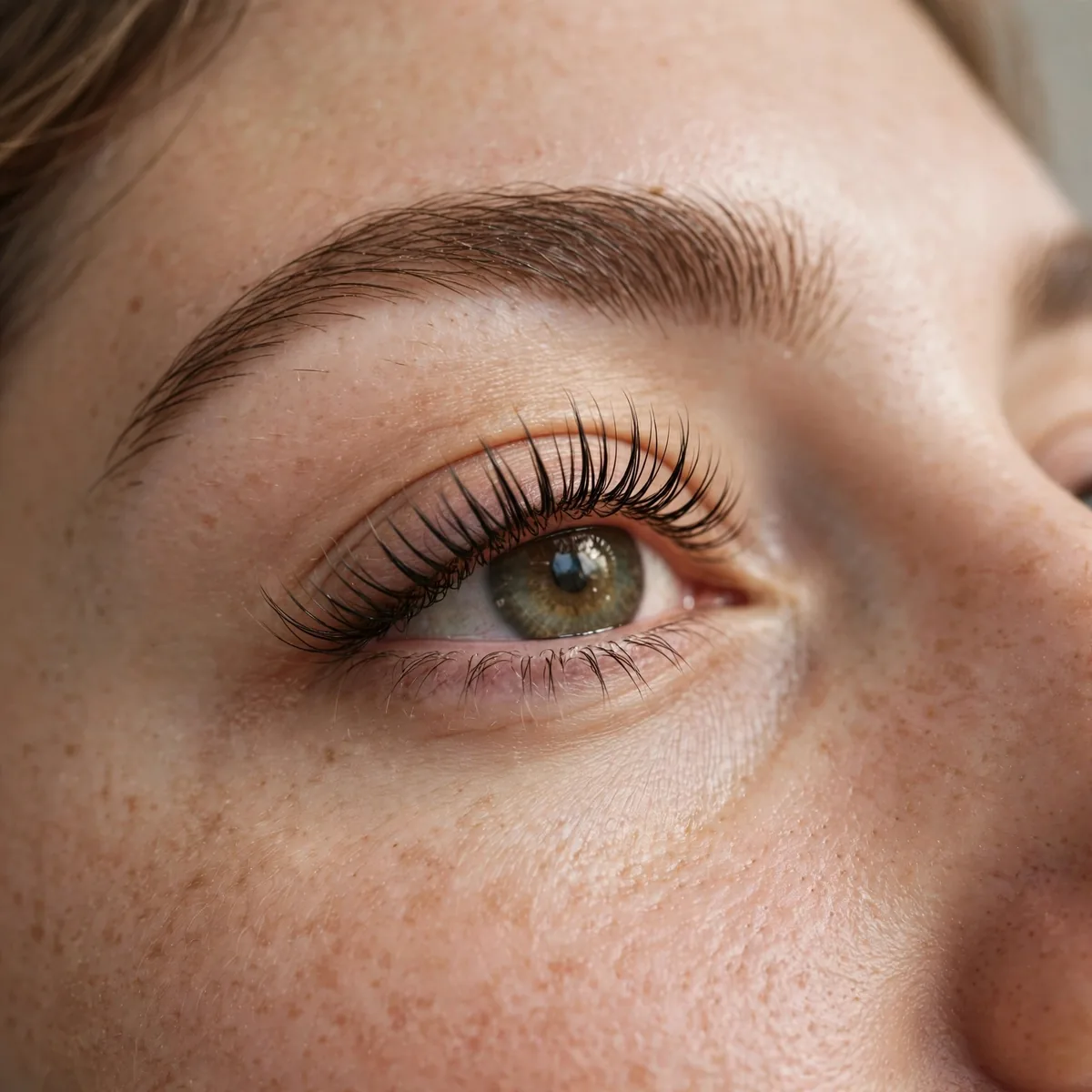
Lift plus tint is the sweet spot for many — curl, darkness, and zero maintenance.
The tint darkens like mascara would. Lift plus tint often eliminates daily eye makeup entirely.
This combination was made for minimalists, busy parents, and anyone who wants to look polished with literally zero morning effort. It especially flatters light-colored lashes — blonde and redhead clients see the most dramatic change, since the tint supplies the darkness mascara used to fake. Athletes and travelers love it too: no mascara to smudge, no extensions to baby, just wake-up-and-go lashes through workouts and time zones.
Stretch the results by treating the first 48 hours like a cure period — no steam, saunas, or oil-based products while the lift sets. After that, a nightly coat of clear lash conditioner keeps the curl springy and the tint rich. Most people get six to eight weeks before needing a refresh, and the grow-out is invisible. Pair it with a tinted brow gel and you're genuinely done with eye makeup most days.
Long-Term Lash Health

Take breaks from both treatments. Lashes need recovery periods.
Alternate: lift for a few cycles, then a month of just serum. Your lashes will thank you.
Schedule breaks around your lash cycle, not the calendar — after two to three consecutive lifts, take one full eight-week cycle completely treatment-free. During the pause, a peptide serum each night supports the new growth coming in. Watch for warning signs that a break is overdue: lashes that feel straw-like, curl that drops within days, or increased shedding. Those signals mean the follicles need rest, not another appointment.
The biggest long-term mistake is stacking treatments without recovery — extensions immediately after a lift, or re-lifting at four weeks because the curl faded early. Each chemical process needs the full grow-out before the next begins. Also retire the eyelash curler on lifted lashes; mechanical crimping on chemically curled fibers causes breakage at the bend. Treat post-treatment lashes gently and they'll reward you with years of healthy cycles.
Making Your Decision

Choose lift for: natural look, low maintenance, lower cost, active lifestyle. Choose extensions for: maximum drama, special lash goals, willingness to maintain.
For daily lash enhancement without treatments, our mascara tips maximize what you have. There’s no wrong answer — only the right fit for you.
Match the treatment to your actual life, not your aspirational one. Frequent travelers and gym regulars do better with lifts, since fills chain you to a salon schedule. If you love experimenting with colorful eyeshadow and bold liner, the lift's compatibility wins. Choose extensions when the daily drama genuinely sparks joy and you're willing to protect the investment — the right choice is the one you'll maintain happily, not resentfully.
Still torn? Trial the lift first — it's cheaper, faster, and grows out invisibly if you decide you want more drama. Many extension devotees started exactly this way and upgraded later with confidence. Alternatively, book a consultation-only appointment and let the technician assess your lashes in person; a good artist will talk you out of the wrong treatment. There's no prize for choosing fast, only for choosing right.
Choose what fits your life — pin this comparison. For at-home lash drama, see false lash styles, or maximize natural lashes with mascara tips.