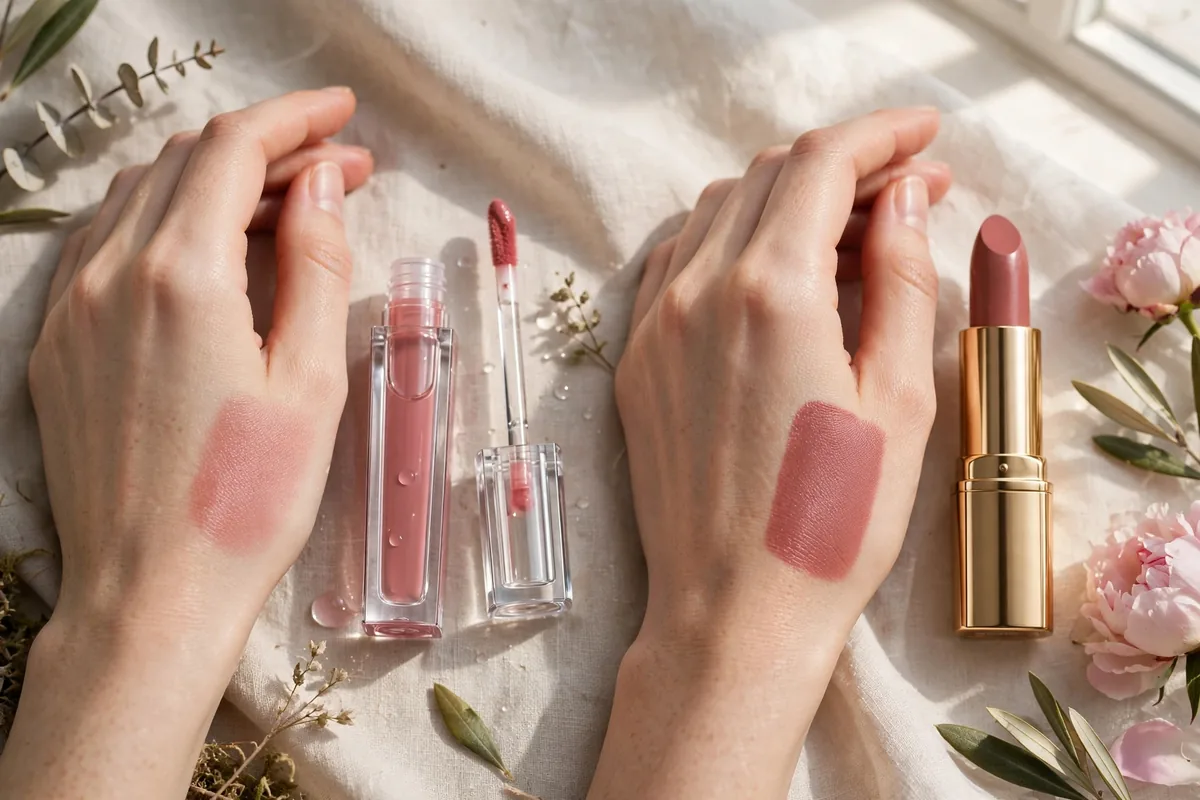
Stain and lipstick aren’t competitors — they’re different tools.
Stains tint the lips for hours with minimal maintenance; lipsticks deliver rich color and finish variety but need touch-ups. Understanding the trade-offs ends the confusion.
Most lipstick lovers should own both. They serve different days and different needs.
Here are 20 comparisons. Let’s get into it.
Wear Time Winner: Stain
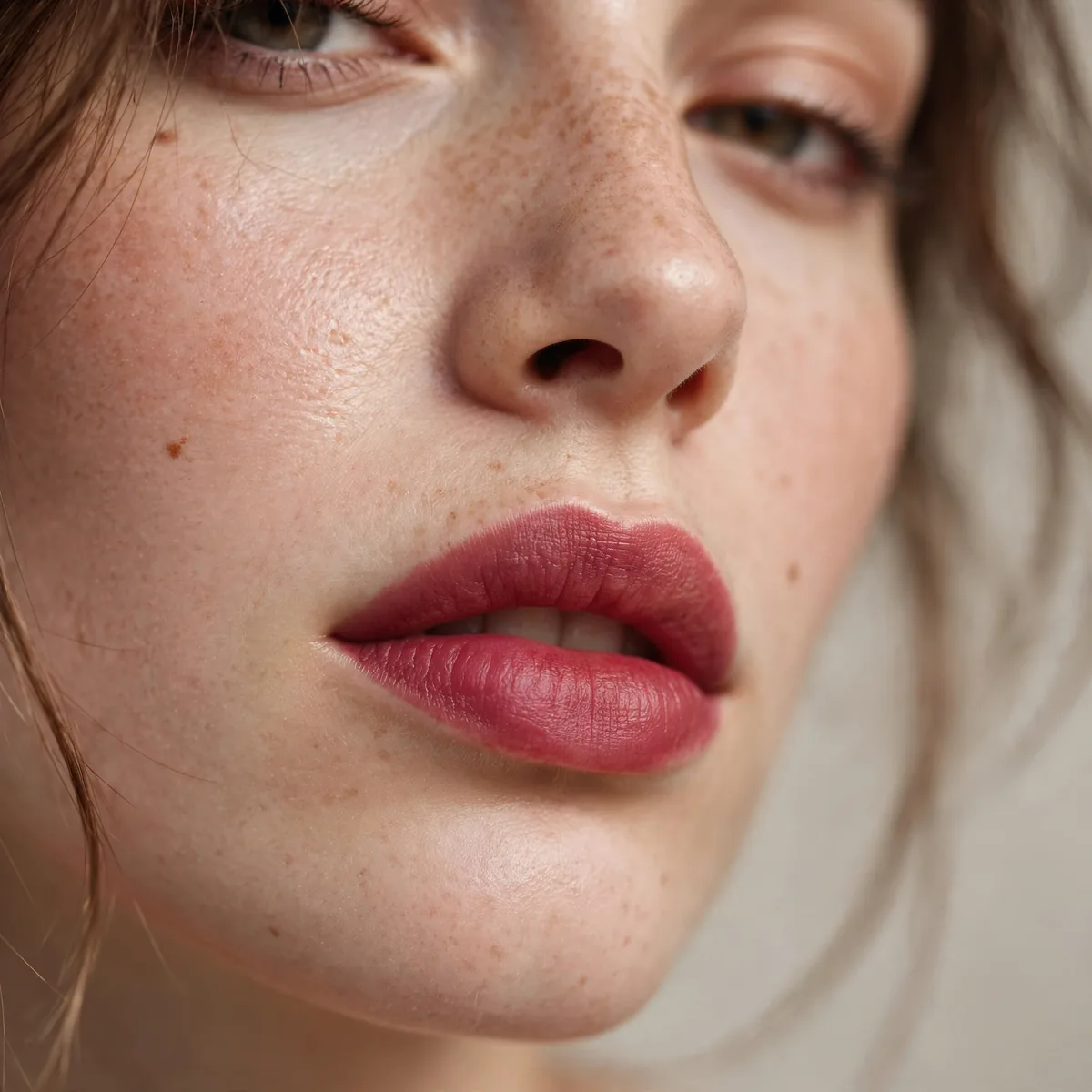
Stains last 6-8 hours; lipsticks last 2-4. Stain wins on longevity.
The stain dyes the lip tissue. It’s semi-permanent color, not surface coating.
Prep decides how long a stain actually lasts — exfoliate lips gently and apply to bare, dry lips, since balm underneath blocks the dye from gripping. Apply one even layer and resist adding more; a second coat rarely extends wear and often creates the patchiness stains are known for. Let it set for a full minute without pressing your lips together, and the color locks in properly.
The mistake is expecting stain to survive oily foods — pizza, salad dressing, and fried foods dissolve even the best stains faster than anything else. Plan around it: apply stain before the meal, then carry a matching lipstick for a quick refresh after. For maximum longevity, choose water-based stains over oil-based ones; they grip the lip tissue more tenaciously and fade evenly rather than in patches.
Color Payoff Winner: Lipstick
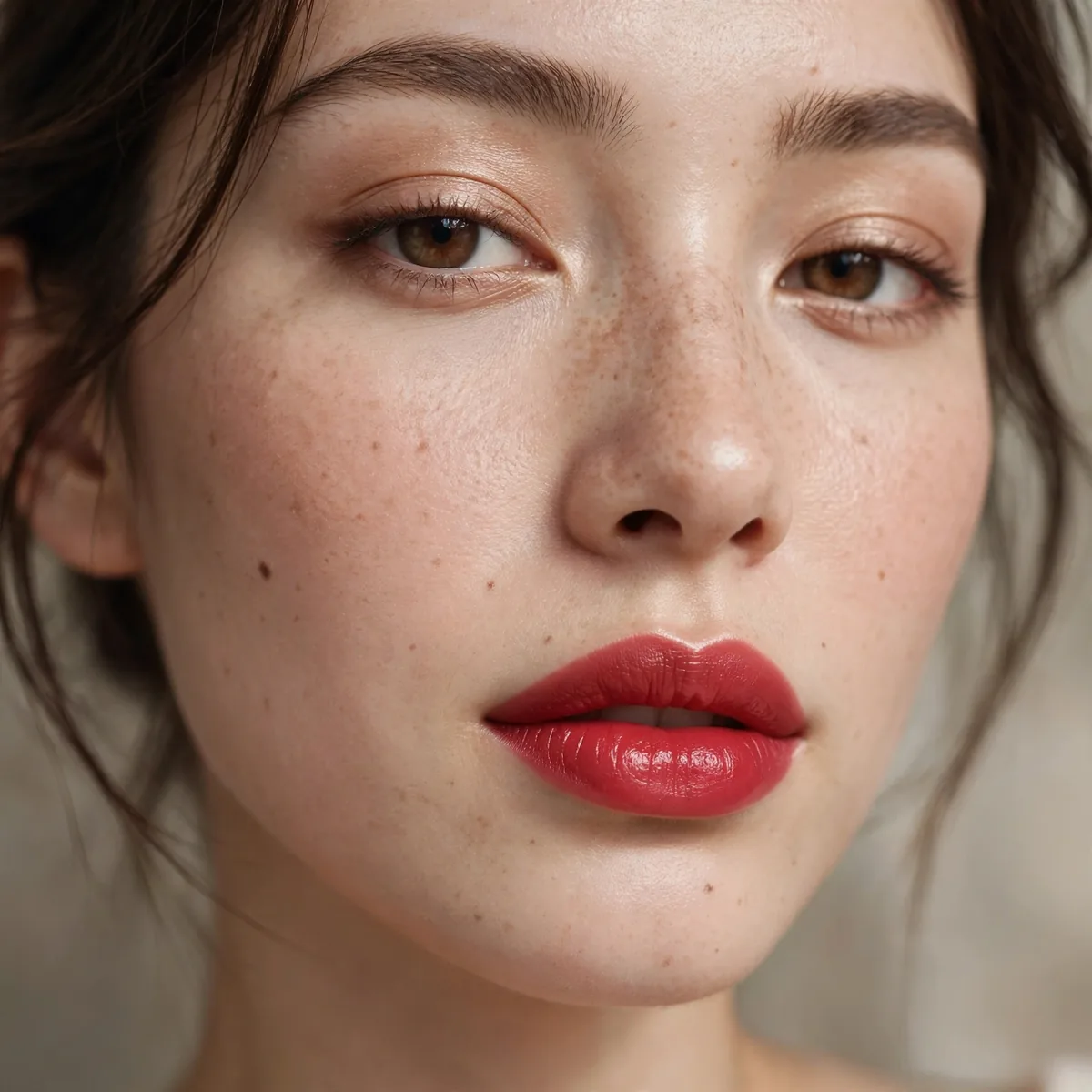
Lipstick delivers richer, more opaque color in one swipe.
When you want true color impact, lipstick’s pigment load wins.
For true one-swipe opacity, apply lipstick straight from the bullet, then press your lips together once — the pressure evens the pigment without sheering it. Deeper shades like oxblood and plum need a matching lip liner first; the liner defines the edge and stops the rich pigment from bleeding into fine lines. Warm undertones should lean toward orange-reds and corals, while cool undertones glow in blue-reds and berries.
The mistake is applying bold lipstick without any lip prep — rich pigment catches on every dry flake and the color looks uneven within the hour. Exfoliate and balm first, blot the balm off, then apply. For the longest wear from a lipstick, blot after the first coat and apply a second; the blotting removes the slip and the second coat grips the stain-like base underneath.
Comfort Winner: Depends
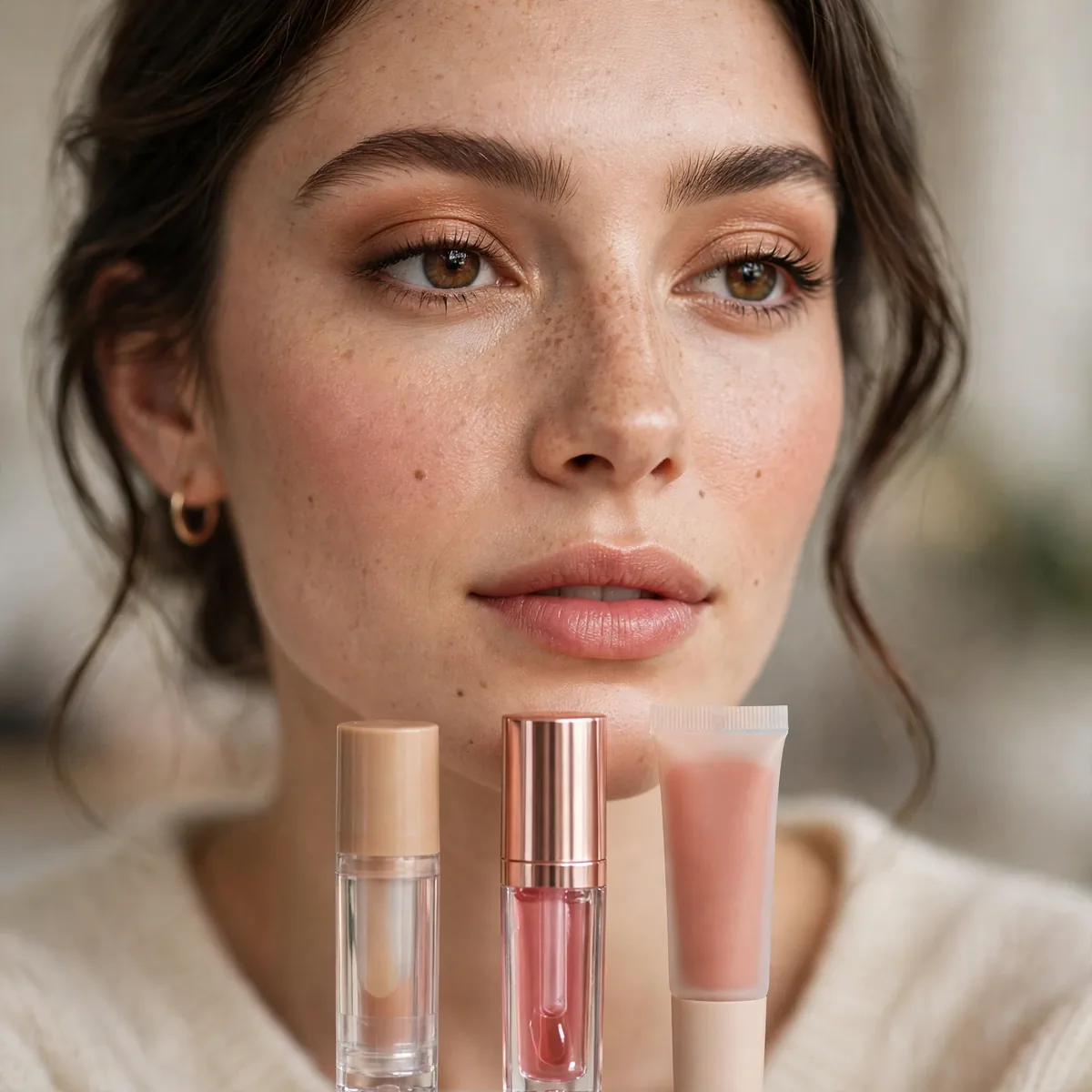
Hydrating stains beat matte lipsticks; creamy lipsticks beat drying stains.
Formula matters more than category. Read reviews for comfort, not just claims.
For comfort, read the ingredient list — hyaluronic acid, shea butter, and jojoba oil signal a formula that hydrates while it colors. Avoid stains with high alcohol content if your lips run dry; the alcohol delivers intense color but leaves lips tight and flaky by afternoon. In winter, even comfortable formulas need backup: layer a lip oil over your stain or lipstick when the air turns harsh.
The mistake is judging comfort in the store — every formula feels fine for the first ten minutes. True comfort reveals itself at hour three, when drying formulas start to tighten and hydrating ones still feel like nothing. When testing, wear the product for a full afternoon before deciding. Your lips will tell you the truth that a quick swatch never can.
Natural Look Winner: Stain
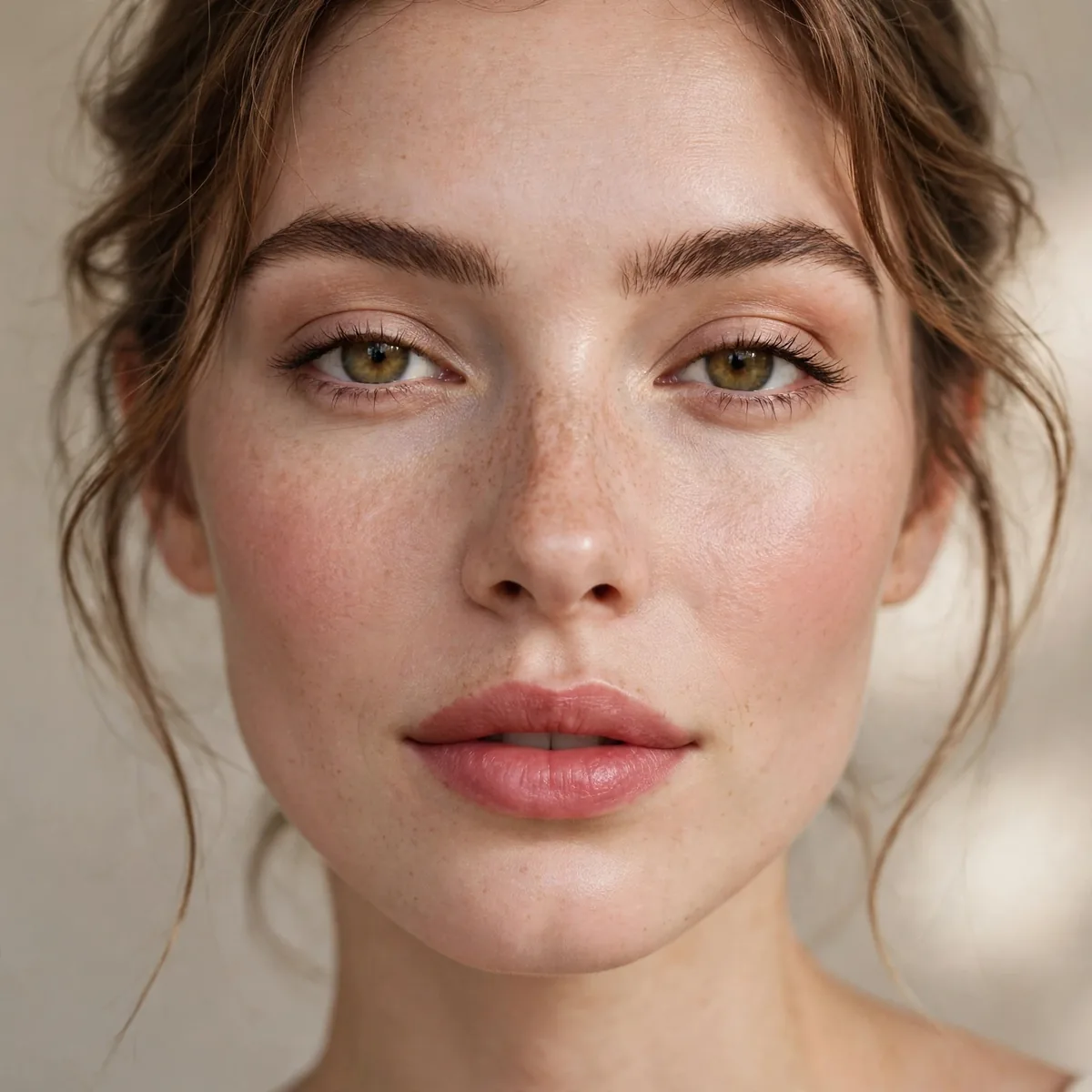
Stains mimic natural lip flush better than any lipstick.
The "just bitten" effect is stain’s signature. Lipstick can’t replicate it.
For the most natural stain, choose a shade one step deeper than your bare lip color — berry for cool undertones, warm rose for warm ones. Apply it to the center of the lips and blend outward with a fingertip, leaving the edges soft; a crisp stain edge looks made-up, while a diffused edge looks like a natural flush. Blot once after application to remove excess and the finish turns beautifully sheer.
This is the winner for minimal-makeup days, video calls, and anyone who wants color without the maintenance of lipstick. Mature lips love stains too — the sheer wash doesn't settle into lip lines the way opaque lipstick can. The mistake is choosing a stain too dark for the diffused technique; deep shades need precise edges, so keep the blurred application to rosy, natural tones only.
Bold Look Winner: Lipstick
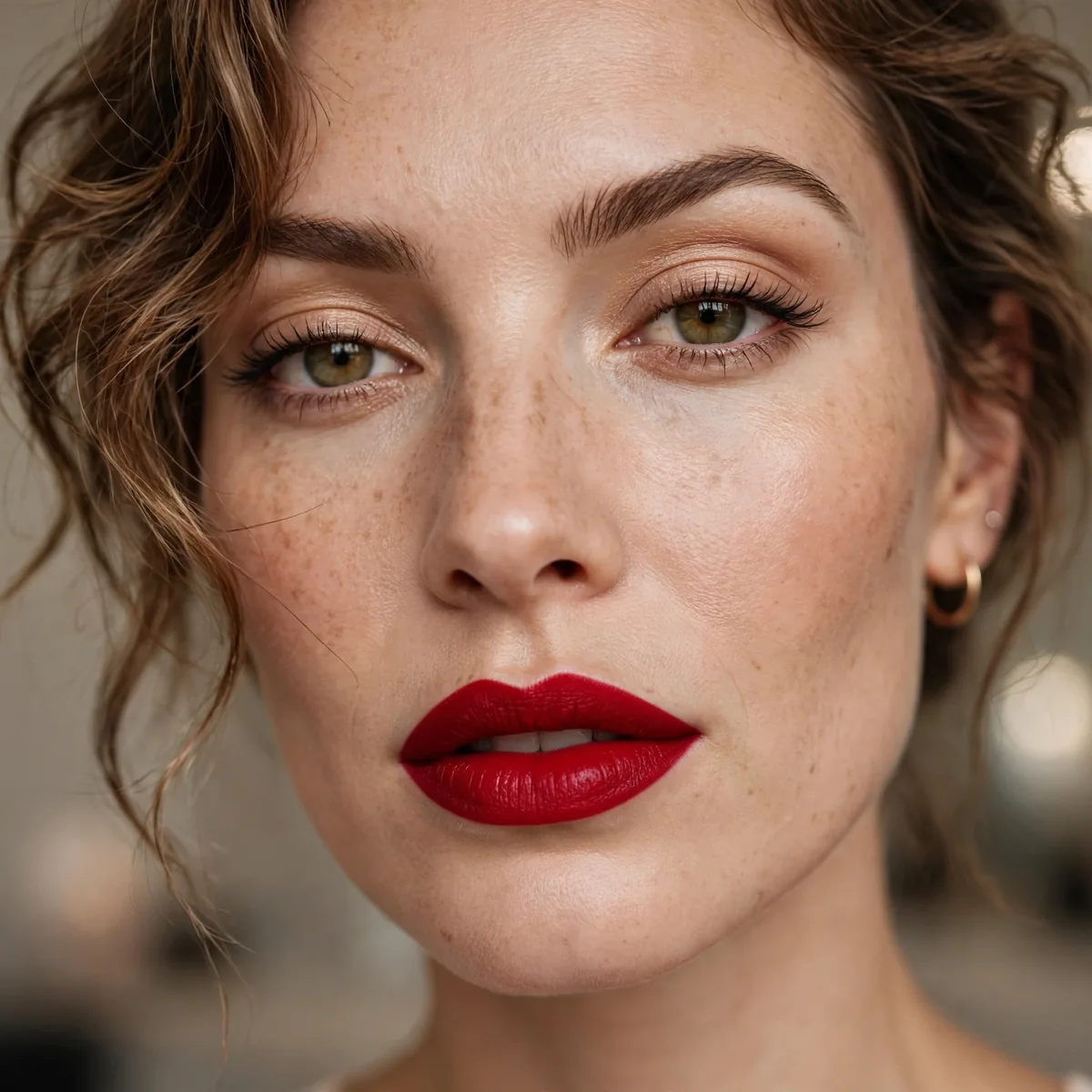
Bold, opaque color needs lipstick’s pigment.
Our bold lip guide relies on lipstick. Drama demands opacity.
Bold lips demand a balanced face — keep eyes simple with mascara and a neutral lid, and let the lip carry the entire look. For precision, outline with a matching liner, fill in the whole lip with the liner first, then apply lipstick over it; the liner base intensifies the color and extends wear dramatically. Clean the edges with a tiny brush and concealer for that sharp, editorial finish.
Evenings, weddings, and photoshoots are where bold lipstick earns its place — camera flash washes out sheer color, but opaque lipstick holds its own. The mistake is wearing a bold lip with an equally bold eye; two strong features compete and the face loses its focal point. One statement at a time keeps the look powerful instead of overwhelming, and bold lips photograph best with a genuine smile.
Eating and Drinking: Stain
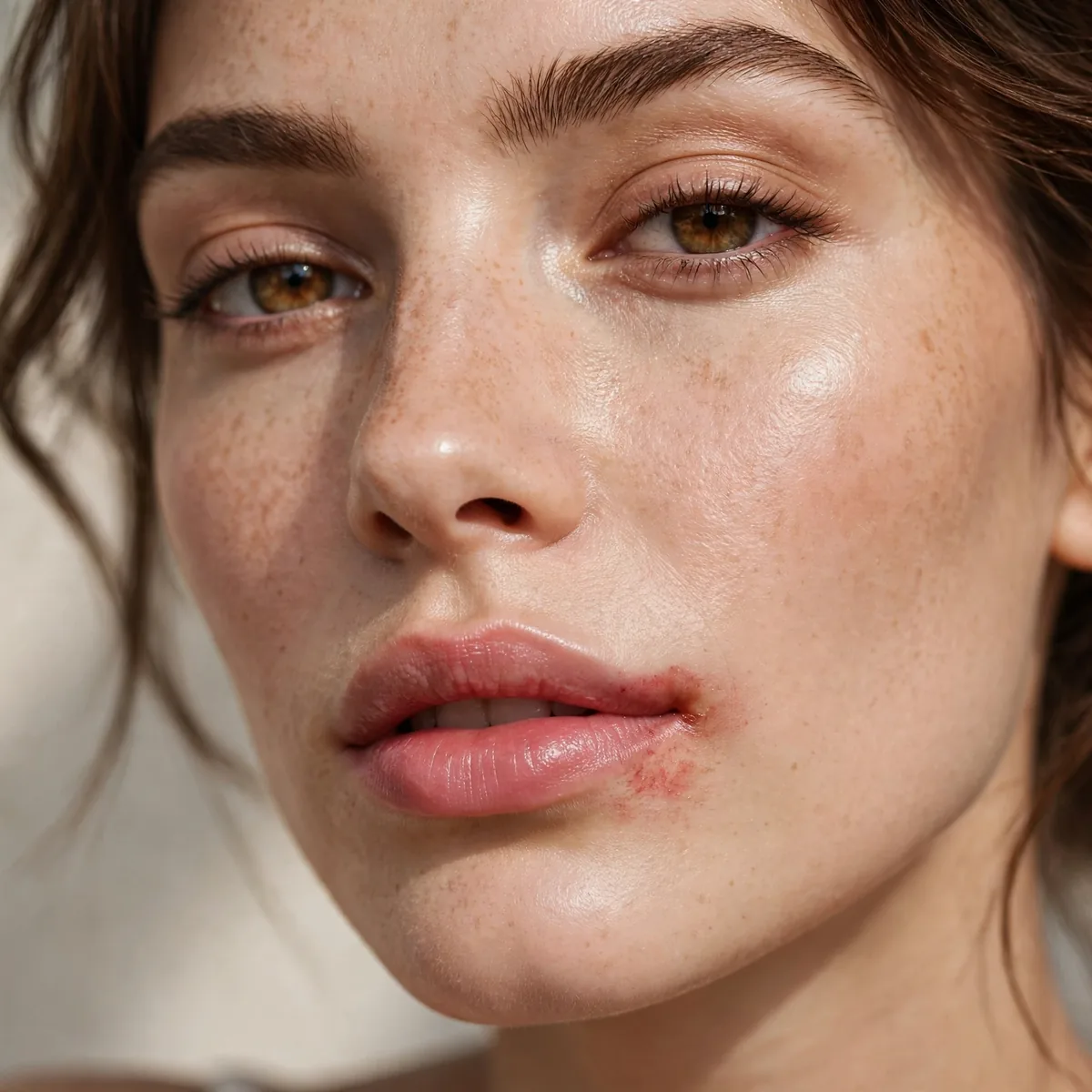
Stains survive meals; lipsticks transfer onto everything.
For dinner dates, stain is the only sane choice. Our long-wear guide agrees.
Not all meals treat stain equally — water-based foods like fruit and salads barely disturb it, while oily dishes are the real enemy. If dinner is the main event, apply your stain at home, let it set fully, then blot before leaving; the blotting removes surface slip and leaves only the dyed color. After eating, check the center of the lower lip first — that's where fading always starts — and press a matching lipstick just there.
Drinking through a straw preserves any lip color dramatically — it's the single easiest longevity trick that exists. The mistake is reapplying stain over stain after a meal; the fresh layer grabs unevenly over the faded one and turns patchy. Instead, refresh with a creamy lipstick in a matching shade — it blends over the remaining stain seamlessly and buys you several more hours without starting over.
Reapplication: Lipstick
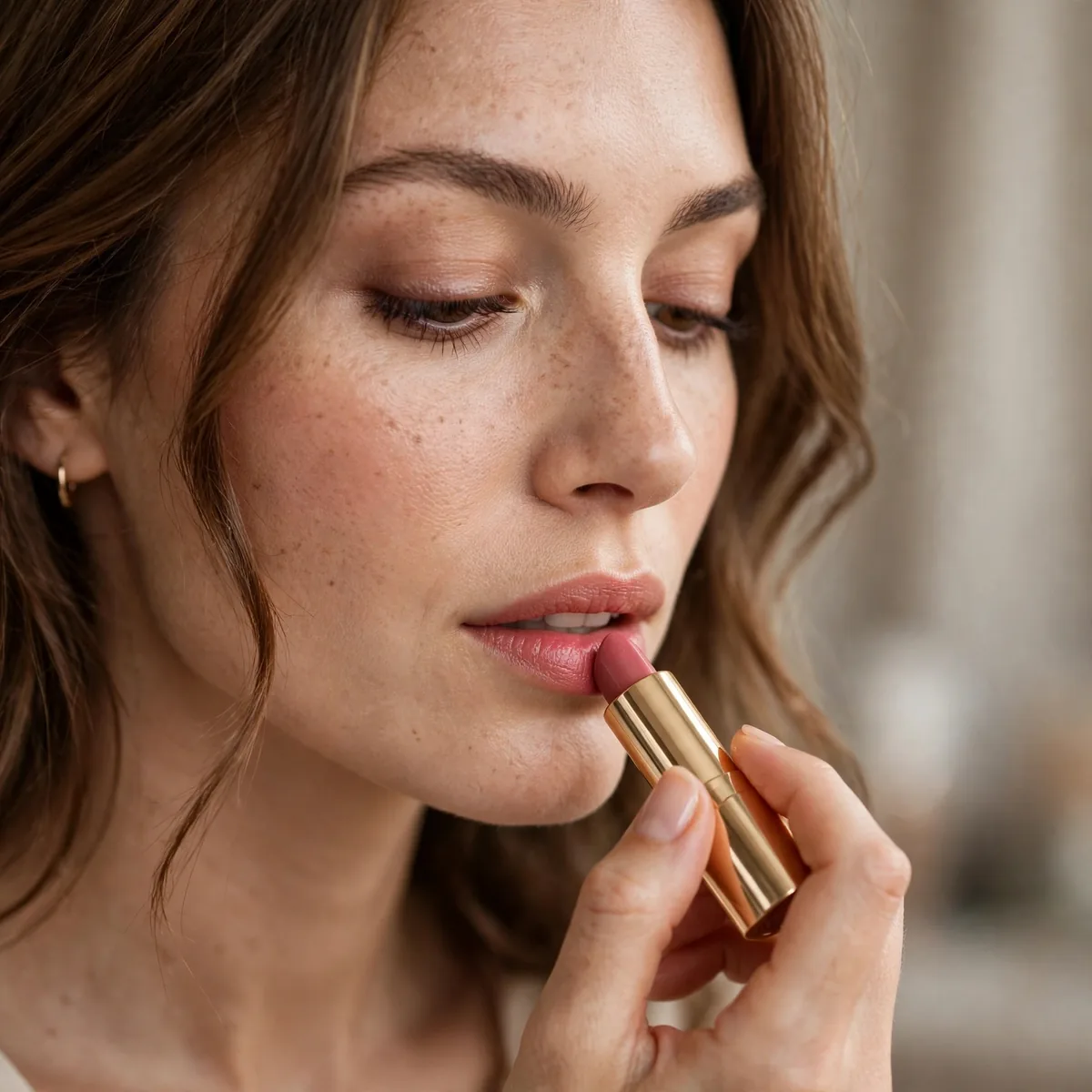
Lipstick reapplies easily; stain layering gets patchy.
The touch-up favors lipstick. Stains are apply-once formulas.
The beauty of lipstick reapplication is its simplicity — blot the old layer gently, then apply fresh color straight from the bullet; no mirror precision needed for sheer or satin shades. Keep the lipstick in your bag, not your pocket, since body heat softens the bullet and makes application messy. For bold shades, carry the matching liner too; a quick edge refresh keeps the whole look sharp without a full redo.
The mistake is layering fresh lipstick over a full day of old product without blotting — the buildup turns cakey and settles into lip lines. After two reapplications, wipe the slate clean with micellar water and start fresh; it takes thirty seconds and the result looks brand new. This easy refresh cycle is exactly why lipstick wins for long days with no access to a proper mirror.
Finish Variety: Lipstick
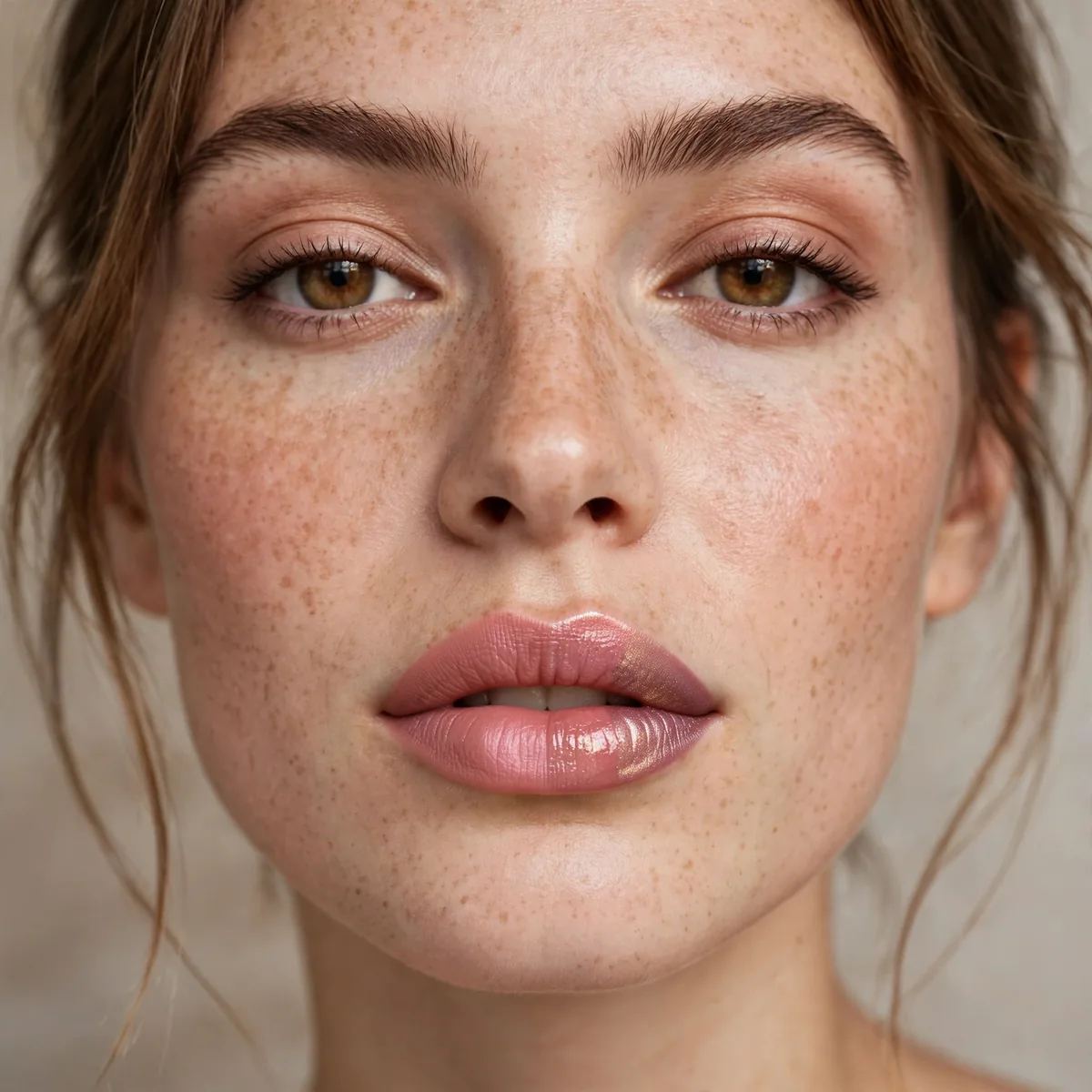
Matte, satin, gloss, metallic — lipstick offers every finish.
Stains come in fewer finishes. Variety belongs to lipstick.
Match the finish to the occasion — matte for long workdays when you can't touch up, satin for everyday polish, gloss for evenings when you want dimension. Mature lips should favor satin and cream finishes; matte formulas emphasize lip lines, while satin reflects light and smooths. Metallics and frosts suit evenings and parties best, where artificial light makes them glow rather than look dated.
The mistake is wearing a matte liquid lipstick daily without proper lip care — the formula's longevity comes at the cost of moisture, and daily use without exfoliation leads to chronic flaking. Rotate finishes through the week: matte on busy days, satin or gloss on gentler ones. Your lips stay healthier, and the variety keeps your makeup feeling fresh instead of repetitive.
Dry Lips: Lipstick (Creamy)
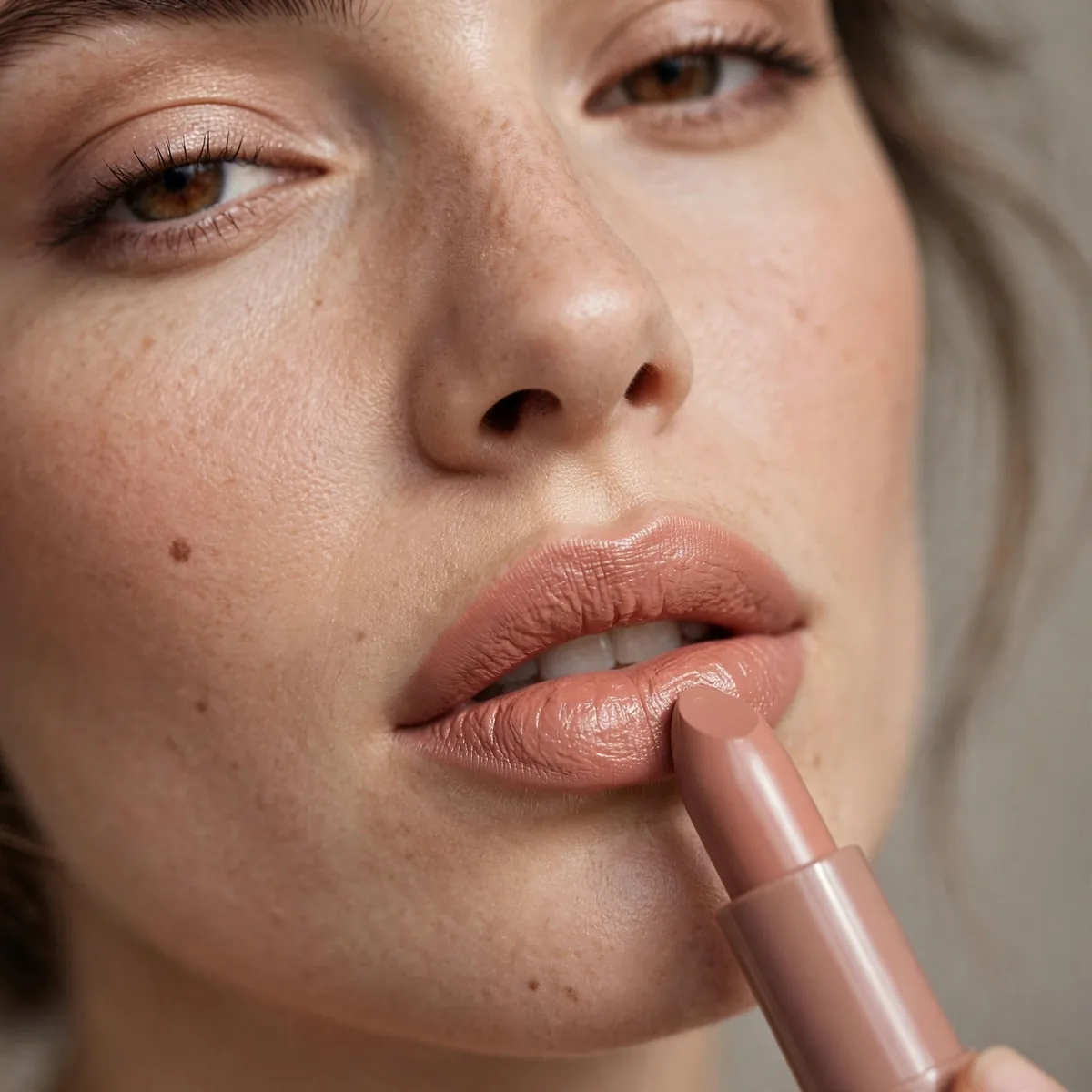
Creamy lipsticks hydrate; many stains dry.
Dry lips should choose hydrating formulas regardless of category.
Build a nightly lip routine and daytime dryness improves dramatically — exfoliate twice a week with a gentle sugar scrub, then sleep in a thick layer of lip mask with ceramides or shea butter. By morning, lips are smooth enough for any formula. During the day, choose creamy lipsticks with squalane or vitamin E; they deposit color and treatment together, so your lips improve while you wear them.
The mistake is applying creamy lipstick over flaky lips expecting the creaminess to fix the texture — it won't, and the color catches on every flake. Prep first, always: smooth lips make any lipstick look twice as good. In winter, carry a lip balm and layer it under your lipstick; the balm acts as a moisture barrier against harsh air, and creamy formulas glide over it beautifully.
The Layering Combo
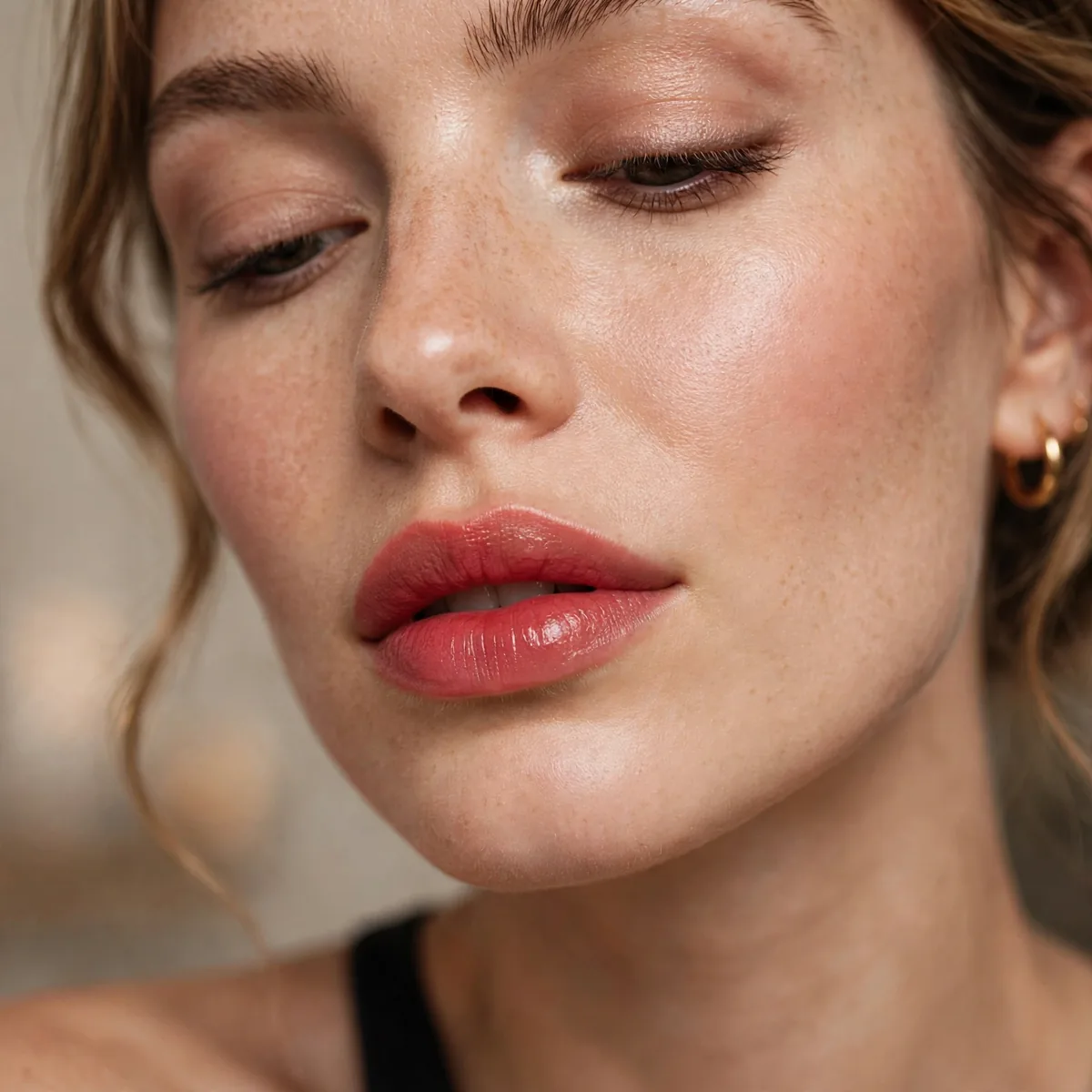
Stain as base, lipstick on top — the best of both.
The stain provides longevity; the lipstick provides finish. Together they’re unbeatable.
The order is everything — apply the stain first to clean, dry lips and let it set for two full minutes; rushing this step is why most layering attempts fail. Then press the lipstick over it, starting at the center and blending outward, so the stain's longevity anchors the lipstick's finish. Match the undertones, not just the color family: a cool stain under a warm lipstick creates a muddy disconnect as the top layer fades.
The mistake is choosing a dark stain under a sheer lipstick — as the sheer top fades, the dark base shows through unevenly and the lip looks stained in patches. Keep the stain close to the lipstick's depth, or go slightly deeper with the stain for a natural ombre as the day wears on. This combo is the ultimate wedding-day lip: the stain survives the ceremony, and the lipstick keeps it looking fresh in photos.
Removal Difficulty: Stain Harder
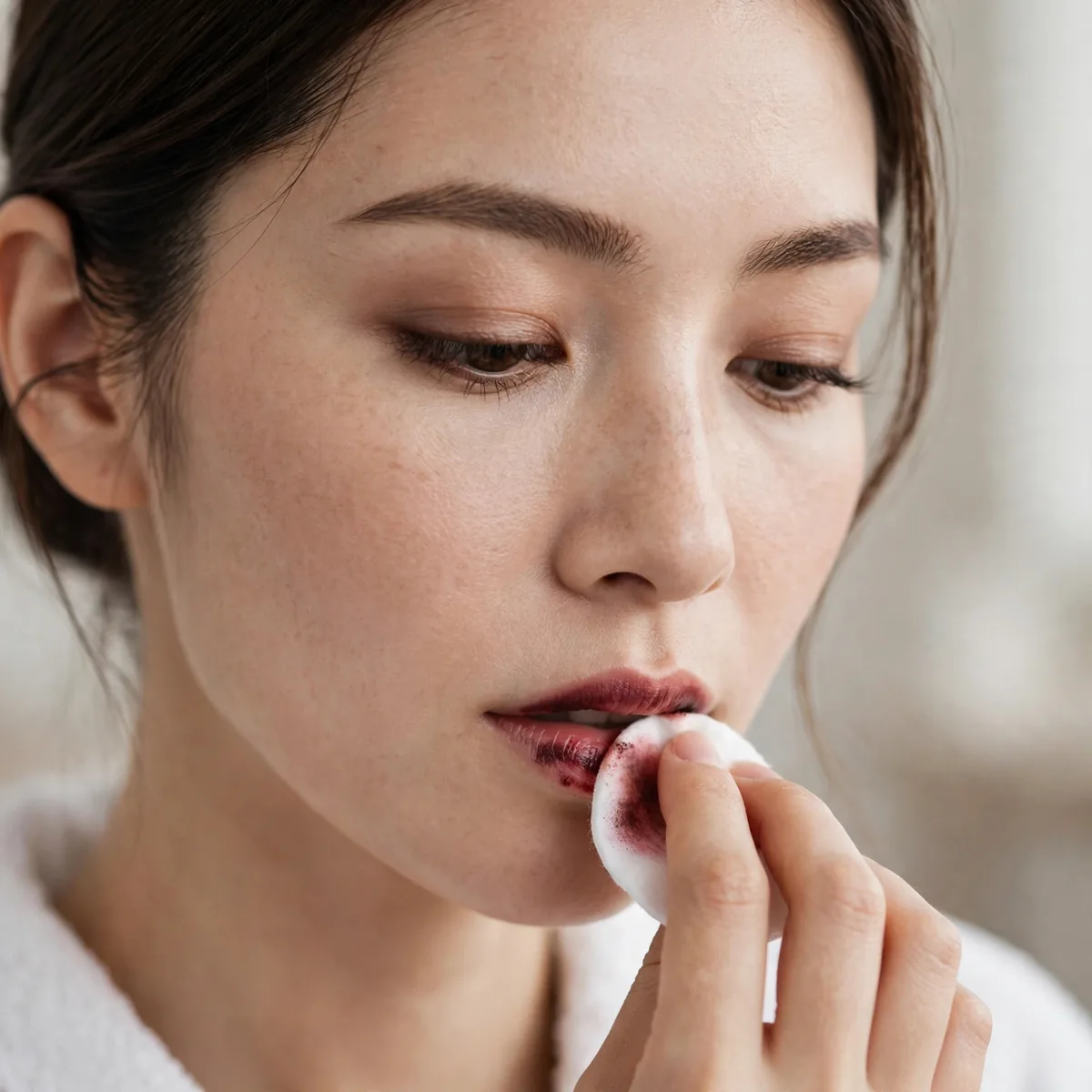
Stains resist removal — the price of longevity.
Oil-based removers work best. Accept that stain removal takes effort.
Never scrub a stain off — the friction irritates lips and the color still won't budge evenly. Instead, soak a cotton pad with an oil-based remover or micellar water, press it onto the lips for thirty seconds, then wipe gently; the oil dissolves the dye without a fight. Follow immediately with a thick lip balm, since removal strips the lips' natural moisture along with the color.
The mistake is sleeping in leftover stain — it dehydrates lips overnight and the faded color looks uneven by morning. Always remove fully before bed, even when you're tired; the thirty-second soak is faster than fixing dry, stained lips the next day. For waterproof or long-wear stains, a dedicated lip makeup remover works better than a general face cleanser, which often leaves a pink shadow behind.
Price Comparison
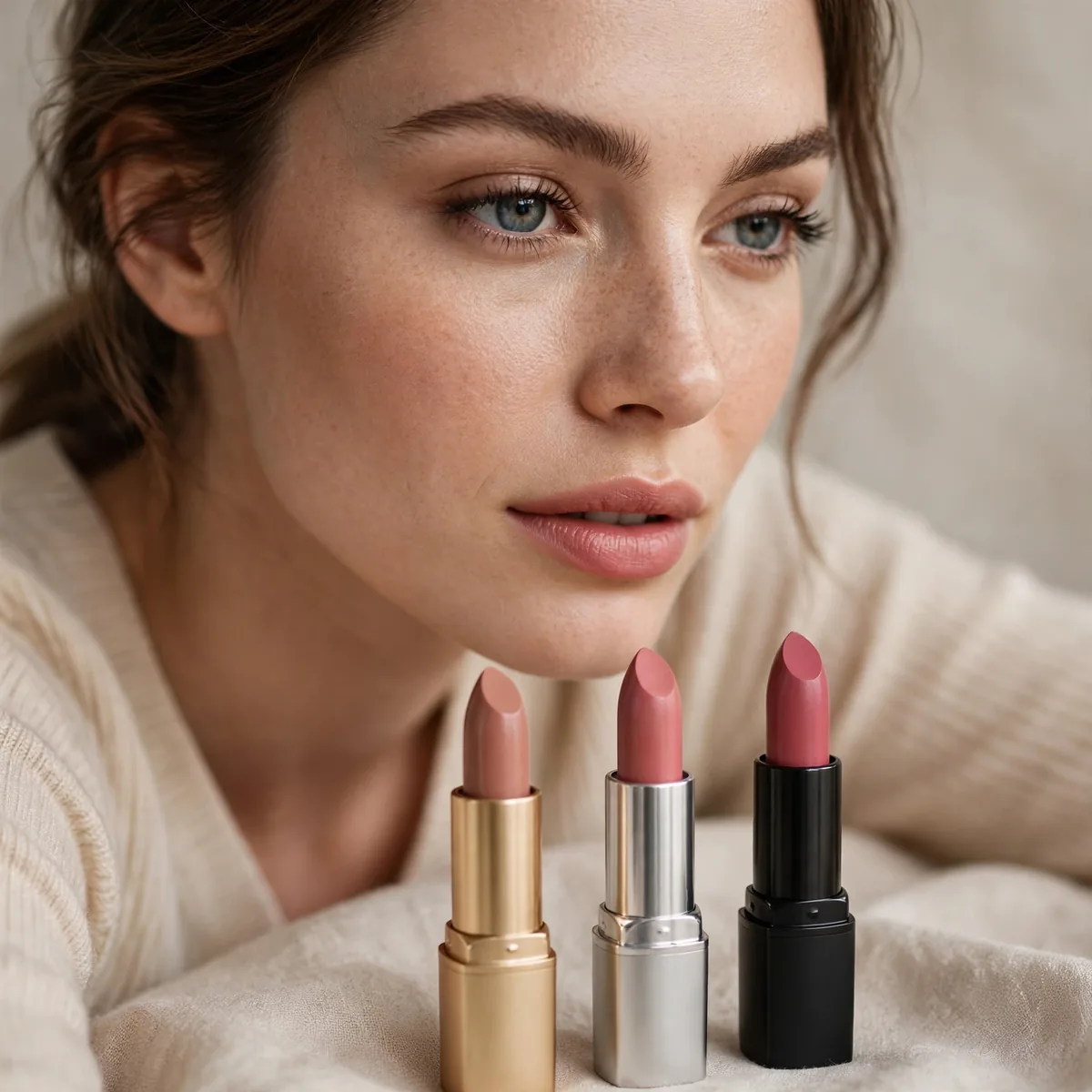
Both categories span drugstore to luxury.
Price doesn’t determine the winner. Formula quality does, at every price.
Save on stains and splurge on lipsticks — that's the smart budget rule. Stain formulas are relatively simple, and excellent drugstore options perform nearly identically to luxury ones. Lipstick, though, rewards investment: pricier bullets offer better pigment milling, smoother application, and more comfortable wear. If your budget covers one luxury lip product, make it the creamy everyday lipstick you reach for most.
The mistake is assuming price equals longevity — some luxury stains fade faster than drugstore ones, and some budget lipsticks outwear designer bullets. Test wear time yourself rather than trusting the price tag; apply in the morning and check at lunch, no touch-ups. Reviews from real wearers beat marketing claims every time, especially for the all-day wear promises that rarely survive a real day.
Travel Friendliness: Stain
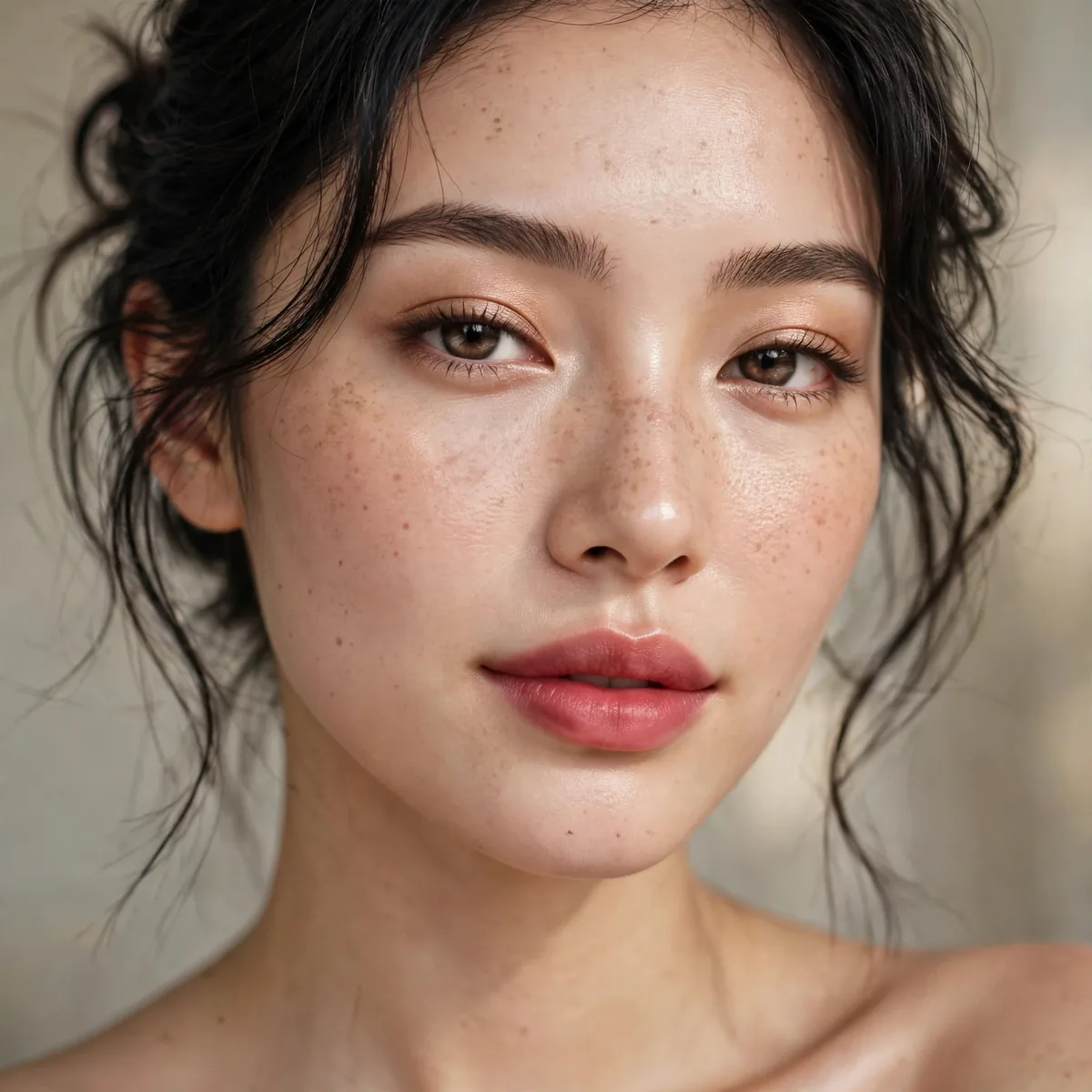
Stain’s longevity means less to carry.
One morning application covers the whole day. Travel light with stain.
A stain earns its place in a carry-on by multitasking — many lip stains double as cheek tints, so one product covers lips and cheeks with a matching flush. Dab a tiny amount on the apples and blend quickly with fingers; stains set fast, so work one cheek at a time. This trick cuts your makeup bag down beautifully for weekend trips when every inch of luggage counts.
The mistake is packing only a stain for a long trip — by day three, lips often need the comfort of a creamy formula, and stain-over-stain layering gets patchy. Pack the stain plus one creamy lipstick in a matching shade; together they cover every scenario from long sightseeing days to nice dinners. Toss in a lip balm too — travel air, planes especially, is brutally drying.
Office Wear: Either
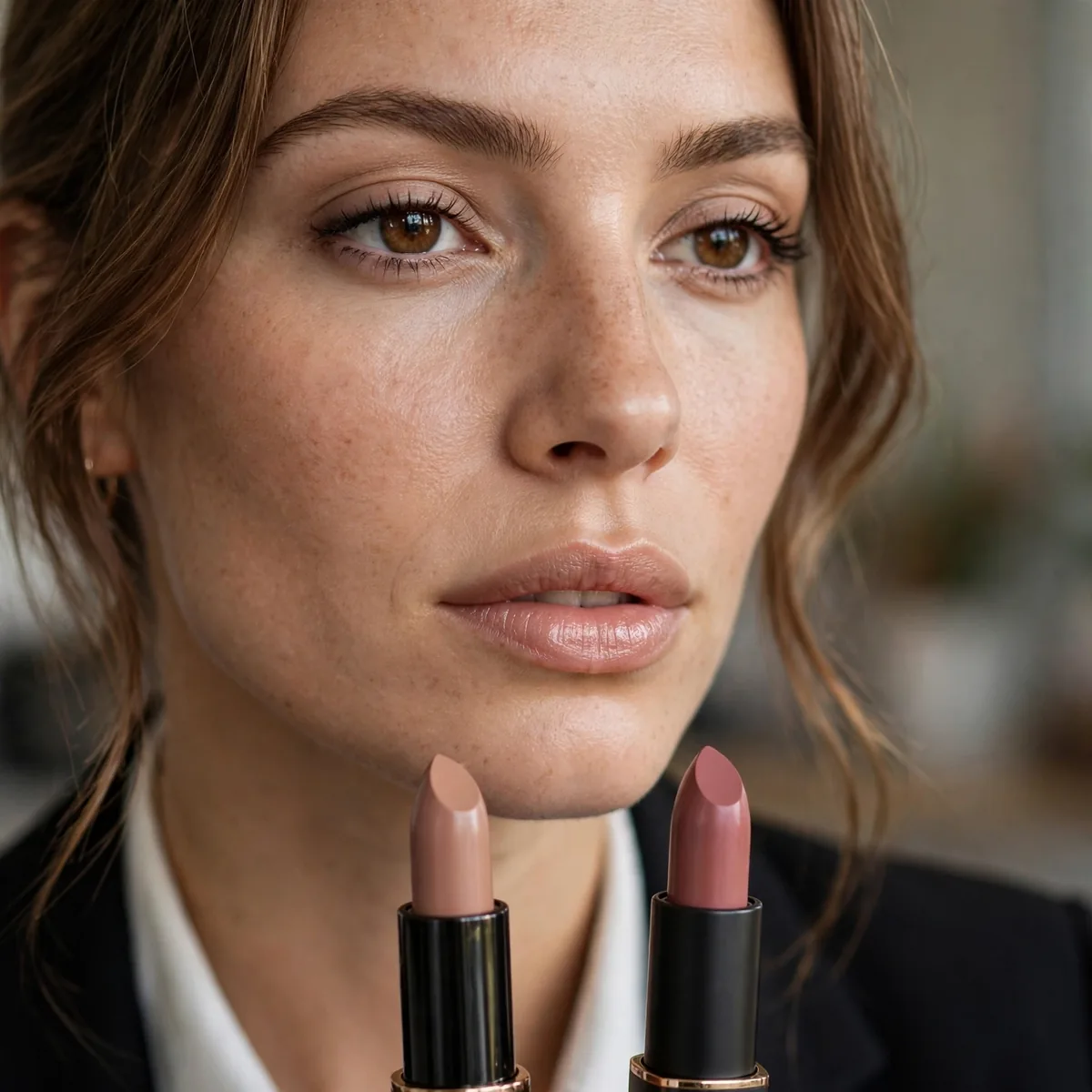
Sheer stain or satin lipstick both suit offices.
Our nude guide has work shades. The workplace accepts both when done tastefully.
For the office, stay in the MLBB family — my-lips-but-better shades like soft rose, warm nude, and sheer berry read as polished without drawing focus. A sheer stain is the lowest-maintenance choice: apply once in the morning and forget it through meetings and lunch. If you prefer lipstick, choose a satin finish; it looks professional and touches up in seconds between appointments.
The mistake is wearing a bold red to a conservative office without testing the waters — in creative workplaces it's power, in traditional ones it's a distraction. When in doubt, start sheer and build up over weeks; colleagues adjust to gradual change. Keep a neutral lipstick in your desk drawer for surprise video calls — a quick swipe reads as put-together even on the most exhausting days.
Evening Drama: Lipstick
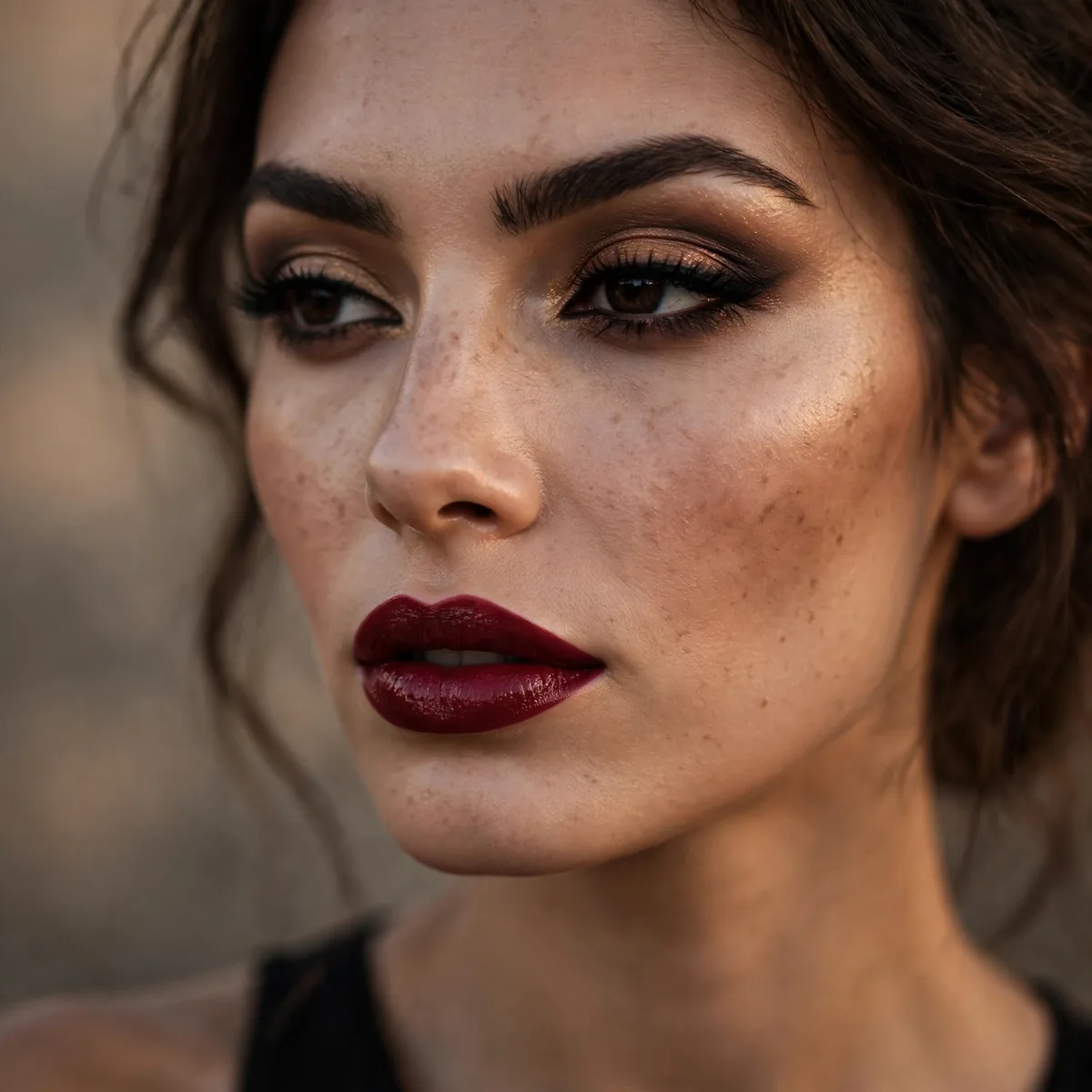
Evening boldness needs lipstick’s opacity and finish options.
Night looks demand presence. Lipstick delivers what stain can’t.
For evening, depth is your friend — oxblood, deep plum, and classic blue-red photograph beautifully under artificial light, where sheer shades disappear. Choose based on undertone: warm skin glows in brick and burnt orange-red, cool skin stuns in cherry and wine. Apply over a stain base in a matching shade and the drama survives dinner, drinks, and dancing without a single touch-up.
The mistake is skipping liner with a dark evening shade — deep lipstick bleeds into fine lines as the night wears on, and liner is the barrier that prevents it. Fill the entire lip with liner first, not just the edges; the full base grips the lipstick for hours. Keep eyes smokey but neutral in tone so the lip stays the undisputed star of the evening face.
Beginner Friendliness: Lipstick
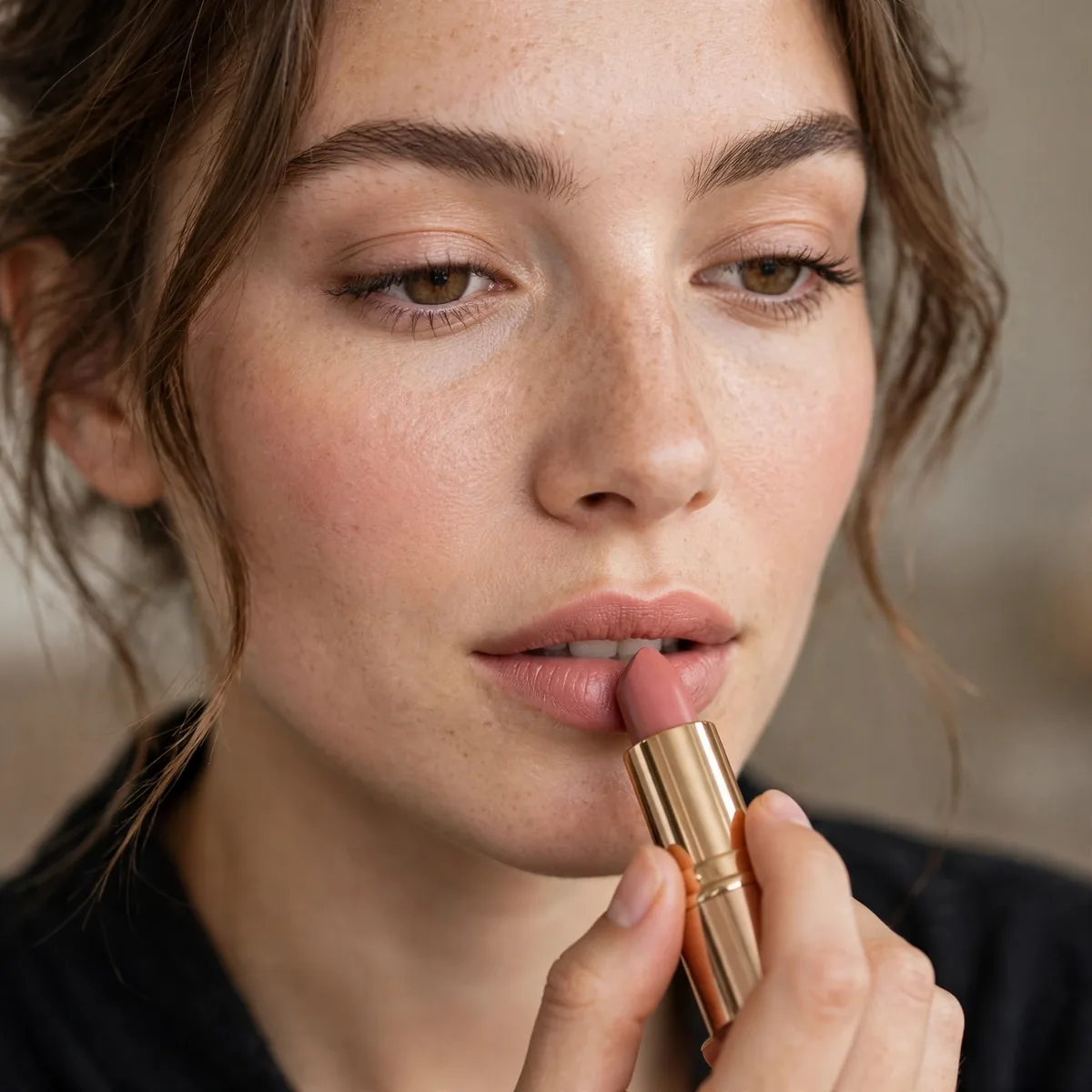
Lipstick is more forgiving — mistakes wipe away.
Stain mistakes stain. Beginners should master lipstick first.
Beginners should start with sheer and forgiving formulas — a tinted lip balm or sheer lipstick teaches application without the pressure of precision. Choose a shade close to your natural lip color; mistakes blend invisibly and confidence builds fast. Practice the basic technique: apply from the center outward, then blot — the blotting step alone makes any application look more professional.
The mistake beginners make is starting with a dark matte liquid lipstick — the least forgiving formula in existence. Dark mattes demand perfect edges and punish every wobble, which is discouraging when you're learning. Graduate to bolder shades and trickier finishes only after the basics feel easy; lipstick skills build like any other, one comfortable step at a time.
The Hybrid Products
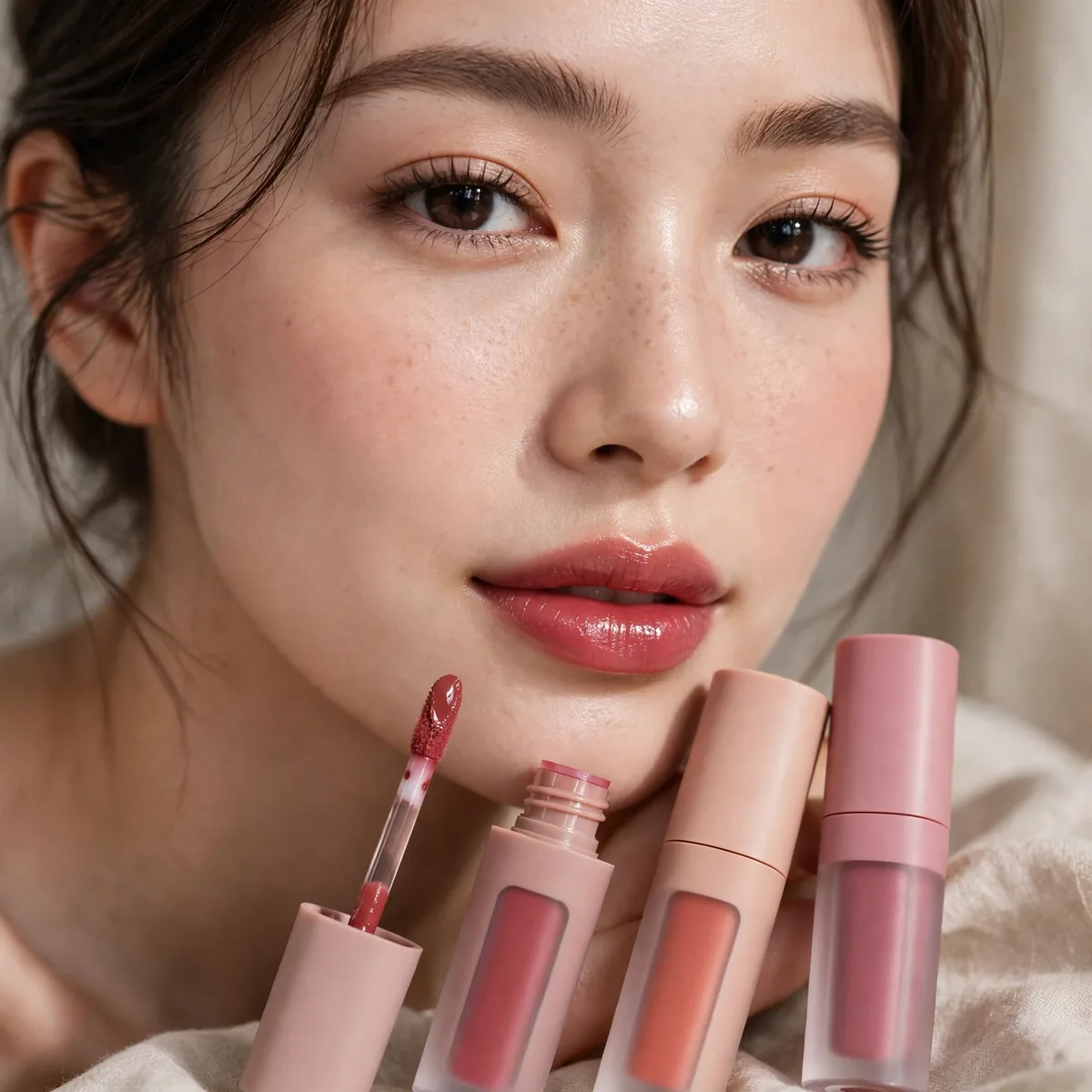
Stain-lipstick hybrids offer middle-ground performance.
The category is blurring. Hybrids give stain longevity with lipstick comfort.
Hybrids typically work as a stain core with a balm-like outer layer — the stain grips the lip tissue while the comfortable layer keeps lips feeling good. Apply them like a lipstick, straight from the bullet or doe-foot, and let the formula do the dual work. They suit anyone torn between the two categories: commuters who want longevity without dryness, minimalists who want one product instead of two.
The mistake is expecting a hybrid to match a true stain's wear time — it won't, and that's fine; it was never meant to. Think of hybrids as comfortable lipsticks with bonus longevity, not as stains with bonus comfort. For the best of both worlds, the classic layering combo still wins; hybrids are for days when you want simplicity, not maximum performance in either direction.
Seasonal Strategy
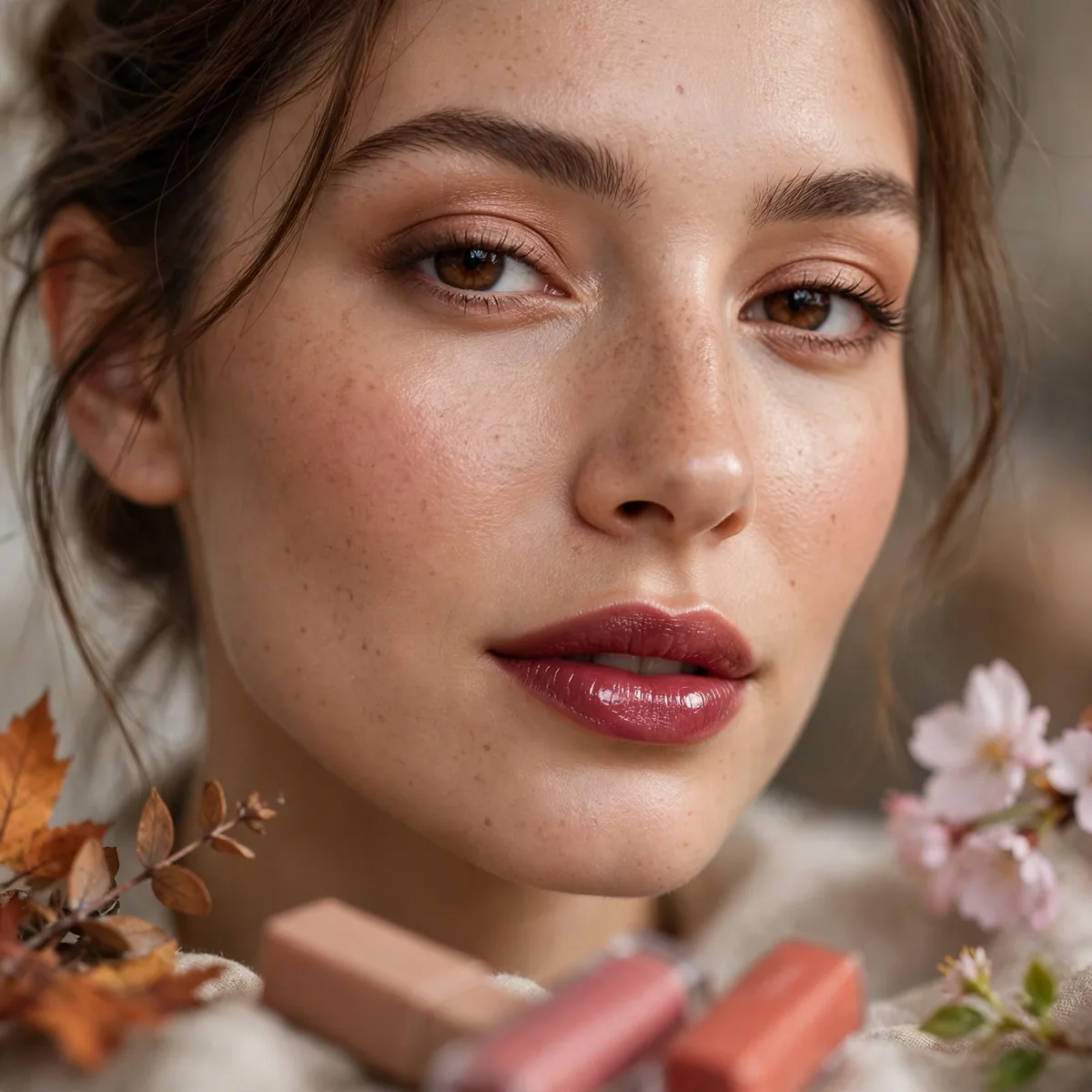
Summer: stain (heat-proof). Winter: creamy lipstick (hydrating).
Adapt by season. Climate determines the winner more than preference.
Spring calls for fresh, light color — sheer stains in cherry and watermelon feel right as the weather warms, and they survive spring's unpredictable temperature swings. Autumn is lipstick season: rich berries, warm bricks, and deep plums match the season's mood and wardrobe. The transitional trick is finish, not just shade — as humidity drops in fall, shift from matte to satin and cream finishes before the air turns truly dry.
The mistake is wearing summer's lightweight stain through deep winter without adjusting — cold air dehydrates lips fast, and a drying stain over chapped lips looks rough. When winter hits, switch to creamy lipsticks and keep a lip oil in your bag; the oil revives any formula midday. Seasonal rotation isn't just about color trends — it's about giving your lips what the weather demands.
Your Lip Wardrobe
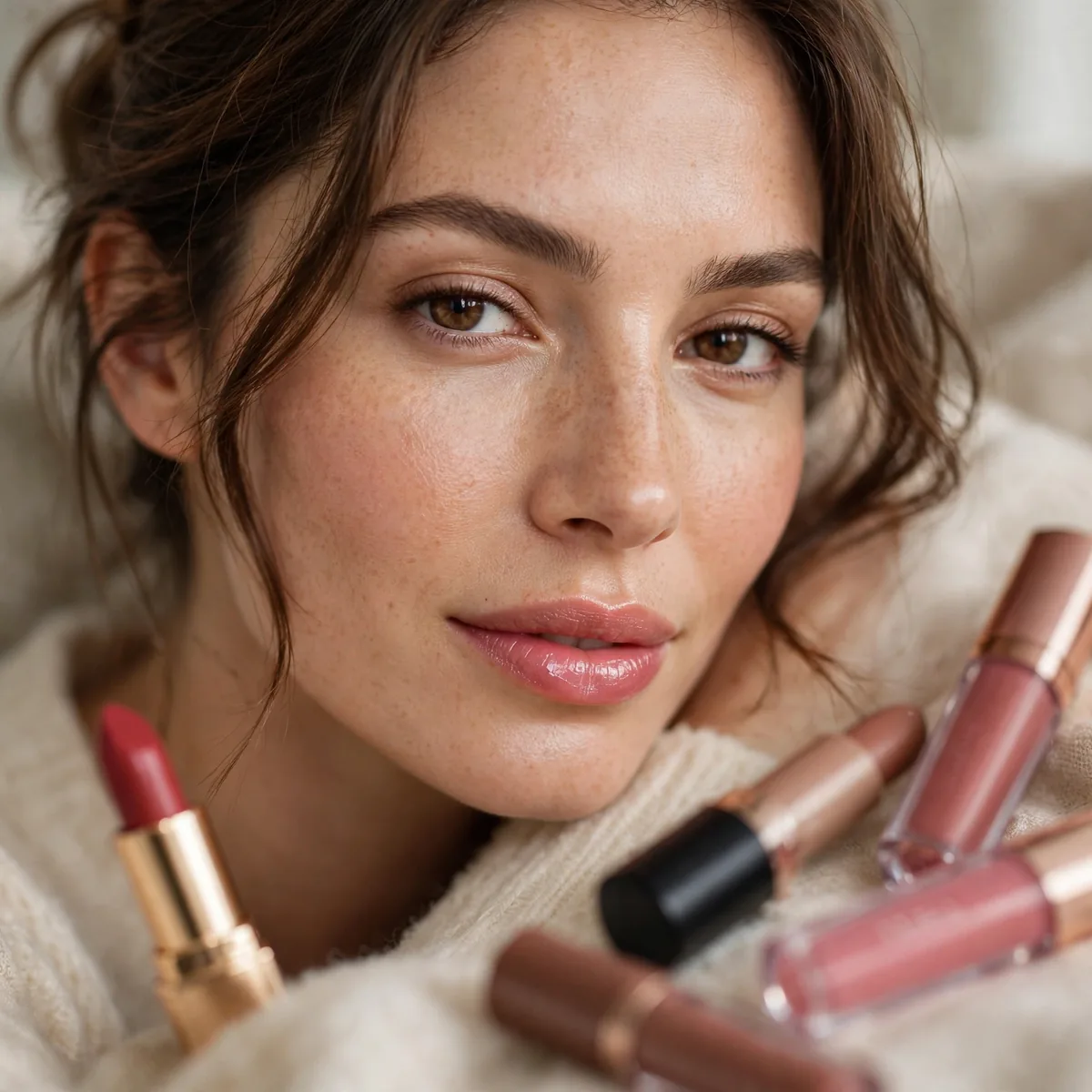
Own both: a daily stain and a statement lipstick minimum.
For shade selection, our red guide and nude guide help. Versatility beats loyalty.
Build the wardrobe in this order: a daily MLBB shade you can apply without a mirror, a classic red that suits your undertone, a deep berry for evening, and a sheer gloss for low-effort days. Four products cover nearly every scenario, and each one earns its place. Choose the red carefully — warm undertones glow in orange-reds, cool undertones stun in blue-reds — since the wrong red sits unworn.
The mistake is buying ten trendy shades and no staples — trends fade, but the daily nude and the classic red get used weekly for years. Before buying anything new, check for duplicates; most people own three nearly identical nudes without realizing it. A tight, intentional wardrobe beats a crowded drawer every time, and your lips will thank you for the consistency.
The Final Verdict
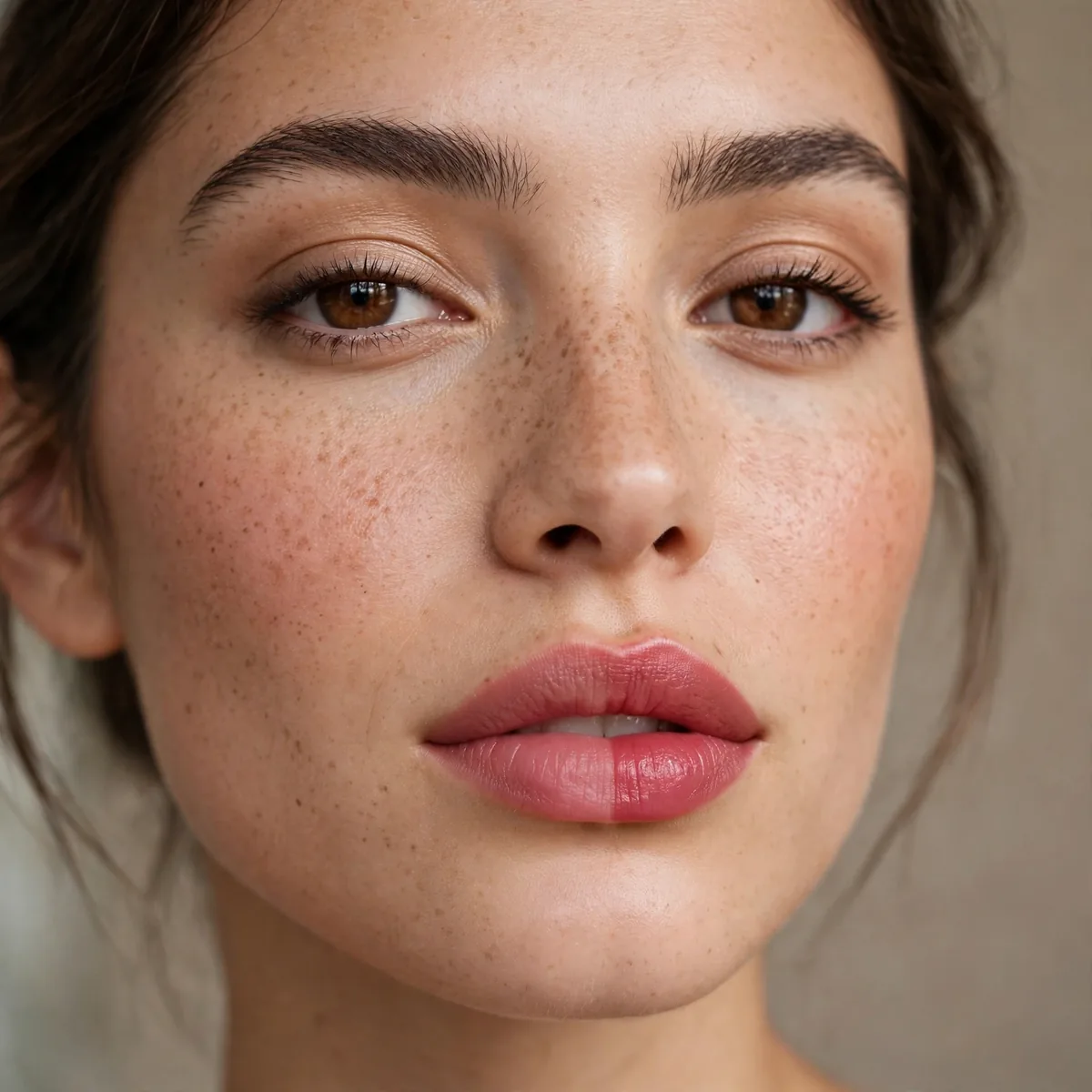
Longevity: stain. Impact: lipstick. Best routine: both, layered.
There’s no single winner — only the right tool for the day. Own both, choose wisely.
Decide by your day, not by loyalty — long meeting days call for stain, photo-heavy events call for lipstick, and most ordinary days are happy with the layered combo. Keep one of each in your bag and the decision takes ten seconds each morning. Your lips, your schedule, and the weather are better guides than any brand's marketing about which formula reigns supreme.
If you buy only two lip products this year, make them a sheer berry stain and a satin lipstick in your perfect MLBB shade — together they handle workdays, weekends, evenings, and everything between. Start with the stain on bare lips, add the lipstick when you want more, and you've built a routine that adapts instead of constrains. That's the real verdict: versatility wins.
Both belong in your kit — pin this comparison. For longevity techniques, see long-lasting lipstick tips, or find shades in red lipstick shades.