
Taupe is the neutral that actually does something.
Not quite brown, not quite gray — taupe sits in the perfect middle, giving you definition with a cool sophistication that warm browns can’t. It’s the smokey eye for people who don’t wear smokey eyes.
It’s also incredibly forgiving. Cool tones recede, which means taupe minimizes puffiness and lid texture rather than emphasizing it.
Here are 18 ways to wear it. Let’s get into it.
Classic Taupe Smokey
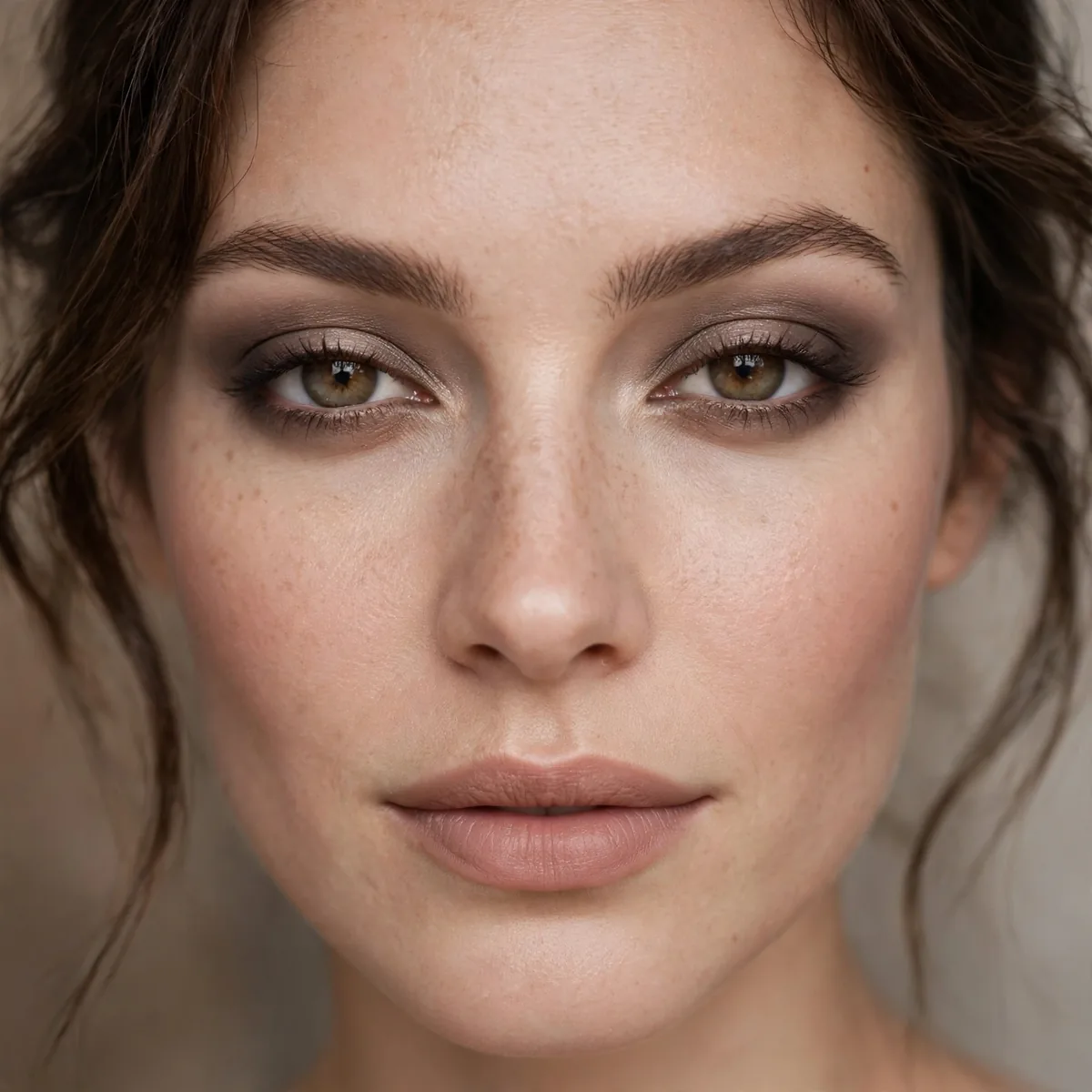
Taupe smoked from lash line to crease — the definitive neutral smokey. Polished, modern, endlessly wearable.
Build in layers: medium taupe first, then deepen the outer corner. Patience makes the blend.
Hooded and deep-set eyes thrive with this look because taupe’s gentle depth adds dimension without emphasizing texture. Carry the crease color slightly above the natural socket line so it stays visible when eyes are open. Blend with small windshield-wiper motions using a fluffy crease brush, and press a clean brush along the outer edge to soften any harsh line.
Longevity hinges on preparation: an eye primer plus a light dusting of translucent powder keeps taupe from fading or settling into creases. Choose a cream-to-powder base for oily lids and set it before layering powder shadow. Waterproof cream liners in taupe-brown survive humidity, and a fine-mist setting spray locks the blend in place through evenings and outdoor events alike.
Cool Taupe Wash
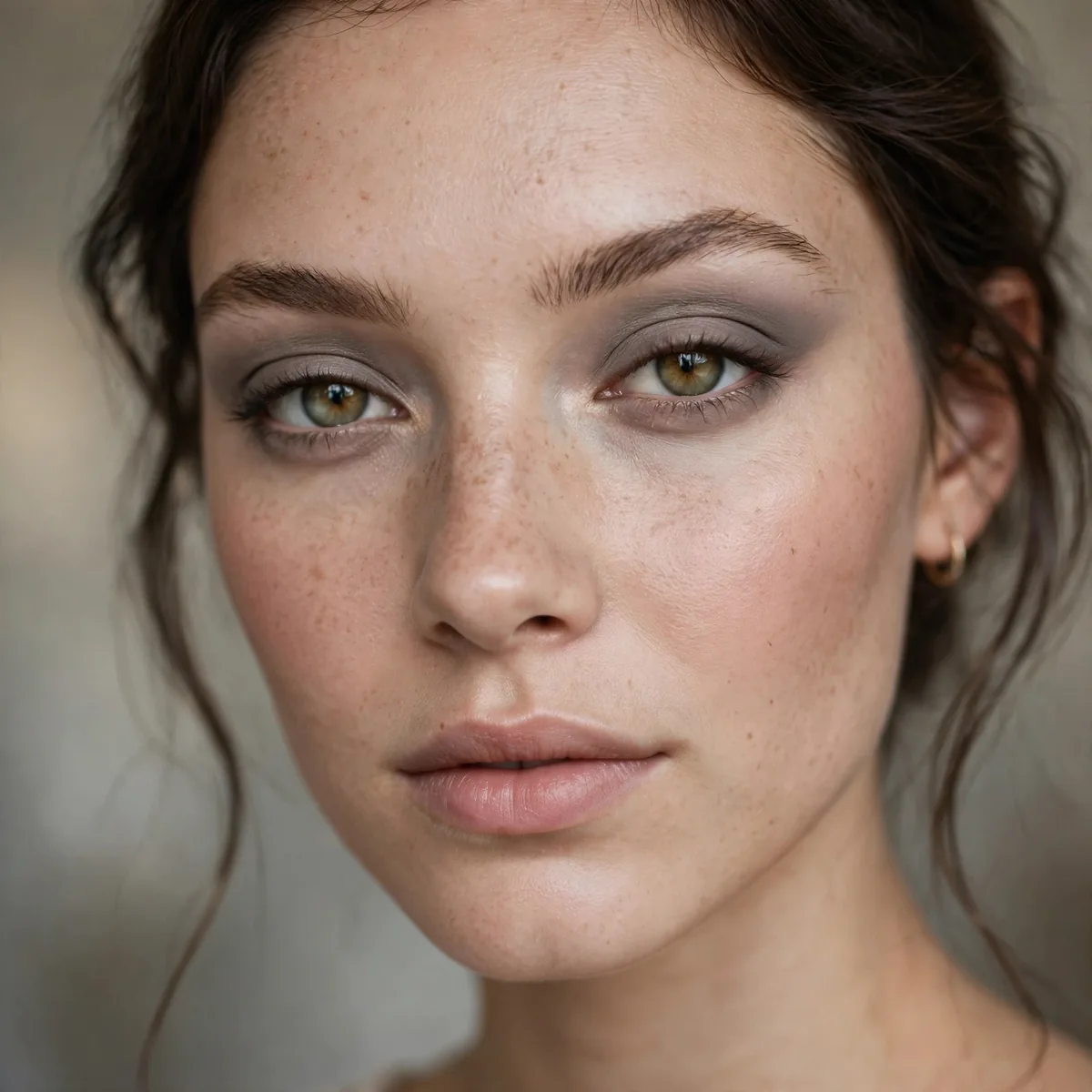
One cool taupe swept across the lid — the minimalist’s definition.
Best for cool skin tones. The coolness is what makes it look intentional rather than muddy.
The secret to this minimalist look is placement: sweep a single cool taupe from lash line to just above the crease with a soft wash brush, keeping the pigment sheerest at the edges. Layer twice for opacity rather than pressing harder once. A dampened flat shader brush can intensify the center lid for evening without adding a second color.
Skipping primer is the classic mistake here, because cool taupes turn muddy against warm skin oils. Set lids first so the gray undertone stays true. Keep the rest of the face restrained: a soft rosy blush and a sheer nude lip let the cool eye remain the quiet focal point, while groomed brows in a cool ash shade frame it without competing.
Taupe and Brown Duo
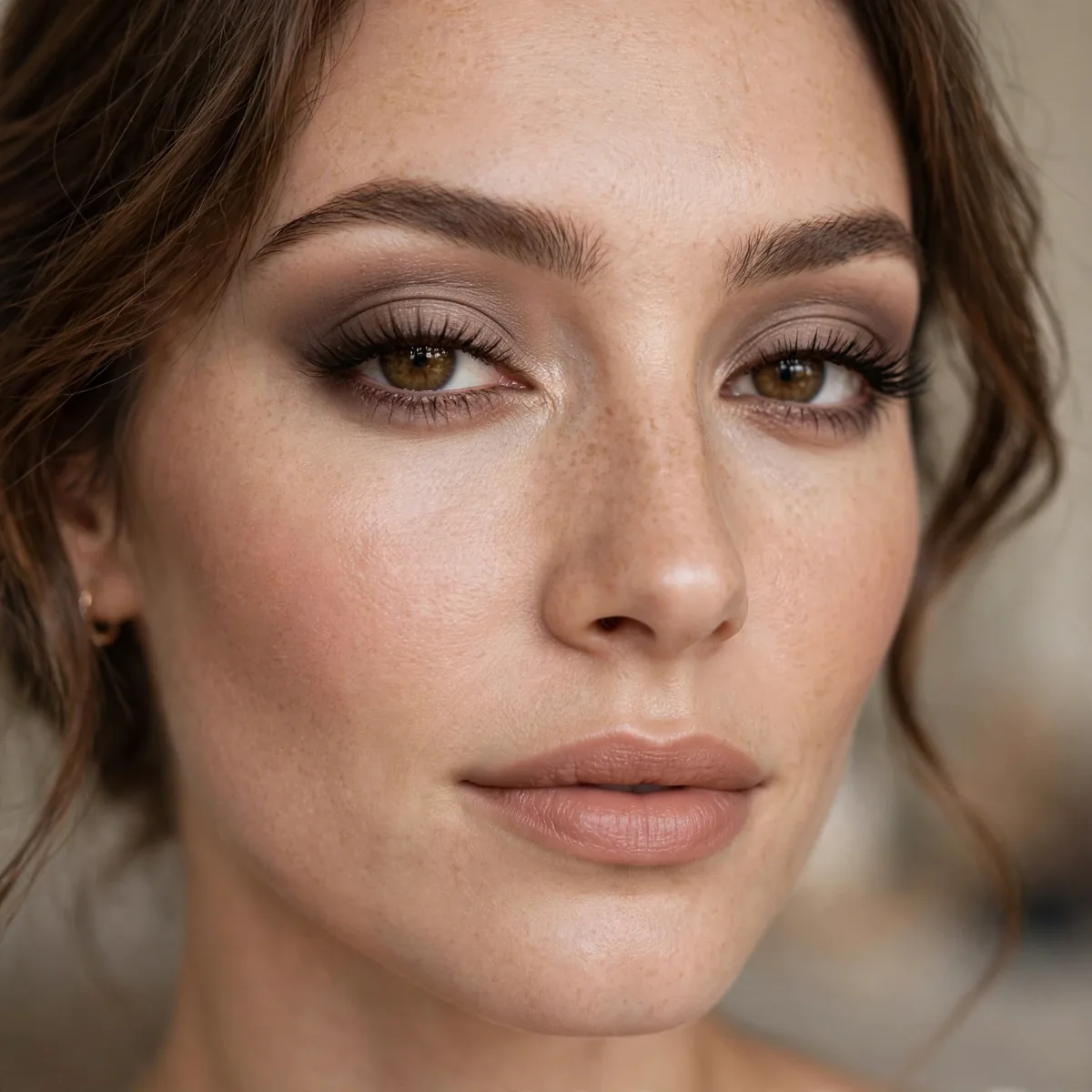
Taupe on the lid, warm brown in the crease — the temperature contrast creates beautiful dimension.
This pairing works on every skin tone. It’s the foolproof neutral combination.
Start with the taupe lid shade pressed on using a flat packing brush, then sweep warm brown through the crease with a fluffy blender. Diffuse the boundary between the two with small circular motions so neither sits as a stripe. Tap a hint of the brown along the outer lower lash line to echo the crease and make the eye look finished.
This duo transitions effortlessly: keep both shades sheer for daytime offices, then deepen the outer corner with more brown for dinner. The combination suits every season, but it truly shines in autumn when warm browns mirror the palette around you. For cooler months, swap the warm brown for a cocoa shade with a touch of gray to keep it seasonally sharp.
Mushroom Taupe Lid
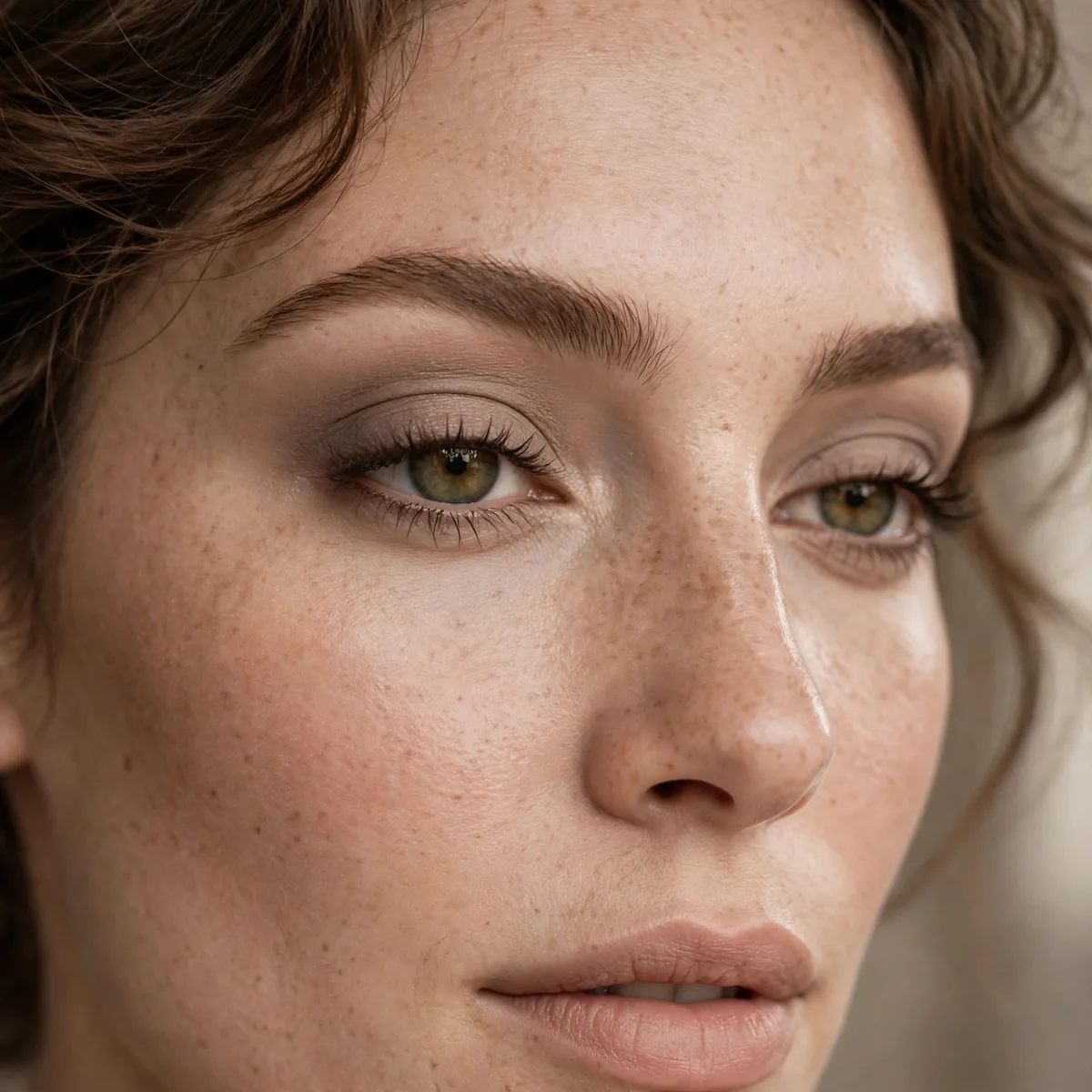
A soft mushroom shade with a satin finish on the lid — understated and chic.
The satin finish keeps it from looking flat. Matte mushroom can disappear; satin glows.
This gentle shade is a gift for mature eyes, since satin mushrooms blur fine lines instead of settling into them. It also suits fair to medium skin tones with neutral undertones beautifully. Those with deeper complexions can reach for a richer portobello-taupe to get the same soft-focus effect, paired with a satin formula that catches light delicately.
Because the eye stays so quiet, this look pairs beautifully with a bolder lip — a berry or soft red instantly balances the face. For a polished evening version, layer a thin wash of champagne shimmer just on the center lid and tightline with dark taupe. Keep cheeks light with a matte pink blush so the luminous lid remains the hero.
Soft Taupe Cut Crease
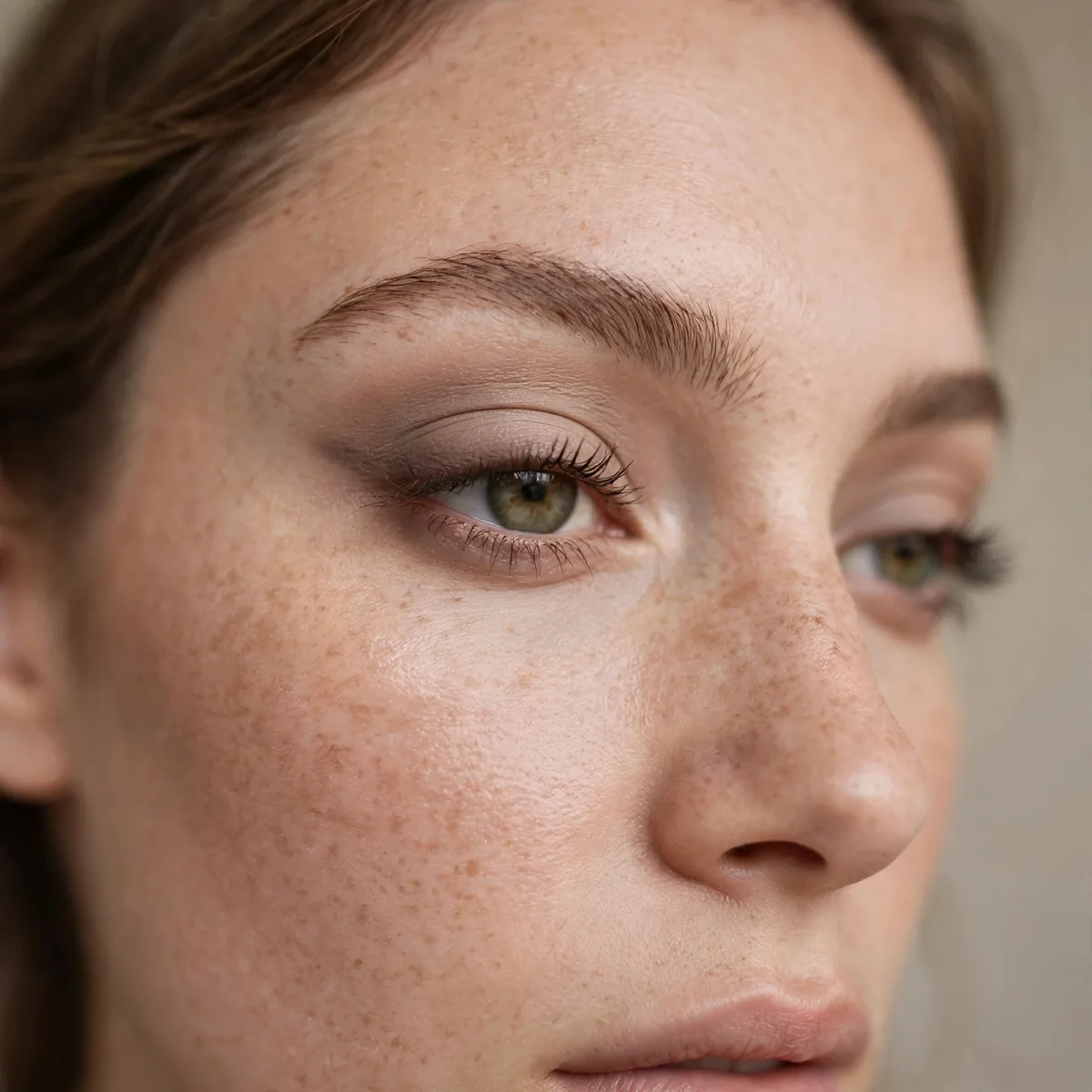
A diffused taupe cut crease — all the structure, none of the harshness.
Keep the edges blown out rather than sharp. Soft is the whole point of taupe.
Map the crease first with a small angled brush using taupe eyeshadow as a sketch before committing — this keeps both eyes symmetrical. Build the cut area by sweeping concealer onto the lid with a flat brush, leaving a soft half-moon of bare lid. Set the concealer with powder immediately, then press the taupe lid shade over it for a seamless, diffused transition.
The biggest mistake is making the cut too wide, which reads dated instead of dreamy — keep the bare-lid window modest. This technique flatters almond and deep-set eyes especially well, giving them structured openness. Those with very round eyes should keep the cut crease higher and softer to avoid over-rounding, and always blend the top edge so it melts into the brow bone.
Smudged Taupe Liner

Taupe shadow smudged along the lash line instead of liner — definition without a line.
The most natural "defined eye" there is. Perfect for the no-makeup makeup aesthetic.
Work with a short smudging brush and a creamy taupe shadow, dragging it close to the lashes in short back-and-forth strokes. The texture should look smoky, not scratched — so soften any sharpness immediately with a clean pencil brush. Keep the smudge tightest at the base and let it diffuse outward, and connect it subtly through the outer corner for a cohesive wingless finish.
This lived-in definition shines for daytime offices, weekend errands, and occasions where eyeliner feels too severe — think brunches and outdoor ceremonies. On oily lids, set the smudged shadow with a taupe pressed powder to prevent migration into the crease. Touch up at midday with a cotton swab swept beneath the lower lash line, keeping the diffusion soft rather than wiped away.
Warm Greige Blend
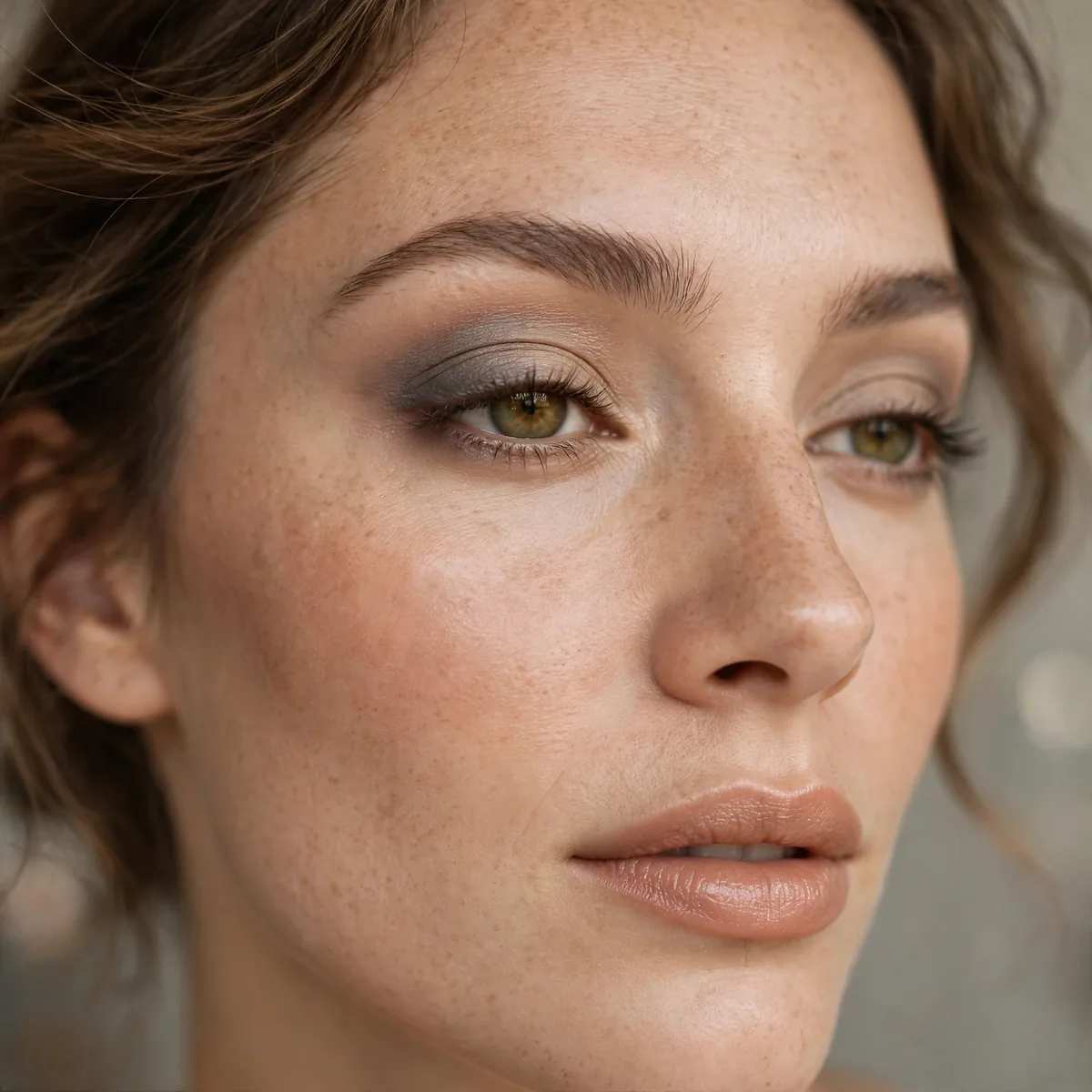
Greige (gray-beige) with warm undertones — the taupe that flatters warm skin.
Best for warm undertones that find cool taupes unflattering. Warmth is everything.
Warm greige was practically designed for warm and olive undertones, harmonizing with golden skin instead of fighting it. It also flatters green and hazel eyes beautifully, since the gray-beige warmth pulls out green flecks. Look for formulas with squalane or vitamin E in the powder base — they glide over textured lids and keep the warm pigment from turning chalky.
Lean into this shade during autumn and early spring, when its earthy warmth mirrors nature’s palette. It pairs gorgeously with peachy blushes and warm nude lips, creating a monochrome warmth across the face. For evening, deepen the outer V with a touch of chocolate brown and add mascara-heavy lashes — the warm greige keeps everything soft while the depth adds drama.
Taupe Halo Eye
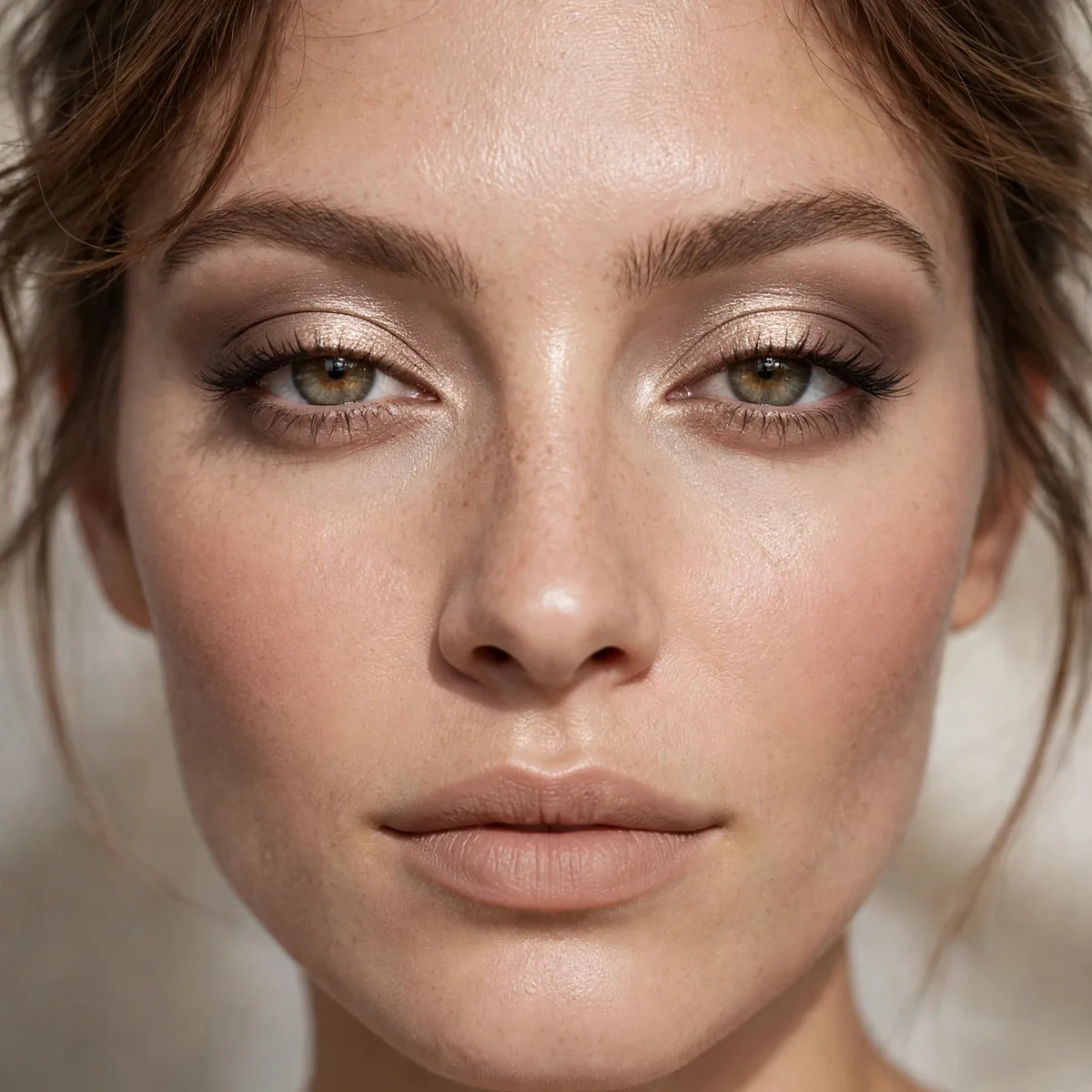
Deeper taupe edges with a light center — the halo opens up the eye beautifully.
A pale champagne center keeps it luminous. The contrast is subtle but effective.
The halo’s center light must sit directly over the iris, so apply it with the eye open and looking straight ahead. Pat a light shimmer or matte highlight onto the middle third of the lid using a fingertip or flat brush, keeping the edges feathered into the deeper taupe. The transition zones matter most — buff them until the light melts into the darker tones with no visible border.
This technique is magic for small or deep-set eyes, since the light center visually pushes the lid forward. Avoid using a shimmer with large glitter particles in the center — it can look gritty in daylight and photographs poorly. Choose a finely milled champagne or pearlescent taupe instead, and keep the inner and outer corners deep enough to frame the halo distinctly.
Deep Stone Outer V
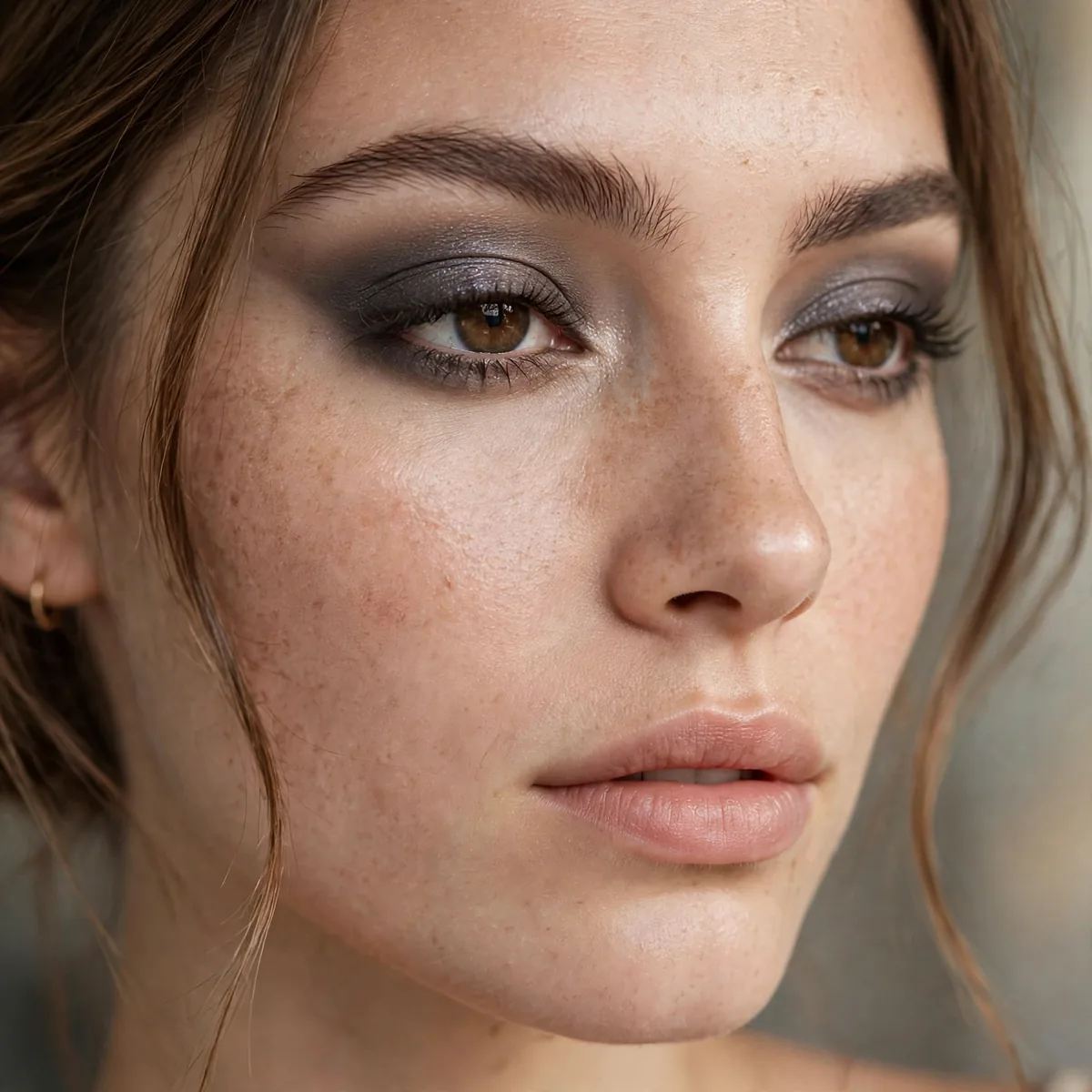
Deepen the outer V with dark stone-taupe for shape and sophistication.
The outer V is where smokey eyes get their structure — don’t rush this step.
Define the V with a small pencil brush, pressing dark stone-taupe into the outer corner in a sideways-V motion. Keep the shape compact — extending too far inward muddies the lid. Blend only the top edge upward and outward, leaving the lash-line edge crisp for structure. A touch of the same shade under the outer lower lashes connects everything beautifully.
The outer V suits round eyes especially well, adding elongated sophistication that counteracts circularity. For daytime, keep the V diffused and soft; for evening, deepen it with a second layer and add a smudged dark taupe tightline. Older eyes benefit from keeping the V’s outer wing angled slightly upward rather than dragging it down, which lifts the whole face.
Taupe Shimmer Lid
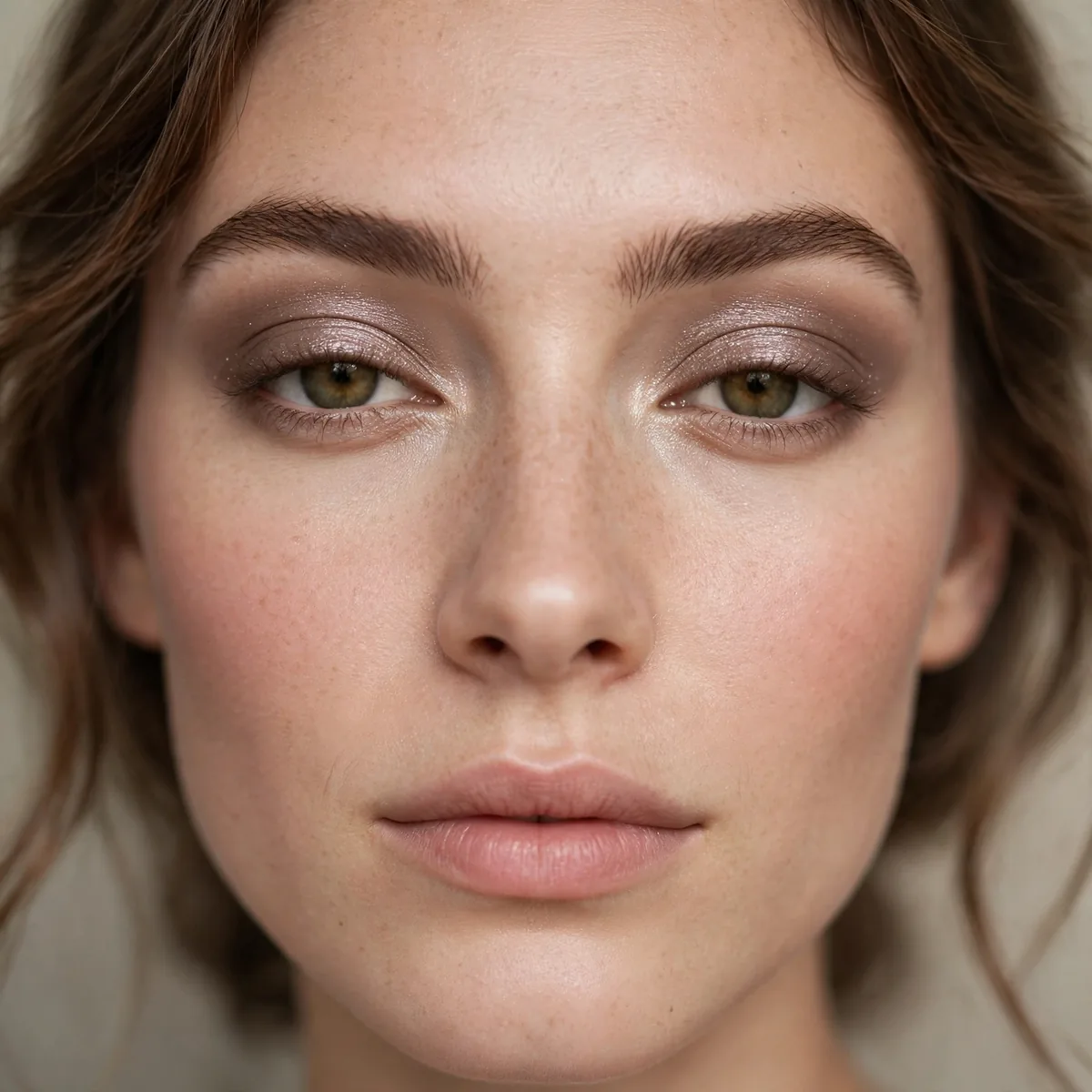
A shimmering taupe on the lid — neutral with a luminous twist.
Best for evenings. The shimmer elevates taupe from day to night effortlessly.
Apply shimmer taupe with a damp flat brush or fingertip to maximize the reflective payoff — dry brushes scatter the particles. Press rather than sweep to keep the shimmer concentrated on the mobile lid. Use a silicone-based primer underneath, which grips shimmer particles and prevents fallout, and tap off excess from the brush before application.
Reserve the full-shimmer lid for evenings, weddings, and festive occasions where light catches it dramatically. For daytime, choose a taupe with a satin sheen instead of true shimmer to avoid looking overdone. The common mistake is pairing shimmer lids with glittery cheeks — keep the rest of the face matte so the lid stays the star, and skip inner-corner highlight to avoid overkill.
Soft Taupe Transition
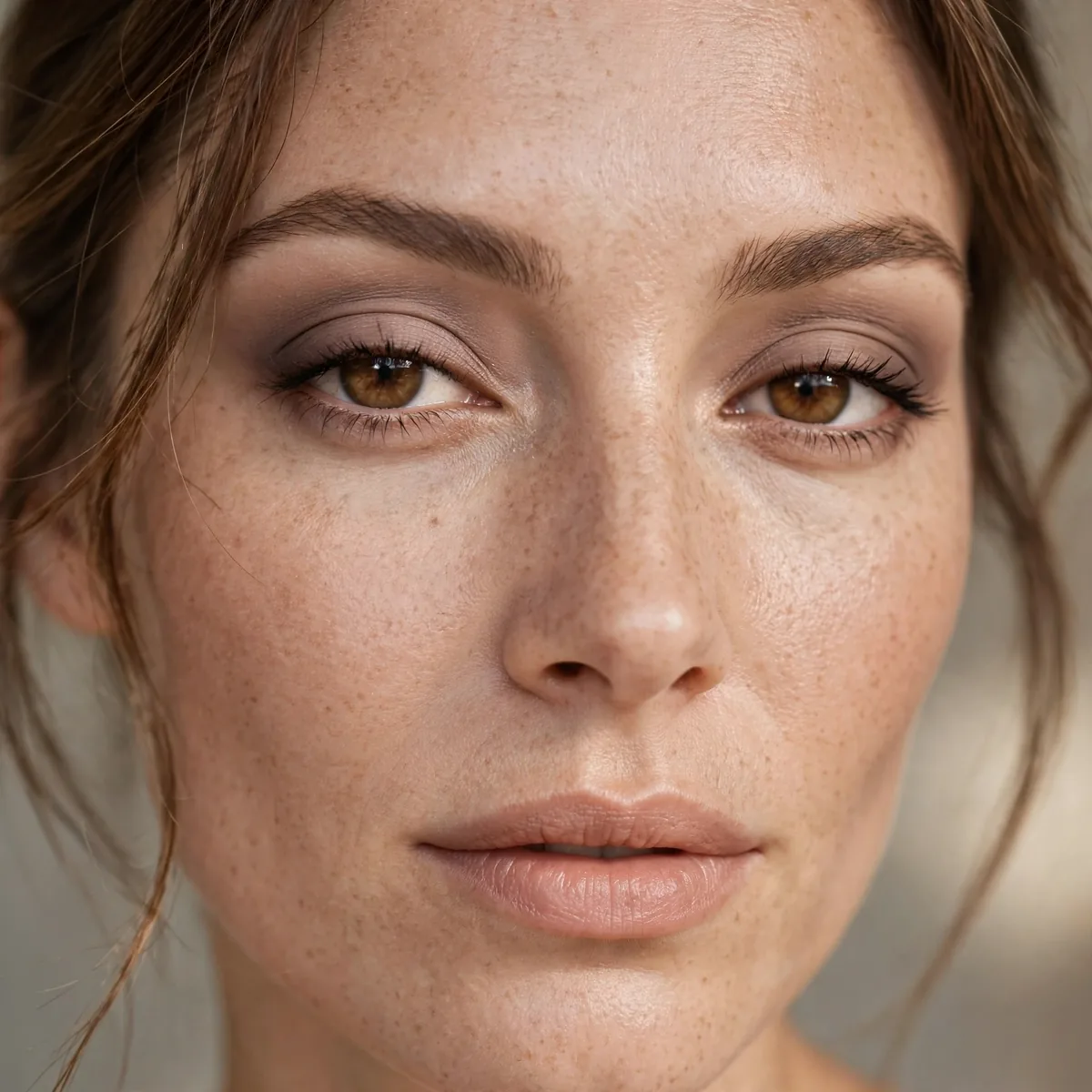
Taupe as a transition shade — the cool neutral that works under everything.
Layer it under browns, grays, even plums. Taupe transitions are universally useful.
Apply transition taupe above the crease — never in it — using a large fluffy blending brush in windshield-wiper motions. The shade should live between your skin tone and the deeper crease color, softening the edge where they meet. Blend past the outer corner slightly toward the temple, then wipe the brush on a towel and sweep clean over the edge for the softest fade.
The classic error is choosing a transition taupe too close to your skin tone, which renders it invisible and pointless — go two shades deeper than bare skin. This base layer also extends wear time by giving deeper shades something to grip. Re-blend the transition after applying lid color, since packing on lid shades can disturb the carefully faded edges.
Taupe Tightline Definition
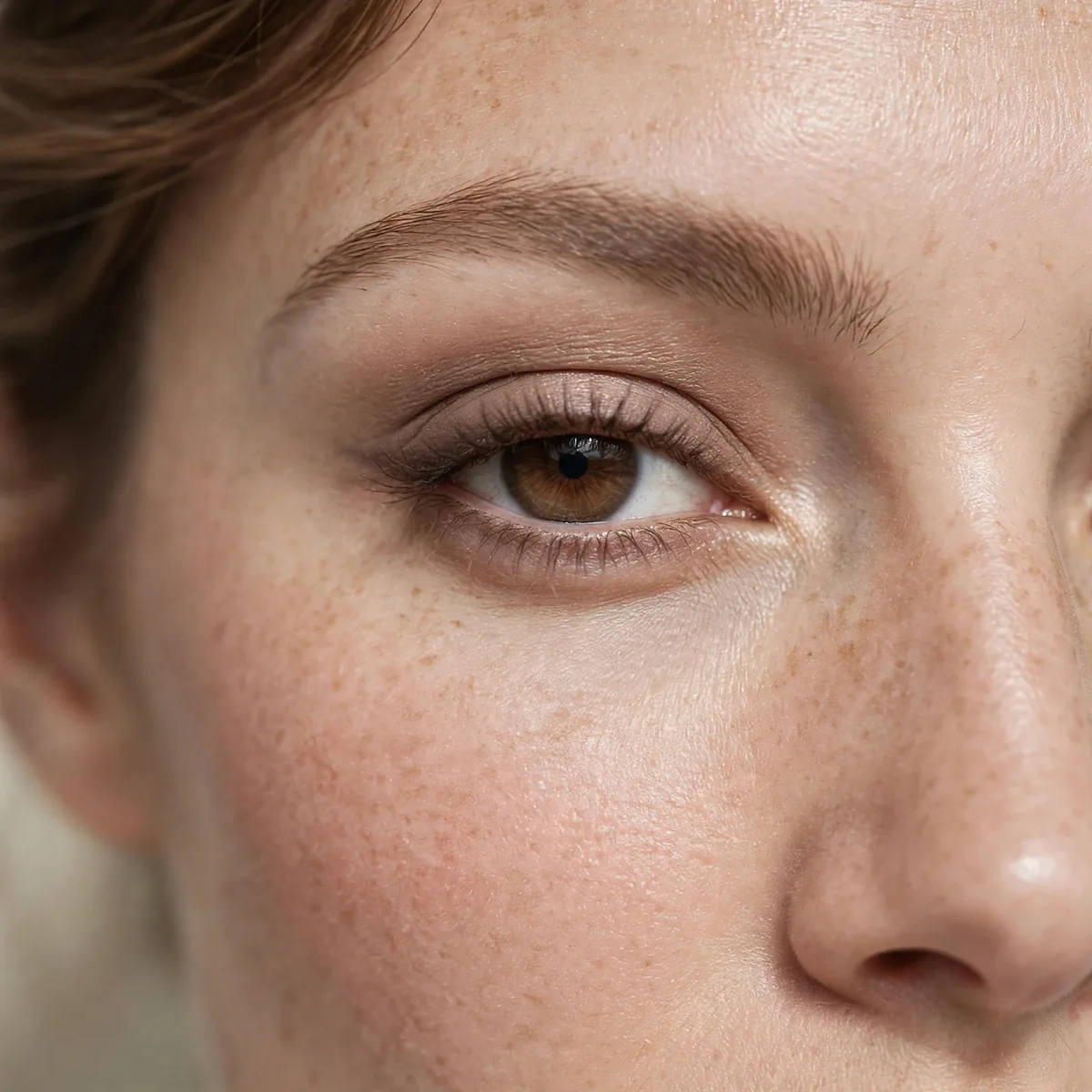
Tightline in taupe-brown for lash definition that’s softer than black, richer than brown.
The subtle choice that makes a real difference in photos.
Fill the upper waterline in tiny dabs rather than dragging — short strokes deposit more pigment with less irritation. Use a waterproof taupe-brown pencil with a fine tip, and work it between the lash roots so no skin peeks through. Curl lashes after tightlining, not before, so the curl doesn’t get flattened while you work the waterline.
Sensitive eyes love this alternative to traditional liner, since nothing sits on the lid to migrate or irritate. Contact-lens wearers should choose ophthalmologist-tested waterproof formulas and sharpen the pencil before each use to avoid scratching. The taupe tone lasts longer than black on watery eyes because its softer pigment is less prone to dramatic smudging as it fades.
Taupe and Champagne Duo
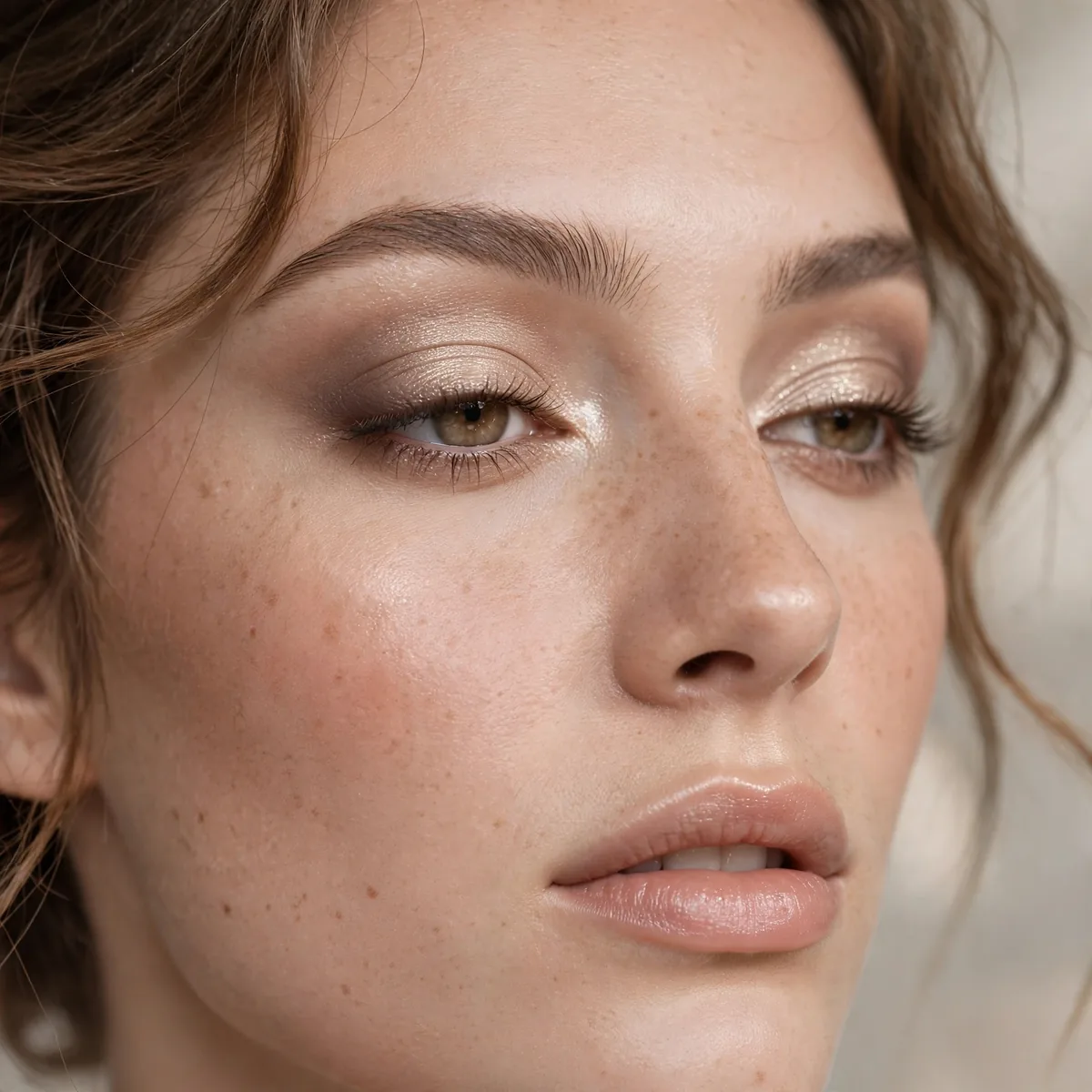
Taupe smoked out with champagne on the lid — the luminous neutral combination.
Champagne brightens; taupe defines. Together they’re the perfect balanced eye.
Press champagne onto the center lid with a fingertip for maximum glow, then smoke taupe through the crease and outer corner with a blending brush. Leave the champagne window generous — covering half the lid keeps the brightness balanced against the depth. Smudge a taupe pencil along the outer lower lashes to ground the luminosity and prevent the eye from looking top-heavy.
This luminous pairing was made for weddings, brunches, and spring celebrations, where its soft radiance photographs beautifully in natural light. In summer evenings, swap the powder champagne for a cream formula to resist humidity. Deep skin tones should reach for a richer bronze-champagne rather than pale gold, keeping the taupe deep and cool for contrast that actually shows.
Matte Stone Smoke
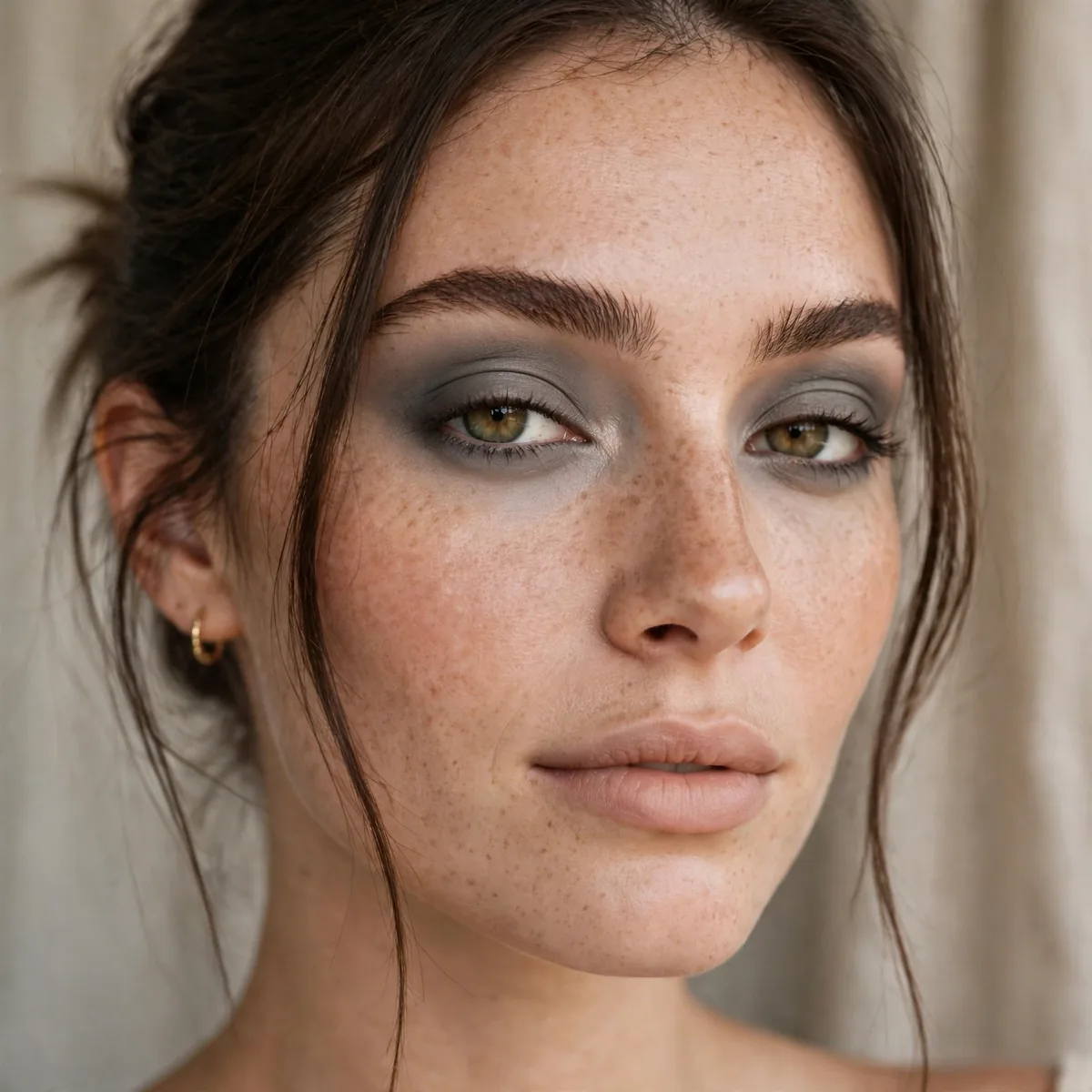
All-matte stone tones smoked out — velvety, modern, sophisticated.
Matte needs meticulous blending. Take twice as long as you think you need.
Layer three matte stone tones — light, medium, deep — working from crease to outer corner with a freshly cleaned brush between shades. The clean-brush rule prevents muddy blending, which is matte’s enemy. Build depth in sheer passes rather than one heavy layer, and finish by pressing the lightest stone along the brow bone for a lifted, architectural frame.
Matte formulas fade faster than shimmers, so prime generously and consider baking the crease lightly with translucent powder for all-day events. Avoid pairing with matte foundation applied flat — the all-matte face needs varied textures somewhere, so let the lips or cheeks carry a hint of satin. Blot oil midday rather than adding powder, which builds up and cracks over matte shadow.
Taupe Lower Lash Line
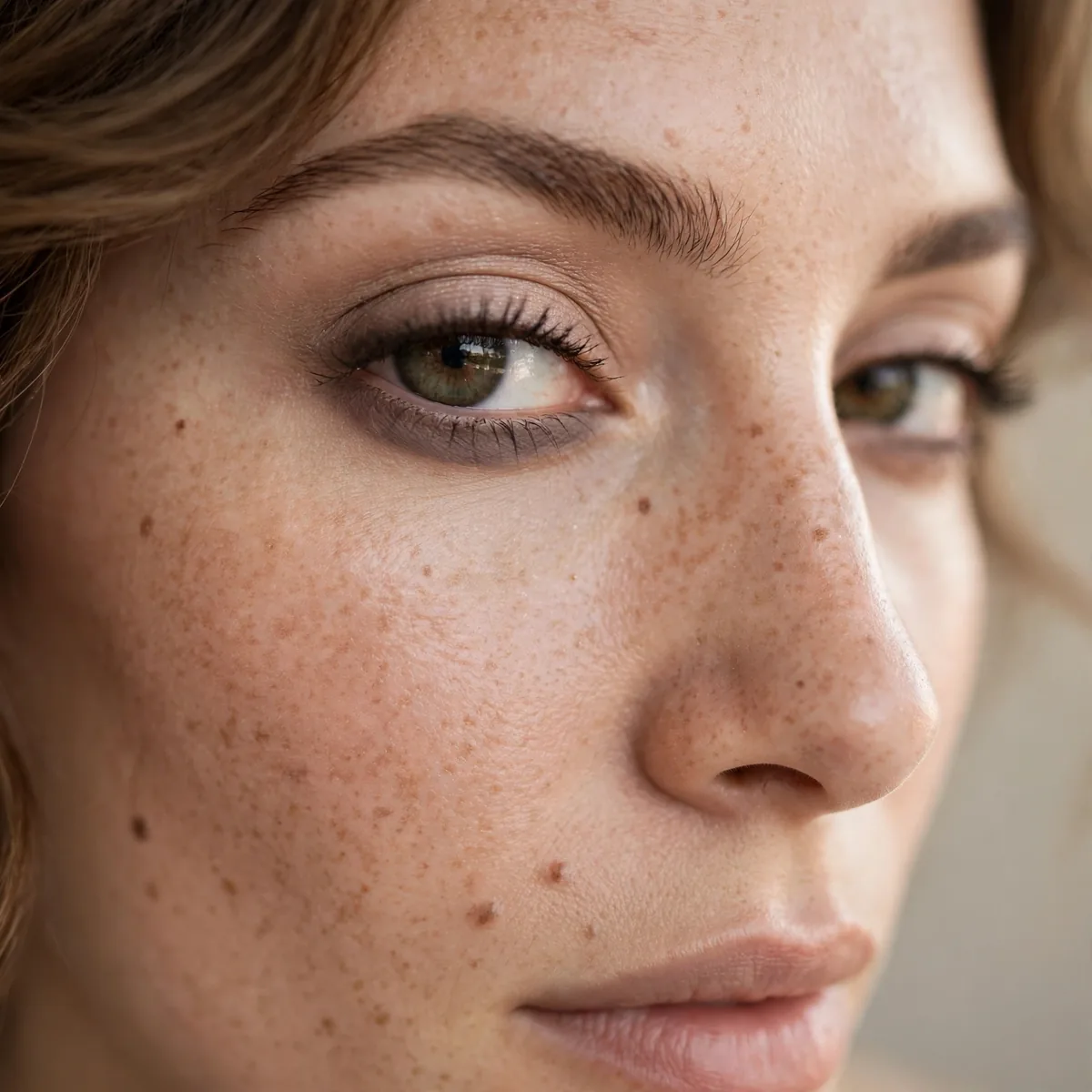
Smudge taupe along the lower lashes for balanced definition.
Connect to the outer corner for cohesion. Lower-lash shadow should never float alone.
Use a small pencil brush and hug the lower lash roots, keeping the shadow no wider than the lashes themselves. Blend downward softly with a clean smudger so the color melts into skin rather than sitting as a stripe. For hooded or deep-set eyes, concentrate pigment on the outer two-thirds and leave the inner corner bare to keep the eye looking open.
The number-one mistake is taking the shadow all the way to the inner corner with equal intensity, which closes the eye down. Taper it — deepest at the outer corner, fading toward the middle. For evening, layer a deeper stone shade over the taupe and add mascara to the lower lashes for cohesion; by day, the single sheer taupe pass is plenty.
Cool Slate-Taupe Blend
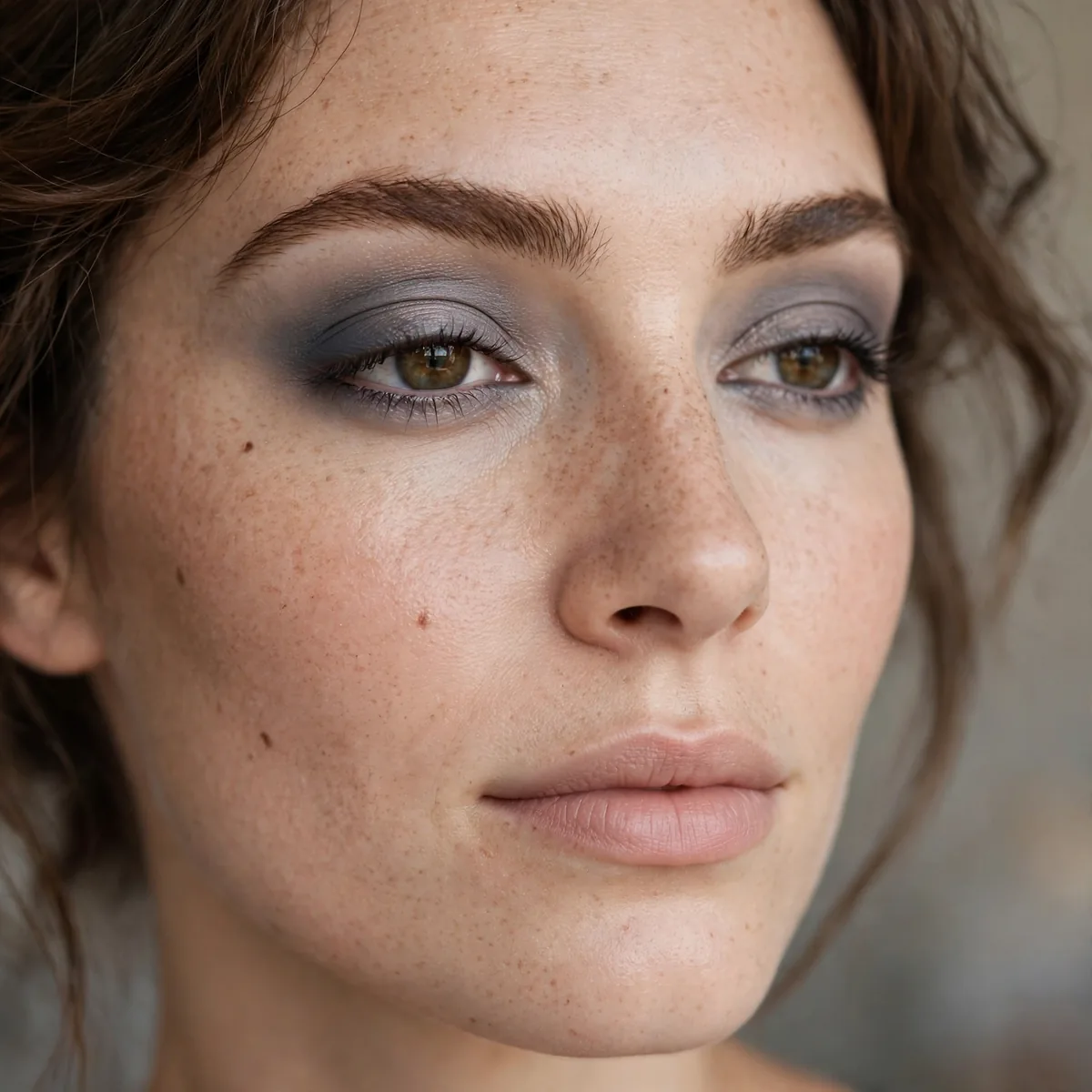
Slate meets taupe — the coolest, most editorial neutral on this list.
Best for cool undertones and winter. It’s strikingly modern.
This editorial neutral suits cool undertones and fair-to-light skin best, where its icy depth reads intentional rather than bruised. Brown eyes get a striking contrast against the gray slate, while blue eyes should proceed carefully — too much cool tone can wash them out. Keep lips and cheeks soft and rosy to prevent the whole face from turning monochrome gray.
Winter is this blend’s natural habitat — its cool slate mirrors the season’s mood and pairs beautifully with wool textures and low light. For longevity in cold weather, layer cream-to-powder slate under powder shadow so it survives wind and temperature shifts. In warmer months, sheer it out to a wash or shelve it entirely in favor of warmer taupes.
Taupe Monochrome Eye
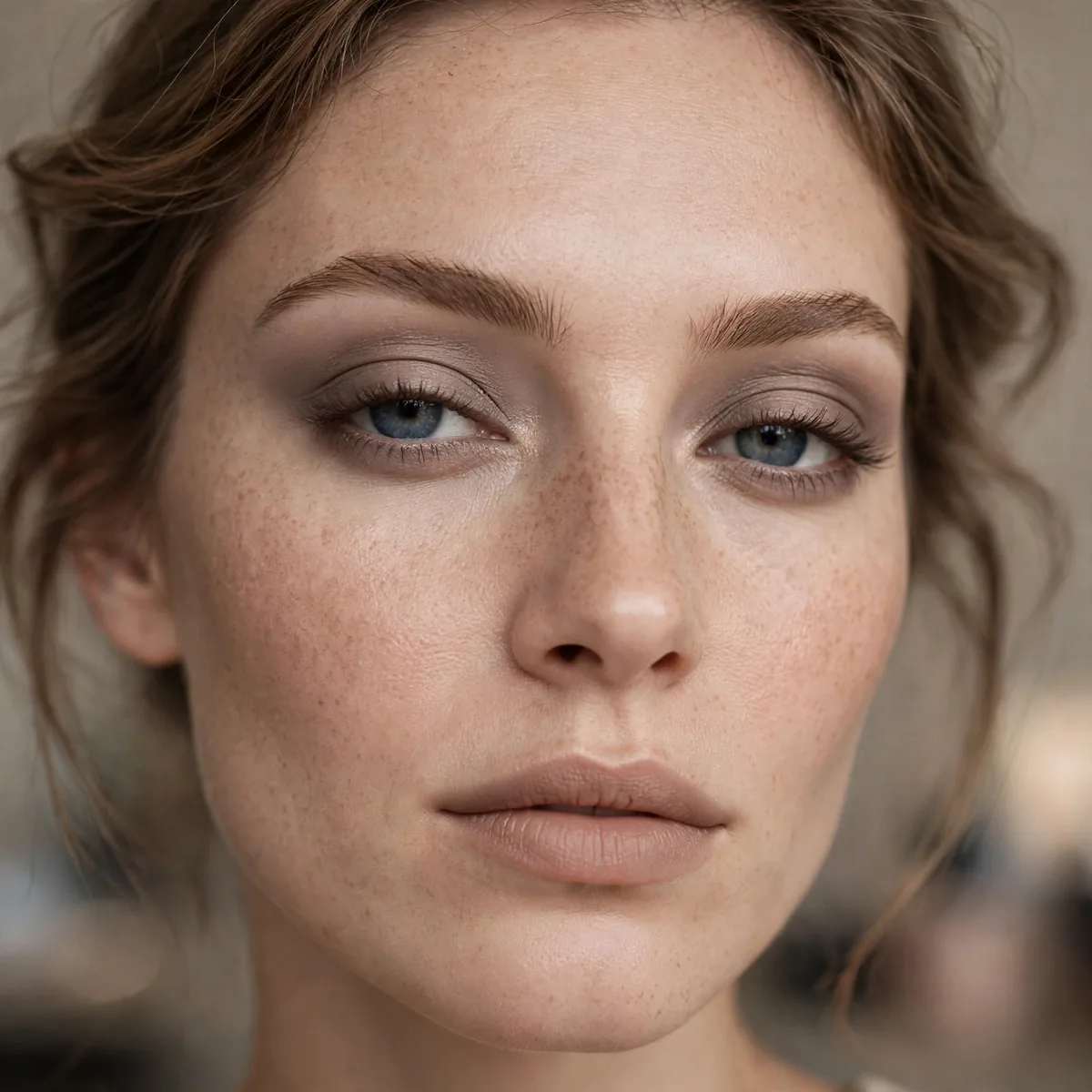
Taupe tones across the whole eye, no other colors — tonal and chic.
Vary the finishes (matte crease, satin lid) for dimension within the monochrome.
Working in one color family demands finish variety — matte taupe in the crease, satin on the lid, a shimmering highlight at the inner corner. The play of textures creates depth that single-finish monochrome lacks. Blend each finish into the next with a clean brush, keeping the darkest concentration at the outer V and the lightest at the inner corner for natural gradient.
Carry the monochrome beyond the eyes by washing taupe blush across cheeks and choosing a taupe-nude lip — the head-to-toe tonal look is unmistakably chic. This restraint suits professional settings and minimalist weddings beautifully. The key rule: keep brows defined and groomed, because a fully tonal face without brow structure can look unfinished rather than intentional.
Satin Taupe Glow
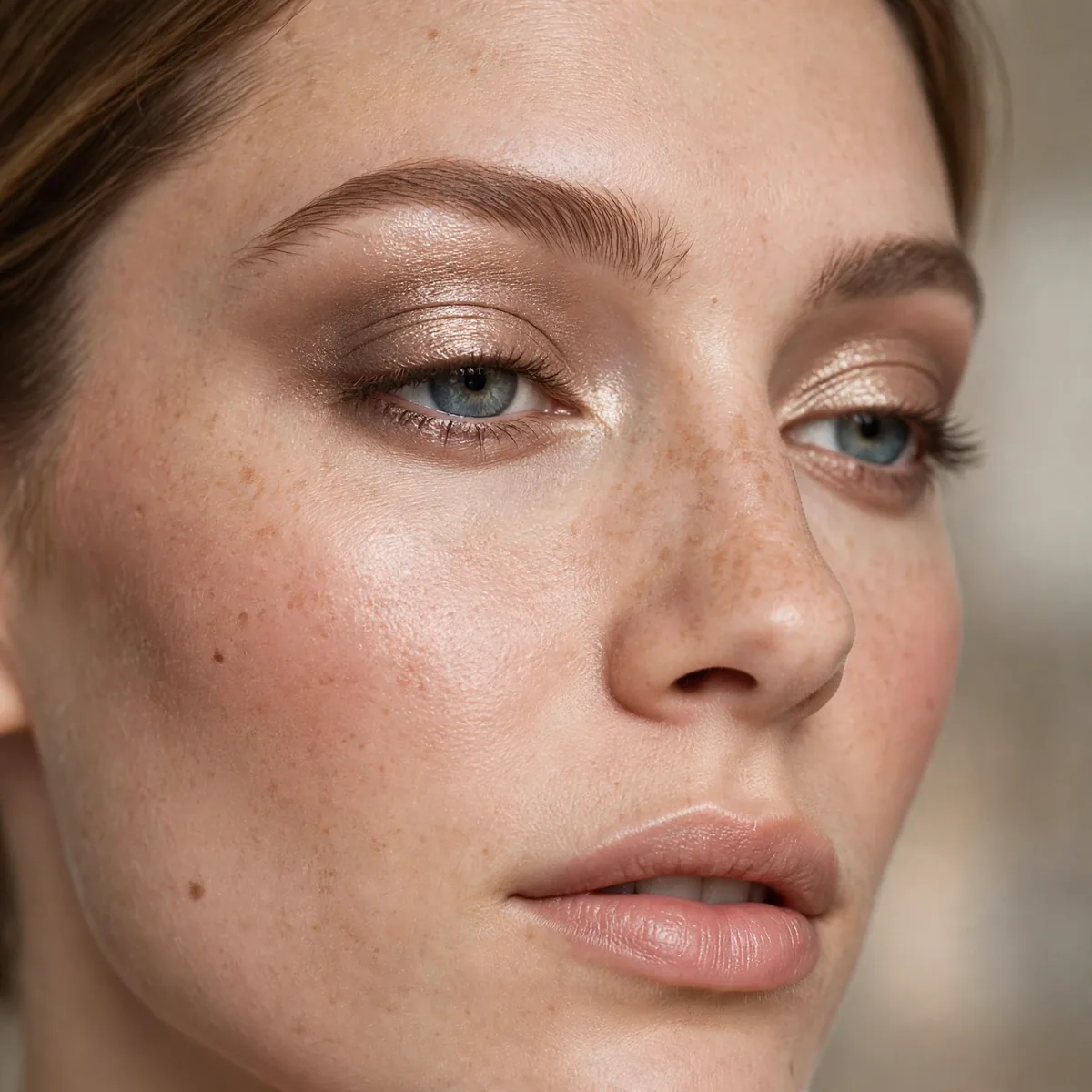
A satin taupe with an inner glow — the lit-from-within neutral eye.
Finish with our highlight placement ideas on the brow bone for a complete luminous eye. The satin finish is key — full shimmer would be too much.
Layer satin taupe over a hydrating primer to get that inner glow — dry lids kill luminosity. Press the shade onto the lid with a fingertip, which warms the product and melds it into skin better than any brush. Keep the crease matte and slightly deeper so the glowing lid has contrast, and buff the transition until the glow appears to come from within.
This luminous neutral flatters every age, but mature eyes gain the most — the glow blurs texture instead of highlighting it. Choose formulas with hyaluronic acid for extra lid comfort. Removal is easy: satin finishes dissolve cleanly with micellar water, and following with a gentle eye cream restores moisture so the delicate lid skin stays healthy for tomorrow’s application.
Taupe proves neutrals can be interesting — pin your favorites. For warmer neutrals, see peach eyeshadow looks, or add drama with navy eyeshadow looks.