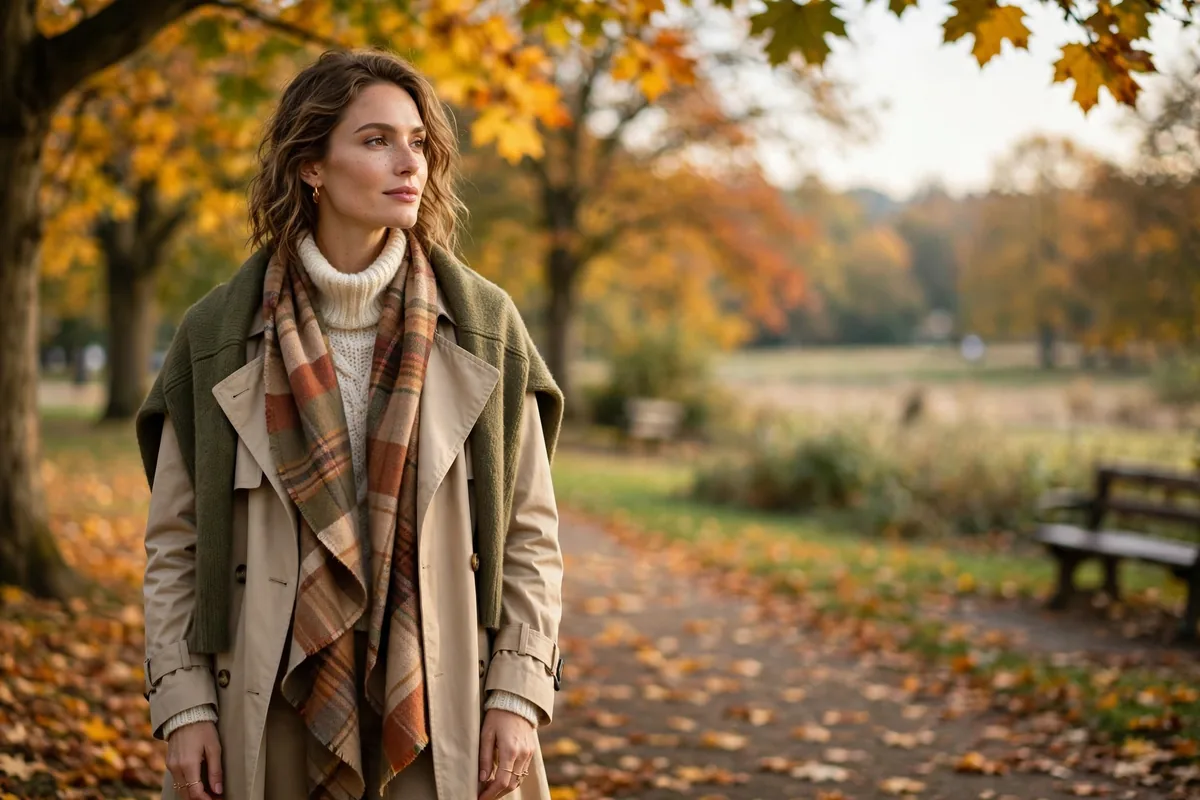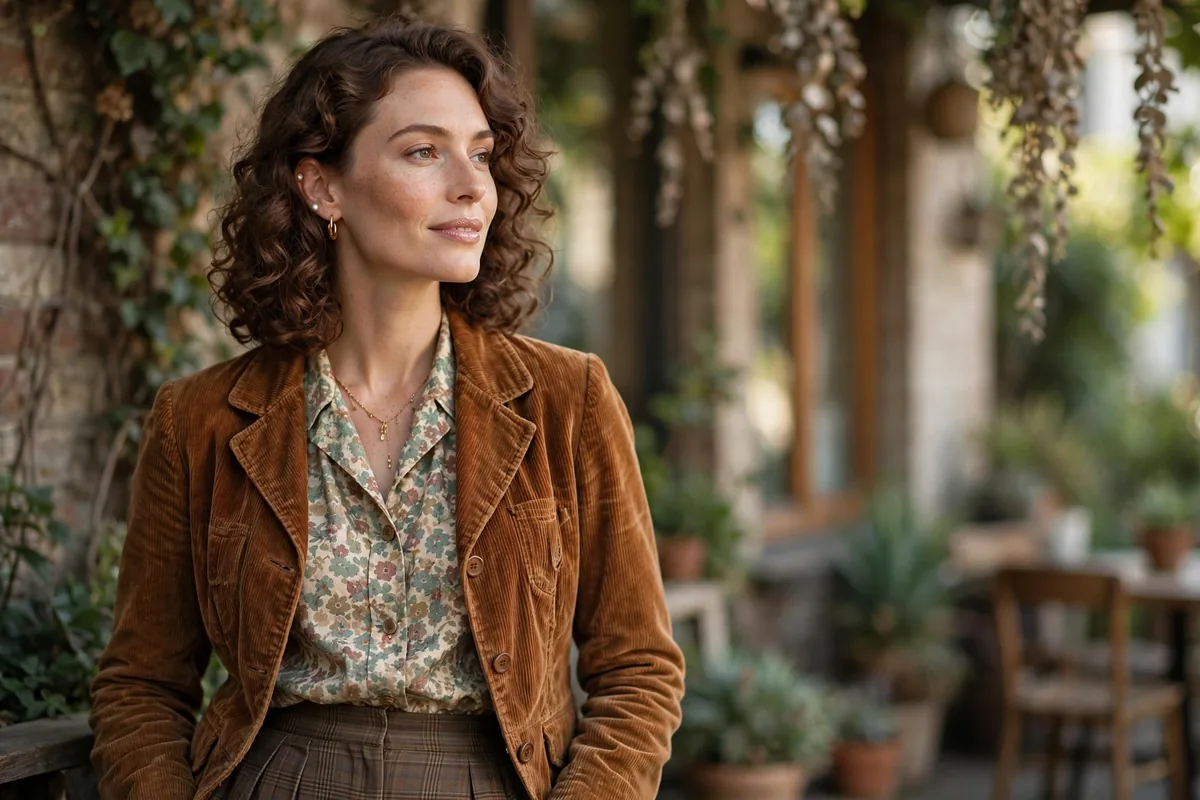
Thrifting isn’t just sustainable and affordable — it’s the fastest route to a wardrobe nobody else has.
The trick is knowing what to hunt (blazers, silk, leather, denim) and what to skip (worn-out shoes, stained whites, dated fast fashion).
Fit matters more than label: a $8 blazer that fits perfectly beats a $80 one that doesn’t. Befriend a tailor.
Here are 15 ways to style thrifted finds. Let’s get into it.
The Vintage Blazer
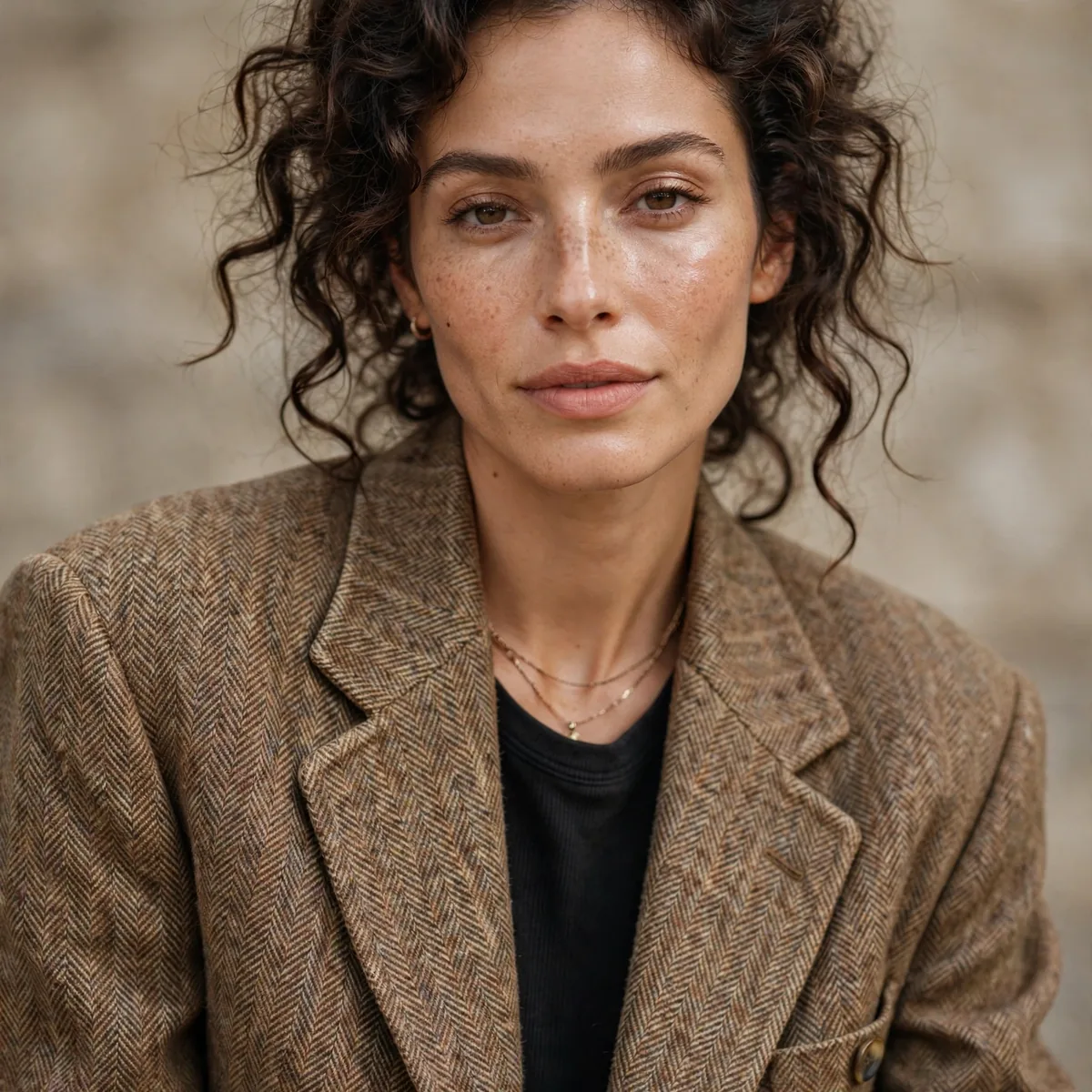
Thrift stores are full of quality wool blazers from eras when things were made well. Look for natural fibers and good shoulders.
Style it: oversized blazer + jeans + tee. Instant cool, total cost under $20.
Check the construction before you fall for the price: pinch the lapel and feel for a floating canvas interlining rather than fused glue, which bubbles after dry cleaning. Half-lined blazers from the 90s breathe beautifully and weigh less. Shoulder pads can be removed by any tailor for a softer, modern line. Look for horn or corozo buttons — plastic ones signal a cheaper make.
Shop the men's blazer wall too — a 38R in navy or charcoal becomes the perfect oversized women's blazer with the sleeves pushed up. Search estate-sale neighborhoods and affluent suburbs for the best stock; inventory turns over fastest on weekday mornings. Sniff the underarms and check for moth holes at the seams before buying, since wool repairs are pricey.
Silk Blouse Score

Vintage silk blouses are common thrift finds and miles better than new polyester. Check the burn test — real silk smells like hair.
Style it: tucked into high-waisted trousers with loafers.
Beyond the burn test, check the seams: French seams and hand-rolled hems mark genuine quality, while serged edges suggest mass production. Mother-of-pearl buttons are another tell — they shimmer with depth that plastic can't fake. Pilling under the arms is normal and fixable with a sweater comb; yellowing at the collar usually means deodorant damage that won't wash out, so inspect in daylight.
Size up deliberately for the borrowed-from-him drape that makes silk blouses feel modern — roll the sleeves and knot the hem over high-waisted denim. For office wear, tuck fully into pleated trousers with a slim belt. Hand-wash in cool water with a drop of gentle shampoo, roll in a towel, and iron on low while damp to keep that liquid sheen.
Levi’s, But Vintage

Vintage Levi’s have the perfect worn-in denim new jeans try to fake. Look for 501s and 550s in your size.
Style it: with a white tee and sneakers — the uniform works because the jeans are special.
Learn the label codes: a capital E on the red tab marks the premium line, and the two-horse leather patch with single-stitch hems usually signals pre-1983 manufacture. Orange stitching, copper rivets, and a button fly are the classic markers. Check the crotch and inner thighs for thinning — hold the denim up to light, since worn spots there will tear within months of regular wear.
Don't fear a too-long inseam; a raw hem cut to ankle length looks intentionally undone, while a single wide cuff reads more classic. If the waist gaps, a tailor can take it in for about fifteen dollars — far cheaper than new premium denim. Wash inside-out in cold water twice a year at most; vintage denim fades fastest in the wash, not in wear.
The Slip Dress Find

90s slip dresses flood thrift stores. Layer over tees in day, wear solo at night.
Style it: slip dress + chunky cardigan + boots for the perfect high-low.
Inspect the straps and side seams, where vintage slips fail first — loose stitching there means the bias will stretch and twist. Adjustable sliders are worth their weight in gold; fixed straps almost never sit right. Hold the fabric to light to check for thin spots, and give it a gentle tug diagonally: healthy bias-cut silk springs back, while tired fabric stays distorted.
Winterize your find by layering a fine-gauge turtleneck underneath and adding opaque tights plus knee boots — suddenly a summer slip works in December. For formal events, a faux-fur stole or velvet blazer over the top elevates it instantly. Store slips hanging on padded hangers, never folded, so the bias cut never develops permanent creases.
Cashmere for Pennies
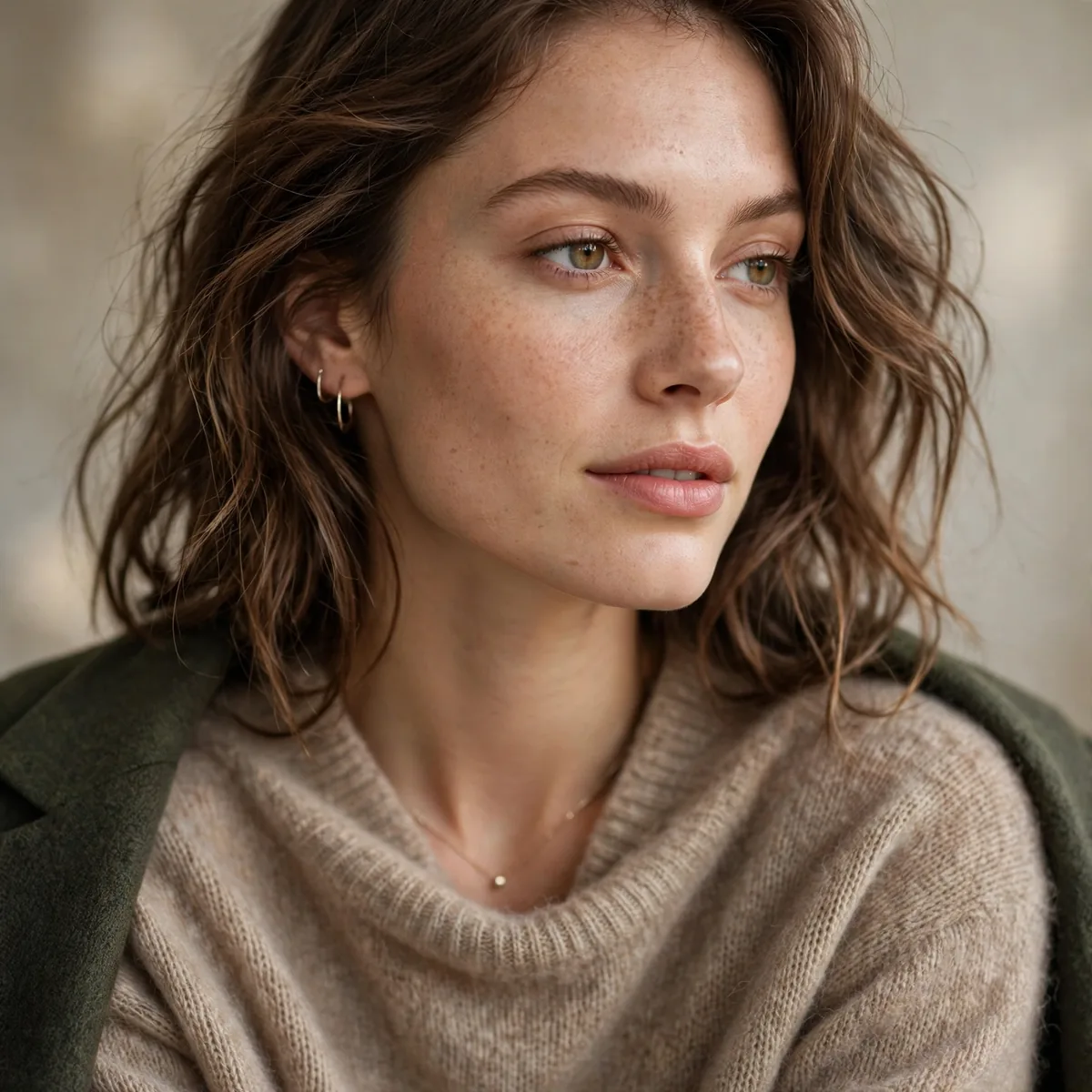
Cashmere sweaters get donated constantly. Feel for the softness, check for holes, and you’ve got luxury for $6.
Style it: slightly oversized cashmere + jeans + loafers. Nobody will guess the price.
Quality check like a pro: scrunch the knit in your fist — good cashmere springs back with minimal wrinkling, while worn-out fibers stay creased. Hold it to light to spot thinning at the elbows and moth holes along the seams, which hide in folds. Smell for mustiness, which signals storage damage that washing may not fix. A tight, even knit with no pilling is the jackpot.
Refresh a thrifted cashmere with a cool hand-wash and a tablespoon of white vinegar in the rinse to dissolve old detergent residue. De-pill with an electric shaver on low, working in one direction. Slightly oversized fits layer beautifully over collared shirts; a cropped vintage cashmere tucked into high-waisted trousers gives a completely different, polished silhouette.
Plaid Wool Skirt
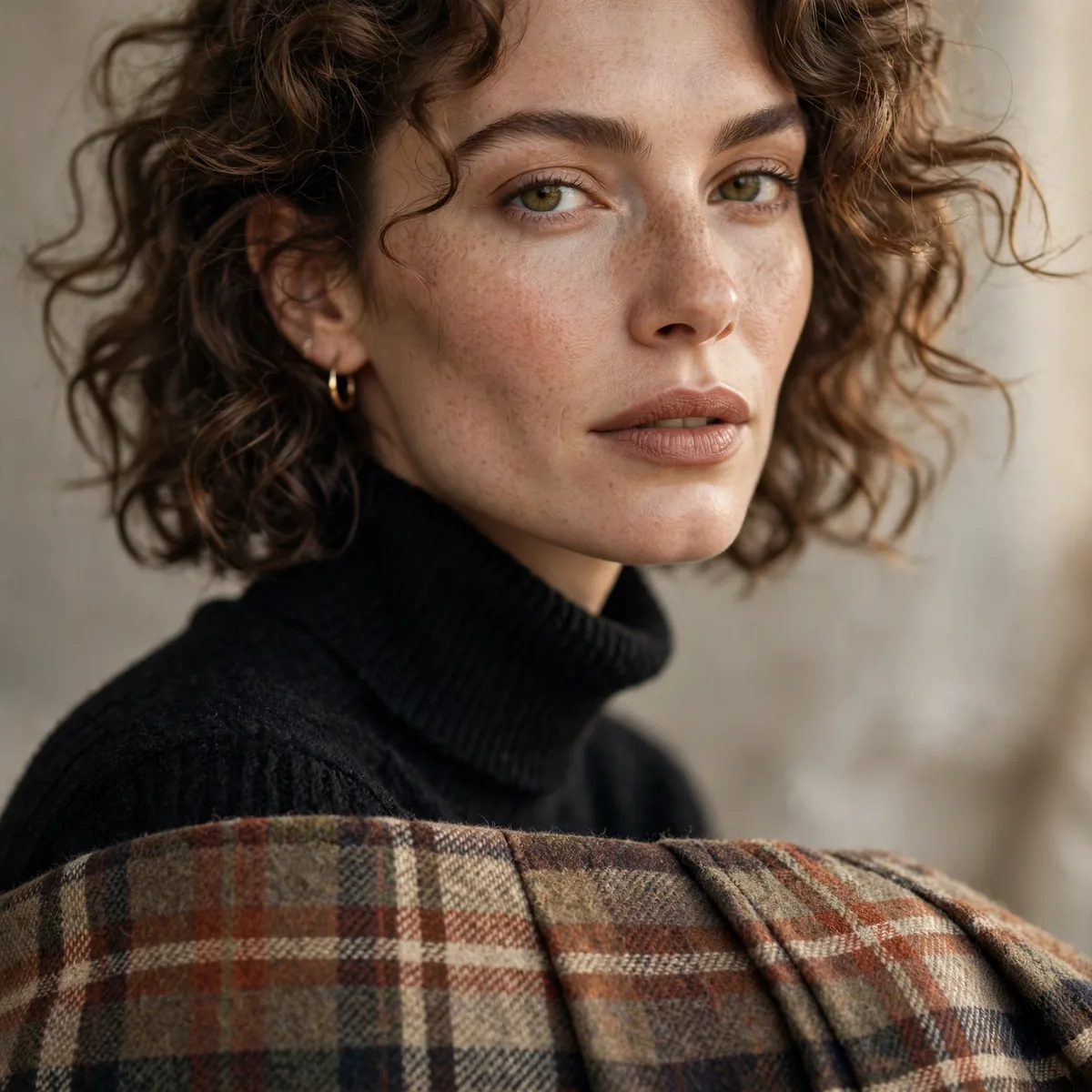
Vintage plaid skirts in wool are beautifully made and endlessly wearable. Kilt styles are everywhere.
Style it: with a black turtleneck and tights in fall.
True kilts have deep knife pleats and generous yardage — at least three meters of wool — which is why they swing so beautifully. Check the pleats are stitched down at the hip and free below; broken stitching there is an easy tailor fix. Leather straps and buckles should be supple, not cracked. Moth holes cluster at the waistband and hem folds, so inspect those zones in bright light.
Length transforms the look: knee-length reads preppy with loafers and knee socks, while a midi pleated plaid with ankle boots feels thoroughly modern. For evening, swap the turtleneck for a black silk camisole and add sheer tights. A kilt pin — thrifted, naturally — keeps the front apron closed in wind and adds authentic character.
The Leather Jacket

Broken-in vintage leather beats stiff new leather every time. Check zippers and seams; surface scuffs add character.
Style it: over literally everything. A good leather jacket is a personality.
Leather quality is everything: bend the sleeve — good leather creases softly and bounces back, while dry, cracked leather stays creased and will split. Check that the lining isn't shredded at the cuffs and that zippers run smoothly; replacing a main zip costs more than most thrifted jackets. Surface scuffs buff out with conditioner, but deep scratches through the finish are permanent.
Condition your find twice a year with a quality leather balm to keep it supple for decades. Moto styles with asymmetric zips add edge to floral dresses, while a classic café racer pairs with everything from slip skirts to tailored trousers. If the shoulders fit and the body is roomy, a tailor can slim the sides cheaply — shoulders are the expensive alteration.
Statement Vintage Dress
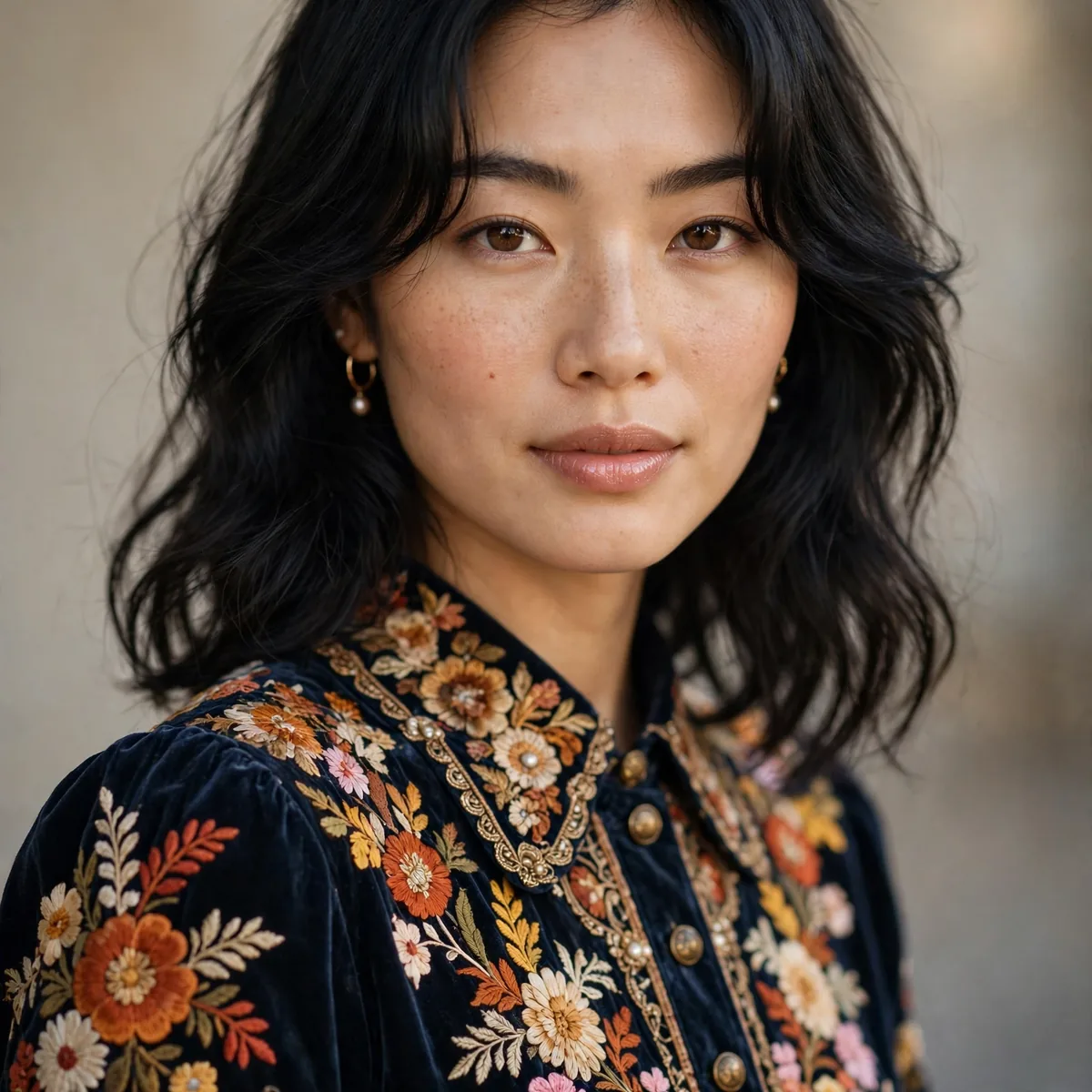
Thrift stores hide incredible occasion dresses — 80s and 90s formalwear was built to last.
Style it: for parties with modern shoes and minimal jewelry. See our cocktail party ideas.
Construction tells you what decades got right: boned bodices, generous seam allowances, and finished linings that modern fast fashion skips entirely. Check that beading is secure by gently shaking the garment — a light rattle is fine, but cascading beads mean hours of repair. Vintage formalwear often has extra hem fabric, giving a tailor room to lengthen as well as shorten.
Modernize the silhouette with contemporary styling: strappy minimalist heels, a sleek low bun, and one bold earring keep the dress the hero. Remove dated shoulder pads for an instant update. For black-tie events, a 90s column dress in crepe or velvet needs almost nothing — the cut does all the work. Always budget for a professional press before the event.
Corduroy Everything

Corduroy blazers, pants, and skirts are thrift staples. The texture adds richness to any outfit.
Style it: corduroy blazer + jeans, or full corduroy suit for the bold.
Wale count determines the look: fine-needle 21-wale corduroy reads dressy and refined, while chunky 8-wale ribs lean casual and retro. Check the knees and seat for worn-smooth patches where the nap has crushed — hold it to light at an angle to spot them. Quality corduroy has a dense, even pile; sparse, shiny ribs signal a cheap blend that won't age well.
A corduroy suit in rust, forest, or chocolate is a fall power move — break the pieces apart to double your outfits, wearing the blazer with jeans and the trousers with a knit. For a softer take, pair a corduroy skirt with a cashmere sweater in a tonal shade. Brush with a soft clothes brush after wearing to revive the nap.
The Perfect White Shirt

Men’s dress shirts from quality brands make the best oversized white shirts — better cotton, better price.
Style it: oversized white shirt + leggings + boots, or half-tucked into jeans.
Men's shirts from heritage makers use longer-staple cotton and single-needle stitching that outlasts most women's fast-fashion blouses. Check the collar and cuffs for ring-around-the-collar staining, which rarely washes out, and look for a back box pleat that gives room to move. A 15.5-inch neck in men's roughly equals a women's medium — size up once more for true oversized drape.
Style it as a dress with an obi belt and knee boots, or wear it open over a swimsuit as a beach cover-up. For a French-girl look, tuck just one side into straight-leg jeans and roll the sleeves to the elbow. The shirttail hem is longer in back, which makes the half-tuck look intentional rather than sloppy.
Vintage Denim Jacket

A perfectly worn-in denim jacket is a thrift rite of passage. Look for a slightly oversized fit.
Style it: over dresses, with trousers, double-denim — it does everything.
Dating a denim jacket by its details is half the fun: blanket linings and Talon zippers suggest 70s, while a leather patch with two horses marks the premium line. Check the cuffs and collar points for fraying — light wear adds character, but shredded edges will keep spreading. The jacket should button without pulling but sit slightly boxy through the body for that borrowed feel.
Make it yours with subtle customization: swap the buttons for vintage brass, add an embroidered patch at the chest pocket, or crop the hem for a modern proportion. Layer it over a hoodie in fall or under a wool coat in winter — the collar peeking out adds dimension. Wash rarely and spot-clean stains to preserve the fade pattern.
Pleated Trousers
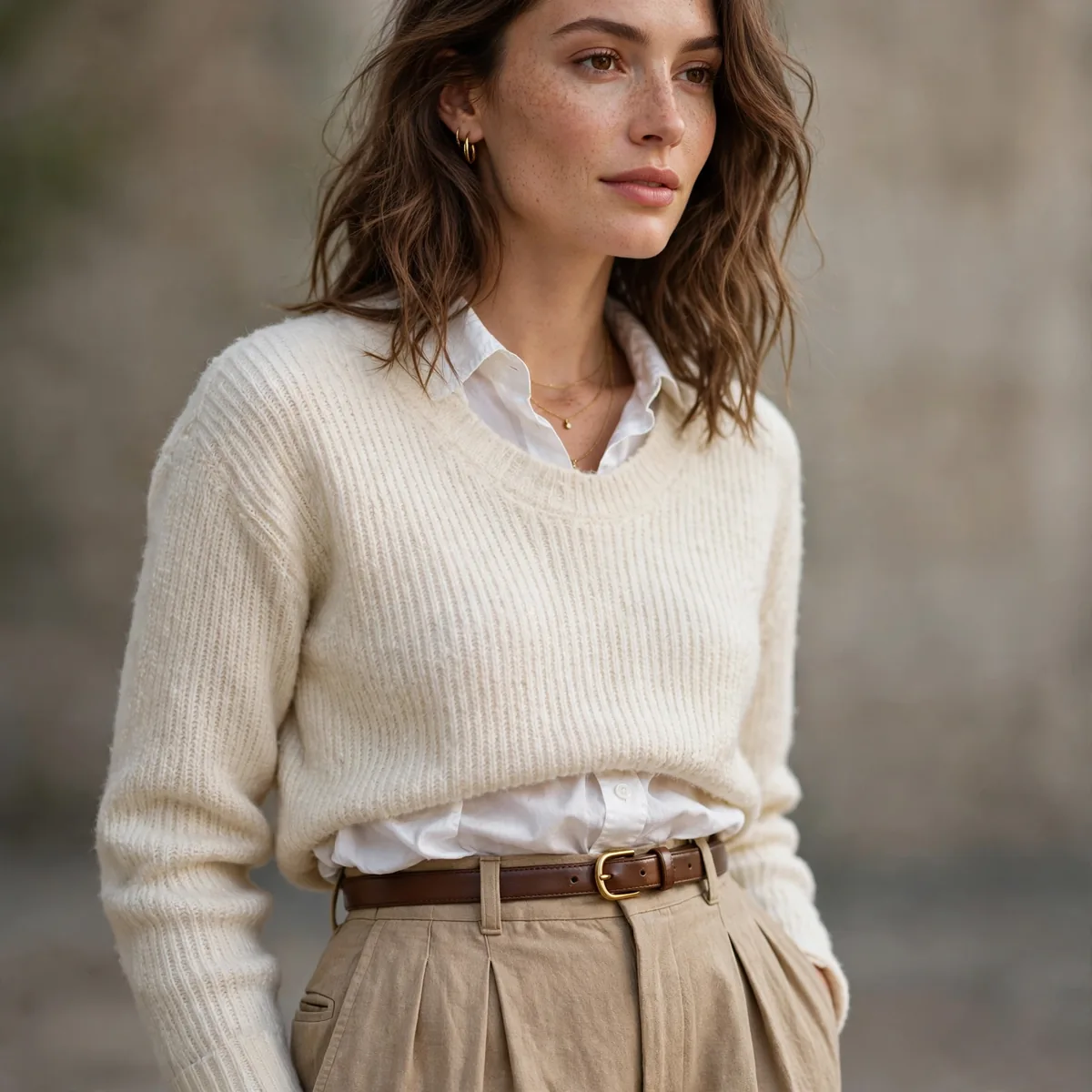
High-waisted pleated trousers from the 80s/90s are back in style and beautifully tailored.
Style it: with a fitted knit tucked in and loafers. Instant polish.
The beauty of vintage pleated trousers is the tailoring: lined waistbands, curtain waistband construction, and generous in-seams that modern trousers skip. Check the pleats still hold their press — a quick steam revives them — and that the fly and hook closures work smoothly. High rises of 11 to 13 inches define the waist dramatically when paired with tucked-in tops.
Hem them to graze the top of a loafer or low heel for a clean break, or go full-length with a slight puddle for drama. A fitted ribbed knit tucked in balances the roomier leg; add a slim belt to emphasize the waist. For the office, a matching vintage blazer turns them into a power suit nobody else owns.
The Beaded Cardigan
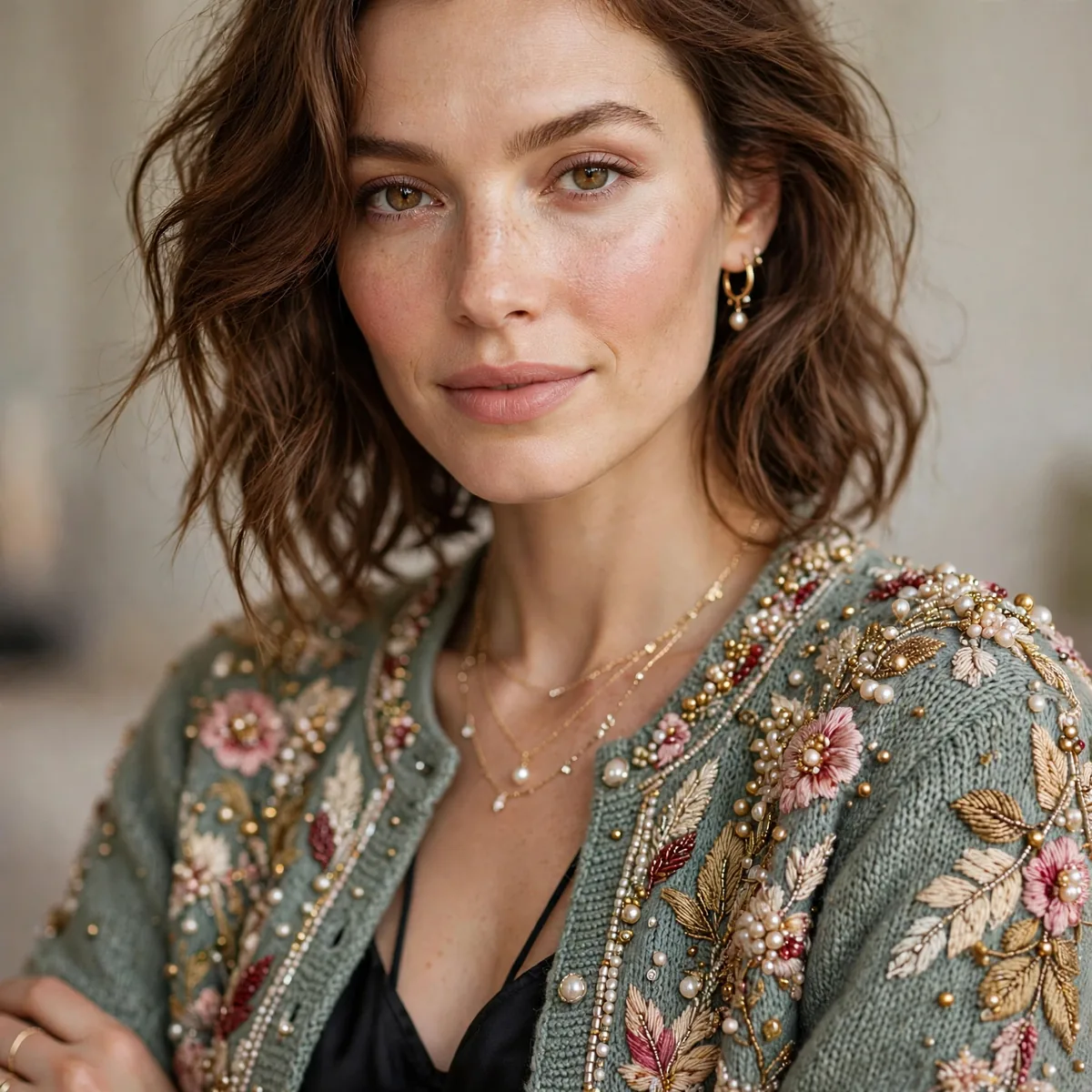
Grandma-chic beaded cardigans are ironically cool and genuinely pretty. The detailing is unmatched.
Style it: over a slip dress or with jeans. Let the cardigan be the star.
Examine the beadwork closely: hand-sewn beads sit irregularly and catch light beautifully, while glued beads from later decades pop off in clusters. Gently flex the cardigan — if you hear cracking, the thread is deteriorating and beads will scatter. Check the buttonholes, which take the most stress. A silk or wool base knit is worth far more than an acrylic one that pills.
Let the cardigan star by keeping everything else quiet: dark straight-leg jeans, a simple black tee, and loafers. For evening, drape it over bare shoulders with a slip dress — the contrast of cozy knit and slinky silk is irresistible. Store folded in tissue, never hanging, since bead weight stretches knits. Spot-clean only; dry cleaning can loosen old thread.
Designer Dupes (Real Ones)
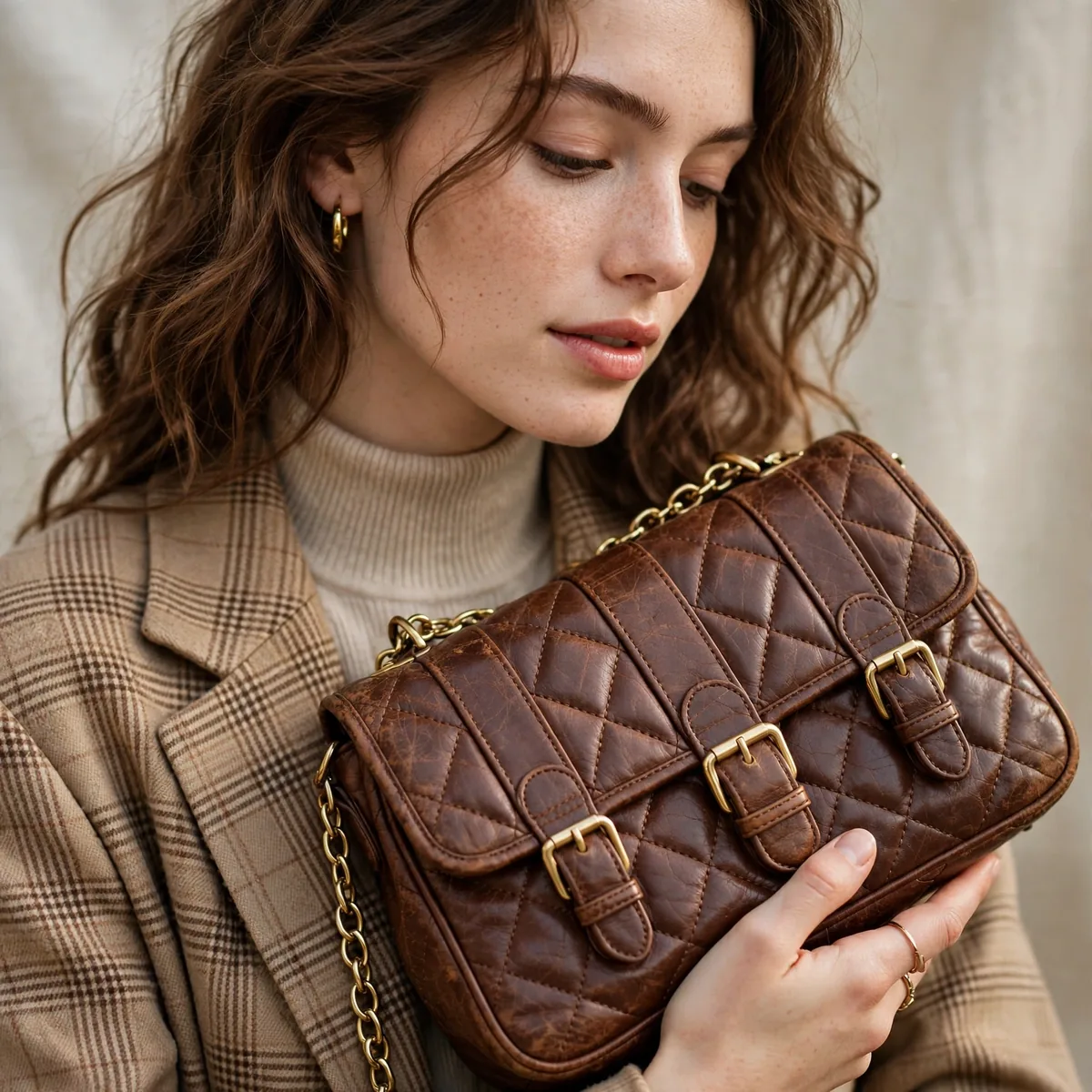
Real designer pieces do show up — check handbags, scarves, and belts carefully for authenticity markers.
Style it: one real designer piece elevates a whole thrifted outfit. Our handbag guide helps spot quality.
Authenticate like a professional: check date codes and heat stamps, feel the hardware weight — real luxury hardware is satisfyingly heavy — and examine stitching, which should be even with no loose threads. Logos change by era, so compare against reference photos for that specific decade. Smell the leather; genuine leather has a rich, unmistakable scent that fakes can't replicate. When in doubt, walk away.
Build the outfit around your authenticated find: a vintage silk scarf tied on a structured bag, or a designer belt cinching high-waisted thrifted trousers. One genuine piece among well-chosen vintage reads as intentional collection, not costume. Keep the rest of the look simple and modern so the designer item shines without competing logos.
Tailor Everything

The final secret: $15 of tailoring makes a $5 thrift find look custom. Hem, nip, and tuck without fear.
Budget tailoring into every thrift haul — it’s the difference between "thrifted" and "curated."
Know which alterations are cheap magic: hemming trousers and skirts, taking in side seams, shortening straps, and nipping blazer waists all run ten to twenty dollars. Shoulder alterations, relining jackets, and resizing waistbands significantly cost far more — sometimes exceeding the garment's value. Bring shoes you'll wear with the piece to every fitting so the tailor nails the hem length.
Find your tailor through dry cleaners and bridal shops, which always know the best local alterationists. Build the relationship: a tailor who knows your body and preferences becomes a secret weapon. Ask for extra fabric to be saved from hems for future repairs. That fifteen-dollar nip at the waist is genuinely the difference between looking thrifted and looking curated.
Happy hunting — the best pieces are waiting. Save these styling ideas, and build your foundation with our minimalist wardrobe guide.